
A second-line tester for intercom system
A communication system and detector technology, applied in the direction of monitoring/monitoring/test arrangement, etc., can solve the problems of uncommon use of second-line detectors, lack of system supporting joint test, etc., and achieve the effect of strong versatility
Patent Information
- Authority / Receiving Office
- CN · China
- Patent Type
- Patents(China)
- Current Assignee / Owner
- Publication Date
- 2015-12-02
Smart Images
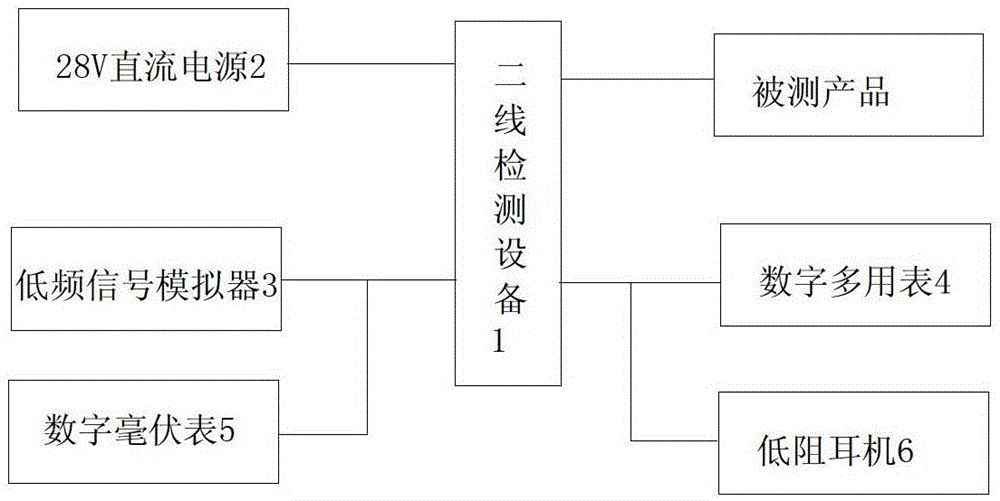
Figure 1 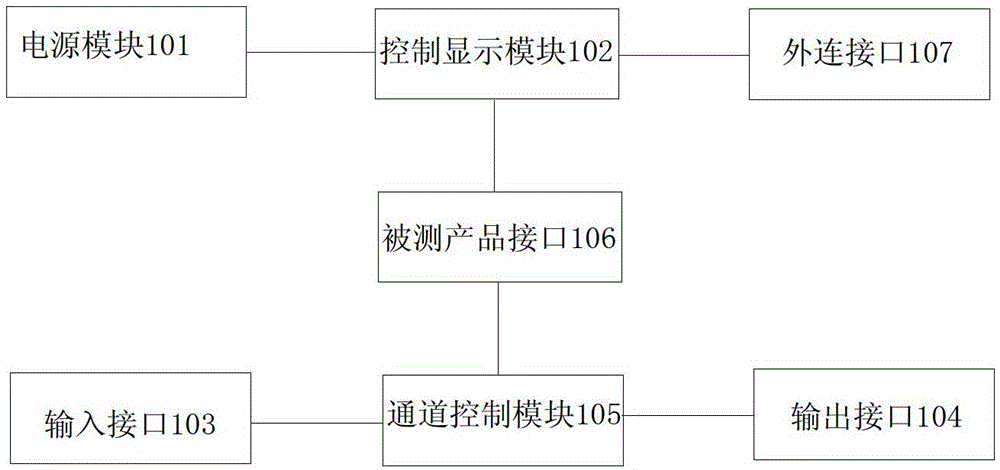
Figure 2 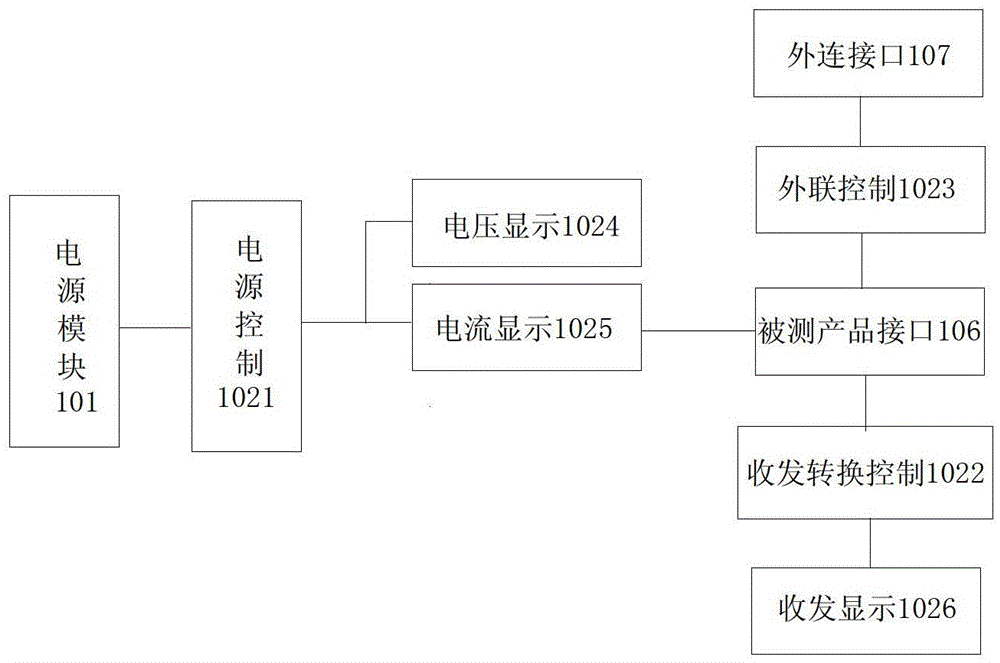
Figure 3
Abstract
Description
technical field
[0001] The invention belongs to the field of aviation special equipment testing, in particular to a second-line detector for an in-flight communication system. Background technique
[0002] At present, there is no universal tester for various types of intercom equipment. The current testers are all special-purpose, do not have the ability to expand, and cannot meet the performance tests of current multi-model intercom systems. In order to realize various types of intercom equipment To test the performance of the system, a universal tester is developed to meet the test of various types of intercom systems. Since the internal communication system of each new digital machine has not changed much, only the external interface, emergency function, hotline function, external bus address, etc. have been added, and the overall change is not large, which is convenient for system integration. In the development process, it is necessary to analyze the characteristics an...
Examples
Embodiment Construction
[0012] Below in conjunction with accompanying drawing the present invention is described in further detail, please refer to Figure 1 to Figure 3 .
[0013] Such as figure 1 As shown, a second-line tester for an intercom system includes a second-line detection device 1, a 28V DC power supply 2, a low-frequency signal simulator 3 and a digital multimeter 4 respectively connected to the second-line detection device 1, and a digital multimeter 4, respectively. A digital millivolt meter 5 connected to the second-line detection device 1 and the low-frequency signal simulator 3 , and a low-impedance earphone 6 connected to the second-line detection device 1 and the digital multimeter 4 respectively.
[0014] figure 1 The medium 28V DC power supply 2 provides working power for the second-line detection equipment 1 and the product under test; the output signal of the low-frequency signal simulator 3 is sent to the second-line detection equipment 1 and then input to the product under...