
High pressure water tightness function tester for special-shaped components
A technology of components and performance functions, which is applied in the field of high-pressure watertightness function testing of components, can solve the problems of unclean drainage, low efficiency of drainage and water injection, large test errors, etc., and achieve the effect of improving the sealing performance
Patent Information
- Authority / Receiving Office
- CN · China
- Patent Type
- Patents(China)
- Current Assignee / Owner
- Publication Date
- 2020-03-31
Smart Images
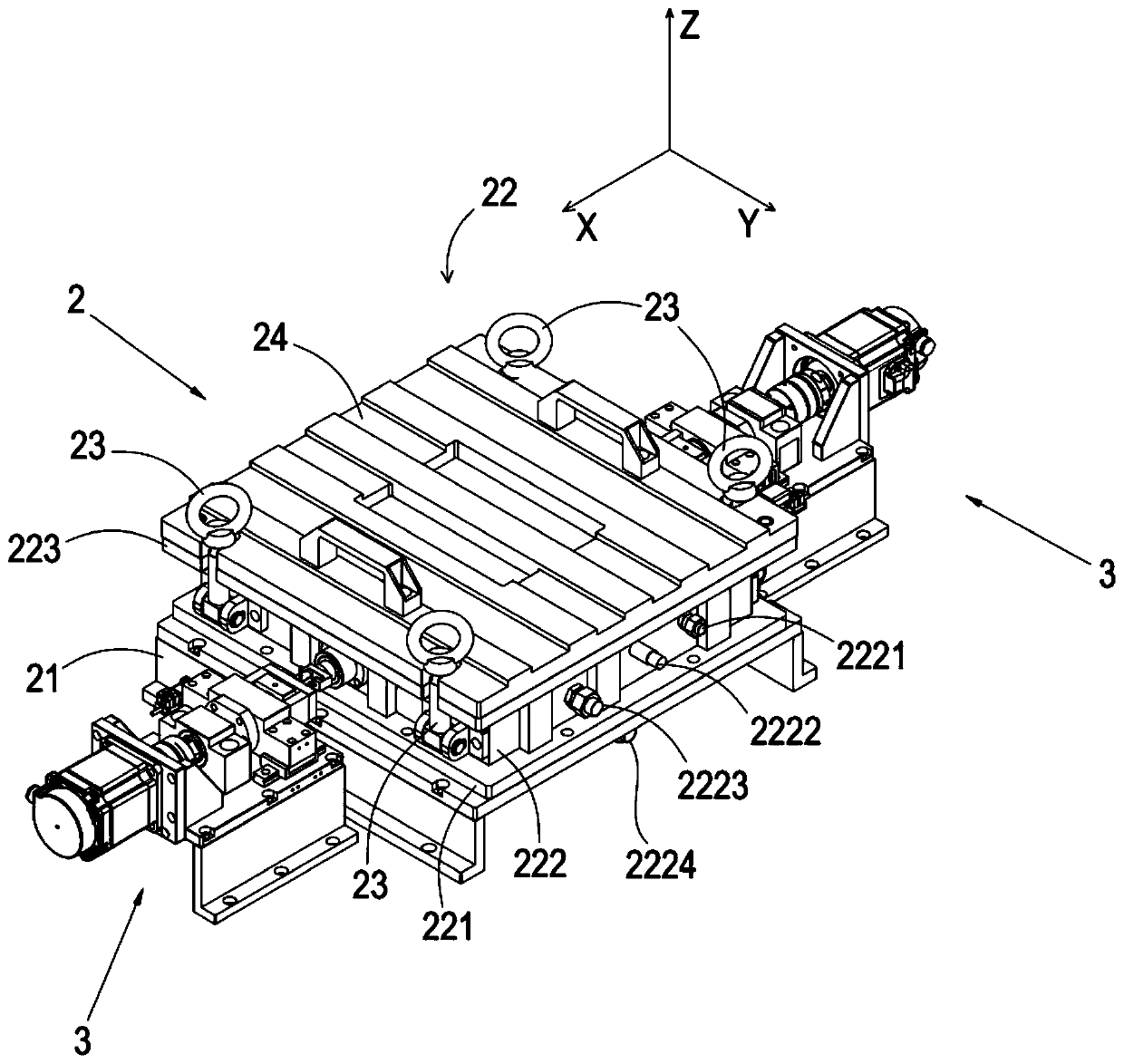
Figure 1 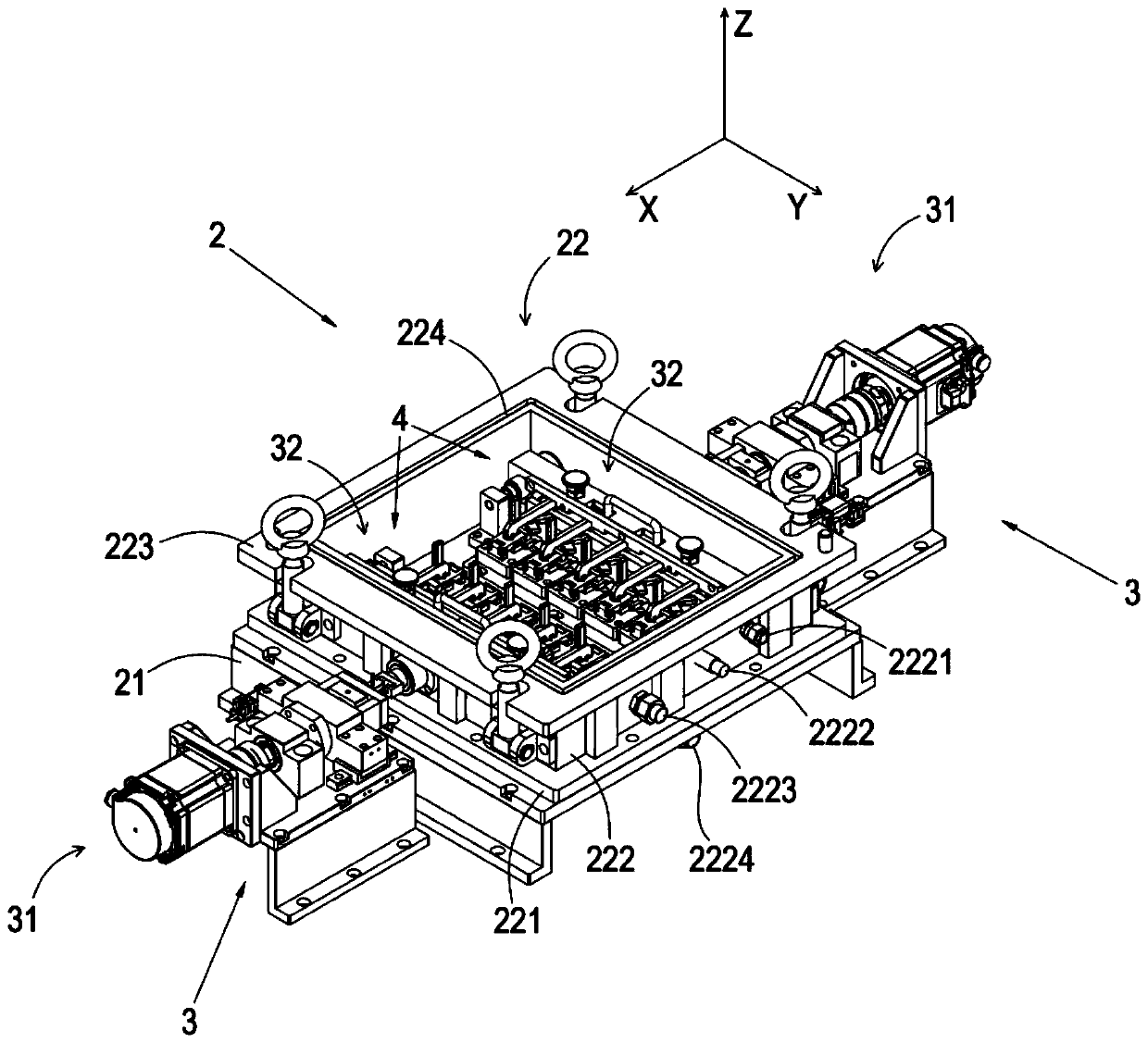
Figure 2 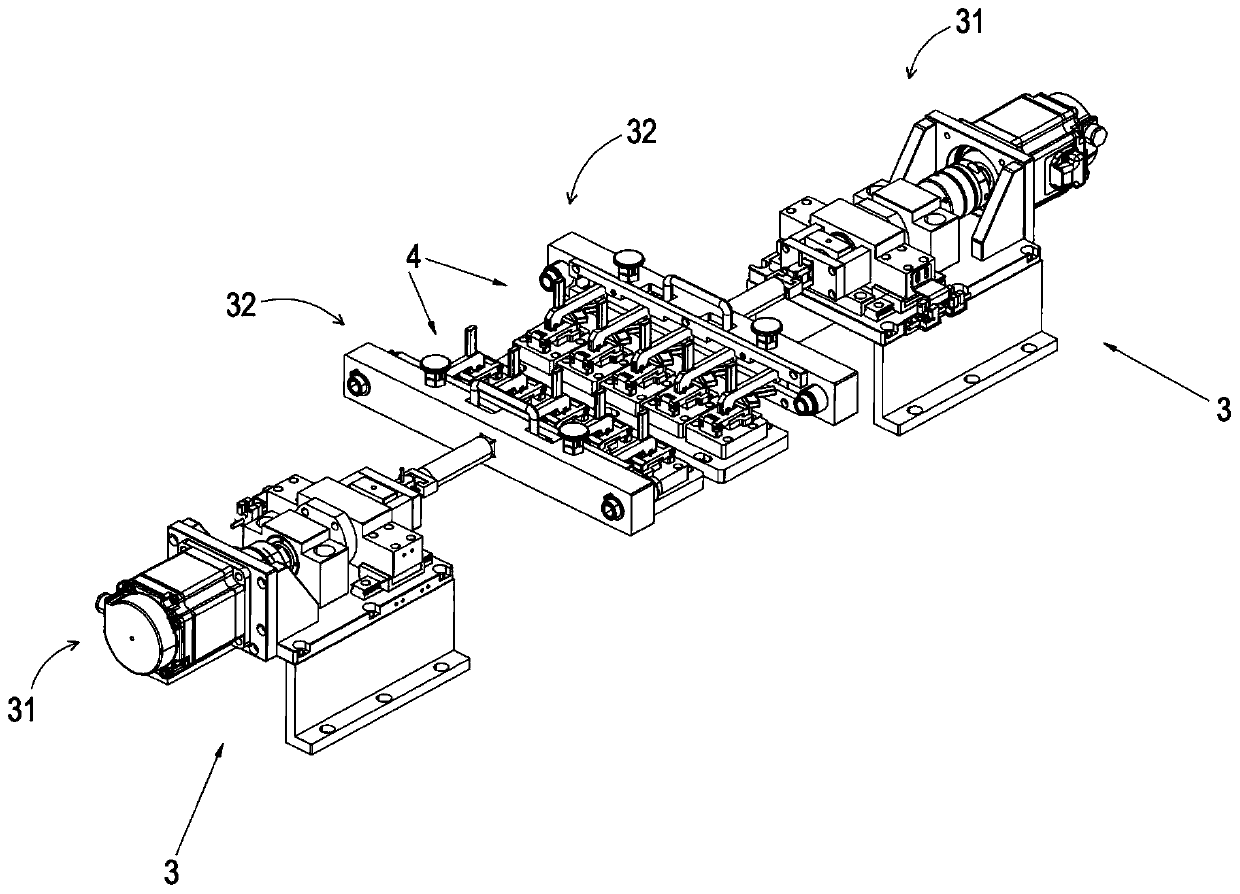
Figure 3
Abstract
Description
technical field
[0001] The invention relates to the field of high-pressure water-tightness functional testing of components, in particular to a high-pressure water-tightness functional tester for special-shaped components. Background technique
[0002] For some components, it is often necessary to perform a watertight function test under high pressure after the production is completed and before leaving the factory, such as testing whether some mechanical and electrical properties meet the design requirements and product quality requirements.
[0003] Most of the existing high-pressure watertightness function testers for components can only test the watertightness function of components. Due to the complex shape and structure of special-shaped components and non-unique shapes, it is often relatively difficult to perform some mechanical performance tests. Limitation, because of this, the existing high-pressure watertightness functional tester for components can only test one ...
Examples
Embodiment Construction
[0055]The present invention will be further described in detail below in conjunction with the accompanying drawings, and the aforementioned and other objects, features, aspects and advantages of the present invention will become more apparent, so that those skilled in the art can implement them with reference to the description. In the drawings, the shapes and dimensions may be exaggerated for clarity, and the same reference numerals will be used throughout to designate the same or like parts. In the following description, terms such as center, thickness, height, length, front, back, rear, left, right, top, bottom, upper, lower, etc. are based on the orientation or positional relationship shown in the drawings. In particular, "height" corresponds to the dimension from top to bottom, "width" corresponds to the dimension from left to right, and "depth" corresponds to the dimension from front to back. These relative terms are for convenience of description and are generally not i...