
Elbow joint movement device for hospital physiotherapy rehabilitation
The invention relates to an elbow joint and exerciser technology, which is applied to an elbow joint exerciser for physical therapy and rehabilitation in a hospital. In the field of elbow joint sports equipment, it can solve the problems of single movement mode, not easy to carry, complex structure and other problems, and achieve the effect of diversification of movement modes, improvement of wearing comfort and reduction of labor intensity
Patent Information
- Authority / Receiving Office
- CN · China
- Patent Type
- Applications(China)
- Current Assignee / Owner
- Publication Date
- 2019-10-08
- Estimated Expiration
- Not applicable · inactive patent
Smart Images
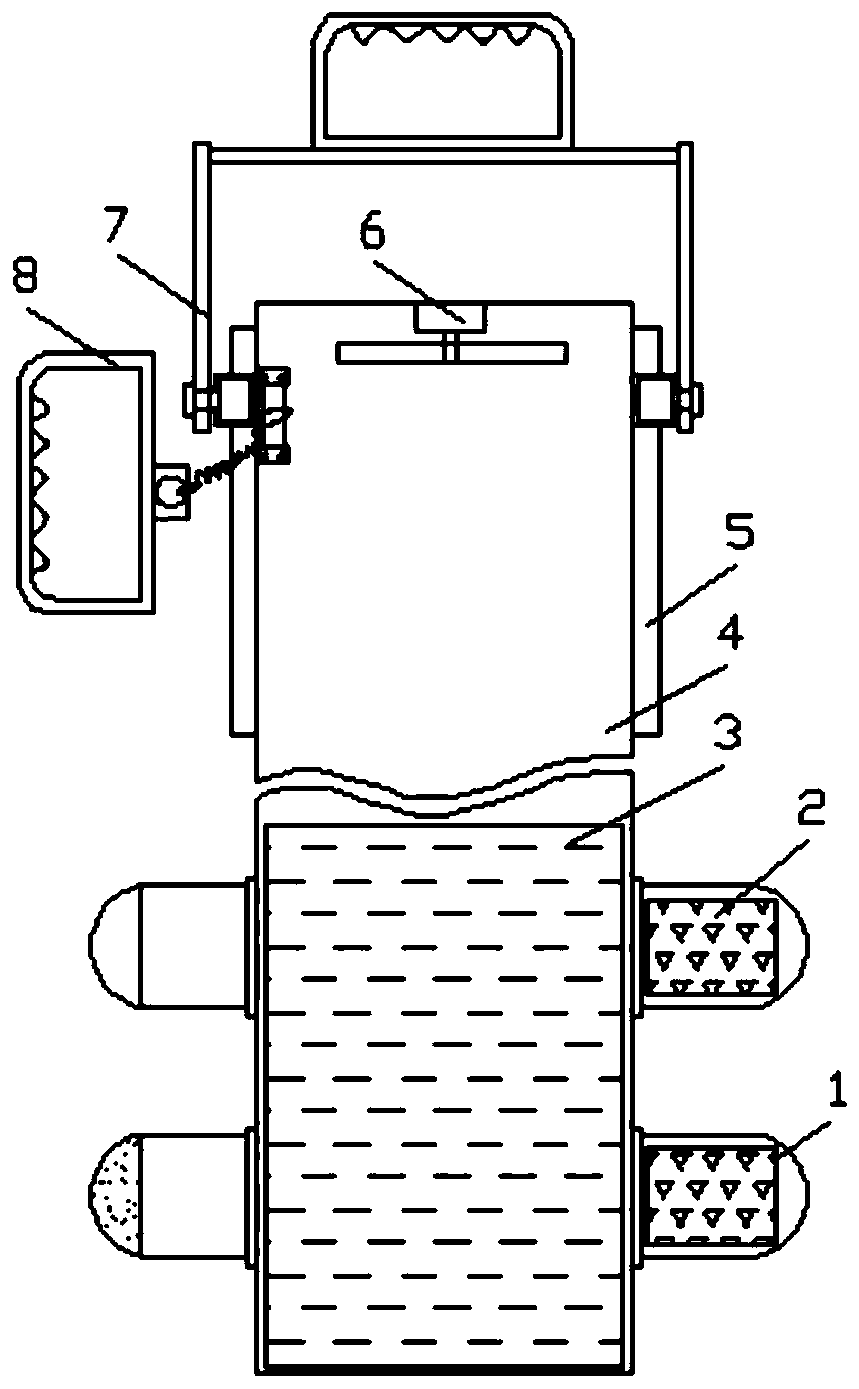
Figure 1 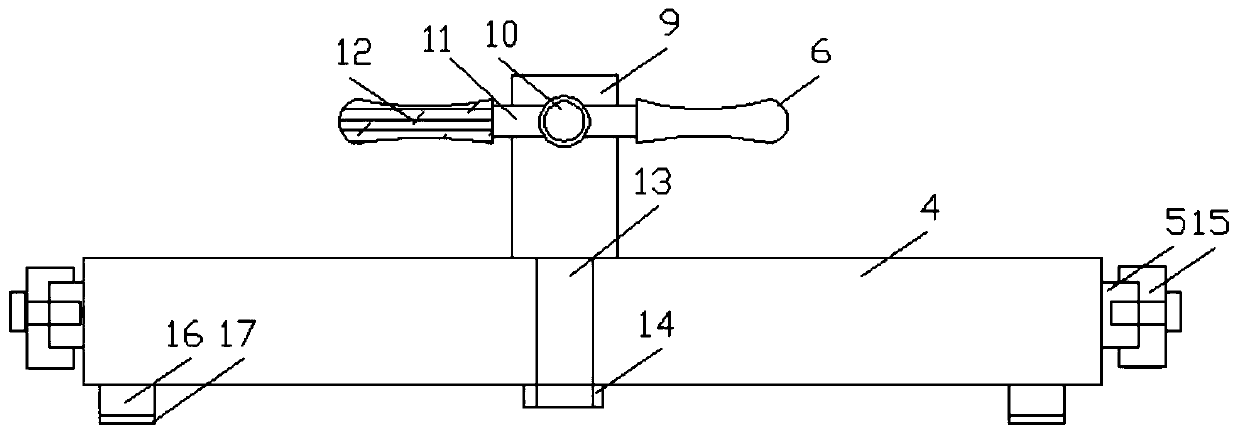
Figure 2 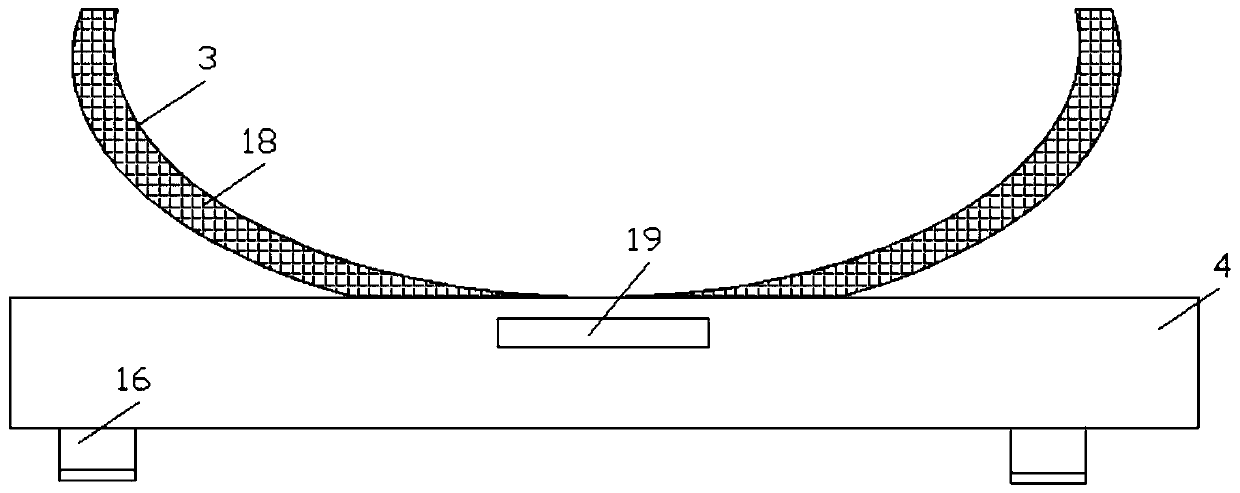
Figure 3
Abstract
Description
technical field
[0001] The invention relates to the related technical field of medical rehabilitation equipment, in particular to an elbow joint motion device for hospital physiotherapy rehabilitation. Background technique
[0002] The elbow joint consists of the lower end of the humerus, the upper end of the ulna, and the upper end of the radius, and includes three joints, namely, the humerulnar joint, the humeroradial joint, and the proximal radioulnar joint. It can do forward flexion and extension, and also participate in the pronation and supination of the forearm.
[0003] Patients need rehabilitation training after surgery or loss of the elbow joint. The existing conventional way is for the patient to perform elbow joint rehabilitation training on his own or with the help of medical staff. When patients perform elbow joint training alone, they often fail to do so because of unreasonable training. Complete training goals, and younger or older patients often cannot comp...
Examples
Embodiment Construction
[0025] The following will clearly and completely describe the technical solutions in the embodiments of the present invention with reference to the accompanying drawings in the embodiments of the present invention. Obviously, the described embodiments are only some, not all, embodiments of the present invention. Based on the embodiments of the present invention, all other embodiments obtained by persons of ordinary skill in the art without making creative efforts belong to the protection scope of the present invention.
[0026] In the description of the present invention, it should be noted that the orientation or positional relationship indicated by the terms "vertical", "upper", "lower", "horizontal" etc. is based on the orientation or positional relationship shown in the drawings, and is only In order to facilitate the description of the present invention and simplify the description, it does not indicate or imply that the device or element referred to must have a specific o...