
Heterogeneous software workload estimation method based on deep learning
A deep learning and workload technology, applied in neural learning methods, computing, biological neural network models, etc., can solve problems such as inaccurate and suboptimal prediction results
Patent Information
- Authority / Receiving Office
- CN · China
- Current Assignee / Owner
- Publication Date
- 2019-10-11
Smart Images
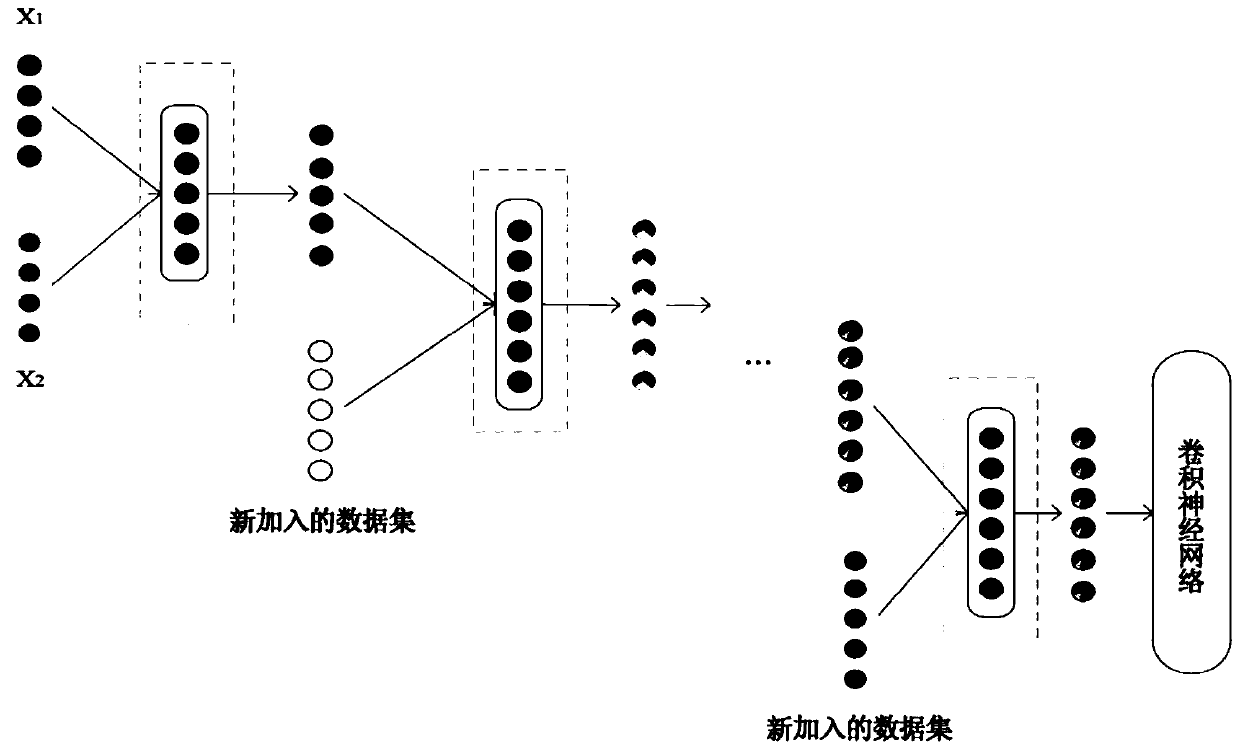
Figure 1 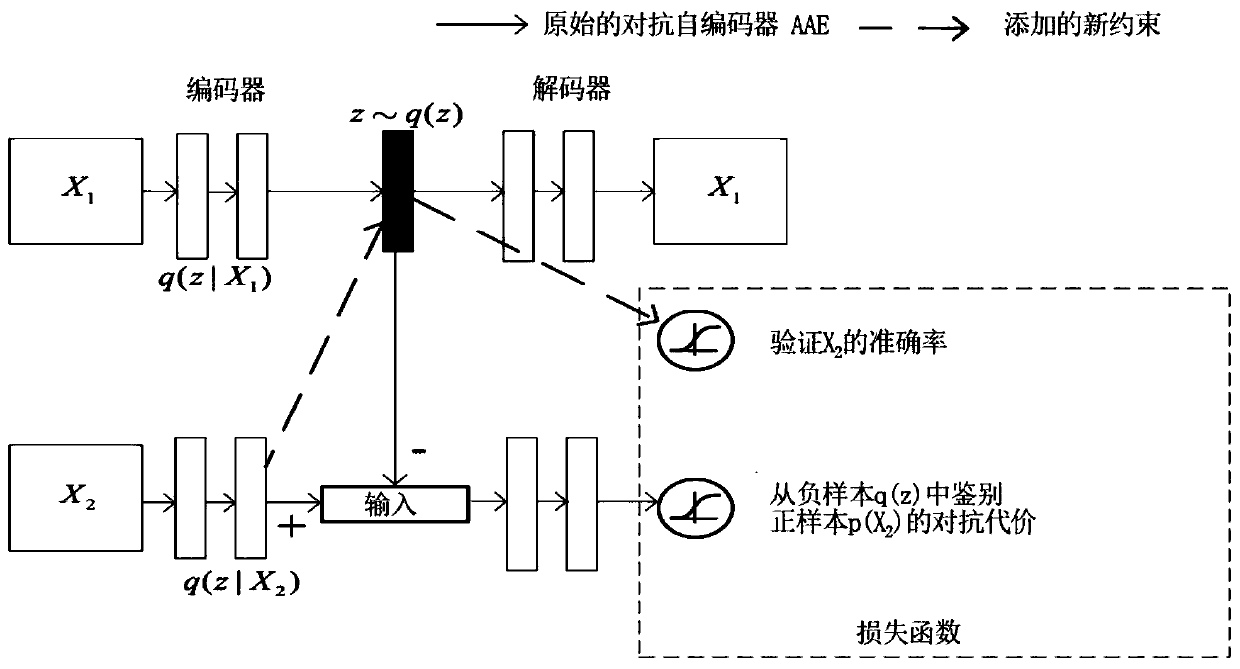
Figure 2 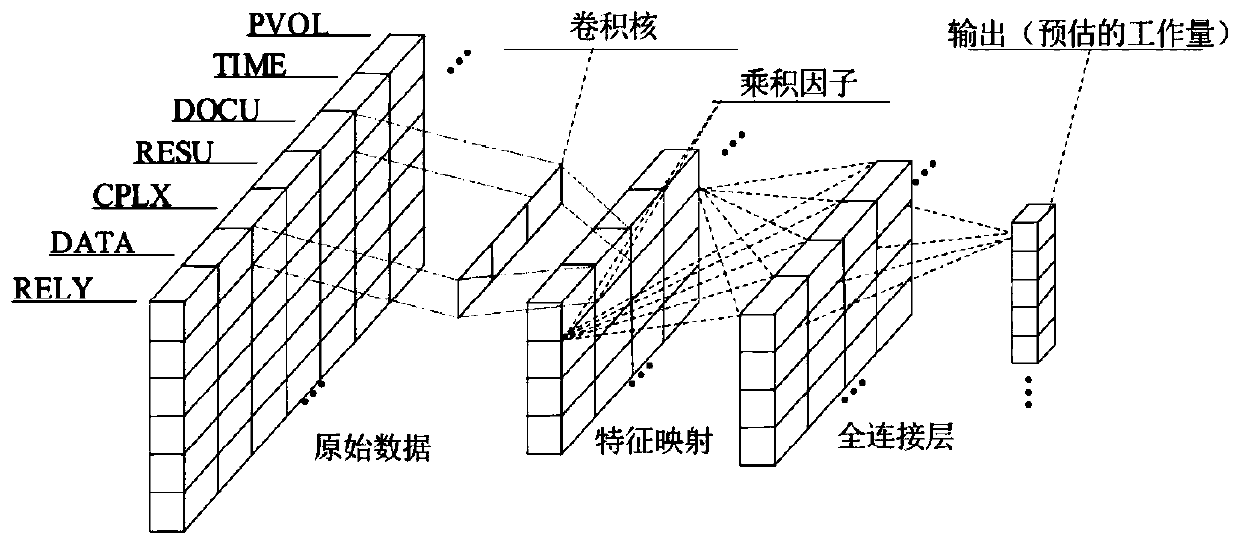
Figure 3
Abstract
Description
technical field
[0001] The present invention relates to the technical field of computer software, and more specifically, to a method for estimating workload of heterogeneous software based on deep learning. Background technique
[0002] As the Internet enters thousands of households and computer technology changes with each passing day, software, as a main carrier of information technology, has become an indispensable part of human society. With the increasing demand for software, the codes of software development are becoming more and more complex, and the estimation of software workload is becoming more and more difficult.
[0003] Software Effort Estimation (Software Effort Estimation, referred to as SEE) is an important activity in the development of enterprise software projects. Accurate software effort estimation can enable enterprises to make reasonable plans, reduce management costs, thereby enhancing operational efficiency and improving economic efficiency. benefit...
Examples
Embodiment
[0068] This embodiment provides a heterogeneous software workload estimation method based on deep learning, including:
[0069] Step S1: Create a dataset, including the source dataset x 2 with the target dataset x 1 ;
[0070] Among them, the target data set x 1 A data set owned by the user;
[0071] Generally, it is the internal data of the enterprise. If the historical data of the newly established enterprise is zero, the target data set can also be formed by using the enterprise branch or external enterprise data similar to the enterprise's situation according to the actual situation x 1 ;
[0072] source data set x 2 with the target dataset x 1 There is heterogeneity among them, and the external enterprise data set is generally used, which is different from the target data set x 1 heterogeneous;
[0073] Step S2: Use the source dataset x 2 with the target dataset x 1 train the autoencoder;
[0074] The training process includes: the autoencoder passes the aggreg...