
Construction method for treating mud of empty pile segment of pile hole through curing agent
A construction method and technology of curing agent, applied in sheet pile wall, earthwork drilling, infrastructure engineering and other directions, can solve the problems of low construction efficiency, and achieve the effects of low construction cost, convenient construction and low material cost
Patent Information
- Authority / Receiving Office
- CN · China
- Patent Type
- Applications(China)
- Current Assignee / Owner
- Publication Date
- 2019-10-18
- Estimated Expiration
- Not applicable · inactive patent
Smart Images
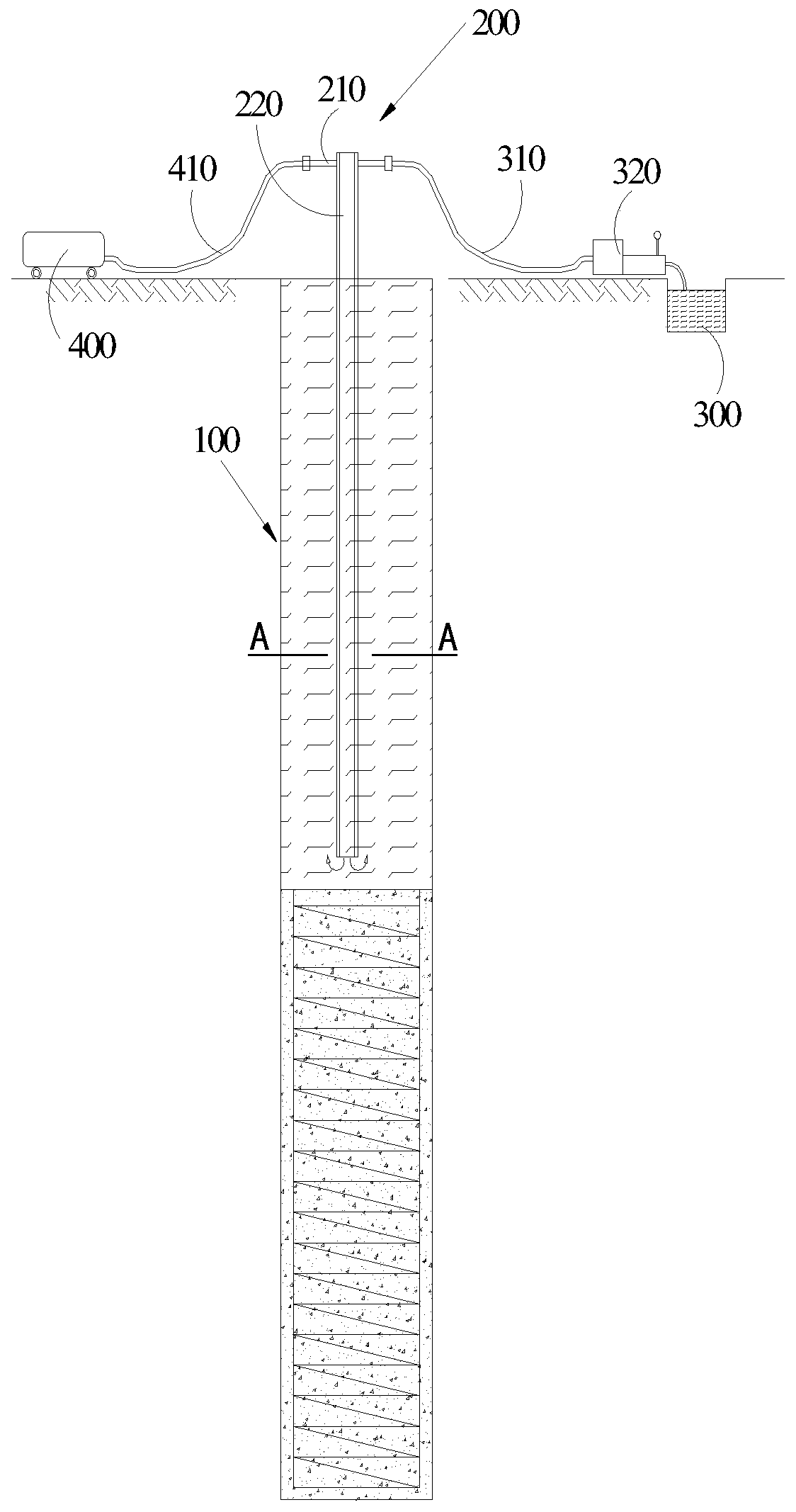
Figure 1 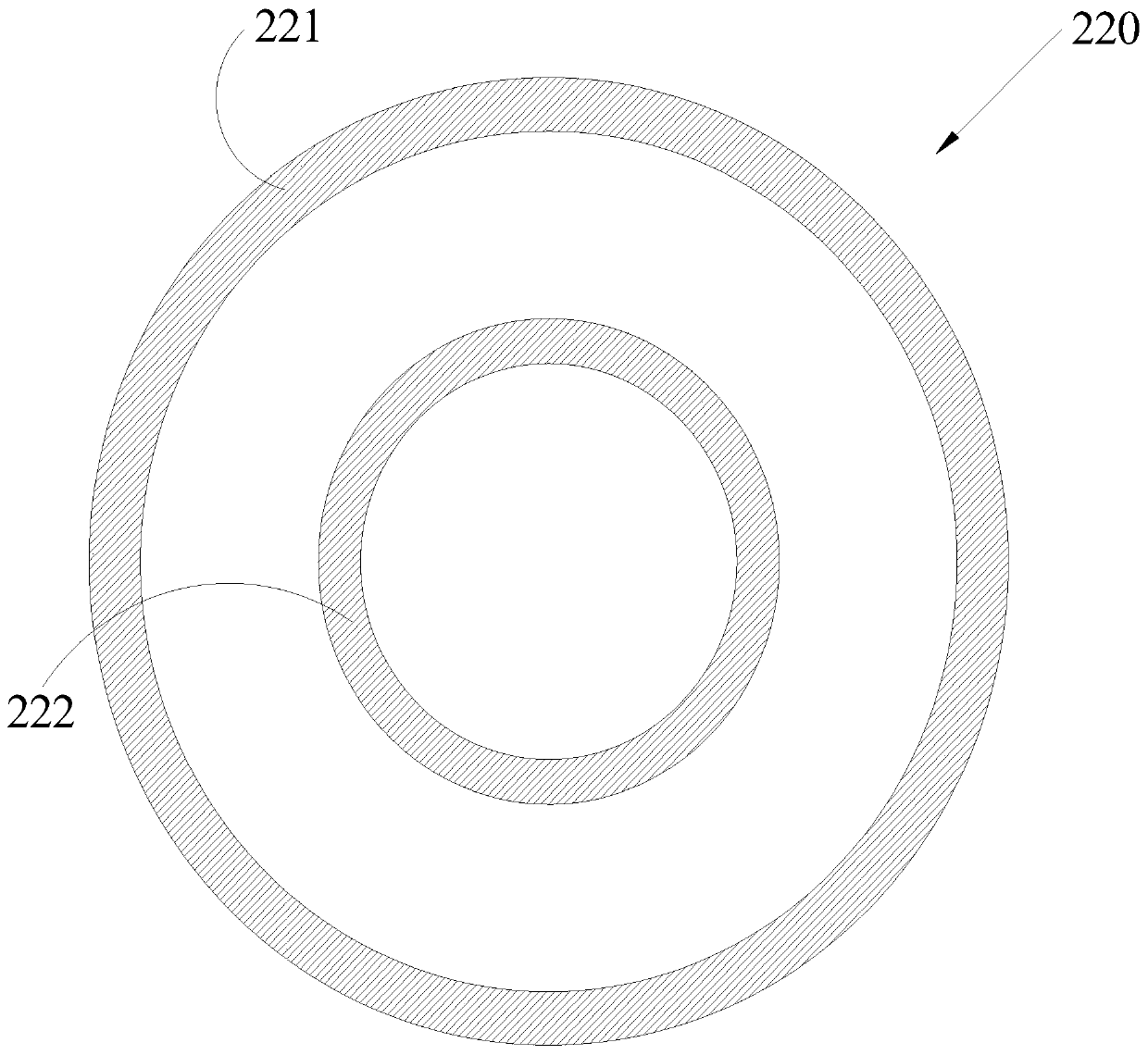
Figure 2 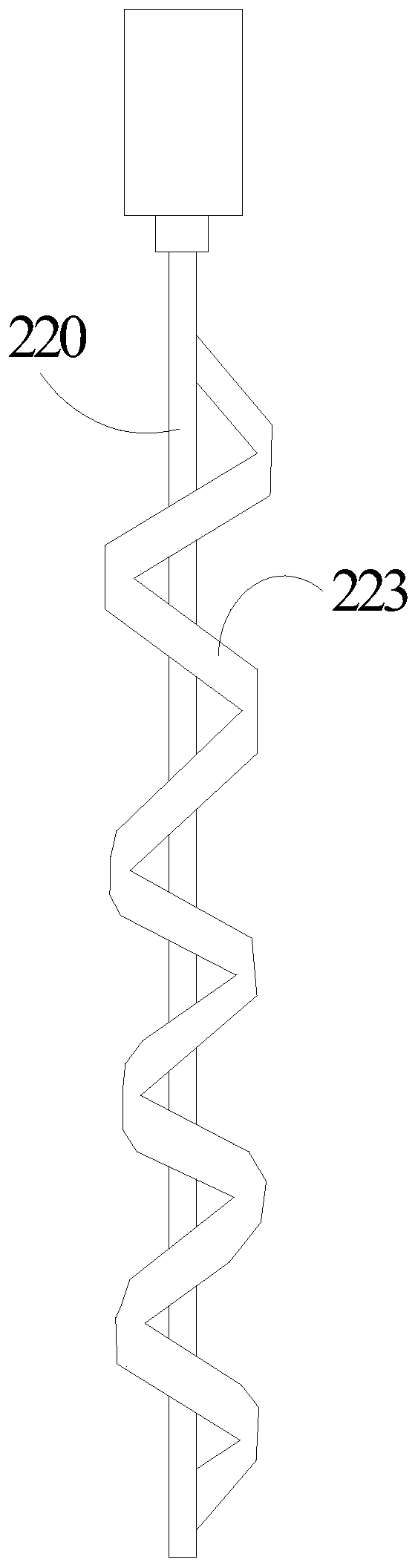
Figure 3
Abstract
Description
technical field
[0001] The patent of the present invention relates to the technical field of slurry construction of empty pile sections in pile holes, and specifically relates to a construction method for curing agent to treat slurry in empty pile sections of pile holes. Background technique
[0002] As more and more pile foundation projects are constructed on the surface before the excavation of the foundation pit, once the construction of the engineering piles is completed, the foundation pit needs to be excavated later, and the part within the depth of the excavated foundation pit is an empty pile part.
[0003] During pile foundation construction, the empty pile section does not need to place reinforcement cages and pour concrete. Only the reinforcement cage is placed in the lower solid pile section. When pouring pile hole concrete, it can only be poured to the bottom of the foundation pit (the bottom of the empty pile section) , so there are more than ten meters or eve...
Examples
Embodiment Construction
[0028] In order to make the object, technical solution and advantages of the present invention clearer, the present invention will be further described in detail below in conjunction with the accompanying drawings and embodiments. It should be understood that the specific embodiments described here are only used to explain the present invention, not to limit the present invention.
[0029] The implementation of the present invention will be described in detail below in conjunction with specific embodiments.
[0030] In the drawings of this embodiment, the same or similar symbols correspond to the same or similar components; The indicated orientation or positional relationship is based on the orientation or positional relationship shown in the drawings, and is only for the convenience of describing the present invention and simplifying the description, rather than indicating or implying that the referred device or element must have a specific orientation, or in a specific orien...