
Intelligent door lock with prying-resistant function and anti-prying detection method thereof
A smart door lock and tamper-resistant technology, which is applied in the direction of instruments, time registers, individual input/output registers, etc.
Patent Information
- Authority / Receiving Office
- CN · China
- Patent Type
- Applications(China)
- Current Assignee / Owner
- Publication Date
- 2020-09-01
- Estimated Expiration
- Not applicable · inactive patent
Smart Images
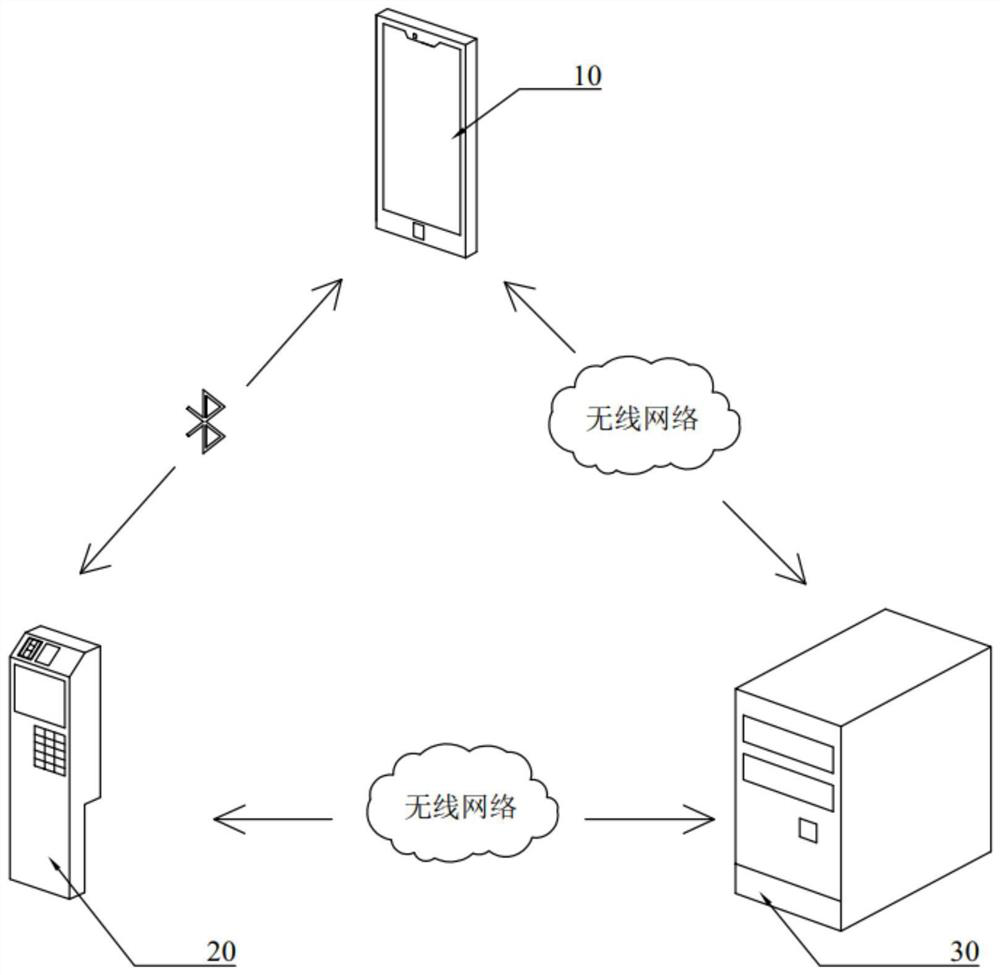
Figure 1 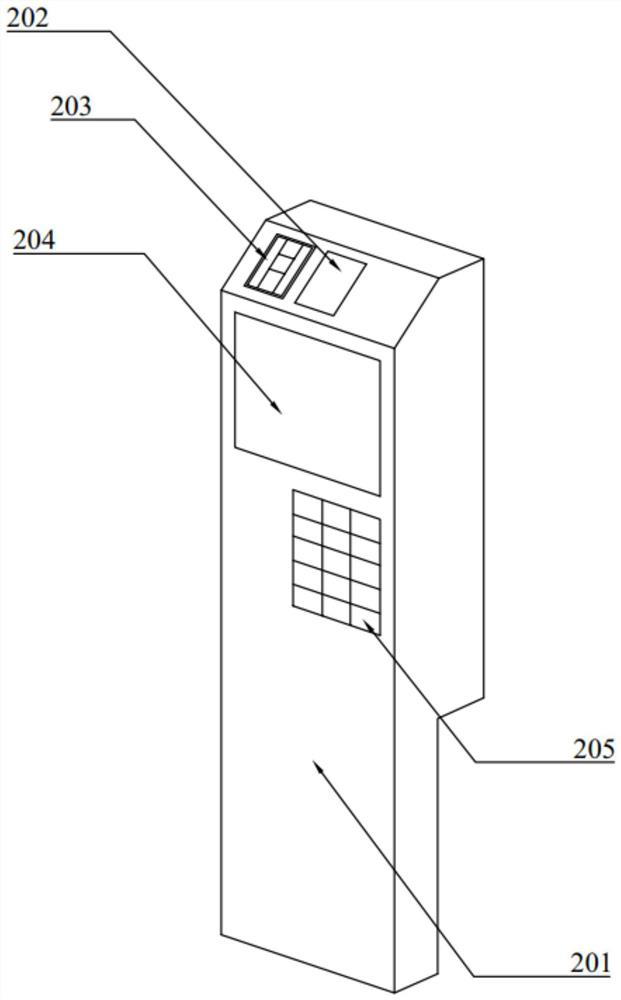
Figure 2 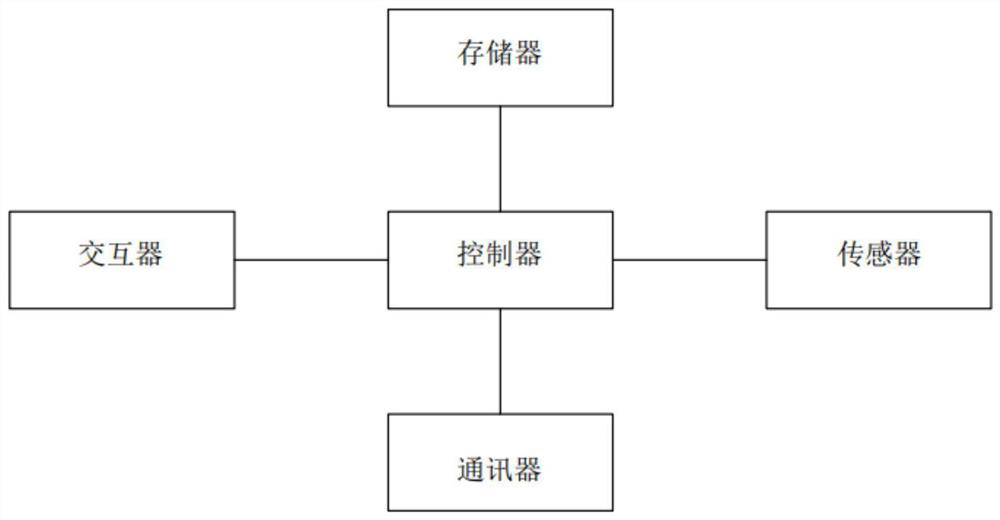
Figure 3
Abstract
Description
technical field
[0001] The application relates to an intelligent door lock with an anti-pry function and a method for detecting the anti-pry. Background technique
[0002] Smart door locks are different from traditional mechanical locks, and are more intelligent in terms of user identification, security, and management. Smart door locks are different from traditional mechanical locks. They are composite locks with security, convenience, and advanced technology. .
[0003] The existing technology generally uses mechanical buttons to be placed behind the lock panel, and the buttons are triggered to detect the alarm function when the lock is removed. Contents of the invention
[0004] An intelligent door lock with anti-tampering function, comprising: an interactor for user operation to realize human-computer interaction between the user and the intelligent door lock; a sensor for collecting user identification data; a controller for controlling Interaction devices and senso...
Examples
Embodiment Construction
[0026] In order to enable those skilled in the art to better understand the solution of the present application, the technical solution in the embodiment of the application will be clearly and completely described below in conjunction with the accompanying drawings in the embodiment of the application. Obviously, the described embodiment is only It is an embodiment of a part of the application, but not all of the embodiments. Based on the embodiments in this application, all other embodiments obtained by persons of ordinary skill in the art without creative efforts shall fall within the protection scope of this application.
[0027] It should be noted that the terms "first" and "second" in the description and claims of the present application and the above drawings are used to distinguish similar objects, but not necessarily used to describe a specific sequence or sequence. It should be understood that the data so used may be interchanged under appropriate circumstances for th...