
Multiple user controlled object
a multi-user, controlled object technology, applied in the direction of electric controllers, ignition automatic control, instruments, etc., can solve the problems of reducing the skill level of students, limiting the system to switching 100% control, and inconvenient carrying on toys, etc., to increase the level of control to students and improve the skill level
Patent Information
- Authority / Receiving Office
- US · United States
- Patent Type
- Patents(United States)
- Current Assignee / Owner
- Publication Date
- 2012-10-02
Smart Images
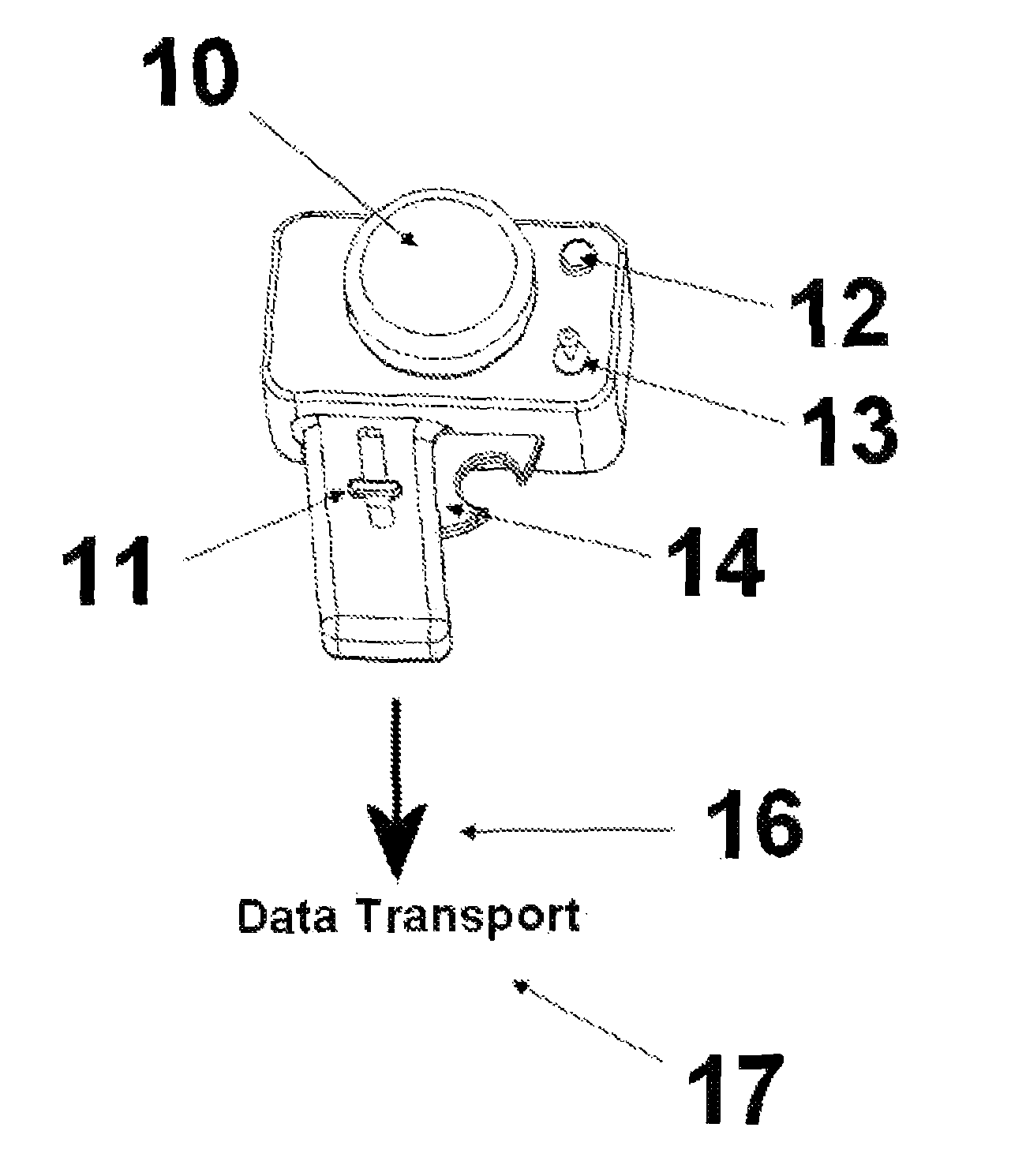
Figure 1 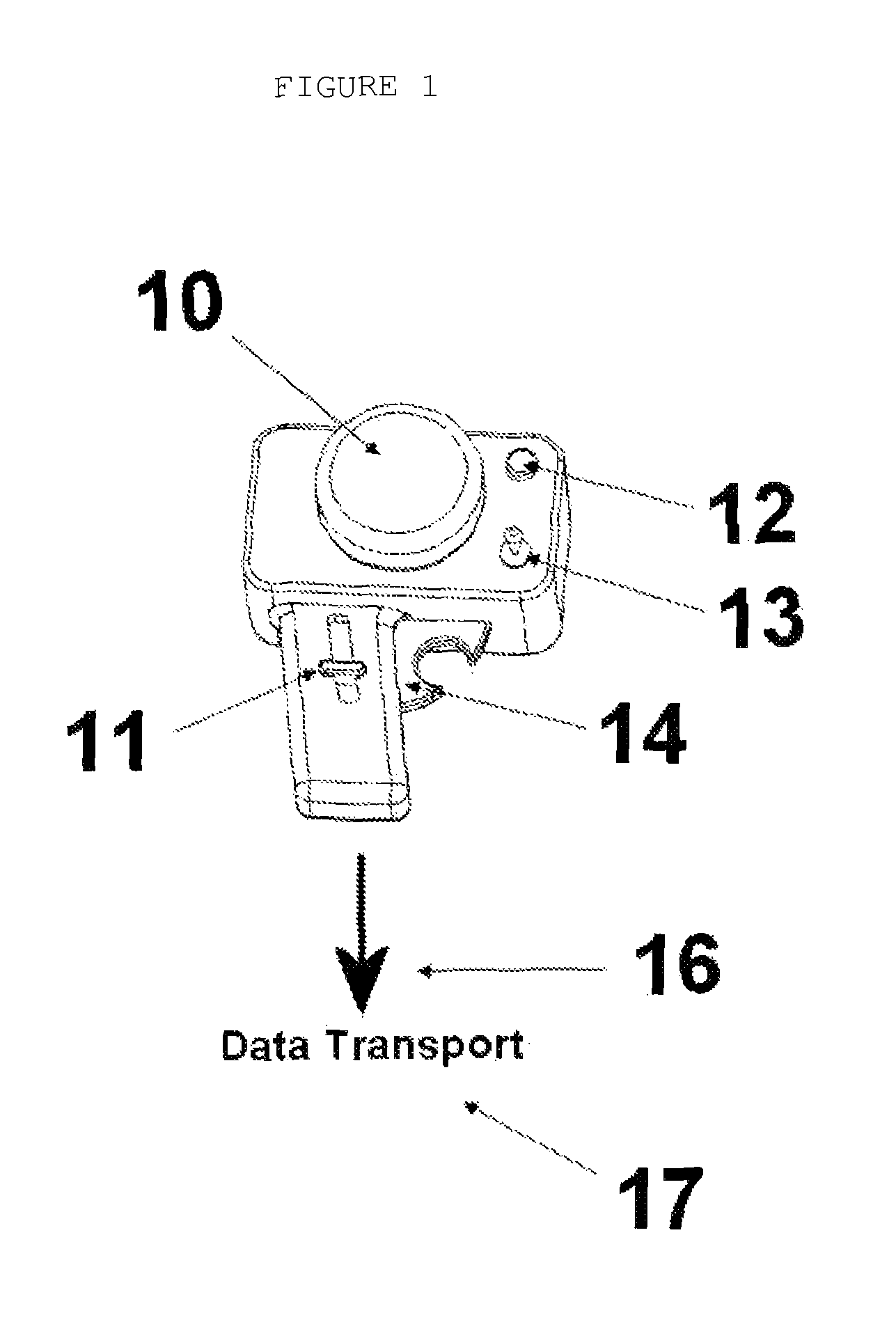
Figure 2 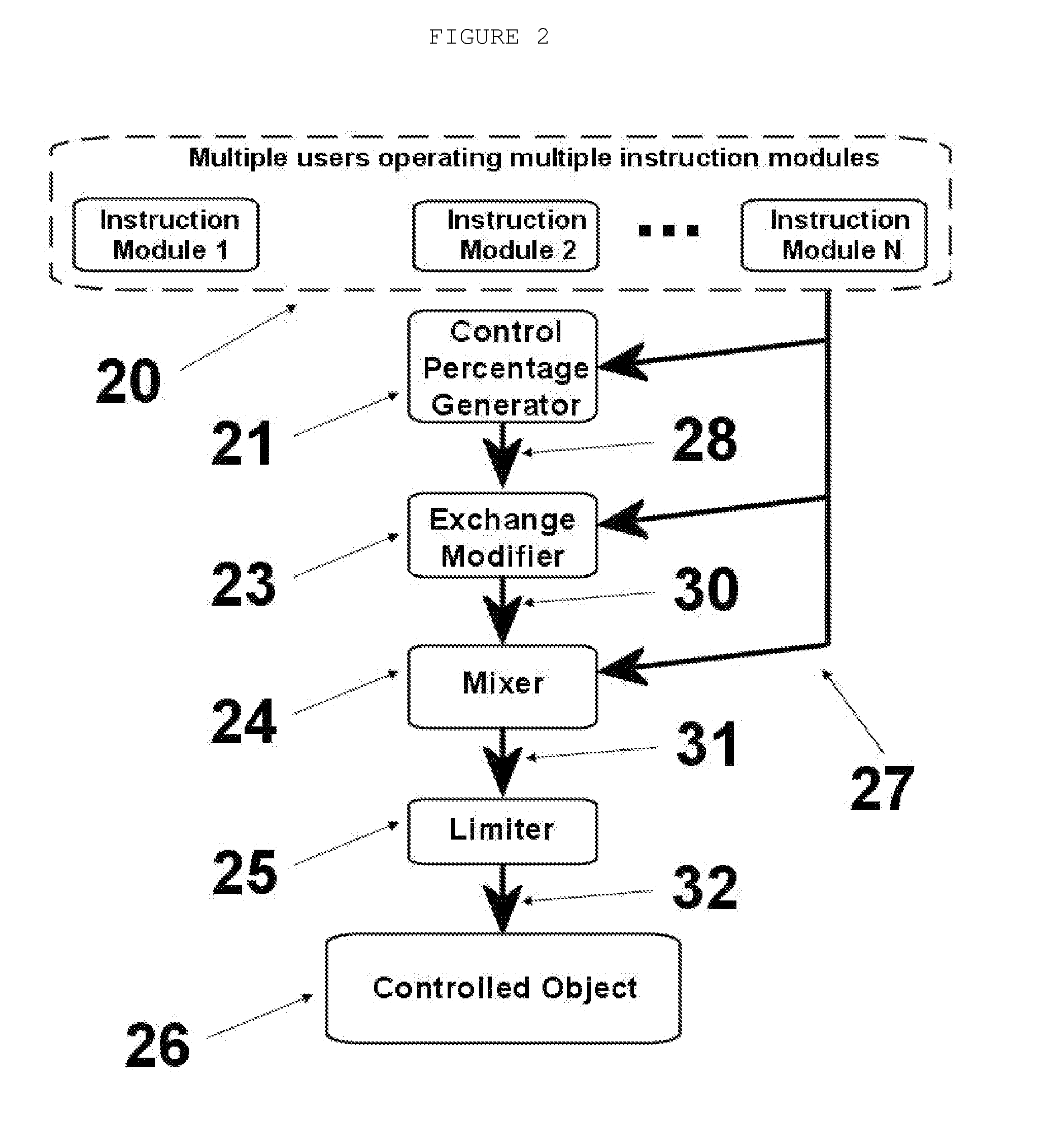
Figure 3
Abstract
Description
RELATED APPLICATIONS
[0001] The present application is a continuation application of U.S. provisional patent application Ser. No. 61 / 187,075, filed Jun. 15, 2009, for VARIABLE GAIN APPLIED TO MULTIPLE RECEIVERS AND / OR TRANSMITTERS, by David M. Coombs, included by reference herein and for which benefit of the priority date is hereby claimed.
[0002] The present application is related to United States patent number 20030148703, issued Aug. 7, 2003, for SYSTEMS AND METHODS FOR RADIO CONTROL AND OPERATION OF A MINIATURE TOY VEHICLE INCLUDING INTERCHANGEABLE BODIES, included by reference herein.FIELD OF THE INVENTION
[0003] The present invention relates to controlled objects, more particularly, to multiple users controlling a single object.BACKGROUND OF THE INVENTION
[0004] The remote control hobby and toy industry has been rapidly growing through the years with smaller, better, and cheaper control systems. The small size and light weight of modern RC receivers make them nearly inconsequential to...
Examples
Embodiment Construction
[0025]The instruction module shown in FIG. 1 can be any electronic or electromechanical device that senses instruction input from a user, or group of users as shown in FIG. 2, and transports the sensed information to a centralized location where all common instruction inputs from all concurrent users can be combined and used to manipulate a single controlled object 26. Each instruction module may have many different sensors for instructing a variety of different channels to provide user input to any type of functionality that the controlled object 26 supports. The instruction module can support analog functions such as steering instruction 10, or speed and direction instruction 14, or it can support binary functions such as switch instruction 13 for headlights, or a momentary pushbutton instruction 12 for activating a horn. Each instruction module should be capable of generating sensor data that can operate the various channels of the controlled object 26 with 100% full-scale contro...