
Active Alignment in Laser Systems: Increase Precision
APR 15, 20269 MIN READ
Generate Your Research Report Instantly with AI Agent
Patsnap Eureka helps you evaluate technical feasibility & market potential.
Laser Active Alignment Technology Background and Objectives
Laser active alignment technology has emerged as a critical enabler for precision optical systems across diverse industrial applications. The fundamental principle involves real-time adjustment of optical components using feedback control mechanisms to maintain optimal beam positioning and quality. This technology addresses the inherent challenges of mechanical drift, thermal expansion, and environmental disturbances that can degrade laser system performance over time.
The evolution of active alignment systems began in the 1980s with basic motorized mirror mounts and has progressed to sophisticated multi-axis positioning systems incorporating advanced sensors and control algorithms. Early implementations focused primarily on laboratory environments, but technological advances have enabled deployment in harsh industrial conditions where precision requirements continue to increase.
Modern laser systems demand unprecedented levels of accuracy, with alignment tolerances often measured in microradians for angular positioning and sub-micron precision for linear displacement. Traditional passive alignment methods, while cost-effective, cannot maintain these stringent requirements under dynamic operating conditions. The growing complexity of laser-based manufacturing processes, particularly in semiconductor fabrication, medical device production, and precision machining, has intensified the need for active alignment solutions.
The primary technical objective centers on achieving closed-loop control systems capable of maintaining beam positioning accuracy within specified tolerances regardless of external disturbances. This encompasses developing high-resolution sensing mechanisms, implementing robust control algorithms, and integrating compact actuator systems that can operate reliably in industrial environments.
Secondary objectives include minimizing system response time to enable real-time correction of alignment deviations, reducing power consumption for continuous operation scenarios, and ensuring compatibility with existing laser system architectures. The technology must also demonstrate long-term stability and repeatability to justify the increased complexity and cost compared to passive alignment approaches.
Future development goals focus on incorporating artificial intelligence and machine learning algorithms to predict alignment drift patterns and implement predictive correction strategies. Additionally, the integration of advanced materials and micro-electromechanical systems promises to reduce system size while enhancing performance capabilities, making active alignment technology accessible to a broader range of applications where space constraints and cost considerations are paramount factors in system design decisions.
The evolution of active alignment systems began in the 1980s with basic motorized mirror mounts and has progressed to sophisticated multi-axis positioning systems incorporating advanced sensors and control algorithms. Early implementations focused primarily on laboratory environments, but technological advances have enabled deployment in harsh industrial conditions where precision requirements continue to increase.
Modern laser systems demand unprecedented levels of accuracy, with alignment tolerances often measured in microradians for angular positioning and sub-micron precision for linear displacement. Traditional passive alignment methods, while cost-effective, cannot maintain these stringent requirements under dynamic operating conditions. The growing complexity of laser-based manufacturing processes, particularly in semiconductor fabrication, medical device production, and precision machining, has intensified the need for active alignment solutions.
The primary technical objective centers on achieving closed-loop control systems capable of maintaining beam positioning accuracy within specified tolerances regardless of external disturbances. This encompasses developing high-resolution sensing mechanisms, implementing robust control algorithms, and integrating compact actuator systems that can operate reliably in industrial environments.
Secondary objectives include minimizing system response time to enable real-time correction of alignment deviations, reducing power consumption for continuous operation scenarios, and ensuring compatibility with existing laser system architectures. The technology must also demonstrate long-term stability and repeatability to justify the increased complexity and cost compared to passive alignment approaches.
Future development goals focus on incorporating artificial intelligence and machine learning algorithms to predict alignment drift patterns and implement predictive correction strategies. Additionally, the integration of advanced materials and micro-electromechanical systems promises to reduce system size while enhancing performance capabilities, making active alignment technology accessible to a broader range of applications where space constraints and cost considerations are paramount factors in system design decisions.
Market Demand for High-Precision Laser Alignment Systems
The global demand for high-precision laser alignment systems has experienced substantial growth across multiple industrial sectors, driven by the increasing need for enhanced manufacturing accuracy and quality control. Industries such as semiconductor fabrication, aerospace manufacturing, automotive production, and precision machining have become primary drivers of this market expansion. The semiconductor industry, in particular, has emerged as a critical demand generator due to the continuous miniaturization of electronic components and the requirement for nanometer-level precision in lithography and wafer processing applications.
Manufacturing automation trends have significantly amplified the need for active alignment technologies in laser systems. As production facilities transition toward Industry 4.0 paradigms, the integration of intelligent laser alignment systems has become essential for maintaining consistent product quality while reducing manual intervention. This shift has created substantial market opportunities for systems capable of real-time precision adjustments and automated calibration processes.
The telecommunications sector represents another major demand source, particularly with the expansion of fiber optic networks and the deployment of advanced optical communication systems. The precise alignment of laser components in optical transceivers, amplifiers, and switching equipment has become increasingly critical as data transmission speeds continue to escalate and network reliability requirements intensify.
Medical device manufacturing has emerged as a rapidly growing market segment for high-precision laser alignment systems. Applications in surgical laser equipment, diagnostic instruments, and therapeutic devices require exceptional accuracy and reliability. The stringent regulatory requirements in medical applications have further emphasized the importance of consistent and verifiable alignment precision.
Research and development institutions, including universities and government laboratories, constitute a significant portion of the market demand. These organizations require cutting-edge laser alignment capabilities for scientific research, materials processing studies, and advanced manufacturing technique development. The academic sector's emphasis on pushing technological boundaries has created demand for increasingly sophisticated alignment solutions.
The market landscape indicates strong growth potential in emerging applications such as additive manufacturing, where precise laser control directly impacts part quality and dimensional accuracy. Additionally, the development of quantum technologies and photonic computing systems has introduced new requirements for ultra-precise laser alignment capabilities, representing future market expansion opportunities.
Manufacturing automation trends have significantly amplified the need for active alignment technologies in laser systems. As production facilities transition toward Industry 4.0 paradigms, the integration of intelligent laser alignment systems has become essential for maintaining consistent product quality while reducing manual intervention. This shift has created substantial market opportunities for systems capable of real-time precision adjustments and automated calibration processes.
The telecommunications sector represents another major demand source, particularly with the expansion of fiber optic networks and the deployment of advanced optical communication systems. The precise alignment of laser components in optical transceivers, amplifiers, and switching equipment has become increasingly critical as data transmission speeds continue to escalate and network reliability requirements intensify.
Medical device manufacturing has emerged as a rapidly growing market segment for high-precision laser alignment systems. Applications in surgical laser equipment, diagnostic instruments, and therapeutic devices require exceptional accuracy and reliability. The stringent regulatory requirements in medical applications have further emphasized the importance of consistent and verifiable alignment precision.
Research and development institutions, including universities and government laboratories, constitute a significant portion of the market demand. These organizations require cutting-edge laser alignment capabilities for scientific research, materials processing studies, and advanced manufacturing technique development. The academic sector's emphasis on pushing technological boundaries has created demand for increasingly sophisticated alignment solutions.
The market landscape indicates strong growth potential in emerging applications such as additive manufacturing, where precise laser control directly impacts part quality and dimensional accuracy. Additionally, the development of quantum technologies and photonic computing systems has introduced new requirements for ultra-precise laser alignment capabilities, representing future market expansion opportunities.
Current Status and Challenges in Laser Active Alignment
Active alignment technology in laser systems has reached a mature stage of development, with widespread adoption across telecommunications, manufacturing, and scientific instrumentation sectors. Current implementations primarily rely on closed-loop feedback systems that utilize photodetectors, position-sensitive devices, and piezoelectric actuators to maintain optimal beam positioning and coupling efficiency. These systems typically achieve alignment accuracies in the sub-micron range, which suffices for many conventional applications.
The telecommunications industry represents the most advanced deployment of active alignment systems, particularly in fiber-optic coupling applications where maintaining precise beam-to-fiber alignment is critical for signal integrity. Modern systems can compensate for thermal drift, mechanical vibrations, and aging-related component shifts with response times in the millisecond range. However, these systems face increasing demands for higher precision as data transmission rates continue to escalate.
Manufacturing applications, especially in laser processing and additive manufacturing, present unique challenges where active alignment must operate in harsh environments with significant thermal fluctuations and mechanical disturbances. Current solutions often struggle to maintain consistent precision under these conditions, leading to quality variations in processed materials and reduced throughput efficiency.
Several fundamental challenges limit the advancement of active alignment precision. Sensor noise and resolution constraints represent primary bottlenecks, as traditional photodetectors and position sensors approach their physical limits in detecting minute alignment deviations. The trade-off between response speed and stability creates additional complications, where faster correction systems often introduce oscillations that degrade overall performance.
Thermal management poses another significant challenge, as temperature variations affect both the laser source characteristics and the mechanical properties of alignment components. Current compensation algorithms often lag behind rapid thermal transients, resulting in temporary precision degradation during temperature transitions.
Cross-coupling effects between multiple alignment axes create complex control challenges that current systems address through simplified decoupling strategies, which may not optimize overall system performance. The integration of multiple feedback loops often leads to interference patterns that limit achievable precision levels.
Emerging applications in quantum technologies, advanced manufacturing, and high-precision scientific instruments demand alignment accuracies approaching nanometer scales, which exceed the capabilities of existing active alignment systems. These requirements drive the need for revolutionary approaches rather than incremental improvements to current methodologies.
The telecommunications industry represents the most advanced deployment of active alignment systems, particularly in fiber-optic coupling applications where maintaining precise beam-to-fiber alignment is critical for signal integrity. Modern systems can compensate for thermal drift, mechanical vibrations, and aging-related component shifts with response times in the millisecond range. However, these systems face increasing demands for higher precision as data transmission rates continue to escalate.
Manufacturing applications, especially in laser processing and additive manufacturing, present unique challenges where active alignment must operate in harsh environments with significant thermal fluctuations and mechanical disturbances. Current solutions often struggle to maintain consistent precision under these conditions, leading to quality variations in processed materials and reduced throughput efficiency.
Several fundamental challenges limit the advancement of active alignment precision. Sensor noise and resolution constraints represent primary bottlenecks, as traditional photodetectors and position sensors approach their physical limits in detecting minute alignment deviations. The trade-off between response speed and stability creates additional complications, where faster correction systems often introduce oscillations that degrade overall performance.
Thermal management poses another significant challenge, as temperature variations affect both the laser source characteristics and the mechanical properties of alignment components. Current compensation algorithms often lag behind rapid thermal transients, resulting in temporary precision degradation during temperature transitions.
Cross-coupling effects between multiple alignment axes create complex control challenges that current systems address through simplified decoupling strategies, which may not optimize overall system performance. The integration of multiple feedback loops often leads to interference patterns that limit achievable precision levels.
Emerging applications in quantum technologies, advanced manufacturing, and high-precision scientific instruments demand alignment accuracies approaching nanometer scales, which exceed the capabilities of existing active alignment systems. These requirements drive the need for revolutionary approaches rather than incremental improvements to current methodologies.
Current Active Alignment Solutions in Laser Systems
01 Beam positioning and alignment control systems
Advanced laser systems incorporate sophisticated beam positioning and alignment mechanisms to ensure precise targeting and delivery of laser energy. These systems utilize feedback control loops, optical sensors, and automated adjustment mechanisms to maintain optimal beam alignment during operation. The technology enables real-time correction of beam drift and positioning errors, significantly improving the accuracy and repeatability of laser processing operations.- Beam positioning and alignment control systems: Advanced laser systems incorporate sophisticated beam positioning and alignment mechanisms to ensure precise targeting and delivery of laser energy. These systems utilize feedback control loops, optical sensors, and automated adjustment mechanisms to maintain optimal beam alignment during operation. The technology enables real-time correction of beam drift and positioning errors, significantly improving the accuracy and repeatability of laser processing operations.
- Optical path stabilization and calibration methods: Precision laser systems employ various techniques to stabilize the optical path and maintain calibration over extended periods. These methods include environmental compensation, thermal management, and periodic calibration routines that account for mechanical drift and optical component degradation. The stabilization mechanisms ensure consistent laser performance and minimize variations in output characteristics that could affect precision.
- Pulse control and timing synchronization: High-precision laser systems utilize advanced pulse control technologies to achieve accurate timing and energy delivery. These systems incorporate precise timing circuits, synchronization mechanisms, and pulse shaping capabilities that enable controlled energy deposition with minimal temporal variation. The technology is essential for applications requiring exact pulse-to-pulse consistency and synchronized operation with other system components.
- Measurement and monitoring feedback systems: Integrated measurement and monitoring systems provide real-time feedback on laser performance parameters to maintain precision. These systems employ various sensors and diagnostic tools to continuously monitor beam characteristics, power output, and positioning accuracy. The feedback data enables dynamic adjustments and ensures that the laser system operates within specified tolerances throughout the processing cycle.
- Motion control and scanning precision enhancement: Laser systems achieve enhanced precision through advanced motion control and scanning technologies that enable accurate beam delivery across the work area. These systems integrate high-resolution encoders, servo control mechanisms, and optimized scanning algorithms to minimize positioning errors and improve throughput. The technology supports complex patterning and processing tasks requiring micron-level accuracy over large working areas.
02 Optical path stabilization and calibration methods
Precision laser systems employ various techniques to stabilize the optical path and maintain calibration over extended periods. These methods include environmental compensation, thermal management, and periodic calibration routines that account for mechanical drift and optical component degradation. The stabilization mechanisms ensure consistent laser performance and minimize variations in output characteristics that could affect precision.Expand Specific Solutions03 High-resolution beam shaping and focusing technologies
Modern laser systems utilize advanced beam shaping optics and dynamic focusing mechanisms to achieve precise control over spot size, intensity distribution, and focal depth. These technologies enable adaptive beam profiles that can be optimized for specific applications, improving processing quality and enabling fine-scale material manipulation. The systems often incorporate real-time monitoring and adjustment capabilities to maintain optimal beam characteristics.Expand Specific Solutions04 Motion control and scanning precision enhancement
Precision laser systems integrate high-accuracy motion control platforms and scanning mechanisms that enable precise positioning and movement of either the laser beam or workpiece. These systems employ advanced servo control algorithms, high-resolution encoders, and vibration damping techniques to achieve sub-micron positioning accuracy. The motion control systems are synchronized with laser firing to ensure accurate material processing at high speeds.Expand Specific Solutions05 Measurement and feedback systems for process monitoring
Integrated measurement and feedback systems provide real-time monitoring of laser processing parameters and workpiece conditions to maintain precision throughout operations. These systems utilize various sensing technologies including optical, thermal, and acoustic sensors to detect deviations from target specifications. The feedback data is processed to enable adaptive control strategies that automatically adjust laser parameters to compensate for variations and maintain consistent processing quality.Expand Specific Solutions
Key Players in Laser Systems and Alignment Industry
The active alignment technology in laser systems represents a rapidly evolving market driven by increasing precision demands across semiconductor manufacturing, telecommunications, and advanced optics applications. The industry is transitioning from early adoption to mainstream implementation, with market growth fueled by miniaturization trends and higher performance requirements. Technology maturity varies significantly among key players: established giants like Corning, Carl Zeiss SMT GmbH, and TRUMPF Laser GmbH lead with sophisticated solutions, while specialized firms such as Opto-Alignment Technology and RAYLASE GmbH focus on niche applications. Asian manufacturers including TDK Corp., LG Electronics, and Shanghai Microelectronics Equipment are rapidly advancing their capabilities. The competitive landscape shows consolidation around precision optics leaders, with emerging players like isMedia Co. and JENOPTIK Optical Systems developing innovative alignment methodologies for next-generation laser systems.
Cymer LLC
Technical Solution: Cymer, an ASML company, has developed sophisticated active alignment systems specifically for excimer laser sources used in semiconductor lithography. Their technology features dynamic beam steering and pulse-to-pulse energy stabilization with active feedback control systems that maintain beam pointing stability within microradians. The system utilizes advanced optical sensors and fast-response actuators to compensate for thermal effects and mechanical disturbances in real-time. Cymer's active alignment solutions are integrated into their ArF and KrF laser systems, ensuring consistent beam delivery to lithography scanners with exceptional reliability and uptime performance for high-volume semiconductor manufacturing.
Strengths: Specialized expertise in lithography lasers, proven reliability in manufacturing. Weaknesses: Limited to semiconductor applications, high maintenance requirements.
RAYLASE GmbH
Technical Solution: RAYLASE has developed innovative active alignment solutions for laser beam deflection and positioning systems, focusing on galvanometer-based scanning applications. Their technology incorporates real-time beam position monitoring with closed-loop feedback control that achieves positioning accuracies in the micrometer range. The system features adaptive calibration algorithms that automatically compensate for thermal drift and mechanical wear in galvanometer mirrors. RAYLASE's active alignment technology is integrated with their high-speed scanning systems, enabling precise laser processing applications including marking, engraving, and additive manufacturing with enhanced repeatability and process stability.
Strengths: High-speed scanning capabilities, excellent integration with galvanometer systems. Weaknesses: Primarily focused on scanning applications, limited power handling for high-energy lasers.
Core Technologies for Precision Laser Active Alignment
Active Alignment Technique for Measuring Tilt Errors in Aspheric Surfaces During Optical Assembly Using Lens Alignment Station (LAS)
PatentActiveUS20210095955A1
Innovation
- An optical alignment system and method that utilizes interference patterns created by illuminating the edges of optical surfaces with laser light to detect tilt errors, employing a test mount, laser, detector, and processing circuit to determine tilt and centration errors, allowing for precise alignment of aspheric surfaces.


Active Alignment Using Continuous Motion Sweeps and Temporal Interpolation
PatentActiveUS20130274923A1
Innovation
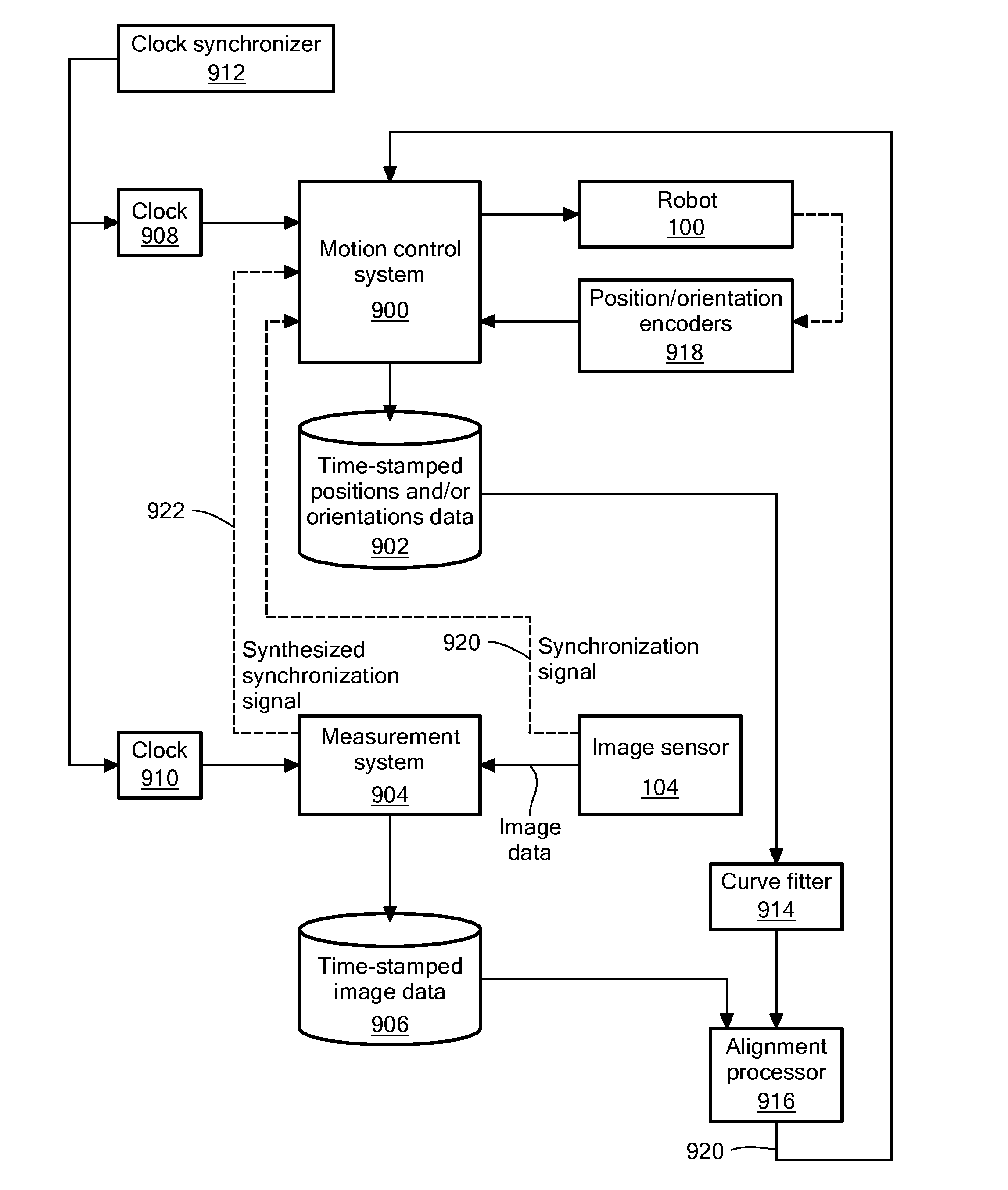
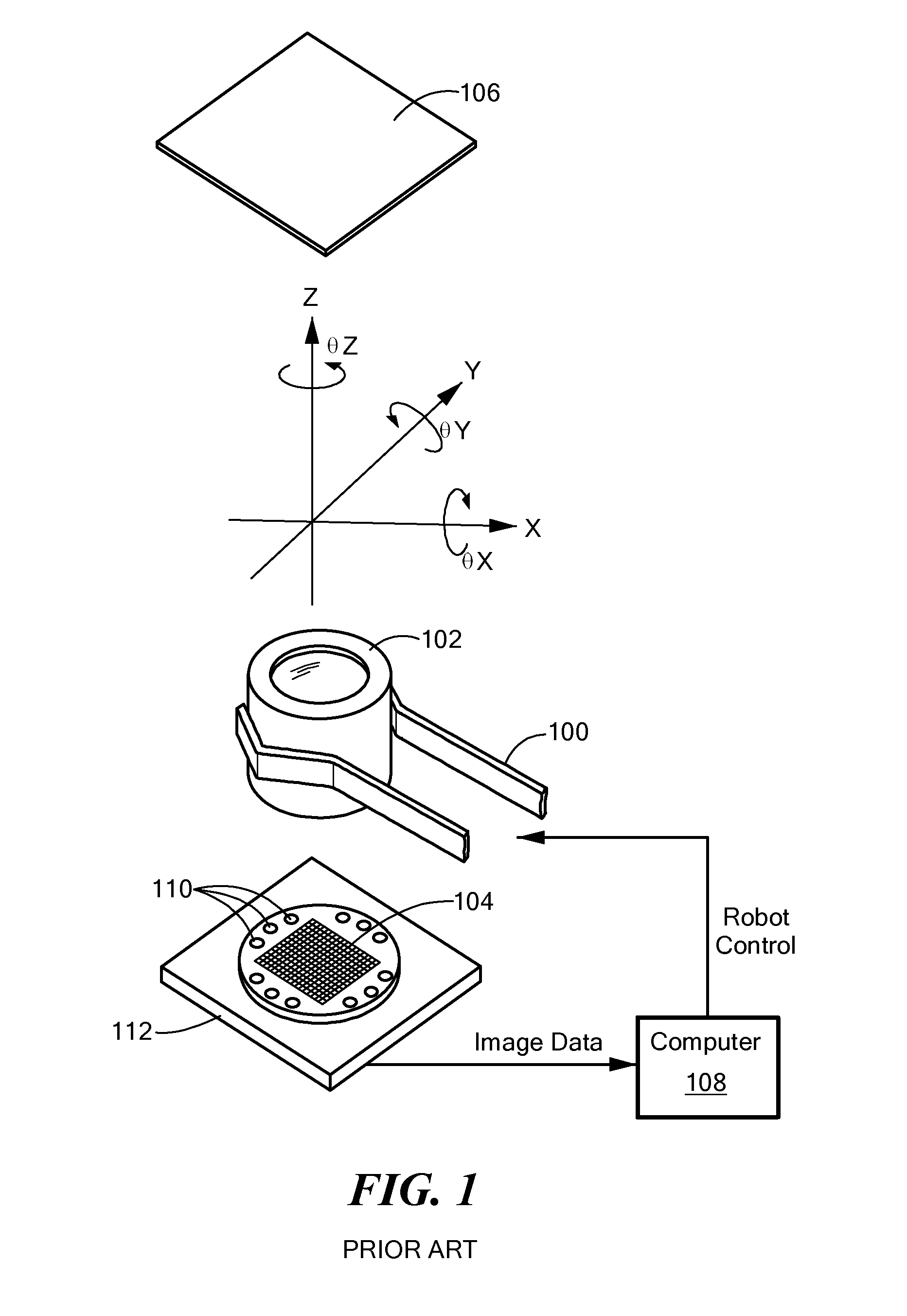
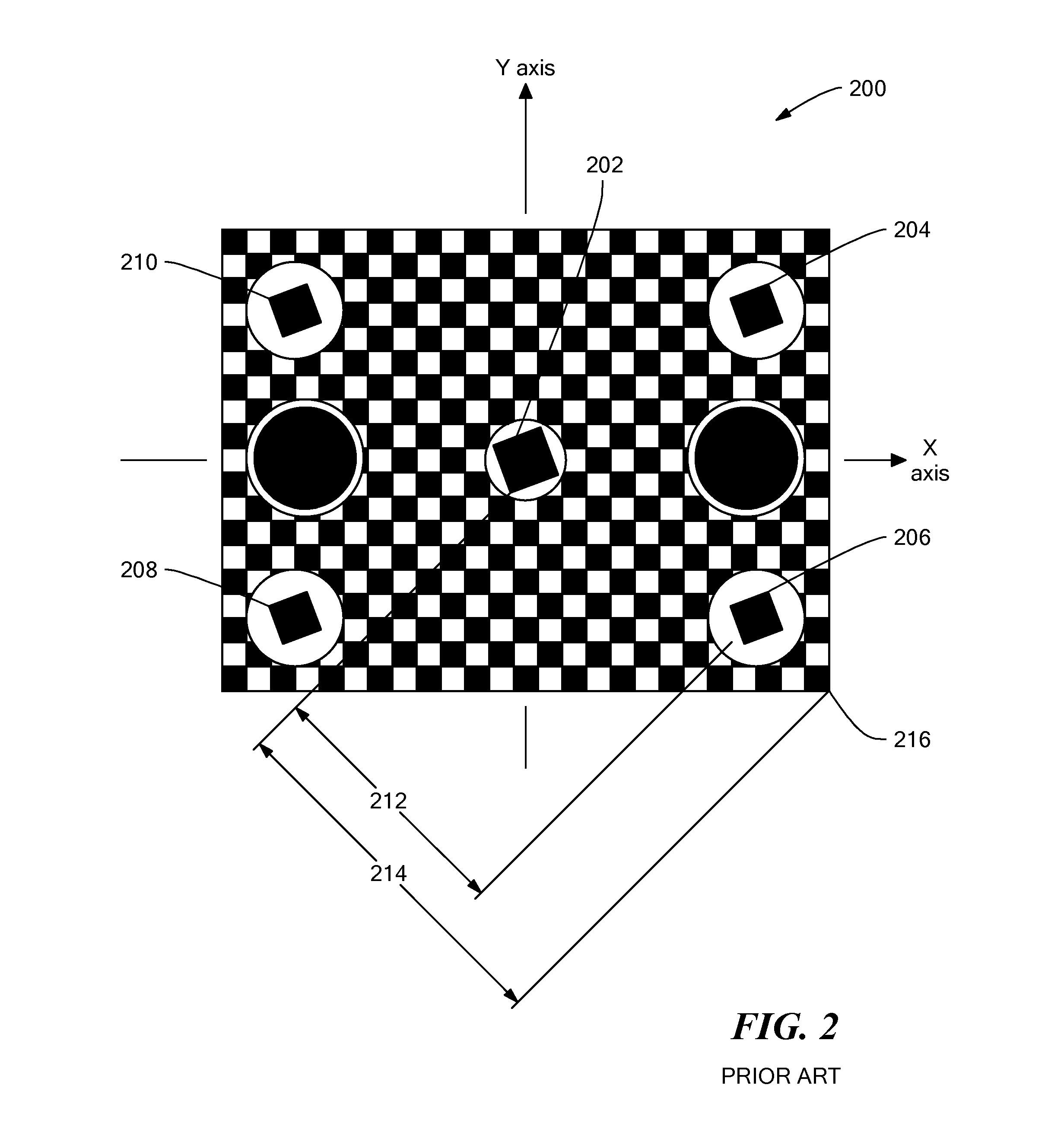
- A computer-implemented method involving continuous motion sweeps of optical elements to collect and analyze alignment data, using a robot to estimate and adjust the position of optical elements based on optical signals and image data from a digital image sensor, allowing for precise alignment across multiple degrees of freedom.

Manufacturing Standards for Laser System Alignment
Manufacturing standards for laser system alignment have evolved significantly to address the increasing demands for precision in active alignment applications. The establishment of comprehensive standards ensures consistent performance across different manufacturing environments and enables reliable comparison of alignment systems from various suppliers. These standards encompass dimensional tolerances, surface quality specifications, and mechanical stability requirements that directly impact alignment accuracy.
International standards organizations, including ISO and IEC, have developed specific guidelines for laser system manufacturing that address alignment-critical components. ISO 11145 provides fundamental requirements for laser beam parameters and measurement methods, while IEC 60825 series establishes safety standards that influence mechanical design constraints. Additionally, industry-specific standards such as Telcordia GR-468 for telecommunications applications define stringent alignment tolerances that manufacturing processes must consistently achieve.
Key manufacturing parameters regulated by these standards include angular positioning accuracy, typically specified within microradians, and translational positioning precision measured in nanometers. Surface flatness and parallelism tolerances for optical mounts and mechanical interfaces are standardized to ensure predictable alignment behavior. Temperature stability requirements mandate specific thermal expansion coefficients and thermal cycling performance criteria for alignment system components.
Quality assurance protocols embedded within manufacturing standards require comprehensive testing procedures for alignment systems. These include statistical process control methods for monitoring manufacturing consistency, calibration requirements for alignment measurement equipment, and traceability standards for optical reference systems. Documentation standards ensure that manufacturing processes can be validated and reproduced across different production facilities.
Emerging manufacturing standards are incorporating advanced metrology techniques such as interferometric measurement systems and coordinate measuring machines with nanometer-scale resolution. These standards also address the integration of active feedback systems during manufacturing processes, enabling real-time correction of alignment errors. The standardization of communication protocols between alignment systems and manufacturing equipment facilitates automated quality control and reduces human error in precision alignment applications.
International standards organizations, including ISO and IEC, have developed specific guidelines for laser system manufacturing that address alignment-critical components. ISO 11145 provides fundamental requirements for laser beam parameters and measurement methods, while IEC 60825 series establishes safety standards that influence mechanical design constraints. Additionally, industry-specific standards such as Telcordia GR-468 for telecommunications applications define stringent alignment tolerances that manufacturing processes must consistently achieve.
Key manufacturing parameters regulated by these standards include angular positioning accuracy, typically specified within microradians, and translational positioning precision measured in nanometers. Surface flatness and parallelism tolerances for optical mounts and mechanical interfaces are standardized to ensure predictable alignment behavior. Temperature stability requirements mandate specific thermal expansion coefficients and thermal cycling performance criteria for alignment system components.
Quality assurance protocols embedded within manufacturing standards require comprehensive testing procedures for alignment systems. These include statistical process control methods for monitoring manufacturing consistency, calibration requirements for alignment measurement equipment, and traceability standards for optical reference systems. Documentation standards ensure that manufacturing processes can be validated and reproduced across different production facilities.
Emerging manufacturing standards are incorporating advanced metrology techniques such as interferometric measurement systems and coordinate measuring machines with nanometer-scale resolution. These standards also address the integration of active feedback systems during manufacturing processes, enabling real-time correction of alignment errors. The standardization of communication protocols between alignment systems and manufacturing equipment facilitates automated quality control and reduces human error in precision alignment applications.
Cost-Benefit Analysis of Active Alignment Implementation
The implementation of active alignment systems in laser applications presents a complex economic equation that requires careful evaluation of initial investments against long-term operational benefits. Capital expenditure considerations include sophisticated feedback control systems, precision actuators, real-time monitoring sensors, and advanced software platforms. These components typically represent a 15-25% premium over traditional passive alignment approaches, with initial system costs ranging from $50,000 to $500,000 depending on precision requirements and system complexity.
Operational cost analysis reveals significant advantages in favor of active alignment implementation. Traditional manual alignment procedures require skilled technicians spending 2-4 hours per system adjustment, with associated labor costs of $200-400 per alignment cycle. Active systems reduce this intervention to minutes, achieving alignment precision within seconds through automated feedback loops. Manufacturing environments report 60-80% reduction in alignment-related downtime, translating to substantial productivity gains.
Quality-related cost benefits emerge through enhanced yield rates and reduced rework requirements. Active alignment systems maintain positioning accuracy within ±0.1 micrometers compared to ±1-2 micrometers for manual methods. This precision improvement directly correlates with 15-30% higher first-pass yield rates in optical component manufacturing, reducing material waste and associated costs. Defect rates decrease by approximately 40-60%, minimizing expensive rework cycles and customer returns.
Long-term financial projections demonstrate favorable return on investment timelines. Most implementations achieve break-even points within 18-36 months, primarily driven by reduced labor costs, improved throughput, and enhanced product quality. High-volume manufacturing environments often realize payback periods under 12 months due to cumulative efficiency gains.
Risk mitigation represents an additional economic benefit, as active alignment systems provide consistent performance independent of operator skill levels and environmental variations. This reliability reduces insurance costs, warranty claims, and potential liability exposure associated with precision-critical applications in aerospace, medical devices, and telecommunications sectors.
Operational cost analysis reveals significant advantages in favor of active alignment implementation. Traditional manual alignment procedures require skilled technicians spending 2-4 hours per system adjustment, with associated labor costs of $200-400 per alignment cycle. Active systems reduce this intervention to minutes, achieving alignment precision within seconds through automated feedback loops. Manufacturing environments report 60-80% reduction in alignment-related downtime, translating to substantial productivity gains.
Quality-related cost benefits emerge through enhanced yield rates and reduced rework requirements. Active alignment systems maintain positioning accuracy within ±0.1 micrometers compared to ±1-2 micrometers for manual methods. This precision improvement directly correlates with 15-30% higher first-pass yield rates in optical component manufacturing, reducing material waste and associated costs. Defect rates decrease by approximately 40-60%, minimizing expensive rework cycles and customer returns.
Long-term financial projections demonstrate favorable return on investment timelines. Most implementations achieve break-even points within 18-36 months, primarily driven by reduced labor costs, improved throughput, and enhanced product quality. High-volume manufacturing environments often realize payback periods under 12 months due to cumulative efficiency gains.
Risk mitigation represents an additional economic benefit, as active alignment systems provide consistent performance independent of operator skill levels and environmental variations. This reliability reduces insurance costs, warranty claims, and potential liability exposure associated with precision-critical applications in aerospace, medical devices, and telecommunications sectors.
Unlock deeper insights with Patsnap Eureka Quick Research — get a full tech report to explore trends and direct your research. Try now!
Generate Your Research Report Instantly with AI Agent
Supercharge your innovation with Patsnap Eureka AI Agent Platform!