Active Alignment in Medical Imaging: Accuracy Boost
APR 15, 20269 MIN READ
Generate Your Research Report Instantly with AI Agent
Patsnap Eureka helps you evaluate technical feasibility & market potential.
Active Alignment Medical Imaging Background and Objectives
Medical imaging has undergone remarkable transformation since the introduction of X-ray technology in the late 19th century. The evolution from analog film-based systems to digital imaging platforms has revolutionized diagnostic capabilities across healthcare institutions worldwide. However, despite significant technological advances in computed tomography, magnetic resonance imaging, and ultrasound systems, image alignment remains a persistent challenge that directly impacts diagnostic accuracy and clinical outcomes.
Traditional medical imaging workflows often suffer from misalignment issues arising from patient movement, breathing artifacts, multi-modal image registration complexities, and temporal variations between sequential scans. These alignment challenges can lead to diagnostic errors, increased examination times, and reduced confidence in clinical decision-making. The healthcare industry has long recognized the need for more sophisticated alignment methodologies that can adapt dynamically to imaging conditions.
Active alignment represents a paradigm shift from passive, post-processing correction methods to real-time, intelligent adjustment systems. This approach leverages advanced algorithms, machine learning techniques, and sensor integration to continuously monitor and correct alignment parameters during image acquisition. The concept extends beyond simple geometric corrections to encompass comprehensive optimization of imaging parameters based on real-time feedback mechanisms.
The primary objective of active alignment technology in medical imaging centers on achieving substantial accuracy improvements through intelligent, automated correction systems. This involves developing robust algorithms capable of detecting misalignment in real-time, implementing corrective measures without interrupting imaging procedures, and maintaining consistent image quality across diverse patient populations and clinical scenarios.
Furthermore, the technology aims to reduce operator dependency by minimizing manual adjustments traditionally required during imaging procedures. By automating alignment processes, healthcare facilities can achieve more standardized imaging protocols, reduce examination times, and improve overall workflow efficiency. The ultimate goal encompasses creating imaging systems that can adapt intelligently to varying anatomical structures, patient conditions, and clinical requirements while maintaining the highest standards of diagnostic accuracy and patient safety.
Traditional medical imaging workflows often suffer from misalignment issues arising from patient movement, breathing artifacts, multi-modal image registration complexities, and temporal variations between sequential scans. These alignment challenges can lead to diagnostic errors, increased examination times, and reduced confidence in clinical decision-making. The healthcare industry has long recognized the need for more sophisticated alignment methodologies that can adapt dynamically to imaging conditions.
Active alignment represents a paradigm shift from passive, post-processing correction methods to real-time, intelligent adjustment systems. This approach leverages advanced algorithms, machine learning techniques, and sensor integration to continuously monitor and correct alignment parameters during image acquisition. The concept extends beyond simple geometric corrections to encompass comprehensive optimization of imaging parameters based on real-time feedback mechanisms.
The primary objective of active alignment technology in medical imaging centers on achieving substantial accuracy improvements through intelligent, automated correction systems. This involves developing robust algorithms capable of detecting misalignment in real-time, implementing corrective measures without interrupting imaging procedures, and maintaining consistent image quality across diverse patient populations and clinical scenarios.
Furthermore, the technology aims to reduce operator dependency by minimizing manual adjustments traditionally required during imaging procedures. By automating alignment processes, healthcare facilities can achieve more standardized imaging protocols, reduce examination times, and improve overall workflow efficiency. The ultimate goal encompasses creating imaging systems that can adapt intelligently to varying anatomical structures, patient conditions, and clinical requirements while maintaining the highest standards of diagnostic accuracy and patient safety.
Market Demand for Enhanced Medical Imaging Accuracy
The global medical imaging market is experiencing unprecedented growth driven by an aging population, increasing prevalence of chronic diseases, and rising demand for early disease detection. Healthcare systems worldwide are under mounting pressure to deliver more accurate diagnostic results while managing cost constraints and improving patient throughput. This convergence of factors has created a substantial market opportunity for technologies that can enhance imaging accuracy without requiring complete infrastructure overhaul.
Diagnostic errors in medical imaging represent a significant clinical and economic burden, with studies indicating that misdiagnosis rates can impact patient outcomes and healthcare costs substantially. The demand for improved accuracy is particularly acute in oncology, cardiology, and neurology, where precise imaging interpretation directly influences treatment decisions and patient survival rates. Healthcare providers are actively seeking solutions that can reduce false positives and negatives while maintaining or improving workflow efficiency.
The market demand spans multiple imaging modalities including MRI, CT, ultrasound, and X-ray systems. Hospitals and imaging centers are increasingly prioritizing technologies that can enhance diagnostic confidence, reduce repeat scans, and minimize radiation exposure. The integration of artificial intelligence and machine learning capabilities into imaging workflows has created new expectations for accuracy improvements, with healthcare administrators recognizing the potential for both clinical and operational benefits.
Regulatory bodies worldwide are establishing stricter quality standards for medical imaging, further driving demand for accuracy-enhancing technologies. The shift toward value-based healthcare models has intensified focus on diagnostic precision, as healthcare providers face financial incentives tied to patient outcomes and quality metrics. This regulatory environment creates a favorable market landscape for innovative solutions that can demonstrate measurable improvements in diagnostic accuracy.
Emerging markets represent significant growth opportunities, as developing healthcare systems seek to implement advanced imaging capabilities while avoiding the accuracy limitations of older technologies. The increasing adoption of telemedicine and remote diagnostics has amplified the need for highly accurate imaging systems that can support reliable interpretation across distributed healthcare networks.
Diagnostic errors in medical imaging represent a significant clinical and economic burden, with studies indicating that misdiagnosis rates can impact patient outcomes and healthcare costs substantially. The demand for improved accuracy is particularly acute in oncology, cardiology, and neurology, where precise imaging interpretation directly influences treatment decisions and patient survival rates. Healthcare providers are actively seeking solutions that can reduce false positives and negatives while maintaining or improving workflow efficiency.
The market demand spans multiple imaging modalities including MRI, CT, ultrasound, and X-ray systems. Hospitals and imaging centers are increasingly prioritizing technologies that can enhance diagnostic confidence, reduce repeat scans, and minimize radiation exposure. The integration of artificial intelligence and machine learning capabilities into imaging workflows has created new expectations for accuracy improvements, with healthcare administrators recognizing the potential for both clinical and operational benefits.
Regulatory bodies worldwide are establishing stricter quality standards for medical imaging, further driving demand for accuracy-enhancing technologies. The shift toward value-based healthcare models has intensified focus on diagnostic precision, as healthcare providers face financial incentives tied to patient outcomes and quality metrics. This regulatory environment creates a favorable market landscape for innovative solutions that can demonstrate measurable improvements in diagnostic accuracy.
Emerging markets represent significant growth opportunities, as developing healthcare systems seek to implement advanced imaging capabilities while avoiding the accuracy limitations of older technologies. The increasing adoption of telemedicine and remote diagnostics has amplified the need for highly accurate imaging systems that can support reliable interpretation across distributed healthcare networks.
Current State and Challenges of Active Alignment Systems
Active alignment systems in medical imaging have reached a significant level of maturity, with several commercial solutions demonstrating substantial improvements in diagnostic accuracy. Current implementations primarily focus on real-time motion compensation during image acquisition, utilizing advanced sensor technologies and feedback control mechanisms. Leading systems achieve sub-millimeter precision in tracking patient movement and can compensate for respiratory motion, cardiac cycles, and involuntary patient shifts during scanning procedures.
The technological landscape is dominated by optical tracking systems, electromagnetic positioning sensors, and hybrid approaches that combine multiple sensing modalities. Optical systems leverage infrared cameras and reflective markers to monitor patient position with high temporal resolution, typically operating at frequencies exceeding 30 Hz. Electromagnetic solutions offer marker-free tracking capabilities but face limitations in environments with metallic interference common in MRI and CT facilities.
Integration challenges represent the most significant barrier to widespread adoption across different imaging modalities. Each medical imaging system requires customized alignment protocols due to varying hardware architectures, scanning sequences, and clinical workflows. MRI systems face particular complexity due to magnetic field constraints that limit sensor placement options and require specialized non-ferromagnetic components.
Computational latency remains a critical bottleneck in real-time active alignment implementations. Current systems struggle to achieve the sub-10 millisecond response times necessary for optimal motion correction during rapid imaging sequences. Processing delays between motion detection and corrective action result in residual artifacts that can compromise diagnostic quality, particularly in high-resolution neuroimaging and cardiac applications.
Calibration complexity poses another substantial challenge, as active alignment systems require precise spatial registration between tracking sensors and imaging coordinate systems. This process typically demands specialized technical expertise and can extend setup times significantly, creating workflow disruptions in busy clinical environments. Drift compensation over extended imaging sessions adds additional complexity to maintain alignment accuracy.
Cost considerations limit adoption in resource-constrained healthcare settings, with complete active alignment solutions requiring substantial capital investments. The need for ongoing maintenance, calibration services, and specialized training further increases total ownership costs, creating barriers for smaller imaging facilities and developing healthcare markets.
The technological landscape is dominated by optical tracking systems, electromagnetic positioning sensors, and hybrid approaches that combine multiple sensing modalities. Optical systems leverage infrared cameras and reflective markers to monitor patient position with high temporal resolution, typically operating at frequencies exceeding 30 Hz. Electromagnetic solutions offer marker-free tracking capabilities but face limitations in environments with metallic interference common in MRI and CT facilities.
Integration challenges represent the most significant barrier to widespread adoption across different imaging modalities. Each medical imaging system requires customized alignment protocols due to varying hardware architectures, scanning sequences, and clinical workflows. MRI systems face particular complexity due to magnetic field constraints that limit sensor placement options and require specialized non-ferromagnetic components.
Computational latency remains a critical bottleneck in real-time active alignment implementations. Current systems struggle to achieve the sub-10 millisecond response times necessary for optimal motion correction during rapid imaging sequences. Processing delays between motion detection and corrective action result in residual artifacts that can compromise diagnostic quality, particularly in high-resolution neuroimaging and cardiac applications.
Calibration complexity poses another substantial challenge, as active alignment systems require precise spatial registration between tracking sensors and imaging coordinate systems. This process typically demands specialized technical expertise and can extend setup times significantly, creating workflow disruptions in busy clinical environments. Drift compensation over extended imaging sessions adds additional complexity to maintain alignment accuracy.
Cost considerations limit adoption in resource-constrained healthcare settings, with complete active alignment solutions requiring substantial capital investments. The need for ongoing maintenance, calibration services, and specialized training further increases total ownership costs, creating barriers for smaller imaging facilities and developing healthcare markets.
Existing Active Alignment Solutions for Imaging Systems
01 Optical alignment systems with position detection
Active alignment accuracy can be improved through optical systems that incorporate position detection mechanisms. These systems utilize sensors and detectors to monitor the relative positions of optical components during the alignment process. Real-time feedback from position sensors enables precise adjustments to achieve optimal alignment. The detection systems can measure displacement, angular deviation, and other positional parameters to ensure accurate component placement.- Optical alignment systems with position detection: Active alignment accuracy can be improved through optical systems that incorporate position detection mechanisms. These systems utilize sensors and detectors to monitor the relative positions of optical components in real-time. The detection feedback allows for precise adjustments during the alignment process, ensuring optimal positioning of lenses, fibers, or other optical elements. Advanced position detection methods enable sub-micron level accuracy in component placement.
- Automated alignment control mechanisms: Automated control systems enhance alignment accuracy by utilizing motorized stages and actuators that respond to feedback signals. These mechanisms can perform fine adjustments in multiple axes simultaneously, compensating for misalignment errors. The automation reduces human error and enables repeatable, high-precision alignment processes. Control algorithms process sensor data to determine optimal adjustment parameters and execute corrective movements.
- Image processing for alignment verification: Image processing techniques are employed to verify and improve alignment accuracy by analyzing captured images of aligned components. Vision systems capture real-time images during the alignment process, and sophisticated algorithms analyze these images to detect misalignment. Pattern recognition and edge detection methods identify the precise positions of components, enabling accurate alignment adjustments. This approach provides visual feedback for quality control and process optimization.
- Multi-axis adjustment mechanisms: Multi-axis adjustment systems provide enhanced alignment accuracy by enabling independent control of movement in multiple directions. These mechanisms typically include translation stages for X, Y, and Z axes, along with rotational adjustments for angular alignment. The multi-degree-of-freedom capability allows for comprehensive positioning control, addressing complex alignment requirements. Precision mechanical designs minimize backlash and ensure stable positioning throughout the adjustment range.
- Calibration and measurement systems: Calibration systems and measurement techniques are essential for maintaining and verifying alignment accuracy over time. These systems establish reference standards and perform periodic checks to ensure alignment precision remains within specified tolerances. Measurement methods may include interferometry, autocollimation, or other metrology techniques to quantify alignment parameters. Regular calibration procedures compensate for drift and environmental factors that could affect alignment accuracy.
02 Automated alignment control mechanisms
Automated control systems enhance alignment accuracy by utilizing motorized actuators and feedback loops. These mechanisms can perform fine adjustments based on measured alignment parameters, reducing human error and improving repeatability. The control systems may include piezoelectric actuators, stepper motors, or other precision positioning devices that respond to alignment signals. Automated processes ensure consistent alignment quality across multiple assemblies.Expand Specific Solutions03 Image processing for alignment verification
Image processing techniques are employed to verify and optimize alignment accuracy. Vision systems capture images of the components during alignment, and algorithms analyze these images to determine alignment quality. Pattern recognition and edge detection methods can identify misalignment and calculate correction values. This approach provides visual confirmation of alignment status and enables precise adjustments based on image analysis results.Expand Specific Solutions04 Multi-axis positioning systems
Multi-axis positioning systems provide enhanced alignment accuracy by enabling independent control of multiple degrees of freedom. These systems can adjust position in multiple directions simultaneously, including translation and rotation axes. Coordinated movement across multiple axes allows for complex alignment tasks and compensation of various misalignment types. The integration of multiple positioning stages improves overall alignment precision and flexibility.Expand Specific Solutions05 Calibration and measurement techniques
Advanced calibration and measurement techniques are essential for maintaining high alignment accuracy. These methods involve establishing reference points, measuring alignment errors, and applying correction factors. Calibration procedures may include the use of reference standards, interferometric measurements, or other precision metrology tools. Regular calibration ensures that alignment systems maintain their accuracy over time and compensate for environmental factors or equipment drift.Expand Specific Solutions
Key Players in Medical Imaging Active Alignment Industry
The active alignment technology in medical imaging represents a rapidly evolving sector within the broader healthcare technology landscape, currently in a growth phase driven by increasing demand for precision diagnostics and minimally invasive procedures. The market demonstrates substantial scale, dominated by established medical device giants including Koninklijke Philips NV, Siemens Healthineers AG, GE Precision Healthcare LLC, and Canon Medical Systems Corp., who leverage decades of imaging expertise and extensive global distribution networks. Technology maturity varies significantly across market participants, with traditional leaders like Philips, Siemens, and GE maintaining advanced integrated solutions, while emerging players such as Shanghai United Imaging Healthcare and specialized companies like Automation Engineering Inc. and Opto-Alignment Technology Inc. focus on innovative active alignment methodologies. The competitive landscape also includes component suppliers like TDK Corp. and Qualcomm Inc., alongside research institutions driving next-generation developments, creating a dynamic ecosystem where established market presence competes with technological innovation.
Koninklijke Philips NV
Technical Solution: Philips has developed advanced active alignment technologies for medical imaging systems, particularly in their MRI and CT scanners. Their SmartSpeed technology incorporates real-time motion detection and correction algorithms that automatically adjust imaging parameters during acquisition. The system uses AI-driven predictive modeling to anticipate patient movement and proactively compensate for misalignment, resulting in up to 40% reduction in motion artifacts. Their GyroScan technology employs multi-axis gyroscopic sensors integrated with machine learning algorithms to provide continuous spatial orientation feedback, enabling sub-millimeter precision in image registration and alignment correction.
Strengths: Market-leading motion correction accuracy, comprehensive integration across multiple imaging modalities. Weaknesses: High implementation costs, requires specialized training for optimal utilization.
GE Precision Healthcare LLC
Technical Solution: GE Healthcare has implemented their Revolution CT platform with advanced active alignment capabilities using their proprietary SnapShot Freeze technology. This system combines high-speed data acquisition with intelligent motion detection algorithms that can freeze cardiac motion without requiring beta-blockers. Their AI-powered alignment system utilizes deep learning networks trained on millions of imaging datasets to predict and correct for patient movement in real-time. The technology achieves temporal resolution improvements of up to 66ms while maintaining image quality through adaptive reconstruction algorithms that compensate for geometric misalignments during the scanning process.
Strengths: Excellent cardiac imaging capabilities, robust AI integration, proven clinical outcomes. Weaknesses: Limited to specific imaging modalities, requires significant computational resources.
Core Patents in Medical Active Alignment Technologies
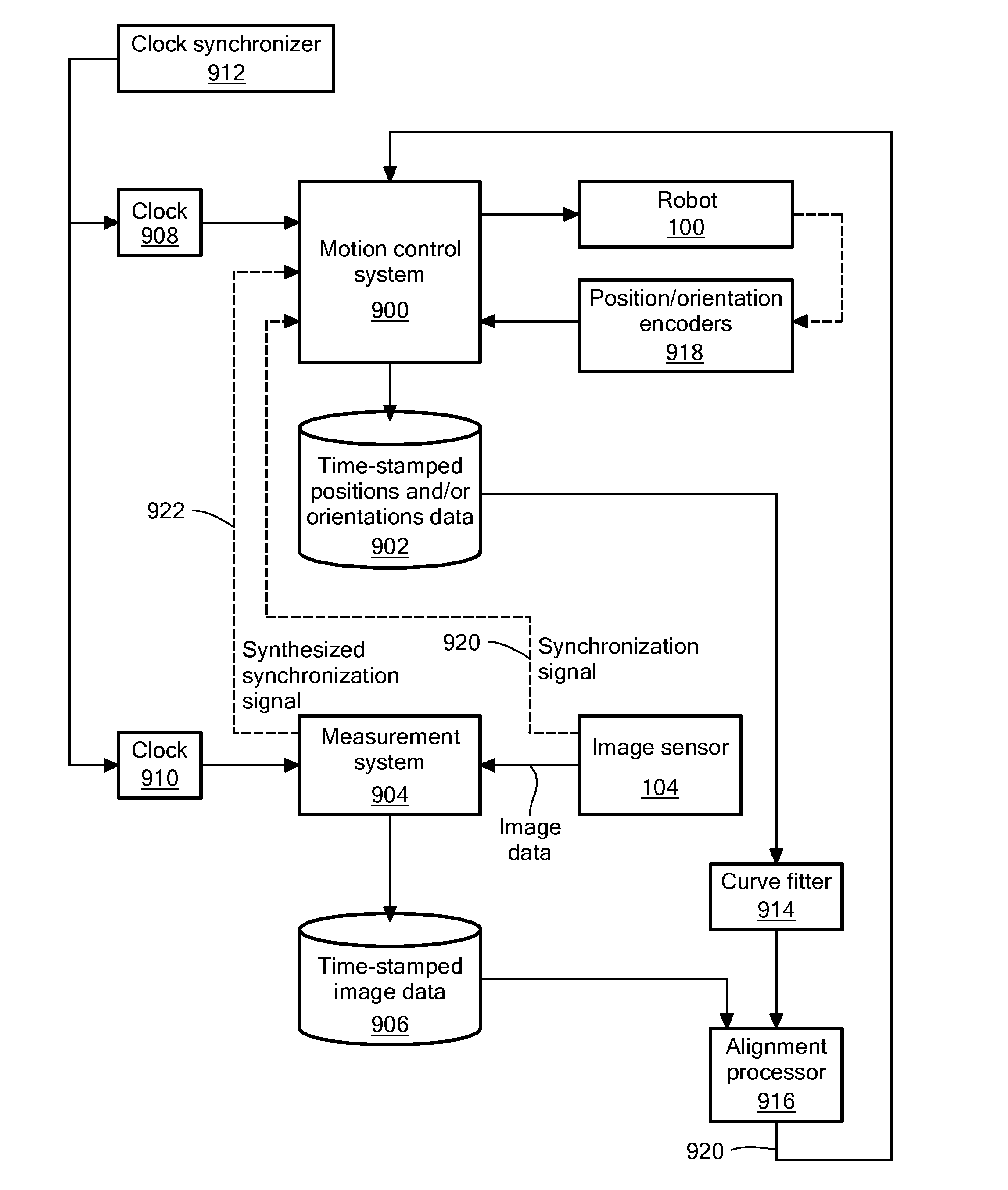
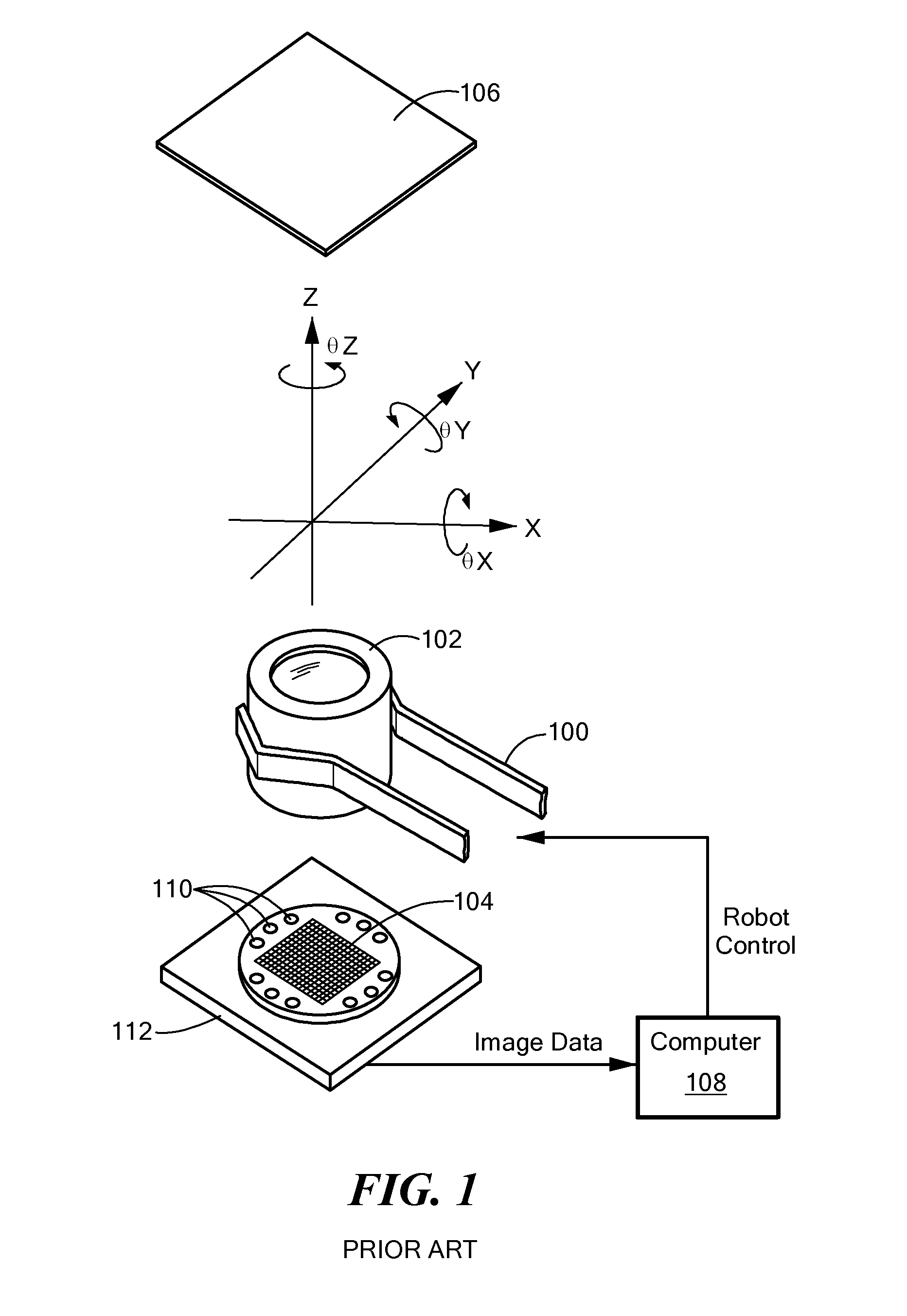
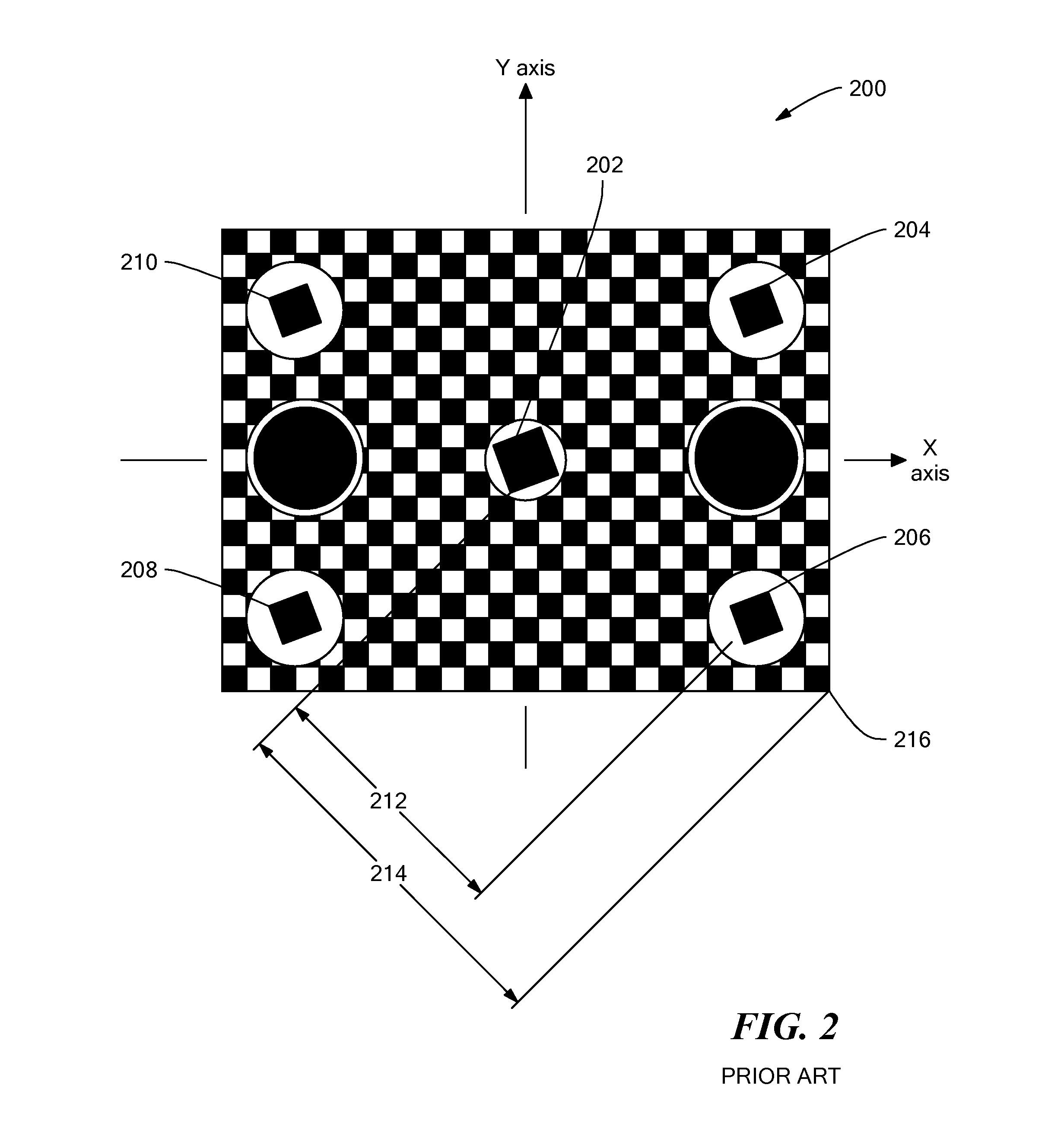
Active Alignment Using Continuous Motion Sweeps and Temporal Interpolation
PatentActiveUS20130274923A1
Innovation
- A computer-implemented method involving continuous motion sweeps of optical elements to collect and analyze alignment data, using a robot to estimate and adjust the position of optical elements based on optical signals and image data from a digital image sensor, allowing for precise alignment across multiple degrees of freedom.

Medical image data alignment apparatus, method and program
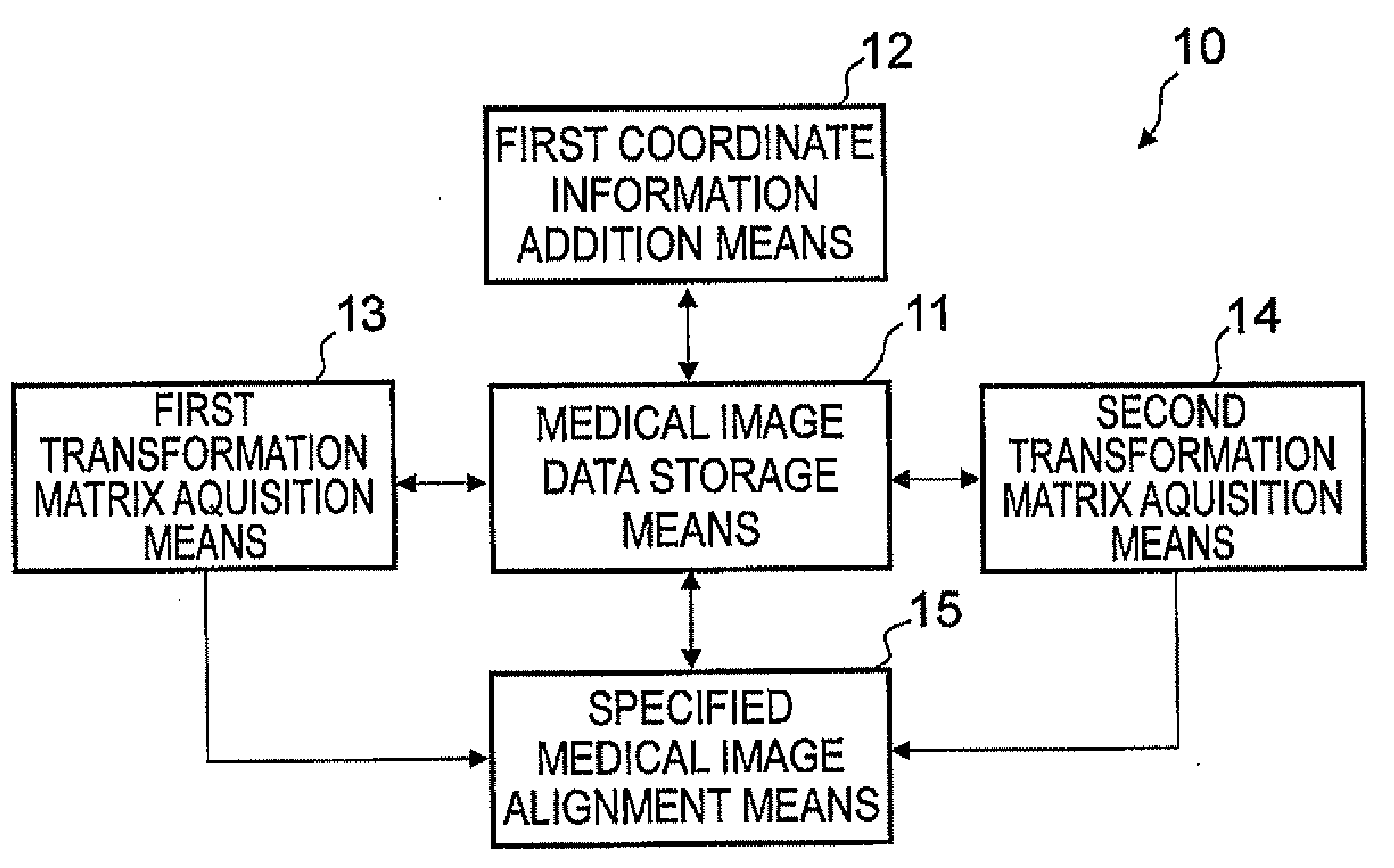
PatentActiveUS20110069873A1
Innovation
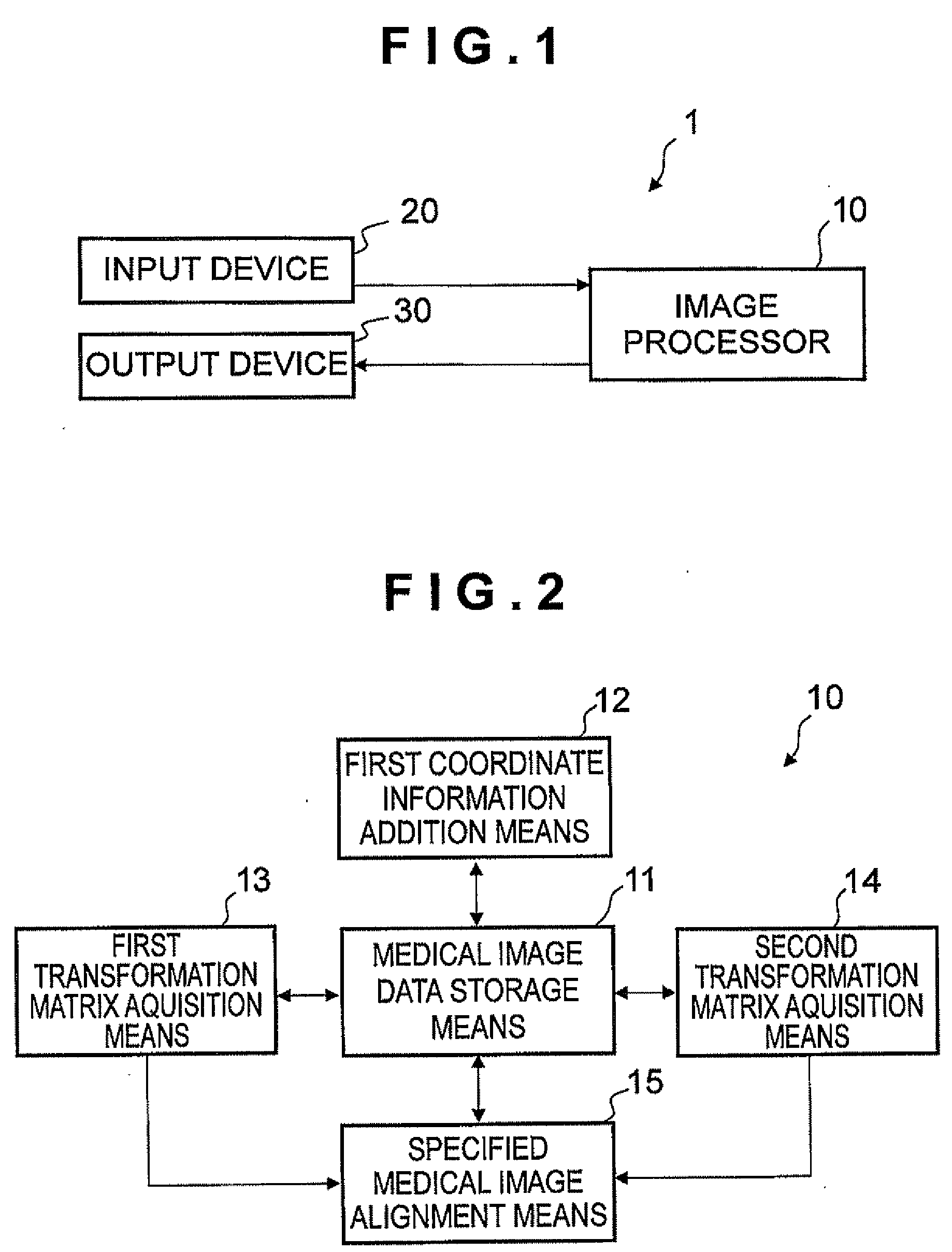
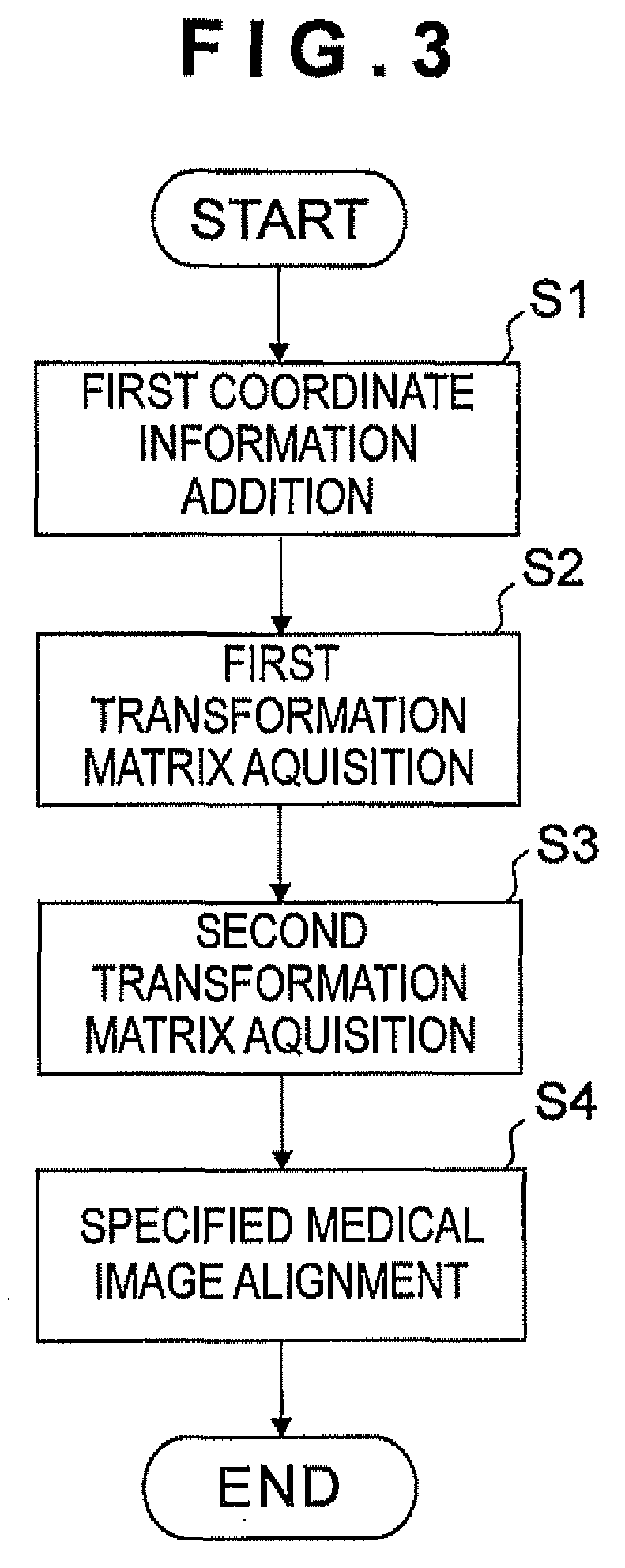
- A medical image data alignment apparatus and method that utilizes atlas image data created from standard subjects to align CT and SPECT images by determining transformation matrices based on mutual image signal values, allowing for automatic and efficient alignment of anatomical and functional image data.

Medical Device Regulatory Requirements for Imaging Systems
Medical imaging systems incorporating active alignment technologies must navigate a complex regulatory landscape that varies significantly across global markets. The primary regulatory bodies governing these systems include the FDA in the United States, the European Medicines Agency (EMA) under the Medical Device Regulation (MDR) in Europe, and various national authorities in Asia-Pacific regions. Each jurisdiction maintains distinct requirements for safety, efficacy, and quality management systems.
Active alignment mechanisms in medical imaging devices are typically classified as Class II or Class III medical devices, depending on their intended use and risk profile. Systems designed for diagnostic imaging generally fall under Class II, while those intended for surgical guidance or therapeutic applications may require Class III designation. The classification directly impacts the regulatory pathway, with Class III devices requiring more extensive clinical evidence and premarket approval processes.
Quality management system compliance represents a fundamental requirement across all major markets. ISO 13485 certification serves as the international standard for medical device quality management, while additional region-specific requirements such as FDA's Quality System Regulation (QSR) or Europe's MDR Annex IX must be satisfied. These standards mandate comprehensive documentation of design controls, risk management processes, and post-market surveillance activities.
Clinical evaluation requirements for active alignment systems demand robust evidence demonstrating improved accuracy and patient outcomes. Regulatory authorities expect comparative studies showing measurable improvements in imaging precision, reduced procedure times, or enhanced diagnostic capabilities. The clinical data must address specific performance metrics relevant to the intended clinical application, including accuracy measurements, repeatability studies, and safety assessments.
Software validation presents particular challenges for active alignment systems, as these devices typically incorporate sophisticated algorithms for real-time positioning and correction. Regulatory frameworks require comprehensive software lifecycle processes following IEC 62304 standards, including detailed documentation of software requirements, design specifications, verification and validation protocols, and cybersecurity measures. The increasing integration of artificial intelligence components adds additional regulatory complexity requiring specialized validation approaches.
Post-market surveillance obligations extend throughout the product lifecycle, requiring manufacturers to establish comprehensive monitoring systems for device performance and adverse events. Regulatory authorities mandate regular safety updates, periodic safety update reports, and immediate notification of serious incidents. For active alignment systems, this includes monitoring accuracy performance degradation, mechanical component failures, and any software-related issues that could impact patient safety or diagnostic quality.
Active alignment mechanisms in medical imaging devices are typically classified as Class II or Class III medical devices, depending on their intended use and risk profile. Systems designed for diagnostic imaging generally fall under Class II, while those intended for surgical guidance or therapeutic applications may require Class III designation. The classification directly impacts the regulatory pathway, with Class III devices requiring more extensive clinical evidence and premarket approval processes.
Quality management system compliance represents a fundamental requirement across all major markets. ISO 13485 certification serves as the international standard for medical device quality management, while additional region-specific requirements such as FDA's Quality System Regulation (QSR) or Europe's MDR Annex IX must be satisfied. These standards mandate comprehensive documentation of design controls, risk management processes, and post-market surveillance activities.
Clinical evaluation requirements for active alignment systems demand robust evidence demonstrating improved accuracy and patient outcomes. Regulatory authorities expect comparative studies showing measurable improvements in imaging precision, reduced procedure times, or enhanced diagnostic capabilities. The clinical data must address specific performance metrics relevant to the intended clinical application, including accuracy measurements, repeatability studies, and safety assessments.
Software validation presents particular challenges for active alignment systems, as these devices typically incorporate sophisticated algorithms for real-time positioning and correction. Regulatory frameworks require comprehensive software lifecycle processes following IEC 62304 standards, including detailed documentation of software requirements, design specifications, verification and validation protocols, and cybersecurity measures. The increasing integration of artificial intelligence components adds additional regulatory complexity requiring specialized validation approaches.
Post-market surveillance obligations extend throughout the product lifecycle, requiring manufacturers to establish comprehensive monitoring systems for device performance and adverse events. Regulatory authorities mandate regular safety updates, periodic safety update reports, and immediate notification of serious incidents. For active alignment systems, this includes monitoring accuracy performance degradation, mechanical component failures, and any software-related issues that could impact patient safety or diagnostic quality.
Clinical Validation Standards for Active Alignment Accuracy
The establishment of robust clinical validation standards for active alignment accuracy in medical imaging represents a critical foundation for ensuring patient safety and diagnostic reliability. Current regulatory frameworks require comprehensive validation protocols that demonstrate both technical performance and clinical efficacy across diverse patient populations and imaging scenarios.
Validation standards must encompass multiple accuracy metrics, including geometric precision, temporal consistency, and reproducibility across different operators and clinical environments. The FDA and European Medicines Agency have established preliminary guidelines requiring sub-millimeter accuracy validation for critical anatomical structures, with specific emphasis on real-time performance verification during actual clinical procedures.
Statistical validation protocols typically demand sample sizes exceeding 500 patients across multiple clinical sites to establish statistical significance. These studies must demonstrate accuracy maintenance across various patient demographics, anatomical variations, and pathological conditions. The validation process requires comparison against established gold standards, such as CT-guided positioning or surgical navigation systems, with acceptance criteria typically set at 95% confidence intervals.
Quality assurance frameworks mandate continuous monitoring of alignment accuracy through automated quality control systems. These systems must provide real-time feedback on alignment performance, with automatic alerts when accuracy falls below predefined thresholds. Documentation requirements include comprehensive audit trails, calibration records, and performance trending data to support regulatory compliance and clinical quality improvement initiatives.
Standardized testing protocols must address various clinical scenarios, including emergency procedures, pediatric applications, and patients with implanted devices. Validation studies require assessment of accuracy degradation over time, environmental factors impact, and system reliability under different operational conditions. Inter-observer variability studies are essential to establish consistency across different clinical teams and institutions.
The validation framework must also incorporate patient-specific factors that may affect alignment accuracy, such as respiratory motion, cardiac pulsation, and involuntary patient movement. Advanced validation protocols now include dynamic accuracy assessment during real-time imaging procedures, ensuring that active alignment systems maintain precision throughout the entire examination or treatment process.
Validation standards must encompass multiple accuracy metrics, including geometric precision, temporal consistency, and reproducibility across different operators and clinical environments. The FDA and European Medicines Agency have established preliminary guidelines requiring sub-millimeter accuracy validation for critical anatomical structures, with specific emphasis on real-time performance verification during actual clinical procedures.
Statistical validation protocols typically demand sample sizes exceeding 500 patients across multiple clinical sites to establish statistical significance. These studies must demonstrate accuracy maintenance across various patient demographics, anatomical variations, and pathological conditions. The validation process requires comparison against established gold standards, such as CT-guided positioning or surgical navigation systems, with acceptance criteria typically set at 95% confidence intervals.
Quality assurance frameworks mandate continuous monitoring of alignment accuracy through automated quality control systems. These systems must provide real-time feedback on alignment performance, with automatic alerts when accuracy falls below predefined thresholds. Documentation requirements include comprehensive audit trails, calibration records, and performance trending data to support regulatory compliance and clinical quality improvement initiatives.
Standardized testing protocols must address various clinical scenarios, including emergency procedures, pediatric applications, and patients with implanted devices. Validation studies require assessment of accuracy degradation over time, environmental factors impact, and system reliability under different operational conditions. Inter-observer variability studies are essential to establish consistency across different clinical teams and institutions.
The validation framework must also incorporate patient-specific factors that may affect alignment accuracy, such as respiratory motion, cardiac pulsation, and involuntary patient movement. Advanced validation protocols now include dynamic accuracy assessment during real-time imaging procedures, ensuring that active alignment systems maintain precision throughout the entire examination or treatment process.
Unlock deeper insights with Patsnap Eureka Quick Research — get a full tech report to explore trends and direct your research. Try now!
Generate Your Research Report Instantly with AI Agent
Supercharge your innovation with Patsnap Eureka AI Agent Platform!