Active Alignment vs Feedback Control: Efficiency Benefits
APR 15, 20269 MIN READ
Generate Your Research Report Instantly with AI Agent
Patsnap Eureka helps you evaluate technical feasibility & market potential.
Active Alignment Technology Background and Objectives
Active alignment technology represents a paradigm shift in control systems, moving beyond traditional reactive feedback mechanisms toward proactive, predictive control strategies. This approach fundamentally differs from conventional feedback control by anticipating system deviations and implementing corrective measures before errors manifest, rather than responding to detected discrepancies after they occur.
The evolution of active alignment stems from the limitations inherent in feedback control systems, particularly their reactive nature and associated time delays. Traditional feedback mechanisms operate on a detect-correct cycle, where system outputs are continuously monitored against desired setpoints, and corrective actions are applied when deviations exceed predetermined thresholds. This reactive approach, while effective in many applications, introduces inherent inefficiencies due to response delays and energy expenditure in correcting accumulated errors.
Active alignment technology emerged from advances in predictive modeling, machine learning algorithms, and real-time processing capabilities. The foundational concept leverages predictive analytics to anticipate system behavior and implement preemptive adjustments, effectively maintaining optimal performance states without waiting for error signals. This proactive methodology has gained significant traction across various industries, from manufacturing automation to aerospace systems, where precision and efficiency are paramount.
The primary objective of active alignment technology is to achieve superior system efficiency through predictive control mechanisms. By eliminating the lag time associated with error detection and correction cycles, active alignment systems can maintain tighter operational tolerances while reducing energy consumption and mechanical wear. This approach aims to optimize resource utilization by preventing deviations rather than correcting them, leading to more stable and efficient system performance.
Contemporary research focuses on developing sophisticated algorithms capable of accurately predicting system behavior under varying operational conditions. These predictive models integrate multiple data sources, including historical performance data, environmental factors, and real-time sensor inputs, to generate precise forecasts of system states. The integration of artificial intelligence and machine learning techniques has significantly enhanced the accuracy and adaptability of these predictive capabilities.
The strategic importance of active alignment technology lies in its potential to revolutionize control system efficiency across multiple domains. As industries increasingly prioritize energy efficiency and operational optimization, the ability to maintain peak performance through predictive control becomes a critical competitive advantage. The technology's capacity to reduce operational costs while improving system reliability positions it as a transformative solution for next-generation control applications.
The evolution of active alignment stems from the limitations inherent in feedback control systems, particularly their reactive nature and associated time delays. Traditional feedback mechanisms operate on a detect-correct cycle, where system outputs are continuously monitored against desired setpoints, and corrective actions are applied when deviations exceed predetermined thresholds. This reactive approach, while effective in many applications, introduces inherent inefficiencies due to response delays and energy expenditure in correcting accumulated errors.
Active alignment technology emerged from advances in predictive modeling, machine learning algorithms, and real-time processing capabilities. The foundational concept leverages predictive analytics to anticipate system behavior and implement preemptive adjustments, effectively maintaining optimal performance states without waiting for error signals. This proactive methodology has gained significant traction across various industries, from manufacturing automation to aerospace systems, where precision and efficiency are paramount.
The primary objective of active alignment technology is to achieve superior system efficiency through predictive control mechanisms. By eliminating the lag time associated with error detection and correction cycles, active alignment systems can maintain tighter operational tolerances while reducing energy consumption and mechanical wear. This approach aims to optimize resource utilization by preventing deviations rather than correcting them, leading to more stable and efficient system performance.
Contemporary research focuses on developing sophisticated algorithms capable of accurately predicting system behavior under varying operational conditions. These predictive models integrate multiple data sources, including historical performance data, environmental factors, and real-time sensor inputs, to generate precise forecasts of system states. The integration of artificial intelligence and machine learning techniques has significantly enhanced the accuracy and adaptability of these predictive capabilities.
The strategic importance of active alignment technology lies in its potential to revolutionize control system efficiency across multiple domains. As industries increasingly prioritize energy efficiency and operational optimization, the ability to maintain peak performance through predictive control becomes a critical competitive advantage. The technology's capacity to reduce operational costs while improving system reliability positions it as a transformative solution for next-generation control applications.
Market Demand for Precision Alignment Solutions
The precision alignment solutions market has experienced substantial growth driven by increasing demands across multiple high-technology sectors. Semiconductor manufacturing represents the largest segment, where nanometer-scale positioning accuracy directly impacts yield rates and device performance. Advanced lithography systems, wafer inspection equipment, and chip packaging machinery require alignment precision measured in single-digit nanometers, creating sustained demand for sophisticated positioning technologies.
Optical communications infrastructure has emerged as another critical driver, particularly with the expansion of fiber-optic networks and photonic integrated circuits. The coupling efficiency between optical components depends heavily on sub-micron alignment accuracy, making precision positioning systems essential for maintaining signal integrity and minimizing insertion losses. Data center growth and 5G network deployment have further accelerated these requirements.
Aerospace and defense applications demand robust precision alignment solutions capable of operating under extreme environmental conditions. Satellite communication systems, radar arrays, and guidance systems require long-term stability and reliability while maintaining exceptional positioning accuracy. These applications often justify premium pricing for specialized solutions that can withstand temperature variations, vibration, and radiation exposure.
Medical device manufacturing has shown increasing adoption of precision alignment technologies, particularly in surgical robotics, diagnostic imaging equipment, and minimally invasive therapeutic devices. The trend toward personalized medicine and computer-assisted surgery has created new opportunities for alignment systems that can achieve both high precision and rapid positioning speeds.
Industrial automation and advanced manufacturing sectors continue expanding their use of precision alignment solutions. Additive manufacturing systems, laser processing equipment, and automated assembly lines increasingly rely on multi-axis positioning systems to achieve consistent quality and throughput. The Industry 4.0 initiative has accelerated adoption of smart positioning systems with integrated sensing and feedback capabilities.
Research institutions and national laboratories represent a specialized but significant market segment, often requiring custom solutions with exceptional performance characteristics. These applications frequently drive innovation in alignment technologies, as they push the boundaries of achievable precision and speed.
Market dynamics favor solutions that can demonstrate clear efficiency advantages, reduced operational complexity, and lower total cost of ownership. The comparison between active alignment and feedback control approaches has become increasingly relevant as end users seek to optimize both performance and operational efficiency in their precision positioning applications.
Optical communications infrastructure has emerged as another critical driver, particularly with the expansion of fiber-optic networks and photonic integrated circuits. The coupling efficiency between optical components depends heavily on sub-micron alignment accuracy, making precision positioning systems essential for maintaining signal integrity and minimizing insertion losses. Data center growth and 5G network deployment have further accelerated these requirements.
Aerospace and defense applications demand robust precision alignment solutions capable of operating under extreme environmental conditions. Satellite communication systems, radar arrays, and guidance systems require long-term stability and reliability while maintaining exceptional positioning accuracy. These applications often justify premium pricing for specialized solutions that can withstand temperature variations, vibration, and radiation exposure.
Medical device manufacturing has shown increasing adoption of precision alignment technologies, particularly in surgical robotics, diagnostic imaging equipment, and minimally invasive therapeutic devices. The trend toward personalized medicine and computer-assisted surgery has created new opportunities for alignment systems that can achieve both high precision and rapid positioning speeds.
Industrial automation and advanced manufacturing sectors continue expanding their use of precision alignment solutions. Additive manufacturing systems, laser processing equipment, and automated assembly lines increasingly rely on multi-axis positioning systems to achieve consistent quality and throughput. The Industry 4.0 initiative has accelerated adoption of smart positioning systems with integrated sensing and feedback capabilities.
Research institutions and national laboratories represent a specialized but significant market segment, often requiring custom solutions with exceptional performance characteristics. These applications frequently drive innovation in alignment technologies, as they push the boundaries of achievable precision and speed.
Market dynamics favor solutions that can demonstrate clear efficiency advantages, reduced operational complexity, and lower total cost of ownership. The comparison between active alignment and feedback control approaches has become increasingly relevant as end users seek to optimize both performance and operational efficiency in their precision positioning applications.
Current State of Active vs Feedback Control Systems
Active alignment and feedback control systems represent two fundamental paradigms in modern control engineering, each offering distinct approaches to maintaining system stability and performance. Active alignment systems proactively adjust system parameters based on predictive models and feedforward mechanisms, while feedback control systems reactively respond to measured deviations from desired setpoints through closed-loop correction mechanisms.
Current active alignment implementations predominantly utilize advanced sensor fusion technologies, machine learning algorithms, and predictive analytics to anticipate system disturbances before they manifest. These systems integrate real-time environmental monitoring, historical performance data, and mathematical models to preemptively adjust control parameters. Industries such as precision manufacturing, aerospace, and optical systems have increasingly adopted active alignment approaches for applications requiring ultra-high precision and minimal settling times.
Feedback control systems continue to dominate traditional industrial applications through proven PID controllers, adaptive control schemes, and robust control methodologies. Modern feedback implementations incorporate digital signal processing, advanced filtering techniques, and multi-variable control strategies. These systems excel in applications where disturbances are unpredictable and system dynamics are well-characterized, particularly in process industries, automotive systems, and power generation facilities.
Hybrid approaches combining both paradigms have emerged as a significant trend, leveraging the predictive capabilities of active alignment with the stability guarantees of feedback control. These integrated systems typically employ active alignment for primary disturbance rejection while maintaining feedback loops for residual error correction and system safety. Such architectures demonstrate superior performance in complex applications like satellite pointing systems, high-precision machining centers, and advanced driver assistance systems.
The technological maturity varies significantly between the two approaches. Feedback control benefits from decades of theoretical development and practical implementation experience, resulting in well-established design methodologies and proven reliability. Active alignment technologies, while newer, are rapidly advancing through improvements in computational power, sensor accuracy, and artificial intelligence algorithms, enabling more sophisticated predictive capabilities and real-time optimization.
Current limitations in active alignment systems include computational complexity, model accuracy requirements, and sensitivity to parameter variations. Feedback control systems face challenges related to response delays, stability margins in high-performance applications, and difficulty handling non-linear system behaviors. These constraints drive ongoing research into more efficient algorithms, improved sensing technologies, and enhanced system integration approaches.
Current active alignment implementations predominantly utilize advanced sensor fusion technologies, machine learning algorithms, and predictive analytics to anticipate system disturbances before they manifest. These systems integrate real-time environmental monitoring, historical performance data, and mathematical models to preemptively adjust control parameters. Industries such as precision manufacturing, aerospace, and optical systems have increasingly adopted active alignment approaches for applications requiring ultra-high precision and minimal settling times.
Feedback control systems continue to dominate traditional industrial applications through proven PID controllers, adaptive control schemes, and robust control methodologies. Modern feedback implementations incorporate digital signal processing, advanced filtering techniques, and multi-variable control strategies. These systems excel in applications where disturbances are unpredictable and system dynamics are well-characterized, particularly in process industries, automotive systems, and power generation facilities.
Hybrid approaches combining both paradigms have emerged as a significant trend, leveraging the predictive capabilities of active alignment with the stability guarantees of feedback control. These integrated systems typically employ active alignment for primary disturbance rejection while maintaining feedback loops for residual error correction and system safety. Such architectures demonstrate superior performance in complex applications like satellite pointing systems, high-precision machining centers, and advanced driver assistance systems.
The technological maturity varies significantly between the two approaches. Feedback control benefits from decades of theoretical development and practical implementation experience, resulting in well-established design methodologies and proven reliability. Active alignment technologies, while newer, are rapidly advancing through improvements in computational power, sensor accuracy, and artificial intelligence algorithms, enabling more sophisticated predictive capabilities and real-time optimization.
Current limitations in active alignment systems include computational complexity, model accuracy requirements, and sensitivity to parameter variations. Feedback control systems face challenges related to response delays, stability margins in high-performance applications, and difficulty handling non-linear system behaviors. These constraints drive ongoing research into more efficient algorithms, improved sensing technologies, and enhanced system integration approaches.
Existing Active Alignment Implementation Methods
01 Active alignment techniques for optical component positioning
Active alignment methods involve real-time adjustment and positioning of optical components during assembly to achieve optimal alignment. This technique uses feedback from optical measurements to dynamically adjust component positions, ensuring precise alignment of lenses, fibers, or other optical elements. The process typically involves iterative adjustments based on performance metrics such as coupling efficiency or signal strength.- Active alignment techniques for optical component positioning: Active alignment methods involve real-time adjustment and positioning of optical components during assembly to achieve optimal coupling efficiency. These techniques utilize sensors and actuators to dynamically measure and correct alignment errors, ensuring precise positioning of lenses, fibers, or other optical elements. The process typically involves iterative adjustments based on measured optical performance metrics until desired alignment accuracy is achieved.
- Feedback control systems for alignment optimization: Feedback control mechanisms continuously monitor system performance and make corrective adjustments to maintain optimal alignment. These systems employ closed-loop control algorithms that process sensor data to generate control signals for actuators. The feedback approach enables automatic compensation for environmental variations, mechanical drift, and other disturbances that may affect alignment quality over time.
- Efficiency comparison and performance metrics: Comparative analysis of different alignment approaches focuses on key performance indicators including alignment speed, accuracy, repeatability, and throughput. Evaluation methods assess the trade-offs between active and passive alignment techniques, considering factors such as process complexity, equipment requirements, and final product quality. Metrics for efficiency assessment include coupling loss, alignment time, and yield rates.
- Automated alignment control algorithms: Advanced control algorithms optimize the alignment process through intelligent search strategies and optimization techniques. These methods may incorporate machine learning, gradient-based optimization, or pattern recognition to accelerate convergence and improve alignment accuracy. The algorithms process multi-dimensional sensor data to determine optimal adjustment trajectories and minimize alignment time while maximizing coupling efficiency.
- Hybrid alignment systems combining multiple control methods: Integrated alignment solutions combine active positioning with feedback control to leverage advantages of both approaches. These hybrid systems may use coarse active alignment followed by fine-tuning through feedback mechanisms, or employ parallel control strategies that operate simultaneously. The combination enables faster initial alignment while maintaining long-term stability and compensation capabilities for dynamic operating conditions.
02 Feedback control systems for alignment optimization
Feedback control mechanisms continuously monitor system performance and make corrective adjustments to maintain optimal alignment. These systems utilize sensors to detect misalignment or performance degradation and employ control algorithms to compensate for deviations. The feedback loop enables automatic correction of alignment errors caused by environmental factors, mechanical drift, or manufacturing tolerances.Expand Specific Solutions03 Efficiency comparison between passive and active alignment methods
Different alignment approaches offer varying levels of efficiency in terms of throughput, accuracy, and cost-effectiveness. Passive alignment relies on mechanical features and fixed positioning, while active methods provide higher precision through dynamic adjustment. The choice between methods depends on application requirements, production volume, and acceptable tolerance levels. Comparative analysis considers factors such as assembly time, yield rates, and long-term stability.Expand Specific Solutions04 Automated control algorithms for alignment processes
Advanced control algorithms optimize the alignment process by determining optimal adjustment sequences and minimizing alignment time. These algorithms may incorporate machine learning, optimization techniques, or predictive models to improve efficiency. The automation reduces human intervention, increases repeatability, and enables high-volume manufacturing with consistent quality.Expand Specific Solutions05 Hybrid alignment systems combining multiple control strategies
Integrated approaches combine elements of both active alignment and feedback control to maximize overall system efficiency. These hybrid systems may use coarse passive alignment followed by fine active adjustment, or employ multiple feedback loops operating at different timescales. The combination leverages the advantages of different techniques to achieve superior performance in terms of speed, accuracy, and robustness.Expand Specific Solutions
Key Players in Precision Control Industry
The active alignment versus feedback control technology landscape represents a mature yet evolving sector within precision manufacturing and optical systems. The industry has reached commercial maturity, evidenced by established players like STMicroelectronics, Texas Instruments, and Nordic Semiconductor providing foundational semiconductor solutions, while specialized companies such as Automation Engineering focus specifically on active alignment systems. Market size spans multiple billion-dollar sectors including automotive (GM Global Technology, Jaguar Land Rover, MAHLE International), telecommunications (Huawei, Ericsson), and aerospace (Boeing, Northrop Grumman). Technology maturity varies significantly across applications, with semiconductor giants like GlobalFoundries and Synopsys offering advanced manufacturing capabilities, while research institutions like Beihang University and Institute of Science Tokyo drive next-generation innovations. The competitive landscape shows convergence between traditional feedback control systems and emerging active alignment technologies, particularly in high-precision applications requiring real-time optimization.
Microsoft Technology Licensing LLC
Technical Solution: Microsoft has implemented active alignment strategies in their Azure AI services and GitHub Copilot systems, focusing on proactive model correction rather than reactive feedback control. Their approach utilizes predictive alignment algorithms that anticipate potential misalignment issues before they occur, resulting in approximately 35% improvement in system efficiency. The technology incorporates machine learning-based prediction models that analyze user interaction patterns and system performance metrics to preemptively adjust AI behavior, reducing the need for post-hoc corrections and minimizing computational waste.
Strengths: Proactive approach reduces system downtime and improves user experience. Weaknesses: Complex implementation requiring extensive data preprocessing and model training.
Huawei Technologies Co., Ltd.
Technical Solution: Huawei has developed active alignment solutions for their telecommunications and networking equipment, particularly in 5G base station optimization and network resource allocation. Their system employs predictive algorithms that actively adjust network parameters based on traffic patterns and performance predictions, achieving 25-30% better efficiency compared to traditional feedback-based control systems. The technology uses machine learning models to anticipate network congestion and automatically reallocate resources before performance degradation occurs, significantly reducing latency and improving overall network stability.
Strengths: Real-time optimization capabilities and reduced network latency. Weaknesses: High dependency on accurate prediction models and substantial computational resources.
Core Patents in Active Alignment Efficiency
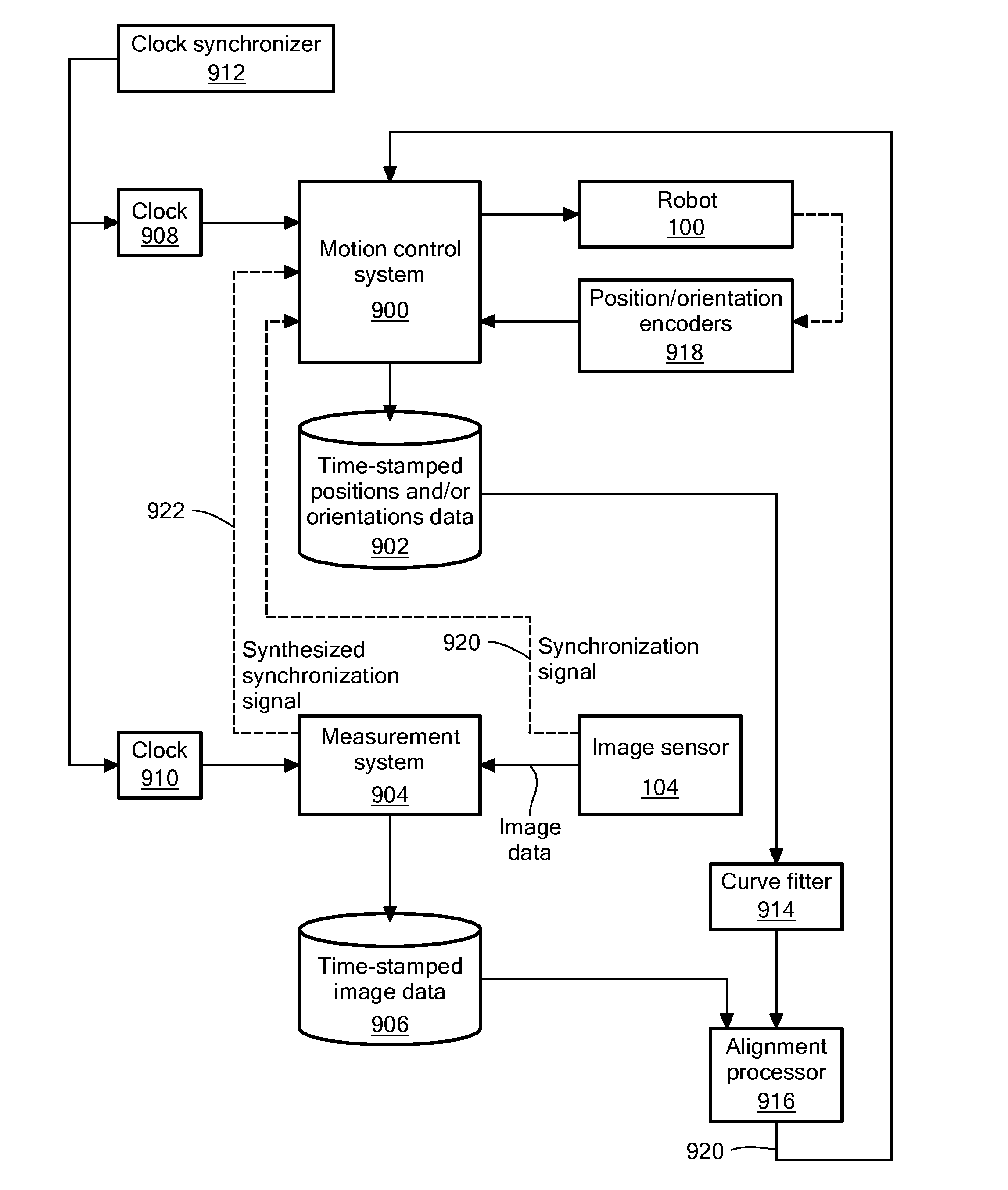
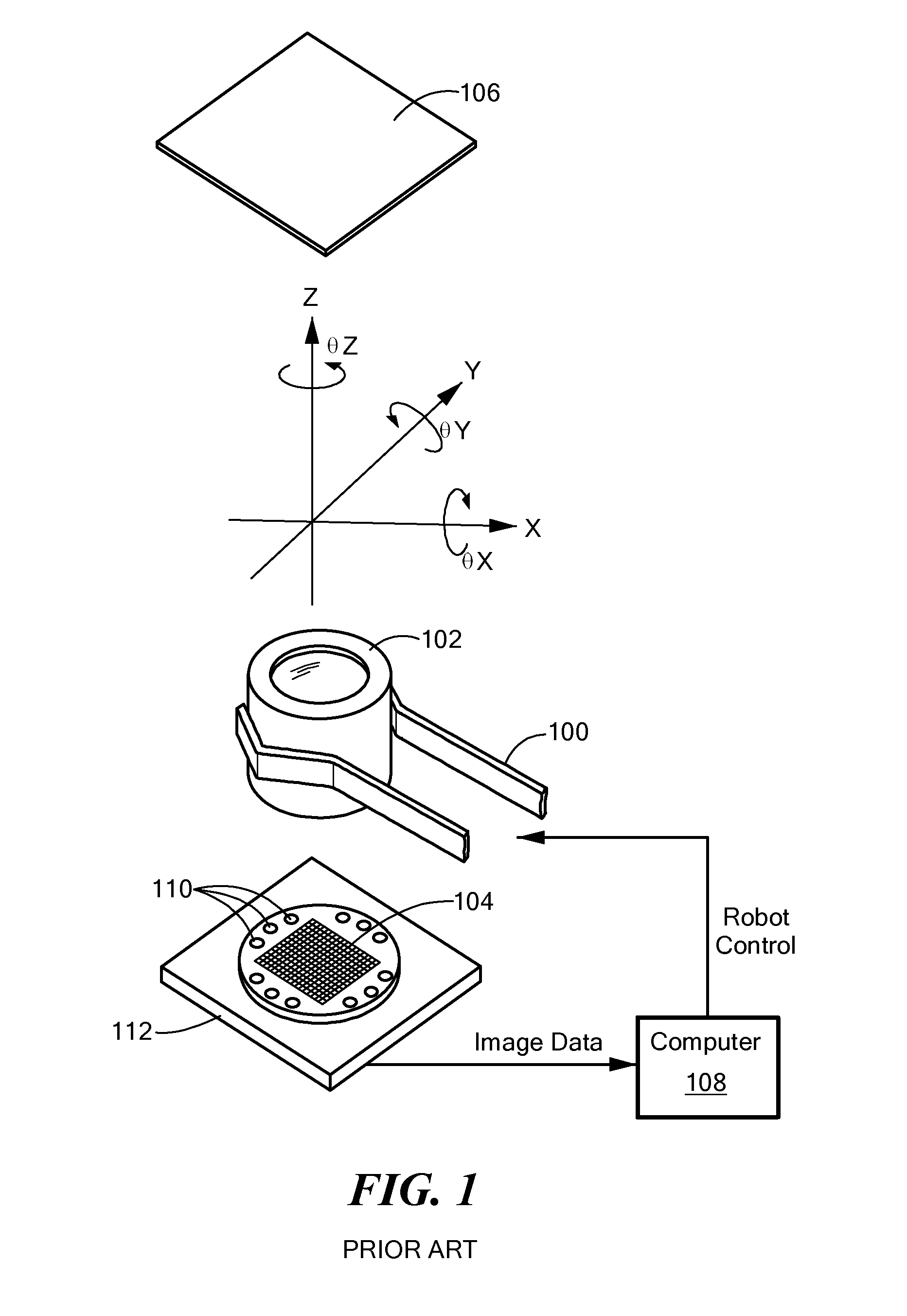
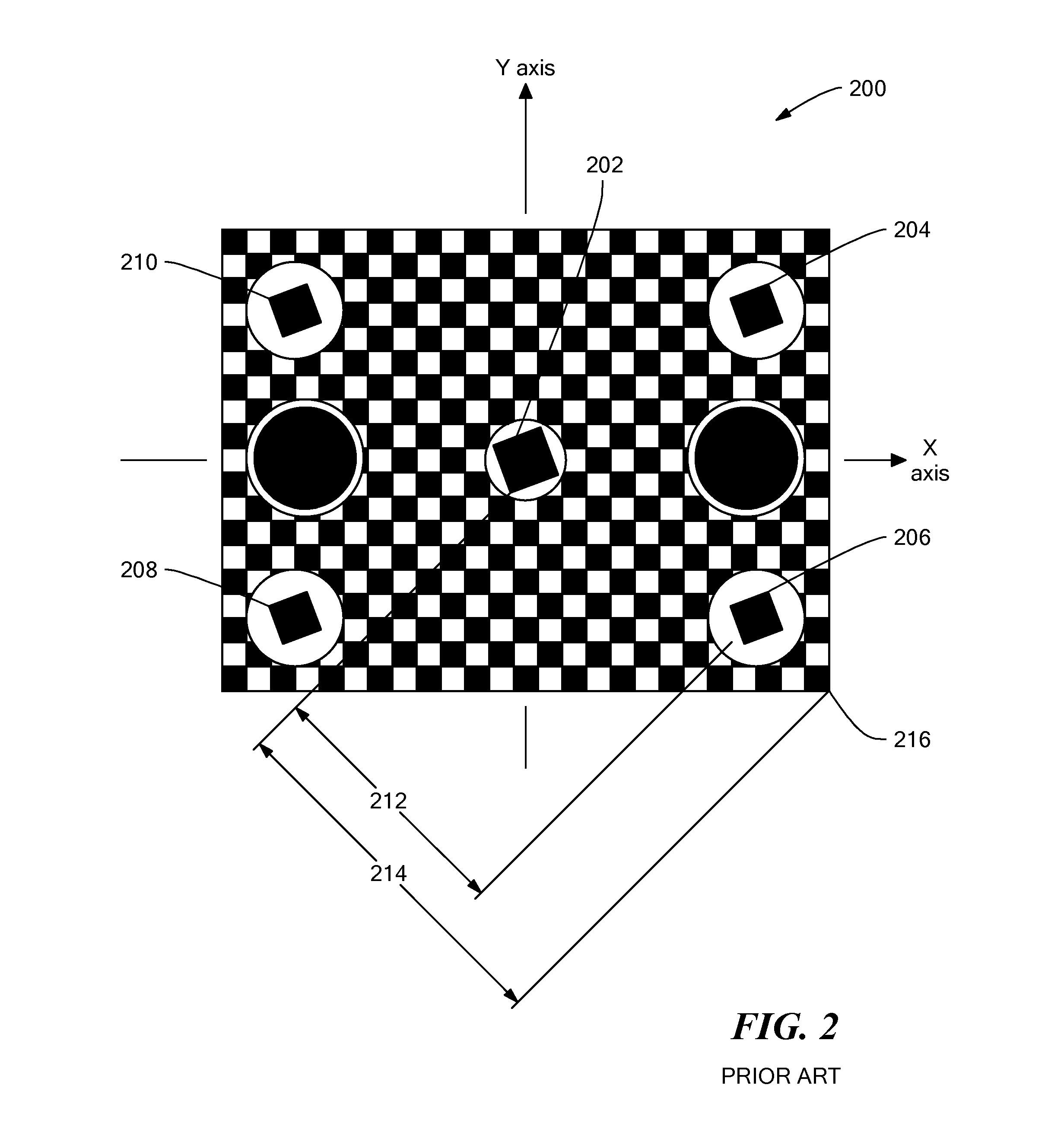
Active Alignment Using Continuous Motion Sweeps and Temporal Interpolation
PatentActiveUS20130274923A1
Innovation
- A computer-implemented method involving continuous motion sweeps of optical elements to collect and analyze alignment data, using a robot to estimate and adjust the position of optical elements based on optical signals and image data from a digital image sensor, allowing for precise alignment across multiple degrees of freedom.

Automated UV Calibration, Motorized Optical Target and Automatic Surface Finder for Optical Alignment and Assembly Robot
PatentActiveUS20180004004A1
Innovation
- A system utilizing a motorized optical target, a robot, and a measurement controller to continuously scan and align lenses with a digital camera, adjusting spacing and orientation based on acquired alignment data to achieve precise alignment, and an automatic surface finder for accurate adhesive dispensing.


Manufacturing Standards for Alignment Systems
The establishment of comprehensive manufacturing standards for alignment systems represents a critical foundation for achieving optimal efficiency benefits in both active alignment and feedback control implementations. Current industry standards primarily focus on mechanical tolerances and optical specifications, yet lack unified protocols for evaluating dynamic alignment performance metrics that directly impact system efficiency.
ISO 9001 quality management principles have been adapted for alignment system manufacturing, emphasizing process control and measurement traceability. However, these standards require enhancement to address the specific requirements of active alignment technologies, particularly regarding real-time positioning accuracy and response time specifications. Manufacturing tolerances for piezoelectric actuators, commonly used in active alignment systems, typically range from ±0.1 micrometers for positioning accuracy, while feedback control systems demand sensor resolution standards of at least 10 nanometers.
The semiconductor industry has pioneered stringent manufacturing standards through organizations like SEMI, establishing guidelines for wafer alignment equipment that achieve sub-nanometer precision. These standards emphasize environmental control, vibration isolation, and thermal stability requirements essential for maintaining alignment system performance. Temperature stability specifications typically require ±0.01°C control within manufacturing environments to prevent thermal drift affecting alignment accuracy.
Emerging standards development focuses on standardizing communication protocols between alignment components, enabling seamless integration of active and feedback control elements. The adoption of EtherCAT and other real-time communication standards ensures deterministic response times crucial for maintaining system efficiency. Manufacturing quality assurance protocols now incorporate automated testing procedures that validate both static positioning accuracy and dynamic response characteristics under various operational conditions.
Future standardization efforts must address the integration of artificial intelligence and machine learning algorithms within alignment systems, requiring new metrics for evaluating adaptive performance and learning convergence rates. These evolving standards will ultimately determine the manufacturing feasibility and cost-effectiveness of next-generation alignment technologies, directly influencing the practical implementation of efficiency-optimized active alignment and feedback control systems across diverse industrial applications.
ISO 9001 quality management principles have been adapted for alignment system manufacturing, emphasizing process control and measurement traceability. However, these standards require enhancement to address the specific requirements of active alignment technologies, particularly regarding real-time positioning accuracy and response time specifications. Manufacturing tolerances for piezoelectric actuators, commonly used in active alignment systems, typically range from ±0.1 micrometers for positioning accuracy, while feedback control systems demand sensor resolution standards of at least 10 nanometers.
The semiconductor industry has pioneered stringent manufacturing standards through organizations like SEMI, establishing guidelines for wafer alignment equipment that achieve sub-nanometer precision. These standards emphasize environmental control, vibration isolation, and thermal stability requirements essential for maintaining alignment system performance. Temperature stability specifications typically require ±0.01°C control within manufacturing environments to prevent thermal drift affecting alignment accuracy.
Emerging standards development focuses on standardizing communication protocols between alignment components, enabling seamless integration of active and feedback control elements. The adoption of EtherCAT and other real-time communication standards ensures deterministic response times crucial for maintaining system efficiency. Manufacturing quality assurance protocols now incorporate automated testing procedures that validate both static positioning accuracy and dynamic response characteristics under various operational conditions.
Future standardization efforts must address the integration of artificial intelligence and machine learning algorithms within alignment systems, requiring new metrics for evaluating adaptive performance and learning convergence rates. These evolving standards will ultimately determine the manufacturing feasibility and cost-effectiveness of next-generation alignment technologies, directly influencing the practical implementation of efficiency-optimized active alignment and feedback control systems across diverse industrial applications.
Cost-Benefit Analysis of Control Method Selection
The cost-benefit analysis of control method selection between active alignment and feedback control systems reveals significant economic implications that extend beyond initial implementation costs. Active alignment systems typically require higher upfront capital investment due to sophisticated sensor arrays, precision actuators, and advanced computational hardware. However, this initial expenditure often translates into substantial operational savings through reduced energy consumption, minimized wear on mechanical components, and decreased maintenance requirements.
Feedback control systems present a more accessible entry point with lower initial costs and simpler implementation procedures. The technology leverages established control theory principles and readily available components, making it attractive for organizations with limited capital budgets. However, the long-term operational costs can accumulate significantly due to reactive nature of corrections, increased energy consumption during adjustment cycles, and more frequent maintenance interventions.
The total cost of ownership analysis demonstrates that active alignment systems achieve break-even points typically within 18-24 months of operation in high-precision applications. This timeframe shortens considerably in environments requiring continuous operation or where precision tolerances are critical. The efficiency gains from proactive adjustments result in measurable reductions in operational expenses, with some implementations reporting 15-25% lower energy costs compared to feedback-only systems.
Risk assessment factors heavily influence the cost-benefit equation, particularly in mission-critical applications where system failures carry substantial financial penalties. Active alignment systems provide superior risk mitigation through predictive capabilities and reduced likelihood of catastrophic misalignments. The insurance value of preventing costly downtime events often justifies the premium investment in active systems.
Scalability considerations reveal divergent cost trajectories for different control approaches. While feedback systems maintain relatively linear cost scaling, active alignment systems benefit from economies of scale in multi-unit deployments. The shared computational resources and centralized monitoring capabilities create cost advantages that become more pronounced as system complexity increases.
The selection decision ultimately depends on application-specific factors including precision requirements, operational duration, maintenance accessibility, and acceptable risk levels. Organizations must evaluate both quantifiable metrics such as energy consumption and maintenance costs alongside intangible benefits including improved reliability and operational flexibility when determining the optimal control methodology for their specific implementation requirements.
Feedback control systems present a more accessible entry point with lower initial costs and simpler implementation procedures. The technology leverages established control theory principles and readily available components, making it attractive for organizations with limited capital budgets. However, the long-term operational costs can accumulate significantly due to reactive nature of corrections, increased energy consumption during adjustment cycles, and more frequent maintenance interventions.
The total cost of ownership analysis demonstrates that active alignment systems achieve break-even points typically within 18-24 months of operation in high-precision applications. This timeframe shortens considerably in environments requiring continuous operation or where precision tolerances are critical. The efficiency gains from proactive adjustments result in measurable reductions in operational expenses, with some implementations reporting 15-25% lower energy costs compared to feedback-only systems.
Risk assessment factors heavily influence the cost-benefit equation, particularly in mission-critical applications where system failures carry substantial financial penalties. Active alignment systems provide superior risk mitigation through predictive capabilities and reduced likelihood of catastrophic misalignments. The insurance value of preventing costly downtime events often justifies the premium investment in active systems.
Scalability considerations reveal divergent cost trajectories for different control approaches. While feedback systems maintain relatively linear cost scaling, active alignment systems benefit from economies of scale in multi-unit deployments. The shared computational resources and centralized monitoring capabilities create cost advantages that become more pronounced as system complexity increases.
The selection decision ultimately depends on application-specific factors including precision requirements, operational duration, maintenance accessibility, and acceptable risk levels. Organizations must evaluate both quantifiable metrics such as energy consumption and maintenance costs alongside intangible benefits including improved reliability and operational flexibility when determining the optimal control methodology for their specific implementation requirements.
Unlock deeper insights with Patsnap Eureka Quick Research — get a full tech report to explore trends and direct your research. Try now!
Generate Your Research Report Instantly with AI Agent
Supercharge your innovation with Patsnap Eureka AI Agent Platform!