Adaptive Network Control for High Bandwidth Efficiency
MAR 18, 20269 MIN READ
Generate Your Research Report Instantly with AI Agent
Patsnap Eureka helps you evaluate technical feasibility & market potential.
Adaptive Network Control Background and Bandwidth Efficiency Goals
Adaptive network control has emerged as a critical technology domain in response to the exponential growth of data traffic and the increasing complexity of modern communication networks. The evolution of this field traces back to the early days of packet-switched networks in the 1970s, where rudimentary congestion control mechanisms were first implemented. Over the decades, the discipline has progressed through several pivotal phases, including the development of TCP congestion control algorithms in the 1980s, quality of service frameworks in the 1990s, and software-defined networking paradigms in the 2000s.
The contemporary landscape of adaptive network control is characterized by the integration of machine learning algorithms, real-time analytics, and distributed control systems. These technologies enable networks to dynamically adjust their behavior based on changing traffic patterns, network conditions, and performance requirements. The field has witnessed significant advancement with the introduction of intent-based networking, where high-level policies are automatically translated into network configurations that optimize resource utilization.
Current technological trends indicate a shift toward intelligent automation and predictive control mechanisms. The proliferation of Internet of Things devices, cloud computing services, and multimedia applications has created unprecedented demands for bandwidth efficiency. Networks must now handle diverse traffic types with varying latency, throughput, and reliability requirements while maintaining optimal resource allocation across heterogeneous infrastructure components.
The primary objective of adaptive network control for high bandwidth efficiency centers on maximizing data throughput while minimizing resource consumption and maintaining service quality. This involves developing algorithms that can intelligently allocate bandwidth resources based on real-time network conditions, application requirements, and user priorities. The technology aims to achieve dynamic load balancing, congestion avoidance, and optimal path selection to ensure efficient utilization of available network capacity.
Another fundamental goal is to establish self-healing and self-optimizing network capabilities that can automatically respond to network failures, traffic surges, and changing demand patterns. This includes implementing predictive analytics to anticipate network bottlenecks and proactively adjust control parameters to prevent performance degradation. The ultimate vision encompasses creating networks that can autonomously optimize their performance while reducing operational complexity and management overhead.
The contemporary landscape of adaptive network control is characterized by the integration of machine learning algorithms, real-time analytics, and distributed control systems. These technologies enable networks to dynamically adjust their behavior based on changing traffic patterns, network conditions, and performance requirements. The field has witnessed significant advancement with the introduction of intent-based networking, where high-level policies are automatically translated into network configurations that optimize resource utilization.
Current technological trends indicate a shift toward intelligent automation and predictive control mechanisms. The proliferation of Internet of Things devices, cloud computing services, and multimedia applications has created unprecedented demands for bandwidth efficiency. Networks must now handle diverse traffic types with varying latency, throughput, and reliability requirements while maintaining optimal resource allocation across heterogeneous infrastructure components.
The primary objective of adaptive network control for high bandwidth efficiency centers on maximizing data throughput while minimizing resource consumption and maintaining service quality. This involves developing algorithms that can intelligently allocate bandwidth resources based on real-time network conditions, application requirements, and user priorities. The technology aims to achieve dynamic load balancing, congestion avoidance, and optimal path selection to ensure efficient utilization of available network capacity.
Another fundamental goal is to establish self-healing and self-optimizing network capabilities that can automatically respond to network failures, traffic surges, and changing demand patterns. This includes implementing predictive analytics to anticipate network bottlenecks and proactively adjust control parameters to prevent performance degradation. The ultimate vision encompasses creating networks that can autonomously optimize their performance while reducing operational complexity and management overhead.
Market Demand for High Bandwidth Efficiency Solutions
The global telecommunications industry faces unprecedented pressure to optimize network performance as data consumption continues to surge exponentially. Enterprise networks, cloud service providers, and telecommunications operators are experiencing significant strain on their infrastructure due to increasing demands for real-time applications, video streaming, IoT deployments, and remote work solutions. Traditional network management approaches are proving inadequate in addressing the dynamic nature of modern traffic patterns and the need for efficient bandwidth utilization.
Cloud computing and edge computing markets represent substantial drivers for high bandwidth efficiency solutions. Major cloud providers are investing heavily in network optimization technologies to reduce operational costs and improve service quality. The proliferation of edge computing applications requires sophisticated network control mechanisms that can dynamically allocate resources based on real-time demand patterns and geographical distribution of users.
The enterprise segment demonstrates strong demand for adaptive network solutions, particularly in sectors such as financial services, healthcare, and manufacturing. These industries require guaranteed bandwidth allocation for mission-critical applications while maintaining cost-effectiveness for general network traffic. Software-defined networking adoption has created opportunities for more granular control over network resources, enabling organizations to implement intelligent bandwidth management strategies.
Telecommunications service providers face mounting pressure to maximize return on infrastructure investments while delivering superior user experiences. Network congestion during peak hours and the need to support diverse service level agreements across different customer segments drive demand for sophisticated traffic engineering solutions. The transition to 5G networks has intensified requirements for dynamic resource allocation and network slicing capabilities.
Content delivery networks and streaming service providers represent another significant market segment seeking bandwidth efficiency improvements. These organizations require solutions that can adapt to varying content popularity, geographical demand patterns, and network conditions in real-time. The growing importance of quality of experience metrics has made efficient bandwidth utilization a competitive differentiator in the digital content industry.
Emerging applications such as autonomous vehicles, industrial automation, and augmented reality are creating new categories of network traffic with stringent latency and bandwidth requirements. These applications demand intelligent network control systems capable of prioritizing critical traffic while maintaining overall network efficiency across diverse application portfolios.
Cloud computing and edge computing markets represent substantial drivers for high bandwidth efficiency solutions. Major cloud providers are investing heavily in network optimization technologies to reduce operational costs and improve service quality. The proliferation of edge computing applications requires sophisticated network control mechanisms that can dynamically allocate resources based on real-time demand patterns and geographical distribution of users.
The enterprise segment demonstrates strong demand for adaptive network solutions, particularly in sectors such as financial services, healthcare, and manufacturing. These industries require guaranteed bandwidth allocation for mission-critical applications while maintaining cost-effectiveness for general network traffic. Software-defined networking adoption has created opportunities for more granular control over network resources, enabling organizations to implement intelligent bandwidth management strategies.
Telecommunications service providers face mounting pressure to maximize return on infrastructure investments while delivering superior user experiences. Network congestion during peak hours and the need to support diverse service level agreements across different customer segments drive demand for sophisticated traffic engineering solutions. The transition to 5G networks has intensified requirements for dynamic resource allocation and network slicing capabilities.
Content delivery networks and streaming service providers represent another significant market segment seeking bandwidth efficiency improvements. These organizations require solutions that can adapt to varying content popularity, geographical demand patterns, and network conditions in real-time. The growing importance of quality of experience metrics has made efficient bandwidth utilization a competitive differentiator in the digital content industry.
Emerging applications such as autonomous vehicles, industrial automation, and augmented reality are creating new categories of network traffic with stringent latency and bandwidth requirements. These applications demand intelligent network control systems capable of prioritizing critical traffic while maintaining overall network efficiency across diverse application portfolios.
Current State and Challenges in Adaptive Network Control
Adaptive network control has emerged as a critical technology domain for optimizing bandwidth utilization in modern communication systems. Current implementations primarily rely on traditional congestion control algorithms such as TCP Cubic, BBR, and QUIC, which demonstrate varying degrees of effectiveness across different network conditions. These protocols attempt to balance throughput maximization with latency minimization, yet struggle to achieve optimal performance in dynamic environments characterized by fluctuating bandwidth availability and diverse traffic patterns.
The existing technological landscape reveals significant disparities between theoretical capabilities and practical implementations. While machine learning-enhanced adaptive algorithms show promise in laboratory settings, real-world deployments face substantial challenges in computational overhead and decision-making latency. Current solutions often operate reactively rather than proactively, responding to network congestion after it occurs rather than predicting and preventing bottlenecks.
Major technical obstacles persist in achieving truly efficient adaptive network control. The primary challenge lies in the inherent trade-off between responsiveness and stability, where rapid adaptation to network changes can lead to oscillatory behavior that ultimately degrades performance. Additionally, the heterogeneous nature of modern networks, encompassing wireless, fiber, and satellite connections with vastly different characteristics, complicates the development of universally effective adaptive mechanisms.
Cross-layer optimization represents another significant hurdle, as current adaptive control systems typically operate within isolated network layers, limiting their ability to leverage comprehensive network state information. The lack of standardized metrics for measuring adaptation effectiveness across different network scenarios further impedes progress in this field.
Geographically, advanced adaptive network control research concentrates primarily in North America, Europe, and East Asia, with leading academic institutions and technology companies driving innovation. However, deployment challenges vary significantly across regions due to infrastructure differences and regulatory constraints.
The scalability challenge becomes particularly acute in large-scale networks where centralized control mechanisms become computationally prohibitive, necessitating distributed approaches that introduce coordination complexities. Furthermore, security considerations add another layer of complexity, as adaptive systems must maintain robustness against potential attacks while preserving performance optimization capabilities.
The existing technological landscape reveals significant disparities between theoretical capabilities and practical implementations. While machine learning-enhanced adaptive algorithms show promise in laboratory settings, real-world deployments face substantial challenges in computational overhead and decision-making latency. Current solutions often operate reactively rather than proactively, responding to network congestion after it occurs rather than predicting and preventing bottlenecks.
Major technical obstacles persist in achieving truly efficient adaptive network control. The primary challenge lies in the inherent trade-off between responsiveness and stability, where rapid adaptation to network changes can lead to oscillatory behavior that ultimately degrades performance. Additionally, the heterogeneous nature of modern networks, encompassing wireless, fiber, and satellite connections with vastly different characteristics, complicates the development of universally effective adaptive mechanisms.
Cross-layer optimization represents another significant hurdle, as current adaptive control systems typically operate within isolated network layers, limiting their ability to leverage comprehensive network state information. The lack of standardized metrics for measuring adaptation effectiveness across different network scenarios further impedes progress in this field.
Geographically, advanced adaptive network control research concentrates primarily in North America, Europe, and East Asia, with leading academic institutions and technology companies driving innovation. However, deployment challenges vary significantly across regions due to infrastructure differences and regulatory constraints.
The scalability challenge becomes particularly acute in large-scale networks where centralized control mechanisms become computationally prohibitive, necessitating distributed approaches that introduce coordination complexities. Furthermore, security considerations add another layer of complexity, as adaptive systems must maintain robustness against potential attacks while preserving performance optimization capabilities.
Current Adaptive Network Control Solutions
01 Dynamic bandwidth allocation based on network conditions
Adaptive network control systems can dynamically allocate bandwidth resources based on real-time network conditions such as traffic load, congestion levels, and quality of service requirements. These systems monitor network parameters continuously and adjust bandwidth distribution to optimize network performance and prevent bottlenecks. The adaptive mechanisms can prioritize critical traffic flows while ensuring fair resource allocation among different users or applications.- Dynamic bandwidth allocation based on network conditions: Adaptive network control systems can dynamically allocate bandwidth resources based on real-time network conditions such as traffic load, congestion levels, and quality of service requirements. These systems monitor network parameters continuously and adjust bandwidth distribution to optimize network performance and prevent bottlenecks. The adaptive mechanisms can prioritize critical traffic flows while ensuring fair resource allocation among different users or applications.
- Traffic shaping and rate control mechanisms: Network bandwidth efficiency can be improved through traffic shaping techniques that regulate data flow rates and smooth traffic bursts. These mechanisms implement rate control algorithms to manage transmission speeds, prevent network congestion, and ensure consistent service delivery. Advanced traffic shaping methods can classify different types of traffic and apply appropriate rate limiting policies to maximize overall network utilization.
- Adaptive compression and data optimization: Bandwidth efficiency can be enhanced through adaptive compression techniques that reduce data payload sizes before transmission. These systems analyze data characteristics and network conditions to select optimal compression algorithms and parameters. Data optimization methods may include header compression, payload compression, and protocol optimization to minimize bandwidth consumption while maintaining data integrity and quality.
- Quality of Service (QoS) management and prioritization: Adaptive network control implements quality of service management to ensure efficient bandwidth utilization across different service classes. These systems classify traffic based on application requirements and assign priority levels to guarantee performance for critical services. QoS mechanisms include packet scheduling, queue management, and admission control to balance bandwidth allocation while meeting service level agreements.
- Predictive bandwidth management using machine learning: Advanced adaptive network control systems employ machine learning algorithms to predict bandwidth demands and optimize resource allocation proactively. These intelligent systems analyze historical traffic patterns, user behavior, and network trends to forecast future bandwidth requirements. Predictive management enables preemptive resource provisioning, reduces latency, and improves overall network efficiency by anticipating congestion before it occurs.
02 Traffic shaping and rate control mechanisms
Network bandwidth efficiency can be improved through traffic shaping techniques that regulate data flow rates and packet transmission patterns. These mechanisms implement rate limiting, token bucket algorithms, and scheduling policies to smooth traffic bursts and maintain consistent bandwidth utilization. By controlling the rate at which data enters the network, these systems prevent congestion and ensure predictable network performance across varying load conditions.Expand Specific Solutions03 Adaptive compression and data reduction techniques
Bandwidth efficiency can be enhanced through adaptive compression algorithms that adjust compression ratios based on available bandwidth and content characteristics. These techniques analyze data streams in real-time and apply appropriate compression methods to reduce transmission overhead while maintaining acceptable quality levels. The systems can dynamically switch between different compression schemes depending on network conditions and application requirements.Expand Specific Solutions04 Predictive bandwidth management using machine learning
Advanced adaptive network control systems employ machine learning algorithms to predict bandwidth demands and proactively adjust resource allocation. These systems analyze historical traffic patterns, user behavior, and application requirements to forecast future bandwidth needs. By anticipating network conditions, the systems can pre-allocate resources and implement preventive measures to maintain optimal bandwidth efficiency during peak usage periods.Expand Specific Solutions05 Multi-path routing and load balancing
Bandwidth efficiency can be optimized through adaptive multi-path routing strategies that distribute traffic across multiple network paths. These systems continuously evaluate path characteristics such as latency, packet loss, and available bandwidth to make intelligent routing decisions. Load balancing mechanisms ensure that network resources are utilized efficiently by preventing any single path from becoming overloaded while other paths remain underutilized.Expand Specific Solutions
Key Players in Network Control and Bandwidth Optimization
The adaptive network control for high bandwidth efficiency field represents a mature technology sector experiencing rapid evolution driven by 5G deployment and edge computing demands. The market demonstrates substantial scale with global telecommunications infrastructure investments exceeding hundreds of billions annually, creating significant opportunities for network optimization solutions. Technology maturity varies considerably across the competitive landscape, with established telecommunications giants like Huawei Technologies, Nokia Solutions & Networks, and NTT Docomo leading in traditional network infrastructure, while technology innovators such as IBM, Microsoft Technology Licensing, and Intel Corp. drive software-defined networking and AI-powered adaptive control systems. Specialized players like Talari Networks focus on WAN optimization, whereas major carriers including China Telecom, Deutsche Telekom, and British Telecommunications implement these solutions at scale. The convergence of hardware manufacturers like Samsung Electronics and Cisco Technology with software providers indicates an industry transitioning toward integrated, intelligent network management platforms that dynamically optimize bandwidth allocation and network performance in real-time.
Huawei Technologies Co., Ltd.
Technical Solution: Huawei's adaptive network control solution leverages AI-driven network optimization through their CloudFabric architecture. The system incorporates intelligent traffic scheduling algorithms, dynamic resource allocation, and real-time network analytics to maximize bandwidth efficiency. Their solution features autonomous network management capabilities with self-healing mechanisms and predictive maintenance. The platform utilizes deep learning models to analyze network behavior patterns and automatically adjust routing protocols, congestion control mechanisms, and bandwidth provisioning to maintain optimal performance across diverse network conditions.
Strengths: Advanced AI integration, cost-effective solutions, strong R&D capabilities in 5G and networking. Weaknesses: Geopolitical restrictions in some markets, security concerns, limited market access in certain regions.
Microsoft Technology Licensing LLC
Technical Solution: Microsoft's adaptive network control solution is integrated into Azure networking services, featuring intelligent traffic management and automated bandwidth optimization. Their approach utilizes Azure's global network infrastructure with machine learning-based traffic engineering and dynamic routing optimization. The system includes Virtual WAN capabilities, ExpressRoute optimization, and AI-driven network analytics that continuously monitor and adjust network parameters. Microsoft's solution emphasizes cloud-native adaptive networking with automated scaling, intelligent load distribution, and predictive bandwidth allocation based on application workload patterns.
Strengths: Strong cloud platform integration, extensive global network infrastructure, AI and machine learning expertise. Weaknesses: Primary focus on cloud environments, limited on-premises networking hardware, dependency on Azure ecosystem.
Core Innovations in Bandwidth Efficiency Algorithms
Bandwidth self-adaptive control system and method
PatentWO2018058711A1
Innovation
- By utilizing packet loss rate and latency information in the control devices at both the sending and receiving ends, bandwidth is estimated and adjusted according to preset conditions and formulas to ensure the transmission quality of network signals. Furthermore, encoder parameters are adjusted based on the ratio of current bandwidth to target bit rate.


Adaptive bandwidth allocation method for non-reserved traffic in a high-speed data transmission network, and system for implementing said method
PatentInactiveUS6118791A
Innovation
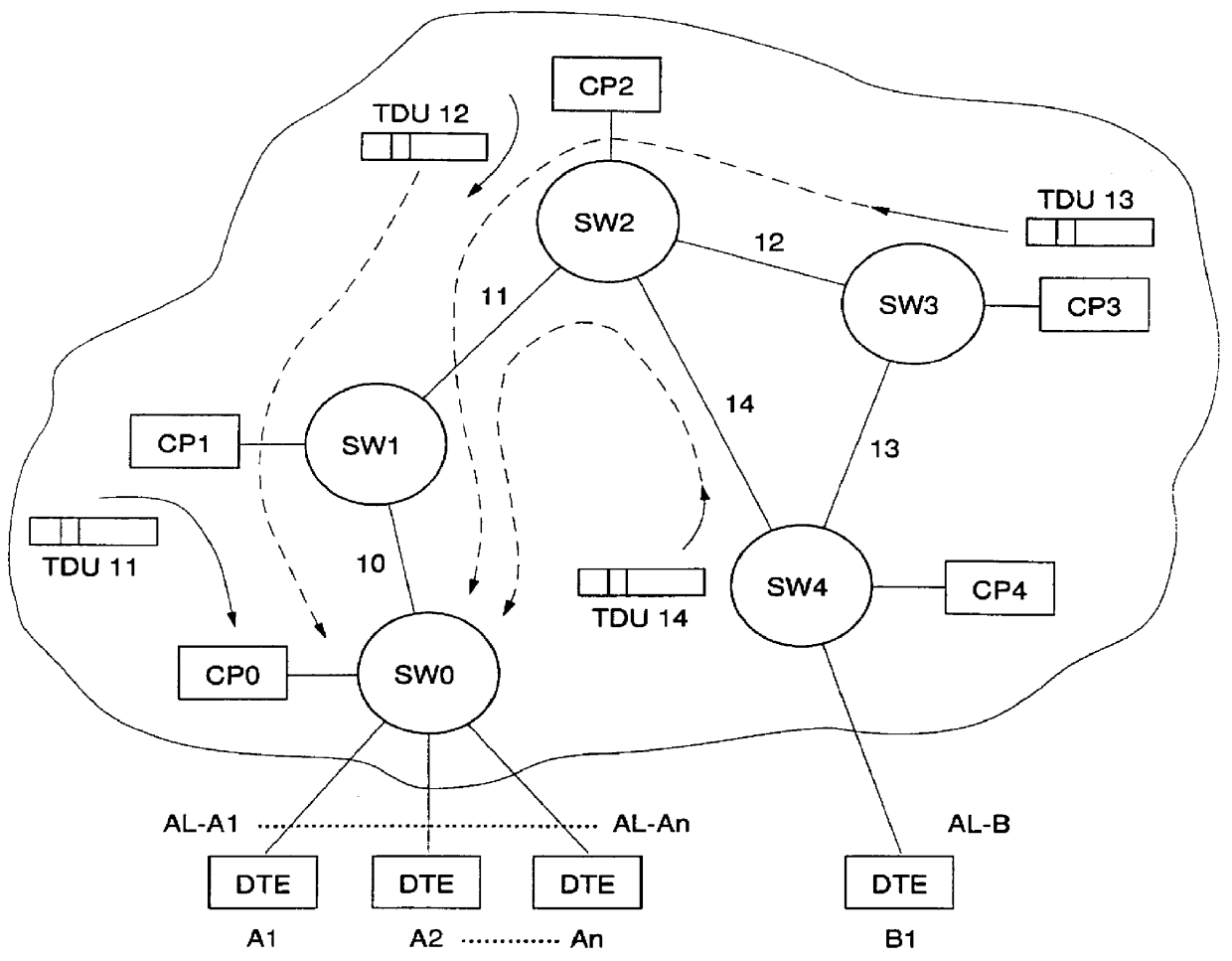
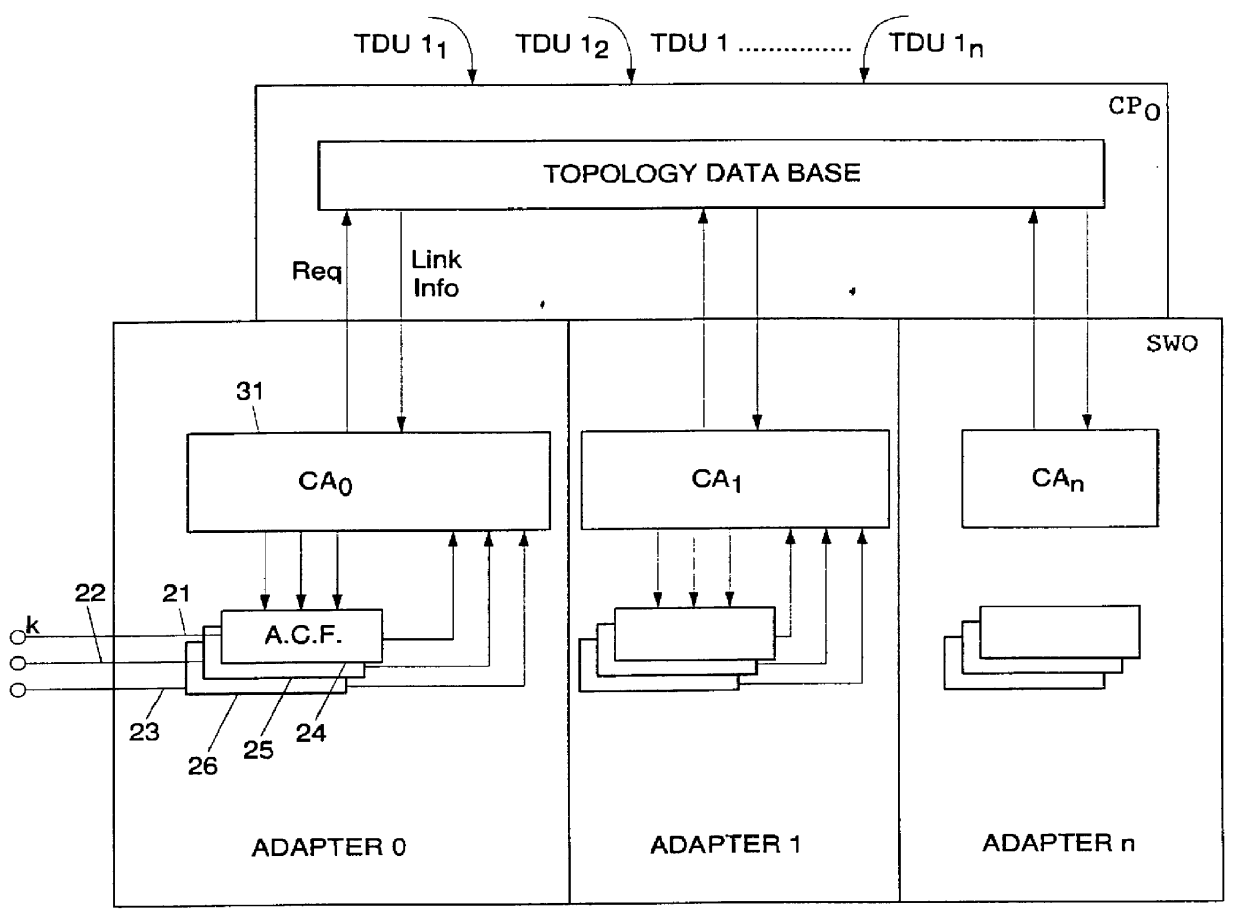
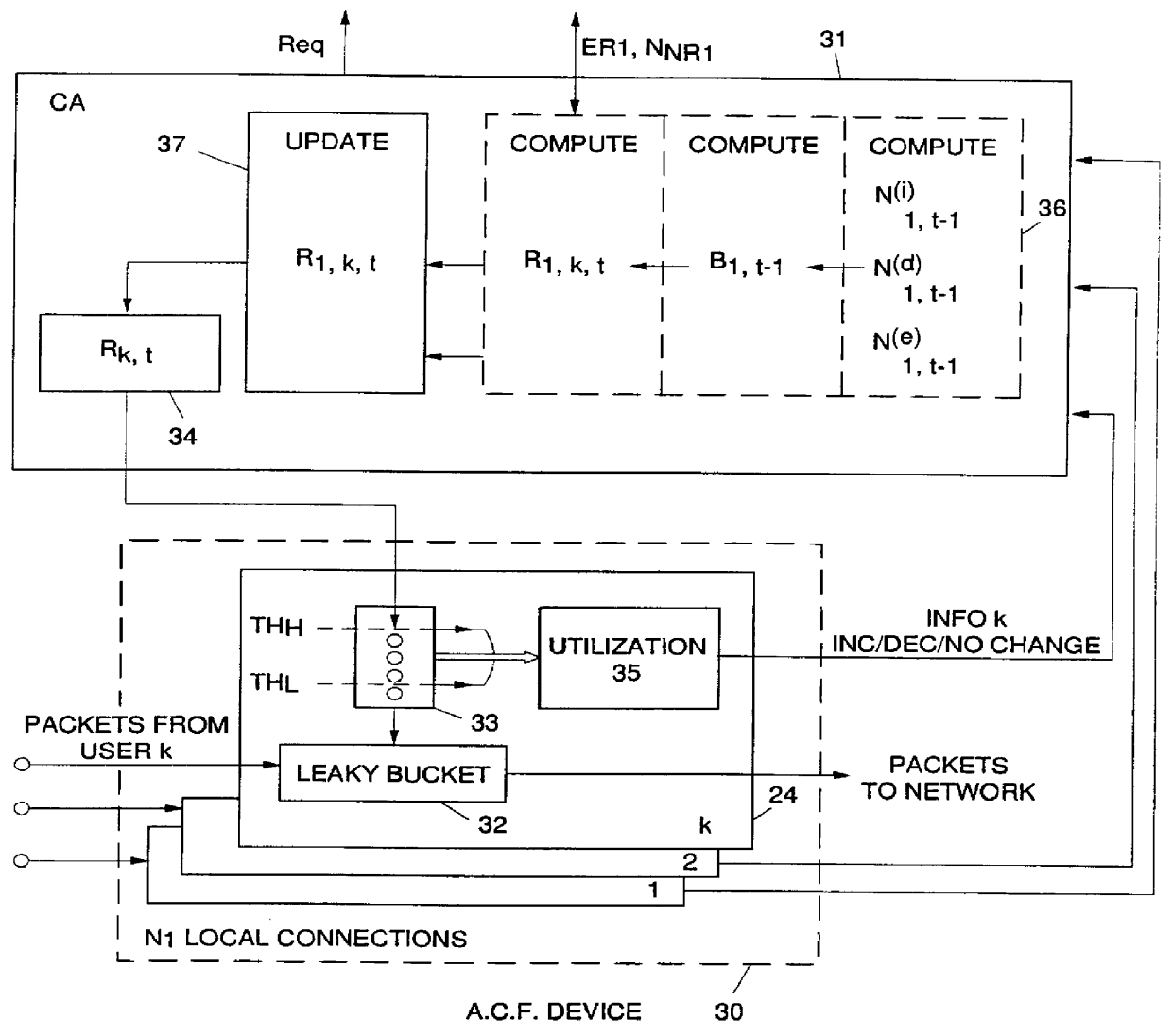
- An adaptive bandwidth allocation method that utilizes a Topology Data Base to periodically update and broadcast available bandwidth and Non-Reserved connection information, allowing dynamic and fair distribution of bandwidth among Non-Reserved traffic sources based on real-time requirements, ensuring minimal data packet loss without impacting Reserved traffic.

Network Security Implications for Adaptive Control
Adaptive network control systems introduce significant security vulnerabilities that must be carefully evaluated and mitigated. The dynamic nature of these systems creates an expanded attack surface, as control algorithms continuously adjust network parameters based on real-time traffic patterns and performance metrics. This adaptability, while beneficial for bandwidth optimization, presents opportunities for malicious actors to exploit the system's responsiveness through sophisticated attack vectors.
The primary security concern lies in the potential for adversarial manipulation of control inputs. Attackers can inject false traffic patterns or performance data to deceive adaptive algorithms, causing them to make suboptimal or harmful adjustments. Such manipulation attacks can lead to network congestion, service degradation, or even complete system failure. The distributed nature of modern networks amplifies these risks, as compromised nodes can propagate malicious control signals throughout the entire network infrastructure.
Authentication and authorization mechanisms become particularly challenging in adaptive control environments. Traditional static security models are insufficient for systems that require rapid, automated decision-making. The need for real-time adaptation often conflicts with comprehensive security verification processes, creating a fundamental tension between performance optimization and security assurance. This challenge is further complicated by the requirement to maintain low-latency operations while implementing robust security protocols.
Data integrity represents another critical security dimension. Adaptive control systems rely heavily on accurate network state information and performance metrics. Any compromise of this data can result in cascading failures across the network. Ensuring the authenticity and integrity of control data requires sophisticated cryptographic mechanisms that must operate within the stringent timing constraints of adaptive systems.
The implementation of secure adaptive control necessitates a multi-layered approach incorporating anomaly detection, behavioral analysis, and predictive security measures. Machine learning-based security frameworks show promise in identifying unusual patterns that may indicate security breaches or manipulation attempts. However, these systems must be designed to distinguish between legitimate adaptive responses and malicious activities, requiring careful calibration and continuous monitoring to maintain both security and operational efficiency.
The primary security concern lies in the potential for adversarial manipulation of control inputs. Attackers can inject false traffic patterns or performance data to deceive adaptive algorithms, causing them to make suboptimal or harmful adjustments. Such manipulation attacks can lead to network congestion, service degradation, or even complete system failure. The distributed nature of modern networks amplifies these risks, as compromised nodes can propagate malicious control signals throughout the entire network infrastructure.
Authentication and authorization mechanisms become particularly challenging in adaptive control environments. Traditional static security models are insufficient for systems that require rapid, automated decision-making. The need for real-time adaptation often conflicts with comprehensive security verification processes, creating a fundamental tension between performance optimization and security assurance. This challenge is further complicated by the requirement to maintain low-latency operations while implementing robust security protocols.
Data integrity represents another critical security dimension. Adaptive control systems rely heavily on accurate network state information and performance metrics. Any compromise of this data can result in cascading failures across the network. Ensuring the authenticity and integrity of control data requires sophisticated cryptographic mechanisms that must operate within the stringent timing constraints of adaptive systems.
The implementation of secure adaptive control necessitates a multi-layered approach incorporating anomaly detection, behavioral analysis, and predictive security measures. Machine learning-based security frameworks show promise in identifying unusual patterns that may indicate security breaches or manipulation attempts. However, these systems must be designed to distinguish between legitimate adaptive responses and malicious activities, requiring careful calibration and continuous monitoring to maintain both security and operational efficiency.
Quality of Service Standards for Network Control
Quality of Service (QoS) standards form the foundational framework for implementing effective adaptive network control systems that optimize bandwidth efficiency. These standards establish measurable parameters and protocols that enable networks to differentiate, prioritize, and manage traffic flows according to specific performance requirements and service level agreements.
The International Telecommunication Union (ITU-T) and Internet Engineering Task Force (IETF) have developed comprehensive QoS standards that directly support adaptive network control mechanisms. ITU-T Recommendation Y.1541 defines network performance objectives for IP-based services, establishing key metrics including packet delay variation, packet loss ratio, and packet error ratio. These metrics serve as critical inputs for adaptive control algorithms that dynamically adjust bandwidth allocation and routing decisions.
IEEE 802.1p standard provides traffic classification and priority queuing mechanisms at the data link layer, enabling networks to implement differentiated service levels. This standard supports eight priority levels that adaptive network controllers can leverage to ensure high-priority traffic receives preferential treatment during congestion periods, thereby maximizing overall bandwidth utilization efficiency.
The Differentiated Services (DiffServ) architecture, defined in RFC 2475, establishes a scalable framework for QoS implementation in large networks. DiffServ Code Points (DSCP) markings enable adaptive network control systems to make intelligent forwarding decisions based on traffic classification, supporting per-hop behaviors that optimize bandwidth usage across network domains.
Real-time Transport Protocol (RTP) and Real-time Transport Control Protocol (RTCP), specified in RFC 3550, provide essential QoS mechanisms for time-sensitive applications. These protocols enable adaptive network controllers to monitor transmission quality metrics and implement dynamic adjustments to maintain service quality while maximizing bandwidth efficiency for multimedia traffic flows.
Service Level Agreement (SLA) frameworks complement technical QoS standards by defining measurable performance commitments between service providers and customers. These agreements establish bandwidth guarantees, latency thresholds, and availability requirements that guide adaptive network control algorithms in making optimal resource allocation decisions while maintaining contractual obligations.
The International Telecommunication Union (ITU-T) and Internet Engineering Task Force (IETF) have developed comprehensive QoS standards that directly support adaptive network control mechanisms. ITU-T Recommendation Y.1541 defines network performance objectives for IP-based services, establishing key metrics including packet delay variation, packet loss ratio, and packet error ratio. These metrics serve as critical inputs for adaptive control algorithms that dynamically adjust bandwidth allocation and routing decisions.
IEEE 802.1p standard provides traffic classification and priority queuing mechanisms at the data link layer, enabling networks to implement differentiated service levels. This standard supports eight priority levels that adaptive network controllers can leverage to ensure high-priority traffic receives preferential treatment during congestion periods, thereby maximizing overall bandwidth utilization efficiency.
The Differentiated Services (DiffServ) architecture, defined in RFC 2475, establishes a scalable framework for QoS implementation in large networks. DiffServ Code Points (DSCP) markings enable adaptive network control systems to make intelligent forwarding decisions based on traffic classification, supporting per-hop behaviors that optimize bandwidth usage across network domains.
Real-time Transport Protocol (RTP) and Real-time Transport Control Protocol (RTCP), specified in RFC 3550, provide essential QoS mechanisms for time-sensitive applications. These protocols enable adaptive network controllers to monitor transmission quality metrics and implement dynamic adjustments to maintain service quality while maximizing bandwidth efficiency for multimedia traffic flows.
Service Level Agreement (SLA) frameworks complement technical QoS standards by defining measurable performance commitments between service providers and customers. These agreements establish bandwidth guarantees, latency thresholds, and availability requirements that guide adaptive network control algorithms in making optimal resource allocation decisions while maintaining contractual obligations.
Unlock deeper insights with Patsnap Eureka Quick Research — get a full tech report to explore trends and direct your research. Try now!
Generate Your Research Report Instantly with AI Agent
Supercharge your innovation with Patsnap Eureka AI Agent Platform!