Adaptive Network Control in High-Throughput Environments
MAR 18, 20269 MIN READ
Generate Your Research Report Instantly with AI Agent
Patsnap Eureka helps you evaluate technical feasibility & market potential.
Adaptive Network Control Background and Objectives
The evolution of network infrastructure has reached a critical juncture where traditional static control mechanisms are increasingly inadequate for managing the complexities of modern high-throughput environments. As data volumes continue to exponentially grow across enterprise networks, cloud computing platforms, and telecommunications systems, the limitations of conventional network management approaches have become apparent. These legacy systems typically rely on predetermined configurations and manual interventions, resulting in suboptimal resource utilization and performance bottlenecks.
Adaptive network control represents a paradigm shift from reactive to proactive network management, leveraging real-time analytics, machine learning algorithms, and automated decision-making processes. This technological approach emerged from the convergence of software-defined networking, artificial intelligence, and advanced monitoring capabilities. The concept has gained significant traction over the past decade as organizations struggle to maintain service quality while managing increasingly complex network topologies and traffic patterns.
High-throughput environments present unique challenges that distinguish them from standard network deployments. These environments, characterized by sustained data rates exceeding multiple gigabits per second, require instantaneous adaptation to changing conditions such as traffic spikes, link failures, and varying application demands. Traditional network control mechanisms often introduce latency penalties and lack the granular visibility necessary for optimal performance in such demanding scenarios.
The primary objective of adaptive network control in high-throughput environments is to achieve dynamic optimization of network resources while maintaining service level agreements and minimizing operational overhead. This involves developing intelligent systems capable of predicting network behavior, automatically adjusting routing protocols, and implementing load balancing strategies in real-time. The technology aims to eliminate human intervention in routine network management tasks while providing enhanced visibility and control over network performance metrics.
Contemporary research focuses on creating self-healing networks that can automatically detect, diagnose, and remediate performance issues without service disruption. The ultimate goal extends beyond mere automation to encompass predictive capabilities that anticipate network requirements and proactively adjust configurations to prevent performance degradation before it occurs.
Adaptive network control represents a paradigm shift from reactive to proactive network management, leveraging real-time analytics, machine learning algorithms, and automated decision-making processes. This technological approach emerged from the convergence of software-defined networking, artificial intelligence, and advanced monitoring capabilities. The concept has gained significant traction over the past decade as organizations struggle to maintain service quality while managing increasingly complex network topologies and traffic patterns.
High-throughput environments present unique challenges that distinguish them from standard network deployments. These environments, characterized by sustained data rates exceeding multiple gigabits per second, require instantaneous adaptation to changing conditions such as traffic spikes, link failures, and varying application demands. Traditional network control mechanisms often introduce latency penalties and lack the granular visibility necessary for optimal performance in such demanding scenarios.
The primary objective of adaptive network control in high-throughput environments is to achieve dynamic optimization of network resources while maintaining service level agreements and minimizing operational overhead. This involves developing intelligent systems capable of predicting network behavior, automatically adjusting routing protocols, and implementing load balancing strategies in real-time. The technology aims to eliminate human intervention in routine network management tasks while providing enhanced visibility and control over network performance metrics.
Contemporary research focuses on creating self-healing networks that can automatically detect, diagnose, and remediate performance issues without service disruption. The ultimate goal extends beyond mere automation to encompass predictive capabilities that anticipate network requirements and proactively adjust configurations to prevent performance degradation before it occurs.
Market Demand for High-Throughput Network Solutions
The global demand for high-throughput network solutions has experienced unprecedented growth driven by the exponential increase in data consumption, cloud computing adoption, and emerging technologies requiring massive bandwidth capabilities. Organizations across industries are grappling with network infrastructure limitations that cannot adequately support modern digital workloads, creating substantial market opportunities for adaptive network control technologies.
Enterprise data centers represent the largest segment of this market demand, as organizations struggle to manage increasingly complex network traffic patterns while maintaining optimal performance. Traditional static network configurations prove insufficient when handling dynamic workloads that fluctuate dramatically throughout operational cycles. The rise of artificial intelligence, machine learning applications, and real-time analytics has intensified bandwidth requirements, pushing existing network infrastructure beyond capacity limits.
Cloud service providers constitute another critical demand driver, requiring sophisticated network control mechanisms to deliver consistent service quality across distributed infrastructure. These providers face mounting pressure to optimize resource utilization while ensuring seamless user experiences, particularly during peak usage periods. The challenge becomes more complex as multi-tenant environments demand intelligent traffic prioritization and dynamic resource allocation capabilities.
Financial services organizations demonstrate particularly acute demand for high-throughput network solutions due to algorithmic trading, real-time risk analysis, and regulatory compliance requirements. Microsecond-level latency improvements can translate into significant competitive advantages, driving substantial investment in advanced network control technologies. The sector's stringent reliability requirements further amplify the need for adaptive systems capable of maintaining performance under varying conditions.
Telecommunications carriers face increasing pressure to support bandwidth-intensive applications while managing network congestion effectively. The deployment of advanced wireless technologies and edge computing initiatives requires sophisticated traffic management capabilities that can adapt to rapidly changing network conditions. Service level agreement commitments necessitate consistent performance delivery regardless of traffic volume fluctuations.
Manufacturing and industrial sectors increasingly rely on high-throughput networks to support Industry automation initiatives, real-time monitoring systems, and predictive maintenance applications. These environments demand network solutions capable of handling massive sensor data streams while maintaining deterministic performance characteristics essential for operational safety and efficiency.
The market demand extends beyond traditional sectors as emerging applications in autonomous vehicles, smart cities, and immersive technologies create new requirements for adaptive network control. These applications generate unprecedented data volumes while demanding ultra-low latency and high reliability, establishing new performance benchmarks that current network technologies struggle to meet consistently.
Enterprise data centers represent the largest segment of this market demand, as organizations struggle to manage increasingly complex network traffic patterns while maintaining optimal performance. Traditional static network configurations prove insufficient when handling dynamic workloads that fluctuate dramatically throughout operational cycles. The rise of artificial intelligence, machine learning applications, and real-time analytics has intensified bandwidth requirements, pushing existing network infrastructure beyond capacity limits.
Cloud service providers constitute another critical demand driver, requiring sophisticated network control mechanisms to deliver consistent service quality across distributed infrastructure. These providers face mounting pressure to optimize resource utilization while ensuring seamless user experiences, particularly during peak usage periods. The challenge becomes more complex as multi-tenant environments demand intelligent traffic prioritization and dynamic resource allocation capabilities.
Financial services organizations demonstrate particularly acute demand for high-throughput network solutions due to algorithmic trading, real-time risk analysis, and regulatory compliance requirements. Microsecond-level latency improvements can translate into significant competitive advantages, driving substantial investment in advanced network control technologies. The sector's stringent reliability requirements further amplify the need for adaptive systems capable of maintaining performance under varying conditions.
Telecommunications carriers face increasing pressure to support bandwidth-intensive applications while managing network congestion effectively. The deployment of advanced wireless technologies and edge computing initiatives requires sophisticated traffic management capabilities that can adapt to rapidly changing network conditions. Service level agreement commitments necessitate consistent performance delivery regardless of traffic volume fluctuations.
Manufacturing and industrial sectors increasingly rely on high-throughput networks to support Industry automation initiatives, real-time monitoring systems, and predictive maintenance applications. These environments demand network solutions capable of handling massive sensor data streams while maintaining deterministic performance characteristics essential for operational safety and efficiency.
The market demand extends beyond traditional sectors as emerging applications in autonomous vehicles, smart cities, and immersive technologies create new requirements for adaptive network control. These applications generate unprecedented data volumes while demanding ultra-low latency and high reliability, establishing new performance benchmarks that current network technologies struggle to meet consistently.
Current State of Adaptive Control in Network Systems
Adaptive network control in high-throughput environments represents a critical intersection of network management, real-time optimization, and distributed systems engineering. Current implementations primarily rely on software-defined networking (SDN) architectures combined with machine learning algorithms to achieve dynamic traffic management and resource allocation. Major cloud service providers and telecommunications companies have deployed various forms of adaptive control systems, with varying degrees of sophistication and automation capabilities.
The predominant approach involves centralized control planes that collect network telemetry data and make routing decisions based on current traffic patterns and network conditions. OpenFlow-based SDN controllers, such as ONOS and OpenDaylight, serve as foundational platforms for implementing adaptive algorithms. These systems typically operate with decision-making cycles ranging from milliseconds to seconds, depending on the granularity of control required and the scale of the network infrastructure.
Machine learning integration has become increasingly prevalent, with reinforcement learning algorithms showing particular promise for network optimization tasks. Deep Q-Networks (DQN) and policy gradient methods are being employed to learn optimal routing policies under varying traffic conditions. However, the challenge of balancing exploration versus exploitation in production environments remains a significant constraint, leading many operators to adopt hybrid approaches that combine ML-driven insights with traditional rule-based fallback mechanisms.
Current technical limitations center around the scalability of real-time decision-making processes and the inherent latency introduced by centralized control architectures. Edge computing paradigms are emerging as potential solutions, enabling distributed decision-making closer to traffic sources. Network function virtualization (NFV) technologies are also being leveraged to create more flexible and responsive control infrastructures.
The integration of intent-based networking concepts represents another significant development, where high-level business policies are automatically translated into low-level network configurations. This approach aims to reduce the complexity of managing adaptive systems while maintaining the responsiveness required for high-throughput environments. However, the gap between policy specification and implementation remains a challenge for widespread adoption.
The predominant approach involves centralized control planes that collect network telemetry data and make routing decisions based on current traffic patterns and network conditions. OpenFlow-based SDN controllers, such as ONOS and OpenDaylight, serve as foundational platforms for implementing adaptive algorithms. These systems typically operate with decision-making cycles ranging from milliseconds to seconds, depending on the granularity of control required and the scale of the network infrastructure.
Machine learning integration has become increasingly prevalent, with reinforcement learning algorithms showing particular promise for network optimization tasks. Deep Q-Networks (DQN) and policy gradient methods are being employed to learn optimal routing policies under varying traffic conditions. However, the challenge of balancing exploration versus exploitation in production environments remains a significant constraint, leading many operators to adopt hybrid approaches that combine ML-driven insights with traditional rule-based fallback mechanisms.
Current technical limitations center around the scalability of real-time decision-making processes and the inherent latency introduced by centralized control architectures. Edge computing paradigms are emerging as potential solutions, enabling distributed decision-making closer to traffic sources. Network function virtualization (NFV) technologies are also being leveraged to create more flexible and responsive control infrastructures.
The integration of intent-based networking concepts represents another significant development, where high-level business policies are automatically translated into low-level network configurations. This approach aims to reduce the complexity of managing adaptive systems while maintaining the responsiveness required for high-throughput environments. However, the gap between policy specification and implementation remains a challenge for widespread adoption.
Existing Adaptive Network Control Solutions
01 Dynamic bandwidth allocation and traffic management
Adaptive network control systems can dynamically allocate bandwidth and manage traffic flows based on real-time network conditions. These systems monitor network parameters such as congestion levels, packet loss, and latency to optimize resource allocation. By adjusting transmission rates and routing paths adaptively, the network can maintain quality of service and prevent bottlenecks during peak usage periods.- Dynamic bandwidth allocation and traffic management: Adaptive network control systems can dynamically allocate bandwidth and manage traffic flows based on real-time network conditions. These systems monitor network parameters such as congestion levels, packet loss, and latency to optimize resource allocation. By adjusting bandwidth distribution and prioritizing critical traffic, the network can maintain quality of service and prevent bottlenecks during peak usage periods.
- Machine learning-based network optimization: Machine learning algorithms can be employed to predict network behavior and automatically adjust control parameters. These systems analyze historical traffic patterns, user behavior, and network performance metrics to make intelligent decisions about routing, load balancing, and resource allocation. The adaptive learning capability enables the network to continuously improve its performance and respond to changing conditions without manual intervention.
- Adaptive routing protocols and path selection: Adaptive network control can implement intelligent routing protocols that dynamically select optimal paths based on current network topology and conditions. These protocols evaluate multiple factors including link quality, hop count, delay, and available bandwidth to determine the best route for data transmission. The system can automatically reroute traffic when network failures occur or when better paths become available, ensuring reliable and efficient data delivery.
- Quality of Service (QoS) management and prioritization: Adaptive control mechanisms can implement sophisticated quality of service management by classifying traffic types and applying appropriate priority levels. The system can differentiate between various applications such as voice, video, and data, allocating network resources accordingly to meet specific performance requirements. This ensures that critical applications receive adequate bandwidth and low latency while maintaining overall network efficiency.
- Self-healing and fault tolerance mechanisms: Adaptive network control systems can incorporate self-healing capabilities that automatically detect, diagnose, and recover from network failures. These mechanisms continuously monitor network health, identify anomalies, and trigger corrective actions such as switching to backup paths or redistributing loads. The system can maintain network availability and minimize service disruptions by rapidly responding to hardware failures, link outages, or performance degradation.
02 Machine learning-based network optimization
Machine learning algorithms can be integrated into adaptive network control systems to predict network behavior and optimize performance. These systems learn from historical data patterns to anticipate traffic demands and automatically adjust network parameters. The adaptive control mechanisms can identify anomalies, predict failures, and implement preventive measures to maintain network stability and efficiency.Expand Specific Solutions03 Quality of Service (QoS) management and prioritization
Adaptive network control implements intelligent QoS management by prioritizing different types of traffic based on application requirements and service level agreements. The system can classify data packets and assign priority levels dynamically, ensuring critical applications receive necessary bandwidth and low latency. This approach enables efficient handling of mixed traffic types including voice, video, and data communications.Expand Specific Solutions04 Distributed control architecture and edge computing
Distributed adaptive control architectures enable network management decisions to be made at edge nodes rather than centralized locations. This approach reduces latency and improves responsiveness by processing control logic closer to data sources. Edge-based adaptive control can handle local network conditions independently while coordinating with other nodes to maintain overall network optimization.Expand Specific Solutions05 Congestion control and flow regulation mechanisms
Adaptive congestion control mechanisms monitor network load and implement flow regulation strategies to prevent network collapse. These systems use feedback loops to detect congestion early and adjust transmission rates accordingly. The control algorithms can implement various strategies such as rate limiting, packet dropping policies, and buffer management to maintain stable network operation under varying load conditions.Expand Specific Solutions
Key Players in Network Control Industry
The adaptive network control in high-throughput environments market represents a mature and rapidly evolving sector driven by increasing data demands and network complexity. The industry is in an advanced growth stage with substantial market opportunities spanning telecommunications infrastructure, enterprise networking, and emerging 5G/6G deployments. Technology maturity varies significantly across market players, with established telecommunications giants like Huawei, Ericsson, Nokia, and Cisco leading in comprehensive network solutions, while Intel and Qualcomm dominate in underlying semiconductor technologies. Specialized players such as Arista Networks and Cornelis Networks focus on high-performance datacenter and HPC environments, demonstrating advanced adaptive control capabilities. The competitive landscape shows convergence between traditional telecom vendors and cloud-native networking companies, with emerging players like Vay Technology exploring novel applications in autonomous systems, indicating strong innovation momentum across diverse technological approaches.
Huawei Technologies Co., Ltd.
Technical Solution: Huawei's Autonomous Driving Network (ADN) solution employs AI-native architecture for adaptive network control in high-throughput scenarios. The system features intelligent traffic engineering that dynamically optimizes network paths based on real-time performance metrics and predictive analytics. Their CloudFabric solution integrates deep learning algorithms to automatically detect network anomalies and implement corrective actions within seconds. The platform supports intent-driven configuration management, allowing network administrators to define high-level policies that are automatically translated into device-specific configurations. Huawei's solution demonstrates significant improvements in network efficiency, with reported throughput increases of up to 30% in dense traffic environments through intelligent load balancing and resource optimization.
Strengths: Advanced AI integration, strong performance in high-density environments, comprehensive end-to-end solutions. Weaknesses: Geopolitical restrictions limiting market access, concerns over security and data privacy.
Telefonaktiebolaget LM Ericsson
Technical Solution: Ericsson's Network Intelligence solution provides adaptive control mechanisms specifically designed for 5G and beyond networks operating in high-throughput conditions. The system employs reinforcement learning algorithms to continuously optimize network slice configurations and resource allocation based on dynamic traffic demands. Their Cognitive Software platform enables real-time network function virtualization (NFV) orchestration, automatically scaling network services up or down based on traffic patterns and service level agreements. The solution incorporates predictive analytics to anticipate network bottlenecks and preemptively adjust routing protocols and bandwidth allocation. Ericsson's adaptive control system has demonstrated the ability to maintain sub-millisecond latency even during traffic spikes exceeding 100 Gbps in carrier-grade deployments.
Strengths: Strong 5G expertise, proven carrier-grade reliability, advanced machine learning integration. Weaknesses: Limited presence in enterprise markets, high dependency on telecom operator adoption cycles.
Core Innovations in High-Throughput Network Control
Link adaptation control for extremely high throughput systems
PatentActiveUS20230370125A1
Innovation
- The method involves using specific control ID values in the A-control subfield of MAC frames to differentiate between SU-MIMO and MU-MIMO link adaptation parameters, allowing for efficient communication of EHT link adaptation parameters by reserving control IDs or reusing existing IDs like 2 for HE protocols, and including indicators for bandwidth and modulation/coding schemes within the control information subfield.


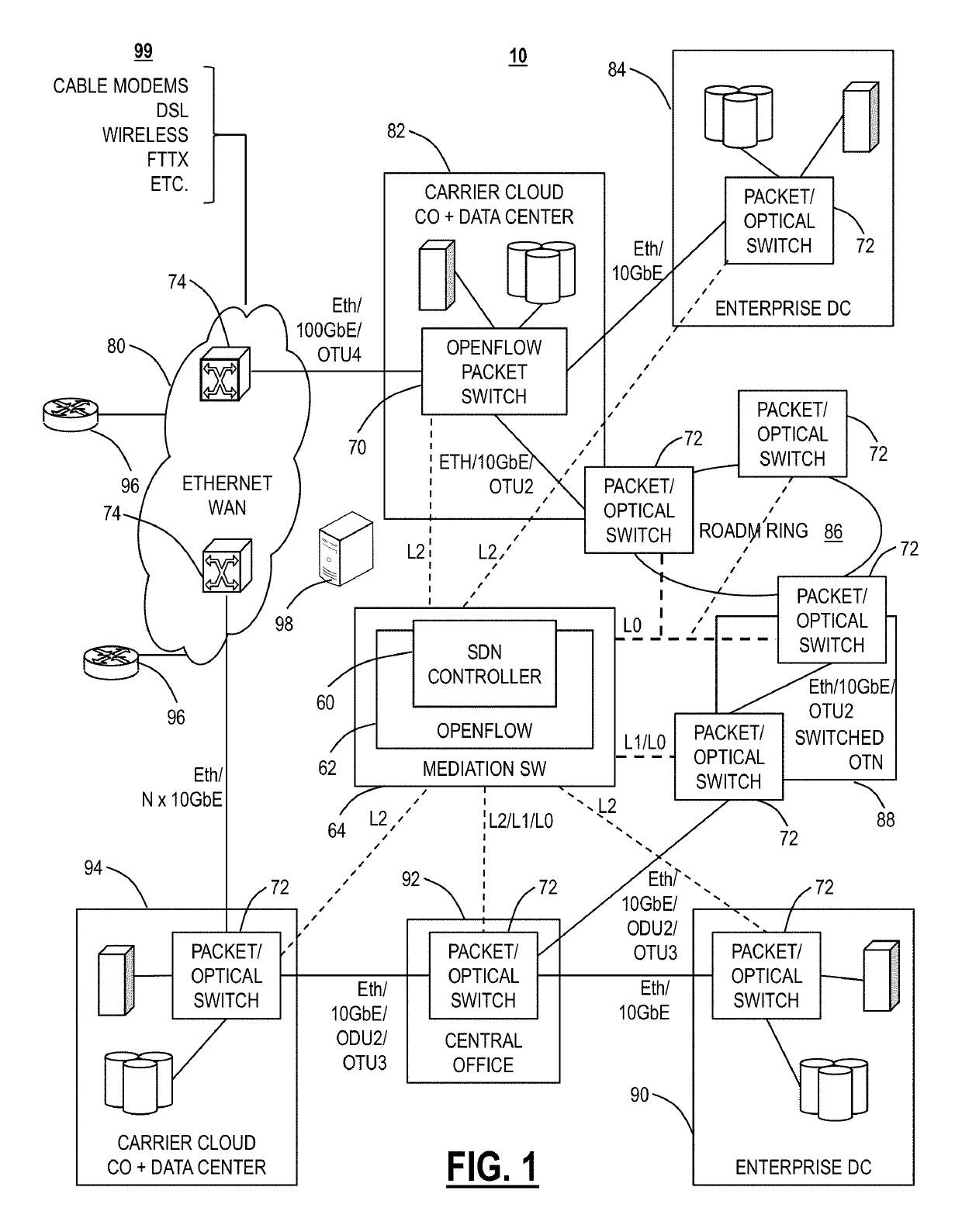
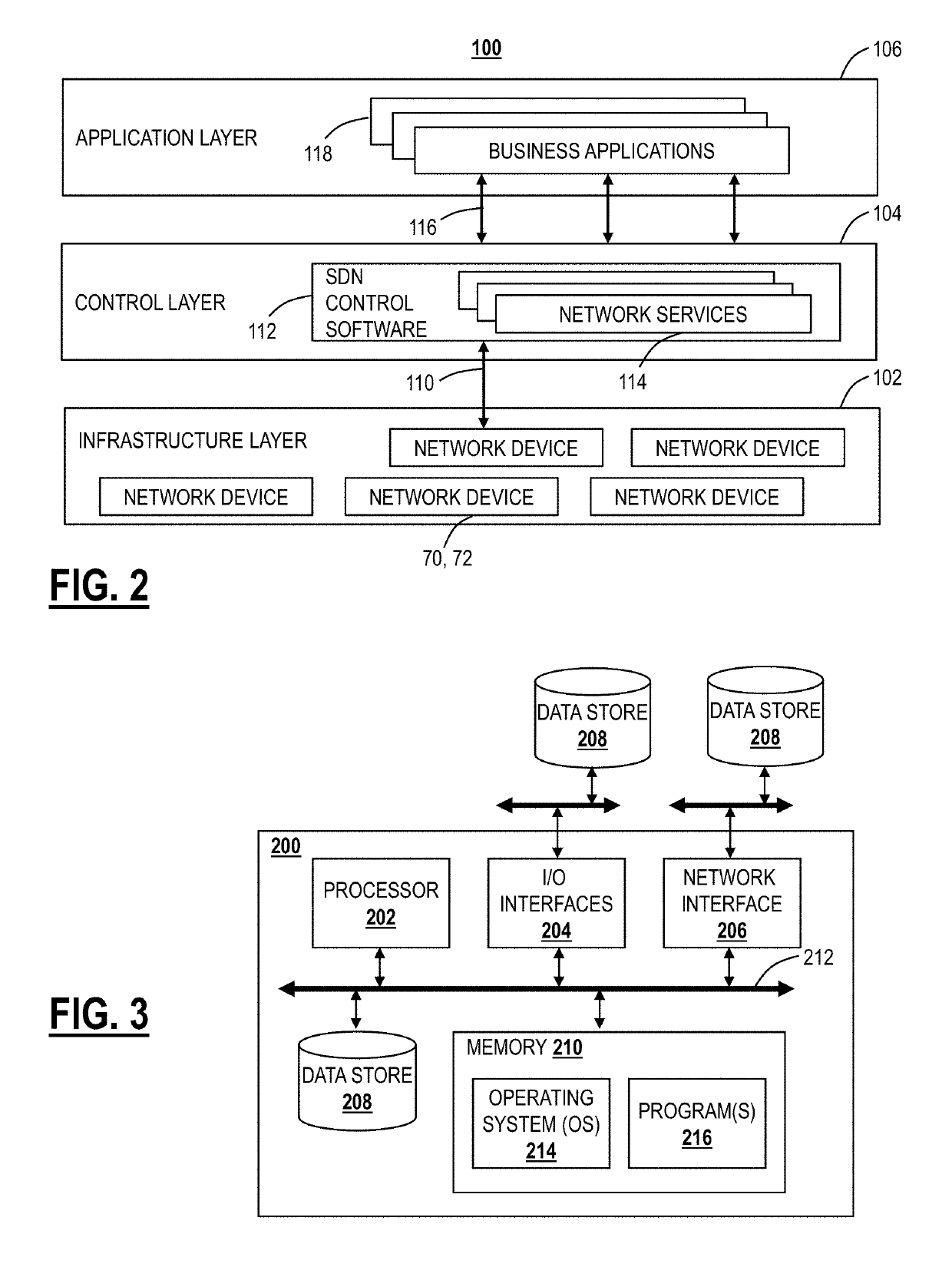
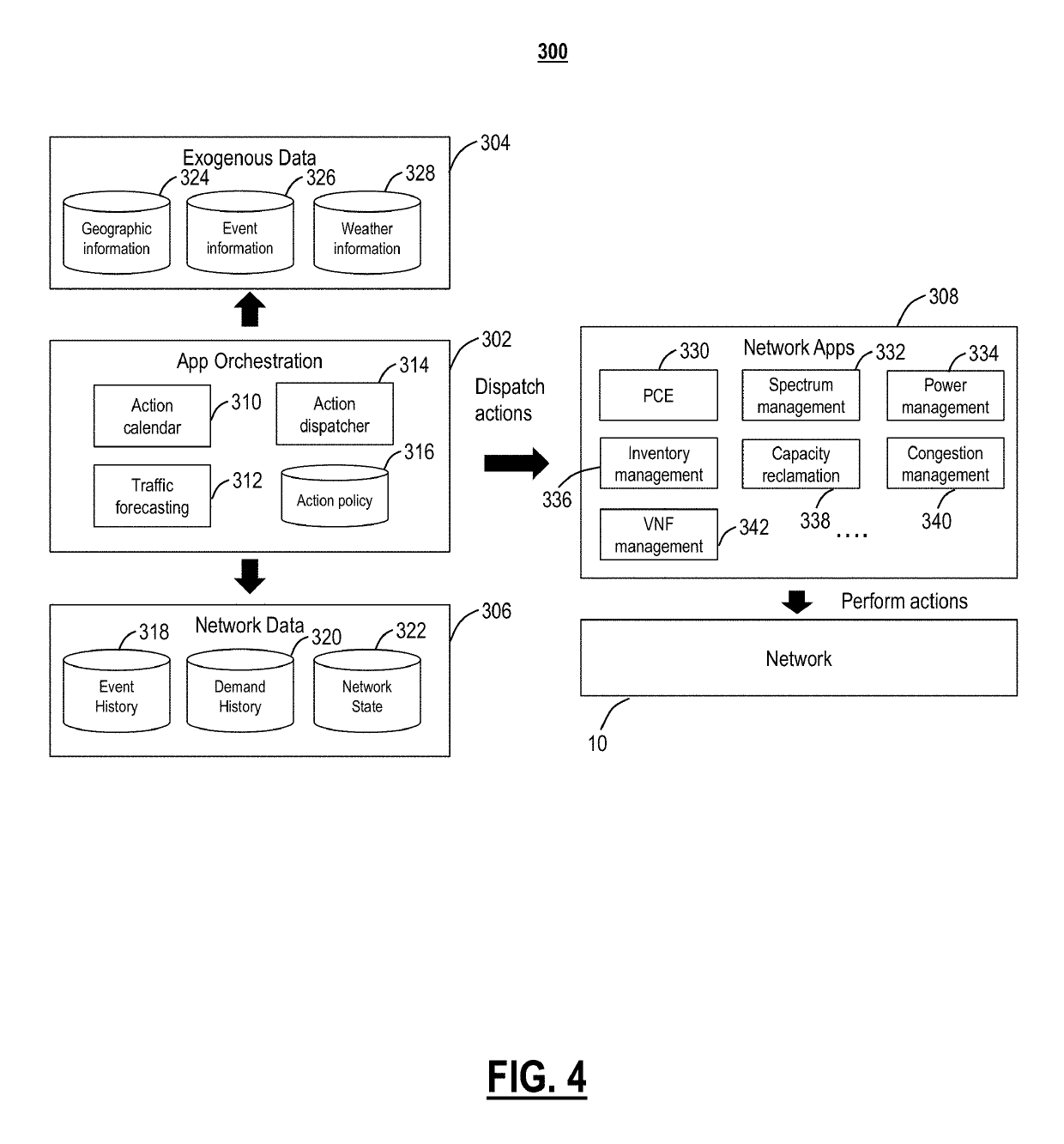
Traffic-adaptive network control systems and methods
PatentActiveUS10491501B2
Innovation
- A traffic-adaptive network control method that monitors network data, generates forecasts based on observed and external events, and orchestrates actions such as capacity recovery, reallocation, and addition using network applications to optimize resource utilization and minimize costs.

Network Security Implications
Adaptive network control systems in high-throughput environments introduce significant security vulnerabilities that require comprehensive evaluation and mitigation strategies. The dynamic nature of these systems creates attack surfaces that traditional security frameworks may not adequately address, particularly when network parameters are continuously adjusted based on real-time traffic patterns and performance metrics.
The primary security concern stems from the increased complexity of control algorithms that manage traffic flow, bandwidth allocation, and routing decisions. These adaptive mechanisms often rely on machine learning models and automated decision-making processes, which can be exploited through adversarial attacks. Malicious actors may inject crafted traffic patterns designed to manipulate the adaptive algorithms, potentially causing network degradation, service disruption, or unauthorized access to sensitive data streams.
Authentication and authorization challenges become more pronounced in adaptive environments where network topology and access patterns change dynamically. Traditional static security policies may prove insufficient when dealing with rapidly evolving network configurations. The system must maintain security integrity while accommodating legitimate adaptive behaviors, creating a delicate balance between flexibility and protection.
Data integrity risks emerge from the continuous monitoring and feedback mechanisms essential to adaptive control systems. The collection, transmission, and processing of network performance data create multiple points where attackers could inject false information or intercept sensitive operational intelligence. Compromised monitoring data could lead to suboptimal or malicious network adaptations.
The distributed nature of high-throughput adaptive networks amplifies security management complexity. Multiple control nodes and decision points must maintain synchronized security states while operating under varying load conditions. This distributed architecture increases the potential for security policy inconsistencies and creates challenges for centralized security monitoring and incident response.
Emerging threats specific to adaptive networks include algorithm poisoning attacks, where adversaries gradually influence the learning mechanisms to degrade performance over time. Additionally, the high-speed nature of these environments may limit the effectiveness of traditional intrusion detection systems, requiring specialized security solutions capable of operating at comparable throughput levels while maintaining low latency impact on network performance.
The primary security concern stems from the increased complexity of control algorithms that manage traffic flow, bandwidth allocation, and routing decisions. These adaptive mechanisms often rely on machine learning models and automated decision-making processes, which can be exploited through adversarial attacks. Malicious actors may inject crafted traffic patterns designed to manipulate the adaptive algorithms, potentially causing network degradation, service disruption, or unauthorized access to sensitive data streams.
Authentication and authorization challenges become more pronounced in adaptive environments where network topology and access patterns change dynamically. Traditional static security policies may prove insufficient when dealing with rapidly evolving network configurations. The system must maintain security integrity while accommodating legitimate adaptive behaviors, creating a delicate balance between flexibility and protection.
Data integrity risks emerge from the continuous monitoring and feedback mechanisms essential to adaptive control systems. The collection, transmission, and processing of network performance data create multiple points where attackers could inject false information or intercept sensitive operational intelligence. Compromised monitoring data could lead to suboptimal or malicious network adaptations.
The distributed nature of high-throughput adaptive networks amplifies security management complexity. Multiple control nodes and decision points must maintain synchronized security states while operating under varying load conditions. This distributed architecture increases the potential for security policy inconsistencies and creates challenges for centralized security monitoring and incident response.
Emerging threats specific to adaptive networks include algorithm poisoning attacks, where adversaries gradually influence the learning mechanisms to degrade performance over time. Additionally, the high-speed nature of these environments may limit the effectiveness of traditional intrusion detection systems, requiring specialized security solutions capable of operating at comparable throughput levels while maintaining low latency impact on network performance.
Performance Optimization Strategies
Performance optimization in adaptive network control systems for high-throughput environments requires a multi-layered approach that addresses both algorithmic efficiency and system-level resource management. The primary focus centers on developing strategies that can dynamically adjust network parameters while maintaining optimal performance under varying load conditions and traffic patterns.
Dynamic resource allocation represents a cornerstone optimization strategy, where network controllers continuously monitor bandwidth utilization, latency metrics, and packet loss rates to make real-time adjustments. This approach employs predictive algorithms that anticipate traffic surges and proactively redistribute resources across network segments, preventing bottlenecks before they impact system performance.
Load balancing optimization techniques have evolved to incorporate machine learning algorithms that analyze historical traffic patterns and user behavior. These intelligent load balancers can predict optimal routing paths and distribute network traffic more efficiently than traditional round-robin or weighted algorithms, resulting in improved throughput and reduced response times.
Buffer management strategies play a crucial role in high-throughput environments, where memory allocation and queue management directly impact network performance. Advanced buffer optimization techniques include adaptive queue sizing, priority-based packet scheduling, and intelligent dropping mechanisms that preserve critical data flows while managing congestion effectively.
Protocol stack optimization involves fine-tuning TCP/IP parameters, implementing custom congestion control algorithms, and leveraging emerging protocols designed for high-speed networks. These optimizations include window scaling adjustments, selective acknowledgment mechanisms, and adaptive retransmission timers that respond to network conditions in real-time.
Caching and prefetching strategies enhance performance by strategically storing frequently accessed data closer to end users and predicting future data requests. These techniques reduce network latency and bandwidth consumption while improving overall system responsiveness in high-demand scenarios.
Hardware acceleration integration represents an emerging optimization frontier, where specialized network processing units and programmable hardware components offload computationally intensive tasks from general-purpose processors, enabling higher throughput rates and lower latency processing of network control functions.
Dynamic resource allocation represents a cornerstone optimization strategy, where network controllers continuously monitor bandwidth utilization, latency metrics, and packet loss rates to make real-time adjustments. This approach employs predictive algorithms that anticipate traffic surges and proactively redistribute resources across network segments, preventing bottlenecks before they impact system performance.
Load balancing optimization techniques have evolved to incorporate machine learning algorithms that analyze historical traffic patterns and user behavior. These intelligent load balancers can predict optimal routing paths and distribute network traffic more efficiently than traditional round-robin or weighted algorithms, resulting in improved throughput and reduced response times.
Buffer management strategies play a crucial role in high-throughput environments, where memory allocation and queue management directly impact network performance. Advanced buffer optimization techniques include adaptive queue sizing, priority-based packet scheduling, and intelligent dropping mechanisms that preserve critical data flows while managing congestion effectively.
Protocol stack optimization involves fine-tuning TCP/IP parameters, implementing custom congestion control algorithms, and leveraging emerging protocols designed for high-speed networks. These optimizations include window scaling adjustments, selective acknowledgment mechanisms, and adaptive retransmission timers that respond to network conditions in real-time.
Caching and prefetching strategies enhance performance by strategically storing frequently accessed data closer to end users and predicting future data requests. These techniques reduce network latency and bandwidth consumption while improving overall system responsiveness in high-demand scenarios.
Hardware acceleration integration represents an emerging optimization frontier, where specialized network processing units and programmable hardware components offload computationally intensive tasks from general-purpose processors, enabling higher throughput rates and lower latency processing of network control functions.
Unlock deeper insights with Patsnap Eureka Quick Research — get a full tech report to explore trends and direct your research. Try now!
Generate Your Research Report Instantly with AI Agent
Supercharge your innovation with Patsnap Eureka AI Agent Platform!