

Adaptive Network Control vs MPLS: Cost-Benefit Analysis
MAR 18, 20269 MIN READ
Generate Your Research Report Instantly with AI Agent
PatSnap Eureka helps you evaluate technical feasibility & market potential.
Adaptive Network Control and MPLS Technology Background
Adaptive Network Control represents a paradigm shift in network management, emerging from the limitations of traditional static routing protocols. This technology leverages real-time network analytics, machine learning algorithms, and software-defined networking principles to dynamically optimize network performance. The evolution began in the early 2000s with the introduction of traffic engineering concepts, progressing through software-defined networking developments in the 2010s, and culminating in today's AI-driven adaptive systems that can automatically adjust routing decisions, bandwidth allocation, and quality of service parameters based on current network conditions.
Multi-Protocol Label Switching (MPLS) technology was developed in the late 1990s as a solution to the scalability and performance limitations of traditional IP routing. MPLS operates by assigning labels to data packets at network ingress points, enabling faster forwarding decisions through label switching rather than complex IP address lookups. This technology gained widespread adoption in enterprise and service provider networks due to its ability to provide guaranteed bandwidth, low latency, and support for virtual private networks. MPLS has evolved through various iterations, including MPLS-TE for traffic engineering and MPLS VPN services.
The fundamental difference between these technologies lies in their operational philosophy. MPLS provides predictable, engineered paths through pre-configured label-switched paths, offering reliability and consistent performance but requiring manual configuration and lacking dynamic adaptability. Adaptive Network Control, conversely, emphasizes real-time responsiveness and automated optimization, utilizing continuous monitoring and intelligent algorithms to make routing decisions.
Both technologies aim to optimize network performance, but they address different aspects of network management challenges. MPLS focuses on providing guaranteed service levels through predetermined paths, while Adaptive Network Control seeks to maximize overall network efficiency through dynamic resource allocation. The convergence of these approaches represents a significant opportunity for next-generation network architectures that combine MPLS's reliability with adaptive control's intelligence and flexibility.
Multi-Protocol Label Switching (MPLS) technology was developed in the late 1990s as a solution to the scalability and performance limitations of traditional IP routing. MPLS operates by assigning labels to data packets at network ingress points, enabling faster forwarding decisions through label switching rather than complex IP address lookups. This technology gained widespread adoption in enterprise and service provider networks due to its ability to provide guaranteed bandwidth, low latency, and support for virtual private networks. MPLS has evolved through various iterations, including MPLS-TE for traffic engineering and MPLS VPN services.
The fundamental difference between these technologies lies in their operational philosophy. MPLS provides predictable, engineered paths through pre-configured label-switched paths, offering reliability and consistent performance but requiring manual configuration and lacking dynamic adaptability. Adaptive Network Control, conversely, emphasizes real-time responsiveness and automated optimization, utilizing continuous monitoring and intelligent algorithms to make routing decisions.
Both technologies aim to optimize network performance, but they address different aspects of network management challenges. MPLS focuses on providing guaranteed service levels through predetermined paths, while Adaptive Network Control seeks to maximize overall network efficiency through dynamic resource allocation. The convergence of these approaches represents a significant opportunity for next-generation network architectures that combine MPLS's reliability with adaptive control's intelligence and flexibility.
Market Demand Analysis for Advanced Network Control Solutions
The global network infrastructure market is experiencing unprecedented transformation driven by exponential data growth, cloud migration, and digital transformation initiatives across industries. Organizations are increasingly demanding network solutions that can dynamically adapt to changing traffic patterns, application requirements, and business priorities while maintaining cost efficiency and operational simplicity.
Enterprise networks face mounting pressure to support diverse workloads including real-time applications, IoT deployments, edge computing, and hybrid cloud architectures. Traditional static network configurations struggle to meet these evolving demands, creating substantial market opportunities for adaptive network control technologies that can intelligently optimize traffic flows and resource allocation in real-time.
The telecommunications sector represents a primary demand driver, with service providers seeking alternatives to traditional MPLS deployments that offer greater flexibility and cost optimization. Many carriers are evaluating software-defined networking approaches and adaptive control mechanisms to reduce operational expenses while improving service delivery capabilities and customer experience.
Financial services, healthcare, and manufacturing industries demonstrate particularly strong demand for advanced network control solutions due to their stringent performance, security, and compliance requirements. These sectors require networks capable of automatically prioritizing critical applications, ensuring low-latency communications, and maintaining service quality during peak usage periods or network disruptions.
Cloud service providers and hyperscale data center operators constitute another significant market segment driving demand for adaptive network technologies. These organizations require sophisticated traffic engineering capabilities to optimize resource utilization, reduce infrastructure costs, and deliver consistent performance across geographically distributed environments.
The shift toward remote work and distributed business models has accelerated demand for network solutions that can dynamically adjust to changing usage patterns and provide consistent user experiences regardless of location. Organizations seek technologies that eliminate the complexity and cost associated with traditional MPLS networks while delivering comparable or superior performance and reliability.
Emerging technologies including artificial intelligence, machine learning, and intent-based networking are creating new market opportunities for adaptive control solutions that can predict network behavior, automatically implement optimizations, and reduce manual intervention requirements. This technological convergence is driving substantial investment in next-generation network control platforms across multiple industry verticals.
Enterprise networks face mounting pressure to support diverse workloads including real-time applications, IoT deployments, edge computing, and hybrid cloud architectures. Traditional static network configurations struggle to meet these evolving demands, creating substantial market opportunities for adaptive network control technologies that can intelligently optimize traffic flows and resource allocation in real-time.
The telecommunications sector represents a primary demand driver, with service providers seeking alternatives to traditional MPLS deployments that offer greater flexibility and cost optimization. Many carriers are evaluating software-defined networking approaches and adaptive control mechanisms to reduce operational expenses while improving service delivery capabilities and customer experience.
Financial services, healthcare, and manufacturing industries demonstrate particularly strong demand for advanced network control solutions due to their stringent performance, security, and compliance requirements. These sectors require networks capable of automatically prioritizing critical applications, ensuring low-latency communications, and maintaining service quality during peak usage periods or network disruptions.
Cloud service providers and hyperscale data center operators constitute another significant market segment driving demand for adaptive network technologies. These organizations require sophisticated traffic engineering capabilities to optimize resource utilization, reduce infrastructure costs, and deliver consistent performance across geographically distributed environments.
The shift toward remote work and distributed business models has accelerated demand for network solutions that can dynamically adjust to changing usage patterns and provide consistent user experiences regardless of location. Organizations seek technologies that eliminate the complexity and cost associated with traditional MPLS networks while delivering comparable or superior performance and reliability.
Emerging technologies including artificial intelligence, machine learning, and intent-based networking are creating new market opportunities for adaptive control solutions that can predict network behavior, automatically implement optimizations, and reduce manual intervention requirements. This technological convergence is driving substantial investment in next-generation network control platforms across multiple industry verticals.
Current State and Challenges of Network Control Technologies
Network control technologies currently exist in a state of significant transition, with traditional MPLS-based architectures facing mounting pressure from emerging adaptive control paradigms. MPLS has dominated enterprise and service provider networks for over two decades, offering proven traffic engineering capabilities, quality of service guarantees, and predictable performance characteristics. However, its static configuration model and complex label distribution protocols increasingly struggle to meet the dynamic demands of modern applications and cloud-native workloads.
The current MPLS ecosystem demonstrates remarkable maturity across global deployments, with extensive vendor support and standardized implementations. Major network equipment manufacturers have invested heavily in MPLS optimization, resulting in highly efficient hardware forwarding engines and comprehensive management platforms. Service providers have built substantial revenue streams around MPLS VPN services, creating significant economic momentum behind the technology's continued evolution.
Adaptive network control technologies represent a fundamental shift toward intelligent, software-defined approaches that leverage real-time analytics and machine learning algorithms. These systems continuously monitor network conditions, application requirements, and traffic patterns to make autonomous routing and resource allocation decisions. Software-defined WAN solutions, intent-based networking platforms, and AI-driven traffic optimization engines exemplify this emerging paradigm.
The primary challenge facing traditional MPLS deployments centers on operational complexity and limited agility. Network administrators must manually configure label switched paths, adjust traffic engineering parameters, and respond to changing business requirements through time-intensive provisioning processes. This operational overhead becomes particularly problematic in hybrid cloud environments where traffic patterns shift dynamically based on application workload distribution.
Adaptive control technologies face distinct challenges related to algorithmic reliability, vendor interoperability, and performance predictability. Machine learning models require extensive training data and continuous refinement to achieve optimal decision-making capabilities. The black-box nature of some AI-driven systems creates concerns about troubleshooting network issues and maintaining regulatory compliance in highly regulated industries.
Integration complexity represents a significant barrier for organizations considering migration from established MPLS infrastructures to adaptive control platforms. Legacy applications often depend on specific MPLS service characteristics, while new adaptive systems may not provide equivalent service level guarantees during initial deployment phases. This creates a challenging transition period where organizations must maintain dual network architectures while gradually shifting traffic loads.
The geographic distribution of expertise and vendor capabilities varies significantly between these technological approaches. MPLS knowledge remains concentrated among traditional networking professionals and established equipment vendors, while adaptive control expertise increasingly resides within software-focused organizations and cloud service providers. This skills gap complicates technology adoption decisions and influences long-term strategic planning considerations.
The current MPLS ecosystem demonstrates remarkable maturity across global deployments, with extensive vendor support and standardized implementations. Major network equipment manufacturers have invested heavily in MPLS optimization, resulting in highly efficient hardware forwarding engines and comprehensive management platforms. Service providers have built substantial revenue streams around MPLS VPN services, creating significant economic momentum behind the technology's continued evolution.
Adaptive network control technologies represent a fundamental shift toward intelligent, software-defined approaches that leverage real-time analytics and machine learning algorithms. These systems continuously monitor network conditions, application requirements, and traffic patterns to make autonomous routing and resource allocation decisions. Software-defined WAN solutions, intent-based networking platforms, and AI-driven traffic optimization engines exemplify this emerging paradigm.
The primary challenge facing traditional MPLS deployments centers on operational complexity and limited agility. Network administrators must manually configure label switched paths, adjust traffic engineering parameters, and respond to changing business requirements through time-intensive provisioning processes. This operational overhead becomes particularly problematic in hybrid cloud environments where traffic patterns shift dynamically based on application workload distribution.
Adaptive control technologies face distinct challenges related to algorithmic reliability, vendor interoperability, and performance predictability. Machine learning models require extensive training data and continuous refinement to achieve optimal decision-making capabilities. The black-box nature of some AI-driven systems creates concerns about troubleshooting network issues and maintaining regulatory compliance in highly regulated industries.
Integration complexity represents a significant barrier for organizations considering migration from established MPLS infrastructures to adaptive control platforms. Legacy applications often depend on specific MPLS service characteristics, while new adaptive systems may not provide equivalent service level guarantees during initial deployment phases. This creates a challenging transition period where organizations must maintain dual network architectures while gradually shifting traffic loads.
The geographic distribution of expertise and vendor capabilities varies significantly between these technological approaches. MPLS knowledge remains concentrated among traditional networking professionals and established equipment vendors, while adaptive control expertise increasingly resides within software-focused organizations and cloud service providers. This skills gap complicates technology adoption decisions and influences long-term strategic planning considerations.
Current Technical Solutions for Network Control vs MPLS
01 Dynamic MPLS path selection and traffic engineering
Methods and systems for dynamically selecting optimal MPLS paths based on network conditions and traffic patterns. This includes adaptive traffic engineering mechanisms that monitor network performance metrics and automatically adjust label-switched paths to optimize resource utilization and reduce operational costs. The technology enables real-time path computation and rerouting based on bandwidth availability, latency, and congestion levels.- Dynamic MPLS path selection and traffic engineering: Methods and systems for dynamically selecting optimal MPLS paths based on network conditions and traffic patterns. This includes adaptive traffic engineering mechanisms that monitor network performance metrics and automatically adjust label-switched paths to optimize bandwidth utilization and reduce congestion. The technology enables real-time path computation and rerouting based on quality of service requirements and network topology changes.
- MPLS network resource allocation and bandwidth management: Techniques for efficient allocation and management of network resources in MPLS environments. This encompasses methods for bandwidth reservation, dynamic resource provisioning, and load balancing across multiple paths. The approach includes algorithms for calculating optimal resource distribution to maximize network efficiency while meeting service level agreements and minimizing operational costs.
- Cost-based routing and path optimization in MPLS networks: Systems for implementing cost-aware routing decisions in MPLS infrastructures. This includes mechanisms for evaluating multiple cost factors such as link utilization, latency, and operational expenses to determine the most economical paths. The technology incorporates cost metrics into routing protocols and path selection algorithms to achieve optimal cost-benefit ratios while maintaining network performance requirements.
- Adaptive quality of service management in MPLS: Methods for dynamically managing quality of service parameters in MPLS networks based on changing network conditions and application requirements. This includes adaptive mechanisms for prioritizing traffic classes, adjusting service levels, and ensuring end-to-end quality guarantees. The technology enables flexible QoS policies that can respond to network congestion and varying traffic demands while optimizing resource utilization.
- Network monitoring and performance analysis for MPLS cost optimization: Systems for comprehensive monitoring and analysis of MPLS network performance to identify cost optimization opportunities. This includes collection and analysis of network metrics, traffic patterns, and resource utilization data to evaluate the cost-effectiveness of network operations. The technology provides insights for making informed decisions about network investments, capacity planning, and operational improvements to maximize return on investment.
02 MPLS network resource management and cost optimization
Techniques for managing network resources in MPLS environments to achieve cost-effective operations. This involves intelligent bandwidth allocation, resource reservation protocols, and methods for balancing network loads across multiple paths. The approach includes algorithms for calculating cost metrics and selecting paths that minimize operational expenses while maintaining quality of service requirements.Expand Specific Solutions03 Adaptive quality of service control in MPLS networks
Systems for implementing adaptive quality of service mechanisms within MPLS infrastructures. These solutions provide dynamic adjustment of service levels based on network conditions, application requirements, and business priorities. The technology includes methods for classifying traffic, assigning appropriate labels, and ensuring service level agreements are met while optimizing network efficiency and reducing costs.Expand Specific Solutions04 MPLS network monitoring and performance analysis
Technologies for comprehensive monitoring and analysis of MPLS network performance to support cost-benefit decision making. This includes collection and analysis of network metrics, fault detection, performance degradation identification, and predictive analytics. The systems provide visibility into network operations enabling administrators to make informed decisions about resource allocation and network optimization strategies.Expand Specific Solutions05 Integrated MPLS control plane architecture
Advanced control plane architectures for MPLS networks that enable centralized or distributed network control with improved efficiency. These architectures support automated provisioning, policy-based routing, and integration with software-defined networking principles. The solutions facilitate reduced operational complexity and lower total cost of ownership through simplified network management and enhanced automation capabilities.Expand Specific Solutions
Major Players in Network Control and MPLS Market
The adaptive network control versus MPLS cost-benefit analysis represents a mature technology domain experiencing significant transformation. The industry is transitioning from traditional MPLS-centric approaches to software-defined and adaptive networking solutions, driven by cloud adoption and digital transformation demands. The market demonstrates substantial scale, with established telecommunications giants like Ericsson, Huawei, ZTE, and NEC leading infrastructure development, while networking specialists such as Juniper Networks, Infinera, and IBM provide complementary solutions. Technology maturity varies significantly across the competitive landscape - traditional MPLS technologies are well-established, whereas adaptive network control solutions are in accelerated development phases. Companies like Samsung Electronics and Fujitsu are integrating these technologies into broader digital ecosystems, while research institutions including Beijing University of Posts & Telecommunications and Xidian University contribute to advancing next-generation network control algorithms and optimization techniques.
Telefonaktiebolaget LM Ericsson
Technical Solution: Ericsson's Network Manager and AI-powered network orchestration platform enables adaptive control across hybrid MPLS and SDN environments. Their solution utilizes machine learning algorithms to analyze traffic patterns and automatically adjust network configurations, providing up to 40% reduction in operational expenses while improving network utilization efficiency. The platform supports seamless integration between traditional MPLS infrastructure and software-defined networking, offering carriers and enterprises flexible migration strategies. Advanced analytics capabilities enable predictive maintenance and proactive network optimization based on historical performance data.
Strengths: Telecom industry leadership, robust carrier-grade solutions, strong AI integration capabilities. Weaknesses: Complex implementation for smaller enterprises, higher licensing costs for advanced features.
Huawei Technologies Co., Ltd.
Technical Solution: Huawei has developed Intent-Driven Network (IDN) solutions that leverage AI and machine learning for adaptive network control, automatically adjusting network parameters based on real-time traffic patterns and service requirements. Their CloudFabric solution provides centralized SDN control with dynamic path optimization, reducing operational costs by up to 30% compared to traditional MPLS networks while maintaining service quality. The system uses predictive analytics to anticipate network congestion and proactively reroute traffic, offering both MPLS integration and migration paths for enterprises transitioning from legacy infrastructure.
Strengths: Advanced AI-driven automation, comprehensive SDN portfolio, strong cost reduction capabilities. Weaknesses: Limited market acceptance in some regions due to geopolitical concerns, complex migration processes.
Core Technical Analysis of Adaptive Control and MPLS
Controlled incremental multi-protocol label switching (MPLS) traffic engineering
PatentActiveUS7639609B2
Innovation
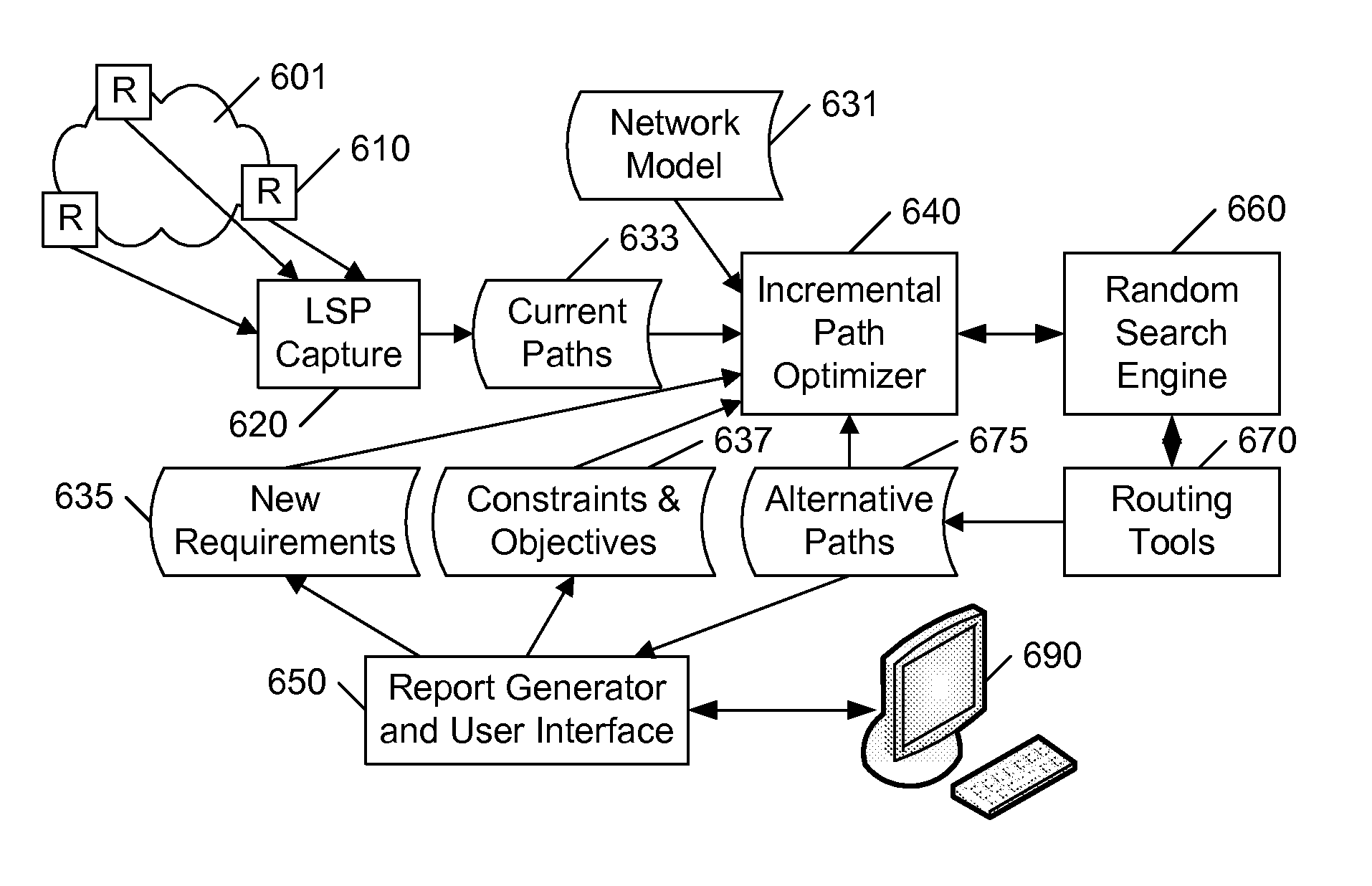
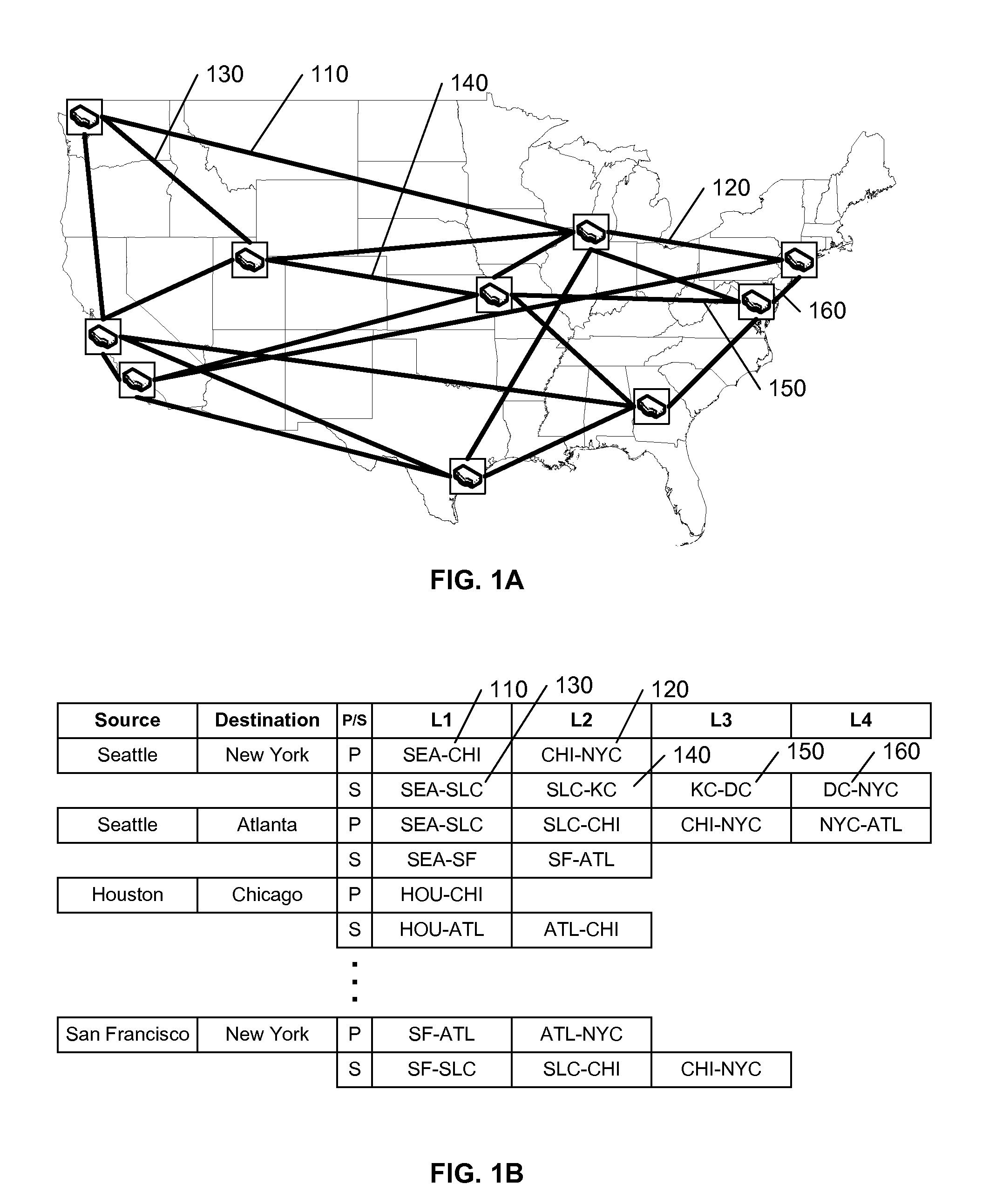
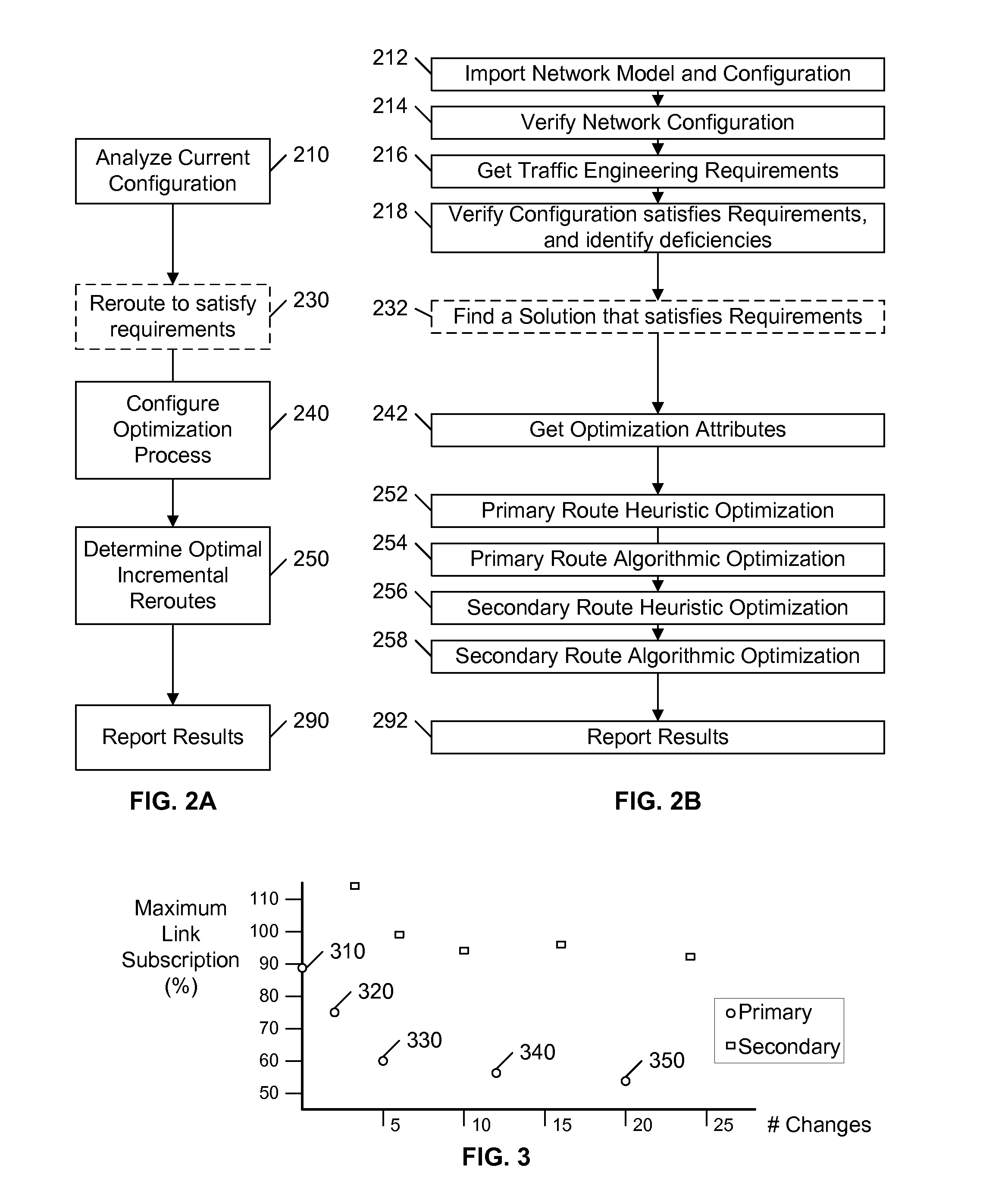
- A system and method that assesses the existing network configuration to identify the minimal number of changes needed for performance improvements, allowing for incremental optimization of routes and constraints, including the use of existing routes and dynamically routed circuits, while visualizing performance improvements as a function of the number of changes.

Dynamically adjusting multiprotocol label switching (MPLS) traffic engineering tunnel bandwidth
PatentInactiveUS6665273B1
Innovation
- An improved MPLS system dynamically adjusts bandwidth within traffic engineering tunnels based on actual traffic flow, using byte counters to monitor and reconfigure resources, minimizing operator intervention and optimizing network capacity.


Cost-Benefit Framework for Network Technology Selection
The evaluation of network technologies requires a systematic cost-benefit framework that encompasses both quantitative financial metrics and qualitative operational considerations. This framework serves as a critical decision-making tool for organizations comparing Adaptive Network Control systems against traditional MPLS implementations, enabling comprehensive assessment across multiple dimensions of technology investment.
Financial assessment forms the foundation of any technology selection framework, incorporating both direct and indirect cost components. Direct costs include initial capital expenditure for hardware, software licensing, and implementation services, while operational expenses encompass ongoing maintenance, support contracts, and personnel training. The framework must also account for hidden costs such as network downtime during migration, compatibility testing, and potential productivity losses during transition periods.
Return on investment calculations require careful consideration of time horizons and discount rates appropriate for network infrastructure investments. The framework should incorporate net present value analysis, internal rate of return calculations, and payback period assessments to provide multiple perspectives on financial viability. Additionally, sensitivity analysis helps organizations understand how variations in key assumptions might impact overall investment outcomes.
Operational benefits evaluation extends beyond pure financial metrics to encompass performance improvements, scalability enhancements, and operational efficiency gains. The framework must quantify benefits such as reduced network latency, improved bandwidth utilization, enhanced security capabilities, and simplified network management. These operational improvements often translate into tangible business value through improved user experience, increased productivity, and reduced support overhead.
Risk assessment represents another crucial component of the framework, evaluating technology maturity, vendor stability, and implementation complexity. Organizations must weigh the risks associated with adopting newer adaptive technologies against the potential limitations of maintaining legacy MPLS infrastructure. The framework should incorporate risk-adjusted return calculations and scenario planning to account for various implementation outcomes.
Strategic alignment considerations ensure that technology selection supports long-term organizational objectives and digital transformation initiatives. The framework must evaluate how each technology option aligns with future business requirements, integration capabilities with existing systems, and compatibility with emerging technological trends. This strategic perspective helps organizations avoid short-term optimization at the expense of long-term flexibility and competitiveness.
Financial assessment forms the foundation of any technology selection framework, incorporating both direct and indirect cost components. Direct costs include initial capital expenditure for hardware, software licensing, and implementation services, while operational expenses encompass ongoing maintenance, support contracts, and personnel training. The framework must also account for hidden costs such as network downtime during migration, compatibility testing, and potential productivity losses during transition periods.
Return on investment calculations require careful consideration of time horizons and discount rates appropriate for network infrastructure investments. The framework should incorporate net present value analysis, internal rate of return calculations, and payback period assessments to provide multiple perspectives on financial viability. Additionally, sensitivity analysis helps organizations understand how variations in key assumptions might impact overall investment outcomes.
Operational benefits evaluation extends beyond pure financial metrics to encompass performance improvements, scalability enhancements, and operational efficiency gains. The framework must quantify benefits such as reduced network latency, improved bandwidth utilization, enhanced security capabilities, and simplified network management. These operational improvements often translate into tangible business value through improved user experience, increased productivity, and reduced support overhead.
Risk assessment represents another crucial component of the framework, evaluating technology maturity, vendor stability, and implementation complexity. Organizations must weigh the risks associated with adopting newer adaptive technologies against the potential limitations of maintaining legacy MPLS infrastructure. The framework should incorporate risk-adjusted return calculations and scenario planning to account for various implementation outcomes.
Strategic alignment considerations ensure that technology selection supports long-term organizational objectives and digital transformation initiatives. The framework must evaluate how each technology option aligns with future business requirements, integration capabilities with existing systems, and compatibility with emerging technological trends. This strategic perspective helps organizations avoid short-term optimization at the expense of long-term flexibility and competitiveness.
Implementation Risk Assessment and Mitigation Strategies
The transition from traditional MPLS networks to adaptive network control systems presents several implementation risks that organizations must carefully evaluate and address. Technical integration risks represent the most significant challenge, as legacy MPLS infrastructure often requires substantial modifications to accommodate adaptive control mechanisms. Network downtime during migration phases can severely impact business operations, particularly for organizations dependent on real-time data transmission and critical applications.
Operational risks emerge from the complexity of managing hybrid environments during transition periods. Staff training requirements are substantial, as network administrators must develop expertise in both traditional MPLS management and new adaptive control technologies. The learning curve associated with software-defined networking principles and automated traffic optimization can lead to configuration errors and suboptimal network performance if not properly managed.
Financial risks extend beyond initial capital expenditure to include potential cost overruns during implementation phases. Budget uncertainties arise from unpredictable integration complexities, extended deployment timelines, and the need for specialized consulting services. Organizations may face unexpected expenses related to hardware compatibility issues or the requirement for additional network infrastructure components.
To mitigate technical risks, organizations should implement phased deployment strategies that allow for gradual migration while maintaining network stability. Comprehensive testing environments should be established to validate adaptive control configurations before production deployment. Parallel network operations during critical transition phases can provide fallback options and minimize service disruption risks.
Operational risk mitigation requires structured training programs and knowledge transfer initiatives. Establishing partnerships with technology vendors for ongoing support and creating detailed documentation for new network management procedures are essential. Regular performance monitoring and automated alerting systems can help identify potential issues before they impact network operations.
Financial risk management involves developing detailed cost models that account for various implementation scenarios and potential contingencies. Establishing clear vendor agreements with defined service level commitments and cost caps can help control expenses. Regular budget reviews and milestone-based funding approaches provide better financial control throughout the implementation process.
Operational risks emerge from the complexity of managing hybrid environments during transition periods. Staff training requirements are substantial, as network administrators must develop expertise in both traditional MPLS management and new adaptive control technologies. The learning curve associated with software-defined networking principles and automated traffic optimization can lead to configuration errors and suboptimal network performance if not properly managed.
Financial risks extend beyond initial capital expenditure to include potential cost overruns during implementation phases. Budget uncertainties arise from unpredictable integration complexities, extended deployment timelines, and the need for specialized consulting services. Organizations may face unexpected expenses related to hardware compatibility issues or the requirement for additional network infrastructure components.
To mitigate technical risks, organizations should implement phased deployment strategies that allow for gradual migration while maintaining network stability. Comprehensive testing environments should be established to validate adaptive control configurations before production deployment. Parallel network operations during critical transition phases can provide fallback options and minimize service disruption risks.
Operational risk mitigation requires structured training programs and knowledge transfer initiatives. Establishing partnerships with technology vendors for ongoing support and creating detailed documentation for new network management procedures are essential. Regular performance monitoring and automated alerting systems can help identify potential issues before they impact network operations.
Financial risk management involves developing detailed cost models that account for various implementation scenarios and potential contingencies. Establishing clear vendor agreements with defined service level commitments and cost caps can help control expenses. Regular budget reviews and milestone-based funding approaches provide better financial control throughout the implementation process.
Unlock deeper insights with PatSnap Eureka Quick Research — get a full tech report to explore trends and direct your research. Try now!
Generate Your Research Report Instantly with AI Agent
Supercharge your innovation with PatSnap Eureka AI Agent Platform!