Adaptive Network Control vs SDN: Performance Analysis
MAR 18, 20269 MIN READ
Generate Your Research Report Instantly with AI Agent
Patsnap Eureka helps you evaluate technical feasibility & market potential.
Adaptive Network Control and SDN Background and Objectives
Network control has undergone significant transformation over the past two decades, evolving from traditional distributed protocols to centralized management paradigms. The emergence of Software-Defined Networking (SDN) in the early 2000s marked a pivotal shift toward programmable network infrastructure, separating the control plane from the data plane to enable more flexible and dynamic network management. Concurrently, adaptive network control mechanisms have evolved to address the increasing complexity and scale of modern networks through intelligent, self-adjusting algorithms.
SDN architecture fundamentally restructures network control by centralizing decision-making processes in a logically centralized controller, which maintains a global view of the network topology and state. This approach enables fine-grained control over traffic flows through standardized protocols like OpenFlow, allowing network administrators to implement sophisticated policies and optimize resource utilization dynamically. The centralized nature of SDN facilitates rapid deployment of new services and simplified network management through programmable interfaces.
Adaptive network control represents a complementary approach that emphasizes autonomous adjustment to changing network conditions without requiring centralized oversight. These systems leverage machine learning algorithms, feedback control mechanisms, and distributed intelligence to optimize network performance in real-time. Adaptive control systems can respond to traffic variations, link failures, and congestion patterns by automatically adjusting routing decisions, bandwidth allocation, and quality of service parameters.
The convergence of these two paradigms presents both opportunities and challenges for network performance optimization. While SDN provides the infrastructure for centralized control and programmability, adaptive mechanisms can enhance responsiveness and resilience. The primary objective of comparing these approaches lies in understanding their respective strengths in different operational scenarios, particularly regarding latency, throughput, scalability, and fault tolerance.
Performance analysis between adaptive network control and SDN becomes crucial as organizations seek to optimize their network infrastructure investments. Key performance indicators include convergence time during network changes, overhead associated with control messaging, resource utilization efficiency, and the ability to maintain service quality under varying load conditions. Understanding these performance characteristics enables informed decisions about which approach or combination thereof best serves specific network requirements and operational constraints.
SDN architecture fundamentally restructures network control by centralizing decision-making processes in a logically centralized controller, which maintains a global view of the network topology and state. This approach enables fine-grained control over traffic flows through standardized protocols like OpenFlow, allowing network administrators to implement sophisticated policies and optimize resource utilization dynamically. The centralized nature of SDN facilitates rapid deployment of new services and simplified network management through programmable interfaces.
Adaptive network control represents a complementary approach that emphasizes autonomous adjustment to changing network conditions without requiring centralized oversight. These systems leverage machine learning algorithms, feedback control mechanisms, and distributed intelligence to optimize network performance in real-time. Adaptive control systems can respond to traffic variations, link failures, and congestion patterns by automatically adjusting routing decisions, bandwidth allocation, and quality of service parameters.
The convergence of these two paradigms presents both opportunities and challenges for network performance optimization. While SDN provides the infrastructure for centralized control and programmability, adaptive mechanisms can enhance responsiveness and resilience. The primary objective of comparing these approaches lies in understanding their respective strengths in different operational scenarios, particularly regarding latency, throughput, scalability, and fault tolerance.
Performance analysis between adaptive network control and SDN becomes crucial as organizations seek to optimize their network infrastructure investments. Key performance indicators include convergence time during network changes, overhead associated with control messaging, resource utilization efficiency, and the ability to maintain service quality under varying load conditions. Understanding these performance characteristics enables informed decisions about which approach or combination thereof best serves specific network requirements and operational constraints.
Market Demand for Advanced Network Control Solutions
The global network infrastructure market is experiencing unprecedented transformation driven by exponential data growth, cloud migration, and digital transformation initiatives across industries. Organizations are increasingly demanding network control solutions that can dynamically adapt to changing traffic patterns, application requirements, and security threats while maintaining optimal performance and reliability.
Enterprise networks face mounting pressure to support diverse workloads ranging from traditional business applications to emerging technologies such as artificial intelligence, Internet of Things deployments, and real-time analytics. This complexity necessitates sophisticated network control mechanisms capable of intelligent traffic management, automated resource allocation, and predictive performance optimization. The shift toward hybrid and multi-cloud architectures further amplifies the need for unified network control platforms that can seamlessly manage connectivity across distributed environments.
Software-Defined Networking has gained significant traction in data center environments, with major cloud service providers and large enterprises adopting SDN architectures to achieve centralized network management and programmable infrastructure. However, traditional SDN approaches often struggle with scalability limitations, controller bottlenecks, and latency constraints in geographically distributed networks, creating opportunities for adaptive network control solutions that can address these shortcomings.
The telecommunications sector represents another critical demand driver, as service providers transition to 5G networks and network function virtualization. These operators require advanced control mechanisms to manage network slicing, edge computing resources, and quality of service guarantees across heterogeneous infrastructure components. Adaptive network control technologies offer promising alternatives to conventional SDN implementations by providing distributed intelligence and autonomous decision-making capabilities.
Financial services, healthcare, and manufacturing industries are particularly focused on network solutions that can guarantee low-latency performance, ensure regulatory compliance, and maintain high availability standards. These sectors are willing to invest in advanced network control technologies that demonstrate measurable improvements in application performance, operational efficiency, and security posture compared to existing SDN deployments.
The market demand is further intensified by the growing adoption of edge computing architectures, where traditional centralized SDN controllers may introduce unacceptable latency overhead. Organizations seek network control solutions that can operate effectively in edge environments while maintaining coordination with centralized management systems, driving interest in hybrid adaptive approaches that combine the benefits of both centralized and distributed control paradigms.
Enterprise networks face mounting pressure to support diverse workloads ranging from traditional business applications to emerging technologies such as artificial intelligence, Internet of Things deployments, and real-time analytics. This complexity necessitates sophisticated network control mechanisms capable of intelligent traffic management, automated resource allocation, and predictive performance optimization. The shift toward hybrid and multi-cloud architectures further amplifies the need for unified network control platforms that can seamlessly manage connectivity across distributed environments.
Software-Defined Networking has gained significant traction in data center environments, with major cloud service providers and large enterprises adopting SDN architectures to achieve centralized network management and programmable infrastructure. However, traditional SDN approaches often struggle with scalability limitations, controller bottlenecks, and latency constraints in geographically distributed networks, creating opportunities for adaptive network control solutions that can address these shortcomings.
The telecommunications sector represents another critical demand driver, as service providers transition to 5G networks and network function virtualization. These operators require advanced control mechanisms to manage network slicing, edge computing resources, and quality of service guarantees across heterogeneous infrastructure components. Adaptive network control technologies offer promising alternatives to conventional SDN implementations by providing distributed intelligence and autonomous decision-making capabilities.
Financial services, healthcare, and manufacturing industries are particularly focused on network solutions that can guarantee low-latency performance, ensure regulatory compliance, and maintain high availability standards. These sectors are willing to invest in advanced network control technologies that demonstrate measurable improvements in application performance, operational efficiency, and security posture compared to existing SDN deployments.
The market demand is further intensified by the growing adoption of edge computing architectures, where traditional centralized SDN controllers may introduce unacceptable latency overhead. Organizations seek network control solutions that can operate effectively in edge environments while maintaining coordination with centralized management systems, driving interest in hybrid adaptive approaches that combine the benefits of both centralized and distributed control paradigms.
Current State and Challenges in Network Control Technologies
Network control technologies have evolved significantly over the past decade, with Software-Defined Networking (SDN) emerging as a dominant paradigm that separates the control plane from the data plane. This centralized approach enables programmable network management through a global view of network topology and traffic patterns. However, the rigid centralization of SDN has revealed inherent limitations in dynamic environments, prompting the development of adaptive network control mechanisms that can respond more flexibly to changing network conditions.
Current SDN implementations face several critical challenges that impact their performance and scalability. The centralized controller architecture creates potential bottlenecks when handling large-scale network deployments, as all forwarding decisions must be processed through a single point of control. This centralization also introduces latency issues, particularly in geographically distributed networks where the physical distance between switches and controllers can significantly impact response times. Additionally, the controller's failure represents a single point of failure that can compromise entire network segments.
Adaptive network control technologies have emerged as a response to these limitations, incorporating distributed intelligence and machine learning algorithms to enable autonomous decision-making at network edges. These systems can dynamically adjust routing protocols, bandwidth allocation, and quality of service parameters based on real-time network conditions without requiring constant communication with centralized controllers. However, adaptive systems face their own set of challenges, including the complexity of distributed coordination, potential inconsistencies in network state information, and the computational overhead required for continuous learning and adaptation.
The integration of artificial intelligence and machine learning into network control has introduced new technical hurdles. Training adaptive algorithms requires substantial historical data and computational resources, while ensuring convergence and stability in dynamic environments remains a significant challenge. Furthermore, the lack of standardized protocols for adaptive network control creates interoperability issues between different vendor implementations, limiting widespread adoption across heterogeneous network infrastructures.
Geographic distribution of these technologies shows distinct patterns, with North American and European markets leading in SDN deployment maturity, while Asian markets are increasingly investing in adaptive and AI-driven network solutions. The current technological landscape reflects a transition period where traditional SDN approaches are being augmented with adaptive capabilities, creating hybrid architectures that attempt to leverage the benefits of both centralized control and distributed intelligence while mitigating their respective limitations.
Current SDN implementations face several critical challenges that impact their performance and scalability. The centralized controller architecture creates potential bottlenecks when handling large-scale network deployments, as all forwarding decisions must be processed through a single point of control. This centralization also introduces latency issues, particularly in geographically distributed networks where the physical distance between switches and controllers can significantly impact response times. Additionally, the controller's failure represents a single point of failure that can compromise entire network segments.
Adaptive network control technologies have emerged as a response to these limitations, incorporating distributed intelligence and machine learning algorithms to enable autonomous decision-making at network edges. These systems can dynamically adjust routing protocols, bandwidth allocation, and quality of service parameters based on real-time network conditions without requiring constant communication with centralized controllers. However, adaptive systems face their own set of challenges, including the complexity of distributed coordination, potential inconsistencies in network state information, and the computational overhead required for continuous learning and adaptation.
The integration of artificial intelligence and machine learning into network control has introduced new technical hurdles. Training adaptive algorithms requires substantial historical data and computational resources, while ensuring convergence and stability in dynamic environments remains a significant challenge. Furthermore, the lack of standardized protocols for adaptive network control creates interoperability issues between different vendor implementations, limiting widespread adoption across heterogeneous network infrastructures.
Geographic distribution of these technologies shows distinct patterns, with North American and European markets leading in SDN deployment maturity, while Asian markets are increasingly investing in adaptive and AI-driven network solutions. The current technological landscape reflects a transition period where traditional SDN approaches are being augmented with adaptive capabilities, creating hybrid architectures that attempt to leverage the benefits of both centralized control and distributed intelligence while mitigating their respective limitations.
Existing Network Control Solutions Comparison
01 Dynamic traffic management and load balancing in SDN
Software-defined networking enables dynamic traffic management through centralized control mechanisms that optimize network resource allocation. The system monitors network conditions in real-time and adjusts traffic flows to prevent congestion and improve overall performance. Load balancing algorithms distribute network traffic across multiple paths to maximize throughput and minimize latency. Adaptive routing protocols respond to changing network conditions by recalculating optimal paths based on current traffic patterns and link utilization.- Dynamic traffic management and load balancing in SDN: Software-defined networking enables dynamic traffic management through centralized control mechanisms that optimize network resource allocation. The system monitors network conditions in real-time and adjusts traffic flows accordingly to prevent congestion and improve overall network performance. Load balancing algorithms distribute traffic across multiple paths based on current network state, bandwidth availability, and quality of service requirements. This adaptive approach ensures efficient utilization of network resources and maintains optimal performance levels even under varying traffic conditions.
- Quality of Service (QoS) optimization and policy enforcement: Advanced quality of service mechanisms in software-defined networks enable granular control over traffic prioritization and bandwidth allocation. The controller implements policy-based routing decisions that ensure critical applications receive necessary network resources while maintaining fairness across different traffic types. Dynamic QoS adjustment capabilities allow the network to respond to changing application requirements and user demands. Performance metrics are continuously monitored to ensure service level agreements are met and network policies are properly enforced across the entire infrastructure.
- Network virtualization and multi-tenancy support: Software-defined networking architectures support network virtualization technologies that enable multiple isolated virtual networks to operate on shared physical infrastructure. Each virtual network can be independently configured and managed with its own policies, addressing schemes, and security requirements. The virtualization layer provides resource isolation between tenants while maintaining efficient utilization of underlying hardware resources. This approach enables flexible network provisioning and supports diverse use cases ranging from enterprise applications to cloud service providers.
- Intelligent routing and path optimization: Adaptive routing mechanisms leverage real-time network analytics to determine optimal forwarding paths for different traffic flows. The system considers multiple factors including latency, bandwidth availability, packet loss rates, and link utilization when making routing decisions. Machine learning algorithms can predict network conditions and proactively adjust routing strategies to avoid potential bottlenecks. Path computation engines continuously evaluate alternative routes and implement seamless traffic migration when better paths become available, ensuring consistent application performance.
- Network monitoring and performance analytics: Comprehensive monitoring frameworks collect detailed telemetry data from network devices and analyze performance metrics to identify optimization opportunities. Real-time analytics engines process flow statistics, packet traces, and device health indicators to provide visibility into network behavior. Anomaly detection algorithms identify unusual traffic patterns or performance degradation that may indicate security threats or configuration issues. Historical data analysis enables capacity planning and helps predict future network requirements, supporting proactive infrastructure scaling and optimization decisions.
02 Quality of Service (QoS) optimization in SDN environments
Quality of Service mechanisms in software-defined networks prioritize critical traffic flows to ensure consistent performance for latency-sensitive applications. The controller implements policies that allocate bandwidth resources based on application requirements and service level agreements. Traffic classification and marking enable differentiated treatment of various data flows throughout the network. Dynamic QoS adjustment responds to real-time network conditions to maintain service quality while maximizing resource efficiency.Expand Specific Solutions03 Network monitoring and analytics for performance optimization
Advanced monitoring systems collect comprehensive network telemetry data to provide visibility into traffic patterns and performance metrics. Analytics engines process collected data to identify bottlenecks, anomalies, and optimization opportunities within the network infrastructure. Machine learning algorithms predict network behavior and proactively adjust configurations to prevent performance degradation. Real-time dashboards present actionable insights to network administrators for informed decision-making.Expand Specific Solutions04 Adaptive security and policy enforcement in SDN
Security frameworks in software-defined networks implement dynamic policy enforcement that adapts to emerging threats and changing network conditions. Centralized control enables rapid deployment of security policies across the entire network infrastructure. Traffic inspection and filtering mechanisms identify and mitigate malicious activities while maintaining network performance. Automated response systems isolate compromised network segments and reroute traffic to maintain service availability.Expand Specific Solutions05 SDN controller optimization and scalability
Controller architectures employ distributed processing techniques to handle large-scale network deployments while maintaining low latency. Hierarchical control plane designs partition network management responsibilities to improve scalability and fault tolerance. State synchronization mechanisms ensure consistency across multiple controller instances in distributed deployments. Performance optimization techniques reduce controller overhead and improve response times for network configuration changes.Expand Specific Solutions
Key Players in SDN and Adaptive Network Industry
The adaptive network control versus SDN performance analysis field represents a mature technology sector experiencing significant evolution, with the market transitioning from traditional networking approaches to software-defined architectures. The industry is in a consolidation phase, driven by increasing demand for network programmability and automation across enterprise and carrier networks. Market leaders include established telecommunications equipment vendors like Huawei Technologies, ZTE Corp., and Ericsson, alongside networking specialists such as Ciena Corp. and infrastructure providers like IBM and Red Hat. The technology demonstrates high maturity levels, with companies like British Telecommunications, China Telecom, and AT&T implementing large-scale deployments. Academic institutions including Beijing University of Posts & Telecommunications and Cornell University contribute significant research advancement, while emerging players like New H3C Technologies and specialized firms such as Raisecom Technology drive innovation in specific market segments, indicating a competitive landscape balancing established market presence with technological differentiation.
ZTE Corp.
Technical Solution: ZTE has developed the ZENIC ONE platform that integrates adaptive network control with SDN architecture for both enterprise and carrier networks. Their solution uses intelligent network orchestration to automatically adjust network policies based on application performance metrics and user experience indicators. The platform employs deep learning algorithms to analyze network behavior patterns and implement predictive control mechanisms. ZTE's approach includes dynamic traffic engineering capabilities that outperform traditional SDN in terms of network convergence time and fault recovery. Performance evaluations demonstrate 25% improvement in network availability and 35% reduction in manual configuration overhead compared to conventional SDN implementations.
Strengths: Comprehensive platform approach, good performance metrics, strong carrier network expertise. Weaknesses: Limited global market presence, less mature ecosystem compared to competitors.
Huawei Technologies Co., Ltd.
Technical Solution: Huawei has developed Intent-Driven Network (IDN) architecture that combines adaptive network control with SDN principles. Their solution leverages AI-powered network analytics to automatically adjust network policies based on real-time traffic patterns and application requirements. The system uses machine learning algorithms to predict network congestion and proactively reconfigure SDN switches and controllers. Huawei's CloudFabric solution integrates adaptive control mechanisms with centralized SDN management, enabling dynamic bandwidth allocation and quality of service optimization. Their approach demonstrates superior performance in handling network variability compared to traditional static SDN configurations, with reported latency reduction of up to 40% in enterprise environments.
Strengths: Strong integration of AI/ML with SDN, comprehensive enterprise solutions, proven performance improvements. Weaknesses: Limited interoperability with non-Huawei infrastructure, complex deployment requirements.
Core Technologies in Adaptive vs SDN Performance
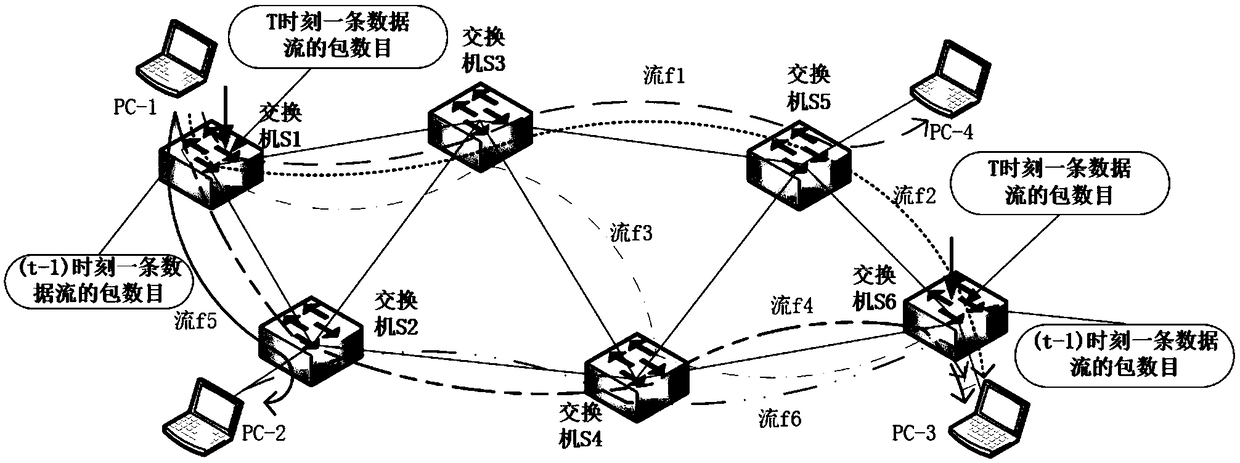
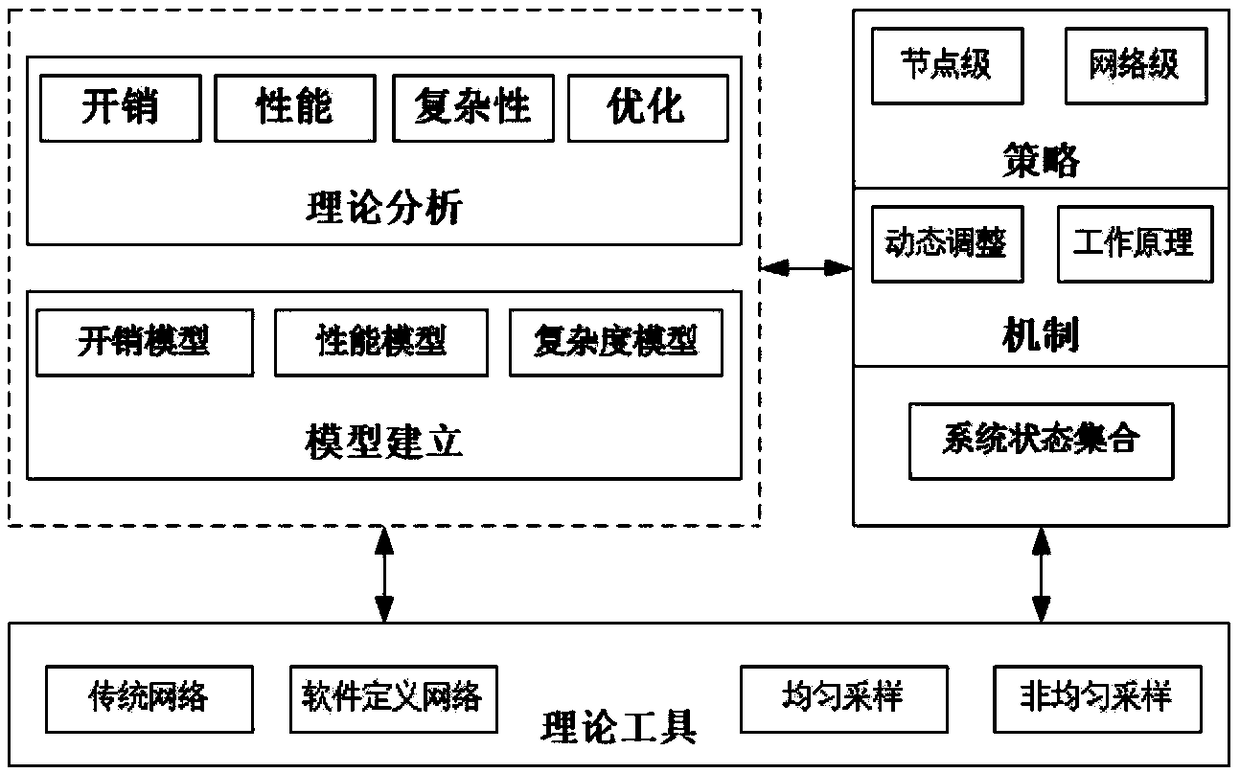
Controller performance analysis method based on adaptive sampling
PatentInactiveCN109474490A
Innovation
- A controller performance analysis method based on adaptive sampling is proposed. By randomly selecting source nodes and destination nodes, initializing the adaptive sampling algorithm, adjusting the sampling frequency of the data flow, calculating the difference in the number of packets, adjusting the sampling frequency, and measuring network performance Metrics such as packet loss rate, delay, throughput and overhead to reduce network overhead.


Traffic-adaptive network control systems and methods
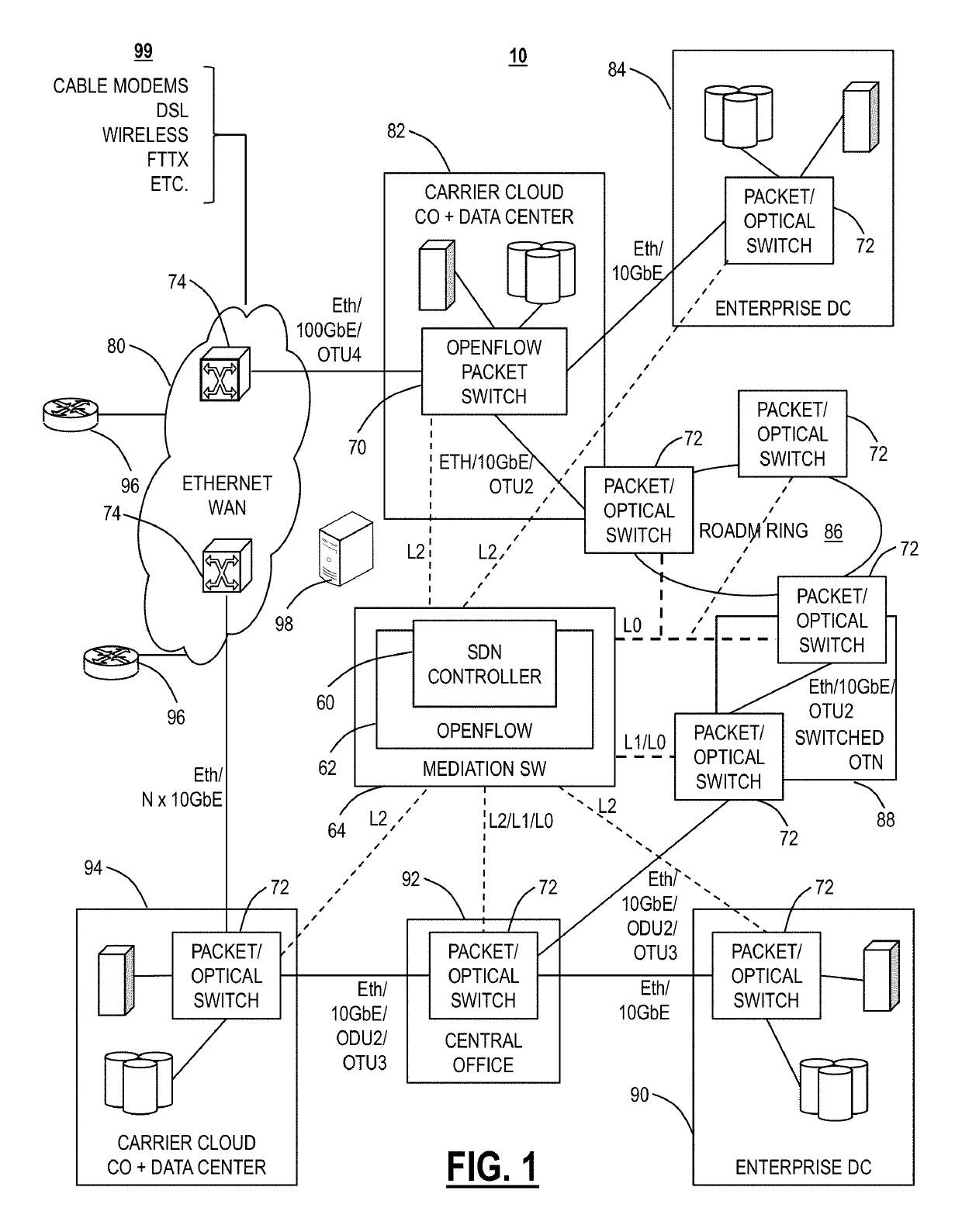
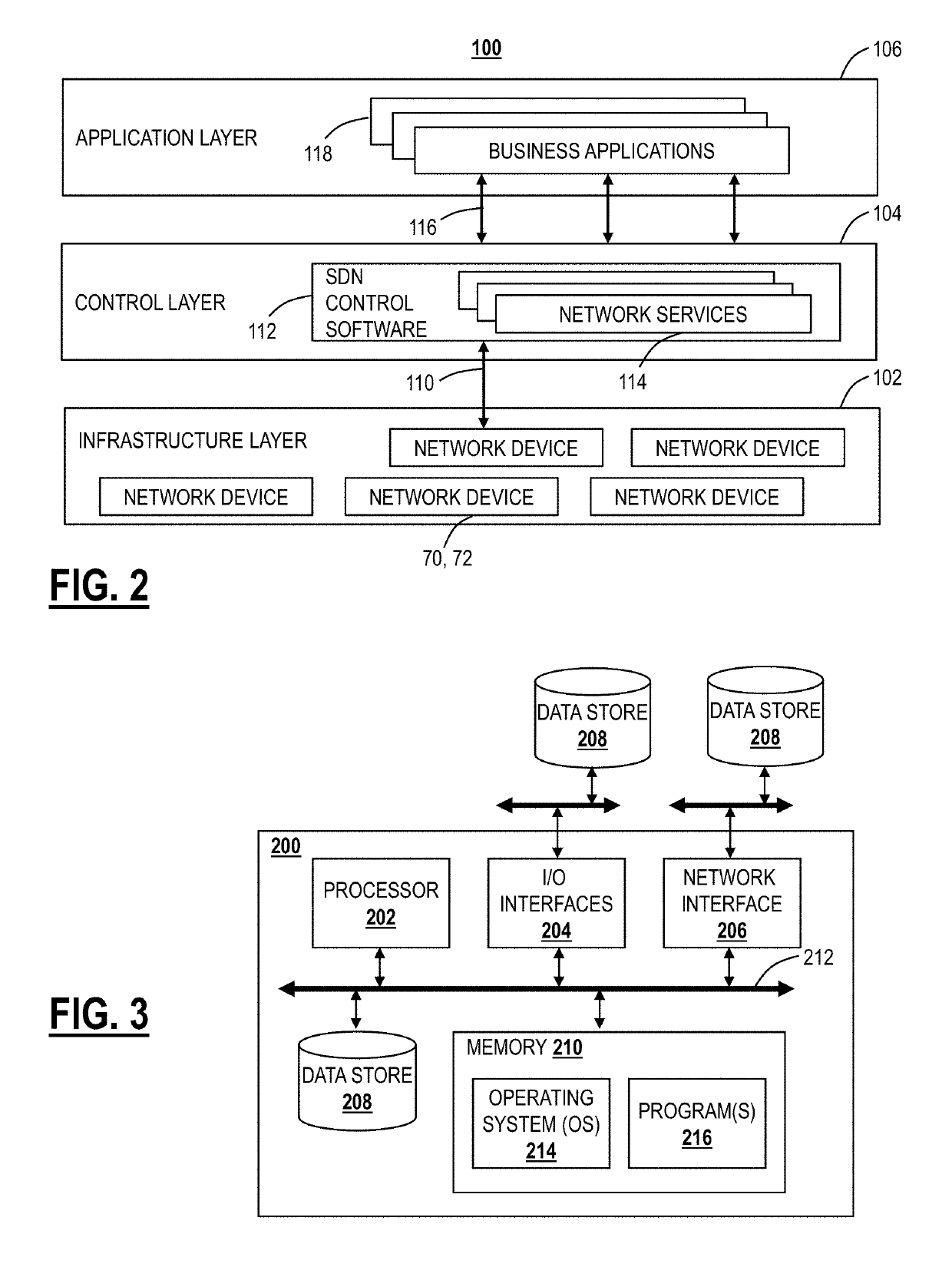
PatentActiveUS10491501B2
Innovation
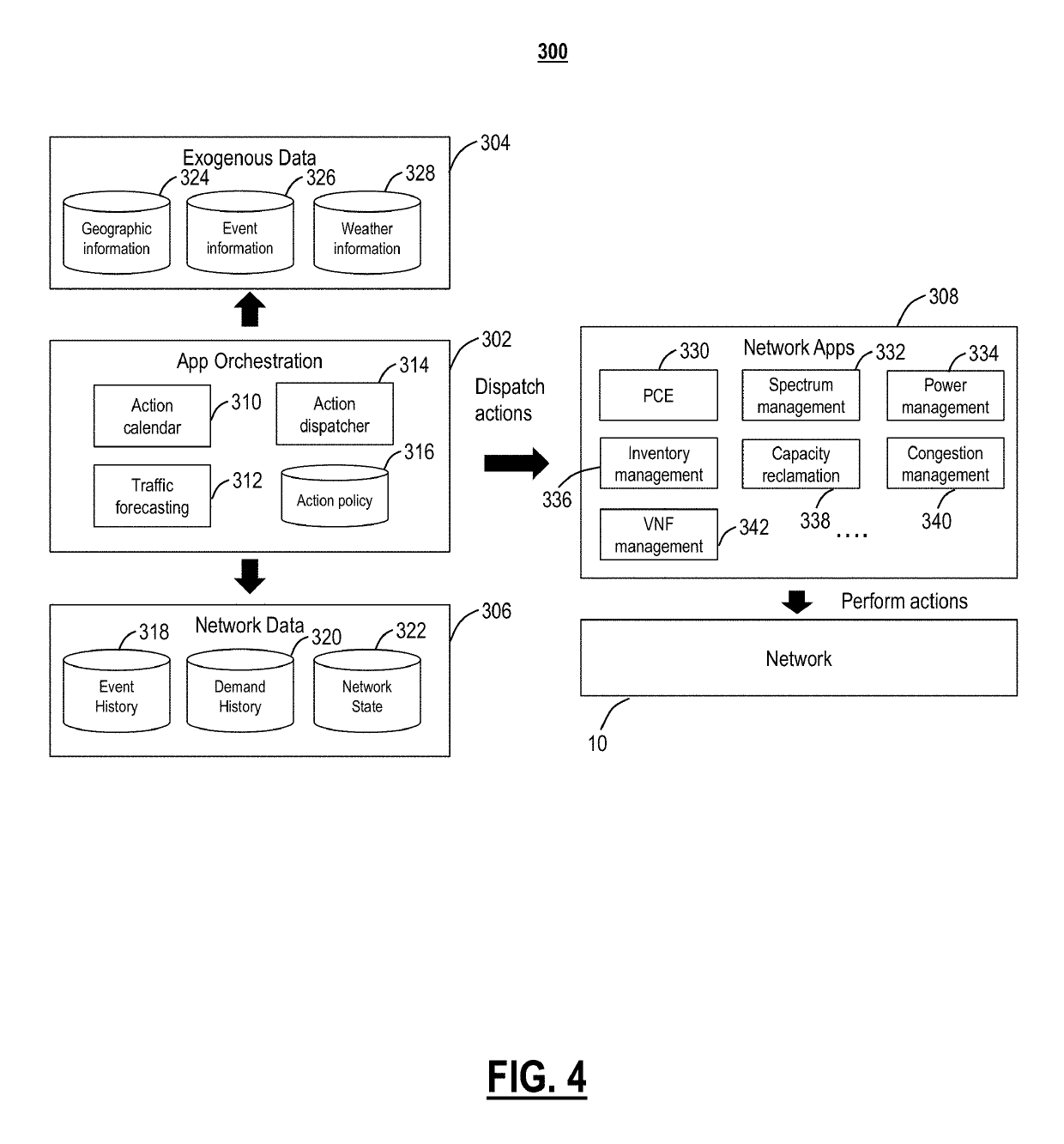
- A traffic-adaptive network control method that monitors network data, generates forecasts based on observed and external events, and orchestrates actions such as capacity recovery, reallocation, and addition using network applications to optimize resource utilization and minimize costs.

Network Security Implications and Standards
The security implications of adaptive network control versus traditional SDN architectures present distinct challenges and opportunities that require careful evaluation against established industry standards. Both approaches fundamentally alter the attack surface and security paradigms of network infrastructure, necessitating comprehensive security frameworks.
Adaptive network control systems introduce dynamic security considerations due to their autonomous decision-making capabilities. The distributed intelligence inherent in these systems creates multiple potential entry points for malicious actors, while simultaneously offering enhanced resilience through redundancy and self-healing mechanisms. The adaptive nature means security policies must be equally dynamic, capable of evolving with network conditions and threat landscapes.
Traditional SDN architectures present a more centralized security model, where the controller becomes a critical single point of failure but also enables comprehensive network-wide security policy enforcement. The separation of control and data planes in SDN provides clear security boundaries, allowing for more granular access control and traffic inspection capabilities.
Current industry standards such as ISO/IEC 27001, NIST Cybersecurity Framework, and OpenFlow security specifications provide foundational guidelines for both architectures. However, adaptive systems require additional consideration of standards like IEEE 802.1X for dynamic authentication and IETF RFC 8329 for network automation security. The challenge lies in ensuring compliance while maintaining the performance benefits that drive adoption of these technologies.
Key security differentiators include threat detection capabilities, where adaptive systems can potentially identify and respond to anomalies more rapidly, while SDN systems offer more predictable and auditable security postures. Both approaches must address encryption overhead, authentication scalability, and the security implications of increased network programmability.
The convergence toward zero-trust network architectures influences both paradigms, requiring continuous verification and validation of network entities regardless of the underlying control mechanism employed.
Adaptive network control systems introduce dynamic security considerations due to their autonomous decision-making capabilities. The distributed intelligence inherent in these systems creates multiple potential entry points for malicious actors, while simultaneously offering enhanced resilience through redundancy and self-healing mechanisms. The adaptive nature means security policies must be equally dynamic, capable of evolving with network conditions and threat landscapes.
Traditional SDN architectures present a more centralized security model, where the controller becomes a critical single point of failure but also enables comprehensive network-wide security policy enforcement. The separation of control and data planes in SDN provides clear security boundaries, allowing for more granular access control and traffic inspection capabilities.
Current industry standards such as ISO/IEC 27001, NIST Cybersecurity Framework, and OpenFlow security specifications provide foundational guidelines for both architectures. However, adaptive systems require additional consideration of standards like IEEE 802.1X for dynamic authentication and IETF RFC 8329 for network automation security. The challenge lies in ensuring compliance while maintaining the performance benefits that drive adoption of these technologies.
Key security differentiators include threat detection capabilities, where adaptive systems can potentially identify and respond to anomalies more rapidly, while SDN systems offer more predictable and auditable security postures. Both approaches must address encryption overhead, authentication scalability, and the security implications of increased network programmability.
The convergence toward zero-trust network architectures influences both paradigms, requiring continuous verification and validation of network entities regardless of the underlying control mechanism employed.
Performance Benchmarking Methodologies
Performance benchmarking methodologies for comparing Adaptive Network Control and Software-Defined Networking (SDN) require comprehensive evaluation frameworks that capture both quantitative metrics and qualitative characteristics. Establishing standardized measurement protocols is essential for conducting meaningful comparative analyses between these two network control paradigms.
Latency measurement represents a fundamental benchmarking component, encompassing end-to-end packet transmission delays, control plane response times, and flow setup latencies. For adaptive network control systems, latency measurements must account for dynamic adjustment periods and learning phases, while SDN evaluations focus on controller-to-switch communication delays and centralized decision-making overhead.
Throughput assessment methodologies involve measuring maximum data transmission rates under various network conditions and traffic patterns. Benchmarking protocols should incorporate burst traffic scenarios, sustained load testing, and mixed application workloads to evaluate how each control approach handles different traffic characteristics and scaling requirements.
Scalability evaluation frameworks examine system performance degradation as network size increases. These methodologies include node density testing, where networks progressively expand from small-scale deployments to enterprise-level infrastructures, measuring control overhead, resource utilization, and performance consistency across different scales.
Reliability and fault tolerance benchmarking requires systematic failure injection testing, including link failures, node outages, and controller unavailability scenarios. Measurement protocols should quantify recovery times, service continuity metrics, and system resilience under various failure conditions, comparing how adaptive and SDN approaches maintain network functionality.
Resource utilization assessment encompasses CPU usage, memory consumption, and bandwidth overhead associated with control plane operations. Benchmarking methodologies must differentiate between distributed processing in adaptive systems versus centralized resource requirements in SDN architectures, providing insights into operational efficiency and cost implications.
Dynamic adaptation capability evaluation involves measuring system responsiveness to changing network conditions, traffic patterns, and policy requirements. These methodologies assess configuration flexibility, policy enforcement consistency, and the ability to optimize network behavior in real-time scenarios.
Latency measurement represents a fundamental benchmarking component, encompassing end-to-end packet transmission delays, control plane response times, and flow setup latencies. For adaptive network control systems, latency measurements must account for dynamic adjustment periods and learning phases, while SDN evaluations focus on controller-to-switch communication delays and centralized decision-making overhead.
Throughput assessment methodologies involve measuring maximum data transmission rates under various network conditions and traffic patterns. Benchmarking protocols should incorporate burst traffic scenarios, sustained load testing, and mixed application workloads to evaluate how each control approach handles different traffic characteristics and scaling requirements.
Scalability evaluation frameworks examine system performance degradation as network size increases. These methodologies include node density testing, where networks progressively expand from small-scale deployments to enterprise-level infrastructures, measuring control overhead, resource utilization, and performance consistency across different scales.
Reliability and fault tolerance benchmarking requires systematic failure injection testing, including link failures, node outages, and controller unavailability scenarios. Measurement protocols should quantify recovery times, service continuity metrics, and system resilience under various failure conditions, comparing how adaptive and SDN approaches maintain network functionality.
Resource utilization assessment encompasses CPU usage, memory consumption, and bandwidth overhead associated with control plane operations. Benchmarking methodologies must differentiate between distributed processing in adaptive systems versus centralized resource requirements in SDN architectures, providing insights into operational efficiency and cost implications.
Dynamic adaptation capability evaluation involves measuring system responsiveness to changing network conditions, traffic patterns, and policy requirements. These methodologies assess configuration flexibility, policy enforcement consistency, and the ability to optimize network behavior in real-time scenarios.
Unlock deeper insights with Patsnap Eureka Quick Research — get a full tech report to explore trends and direct your research. Try now!
Generate Your Research Report Instantly with AI Agent
Supercharge your innovation with Patsnap Eureka AI Agent Platform!