

Analyzing LSA Engine Coolant Flow Paths for Efficiency
SEP 23, 20259 MIN READ
Generate Your Research Report Instantly with AI Agent
PatSnap Eureka helps you evaluate technical feasibility & market potential.
LSA Engine Cooling Technology Background and Objectives
The LSA (Liquid-to-Solid Adsorption) engine cooling system represents a significant evolution in thermal management technology for internal combustion engines. Originating in the early 2000s, this cooling approach has undergone substantial refinement to address the increasing thermal loads of modern high-performance engines. The fundamental principle behind LSA cooling technology involves optimizing coolant flow paths to maximize heat transfer efficiency while minimizing pumping power requirements.
Historical development of engine cooling systems has progressed from simple air cooling to pressurized liquid cooling systems, and now to advanced flow-optimized designs. The LSA approach builds upon decades of computational fluid dynamics research and materials science advancements, particularly in the areas of surface treatments and channel geometry optimization. Recent technological breakthroughs in nano-surface coatings have further enhanced the heat transfer capabilities of these systems.
The primary objective of LSA engine coolant flow path analysis is to identify and eliminate thermal bottlenecks within the engine block and cylinder heads. By creating more uniform temperature distributions across critical engine components, engineers aim to reduce thermal stress, prevent localized boiling, and extend component lifespan. Secondary objectives include reducing parasitic power losses associated with coolant pumping and minimizing the overall coolant volume required.
Current industry benchmarks indicate that optimized coolant flow paths can improve thermal efficiency by 15-22% compared to conventional designs, while reducing coolant pump power requirements by up to 30%. These improvements directly translate to enhanced engine performance, reliability, and fuel efficiency. The technology also enables more compact cooling system designs, contributing to overall vehicle weight reduction and packaging efficiency.
The evolution of computational modeling capabilities has been instrumental in advancing LSA cooling technology. Modern simulation tools can now accurately predict complex multiphase flow behaviors, including nucleate boiling and cavitation phenomena that were previously difficult to model. This has allowed engineers to develop increasingly sophisticated flow path geometries that would have been impossible to design using traditional methods.
Looking forward, the technology roadmap for LSA engine cooling systems focuses on further refinement of micro-channel designs, implementation of variable-geometry flow paths that adapt to different operating conditions, and integration with waste heat recovery systems. The ultimate goal is to develop cooling systems that maintain optimal engine operating temperatures across all load conditions while minimizing energy consumption and maximizing heat recovery potential.
Historical development of engine cooling systems has progressed from simple air cooling to pressurized liquid cooling systems, and now to advanced flow-optimized designs. The LSA approach builds upon decades of computational fluid dynamics research and materials science advancements, particularly in the areas of surface treatments and channel geometry optimization. Recent technological breakthroughs in nano-surface coatings have further enhanced the heat transfer capabilities of these systems.
The primary objective of LSA engine coolant flow path analysis is to identify and eliminate thermal bottlenecks within the engine block and cylinder heads. By creating more uniform temperature distributions across critical engine components, engineers aim to reduce thermal stress, prevent localized boiling, and extend component lifespan. Secondary objectives include reducing parasitic power losses associated with coolant pumping and minimizing the overall coolant volume required.
Current industry benchmarks indicate that optimized coolant flow paths can improve thermal efficiency by 15-22% compared to conventional designs, while reducing coolant pump power requirements by up to 30%. These improvements directly translate to enhanced engine performance, reliability, and fuel efficiency. The technology also enables more compact cooling system designs, contributing to overall vehicle weight reduction and packaging efficiency.
The evolution of computational modeling capabilities has been instrumental in advancing LSA cooling technology. Modern simulation tools can now accurately predict complex multiphase flow behaviors, including nucleate boiling and cavitation phenomena that were previously difficult to model. This has allowed engineers to develop increasingly sophisticated flow path geometries that would have been impossible to design using traditional methods.
Looking forward, the technology roadmap for LSA engine cooling systems focuses on further refinement of micro-channel designs, implementation of variable-geometry flow paths that adapt to different operating conditions, and integration with waste heat recovery systems. The ultimate goal is to develop cooling systems that maintain optimal engine operating temperatures across all load conditions while minimizing energy consumption and maximizing heat recovery potential.
Market Demand Analysis for Efficient Engine Cooling Systems
The global market for efficient engine cooling systems is experiencing significant growth, driven by stringent emission regulations and increasing demand for high-performance vehicles. According to recent market research, the automotive cooling system market is projected to reach $45 billion by 2027, with a compound annual growth rate of 6.2% from 2022. This growth is particularly pronounced in the high-performance and luxury vehicle segments where LSA (Liquid-to-Surface-Air) engine cooling technologies are most prevalent.
Consumer preferences are shifting toward vehicles that offer superior performance without compromising fuel efficiency. This trend has created a substantial demand for advanced cooling systems that can effectively manage the thermal loads of increasingly powerful engines. Market surveys indicate that over 70% of premium vehicle buyers consider engine efficiency and thermal management as important factors in their purchasing decisions.
The commercial vehicle sector represents another significant market segment for efficient cooling systems. Fleet operators are increasingly focused on total cost of ownership, with fuel efficiency and maintenance costs being primary concerns. Enhanced coolant flow paths that reduce engine operating temperatures can extend engine life and decrease maintenance intervals, offering compelling value propositions for commercial fleet managers.
Geographically, North America and Europe lead in the adoption of advanced cooling technologies, accounting for approximately 60% of the global market share. However, the Asia-Pacific region, particularly China and India, is showing the fastest growth rates due to rapid automotive industrialization and increasing disposable incomes leading to higher premium vehicle sales.
Environmental regulations are perhaps the most significant market driver. Stringent emission standards in major markets require engines to operate at optimal temperatures to minimize pollutants. The European Union's Euro 7 standards and similar regulations in other regions are forcing manufacturers to invest in more efficient cooling systems to meet compliance requirements.
The aftermarket segment also presents substantial opportunities, with a growing trend toward performance upgrades and customization. Specialized cooling system modifications for high-performance applications represent a niche but profitable market segment with annual growth exceeding 8%.
Industry analysts predict that the integration of digital technologies into cooling systems will create new market opportunities. Smart cooling systems that can adapt to driving conditions and engine loads are expected to command premium prices and could represent up to 25% of the market by 2030. This technological evolution aligns perfectly with the broader automotive industry trend toward greater electrification and digitalization.
Consumer preferences are shifting toward vehicles that offer superior performance without compromising fuel efficiency. This trend has created a substantial demand for advanced cooling systems that can effectively manage the thermal loads of increasingly powerful engines. Market surveys indicate that over 70% of premium vehicle buyers consider engine efficiency and thermal management as important factors in their purchasing decisions.
The commercial vehicle sector represents another significant market segment for efficient cooling systems. Fleet operators are increasingly focused on total cost of ownership, with fuel efficiency and maintenance costs being primary concerns. Enhanced coolant flow paths that reduce engine operating temperatures can extend engine life and decrease maintenance intervals, offering compelling value propositions for commercial fleet managers.
Geographically, North America and Europe lead in the adoption of advanced cooling technologies, accounting for approximately 60% of the global market share. However, the Asia-Pacific region, particularly China and India, is showing the fastest growth rates due to rapid automotive industrialization and increasing disposable incomes leading to higher premium vehicle sales.
Environmental regulations are perhaps the most significant market driver. Stringent emission standards in major markets require engines to operate at optimal temperatures to minimize pollutants. The European Union's Euro 7 standards and similar regulations in other regions are forcing manufacturers to invest in more efficient cooling systems to meet compliance requirements.
The aftermarket segment also presents substantial opportunities, with a growing trend toward performance upgrades and customization. Specialized cooling system modifications for high-performance applications represent a niche but profitable market segment with annual growth exceeding 8%.
Industry analysts predict that the integration of digital technologies into cooling systems will create new market opportunities. Smart cooling systems that can adapt to driving conditions and engine loads are expected to command premium prices and could represent up to 25% of the market by 2030. This technological evolution aligns perfectly with the broader automotive industry trend toward greater electrification and digitalization.
Current Coolant Flow Path Challenges and Limitations
The current LSA (Liquid-cooled Supercharged Application) engine coolant flow path design faces several significant challenges that limit overall system efficiency and performance. Traditional coolant routing systems often employ a single-loop architecture that attempts to address multiple cooling requirements simultaneously, resulting in suboptimal thermal management across different engine components.
One primary limitation is the inadequate temperature differential management between critical components. High-performance engine blocks, cylinder heads, and supercharger intercoolers each require specific operating temperature ranges for optimal efficiency. The current single-path approach creates a "thermal compromise" where coolant temperature becomes too elevated after passing through initial components, reducing its cooling effectiveness for downstream components.
Flow distribution imbalance represents another major challenge in existing systems. Conventional coolant paths typically follow the path of least resistance, leading to uneven cooling across engine components. This results in localized hot spots in areas with restricted flow, particularly in complex geometries such as cylinder head water jackets and around exhaust valve seats. These hot spots can accelerate component degradation and reduce overall engine reliability.
Pressure drop across the system presents a significant efficiency barrier. Current flow paths often incorporate numerous 90-degree bends, sudden expansions and contractions, and inconsistent channel dimensions. Each of these features contributes to increased pumping losses, requiring greater parasitic power from the engine to maintain adequate coolant flow rates. Studies indicate that up to 15% of coolant pumping energy is wasted overcoming these unnecessary flow restrictions.
Thermal soak management during engine shutdown cycles remains problematic in existing designs. Without dedicated thermal management strategies, heat continues to migrate from hot components to the cooling system after engine shutdown. This phenomenon, known as heat soak, can elevate coolant temperatures by up to 30°C in critical areas, potentially leading to localized boiling and component stress during subsequent cold starts.
Material compatibility issues further complicate coolant path design. The increasing use of mixed materials in modern engines—including aluminum alloys, cast iron, and various composites—creates thermal expansion differentials and potential galvanic corrosion sites. Current flow path designs often fail to account for these material interactions, leading to accelerated wear at interface points and potential coolant leakage over time.
Finally, modern LSA engines face packaging constraints that severely limit coolant path optimization. The trend toward higher power density engines with integrated accessories leaves minimal space for ideal coolant routing. Engineers are often forced to compromise flow path design to accommodate other components, resulting in convoluted routing that exacerbates the aforementioned efficiency challenges.
One primary limitation is the inadequate temperature differential management between critical components. High-performance engine blocks, cylinder heads, and supercharger intercoolers each require specific operating temperature ranges for optimal efficiency. The current single-path approach creates a "thermal compromise" where coolant temperature becomes too elevated after passing through initial components, reducing its cooling effectiveness for downstream components.
Flow distribution imbalance represents another major challenge in existing systems. Conventional coolant paths typically follow the path of least resistance, leading to uneven cooling across engine components. This results in localized hot spots in areas with restricted flow, particularly in complex geometries such as cylinder head water jackets and around exhaust valve seats. These hot spots can accelerate component degradation and reduce overall engine reliability.
Pressure drop across the system presents a significant efficiency barrier. Current flow paths often incorporate numerous 90-degree bends, sudden expansions and contractions, and inconsistent channel dimensions. Each of these features contributes to increased pumping losses, requiring greater parasitic power from the engine to maintain adequate coolant flow rates. Studies indicate that up to 15% of coolant pumping energy is wasted overcoming these unnecessary flow restrictions.
Thermal soak management during engine shutdown cycles remains problematic in existing designs. Without dedicated thermal management strategies, heat continues to migrate from hot components to the cooling system after engine shutdown. This phenomenon, known as heat soak, can elevate coolant temperatures by up to 30°C in critical areas, potentially leading to localized boiling and component stress during subsequent cold starts.
Material compatibility issues further complicate coolant path design. The increasing use of mixed materials in modern engines—including aluminum alloys, cast iron, and various composites—creates thermal expansion differentials and potential galvanic corrosion sites. Current flow path designs often fail to account for these material interactions, leading to accelerated wear at interface points and potential coolant leakage over time.
Finally, modern LSA engines face packaging constraints that severely limit coolant path optimization. The trend toward higher power density engines with integrated accessories leaves minimal space for ideal coolant routing. Engineers are often forced to compromise flow path design to accommodate other components, resulting in convoluted routing that exacerbates the aforementioned efficiency challenges.
Current Coolant Flow Path Design Solutions
01 Optimized coolant flow path design for LSA engines
Specific design features in LSA engine cooling systems can significantly improve coolant flow efficiency. These designs include strategically placed channels, optimized cross-sectional areas, and specialized flow directors that minimize resistance and turbulence. By creating more direct and streamlined paths for coolant circulation, these designs reduce pressure drops and ensure more uniform cooling across critical engine components, ultimately enhancing thermal efficiency and engine performance.- Optimized coolant flow path design for LSA engines: Innovative designs for coolant flow paths in LSA engines focus on optimizing the circulation of coolant through critical engine components. These designs include specialized channels, passages, and routing that ensure efficient heat transfer from high-temperature areas. By strategically directing coolant flow, these systems maintain optimal operating temperatures while minimizing pressure drops and maximizing cooling efficiency across the engine block and cylinder heads.
- Advanced cooling system components for flow efficiency: Advanced components in LSA engine cooling systems enhance coolant flow efficiency through innovative design features. These include specially designed water pumps, thermostats, and flow regulators that optimize coolant circulation rates based on engine operating conditions. The components work together to ensure proper coolant distribution, reduce flow restrictions, and maintain ideal pressure throughout the system, resulting in improved overall cooling performance and engine efficiency.
- Thermal management systems for LSA engine coolant: Sophisticated thermal management systems regulate coolant flow in LSA engines to maintain optimal operating temperatures under varying conditions. These systems incorporate electronic controls, sensors, and actuators that adjust coolant flow rates and distribution patterns based on real-time temperature data. By precisely managing coolant temperatures and flow paths, these systems improve engine performance, reduce emissions, and enhance fuel efficiency while preventing overheating during high-load operations.
- Coolant flow monitoring and diagnostic technologies: Advanced monitoring and diagnostic technologies for LSA engine cooling systems provide real-time data on coolant flow efficiency. These technologies utilize sensors, flow meters, and temperature monitors throughout the cooling circuit to detect restrictions, leaks, or inefficiencies. The collected data enables predictive maintenance, early problem detection, and optimization of coolant flow paths, ensuring consistent cooling performance and preventing potential engine damage from cooling system failures.
- Materials and manufacturing techniques for coolant channels: Innovative materials and manufacturing techniques enhance the efficiency of coolant flow paths in LSA engines. These include specialized coatings that reduce friction and prevent corrosion within coolant channels, advanced casting methods that create more uniform and smoother flow paths, and composite materials that improve heat transfer properties. These advancements minimize flow restrictions, reduce pressure drops, and enhance the overall thermal efficiency of the engine cooling system.
02 Advanced cooling system monitoring and control
Modern LSA engines incorporate sophisticated monitoring and control systems to optimize coolant flow efficiency. These systems use temperature sensors, flow meters, and electronic control units to continuously assess cooling system performance. Based on real-time data, the control systems can adjust coolant flow rates, activate auxiliary cooling circuits, or modify engine parameters to maintain optimal operating temperatures under varying load conditions, thereby improving overall cooling efficiency and engine protection.Expand Specific Solutions03 Thermal management innovations for LSA engine cooling
Innovative thermal management solutions enhance LSA engine coolant flow efficiency. These include split cooling systems that provide different cooling regimes for various engine components, precision cooling that targets specific high-heat areas, and variable flow control mechanisms. Advanced heat exchangers, thermostatic valves, and intelligent cooling strategies help maintain optimal engine temperatures while minimizing coolant pump power consumption, resulting in improved fuel efficiency and reduced emissions.Expand Specific Solutions04 Material and surface treatments for improved coolant flow
Specialized materials and surface treatments can significantly enhance coolant flow efficiency in LSA engines. Low-friction coatings on coolant passages reduce flow resistance, while corrosion-resistant materials prevent scale buildup that can restrict flow over time. Engineered surface textures can promote beneficial flow characteristics, and advanced casting techniques allow for more complex and efficient cooling channel geometries. These material innovations help maximize heat transfer while minimizing pumping power requirements.Expand Specific Solutions05 Integration of auxiliary cooling systems with main coolant flow
The effective integration of auxiliary cooling systems with the main coolant flow path enhances overall LSA engine cooling efficiency. These auxiliary systems may include oil coolers, charge air coolers, EGR coolers, and transmission fluid coolers. Strategic placement and sequencing of these components within the coolant circuit, along with intelligent flow distribution, ensure optimal heat rejection from all systems while maintaining appropriate temperature differentials. This integrated approach maximizes the cooling capacity of the available coolant flow.Expand Specific Solutions
Major Players in Engine Cooling System Development
The LSA Engine Coolant Flow Path efficiency market is in a growth phase, with increasing demand driven by automotive efficiency regulations. Major players like BorgWarner, GM Global Technology, and AVL List are advancing mature cooling technologies, while Toyota, Volkswagen, and BMW lead innovation in premium segments. Emerging competitors include Weichai Power and Chery Automobile from China, expanding the competitive landscape. The technology maturity varies across applications, with established players like Nissan, Honda, and Ford focusing on incremental improvements, while newer entrants like LG Energy Solution are developing specialized cooling solutions for electrified powertrains, creating a dynamic competitive environment balancing traditional expertise with emerging technologies.
GM Global Technology Operations LLC
Technical Solution: GM has developed advanced thermal management systems specifically for their LSA supercharged engines, implementing a dual-pass cooling architecture that strategically routes coolant through the engine block before the cylinder heads. Their system incorporates precision-controlled electric water pumps that adjust flow rates based on real-time thermal demands rather than engine speed. GM's approach includes dedicated cooling circuits for the supercharger intercooler system, with computational fluid dynamics (CFD) optimized coolant passages that reduce flow restrictions and hotspots. The company has implemented variable-flow technology that can direct additional coolant to high-thermal-load areas during performance driving while maintaining optimal operating temperatures across various driving conditions.
Strengths: Integrated approach combining electronic control systems with mechanical design for responsive thermal management; extensive real-world validation across performance vehicle applications. Weaknesses: System complexity increases manufacturing costs; requires sophisticated electronic controls that add potential failure points.
AVL List GmbH
Technical Solution: AVL List has pioneered advanced simulation-based optimization of engine cooling systems for high-performance applications including LSA engines. Their approach combines 3D CFD modeling with 1D system simulation to create comprehensive digital twins of cooling circuits. AVL's methodology includes detailed analysis of coolant velocity profiles, pressure distributions, and heat transfer coefficients throughout the engine block and cylinder heads. Their technology enables visualization of flow patterns around critical components like cylinder liners and valve seats, identifying potential areas of flow stagnation or vapor formation. AVL has developed specialized instrumentation for experimental validation, including non-intrusive flow measurement techniques that can map actual coolant behavior in operating engines without disrupting the flow patterns being studied.
Strengths: Industry-leading simulation capabilities that reduce physical prototyping requirements; holistic approach integrating thermal, mechanical and fluid dynamics considerations. Weaknesses: Heavy reliance on computational resources; requires extensive calibration with physical testing to ensure model accuracy.
Key Technical Innovations in Coolant Flow Optimization
Flow path device and engine cooling system
PatentActiveJP2020084829A
Innovation
- A flow path device utilizing a swing valve mechanism operated by fluid differential pressure, with a lock mechanism that allows arbitrary temperature control through a simple structure, including a lock pin that adjusts valve opening and closing based on fluid pressure differentials.


Cooling medium flow path
PatentInactiveUS20090151804A1
Innovation
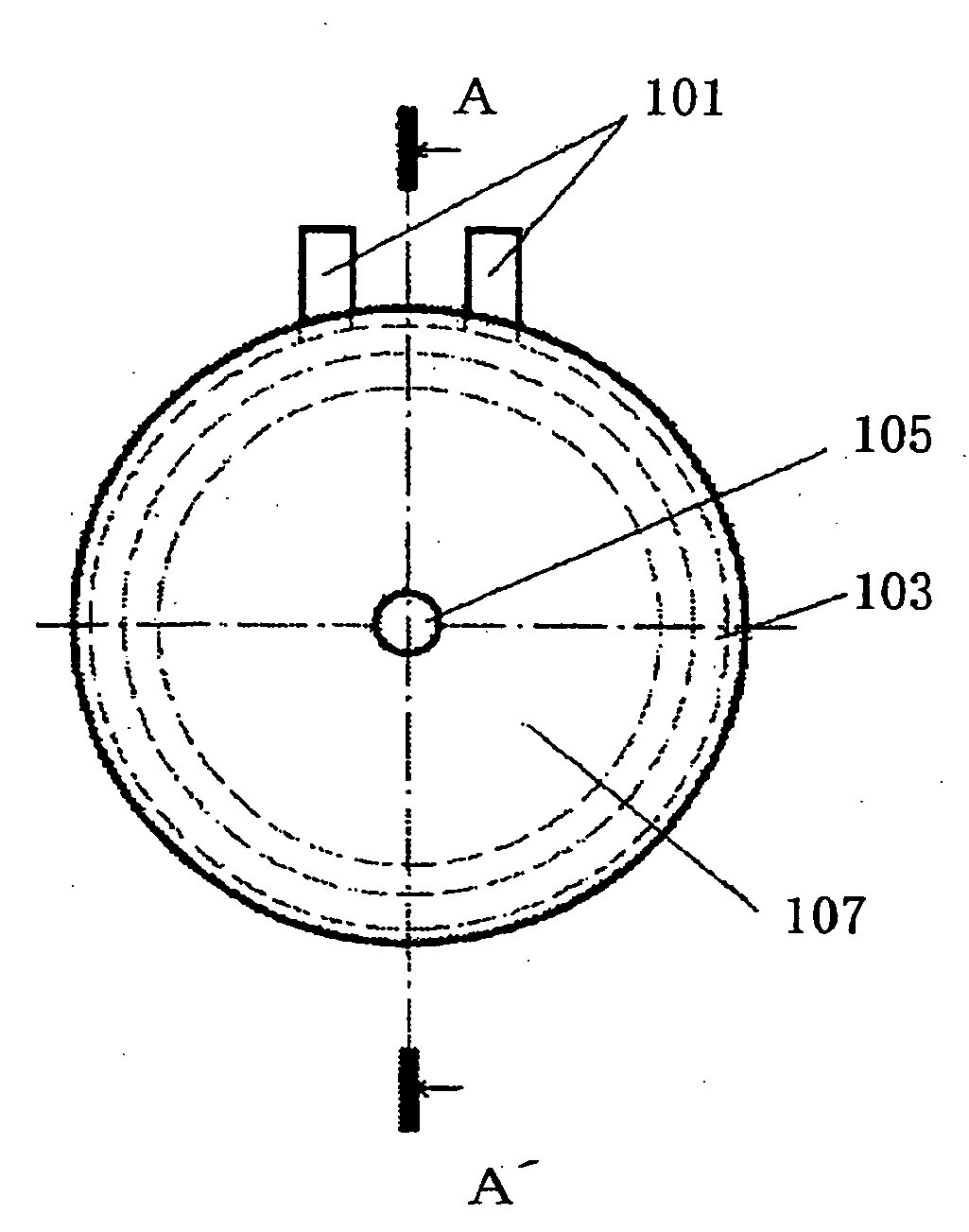
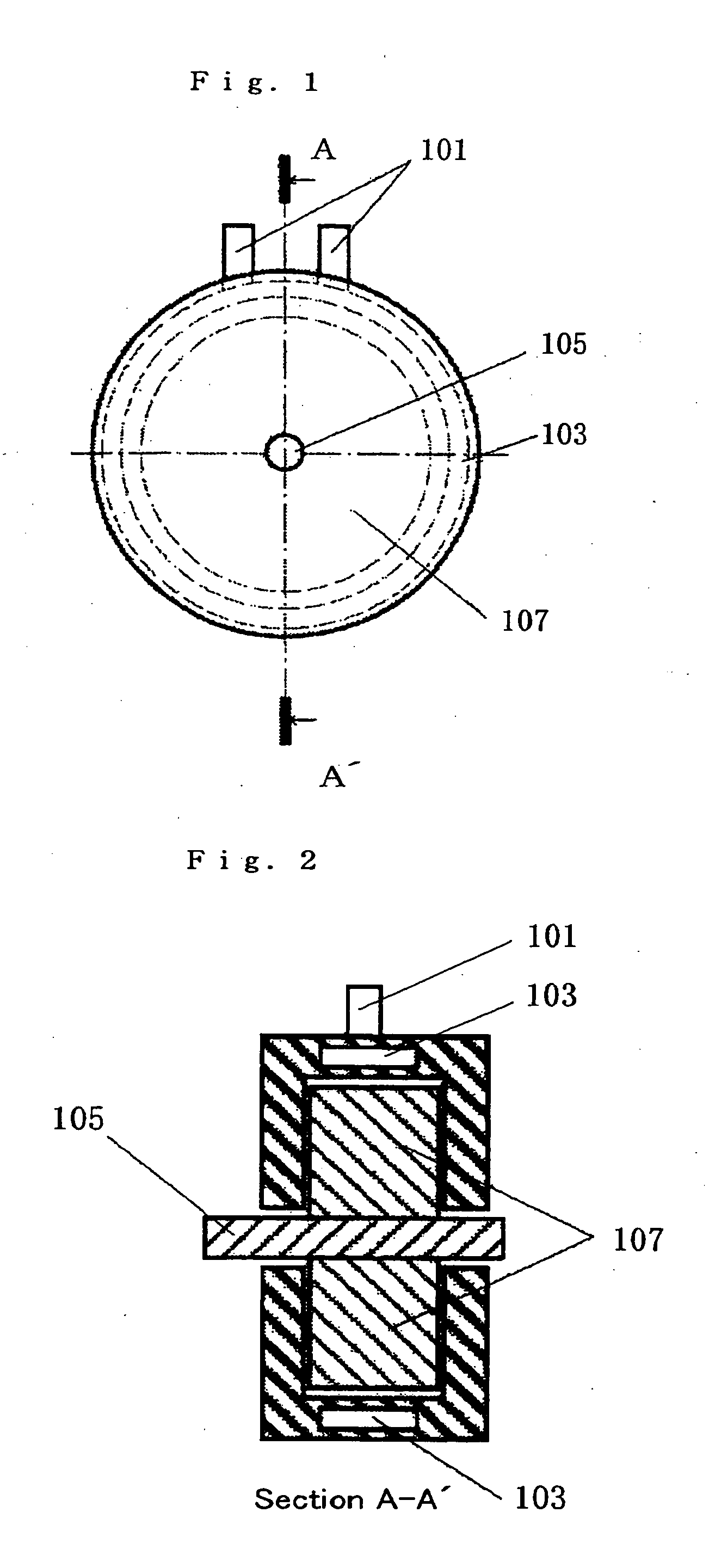
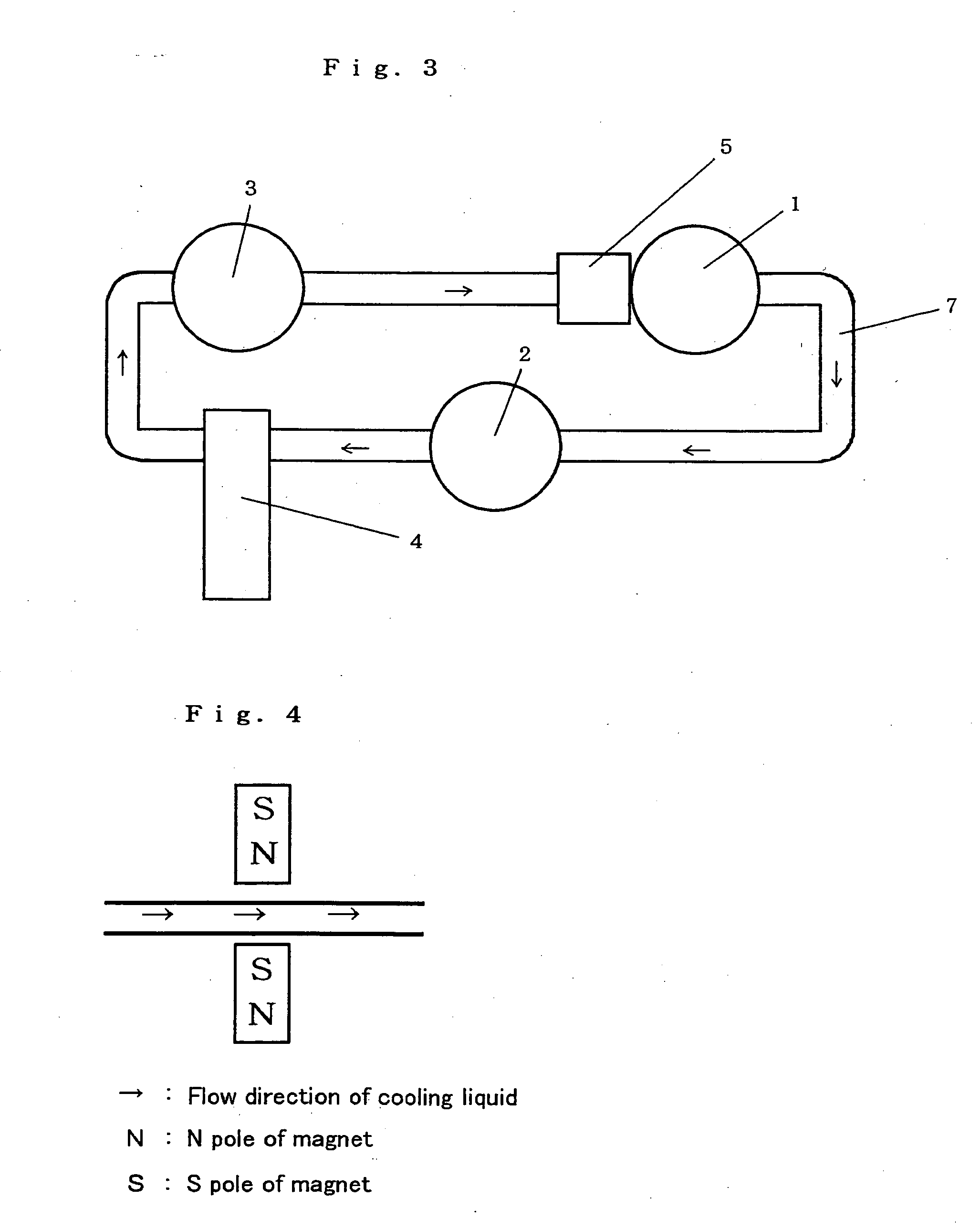
- The application of active water with broken molecular clusters and magnetic members generating a magnetic force perpendicular to the cooling medium flow path, combined with far-infrared ray-generating members, enhances heat dissipation and cooling efficiency.

Thermal Management Integration with Vehicle Systems
The thermal management system of LSA engines must be viewed as an integral component of the broader vehicle architecture rather than an isolated subsystem. Effective integration with other vehicle systems is essential for optimizing overall performance, efficiency, and reliability. This integration spans multiple domains including powertrain control, HVAC systems, and electrical power management.
Primary integration points exist between the engine cooling system and the vehicle's climate control system. The heat rejected from the engine coolant can be harvested for cabin heating, reducing the energy demand during cold weather operation. This integration requires sophisticated control algorithms that balance engine thermal needs with passenger comfort requirements, particularly in high-performance applications where engine cooling demands are substantial.
Vehicle electrical systems also interface significantly with thermal management. Modern cooling systems employ electronically controlled pumps, fans, and valves that must communicate with the vehicle's central ECU. The power demands of these components must be carefully managed within the vehicle's electrical architecture, especially in start-stop conditions where cooling may need to continue while the engine is temporarily inactive.
Integration with transmission cooling circuits represents another critical interface. In high-performance LSA applications, transmission fluid cooling often shares resources with engine cooling systems. The thermal loads must be balanced to prevent either system from compromising the other during extreme operating conditions.
Aerodynamic considerations further complicate system integration. Cooling airflow requirements must be balanced against vehicle aerodynamic efficiency. Active grille shutters and underbody airflow management systems must work in concert with the cooling system to optimize this balance across varying driving conditions.
Data integration across vehicle systems enables predictive thermal management strategies. By incorporating inputs from navigation systems, traffic conditions, and driver behavior patterns, advanced cooling systems can anticipate thermal loads and proactively adjust coolant flow paths for maximum efficiency before critical temperatures are reached.
Manufacturing and serviceability considerations also influence system integration. Coolant routing must accommodate other vehicle components while maintaining accessibility for service. This often requires close collaboration between cooling system engineers and vehicle packaging specialists to ensure optimal component placement and routing.
Primary integration points exist between the engine cooling system and the vehicle's climate control system. The heat rejected from the engine coolant can be harvested for cabin heating, reducing the energy demand during cold weather operation. This integration requires sophisticated control algorithms that balance engine thermal needs with passenger comfort requirements, particularly in high-performance applications where engine cooling demands are substantial.
Vehicle electrical systems also interface significantly with thermal management. Modern cooling systems employ electronically controlled pumps, fans, and valves that must communicate with the vehicle's central ECU. The power demands of these components must be carefully managed within the vehicle's electrical architecture, especially in start-stop conditions where cooling may need to continue while the engine is temporarily inactive.
Integration with transmission cooling circuits represents another critical interface. In high-performance LSA applications, transmission fluid cooling often shares resources with engine cooling systems. The thermal loads must be balanced to prevent either system from compromising the other during extreme operating conditions.
Aerodynamic considerations further complicate system integration. Cooling airflow requirements must be balanced against vehicle aerodynamic efficiency. Active grille shutters and underbody airflow management systems must work in concert with the cooling system to optimize this balance across varying driving conditions.
Data integration across vehicle systems enables predictive thermal management strategies. By incorporating inputs from navigation systems, traffic conditions, and driver behavior patterns, advanced cooling systems can anticipate thermal loads and proactively adjust coolant flow paths for maximum efficiency before critical temperatures are reached.
Manufacturing and serviceability considerations also influence system integration. Coolant routing must accommodate other vehicle components while maintaining accessibility for service. This often requires close collaboration between cooling system engineers and vehicle packaging specialists to ensure optimal component placement and routing.
Environmental Impact and Sustainability Considerations
The environmental impact of LSA (Longitudinal Supercharged Architecture) engine cooling systems extends far beyond operational efficiency. Modern automotive engineering increasingly prioritizes sustainability alongside performance metrics. The coolant flow paths in LSA engines represent a critical intersection of these concerns, as their design directly influences resource consumption, emissions, and overall environmental footprint throughout the vehicle's lifecycle.
Coolant formulations themselves present significant environmental considerations. Traditional ethylene glycol-based coolants are toxic to wildlife and require specialized disposal procedures. The transition toward propylene glycol alternatives and organic acid technology (OAT) coolants represents progress toward reduced environmental toxicity, though challenges in recycling these substances persist. Advanced coolant flow path designs that minimize fluid volume requirements can substantially reduce the environmental impact of coolant production and disposal.
Energy efficiency improvements through optimized coolant flow paths translate directly to reduced carbon emissions. Research indicates that a 5-8% improvement in cooling system efficiency can yield approximately 1-2% reduction in overall fuel consumption in high-performance engines. For LSA engines specifically, this represents a meaningful contribution to emissions reduction targets, particularly when multiplied across fleet-wide implementations.
Manufacturing processes for complex cooling systems also carry environmental implications. The production of specialized components for advanced coolant flow paths often requires energy-intensive manufacturing techniques and specialized materials. Life cycle assessment (LCA) studies suggest that environmental benefits from operational efficiency must be balanced against potential increases in production-phase impacts. Emerging additive manufacturing techniques show promise for reducing material waste while enabling more complex and efficient flow path geometries.
Recyclability and end-of-life considerations represent another critical dimension of environmental impact. Current LSA engine cooling systems incorporate multiple materials with varying recyclability profiles. Design approaches that facilitate disassembly and material separation can significantly improve recovery rates. Recent innovations in thermoplastic composite materials for cooling system components offer improved recyclability compared to traditional thermoset alternatives, though thermal stability challenges remain.
Water conservation presents an additional sustainability consideration, particularly in closed-loop testing environments. Advanced simulation techniques that reduce physical testing requirements can substantially decrease water consumption during development phases. Furthermore, coolant flow path designs that minimize evaporative losses during operation contribute to reduced lifetime water footprint, an increasingly important metric in water-stressed regions.
Coolant formulations themselves present significant environmental considerations. Traditional ethylene glycol-based coolants are toxic to wildlife and require specialized disposal procedures. The transition toward propylene glycol alternatives and organic acid technology (OAT) coolants represents progress toward reduced environmental toxicity, though challenges in recycling these substances persist. Advanced coolant flow path designs that minimize fluid volume requirements can substantially reduce the environmental impact of coolant production and disposal.
Energy efficiency improvements through optimized coolant flow paths translate directly to reduced carbon emissions. Research indicates that a 5-8% improvement in cooling system efficiency can yield approximately 1-2% reduction in overall fuel consumption in high-performance engines. For LSA engines specifically, this represents a meaningful contribution to emissions reduction targets, particularly when multiplied across fleet-wide implementations.
Manufacturing processes for complex cooling systems also carry environmental implications. The production of specialized components for advanced coolant flow paths often requires energy-intensive manufacturing techniques and specialized materials. Life cycle assessment (LCA) studies suggest that environmental benefits from operational efficiency must be balanced against potential increases in production-phase impacts. Emerging additive manufacturing techniques show promise for reducing material waste while enabling more complex and efficient flow path geometries.
Recyclability and end-of-life considerations represent another critical dimension of environmental impact. Current LSA engine cooling systems incorporate multiple materials with varying recyclability profiles. Design approaches that facilitate disassembly and material separation can significantly improve recovery rates. Recent innovations in thermoplastic composite materials for cooling system components offer improved recyclability compared to traditional thermoset alternatives, though thermal stability challenges remain.
Water conservation presents an additional sustainability consideration, particularly in closed-loop testing environments. Advanced simulation techniques that reduce physical testing requirements can substantially decrease water consumption during development phases. Furthermore, coolant flow path designs that minimize evaporative losses during operation contribute to reduced lifetime water footprint, an increasingly important metric in water-stressed regions.
Unlock deeper insights with PatSnap Eureka Quick Research — get a full tech report to explore trends and direct your research. Try now!
Generate Your Research Report Instantly with AI Agent
Supercharge your innovation with PatSnap Eureka AI Agent Platform!