

Assessing Echogenicity Variations in Different Racial Groups
JAN 20, 20269 MIN READ
Generate Your Research Report Instantly with AI Agent
Patsnap Eureka helps you evaluate technical feasibility & market potential.
Ultrasound Echogenicity Assessment Background and Objectives
Ultrasound imaging has become an indispensable diagnostic tool in modern medicine, offering real-time, non-invasive visualization of internal anatomical structures. The technology relies on the principle of sound wave reflection, where different tissues produce varying degrees of echogenicity based on their acoustic properties. However, emerging clinical evidence suggests that echogenicity patterns may not be uniform across diverse patient populations, particularly when considering racial and ethnic variations.
The assessment of echogenicity variations among different racial groups represents a critical yet underexplored area in medical imaging research. Historically, ultrasound imaging protocols and interpretation standards have been developed primarily based on studies conducted in predominantly Caucasian populations. This limitation has raised concerns about potential diagnostic accuracy disparities when applying these standards to patients of African, Asian, Hispanic, and other ethnic backgrounds.
Recent clinical observations have documented notable differences in tissue echogenicity characteristics across racial groups, particularly in musculoskeletal, dermatological, and obstetric applications. These variations may stem from differences in tissue composition, melanin content, subcutaneous fat distribution, and collagen structure. Such physiological differences can significantly impact image quality, diagnostic accuracy, and clinical decision-making processes.
The primary objective of this technical investigation is to systematically evaluate and quantify echogenicity variations across different racial populations. This involves establishing baseline echogenicity profiles for various tissue types in diverse ethnic groups, identifying the underlying biological and physical factors contributing to these variations, and determining their clinical significance. Additionally, the research aims to develop standardized assessment protocols that account for racial diversity, ensuring equitable diagnostic accuracy across all patient populations.
Furthermore, this study seeks to advance ultrasound technology by exploring adaptive imaging parameters and interpretation guidelines that can accommodate racial variations. The ultimate goal is to enhance diagnostic precision, reduce health disparities, and establish evidence-based best practices for multicultural clinical settings, thereby improving patient outcomes across all demographic groups.
The assessment of echogenicity variations among different racial groups represents a critical yet underexplored area in medical imaging research. Historically, ultrasound imaging protocols and interpretation standards have been developed primarily based on studies conducted in predominantly Caucasian populations. This limitation has raised concerns about potential diagnostic accuracy disparities when applying these standards to patients of African, Asian, Hispanic, and other ethnic backgrounds.
Recent clinical observations have documented notable differences in tissue echogenicity characteristics across racial groups, particularly in musculoskeletal, dermatological, and obstetric applications. These variations may stem from differences in tissue composition, melanin content, subcutaneous fat distribution, and collagen structure. Such physiological differences can significantly impact image quality, diagnostic accuracy, and clinical decision-making processes.
The primary objective of this technical investigation is to systematically evaluate and quantify echogenicity variations across different racial populations. This involves establishing baseline echogenicity profiles for various tissue types in diverse ethnic groups, identifying the underlying biological and physical factors contributing to these variations, and determining their clinical significance. Additionally, the research aims to develop standardized assessment protocols that account for racial diversity, ensuring equitable diagnostic accuracy across all patient populations.
Furthermore, this study seeks to advance ultrasound technology by exploring adaptive imaging parameters and interpretation guidelines that can accommodate racial variations. The ultimate goal is to enhance diagnostic precision, reduce health disparities, and establish evidence-based best practices for multicultural clinical settings, thereby improving patient outcomes across all demographic groups.
Clinical Demand for Race-Specific Ultrasound Analysis
The clinical demand for race-specific ultrasound analysis has emerged as a critical consideration in modern diagnostic imaging, driven by mounting evidence of physiological variations across different racial and ethnic populations. Healthcare providers increasingly recognize that standardized ultrasound protocols may not adequately account for inherent differences in tissue composition, subcutaneous fat distribution, and skin characteristics among diverse patient populations. These variations can significantly impact echogenicity patterns, potentially leading to diagnostic inconsistencies or misinterpretations when universal reference standards are applied indiscriminately.
Current clinical practice reveals substantial challenges in achieving diagnostic accuracy across racially diverse patient cohorts. Studies have documented that African American and Asian populations often exhibit different echogenic responses compared to Caucasian populations during abdominal, obstetric, and musculoskeletal ultrasound examinations. These differences stem from variations in melanin content, dermal thickness, and adipose tissue distribution, which collectively influence acoustic impedance and signal attenuation. Clinicians frequently encounter situations where conventional diagnostic thresholds fail to provide reliable assessments for patients from underrepresented racial groups.
The growing demographic diversity in healthcare systems worldwide amplifies the urgency for race-specific analytical frameworks. Healthcare institutions serving multicultural populations face increasing pressure to deliver equitable diagnostic services that account for biological diversity. Misdiagnosis or delayed diagnosis resulting from inadequate consideration of racial variations can lead to adverse patient outcomes, increased healthcare costs, and potential legal liabilities. Furthermore, the expansion of telemedicine and remote ultrasound interpretation necessitates robust algorithms capable of adjusting for patient-specific characteristics without direct clinical observation.
Regulatory bodies and professional medical associations have begun emphasizing the importance of inclusive diagnostic standards that reflect population diversity. The demand extends beyond academic interest to practical clinical implementation, requiring validated protocols, reference databases encompassing diverse racial groups, and training programs that educate sonographers and radiologists on recognizing and interpreting race-related echogenicity variations. This clinical imperative drives the need for comprehensive research into developing adaptive ultrasound analysis systems that can automatically adjust parameters based on patient demographic information, ultimately improving diagnostic precision and healthcare equity across all racial populations.
Current clinical practice reveals substantial challenges in achieving diagnostic accuracy across racially diverse patient cohorts. Studies have documented that African American and Asian populations often exhibit different echogenic responses compared to Caucasian populations during abdominal, obstetric, and musculoskeletal ultrasound examinations. These differences stem from variations in melanin content, dermal thickness, and adipose tissue distribution, which collectively influence acoustic impedance and signal attenuation. Clinicians frequently encounter situations where conventional diagnostic thresholds fail to provide reliable assessments for patients from underrepresented racial groups.
The growing demographic diversity in healthcare systems worldwide amplifies the urgency for race-specific analytical frameworks. Healthcare institutions serving multicultural populations face increasing pressure to deliver equitable diagnostic services that account for biological diversity. Misdiagnosis or delayed diagnosis resulting from inadequate consideration of racial variations can lead to adverse patient outcomes, increased healthcare costs, and potential legal liabilities. Furthermore, the expansion of telemedicine and remote ultrasound interpretation necessitates robust algorithms capable of adjusting for patient-specific characteristics without direct clinical observation.
Regulatory bodies and professional medical associations have begun emphasizing the importance of inclusive diagnostic standards that reflect population diversity. The demand extends beyond academic interest to practical clinical implementation, requiring validated protocols, reference databases encompassing diverse racial groups, and training programs that educate sonographers and radiologists on recognizing and interpreting race-related echogenicity variations. This clinical imperative drives the need for comprehensive research into developing adaptive ultrasound analysis systems that can automatically adjust parameters based on patient demographic information, ultimately improving diagnostic precision and healthcare equity across all racial populations.
Current Echogenicity Challenges Across Racial Groups
Echogenicity assessment in ultrasound imaging faces significant challenges when applied across diverse racial populations, primarily due to inherent variations in tissue composition and acoustic properties. Melanin concentration, subcutaneous fat distribution, and dermal thickness differ substantially among racial groups, directly impacting ultrasound wave penetration and reflection patterns. These biological variations create inconsistencies in image quality and diagnostic accuracy, particularly affecting populations with higher melanin content where signal attenuation is more pronounced.
Current standardized ultrasound protocols predominantly rely on calibration parameters developed from studies with limited racial diversity, resulting in systematic biases in echogenicity measurements. African and South Asian populations frequently exhibit reduced image clarity due to increased acoustic impedance mismatch, while East Asian populations may demonstrate different echogenic patterns in adipose tissue distribution. These disparities compromise the reliability of quantitative ultrasound metrics such as grayscale median values and texture analysis parameters.
Technical limitations of existing ultrasound equipment further compound these challenges. Most commercial systems lack adaptive algorithms capable of automatically compensating for race-specific tissue characteristics. Frequency selection, gain settings, and time-gain compensation curves optimized for one demographic group often prove suboptimal for others, leading to either over-penetration or insufficient tissue visualization. This technological gap necessitates manual adjustments by operators, introducing subjective variability and reducing examination efficiency.
The absence of race-stratified reference databases represents another critical obstacle. Normative echogenicity values established without adequate representation of diverse populations cannot serve as universal diagnostic benchmarks. This deficiency particularly impacts conditions where echogenicity changes serve as key diagnostic indicators, such as fatty liver disease, thyroid nodule characterization, and breast lesion assessment. Misinterpretation risks increase when applying population-specific thresholds to individuals from underrepresented groups.
Clinical workflow integration poses additional challenges as healthcare providers often lack specific training in recognizing and addressing race-related echogenicity variations. The current diagnostic paradigm assumes uniform tissue acoustic properties, creating potential for diagnostic errors and health disparities. Addressing these multifaceted challenges requires coordinated efforts in technology development, protocol standardization, and clinical education to ensure equitable ultrasound diagnostic accuracy across all racial populations.
Current standardized ultrasound protocols predominantly rely on calibration parameters developed from studies with limited racial diversity, resulting in systematic biases in echogenicity measurements. African and South Asian populations frequently exhibit reduced image clarity due to increased acoustic impedance mismatch, while East Asian populations may demonstrate different echogenic patterns in adipose tissue distribution. These disparities compromise the reliability of quantitative ultrasound metrics such as grayscale median values and texture analysis parameters.
Technical limitations of existing ultrasound equipment further compound these challenges. Most commercial systems lack adaptive algorithms capable of automatically compensating for race-specific tissue characteristics. Frequency selection, gain settings, and time-gain compensation curves optimized for one demographic group often prove suboptimal for others, leading to either over-penetration or insufficient tissue visualization. This technological gap necessitates manual adjustments by operators, introducing subjective variability and reducing examination efficiency.
The absence of race-stratified reference databases represents another critical obstacle. Normative echogenicity values established without adequate representation of diverse populations cannot serve as universal diagnostic benchmarks. This deficiency particularly impacts conditions where echogenicity changes serve as key diagnostic indicators, such as fatty liver disease, thyroid nodule characterization, and breast lesion assessment. Misinterpretation risks increase when applying population-specific thresholds to individuals from underrepresented groups.
Clinical workflow integration poses additional challenges as healthcare providers often lack specific training in recognizing and addressing race-related echogenicity variations. The current diagnostic paradigm assumes uniform tissue acoustic properties, creating potential for diagnostic errors and health disparities. Addressing these multifaceted challenges requires coordinated efforts in technology development, protocol standardization, and clinical education to ensure equitable ultrasound diagnostic accuracy across all racial populations.
Existing Echogenicity Assessment Solutions
01 Ultrasound contrast agents for enhanced echogenicity
Contrast agents containing microbubbles or nanoparticles are used to enhance echogenicity in ultrasound imaging. These agents improve visualization of blood flow, tissue perfusion, and anatomical structures by increasing the acoustic impedance difference between tissues. The contrast agents can be formulated with various shell materials and gas cores to optimize their acoustic properties and stability.- Ultrasound contrast agents for enhanced echogenicity: Contrast agents containing microbubbles or nanoparticles are used to enhance echogenicity in ultrasound imaging. These agents improve visualization of blood flow, tissue perfusion, and organ structures by increasing the acoustic impedance difference between tissues. The contrast agents can be formulated with various shell materials and gas cores to optimize their acoustic properties and stability.
- Echogenic medical devices and implants: Medical devices such as catheters, needles, and implants are designed with echogenic properties to improve their visibility during ultrasound-guided procedures. These devices incorporate materials or surface modifications that enhance ultrasound reflection, allowing clinicians to accurately track device placement and positioning in real-time imaging applications.
- Tissue characterization based on echogenicity patterns: Diagnostic methods utilize echogenicity patterns to characterize and differentiate tissue types, identify pathological conditions, and assess tissue health. Analysis of echo texture, intensity, and distribution patterns enables detection of abnormalities such as tumors, cysts, fibrosis, and inflammation. Advanced image processing algorithms are employed to quantify echogenicity features for improved diagnostic accuracy.
- Echogenic drug delivery systems: Drug delivery formulations are designed with echogenic properties to enable ultrasound-guided targeting and monitoring of therapeutic agents. These systems combine pharmaceutical compounds with echogenic materials that allow real-time visualization of drug distribution and release. The approach facilitates precise delivery to target sites and enables monitoring of treatment efficacy through ultrasound imaging.
- Methods for measuring and quantifying echogenicity: Techniques and systems are developed for objective measurement and quantification of echogenicity in ultrasound images. These methods involve standardized protocols, calibration procedures, and computational algorithms to assess echo intensity, texture parameters, and acoustic properties. Quantitative echogenicity measurements support reproducible diagnostics, treatment monitoring, and research applications across various medical fields.
02 Echogenic medical devices and implants
Medical devices such as catheters, needles, and implants are designed with echogenic properties to improve their visibility during ultrasound-guided procedures. This is achieved through surface modifications, incorporation of echogenic materials, or specific geometric patterns that enhance ultrasound reflection. These echogenic features enable better tracking and positioning of devices during minimally invasive procedures.Expand Specific Solutions03 Tissue characterization based on echogenicity patterns
Echogenicity analysis is used for tissue characterization and disease diagnosis by evaluating the acoustic properties of different tissues. Variations in echogenicity patterns can indicate pathological conditions such as tumors, inflammation, or fibrosis. Advanced imaging algorithms and machine learning techniques are employed to quantify and classify echogenic features for improved diagnostic accuracy.Expand Specific Solutions04 Echogenic drug delivery systems
Drug delivery systems are designed with echogenic properties to enable real-time monitoring during therapeutic procedures. These systems combine therapeutic agents with ultrasound-visible components, allowing for image-guided drug administration and controlled release. The echogenic properties facilitate tracking of the delivery vehicle and verification of drug deposition at target sites.Expand Specific Solutions05 Methods for measuring and quantifying echogenicity
Various techniques and systems have been developed for measuring and quantifying echogenicity in medical imaging. These methods involve image processing algorithms, standardized measurement protocols, and calibration procedures to ensure consistent and reproducible echogenicity assessments. Quantitative echogenicity measurements are used for monitoring disease progression, treatment response, and quality control in diagnostic imaging.Expand Specific Solutions
Key Players in Ultrasound and Medical Imaging Industry
The field of assessing echogenicity variations across racial groups remains in an early developmental stage, with limited market penetration but growing recognition of its clinical importance for reducing diagnostic disparities. The market is nascent yet expanding, driven by increasing awareness of healthcare equity and precision medicine initiatives. Technology maturity varies significantly among key players: established medical technology leaders like Koninklijke Philips NV and F. Hoffmann-La Roche Ltd. bring advanced imaging capabilities and global infrastructure, while genomics-focused companies including Guardant Health, Population Bio, and Fabric Genomics contribute molecular profiling expertise that complements imaging analysis. Academic institutions such as King's College London, Boston University, and The General Hospital Corp. are advancing foundational research in population-specific tissue characterization. However, the competitive landscape lacks specialized players exclusively focused on racial echogenicity assessment, indicating significant opportunity for innovation in developing standardized protocols and AI-driven analysis tools that account for ethnic variations in ultrasound imaging interpretation.
Chinese Academy of Sciences Institute of Acoustics
Technical Solution: The Institute has conducted comprehensive research on acoustic impedance variations and ultrasound wave propagation characteristics in tissues with different melanin concentrations and fat distributions. Their work focuses on developing quantitative ultrasound biomarkers that can normalize echogenicity measurements across racial groups by accounting for skin thickness, dermal collagen density, and subcutaneous fat architecture. They have established standardized protocols for ultrasound parameter optimization including frequency selection, focal zone positioning, and time-gain compensation settings tailored to Asian, Caucasian, and African populations. The Institute's research includes development of machine learning models trained on multi-ethnic datasets to predict optimal imaging parameters and compensate for race-related echogenicity variations in real-time during clinical examinations[4][9].
Strengths: Strong fundamental research foundation in acoustic physics and tissue characterization; extensive datasets from Asian populations. Weaknesses: Limited commercial product development and international market presence; primarily focused on research rather than clinical implementation.
Koninklijke Philips NV
Technical Solution: Philips has developed advanced ultrasound imaging systems with adaptive beamforming technology and tissue-specific presets that automatically adjust echogenicity parameters based on patient characteristics. Their EPIQ and Affiniti ultrasound platforms incorporate AI-driven image optimization algorithms that account for variations in tissue composition across different populations. The systems feature automated gain compensation and dynamic range adjustment capabilities that enhance visualization of anatomical structures regardless of skin melanin content or subcutaneous tissue density. Philips' proprietary PureWave transducer technology provides superior penetration and resolution, enabling consistent image quality across diverse patient populations. Their research collaborations with major medical centers have generated extensive databases documenting echogenicity patterns in multi-ethnic cohorts, which inform their algorithm development and validation processes[7][10].
Strengths: Market-leading ultrasound technology with extensive clinical validation across diverse populations; robust AI-driven adaptive imaging capabilities. Weaknesses: High equipment costs may limit accessibility in resource-constrained settings; requires specialized training for optimal utilization.
Core Innovations in Racial Echogenicity Research
Echogenicity quantification method and calibration method for ultrasonic device using echogenicity index
PatentActiveUS10249037B2
Innovation
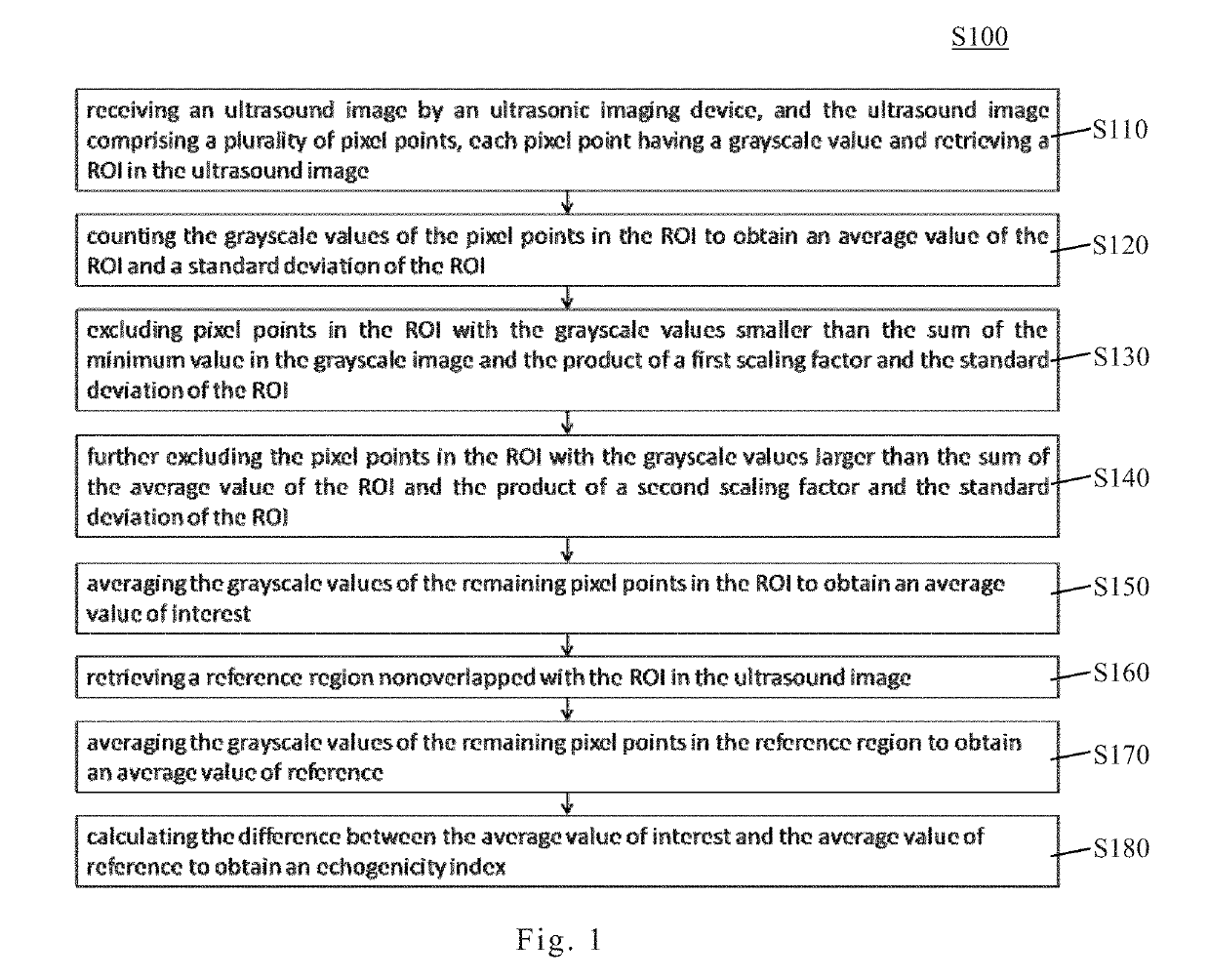
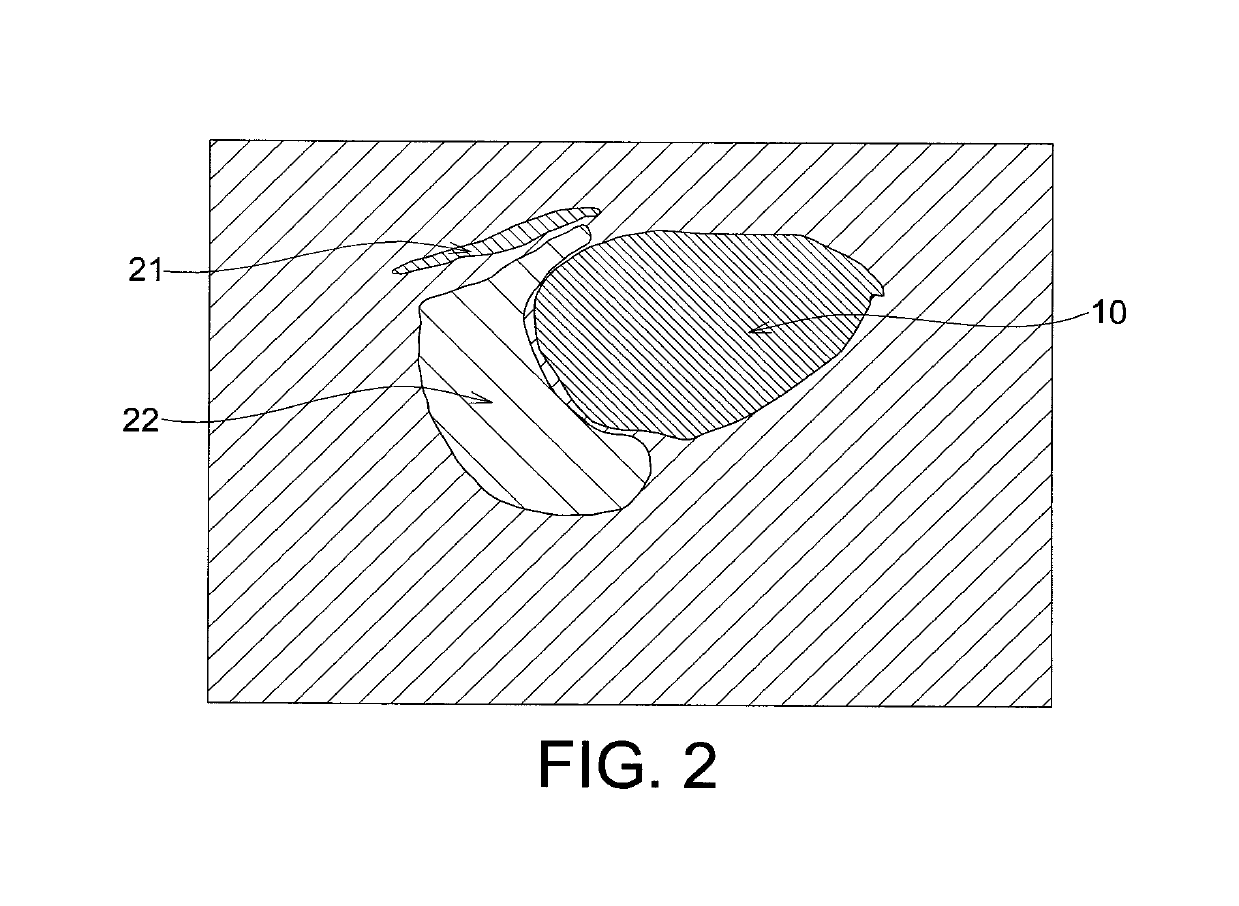
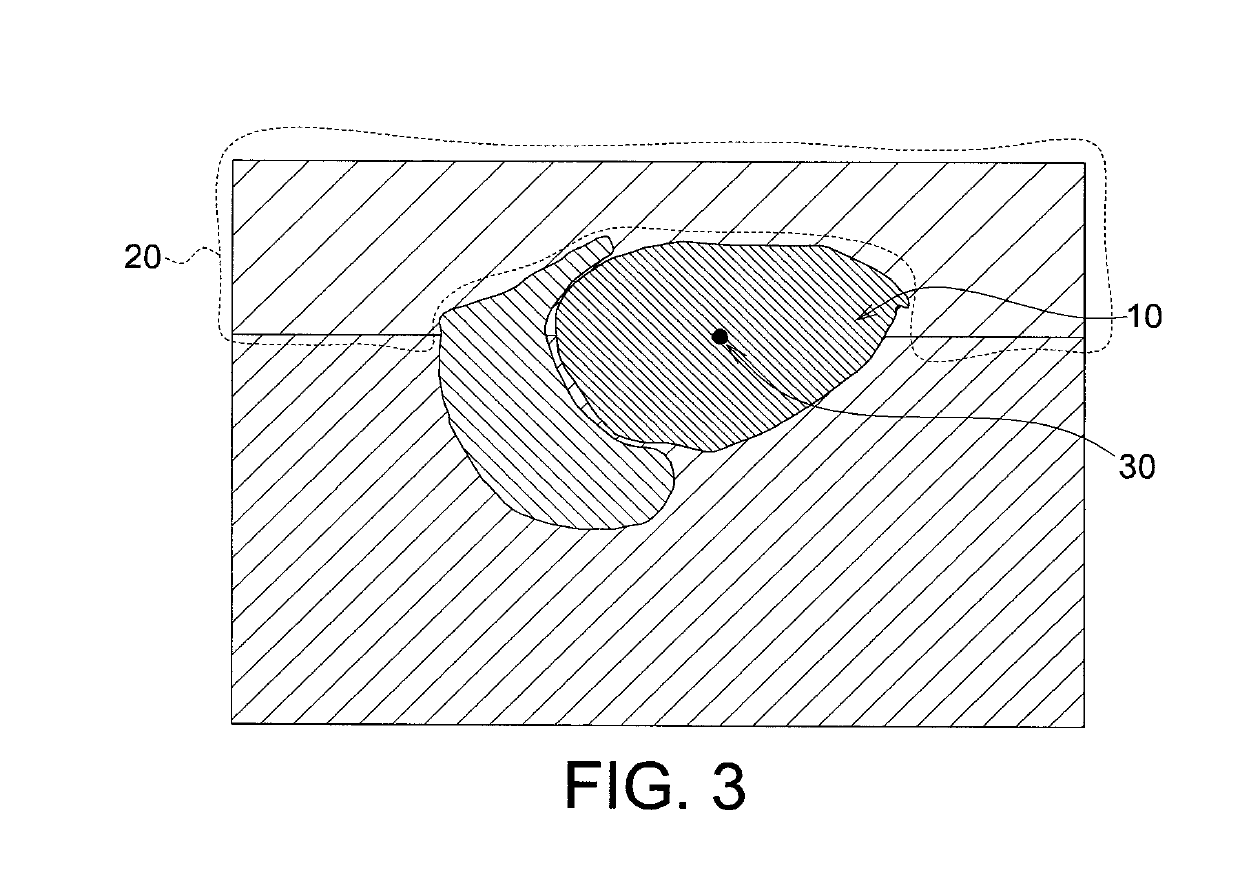
- An echogenicity quantification method that calculates an echogenicity index by averaging and normalizing grayscale values within a Region Of Interest (ROI) and a reference region, excluding outliers, to provide an objective and consistent measure across different ultrasonic devices and operators.

Echogenicity quantitative test system for an echogenic medical device
PatentActiveUS12178660B2
Innovation
- A standardized echogenicity quantitative test system comprising a test fixture with a probe holder and sample clamp, an ultrasound diagnostic device, and a pixel analysis method to calculate the mean grayscale value difference between a region of interest and an adjacent region, allowing for objective characterization of echogenicity.


Regulatory Standards for Medical Imaging Devices
Medical imaging devices, particularly ultrasound systems used for assessing echogenicity variations across different racial groups, must comply with stringent regulatory frameworks established by national and international authorities. The U.S. Food and Drug Administration (FDA) classifies ultrasound devices under Class II medical devices, requiring manufacturers to submit 510(k) premarket notifications demonstrating substantial equivalence to predicate devices. These submissions must include comprehensive performance data, safety assessments, and clinical validation studies that account for diverse patient populations. The FDA's guidance documents emphasize the importance of inclusive clinical trials that represent demographic diversity, ensuring device performance is validated across various skin tones and tissue compositions.
In the European Union, medical imaging devices fall under the Medical Device Regulation (MDR 2017/745), which replaced the previous Medical Device Directive. This regulation mandates rigorous conformity assessment procedures, including clinical evaluations that demonstrate safety and performance across heterogeneous populations. Manufacturers must maintain technical documentation proving their devices meet essential safety and performance requirements, with specific attention to potential variations in diagnostic accuracy across different ethnic groups.
The International Electrotechnical Commission (IEC) provides technical standards such as IEC 60601 series, which establishes safety and essential performance requirements for medical electrical equipment. For ultrasound devices, IEC 60601-2-37 specifically addresses particular requirements, including acoustic output limitations and image quality parameters. These standards require manufacturers to validate device performance under various conditions that may affect echogenicity assessment, including variations in tissue attenuation properties associated with different racial backgrounds.
Regulatory bodies increasingly emphasize the need for algorithmic transparency and bias mitigation in imaging devices incorporating artificial intelligence. The FDA's proposed framework for AI/ML-based medical devices requires continuous monitoring of performance across demographic subgroups, with mandatory reporting of disparities. Similarly, the International Medical Device Regulators Forum (IMDRF) has issued guidance on software as a medical device, stressing the importance of representative training datasets and validation protocols that prevent systematic bias in diagnostic outcomes across racial groups.
In the European Union, medical imaging devices fall under the Medical Device Regulation (MDR 2017/745), which replaced the previous Medical Device Directive. This regulation mandates rigorous conformity assessment procedures, including clinical evaluations that demonstrate safety and performance across heterogeneous populations. Manufacturers must maintain technical documentation proving their devices meet essential safety and performance requirements, with specific attention to potential variations in diagnostic accuracy across different ethnic groups.
The International Electrotechnical Commission (IEC) provides technical standards such as IEC 60601 series, which establishes safety and essential performance requirements for medical electrical equipment. For ultrasound devices, IEC 60601-2-37 specifically addresses particular requirements, including acoustic output limitations and image quality parameters. These standards require manufacturers to validate device performance under various conditions that may affect echogenicity assessment, including variations in tissue attenuation properties associated with different racial backgrounds.
Regulatory bodies increasingly emphasize the need for algorithmic transparency and bias mitigation in imaging devices incorporating artificial intelligence. The FDA's proposed framework for AI/ML-based medical devices requires continuous monitoring of performance across demographic subgroups, with mandatory reporting of disparities. Similarly, the International Medical Device Regulators Forum (IMDRF) has issued guidance on software as a medical device, stressing the importance of representative training datasets and validation protocols that prevent systematic bias in diagnostic outcomes across racial groups.
Ethical Framework for Race-Based Medical Research
Research involving racial or ethnic variations in medical imaging, particularly echogenicity assessment, requires a robust ethical framework to ensure scientific integrity while protecting participant rights and promoting health equity. The foundation of such research must rest upon principles of beneficence, non-maleficence, justice, and respect for persons. These principles guide the responsible conduct of studies examining biological variations across populations without perpetuating harmful stereotypes or exacerbating healthcare disparities.
Informed consent processes must be culturally sensitive and transparent, clearly communicating research objectives, potential risks, and how racial categorization will be employed. Participants should understand that race is primarily a social construct rather than a strict biological category, and that observed variations may reflect complex interactions between genetics, environment, and social determinants of health. Researchers must avoid reifying race as a purely biological variable and instead acknowledge the multifactorial nature of any observed differences.
Data collection and analysis protocols should incorporate diverse populations with adequate representation to prevent biased conclusions. Sample selection must avoid convenience sampling that could skew results toward particular demographic groups. Statistical methods should account for confounding variables such as socioeconomic status, access to healthcare, and environmental exposures that may correlate with racial categories but represent distinct causal factors.
Privacy protection and data security assume heightened importance when handling sensitive demographic information. Institutional review boards must scrutinize research designs to ensure that findings cannot be misused to justify discriminatory practices or reinforce biological determinism. Publication of results should emphasize clinical utility while carefully contextualizing any racial differences within broader social and biological frameworks.
Community engagement throughout the research lifecycle helps ensure that studies address genuine health needs rather than perpetuating research exploitation of marginalized populations. Stakeholder input can guide appropriate interpretation and application of findings, ensuring that discoveries translate into equitable improvements in diagnostic accuracy and patient care across all demographic groups. The ultimate goal must be reducing health disparities rather than inadvertently widening them through poorly designed or ethically problematic research approaches.
Informed consent processes must be culturally sensitive and transparent, clearly communicating research objectives, potential risks, and how racial categorization will be employed. Participants should understand that race is primarily a social construct rather than a strict biological category, and that observed variations may reflect complex interactions between genetics, environment, and social determinants of health. Researchers must avoid reifying race as a purely biological variable and instead acknowledge the multifactorial nature of any observed differences.
Data collection and analysis protocols should incorporate diverse populations with adequate representation to prevent biased conclusions. Sample selection must avoid convenience sampling that could skew results toward particular demographic groups. Statistical methods should account for confounding variables such as socioeconomic status, access to healthcare, and environmental exposures that may correlate with racial categories but represent distinct causal factors.
Privacy protection and data security assume heightened importance when handling sensitive demographic information. Institutional review boards must scrutinize research designs to ensure that findings cannot be misused to justify discriminatory practices or reinforce biological determinism. Publication of results should emphasize clinical utility while carefully contextualizing any racial differences within broader social and biological frameworks.
Community engagement throughout the research lifecycle helps ensure that studies address genuine health needs rather than perpetuating research exploitation of marginalized populations. Stakeholder input can guide appropriate interpretation and application of findings, ensuring that discoveries translate into equitable improvements in diagnostic accuracy and patient care across all demographic groups. The ultimate goal must be reducing health disparities rather than inadvertently widening them through poorly designed or ethically problematic research approaches.
Unlock deeper insights with Patsnap Eureka Quick Research — get a full tech report to explore trends and direct your research. Try now!
Generate Your Research Report Instantly with AI Agent
Supercharge your innovation with Patsnap Eureka AI Agent Platform!