

Bridge Rectifier vs Microcontroller: Computational Influence
MAR 24, 20269 MIN READ
Generate Your Research Report Instantly with AI Agent
Patsnap Eureka helps you evaluate technical feasibility & market potential.
Bridge Rectifier and MCU Integration Background and Objectives
The integration of bridge rectifiers with microcontroller units represents a critical convergence in modern electronic system design, where analog power conversion meets digital computational control. This technological intersection has evolved from simple discrete component arrangements to sophisticated integrated solutions that leverage the computational capabilities of MCUs to optimize rectification processes in real-time.
Bridge rectifiers have traditionally served as fundamental components for converting alternating current to direct current in power supply circuits. However, the advent of advanced microcontroller architectures has introduced unprecedented opportunities to enhance rectification efficiency through intelligent control algorithms, adaptive switching mechanisms, and predictive maintenance protocols. The computational influence of MCUs on bridge rectifier performance extends beyond basic control functions to encompass complex optimization strategies.
The historical development of this integration traces back to the early 1980s when basic microprocessors began interfacing with power electronics. The evolution accelerated significantly with the introduction of specialized power management MCUs featuring integrated analog-to-digital converters, pulse-width modulation capabilities, and dedicated power control peripherals. Modern implementations now incorporate machine learning algorithms and real-time optimization techniques that continuously adapt rectifier behavior based on load conditions and environmental parameters.
Current technological objectives focus on achieving maximum power conversion efficiency while minimizing electromagnetic interference and thermal dissipation. The integration aims to establish intelligent rectification systems capable of self-diagnosis, predictive failure analysis, and autonomous performance optimization. These systems target efficiency improvements of 15-25% compared to conventional passive rectifier circuits through dynamic control of switching timing, load balancing, and harmonic reduction.
The computational influence manifests through sophisticated control algorithms that monitor input voltage characteristics, load variations, and thermal conditions to optimize rectifier performance dynamically. Advanced MCU architectures enable implementation of synchronous rectification techniques, active power factor correction, and intelligent thermal management protocols that significantly enhance overall system reliability and efficiency.
Future development trajectories emphasize the integration of artificial intelligence capabilities within MCU-controlled rectifier systems, enabling predictive maintenance, adaptive learning from operational patterns, and autonomous optimization of power conversion parameters. These advancements promise to revolutionize power electronics applications across automotive, industrial automation, renewable energy, and consumer electronics sectors.
Bridge rectifiers have traditionally served as fundamental components for converting alternating current to direct current in power supply circuits. However, the advent of advanced microcontroller architectures has introduced unprecedented opportunities to enhance rectification efficiency through intelligent control algorithms, adaptive switching mechanisms, and predictive maintenance protocols. The computational influence of MCUs on bridge rectifier performance extends beyond basic control functions to encompass complex optimization strategies.
The historical development of this integration traces back to the early 1980s when basic microprocessors began interfacing with power electronics. The evolution accelerated significantly with the introduction of specialized power management MCUs featuring integrated analog-to-digital converters, pulse-width modulation capabilities, and dedicated power control peripherals. Modern implementations now incorporate machine learning algorithms and real-time optimization techniques that continuously adapt rectifier behavior based on load conditions and environmental parameters.
Current technological objectives focus on achieving maximum power conversion efficiency while minimizing electromagnetic interference and thermal dissipation. The integration aims to establish intelligent rectification systems capable of self-diagnosis, predictive failure analysis, and autonomous performance optimization. These systems target efficiency improvements of 15-25% compared to conventional passive rectifier circuits through dynamic control of switching timing, load balancing, and harmonic reduction.
The computational influence manifests through sophisticated control algorithms that monitor input voltage characteristics, load variations, and thermal conditions to optimize rectifier performance dynamically. Advanced MCU architectures enable implementation of synchronous rectification techniques, active power factor correction, and intelligent thermal management protocols that significantly enhance overall system reliability and efficiency.
Future development trajectories emphasize the integration of artificial intelligence capabilities within MCU-controlled rectifier systems, enabling predictive maintenance, adaptive learning from operational patterns, and autonomous optimization of power conversion parameters. These advancements promise to revolutionize power electronics applications across automotive, industrial automation, renewable energy, and consumer electronics sectors.
Market Demand for Efficient Power Management Solutions
The global power management solutions market is experiencing unprecedented growth driven by the proliferation of electronic devices and increasing emphasis on energy efficiency. Modern electronic systems require sophisticated power conversion and control mechanisms, where the interplay between bridge rectifiers and microcontrollers becomes critical for optimal performance.
Industrial automation represents a significant demand driver, where precise power management directly impacts operational efficiency and equipment longevity. Manufacturing facilities increasingly require power systems that can adapt to varying load conditions while maintaining stable output characteristics. The computational influence of microcontrollers on bridge rectifier performance enables real-time optimization of power conversion processes, reducing energy waste and improving system reliability.
Consumer electronics markets demonstrate substantial appetite for compact, efficient power management solutions. Smartphones, tablets, and wearable devices demand power systems that maximize battery life while minimizing heat generation. The integration of intelligent control algorithms through microcontrollers allows bridge rectifiers to operate at optimal efficiency points across different load scenarios, directly addressing consumer expectations for longer device operation times.
Electric vehicle charging infrastructure presents emerging opportunities for advanced power management technologies. Fast-charging stations require sophisticated power conversion systems capable of delivering high power levels while maintaining grid stability. Microcontroller-enhanced bridge rectifiers enable dynamic power factor correction and harmonic reduction, addressing utility company requirements for grid-friendly charging solutions.
Renewable energy integration creates additional market demand for intelligent power management systems. Solar inverters and wind power converters require adaptive control mechanisms to handle variable input conditions while maximizing energy harvest. The computational capabilities of microcontrollers enable bridge rectifiers to implement maximum power point tracking algorithms and grid synchronization functions, essential for renewable energy system effectiveness.
Data center power infrastructure represents a high-value market segment where efficiency improvements translate directly to operational cost savings. Server power supplies and uninterruptible power systems benefit from microcontroller-controlled bridge rectifiers that can optimize conversion efficiency across varying server loads, reducing cooling requirements and improving overall data center power usage effectiveness.
The telecommunications sector drives demand for reliable, efficient power solutions capable of supporting critical communication infrastructure. Base stations and network equipment require power systems with high availability and low maintenance requirements, achievable through intelligent monitoring and control capabilities enabled by microcontroller integration with bridge rectifier circuits.
Industrial automation represents a significant demand driver, where precise power management directly impacts operational efficiency and equipment longevity. Manufacturing facilities increasingly require power systems that can adapt to varying load conditions while maintaining stable output characteristics. The computational influence of microcontrollers on bridge rectifier performance enables real-time optimization of power conversion processes, reducing energy waste and improving system reliability.
Consumer electronics markets demonstrate substantial appetite for compact, efficient power management solutions. Smartphones, tablets, and wearable devices demand power systems that maximize battery life while minimizing heat generation. The integration of intelligent control algorithms through microcontrollers allows bridge rectifiers to operate at optimal efficiency points across different load scenarios, directly addressing consumer expectations for longer device operation times.
Electric vehicle charging infrastructure presents emerging opportunities for advanced power management technologies. Fast-charging stations require sophisticated power conversion systems capable of delivering high power levels while maintaining grid stability. Microcontroller-enhanced bridge rectifiers enable dynamic power factor correction and harmonic reduction, addressing utility company requirements for grid-friendly charging solutions.
Renewable energy integration creates additional market demand for intelligent power management systems. Solar inverters and wind power converters require adaptive control mechanisms to handle variable input conditions while maximizing energy harvest. The computational capabilities of microcontrollers enable bridge rectifiers to implement maximum power point tracking algorithms and grid synchronization functions, essential for renewable energy system effectiveness.
Data center power infrastructure represents a high-value market segment where efficiency improvements translate directly to operational cost savings. Server power supplies and uninterruptible power systems benefit from microcontroller-controlled bridge rectifiers that can optimize conversion efficiency across varying server loads, reducing cooling requirements and improving overall data center power usage effectiveness.
The telecommunications sector drives demand for reliable, efficient power solutions capable of supporting critical communication infrastructure. Base stations and network equipment require power systems with high availability and low maintenance requirements, achievable through intelligent monitoring and control capabilities enabled by microcontroller integration with bridge rectifier circuits.
Current State of Bridge Rectifier-MCU Computational Challenges
The integration of bridge rectifiers with microcontroller units presents a complex landscape of computational challenges that significantly impact system performance and design efficiency. Current implementations reveal substantial gaps between theoretical expectations and practical outcomes, particularly in real-time processing scenarios where rectifier switching dynamics directly influence MCU computational loads.
Modern bridge rectifier circuits operating at frequencies above 50kHz generate electromagnetic interference patterns that create computational bottlenecks in adjacent microcontroller systems. These interference signatures manifest as increased instruction cycle delays, with typical performance degradation ranging from 15-30% in standard 8-bit and 16-bit MCU architectures. The challenge intensifies when rectifiers handle variable load conditions, creating unpredictable computational overhead patterns.
Power quality issues stemming from bridge rectifier operations pose significant challenges for MCU-based control systems. Voltage ripple characteristics, typically ranging from 2-8% in well-designed systems, introduce computational complexity in feedback control algorithms. MCUs must continuously compensate for these variations through sophisticated filtering algorithms, consuming valuable processing resources and limiting available computational capacity for primary control functions.
Thermal management represents another critical challenge area where bridge rectifier heat generation directly impacts MCU performance. Temperature variations of 20-40°C in rectifier components create thermal gradients that affect nearby microcontroller clock stability and processing accuracy. This thermal coupling necessitates complex compensation algorithms that further burden computational resources.
Current digital control implementations struggle with the inherent analog nature of bridge rectifier behavior. MCUs attempting to optimize rectifier performance through real-time switching control face sampling rate limitations and quantization errors. These constraints become particularly pronounced in high-frequency applications where rectifier switching occurs faster than typical MCU analog-to-digital conversion cycles.
Synchronization challenges between rectifier switching frequencies and MCU clock domains create additional computational overhead. Phase-locked loop implementations and frequency tracking algorithms consume significant processing power, often requiring dedicated co-processors or specialized hardware acceleration to maintain system stability and performance targets.
Modern bridge rectifier circuits operating at frequencies above 50kHz generate electromagnetic interference patterns that create computational bottlenecks in adjacent microcontroller systems. These interference signatures manifest as increased instruction cycle delays, with typical performance degradation ranging from 15-30% in standard 8-bit and 16-bit MCU architectures. The challenge intensifies when rectifiers handle variable load conditions, creating unpredictable computational overhead patterns.
Power quality issues stemming from bridge rectifier operations pose significant challenges for MCU-based control systems. Voltage ripple characteristics, typically ranging from 2-8% in well-designed systems, introduce computational complexity in feedback control algorithms. MCUs must continuously compensate for these variations through sophisticated filtering algorithms, consuming valuable processing resources and limiting available computational capacity for primary control functions.
Thermal management represents another critical challenge area where bridge rectifier heat generation directly impacts MCU performance. Temperature variations of 20-40°C in rectifier components create thermal gradients that affect nearby microcontroller clock stability and processing accuracy. This thermal coupling necessitates complex compensation algorithms that further burden computational resources.
Current digital control implementations struggle with the inherent analog nature of bridge rectifier behavior. MCUs attempting to optimize rectifier performance through real-time switching control face sampling rate limitations and quantization errors. These constraints become particularly pronounced in high-frequency applications where rectifier switching occurs faster than typical MCU analog-to-digital conversion cycles.
Synchronization challenges between rectifier switching frequencies and MCU clock domains create additional computational overhead. Phase-locked loop implementations and frequency tracking algorithms consume significant processing power, often requiring dedicated co-processors or specialized hardware acceleration to maintain system stability and performance targets.
Existing Bridge Rectifier-MCU Interface Solutions
01 Bridge rectifier circuit topology and configuration
Various bridge rectifier circuit designs and topologies are employed to convert AC to DC power efficiently. These configurations include full-wave bridge rectifiers using diodes or controlled semiconductor devices, with different arrangements to optimize voltage conversion, reduce ripple, and improve power quality. The circuit topology can be adapted for single-phase or multi-phase applications, with considerations for component selection and thermal management.- Bridge rectifier circuits with reduced computational load on microcontrollers: Bridge rectifier designs that minimize the processing requirements of microcontrollers by implementing hardware-based rectification and filtering. These circuits reduce the need for software-based signal processing, allowing the microcontroller to focus on other computational tasks. The rectifier handles AC to DC conversion independently, with minimal digital control intervention required.
- Microcontroller-controlled bridge rectifier with adaptive switching: Systems where microcontrollers actively control bridge rectifier switching operations to optimize performance. The microcontroller monitors input conditions and adjusts rectification parameters in real-time, improving efficiency but requiring dedicated computational resources. This approach enables dynamic response to varying load conditions and input voltage fluctuations.
- Power supply circuits integrating bridge rectifiers with low-power microcontroller operation: Integrated power management solutions that combine bridge rectification with microcontroller power optimization techniques. These designs ensure stable DC power delivery while minimizing energy consumption and computational overhead. The architecture allows microcontrollers to operate efficiently without being burdened by power conversion monitoring tasks.
- Signal conditioning circuits between bridge rectifiers and microcontroller inputs: Interface circuits that process rectified signals before they reach microcontroller analog-to-digital converters. These conditioning stages perform filtering, scaling, and noise reduction in the analog domain, significantly reducing the digital signal processing burden on the microcontroller. This approach improves measurement accuracy while freeing up processing cycles.
- Fault detection and protection systems for bridge rectifiers with minimal microcontroller intervention: Protection circuits that autonomously detect and respond to bridge rectifier faults such as overcurrent, overvoltage, or component failure. These systems use hardware-based detection mechanisms that trigger protective actions without requiring continuous microcontroller monitoring, preserving computational resources for primary application functions while ensuring system safety.
02 Microcontroller-based control and monitoring of rectifier systems
Microcontrollers are integrated into rectifier systems to provide intelligent control, monitoring, and computational functions. These systems utilize microcontrollers to measure electrical parameters, implement control algorithms, perform real-time calculations, and adjust rectifier operation dynamically. The microcontroller processes input signals, executes control logic, and can communicate with external systems for enhanced functionality and system optimization.Expand Specific Solutions03 Power factor correction and harmonic reduction techniques
Advanced rectifier systems incorporate power factor correction methods to minimize harmonic distortion and improve power quality. These techniques involve active or passive filtering, controlled switching strategies, and computational algorithms that reduce the impact of non-linear loads on the power supply. The implementation may include feedback control loops and digital signal processing to achieve optimal power factor and comply with power quality standards.Expand Specific Solutions04 Digital signal processing and computational algorithms for rectifier control
Digital signal processing techniques are applied to rectifier systems to enhance performance through sophisticated computational algorithms. These methods include digital filtering, predictive control, adaptive algorithms, and mathematical transformations that process voltage and current waveforms. The computational approach enables precise control of rectifier operation, fault detection, and optimization of conversion efficiency through real-time data analysis.Expand Specific Solutions05 Integrated power conversion systems with embedded control
Integrated power conversion architectures combine bridge rectifiers with embedded control systems in compact designs. These systems feature coordinated operation between power conversion stages and control electronics, with emphasis on reducing component count, improving reliability, and enhancing computational efficiency. The integration approach includes considerations for electromagnetic compatibility, thermal design, and system-level optimization of both power and control functions.Expand Specific Solutions
Key Players in Power Management and MCU Industry
The bridge rectifier versus microcontroller computational influence represents a mature technology intersection within the power electronics and embedded systems industry. The market demonstrates significant scale, driven by industrial automation, automotive electronics, and renewable energy applications. Technology maturity varies across segments, with established players like STMicroelectronics, AMD, and Samsung Electronics leading semiconductor integration, while Bosch, ABB, and Infineon Technologies advance power management solutions. Academic institutions including Tsinghua University and Zhejiang University contribute fundamental research. The competitive landscape shows consolidation around system-level integration, where traditional power conversion meets intelligent control. Companies like Enphase Energy and Delta Electronics exemplify this convergence, developing smart power systems that leverage both efficient rectification and sophisticated microcontroller-based algorithms for optimized performance and grid integration.
STMicroelectronics Asia Pacific Pte Ltd.
Technical Solution: STMicroelectronics develops integrated bridge rectifier solutions with embedded microcontroller units that optimize power conversion efficiency through real-time computational control. Their STM32 series microcontrollers feature built-in analog-to-digital converters and PWM controllers that work synergistically with bridge rectifier circuits to achieve adaptive power management. The computational influence is demonstrated through dynamic load sensing algorithms that adjust rectification timing and reduce switching losses by up to 15% compared to traditional passive bridge rectifiers. Their solutions integrate power MOSFET drivers with intelligent control algorithms for automotive and industrial applications.
Strengths: Strong integration of power electronics with microcontroller technology, proven automotive-grade reliability. Weaknesses: Higher complexity and cost compared to simple passive rectifier solutions.
Robert Bosch GmbH
Technical Solution: Bosch implements sophisticated bridge rectifier systems with embedded microcontroller-based control for automotive alternator applications. Their approach utilizes computational algorithms to optimize rectification timing based on engine RPM and electrical load conditions. The microcontroller continuously monitors voltage and current parameters, adjusting the bridge rectifier switching sequence to minimize electromagnetic interference and maximize charging efficiency. Their systems achieve up to 95% efficiency through predictive control algorithms that anticipate load changes and pre-adjust rectifier parameters. The computational influence extends to thermal management, where algorithms prevent overheating by modulating rectifier operation.
Strengths: Extensive automotive expertise, robust thermal management capabilities. Weaknesses: Solutions primarily focused on automotive applications, limited flexibility for other markets.
Core Technologies in Rectifier-MCU Computational Optimization
Control and power module for integreated alternator-starter
PatentInactiveUS20050253457A1
Innovation
- A miniaturized control and power module with a driver located close to the transistors, controlled by a management circuit that can be distant, reducing the length of connections and allowing for high measurement precision by eliminating parasitic disturbances.
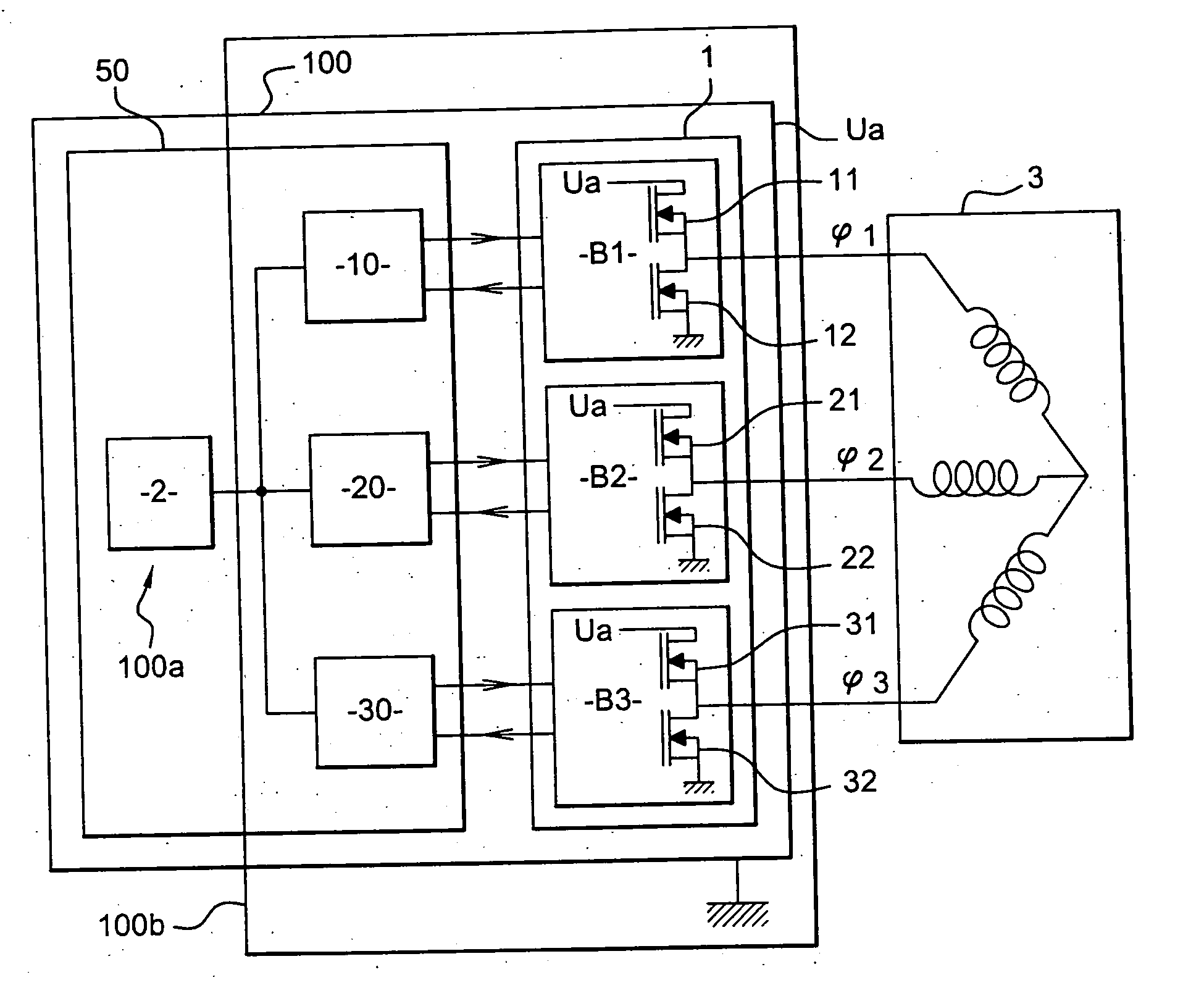
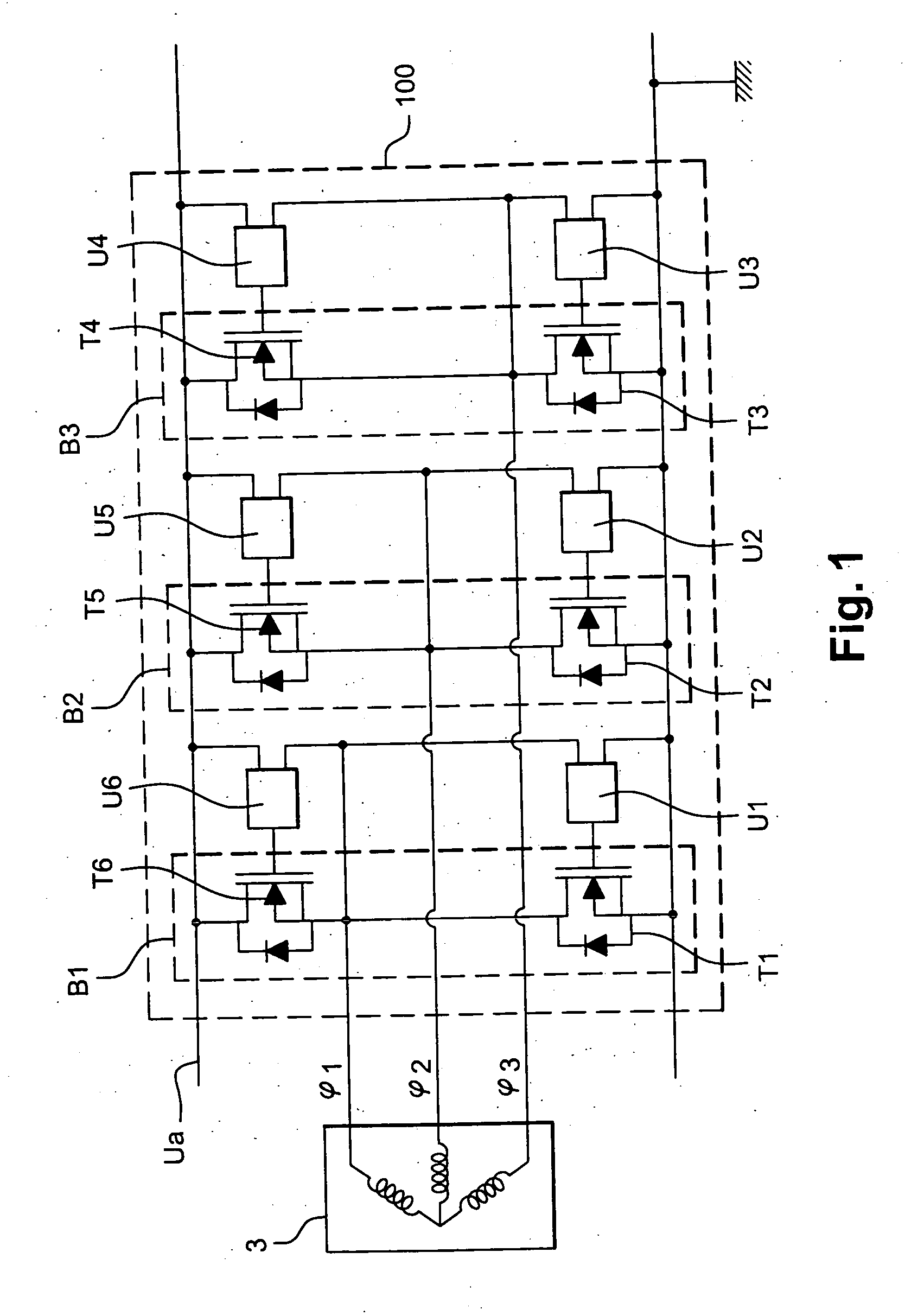
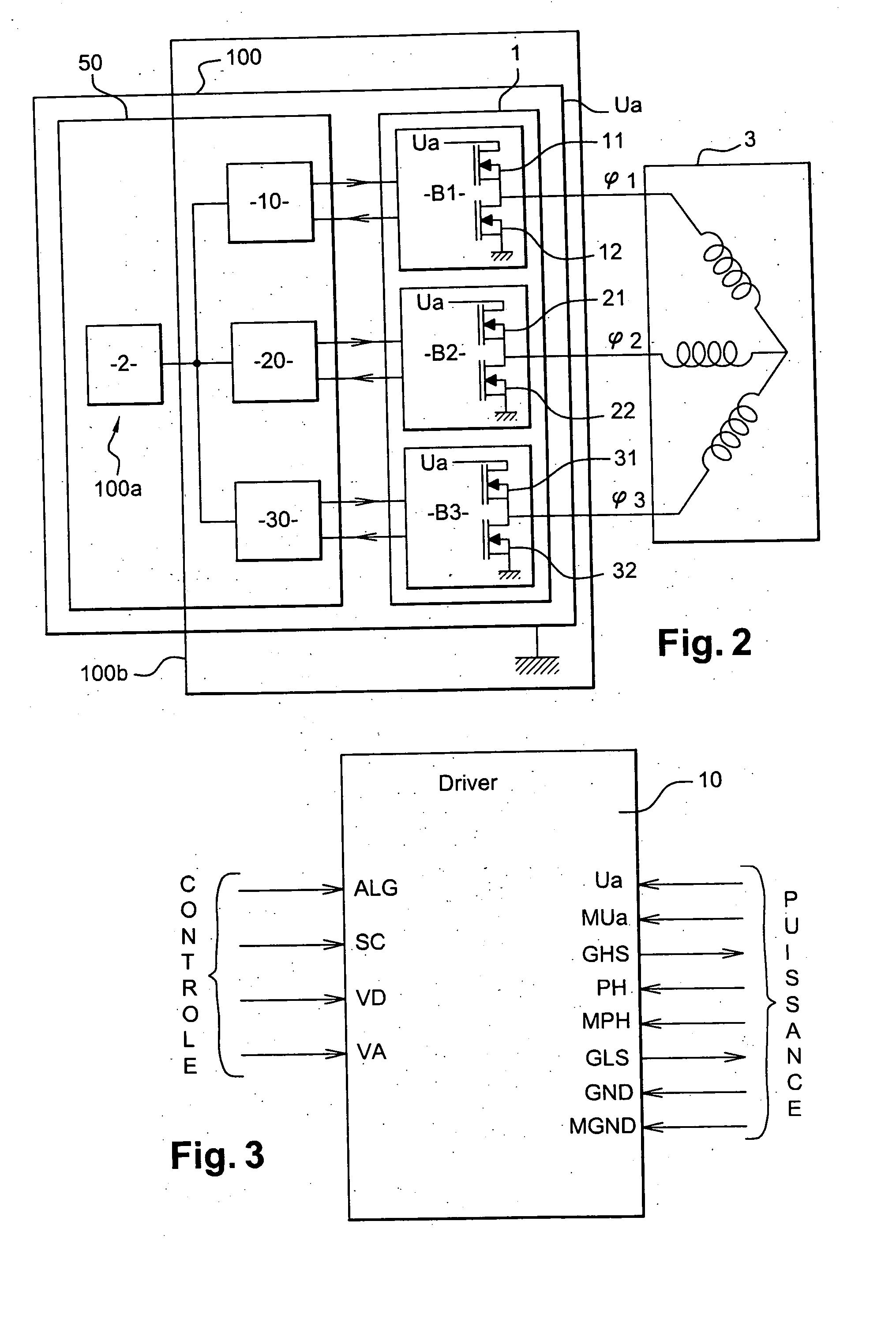

Load adaptive power supply
PatentActiveUS20190326830A1
Innovation
- A load adaptive power supply that includes a conducting resistance controllable bridge rectifying unit, a driving circuit unit, a load power measurement unit, and a digital microcontroller unit, which adjusts the on-resistance of the bridge rectifying unit based on load power values using pulse modulation signals to enhance power conversion efficiency.

EMI/EMC Compliance Standards for Power-MCU Systems
The integration of bridge rectifiers with microcontroller units creates complex electromagnetic environments that demand strict adherence to established EMI/EMC compliance standards. These systems must satisfy multiple regulatory frameworks including IEC 61000 series, CISPR standards, and regional requirements such as FCC Part 15 for North America and EN 55032 for Europe. The computational nature of microcontrollers introduces high-frequency switching activities that can significantly impact electromagnetic compatibility when combined with power conversion circuits.
Bridge rectifier circuits inherently generate electromagnetic interference through their switching operations and current commutation processes. When coupled with microcontroller systems, these effects are amplified due to the digital processing activities occurring simultaneously. The primary EMC standards applicable to such hybrid systems include IEC 61000-4-3 for radiated immunity testing, IEC 61000-4-4 for electrical fast transient immunity, and IEC 61000-4-5 for surge immunity testing. These standards establish specific test methodologies and acceptance criteria for power-MCU integrated systems.
Conducted emissions represent a critical compliance challenge in bridge rectifier-microcontroller configurations. CISPR 25 standards specifically address automotive applications where such systems are prevalent, defining measurement procedures for conducted disturbances in the frequency range of 150 kHz to 108 MHz. The standard establishes different severity levels based on the intended application environment and operational requirements.
Radiated emissions compliance becomes particularly complex due to the dual nature of power conversion and digital processing functions. EN 55032 Class A and Class B limits apply depending on the intended use environment, with residential applications requiring more stringent Class B compliance. The computational activities of microcontrollers can create harmonic content that extends well beyond traditional power electronics frequency ranges, necessitating comprehensive testing across extended frequency spectrums.
Immunity standards such as IEC 61000-4-6 for conducted RF immunity and IEC 61000-4-8 for power frequency magnetic field immunity are essential for ensuring reliable operation in electromagnetically hostile environments. These standards define test severity levels ranging from basic residential environments to heavy industrial applications, with specific requirements for power-MCU systems operating in automotive and industrial control applications.
Bridge rectifier circuits inherently generate electromagnetic interference through their switching operations and current commutation processes. When coupled with microcontroller systems, these effects are amplified due to the digital processing activities occurring simultaneously. The primary EMC standards applicable to such hybrid systems include IEC 61000-4-3 for radiated immunity testing, IEC 61000-4-4 for electrical fast transient immunity, and IEC 61000-4-5 for surge immunity testing. These standards establish specific test methodologies and acceptance criteria for power-MCU integrated systems.
Conducted emissions represent a critical compliance challenge in bridge rectifier-microcontroller configurations. CISPR 25 standards specifically address automotive applications where such systems are prevalent, defining measurement procedures for conducted disturbances in the frequency range of 150 kHz to 108 MHz. The standard establishes different severity levels based on the intended application environment and operational requirements.
Radiated emissions compliance becomes particularly complex due to the dual nature of power conversion and digital processing functions. EN 55032 Class A and Class B limits apply depending on the intended use environment, with residential applications requiring more stringent Class B compliance. The computational activities of microcontrollers can create harmonic content that extends well beyond traditional power electronics frequency ranges, necessitating comprehensive testing across extended frequency spectrums.
Immunity standards such as IEC 61000-4-6 for conducted RF immunity and IEC 61000-4-8 for power frequency magnetic field immunity are essential for ensuring reliable operation in electromagnetically hostile environments. These standards define test severity levels ranging from basic residential environments to heavy industrial applications, with specific requirements for power-MCU systems operating in automotive and industrial control applications.
Thermal Management in Integrated Power-Control Architectures
Thermal management represents a critical design consideration in integrated power-control architectures, particularly when evaluating the computational influence between bridge rectifiers and microcontrollers. The fundamental challenge lies in managing heat dissipation across heterogeneous components that operate at different power levels and thermal characteristics within a unified system architecture.
Bridge rectifiers generate substantial heat through power conversion processes, with thermal losses primarily occurring during switching transitions and conduction phases. The heat generation follows predictable patterns based on load current and switching frequency, creating localized thermal hotspots that can reach temperatures exceeding 100°C under full load conditions. This thermal behavior contrasts sharply with microcontroller thermal profiles, which exhibit more distributed heat generation across processing cores and peripheral circuits.
Microcontrollers present unique thermal management challenges due to their dynamic computational loads and variable power consumption patterns. Unlike bridge rectifiers with relatively steady thermal output, microcontrollers experience thermal transients corresponding to processing intensity, creating unpredictable thermal gradients that complicate system-level thermal design. The computational influence becomes particularly pronounced when microcontrollers manage power conversion algorithms, as increased processing demands directly correlate with elevated junction temperatures.
Integrated architectures must address thermal coupling effects between power conversion and control subsystems. Heat generated by bridge rectifiers can significantly impact microcontroller performance through elevated ambient temperatures, potentially causing computational throttling or reliability degradation. Conversely, microcontroller thermal output, while lower in absolute terms, can influence sensitive analog components within power conversion circuits, affecting conversion efficiency and control precision.
Advanced thermal management strategies for these integrated systems include strategic component placement, thermal interface materials, and active cooling solutions. Thermal isolation techniques help minimize cross-coupling between power and control domains, while shared cooling infrastructure optimizes overall system thermal performance. The selection between different thermal management approaches depends heavily on the specific computational requirements and power conversion specifications of the integrated architecture.
Bridge rectifiers generate substantial heat through power conversion processes, with thermal losses primarily occurring during switching transitions and conduction phases. The heat generation follows predictable patterns based on load current and switching frequency, creating localized thermal hotspots that can reach temperatures exceeding 100°C under full load conditions. This thermal behavior contrasts sharply with microcontroller thermal profiles, which exhibit more distributed heat generation across processing cores and peripheral circuits.
Microcontrollers present unique thermal management challenges due to their dynamic computational loads and variable power consumption patterns. Unlike bridge rectifiers with relatively steady thermal output, microcontrollers experience thermal transients corresponding to processing intensity, creating unpredictable thermal gradients that complicate system-level thermal design. The computational influence becomes particularly pronounced when microcontrollers manage power conversion algorithms, as increased processing demands directly correlate with elevated junction temperatures.
Integrated architectures must address thermal coupling effects between power conversion and control subsystems. Heat generated by bridge rectifiers can significantly impact microcontroller performance through elevated ambient temperatures, potentially causing computational throttling or reliability degradation. Conversely, microcontroller thermal output, while lower in absolute terms, can influence sensitive analog components within power conversion circuits, affecting conversion efficiency and control precision.
Advanced thermal management strategies for these integrated systems include strategic component placement, thermal interface materials, and active cooling solutions. Thermal isolation techniques help minimize cross-coupling between power and control domains, while shared cooling infrastructure optimizes overall system thermal performance. The selection between different thermal management approaches depends heavily on the specific computational requirements and power conversion specifications of the integrated architecture.
Unlock deeper insights with Patsnap Eureka Quick Research — get a full tech report to explore trends and direct your research. Try now!
Generate Your Research Report Instantly with AI Agent
Supercharge your innovation with Patsnap Eureka AI Agent Platform!