

Characterizing Magnesium iron silicate hydroxide wear reduction.
JUL 17, 20259 MIN READ
Generate Your Research Report Instantly with AI Agent
PatSnap Eureka helps you evaluate technical feasibility & market potential.
Magnesium Iron Silicate Hydroxide Background
Magnesium iron silicate hydroxide, also known as lizardite, is a naturally occurring mineral belonging to the serpentine group. This mineral has gained significant attention in recent years due to its unique properties and potential applications in various industries, particularly in the field of wear reduction and tribology.
The mineral's structure consists of layers of magnesium-rich octahedral sheets sandwiched between silica tetrahedral sheets, with iron substituting for some of the magnesium atoms. This layered structure contributes to its exceptional mechanical and chemical properties, making it an interesting subject for wear reduction studies.
Historically, magnesium iron silicate hydroxide has been primarily known for its role in geological processes, particularly in the formation of serpentinite rocks. However, its potential as a material for wear reduction applications has only recently come to the forefront of scientific research and industrial interest.
The growing focus on sustainable and environmentally friendly materials has further propelled the exploration of magnesium iron silicate hydroxide. Its abundance in nature and relatively low environmental impact make it an attractive alternative to traditional wear-resistant materials, many of which rely on scarce or environmentally problematic elements.
In the context of wear reduction, magnesium iron silicate hydroxide exhibits several promising characteristics. Its layered structure allows for easy shearing between layers, potentially reducing friction in sliding contacts. Additionally, the presence of hydroxyl groups in its structure may contribute to the formation of beneficial tribofilms, which can protect surfaces from wear.
Recent studies have begun to explore the mechanisms by which magnesium iron silicate hydroxide reduces wear. These investigations have focused on understanding the mineral's behavior under various conditions, including different loads, speeds, and environmental factors. The goal is to characterize its performance and identify optimal conditions for its use in wear reduction applications.
The potential applications of magnesium iron silicate hydroxide in wear reduction span a wide range of industries. From automotive and aerospace to industrial machinery and energy production, the mineral's properties could lead to significant improvements in the longevity and efficiency of mechanical systems.
As research in this area progresses, scientists and engineers are working to overcome challenges related to the integration of magnesium iron silicate hydroxide into existing materials and systems. This includes developing methods for its synthesis, optimizing its composition, and creating composite materials that leverage its unique properties.
The mineral's structure consists of layers of magnesium-rich octahedral sheets sandwiched between silica tetrahedral sheets, with iron substituting for some of the magnesium atoms. This layered structure contributes to its exceptional mechanical and chemical properties, making it an interesting subject for wear reduction studies.
Historically, magnesium iron silicate hydroxide has been primarily known for its role in geological processes, particularly in the formation of serpentinite rocks. However, its potential as a material for wear reduction applications has only recently come to the forefront of scientific research and industrial interest.
The growing focus on sustainable and environmentally friendly materials has further propelled the exploration of magnesium iron silicate hydroxide. Its abundance in nature and relatively low environmental impact make it an attractive alternative to traditional wear-resistant materials, many of which rely on scarce or environmentally problematic elements.
In the context of wear reduction, magnesium iron silicate hydroxide exhibits several promising characteristics. Its layered structure allows for easy shearing between layers, potentially reducing friction in sliding contacts. Additionally, the presence of hydroxyl groups in its structure may contribute to the formation of beneficial tribofilms, which can protect surfaces from wear.
Recent studies have begun to explore the mechanisms by which magnesium iron silicate hydroxide reduces wear. These investigations have focused on understanding the mineral's behavior under various conditions, including different loads, speeds, and environmental factors. The goal is to characterize its performance and identify optimal conditions for its use in wear reduction applications.
The potential applications of magnesium iron silicate hydroxide in wear reduction span a wide range of industries. From automotive and aerospace to industrial machinery and energy production, the mineral's properties could lead to significant improvements in the longevity and efficiency of mechanical systems.
As research in this area progresses, scientists and engineers are working to overcome challenges related to the integration of magnesium iron silicate hydroxide into existing materials and systems. This includes developing methods for its synthesis, optimizing its composition, and creating composite materials that leverage its unique properties.
Market Demand Analysis
The market demand for magnesium iron silicate hydroxide wear reduction technology has been steadily growing across various industries, particularly in automotive, aerospace, and manufacturing sectors. This increasing interest is driven by the need for more efficient and durable materials that can withstand high-stress environments while reducing maintenance costs and improving overall performance.
In the automotive industry, the demand for wear-resistant materials has surged due to the push for lighter, more fuel-efficient vehicles. Magnesium iron silicate hydroxide coatings offer a promising solution to reduce friction and wear in engine components, transmission systems, and other moving parts. This technology has the potential to significantly extend the lifespan of critical automotive components, leading to reduced maintenance costs and improved vehicle reliability.
The aerospace sector has also shown considerable interest in this wear reduction technology. With the constant need for materials that can withstand extreme conditions while maintaining structural integrity, magnesium iron silicate hydroxide coatings present a viable option for protecting aircraft components from wear and corrosion. The ability to enhance the durability of aerospace parts without adding significant weight is particularly attractive to manufacturers seeking to optimize fuel efficiency and performance.
In the manufacturing industry, the demand for wear-resistant materials continues to grow as companies seek to improve the longevity and efficiency of their production equipment. Magnesium iron silicate hydroxide coatings can be applied to various tools, dies, and machinery components to reduce wear and extend their operational life. This technology has the potential to significantly reduce downtime and replacement costs in manufacturing processes, making it an attractive investment for companies looking to optimize their production capabilities.
The global market for wear-resistant coatings, including magnesium iron silicate hydroxide-based solutions, is expected to experience substantial growth in the coming years. Factors contributing to this growth include the increasing adoption of advanced materials in various industries, the rising demand for high-performance coatings, and the growing emphasis on sustainability and resource efficiency.
As environmental concerns continue to shape industry practices, the market demand for eco-friendly wear reduction solutions is also on the rise. Magnesium iron silicate hydroxide coatings offer a potentially more sustainable alternative to traditional wear-resistant materials, aligning with the growing trend towards environmentally responsible manufacturing processes and products.
In the automotive industry, the demand for wear-resistant materials has surged due to the push for lighter, more fuel-efficient vehicles. Magnesium iron silicate hydroxide coatings offer a promising solution to reduce friction and wear in engine components, transmission systems, and other moving parts. This technology has the potential to significantly extend the lifespan of critical automotive components, leading to reduced maintenance costs and improved vehicle reliability.
The aerospace sector has also shown considerable interest in this wear reduction technology. With the constant need for materials that can withstand extreme conditions while maintaining structural integrity, magnesium iron silicate hydroxide coatings present a viable option for protecting aircraft components from wear and corrosion. The ability to enhance the durability of aerospace parts without adding significant weight is particularly attractive to manufacturers seeking to optimize fuel efficiency and performance.
In the manufacturing industry, the demand for wear-resistant materials continues to grow as companies seek to improve the longevity and efficiency of their production equipment. Magnesium iron silicate hydroxide coatings can be applied to various tools, dies, and machinery components to reduce wear and extend their operational life. This technology has the potential to significantly reduce downtime and replacement costs in manufacturing processes, making it an attractive investment for companies looking to optimize their production capabilities.
The global market for wear-resistant coatings, including magnesium iron silicate hydroxide-based solutions, is expected to experience substantial growth in the coming years. Factors contributing to this growth include the increasing adoption of advanced materials in various industries, the rising demand for high-performance coatings, and the growing emphasis on sustainability and resource efficiency.
As environmental concerns continue to shape industry practices, the market demand for eco-friendly wear reduction solutions is also on the rise. Magnesium iron silicate hydroxide coatings offer a potentially more sustainable alternative to traditional wear-resistant materials, aligning with the growing trend towards environmentally responsible manufacturing processes and products.
Current Challenges in Wear Reduction
Despite significant advancements in wear reduction technologies, the field of magnesium iron silicate hydroxide (MISH) wear reduction faces several critical challenges. These obstacles hinder the widespread adoption and optimal performance of MISH-based solutions in various industrial applications.
One of the primary challenges is the complex nature of MISH materials and their interaction with different surfaces. The wear reduction mechanisms of MISH are not fully understood, making it difficult to predict and optimize their performance across diverse operating conditions. This lack of comprehensive knowledge impedes the development of tailored solutions for specific industrial needs.
Another significant hurdle is the variability in MISH composition and structure. Depending on the source and processing methods, MISH materials can exhibit different properties, leading to inconsistent wear reduction performance. Standardizing the production and characterization of MISH materials remains a challenge, affecting the reproducibility and reliability of wear reduction solutions.
The integration of MISH-based wear reduction technologies into existing industrial processes poses additional challenges. Many industries have established manufacturing and maintenance procedures that may not be easily adaptable to incorporate MISH solutions. This resistance to change and the potential need for equipment modifications can slow down the adoption of MISH wear reduction technologies.
Environmental factors also present challenges in MISH wear reduction. The performance of MISH materials can be significantly affected by temperature, humidity, and chemical exposure. Developing wear reduction solutions that maintain their effectiveness across a wide range of environmental conditions remains a key challenge for researchers and engineers.
The long-term stability and durability of MISH-based wear reduction coatings or additives is another area of concern. While initial performance may be promising, ensuring that these solutions maintain their wear reduction properties over extended periods and under continuous stress is crucial for their practical application.
Cost-effectiveness is a persistent challenge in the field of MISH wear reduction. Although MISH materials offer potential benefits, the expenses associated with their production, application, and maintenance must be competitive with existing wear reduction solutions to justify their adoption in industrial settings.
Lastly, the development of accurate and standardized testing methodologies for MISH wear reduction presents a significant challenge. Current testing protocols may not fully capture the unique properties and performance characteristics of MISH materials, leading to potential discrepancies between laboratory results and real-world performance.
Addressing these challenges requires a multidisciplinary approach, combining materials science, tribology, surface engineering, and industrial process optimization. Overcoming these obstacles will be crucial for realizing the full potential of MISH-based wear reduction technologies and their widespread implementation across various industries.
One of the primary challenges is the complex nature of MISH materials and their interaction with different surfaces. The wear reduction mechanisms of MISH are not fully understood, making it difficult to predict and optimize their performance across diverse operating conditions. This lack of comprehensive knowledge impedes the development of tailored solutions for specific industrial needs.
Another significant hurdle is the variability in MISH composition and structure. Depending on the source and processing methods, MISH materials can exhibit different properties, leading to inconsistent wear reduction performance. Standardizing the production and characterization of MISH materials remains a challenge, affecting the reproducibility and reliability of wear reduction solutions.
The integration of MISH-based wear reduction technologies into existing industrial processes poses additional challenges. Many industries have established manufacturing and maintenance procedures that may not be easily adaptable to incorporate MISH solutions. This resistance to change and the potential need for equipment modifications can slow down the adoption of MISH wear reduction technologies.
Environmental factors also present challenges in MISH wear reduction. The performance of MISH materials can be significantly affected by temperature, humidity, and chemical exposure. Developing wear reduction solutions that maintain their effectiveness across a wide range of environmental conditions remains a key challenge for researchers and engineers.
The long-term stability and durability of MISH-based wear reduction coatings or additives is another area of concern. While initial performance may be promising, ensuring that these solutions maintain their wear reduction properties over extended periods and under continuous stress is crucial for their practical application.
Cost-effectiveness is a persistent challenge in the field of MISH wear reduction. Although MISH materials offer potential benefits, the expenses associated with their production, application, and maintenance must be competitive with existing wear reduction solutions to justify their adoption in industrial settings.
Lastly, the development of accurate and standardized testing methodologies for MISH wear reduction presents a significant challenge. Current testing protocols may not fully capture the unique properties and performance characteristics of MISH materials, leading to potential discrepancies between laboratory results and real-world performance.
Addressing these challenges requires a multidisciplinary approach, combining materials science, tribology, surface engineering, and industrial process optimization. Overcoming these obstacles will be crucial for realizing the full potential of MISH-based wear reduction technologies and their widespread implementation across various industries.
Existing Wear Reduction Solutions
01 Wear-resistant coatings containing magnesium iron silicate hydroxide
Magnesium iron silicate hydroxide is used as a component in wear-resistant coatings. These coatings are applied to various surfaces to improve their durability and resistance to abrasion. The incorporation of this mineral enhances the overall performance of the coating, making it suitable for applications in industries where wear protection is crucial.- Wear-resistant coatings containing magnesium iron silicate hydroxide: Magnesium iron silicate hydroxide is used as a component in wear-resistant coatings. These coatings are applied to various surfaces to improve their durability and resistance to abrasion. The incorporation of this mineral enhances the overall performance of the coating, making it suitable for applications in industries where wear protection is crucial.
- Magnesium iron silicate hydroxide in friction materials: The mineral is utilized in the production of friction materials, such as brake pads and clutch facings. Its inclusion helps to improve the wear resistance and thermal stability of these components, leading to enhanced performance and longevity in automotive and industrial applications.
- Magnesium iron silicate hydroxide in ceramic compositions: Ceramic compositions incorporating magnesium iron silicate hydroxide exhibit improved wear resistance and mechanical properties. These ceramics find applications in various industries, including electronics, construction, and manufacturing, where durability and resistance to abrasion are essential.
- Use in abrasive materials and tools: Magnesium iron silicate hydroxide is employed in the production of abrasive materials and tools. Its incorporation enhances the wear resistance and cutting efficiency of these products, making them suitable for various grinding, polishing, and machining applications across different industries.
- Magnesium iron silicate hydroxide in composite materials: The mineral is used as a reinforcing agent in composite materials, enhancing their wear resistance and mechanical properties. These composites find applications in aerospace, automotive, and construction industries, where materials with high durability and low wear rates are required.
02 Magnesium iron silicate hydroxide in friction materials
The mineral is utilized in the formulation of friction materials, particularly for brake pads and clutch facings. Its inclusion helps to improve the wear resistance and thermal stability of these components, leading to enhanced performance and longevity in automotive and industrial applications.Expand Specific Solutions03 Use in ceramic compositions for improved wear resistance
Magnesium iron silicate hydroxide is incorporated into ceramic compositions to enhance their wear resistance properties. These ceramics find applications in various industries, including manufacturing, construction, and electronics, where resistance to abrasion and mechanical stress is essential.Expand Specific Solutions04 Magnesium iron silicate hydroxide in polymer composites
The mineral is used as a filler in polymer composites to improve their wear resistance and mechanical properties. These composites are employed in the production of durable consumer goods, industrial components, and protective coatings, offering enhanced longevity and performance in high-wear environments.Expand Specific Solutions05 Application in abrasive materials and tools
Magnesium iron silicate hydroxide is utilized in the manufacturing of abrasive materials and tools. Its incorporation enhances the wear resistance and cutting efficiency of these products, making them suitable for various industrial and commercial applications where precision and durability are required.Expand Specific Solutions
Key Industry Players
The characterization of magnesium iron silicate hydroxide wear reduction is in an early development stage, with a growing market driven by the increasing demand for advanced lubricants and wear-resistant materials. The technology's maturity is still evolving, with key players like Chevron Oronite, POSCO Holdings, and Toshiba Corp. investing in research and development. Academic institutions such as Harbin Institute of Technology and Southwest Jiaotong University are contributing to the fundamental understanding of this technology. Companies like REWITEC GmbH and KS Kolbenschmidt GmbH are exploring practical applications in machinery and engine components. The competitive landscape is diverse, with both established corporations and specialized firms vying for market share in this emerging field.
REWITEC GmbH
Technical Solution: REWITEC GmbH specializes in nano- and micro-particle-based surface treatments, including those utilizing magnesium iron silicate hydroxide (MISH) for wear reduction. Their innovative approach involves the development of MISH-based additives that can be introduced into lubricants to form protective layers on metal surfaces. REWITEC's technology allows for in-situ formation of MISH films during equipment operation, providing continuous wear protection[8]. The company has conducted extensive characterization of the MISH layers formed by their additives, demonstrating significant improvements in surface hardness and friction reduction. In industrial trials, REWITEC's MISH technology has shown the ability to reduce wear by up to 60% in various mechanical systems, including gearboxes and engines[9].
Strengths: Easy application through existing lubrication systems, ongoing wear protection. Weaknesses: Effectiveness may vary depending on operating conditions and base lubricant compatibility.
Weir Minerals Australia Ltd.
Technical Solution: Weir Minerals Australia Ltd. has focused on characterizing and implementing magnesium iron silicate hydroxide (MISH) for wear reduction in mining and mineral processing equipment. Their approach involves the development of MISH-based linings and coatings for high-wear areas in pumps, cyclones, and other equipment. Weir's research has shown that MISH materials can significantly extend the operational life of components exposed to abrasive slurries[4]. The company has developed a proprietary process for applying MISH coatings that ensures strong adhesion to substrate materials and optimal wear resistance. In field trials, Weir's MISH-enhanced components have demonstrated up to 30% longer service life compared to traditional wear-resistant materials[5].
Strengths: Proven effectiveness in harsh mining environments, extended equipment lifespan. Weaknesses: Limited to specific industry applications, potentially higher initial costs.
Core Innovations in Material Science
Lubricating oil compositions
PatentInactiveUS8153566B2
Innovation
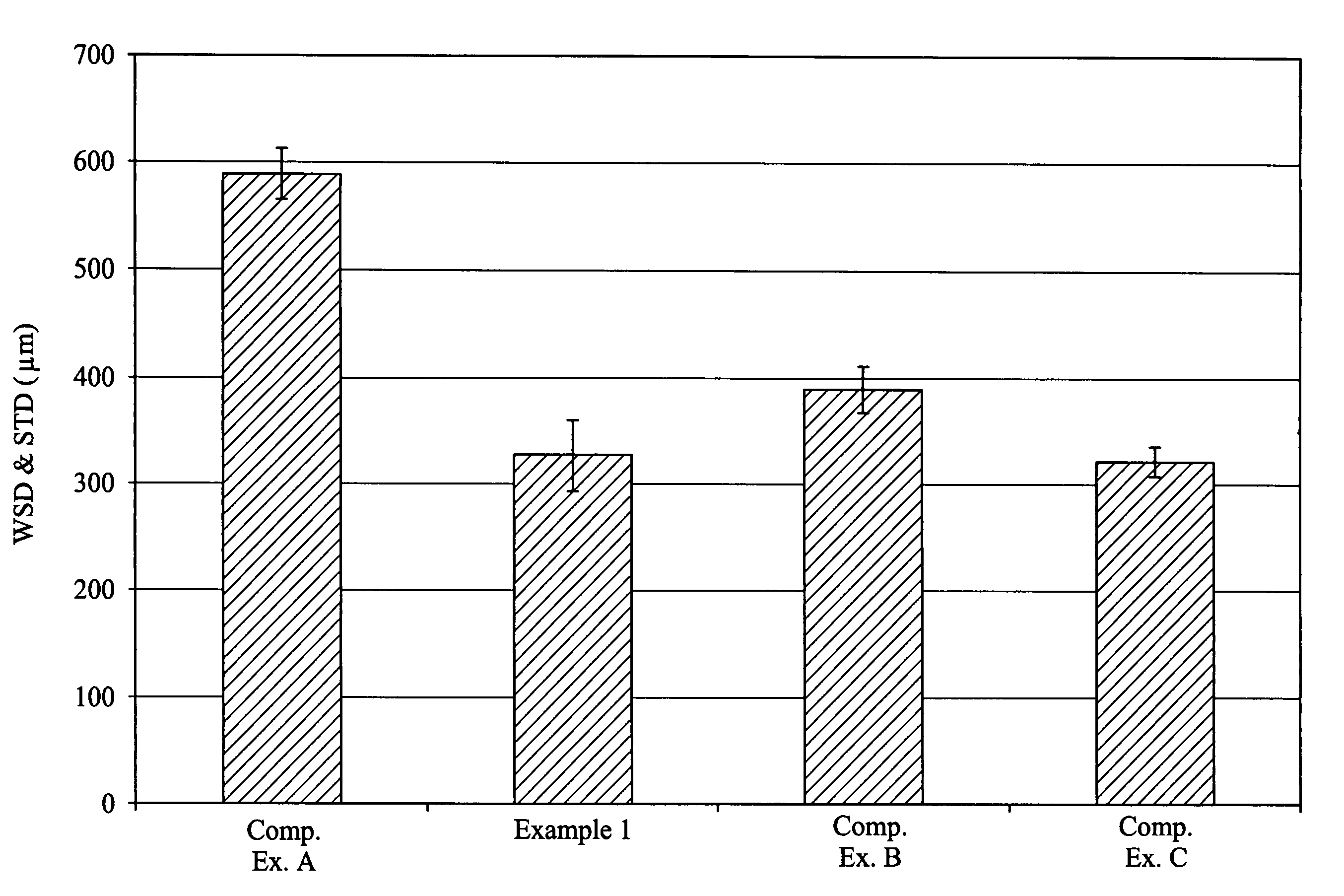
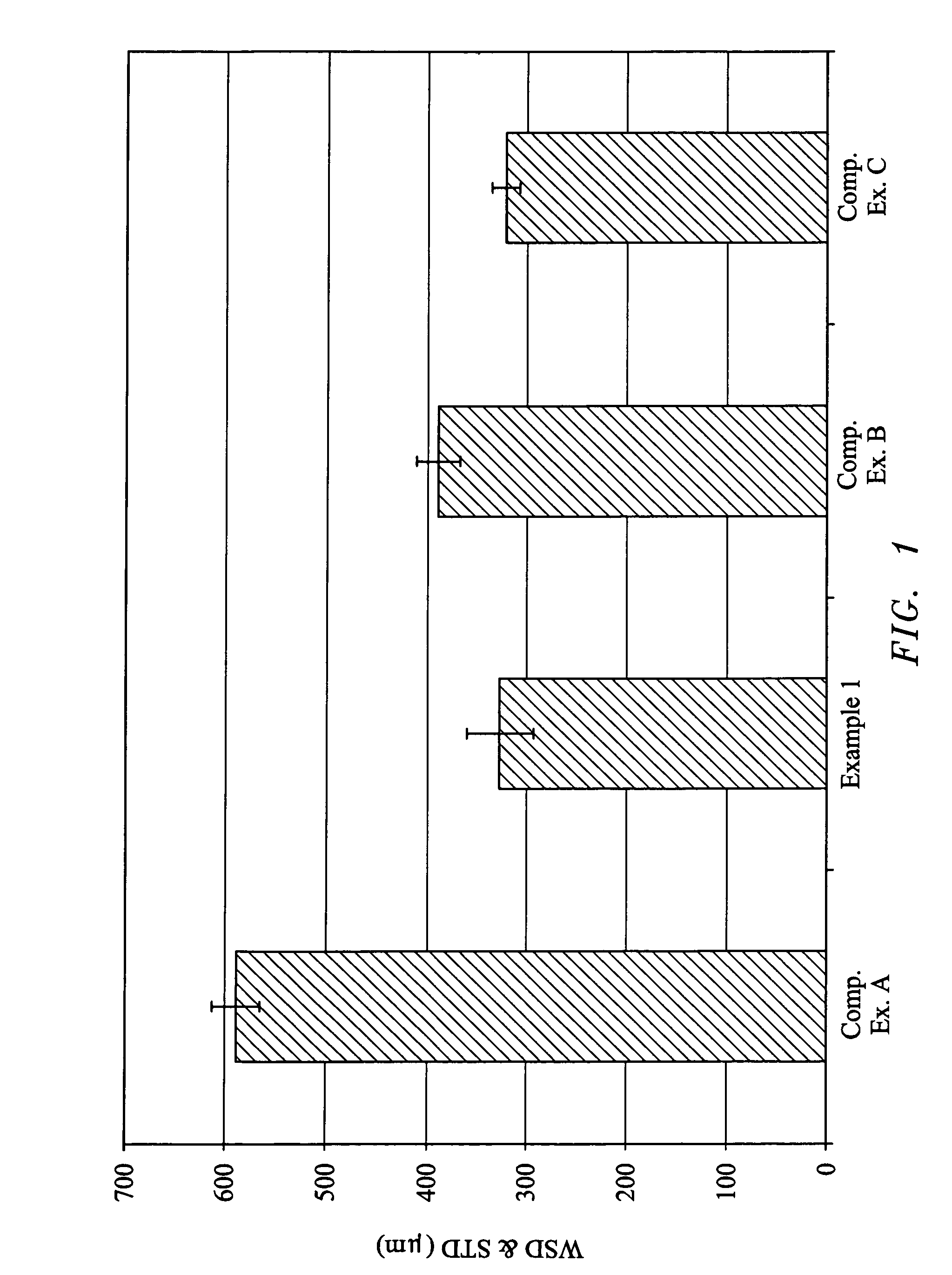
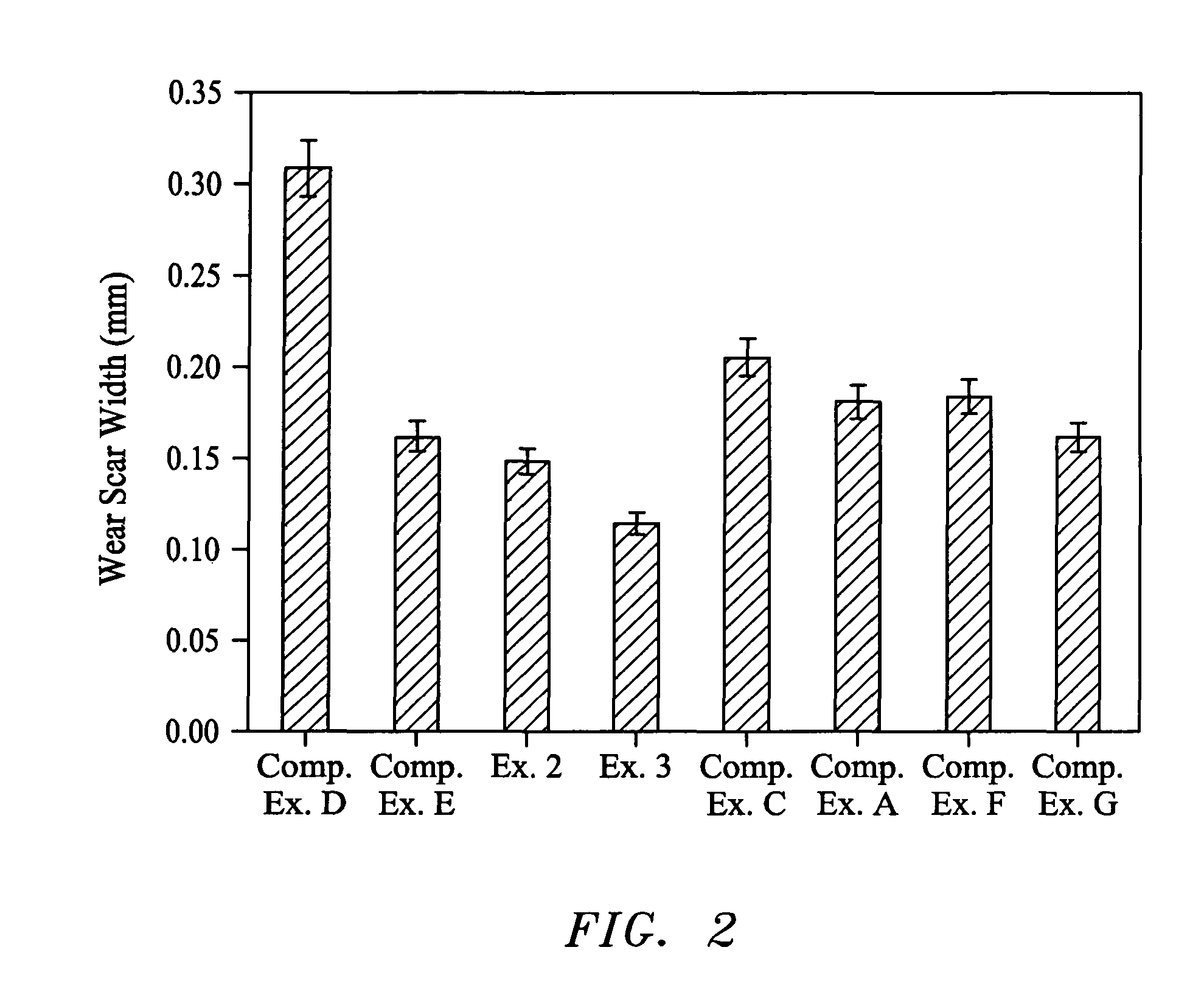
- The development of lubricating oil compositions that include oil-soluble tetra-functional hydrolyzable silane compounds, which provide wear-reducing properties comparable to or greater than those of ZDDP without containing zinc dialkyl dithiophosphate, thus avoiding phosphorus and sulfur content limitations.

Loading agent to be admixed to a processing liquid of a technical installation, use of a loading agent, and method for treating the surface of working components of a technical installation
PatentWO2006058768A1
Innovation
- An additive comprising iron-magnesium hydroxide silicate, polymer silicates, and abrasives like lizardite or talc is admixed with the fuel or lubricant, forming a metal-ceramic coating that reduces friction and wear by creating a homogeneous, stable surface layer.
Environmental Impact Assessment
The environmental impact assessment of magnesium iron silicate hydroxide wear reduction technology is a critical aspect of its development and implementation. This assessment focuses on the potential effects of this technology on various environmental components, including air, water, soil, and ecosystems.
One of the primary environmental benefits of magnesium iron silicate hydroxide wear reduction is the potential decrease in particulate matter emissions. As this technology aims to reduce wear in mechanical systems, it can lead to a significant reduction in the generation of fine particles that would otherwise be released into the atmosphere. This reduction in particulate matter can have positive implications for air quality, particularly in urban areas where industrial activities and transportation are major contributors to air pollution.
Water resources may also be positively impacted by the implementation of this wear reduction technology. By minimizing the wear of mechanical components, there is a potential reduction in the release of metal particles and other contaminants into water systems. This can help maintain water quality in both surface and groundwater resources, potentially reducing the need for extensive water treatment processes.
The soil environment may benefit from reduced contamination as a result of decreased wear particle deposition. Magnesium iron silicate hydroxide wear reduction technology can minimize the accumulation of metal particles in soil, which could otherwise lead to changes in soil chemistry and potentially affect plant growth and soil microbial communities.
From an ecosystem perspective, the reduction in wear particles can have far-reaching effects. Aquatic ecosystems, in particular, may benefit from decreased metal contamination in water bodies, potentially leading to improved habitat conditions for various aquatic species. Terrestrial ecosystems may also experience reduced exposure to airborne particulates, which can affect plant health and animal respiratory systems.
The lifecycle assessment of products utilizing this wear reduction technology is an important consideration. The production and application of magnesium iron silicate hydroxide coatings or additives may have their own environmental footprint, which needs to be weighed against the long-term benefits of reduced wear. Factors such as energy consumption, resource extraction, and waste generation during the manufacturing process should be carefully evaluated.
Additionally, the potential for improved energy efficiency in mechanical systems due to reduced friction and wear should be considered as part of the environmental impact assessment. Lower energy consumption can translate to reduced greenhouse gas emissions, contributing to broader climate change mitigation efforts.
One of the primary environmental benefits of magnesium iron silicate hydroxide wear reduction is the potential decrease in particulate matter emissions. As this technology aims to reduce wear in mechanical systems, it can lead to a significant reduction in the generation of fine particles that would otherwise be released into the atmosphere. This reduction in particulate matter can have positive implications for air quality, particularly in urban areas where industrial activities and transportation are major contributors to air pollution.
Water resources may also be positively impacted by the implementation of this wear reduction technology. By minimizing the wear of mechanical components, there is a potential reduction in the release of metal particles and other contaminants into water systems. This can help maintain water quality in both surface and groundwater resources, potentially reducing the need for extensive water treatment processes.
The soil environment may benefit from reduced contamination as a result of decreased wear particle deposition. Magnesium iron silicate hydroxide wear reduction technology can minimize the accumulation of metal particles in soil, which could otherwise lead to changes in soil chemistry and potentially affect plant growth and soil microbial communities.
From an ecosystem perspective, the reduction in wear particles can have far-reaching effects. Aquatic ecosystems, in particular, may benefit from decreased metal contamination in water bodies, potentially leading to improved habitat conditions for various aquatic species. Terrestrial ecosystems may also experience reduced exposure to airborne particulates, which can affect plant health and animal respiratory systems.
The lifecycle assessment of products utilizing this wear reduction technology is an important consideration. The production and application of magnesium iron silicate hydroxide coatings or additives may have their own environmental footprint, which needs to be weighed against the long-term benefits of reduced wear. Factors such as energy consumption, resource extraction, and waste generation during the manufacturing process should be carefully evaluated.
Additionally, the potential for improved energy efficiency in mechanical systems due to reduced friction and wear should be considered as part of the environmental impact assessment. Lower energy consumption can translate to reduced greenhouse gas emissions, contributing to broader climate change mitigation efforts.
Regulatory Compliance for Industrial Materials
Regulatory compliance for industrial materials is a critical aspect of the characterization and application of magnesium iron silicate hydroxide (MISH) in wear reduction. The use of MISH in industrial settings is subject to various regulations and standards to ensure safety, environmental protection, and product quality.
In the United States, the Occupational Safety and Health Administration (OSHA) sets guidelines for the handling and use of industrial materials, including MISH. These regulations cover aspects such as exposure limits, personal protective equipment requirements, and proper storage and handling procedures. The Environmental Protection Agency (EPA) also plays a role in regulating the environmental impact of MISH, particularly in terms of waste disposal and potential contamination of air, water, and soil.
The European Union has implemented the Registration, Evaluation, Authorization, and Restriction of Chemicals (REACH) regulation, which applies to the production and use of MISH within EU member states. This comprehensive regulatory framework requires manufacturers and importers to register substances, assess their potential risks, and implement appropriate risk management measures.
International standards organizations, such as the International Organization for Standardization (ISO), have developed specific standards for the characterization and testing of industrial materials like MISH. These standards ensure consistency in quality control and performance evaluation across different manufacturers and applications.
In the context of wear reduction applications, regulatory compliance extends to the performance and safety of the final products incorporating MISH. For instance, in automotive applications, the use of MISH in brake pads or other friction materials must meet specific safety standards set by regulatory bodies such as the National Highway Traffic Safety Administration (NHTSA) in the United States or the European New Car Assessment Programme (Euro NCAP) in Europe.
Manufacturers and researchers working with MISH must also adhere to material safety data sheet (MSDS) requirements, providing detailed information on the composition, potential hazards, and safe handling procedures for the material. This documentation is crucial for ensuring workplace safety and compliance with hazard communication standards.
As the understanding of MISH's properties and potential applications in wear reduction continues to evolve, regulatory frameworks may need to adapt. Ongoing research into the long-term environmental and health impacts of MISH may lead to updates in existing regulations or the development of new standards specific to this material.
Compliance with these regulations and standards is essential for companies developing and implementing MISH-based wear reduction solutions. It not only ensures legal and ethical operation but also contributes to the overall safety and effectiveness of the technology in industrial applications.
In the United States, the Occupational Safety and Health Administration (OSHA) sets guidelines for the handling and use of industrial materials, including MISH. These regulations cover aspects such as exposure limits, personal protective equipment requirements, and proper storage and handling procedures. The Environmental Protection Agency (EPA) also plays a role in regulating the environmental impact of MISH, particularly in terms of waste disposal and potential contamination of air, water, and soil.
The European Union has implemented the Registration, Evaluation, Authorization, and Restriction of Chemicals (REACH) regulation, which applies to the production and use of MISH within EU member states. This comprehensive regulatory framework requires manufacturers and importers to register substances, assess their potential risks, and implement appropriate risk management measures.
International standards organizations, such as the International Organization for Standardization (ISO), have developed specific standards for the characterization and testing of industrial materials like MISH. These standards ensure consistency in quality control and performance evaluation across different manufacturers and applications.
In the context of wear reduction applications, regulatory compliance extends to the performance and safety of the final products incorporating MISH. For instance, in automotive applications, the use of MISH in brake pads or other friction materials must meet specific safety standards set by regulatory bodies such as the National Highway Traffic Safety Administration (NHTSA) in the United States or the European New Car Assessment Programme (Euro NCAP) in Europe.
Manufacturers and researchers working with MISH must also adhere to material safety data sheet (MSDS) requirements, providing detailed information on the composition, potential hazards, and safe handling procedures for the material. This documentation is crucial for ensuring workplace safety and compliance with hazard communication standards.
As the understanding of MISH's properties and potential applications in wear reduction continues to evolve, regulatory frameworks may need to adapt. Ongoing research into the long-term environmental and health impacts of MISH may lead to updates in existing regulations or the development of new standards specific to this material.
Compliance with these regulations and standards is essential for companies developing and implementing MISH-based wear reduction solutions. It not only ensures legal and ethical operation but also contributes to the overall safety and effectiveness of the technology in industrial applications.
Unlock deeper insights with PatSnap Eureka Quick Research — get a full tech report to explore trends and direct your research. Try now!
Generate Your Research Report Instantly with AI Agent
Supercharge your innovation with PatSnap Eureka AI Agent Platform!