Comparative Study: Intelligent Message Filters Vs Machine Learning Methods
MAR 2, 202610 MIN READ
Generate Your Research Report Instantly with AI Agent
Patsnap Eureka helps you evaluate technical feasibility & market potential.
Intelligent Message Filtering Background and Objectives
The evolution of message filtering technology has undergone significant transformation since the early days of computing, progressing from simple rule-based systems to sophisticated artificial intelligence implementations. Initially, message filtering relied on basic keyword matching and static rules, which proved inadequate against the growing complexity and volume of digital communications. The emergence of spam emails in the 1990s catalyzed the development of more advanced filtering mechanisms, leading to the integration of statistical methods and eventually machine learning approaches.
Traditional intelligent message filters emerged as the first generation of automated filtering solutions, incorporating heuristic rules, blacklists, and whitelist mechanisms. These systems demonstrated effectiveness in controlled environments but struggled with adaptability and scalability challenges. The introduction of Bayesian filtering marked a pivotal advancement, enabling probabilistic classification based on content analysis and historical patterns.
The advent of machine learning revolutionized message filtering capabilities by introducing adaptive algorithms capable of learning from data patterns without explicit programming. Support vector machines, neural networks, and ensemble methods have demonstrated superior performance in handling diverse message types, languages, and evolving threat landscapes. Deep learning architectures, particularly recurrent neural networks and transformer models, have further enhanced filtering accuracy by capturing complex semantic relationships and contextual information.
Contemporary message filtering faces unprecedented challenges due to exponential growth in communication volumes, sophisticated adversarial techniques, and diverse multimedia content formats. The proliferation of social media platforms, instant messaging applications, and collaborative tools has created heterogeneous data environments requiring robust, scalable filtering solutions. Additionally, privacy regulations and cross-cultural communication patterns demand filtering systems that balance security with user experience.
The primary objective of this comparative analysis centers on evaluating the effectiveness, efficiency, and practical applicability of traditional intelligent message filters versus modern machine learning methodologies. This investigation aims to identify optimal deployment scenarios for each approach, assess computational resource requirements, and determine integration feasibility within existing enterprise infrastructures. Furthermore, the study seeks to establish performance benchmarks across various message types, including email, instant messages, social media posts, and multimedia communications, while considering factors such as accuracy, false positive rates, processing latency, and maintenance overhead.
Traditional intelligent message filters emerged as the first generation of automated filtering solutions, incorporating heuristic rules, blacklists, and whitelist mechanisms. These systems demonstrated effectiveness in controlled environments but struggled with adaptability and scalability challenges. The introduction of Bayesian filtering marked a pivotal advancement, enabling probabilistic classification based on content analysis and historical patterns.
The advent of machine learning revolutionized message filtering capabilities by introducing adaptive algorithms capable of learning from data patterns without explicit programming. Support vector machines, neural networks, and ensemble methods have demonstrated superior performance in handling diverse message types, languages, and evolving threat landscapes. Deep learning architectures, particularly recurrent neural networks and transformer models, have further enhanced filtering accuracy by capturing complex semantic relationships and contextual information.
Contemporary message filtering faces unprecedented challenges due to exponential growth in communication volumes, sophisticated adversarial techniques, and diverse multimedia content formats. The proliferation of social media platforms, instant messaging applications, and collaborative tools has created heterogeneous data environments requiring robust, scalable filtering solutions. Additionally, privacy regulations and cross-cultural communication patterns demand filtering systems that balance security with user experience.
The primary objective of this comparative analysis centers on evaluating the effectiveness, efficiency, and practical applicability of traditional intelligent message filters versus modern machine learning methodologies. This investigation aims to identify optimal deployment scenarios for each approach, assess computational resource requirements, and determine integration feasibility within existing enterprise infrastructures. Furthermore, the study seeks to establish performance benchmarks across various message types, including email, instant messages, social media posts, and multimedia communications, while considering factors such as accuracy, false positive rates, processing latency, and maintenance overhead.
Market Demand for Advanced Email and Message Filtering
The global email and messaging market continues to experience unprecedented growth driven by the exponential increase in digital communication volumes across enterprise and consumer segments. Organizations worldwide are grappling with massive influxes of emails, instant messages, and collaborative platform communications that require sophisticated filtering mechanisms to maintain operational efficiency and security posture.
Enterprise demand for advanced filtering solutions has intensified significantly as businesses face mounting challenges from spam, phishing attacks, and information overload. Traditional rule-based filtering systems are proving inadequate against evolving threat landscapes and the nuanced requirements of modern business communication. Companies are actively seeking intelligent filtering technologies that can adapt to emerging attack vectors while minimizing false positives that could disrupt critical business operations.
The consumer market demonstrates equally compelling demand patterns, with users increasingly frustrated by ineffective spam detection and poor email organization capabilities. Mobile messaging platforms and email providers are under pressure to deliver more sophisticated filtering that can understand context, user preferences, and communication patterns without compromising privacy or user experience.
Regulatory compliance requirements across industries are creating additional market drivers for advanced filtering technologies. Organizations must implement robust message filtering to meet data protection regulations, financial compliance standards, and industry-specific communication monitoring requirements. This regulatory landscape is particularly pronounced in healthcare, financial services, and government sectors where message content classification and retention policies demand intelligent automation.
The rise of remote work and distributed teams has amplified the need for intelligent message prioritization and filtering across multiple communication channels. Users require unified filtering solutions that can seamlessly operate across email, chat platforms, video conferencing tools, and collaborative workspaces while maintaining consistent security and productivity standards.
Market research indicates strong growth trajectories for both cloud-based and on-premises filtering solutions, with particular emphasis on hybrid deployments that combine traditional rule-based approaches with machine learning capabilities. Organizations are increasingly willing to invest in advanced filtering technologies that demonstrate measurable improvements in threat detection accuracy, user productivity, and operational cost reduction.
The competitive landscape reflects this robust demand through significant venture capital investments, strategic acquisitions, and accelerated product development cycles among established cybersecurity vendors and emerging technology companies specializing in intelligent communication filtering solutions.
Enterprise demand for advanced filtering solutions has intensified significantly as businesses face mounting challenges from spam, phishing attacks, and information overload. Traditional rule-based filtering systems are proving inadequate against evolving threat landscapes and the nuanced requirements of modern business communication. Companies are actively seeking intelligent filtering technologies that can adapt to emerging attack vectors while minimizing false positives that could disrupt critical business operations.
The consumer market demonstrates equally compelling demand patterns, with users increasingly frustrated by ineffective spam detection and poor email organization capabilities. Mobile messaging platforms and email providers are under pressure to deliver more sophisticated filtering that can understand context, user preferences, and communication patterns without compromising privacy or user experience.
Regulatory compliance requirements across industries are creating additional market drivers for advanced filtering technologies. Organizations must implement robust message filtering to meet data protection regulations, financial compliance standards, and industry-specific communication monitoring requirements. This regulatory landscape is particularly pronounced in healthcare, financial services, and government sectors where message content classification and retention policies demand intelligent automation.
The rise of remote work and distributed teams has amplified the need for intelligent message prioritization and filtering across multiple communication channels. Users require unified filtering solutions that can seamlessly operate across email, chat platforms, video conferencing tools, and collaborative workspaces while maintaining consistent security and productivity standards.
Market research indicates strong growth trajectories for both cloud-based and on-premises filtering solutions, with particular emphasis on hybrid deployments that combine traditional rule-based approaches with machine learning capabilities. Organizations are increasingly willing to invest in advanced filtering technologies that demonstrate measurable improvements in threat detection accuracy, user productivity, and operational cost reduction.
The competitive landscape reflects this robust demand through significant venture capital investments, strategic acquisitions, and accelerated product development cycles among established cybersecurity vendors and emerging technology companies specializing in intelligent communication filtering solutions.
Current State of Intelligent Filters vs ML Methods
The current landscape of intelligent message filtering presents a dichotomy between traditional rule-based intelligent filters and modern machine learning approaches, each demonstrating distinct capabilities and limitations in addressing contemporary communication challenges. Traditional intelligent filters have evolved from simple keyword-based systems to sophisticated rule engines incorporating pattern recognition, heuristic analysis, and predefined decision trees. These systems excel in environments where filtering criteria are well-defined and consistent, offering predictable performance and transparent decision-making processes.
Machine learning methods have emerged as a transformative force in message filtering, leveraging algorithms such as Naive Bayes, Support Vector Machines, and deep neural networks to automatically learn filtering patterns from data. Current ML implementations demonstrate superior adaptability to evolving spam techniques, phishing attempts, and contextual content analysis. Natural Language Processing integration has enabled these systems to understand semantic meaning, sentiment, and linguistic nuances that traditional filters often miss.
The performance gap between these approaches varies significantly across different deployment scenarios. Intelligent filters maintain advantages in resource-constrained environments, offering lower computational overhead and faster processing speeds. They provide immediate deployment capabilities without requiring extensive training datasets or model optimization phases. However, their effectiveness diminishes when confronting novel attack vectors or rapidly changing communication patterns.
Contemporary ML-based solutions demonstrate superior accuracy rates in dynamic environments, with some implementations achieving over 99% spam detection accuracy while maintaining low false-positive rates. These systems continuously improve through feedback loops and can adapt to emerging threats without manual rule updates. Advanced implementations incorporate ensemble methods, combining multiple algorithms to enhance robustness and reduce individual model weaknesses.
Hybrid approaches are gaining prominence, integrating rule-based preprocessing with ML classification to leverage both methodologies' strengths. These systems use intelligent filters for initial screening and computational efficiency while employing machine learning for complex pattern recognition and adaptive learning. Current industry implementations show that hybrid solutions often outperform single-approach systems in both accuracy and operational efficiency.
The technological maturity gap continues to narrow as intelligent filters incorporate more sophisticated algorithms and ML methods become more accessible through cloud-based services and pre-trained models. Real-time processing capabilities, scalability requirements, and regulatory compliance considerations significantly influence the selection between these approaches in enterprise environments.
Machine learning methods have emerged as a transformative force in message filtering, leveraging algorithms such as Naive Bayes, Support Vector Machines, and deep neural networks to automatically learn filtering patterns from data. Current ML implementations demonstrate superior adaptability to evolving spam techniques, phishing attempts, and contextual content analysis. Natural Language Processing integration has enabled these systems to understand semantic meaning, sentiment, and linguistic nuances that traditional filters often miss.
The performance gap between these approaches varies significantly across different deployment scenarios. Intelligent filters maintain advantages in resource-constrained environments, offering lower computational overhead and faster processing speeds. They provide immediate deployment capabilities without requiring extensive training datasets or model optimization phases. However, their effectiveness diminishes when confronting novel attack vectors or rapidly changing communication patterns.
Contemporary ML-based solutions demonstrate superior accuracy rates in dynamic environments, with some implementations achieving over 99% spam detection accuracy while maintaining low false-positive rates. These systems continuously improve through feedback loops and can adapt to emerging threats without manual rule updates. Advanced implementations incorporate ensemble methods, combining multiple algorithms to enhance robustness and reduce individual model weaknesses.
Hybrid approaches are gaining prominence, integrating rule-based preprocessing with ML classification to leverage both methodologies' strengths. These systems use intelligent filters for initial screening and computational efficiency while employing machine learning for complex pattern recognition and adaptive learning. Current industry implementations show that hybrid solutions often outperform single-approach systems in both accuracy and operational efficiency.
The technological maturity gap continues to narrow as intelligent filters incorporate more sophisticated algorithms and ML methods become more accessible through cloud-based services and pre-trained models. Real-time processing capabilities, scalability requirements, and regulatory compliance considerations significantly influence the selection between these approaches in enterprise environments.
Existing Intelligent and ML-Based Filtering Solutions
01 Machine learning-based spam and phishing detection
Intelligent message filtering systems employ machine learning algorithms to identify and block spam, phishing attempts, and malicious content in electronic communications. These systems analyze message characteristics, sender behavior patterns, and content features to classify messages as legitimate or harmful. Advanced models can adapt to evolving threat patterns through continuous learning and update their detection capabilities based on new data inputs.- Machine learning-based spam and phishing detection: Intelligent message filtering systems employ machine learning algorithms to identify and filter spam, phishing attempts, and malicious content in electronic communications. These systems analyze message characteristics, sender behavior patterns, and content features to classify messages as legitimate or harmful. Advanced models can adapt to evolving threat patterns through continuous learning and update their detection capabilities based on new data inputs.
- Natural language processing for message classification: Message filtering systems utilize natural language processing techniques to understand message content, context, and intent. These methods enable semantic analysis of text, sentiment detection, and topic categorization to automatically route, prioritize, or filter messages based on their content. The systems can extract key information and classify messages into predefined categories with high accuracy.
- Adaptive filtering with user feedback integration: Intelligent filtering systems incorporate user feedback mechanisms to continuously improve classification accuracy. These systems learn from user actions such as marking messages as spam, moving messages between folders, or explicitly rating message relevance. The feedback is used to retrain machine learning models and personalize filtering rules for individual users or organizations.
- Multi-modal feature extraction and analysis: Advanced message filtering approaches extract and analyze multiple types of features including textual content, metadata, sender reputation, attachment characteristics, and behavioral patterns. Machine learning models process these diverse feature sets to make comprehensive filtering decisions. The systems can detect sophisticated threats that may evade single-feature detection methods by correlating information across multiple dimensions.
- Real-time filtering with scalable architectures: Message filtering systems implement scalable architectures capable of processing high volumes of messages in real-time. These systems utilize distributed computing, parallel processing, and optimized machine learning inference to minimize latency while maintaining high accuracy. The architectures support deployment across various platforms and can handle enterprise-scale message traffic efficiently.
02 Natural language processing for message classification
Message filtering systems utilize natural language processing techniques to understand message content, context, and intent. These methods enable semantic analysis of text, sentiment detection, and topic categorization to automatically route, prioritize, or filter messages based on their content. The systems can extract key information and classify messages into predefined categories with high accuracy.Expand Specific Solutions03 Adaptive filtering with user feedback integration
Intelligent filtering systems incorporate user feedback mechanisms to improve classification accuracy over time. These systems learn from user actions such as marking messages as spam or moving them between folders, adjusting their filtering rules and machine learning models accordingly. The adaptive approach allows personalization of filtering behavior based on individual user preferences and communication patterns.Expand Specific Solutions04 Multi-modal feature extraction for message analysis
Advanced message filtering employs multi-modal analysis techniques that examine various message attributes including headers, metadata, attachments, embedded links, and formatting patterns. Machine learning models process these diverse features simultaneously to create comprehensive message profiles for more accurate classification. This approach enables detection of sophisticated threats that may evade single-feature analysis methods.Expand Specific Solutions05 Real-time filtering with deep learning architectures
Modern message filtering systems implement deep learning architectures such as neural networks and ensemble methods for real-time message processing. These systems can handle high-volume message streams while maintaining low latency and high accuracy. The deep learning models can identify complex patterns and relationships in message data that traditional rule-based systems cannot detect, providing robust protection against emerging threats.Expand Specific Solutions
Key Players in Email Security and ML Filtering Industry
The competitive landscape for intelligent message filters versus machine learning methods represents a mature technology sector experiencing rapid evolution driven by AI advancement. The market demonstrates substantial scale with established players like Microsoft, Google (through various acquisitions), and specialized security firms like Barracuda Networks and Fortinet leading traditional filtering approaches. Technology maturity varies significantly across the spectrum - while companies like Microsoft, Alibaba, and Tencent have deployed sophisticated machine learning-based filtering systems at enterprise scale, others like Barracuda Networks continue refining rule-based intelligent filters. Asian technology giants including Huawei, Samsung Electronics, and research institutions like Harbin Institute of Technology are advancing hybrid approaches combining both methodologies. The industry shows clear bifurcation between legacy intelligent filtering solutions and next-generation ML-powered systems, with cloud providers like Salesforce and VMware integrating advanced ML capabilities into their platforms. Market consolidation is evident as traditional security vendors acquire AI startups to enhance their filtering capabilities, while pure-play AI companies like OJO Labs and Neuralx focus on specialized ML applications for message processing and content filtering.
Microsoft Corp.
Technical Solution: Microsoft has developed comprehensive intelligent message filtering solutions through Microsoft Defender for Office 365 and Exchange Online Protection. Their approach combines rule-based filtering with advanced machine learning algorithms including natural language processing and behavioral analysis. The system employs real-time threat intelligence, sandboxing technology for attachment analysis, and adaptive machine learning models that continuously evolve based on emerging threats. Their Safe Attachments feature uses machine learning to detect zero-day malware, while Safe Links provides time-of-click verification. The platform integrates multiple detection engines and uses graph-based analysis to identify sophisticated phishing campaigns and business email compromise attacks.
Strengths: Comprehensive threat detection capabilities, seamless integration with Office 365 ecosystem, continuous learning from global threat intelligence. Weaknesses: High licensing costs, complexity in configuration for smaller organizations, potential over-blocking of legitimate emails.
Huawei Technologies Co., Ltd.
Technical Solution: Huawei's intelligent message filtering solution leverages their proprietary AI algorithms combined with traditional rule-based approaches. Their system incorporates deep learning models for content analysis, sender reputation scoring, and behavioral pattern recognition. The solution features multi-layered security architecture including IP reputation filtering, content scanning using natural language processing, and machine learning-based anomaly detection. Huawei's approach emphasizes real-time processing capabilities and adaptive learning mechanisms that can identify new spam patterns and phishing attempts. Their system also includes advanced features like image-based spam detection and social engineering attack prevention through behavioral analysis of communication patterns.
Strengths: Strong AI capabilities, cost-effective solutions, good performance in Asian markets with localized threat intelligence. Weaknesses: Limited global market presence due to geopolitical concerns, less extensive threat intelligence network compared to Western competitors.
Core Innovations in Comparative Filtering Technologies
Exponential priors for maximum entropy models
PatentInactiveUS20070043556A1
Innovation
- Employing an Exponential prior distribution on the model parameters instead of Gaussian priors, which simplifies optimization and mitigates overfitting by discounting observed counts with a constant, resulting in more accurate probability assignments for training data.


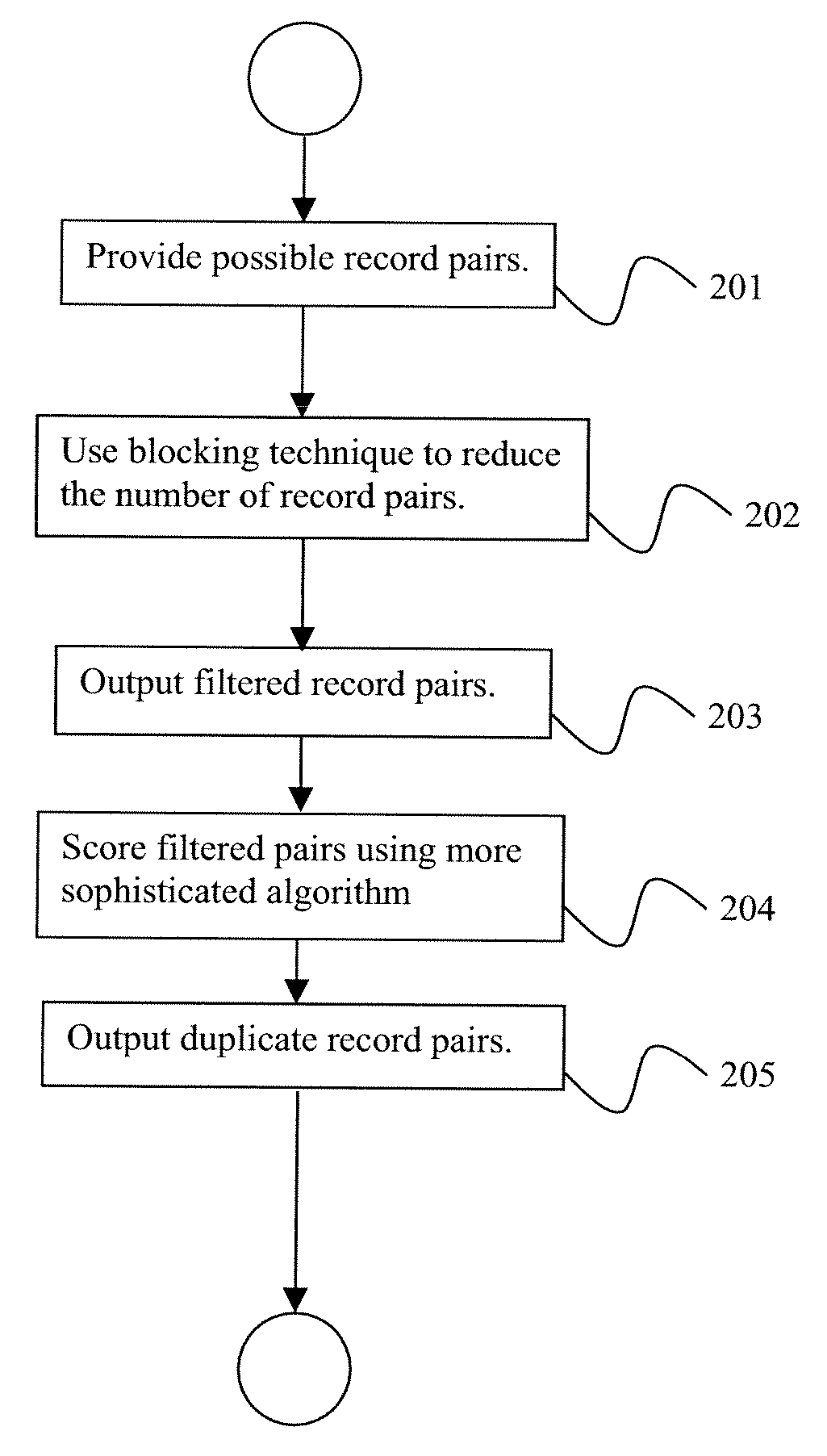
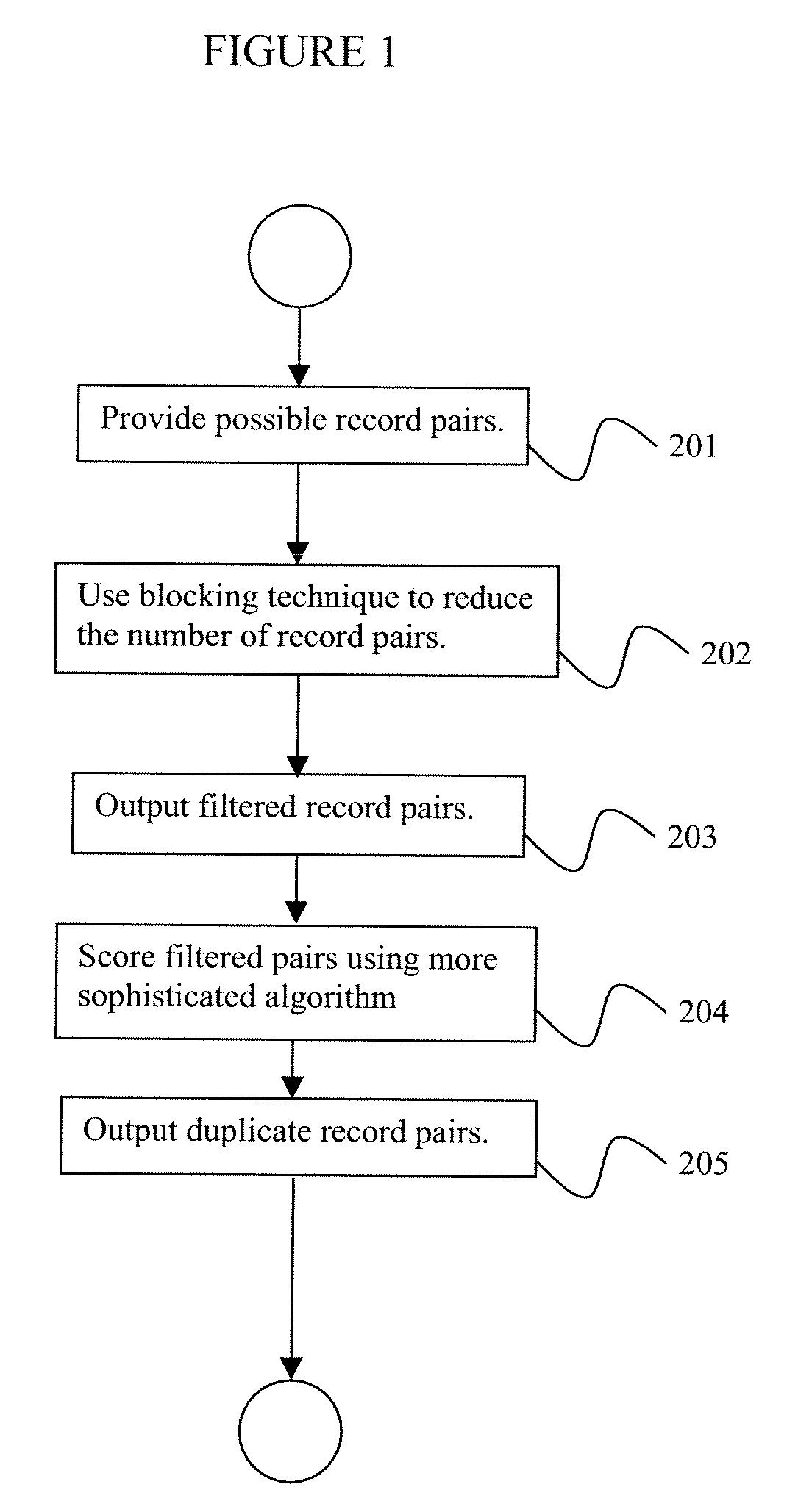
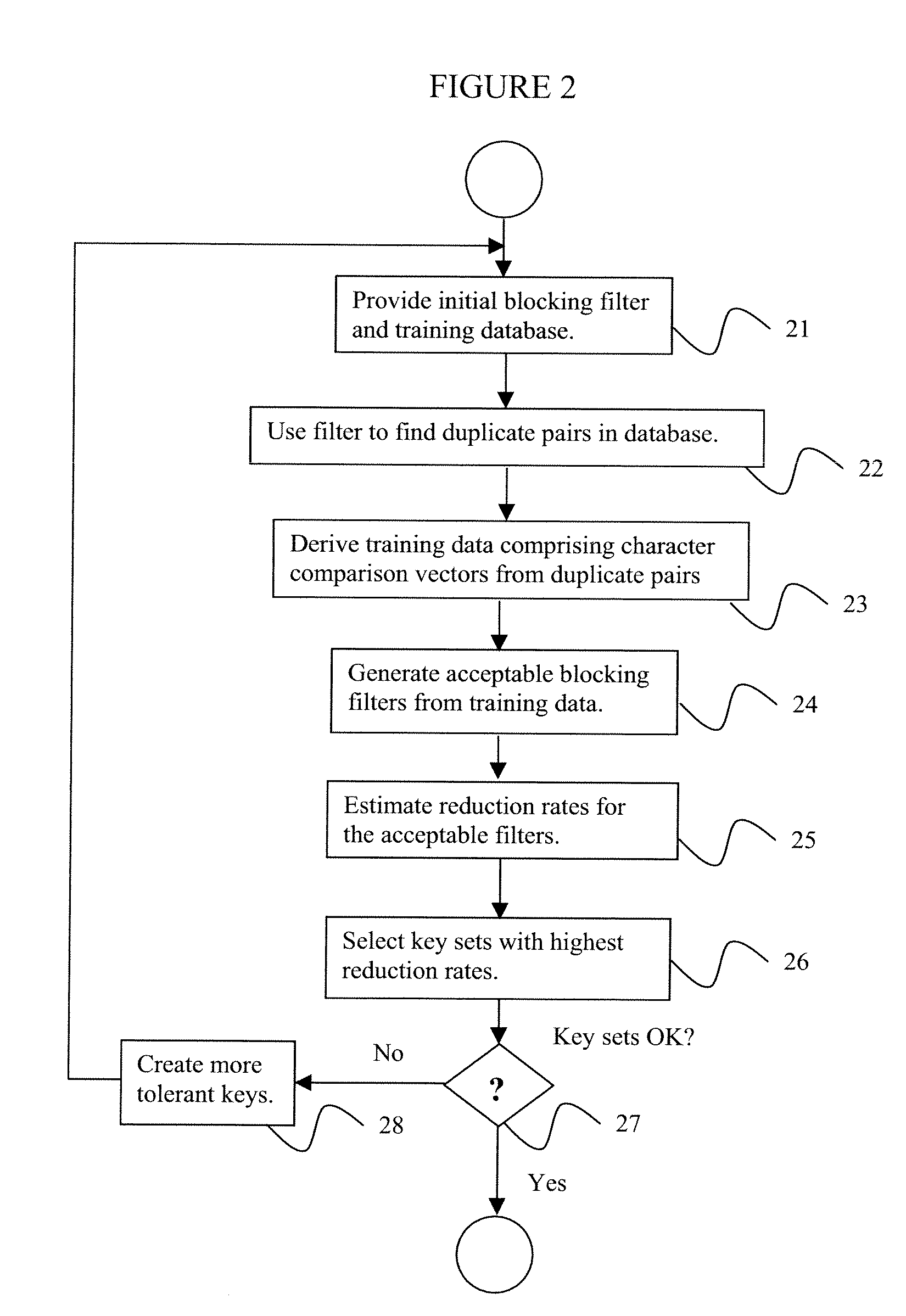
System and Method for Generating Automatic Blocking Filters for Record Linkage
PatentInactiveUS20070174277A1
Innovation
- The use of machine learning techniques, such as decision trees or Boolean minimization, to train filters by sampling record pairs, generating character-by-character comparison vectors, and optimizing recall and precision criteria, allowing for the generation of efficient blocking filters that reduce processing load in large datasets.

Privacy Regulations Impact on Message Filtering Systems
The implementation of privacy regulations has fundamentally transformed the landscape of message filtering systems, creating new operational constraints and technical requirements that significantly impact both intelligent message filters and machine learning-based approaches. The General Data Protection Regulation (GDPR) in Europe, California Consumer Privacy Act (CCPA), and similar legislation worldwide have established stringent requirements for data processing, user consent, and algorithmic transparency that directly affect how message filtering technologies can be deployed and operated.
Privacy regulations impose strict limitations on data collection and processing activities that are essential for effective message filtering. Traditional machine learning methods, which typically require extensive training datasets containing personal communications, face significant challenges in complying with data minimization principles. These regulations mandate that organizations collect only necessary data and retain it for limited periods, constraining the ability to build comprehensive training datasets that enhance filtering accuracy.
The requirement for explicit user consent has created operational complexities for message filtering systems. Organizations must now implement granular consent mechanisms that allow users to control how their messages are processed, analyzed, and stored. This has led to the development of consent management frameworks that integrate with filtering systems, enabling users to opt-in or opt-out of specific filtering functionalities while maintaining system effectiveness.
Algorithmic transparency requirements have particularly impacted machine learning-based filtering approaches, as many advanced ML models operate as "black boxes" with limited explainability. Regulations increasingly demand that organizations provide clear explanations of automated decision-making processes, forcing a shift toward more interpretable filtering algorithms or the development of explanation mechanisms for complex models.
Data localization requirements in various jurisdictions have necessitated the deployment of distributed filtering architectures that can process messages within specific geographic boundaries. This has influenced the design of both intelligent filters and machine learning systems, requiring them to operate effectively with regionally constrained datasets while maintaining consistent filtering performance across different jurisdictions.
The right to data portability and deletion has introduced new technical requirements for message filtering systems. Organizations must now implement mechanisms to extract, transfer, or permanently delete user data from filtering systems upon request, requiring careful consideration of how training data and model parameters are managed and updated when user data is removed.
Privacy regulations impose strict limitations on data collection and processing activities that are essential for effective message filtering. Traditional machine learning methods, which typically require extensive training datasets containing personal communications, face significant challenges in complying with data minimization principles. These regulations mandate that organizations collect only necessary data and retain it for limited periods, constraining the ability to build comprehensive training datasets that enhance filtering accuracy.
The requirement for explicit user consent has created operational complexities for message filtering systems. Organizations must now implement granular consent mechanisms that allow users to control how their messages are processed, analyzed, and stored. This has led to the development of consent management frameworks that integrate with filtering systems, enabling users to opt-in or opt-out of specific filtering functionalities while maintaining system effectiveness.
Algorithmic transparency requirements have particularly impacted machine learning-based filtering approaches, as many advanced ML models operate as "black boxes" with limited explainability. Regulations increasingly demand that organizations provide clear explanations of automated decision-making processes, forcing a shift toward more interpretable filtering algorithms or the development of explanation mechanisms for complex models.
Data localization requirements in various jurisdictions have necessitated the deployment of distributed filtering architectures that can process messages within specific geographic boundaries. This has influenced the design of both intelligent filters and machine learning systems, requiring them to operate effectively with regionally constrained datasets while maintaining consistent filtering performance across different jurisdictions.
The right to data portability and deletion has introduced new technical requirements for message filtering systems. Organizations must now implement mechanisms to extract, transfer, or permanently delete user data from filtering systems upon request, requiring careful consideration of how training data and model parameters are managed and updated when user data is removed.
Performance Benchmarking Framework for Filter Comparison
Establishing a comprehensive performance benchmarking framework is essential for conducting meaningful comparisons between intelligent message filters and machine learning methods. This framework must encompass multiple evaluation dimensions to ensure objective assessment of filtering effectiveness across different technological approaches.
The foundation of any robust benchmarking framework lies in defining standardized metrics that can be consistently applied across both traditional rule-based filters and modern machine learning solutions. Key performance indicators include accuracy rates, precision and recall measurements, false positive and false negative ratios, processing latency, and computational resource consumption. These metrics provide quantitative measures that enable direct comparison between disparate filtering technologies.
Dataset standardization represents another critical component of the benchmarking framework. Evaluation datasets must be carefully curated to represent real-world message distributions, including various spam types, legitimate communications, and edge cases. The framework should incorporate multiple dataset categories, ranging from email spam detection to social media content filtering, ensuring comprehensive coverage of different message filtering scenarios.
Testing methodology standardization ensures reproducible results across different evaluation environments. The framework must specify consistent training and testing data splits, cross-validation procedures, and statistical significance testing protocols. This standardization eliminates variability introduced by different experimental setups and enables fair comparison between intelligent filters and machine learning approaches.
Performance evaluation should extend beyond basic accuracy metrics to include operational considerations such as deployment complexity, maintenance requirements, and scalability characteristics. The framework must assess how different filtering approaches perform under varying message volumes and evolving threat landscapes, providing insights into long-term viability and adaptability.
Real-time performance assessment constitutes a crucial evaluation dimension, particularly for production environments where message processing speed directly impacts user experience. The benchmarking framework should measure throughput rates, response times, and system resource utilization under different load conditions, enabling comprehensive performance profiling.
The framework must also incorporate evaluation of adaptability and learning capabilities, assessing how different approaches respond to emerging spam patterns and evolving communication trends. This dynamic evaluation component distinguishes between static rule-based systems and adaptive machine learning solutions, providing insights into long-term effectiveness and maintenance requirements for different filtering technologies.
The foundation of any robust benchmarking framework lies in defining standardized metrics that can be consistently applied across both traditional rule-based filters and modern machine learning solutions. Key performance indicators include accuracy rates, precision and recall measurements, false positive and false negative ratios, processing latency, and computational resource consumption. These metrics provide quantitative measures that enable direct comparison between disparate filtering technologies.
Dataset standardization represents another critical component of the benchmarking framework. Evaluation datasets must be carefully curated to represent real-world message distributions, including various spam types, legitimate communications, and edge cases. The framework should incorporate multiple dataset categories, ranging from email spam detection to social media content filtering, ensuring comprehensive coverage of different message filtering scenarios.
Testing methodology standardization ensures reproducible results across different evaluation environments. The framework must specify consistent training and testing data splits, cross-validation procedures, and statistical significance testing protocols. This standardization eliminates variability introduced by different experimental setups and enables fair comparison between intelligent filters and machine learning approaches.
Performance evaluation should extend beyond basic accuracy metrics to include operational considerations such as deployment complexity, maintenance requirements, and scalability characteristics. The framework must assess how different filtering approaches perform under varying message volumes and evolving threat landscapes, providing insights into long-term viability and adaptability.
Real-time performance assessment constitutes a crucial evaluation dimension, particularly for production environments where message processing speed directly impacts user experience. The benchmarking framework should measure throughput rates, response times, and system resource utilization under different load conditions, enabling comprehensive performance profiling.
The framework must also incorporate evaluation of adaptability and learning capabilities, assessing how different approaches respond to emerging spam patterns and evolving communication trends. This dynamic evaluation component distinguishes between static rule-based systems and adaptive machine learning solutions, providing insights into long-term effectiveness and maintenance requirements for different filtering technologies.
Unlock deeper insights with Patsnap Eureka Quick Research — get a full tech report to explore trends and direct your research. Try now!
Generate Your Research Report Instantly with AI Agent
Supercharge your innovation with Patsnap Eureka AI Agent Platform!