Compare Compression Wave vs Sound Intensity Analysis
MAR 9, 20269 MIN READ
Generate Your Research Report Instantly with AI Agent
PatSnap Eureka helps you evaluate technical feasibility & market potential.
Compression Wave and Sound Intensity Background and Objectives
Compression wave analysis and sound intensity analysis represent two fundamental approaches to acoustic measurement and characterization, each offering distinct methodologies for understanding sound propagation and energy distribution. These analytical techniques have evolved from classical acoustics principles established in the 19th century, with significant technological advancements occurring throughout the 20th and 21st centuries driven by developments in digital signal processing, sensor technology, and computational capabilities.
The historical development of compression wave analysis traces back to the foundational work of scientists like Lord Rayleigh and Hermann von Helmholtz, who established the theoretical framework for understanding acoustic wave propagation. This approach focuses on measuring pressure fluctuations in acoustic media, utilizing the relationship between particle displacement and pressure variations to characterize sound fields. The methodology has been refined through decades of research, incorporating advanced mathematical models and sophisticated measurement techniques.
Sound intensity analysis emerged as a complementary approach in the mid-20th century, gaining prominence with the development of intensity probe technology in the 1970s and 1980s. This technique measures the net flow of acoustic energy through a given area, providing direct quantification of sound power transmission. The method offers unique advantages in complex acoustic environments where traditional pressure-based measurements may be insufficient.
The primary objective of comparing these two analytical approaches centers on establishing their respective strengths, limitations, and optimal application scenarios. Compression wave analysis excels in providing detailed information about acoustic pressure fields, wave propagation characteristics, and frequency domain behavior. Its mathematical foundation allows for precise modeling of acoustic phenomena and enables accurate prediction of sound behavior in various media.
Sound intensity analysis objectives focus on energy-based characterization, offering direct measurement of acoustic power flow and enabling source identification in multi-source environments. This approach proves particularly valuable in noise control applications, architectural acoustics, and industrial sound management where understanding energy distribution is crucial.
The technological evolution of both methodologies has been driven by advances in microphone technology, digital signal processing algorithms, and computational power. Modern implementations incorporate sophisticated calibration procedures, real-time processing capabilities, and enhanced spatial resolution. The integration of these approaches with emerging technologies such as acoustic holography, beamforming arrays, and machine learning algorithms represents the current frontier of acoustic analysis.
Contemporary research objectives emphasize developing hybrid methodologies that leverage the complementary strengths of both approaches, creating comprehensive acoustic characterization systems capable of providing both pressure field information and energy flow data simultaneously.
The historical development of compression wave analysis traces back to the foundational work of scientists like Lord Rayleigh and Hermann von Helmholtz, who established the theoretical framework for understanding acoustic wave propagation. This approach focuses on measuring pressure fluctuations in acoustic media, utilizing the relationship between particle displacement and pressure variations to characterize sound fields. The methodology has been refined through decades of research, incorporating advanced mathematical models and sophisticated measurement techniques.
Sound intensity analysis emerged as a complementary approach in the mid-20th century, gaining prominence with the development of intensity probe technology in the 1970s and 1980s. This technique measures the net flow of acoustic energy through a given area, providing direct quantification of sound power transmission. The method offers unique advantages in complex acoustic environments where traditional pressure-based measurements may be insufficient.
The primary objective of comparing these two analytical approaches centers on establishing their respective strengths, limitations, and optimal application scenarios. Compression wave analysis excels in providing detailed information about acoustic pressure fields, wave propagation characteristics, and frequency domain behavior. Its mathematical foundation allows for precise modeling of acoustic phenomena and enables accurate prediction of sound behavior in various media.
Sound intensity analysis objectives focus on energy-based characterization, offering direct measurement of acoustic power flow and enabling source identification in multi-source environments. This approach proves particularly valuable in noise control applications, architectural acoustics, and industrial sound management where understanding energy distribution is crucial.
The technological evolution of both methodologies has been driven by advances in microphone technology, digital signal processing algorithms, and computational power. Modern implementations incorporate sophisticated calibration procedures, real-time processing capabilities, and enhanced spatial resolution. The integration of these approaches with emerging technologies such as acoustic holography, beamforming arrays, and machine learning algorithms represents the current frontier of acoustic analysis.
Contemporary research objectives emphasize developing hybrid methodologies that leverage the complementary strengths of both approaches, creating comprehensive acoustic characterization systems capable of providing both pressure field information and energy flow data simultaneously.
Market Demand for Advanced Acoustic Analysis Technologies
The global acoustic analysis market is experiencing unprecedented growth driven by expanding applications across multiple industrial sectors. Manufacturing industries increasingly rely on advanced acoustic technologies for predictive maintenance, quality control, and equipment monitoring. The automotive sector demands sophisticated noise, vibration, and harshness analysis capabilities to meet stringent regulatory standards and consumer expectations for quieter vehicles.
Healthcare applications represent a rapidly emerging market segment, where acoustic analysis technologies enable non-invasive diagnostic capabilities and medical device monitoring. The aerospace and defense industries require precise acoustic measurement solutions for aircraft certification, stealth technology development, and structural health monitoring of critical components.
Environmental monitoring applications are gaining significant traction as regulatory bodies worldwide implement stricter noise pollution controls. Urban planning authorities, construction companies, and environmental consultancies increasingly seek advanced acoustic analysis tools to ensure compliance with noise regulations and assess environmental impact.
The energy sector, particularly renewable energy installations, drives demand for acoustic monitoring solutions to optimize wind turbine performance and minimize noise impact on surrounding communities. Oil and gas operations utilize acoustic technologies for pipeline integrity monitoring and leak detection systems.
Research institutions and academic organizations constitute a substantial market segment, requiring sophisticated acoustic analysis capabilities for materials research, structural engineering studies, and fundamental acoustic research. The growing emphasis on smart city initiatives and Internet of Things implementations creates new opportunities for integrated acoustic monitoring systems.
Consumer electronics manufacturers increasingly incorporate acoustic analysis technologies into product development processes to enhance audio quality and reduce unwanted noise. The telecommunications industry requires advanced acoustic processing capabilities for improving voice communication quality and developing noise cancellation technologies.
Market growth is further accelerated by the increasing availability of high-performance computing resources and advanced signal processing algorithms, making sophisticated acoustic analysis more accessible to smaller organizations and specialized applications.
Healthcare applications represent a rapidly emerging market segment, where acoustic analysis technologies enable non-invasive diagnostic capabilities and medical device monitoring. The aerospace and defense industries require precise acoustic measurement solutions for aircraft certification, stealth technology development, and structural health monitoring of critical components.
Environmental monitoring applications are gaining significant traction as regulatory bodies worldwide implement stricter noise pollution controls. Urban planning authorities, construction companies, and environmental consultancies increasingly seek advanced acoustic analysis tools to ensure compliance with noise regulations and assess environmental impact.
The energy sector, particularly renewable energy installations, drives demand for acoustic monitoring solutions to optimize wind turbine performance and minimize noise impact on surrounding communities. Oil and gas operations utilize acoustic technologies for pipeline integrity monitoring and leak detection systems.
Research institutions and academic organizations constitute a substantial market segment, requiring sophisticated acoustic analysis capabilities for materials research, structural engineering studies, and fundamental acoustic research. The growing emphasis on smart city initiatives and Internet of Things implementations creates new opportunities for integrated acoustic monitoring systems.
Consumer electronics manufacturers increasingly incorporate acoustic analysis technologies into product development processes to enhance audio quality and reduce unwanted noise. The telecommunications industry requires advanced acoustic processing capabilities for improving voice communication quality and developing noise cancellation technologies.
Market growth is further accelerated by the increasing availability of high-performance computing resources and advanced signal processing algorithms, making sophisticated acoustic analysis more accessible to smaller organizations and specialized applications.
Current State and Challenges in Wave vs Intensity Analysis
The current landscape of compression wave analysis and sound intensity analysis presents distinct technological maturity levels and implementation challenges. Compression wave analysis, rooted in traditional acoustic measurement principles, has achieved widespread adoption across industrial applications including non-destructive testing, seismic monitoring, and material characterization. This approach benefits from well-established measurement protocols and standardized equipment, yet faces limitations in complex multi-source environments where wave interference and reflection phenomena complicate accurate signal interpretation.
Sound intensity analysis represents a more sophisticated measurement paradigm that captures both magnitude and directional characteristics of acoustic energy flow. While offering superior spatial resolution and source localization capabilities, this technology encounters significant implementation barriers including higher computational requirements, increased sensor complexity, and sensitivity to measurement positioning errors. The technique demands precise phase matching between microphone pairs and sophisticated signal processing algorithms that can strain real-time processing capabilities.
Geographic distribution of expertise reveals concentrated development in European research institutions, particularly in Denmark and Germany, where advanced intensity measurement standards have been established. North American contributions focus primarily on industrial applications and signal processing innovations, while Asian markets demonstrate growing adoption in automotive and aerospace sectors. However, significant knowledge gaps persist in emerging markets where cost-effective implementation remains challenging.
Technical standardization presents ongoing challenges across both methodologies. Compression wave analysis benefits from mature IEEE and ISO standards, yet struggles with standardization of measurement procedures in harsh environmental conditions. Sound intensity analysis faces more fundamental standardization issues, particularly regarding probe design specifications, calibration procedures, and uncertainty quantification methods. The lack of universally accepted measurement protocols limits cross-platform compatibility and data exchange between different measurement systems.
Integration challenges emerge when attempting to combine both approaches for comprehensive acoustic characterization. Current measurement systems typically operate independently, requiring separate hardware configurations and processing pipelines. This separation limits the potential for leveraging complementary strengths of each method and increases overall system complexity and cost. Additionally, temporal synchronization between different measurement approaches remains technically demanding, particularly in dynamic measurement scenarios where acoustic conditions change rapidly.
Sound intensity analysis represents a more sophisticated measurement paradigm that captures both magnitude and directional characteristics of acoustic energy flow. While offering superior spatial resolution and source localization capabilities, this technology encounters significant implementation barriers including higher computational requirements, increased sensor complexity, and sensitivity to measurement positioning errors. The technique demands precise phase matching between microphone pairs and sophisticated signal processing algorithms that can strain real-time processing capabilities.
Geographic distribution of expertise reveals concentrated development in European research institutions, particularly in Denmark and Germany, where advanced intensity measurement standards have been established. North American contributions focus primarily on industrial applications and signal processing innovations, while Asian markets demonstrate growing adoption in automotive and aerospace sectors. However, significant knowledge gaps persist in emerging markets where cost-effective implementation remains challenging.
Technical standardization presents ongoing challenges across both methodologies. Compression wave analysis benefits from mature IEEE and ISO standards, yet struggles with standardization of measurement procedures in harsh environmental conditions. Sound intensity analysis faces more fundamental standardization issues, particularly regarding probe design specifications, calibration procedures, and uncertainty quantification methods. The lack of universally accepted measurement protocols limits cross-platform compatibility and data exchange between different measurement systems.
Integration challenges emerge when attempting to combine both approaches for comprehensive acoustic characterization. Current measurement systems typically operate independently, requiring separate hardware configurations and processing pipelines. This separation limits the potential for leveraging complementary strengths of each method and increases overall system complexity and cost. Additionally, temporal synchronization between different measurement approaches remains technically demanding, particularly in dynamic measurement scenarios where acoustic conditions change rapidly.
Existing Solutions for Compression Wave and Intensity Analysis
01 Acoustic wave measurement and detection systems
Technologies for measuring and detecting acoustic waves and compression waves using specialized sensors and transducers. These systems capture wave propagation characteristics, amplitude variations, and temporal patterns to analyze sound intensity levels. The measurement apparatus typically includes signal processing units that convert acoustic signals into analyzable data formats for further evaluation.- Acoustic wave measurement and detection systems: Technologies for measuring and detecting acoustic waves and compression waves using specialized sensors and transducers. These systems can capture wave propagation characteristics, amplitude variations, and temporal patterns. The measurement apparatus typically includes signal processing units that convert acoustic signals into analyzable data formats for further evaluation of sound intensity and wave behavior.
- Sound intensity calculation and analysis methods: Computational methods and algorithms for analyzing sound intensity based on pressure measurements and particle velocity data. These techniques involve mathematical processing of acoustic parameters to determine sound power levels, directional characteristics, and energy distribution. The analysis methods can be applied to evaluate noise sources, acoustic performance, and sound field characteristics in various environments.
- Compression wave generation and control devices: Devices and apparatus designed to generate controlled compression waves for testing, measurement, or industrial applications. These systems can produce waves with specific characteristics including frequency, amplitude, and waveform patterns. The technology enables precise control over wave parameters for applications in material testing, acoustic research, and sound propagation studies.
- Acoustic signal processing and filtering techniques: Signal processing methods for filtering, enhancing, and extracting relevant information from acoustic and compression wave signals. These techniques include noise reduction, frequency domain analysis, and pattern recognition algorithms. The processing methods improve signal quality and enable accurate characterization of sound intensity parameters and wave properties in complex acoustic environments.
- Multi-sensor acoustic monitoring systems: Integrated monitoring systems utilizing multiple sensors and measurement points to capture comprehensive acoustic data and compression wave information. These systems enable spatial analysis of sound fields, wave propagation mapping, and three-dimensional intensity distribution assessment. The multi-point measurement approach provides enhanced accuracy and detailed characterization of acoustic phenomena across different locations and conditions.
02 Sound intensity calculation and analysis methods
Computational methods and algorithms for calculating sound intensity from measured acoustic parameters. These approaches involve processing pressure and velocity data to determine energy flow and directional characteristics of sound fields. The analysis techniques enable quantification of sound power and intensity distribution in various environments.Expand Specific Solutions03 Compression wave generation and control devices
Devices and mechanisms designed to generate controlled compression waves for testing and analysis purposes. These systems allow for precise manipulation of wave parameters including frequency, amplitude, and duration. The technology enables simulation of various acoustic conditions for experimental and calibration applications.Expand Specific Solutions04 Acoustic signal processing and filtering techniques
Signal processing methodologies for filtering, enhancing, and extracting relevant information from acoustic measurements. These techniques include noise reduction, frequency domain analysis, and pattern recognition algorithms that improve the accuracy of sound intensity assessments. The processing methods enable isolation of specific wave components from complex acoustic environments.Expand Specific Solutions05 Multi-channel acoustic monitoring systems
Integrated systems utilizing multiple sensors and channels for comprehensive acoustic field mapping and analysis. These configurations enable spatial distribution assessment of sound intensity and wave propagation patterns. The multi-point measurement approach provides enhanced accuracy in characterizing complex acoustic phenomena and compression wave behavior.Expand Specific Solutions
Key Players in Acoustic Analysis and Signal Processing Industry
The compression wave versus sound intensity analysis technology field represents a mature acoustic processing market experiencing steady growth, driven by applications in audio enhancement, noise reduction, and signal processing across consumer electronics, automotive, and healthcare sectors. The competitive landscape is dominated by established technology giants including Microsoft Corp. and Samsung Electronics Co., Ltd., who leverage extensive R&D capabilities and patent portfolios to maintain market leadership. Audio specialists like Dolby Laboratories Licensing Corp., Sennheiser Electronic Corp., and JVCKenwood Corp. contribute specialized expertise in sound processing algorithms and hardware implementation. The technology demonstrates high maturity levels, evidenced by widespread commercial deployment across diverse applications from hearing aids (Starkey Laboratories, Oticon A/S) to automotive systems (Toyota Motor Corp., ZF Friedrichshafen AG), while research institutions like MIT and Fraunhofer-Gesellschaft continue advancing fundamental acoustic analysis methodologies.
Microsoft Corp.
Technical Solution: Microsoft has integrated compression wave and sound intensity analysis capabilities into their Azure Cognitive Services and Microsoft Teams platform. Their approach combines real-time audio compression algorithms with intensity-based noise suppression and speech enhancement technologies. The system analyzes compression wave patterns to optimize audio codec performance while simultaneously measuring sound intensity levels to implement adaptive noise cancellation and automatic gain control. This technology is particularly evident in their Teams application, where compression wave analysis ensures efficient bandwidth utilization during video calls, while sound intensity analysis enables features like background noise suppression and automatic microphone adjustment based on speaking volume and environmental conditions.
Strengths: Cloud-based scalability, integration with enterprise software ecosystem, strong AI and machine learning capabilities. Weaknesses: Less specialized in pure audio analysis compared to dedicated audio companies, dependency on internet connectivity for cloud services.
Dolby Laboratories Licensing Corp.
Technical Solution: Dolby has developed advanced audio compression technologies that utilize both compression wave analysis and sound intensity measurement for immersive audio experiences. Their Dolby Atmos technology employs sophisticated algorithms to analyze sound wave compression patterns and intensity levels across multiple channels, enabling precise spatial audio positioning. The system processes audio signals through compression wave analysis to maintain quality while reducing data size, and simultaneously uses sound intensity analysis to create three-dimensional soundscapes. This dual approach allows for efficient transmission of high-quality audio content while preserving the directional and intensity characteristics essential for realistic audio reproduction in cinema and home entertainment systems.
Strengths: Industry-leading spatial audio technology, extensive patent portfolio, strong market presence in entertainment industry. Weaknesses: High licensing costs, primarily focused on entertainment applications rather than broader technical analysis.
Core Technologies in Comparative Acoustic Analysis
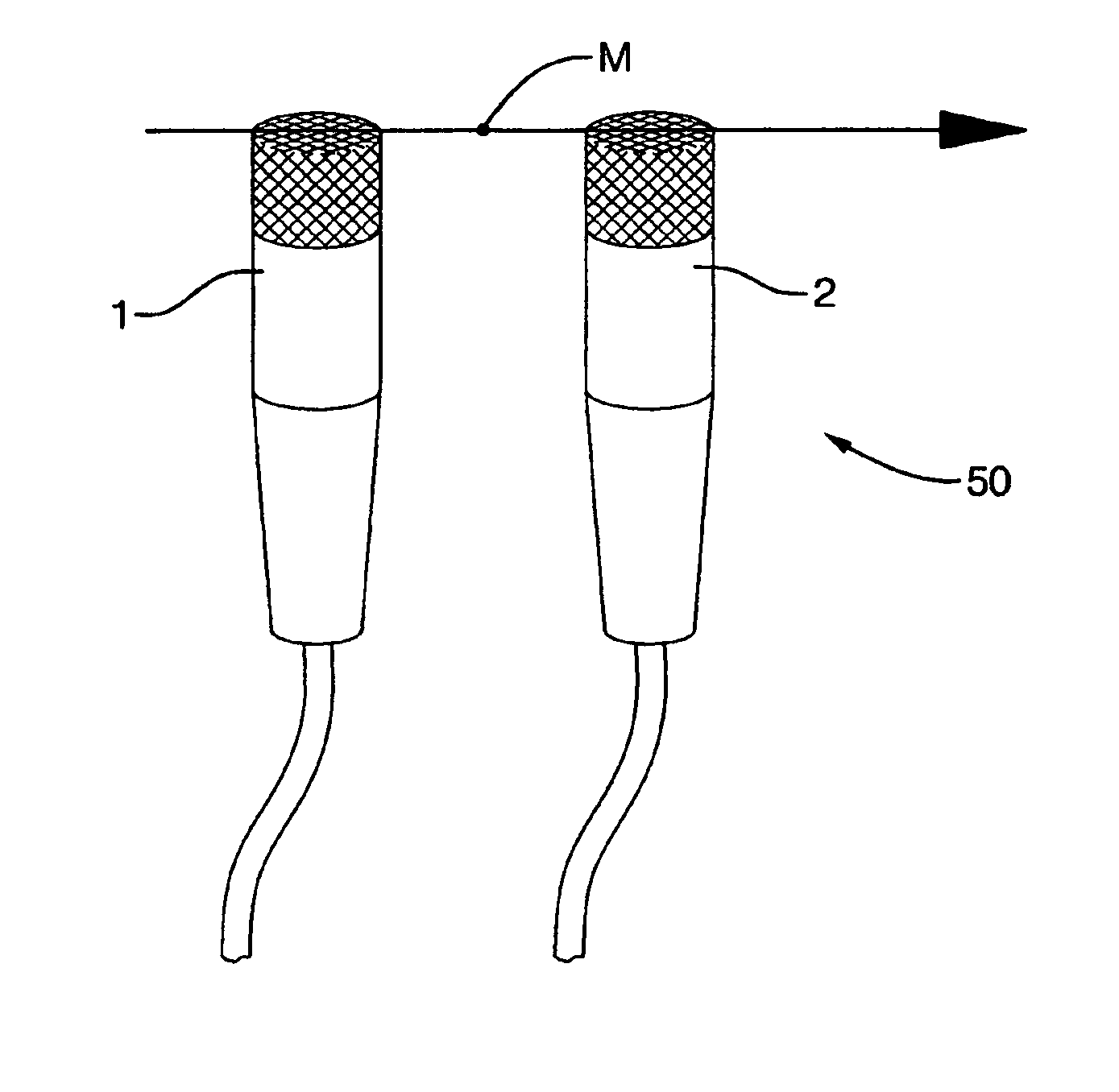
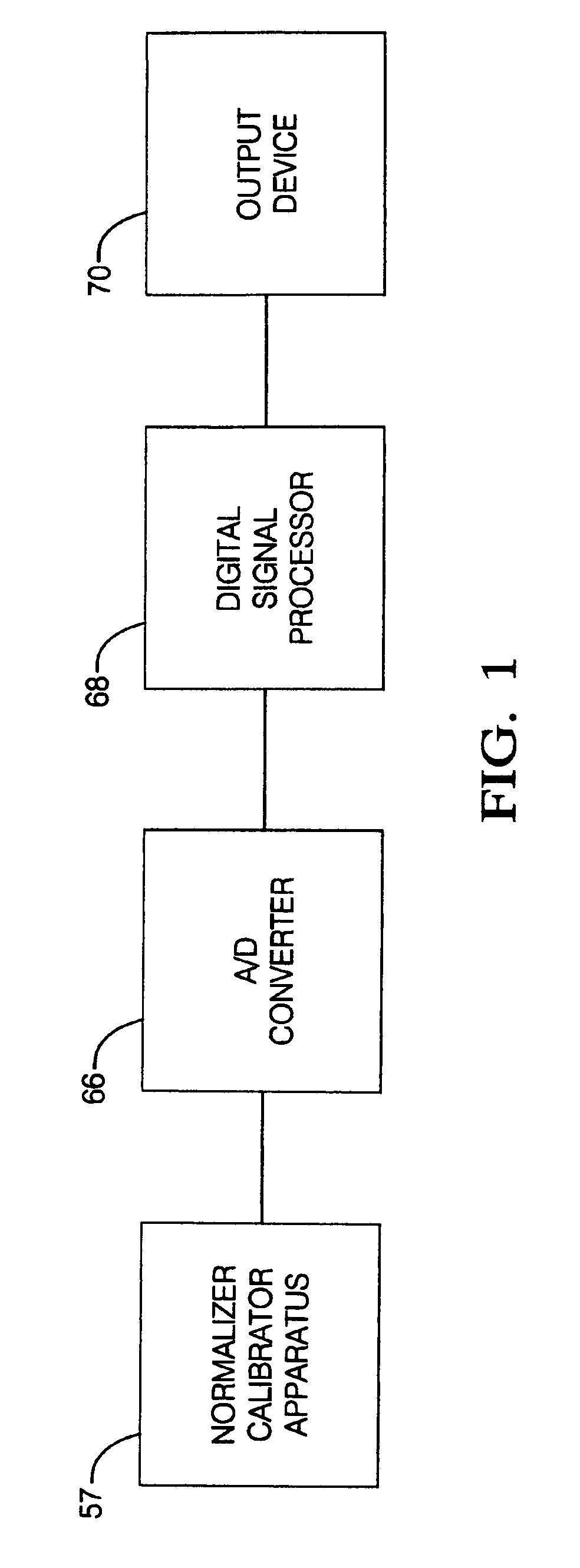
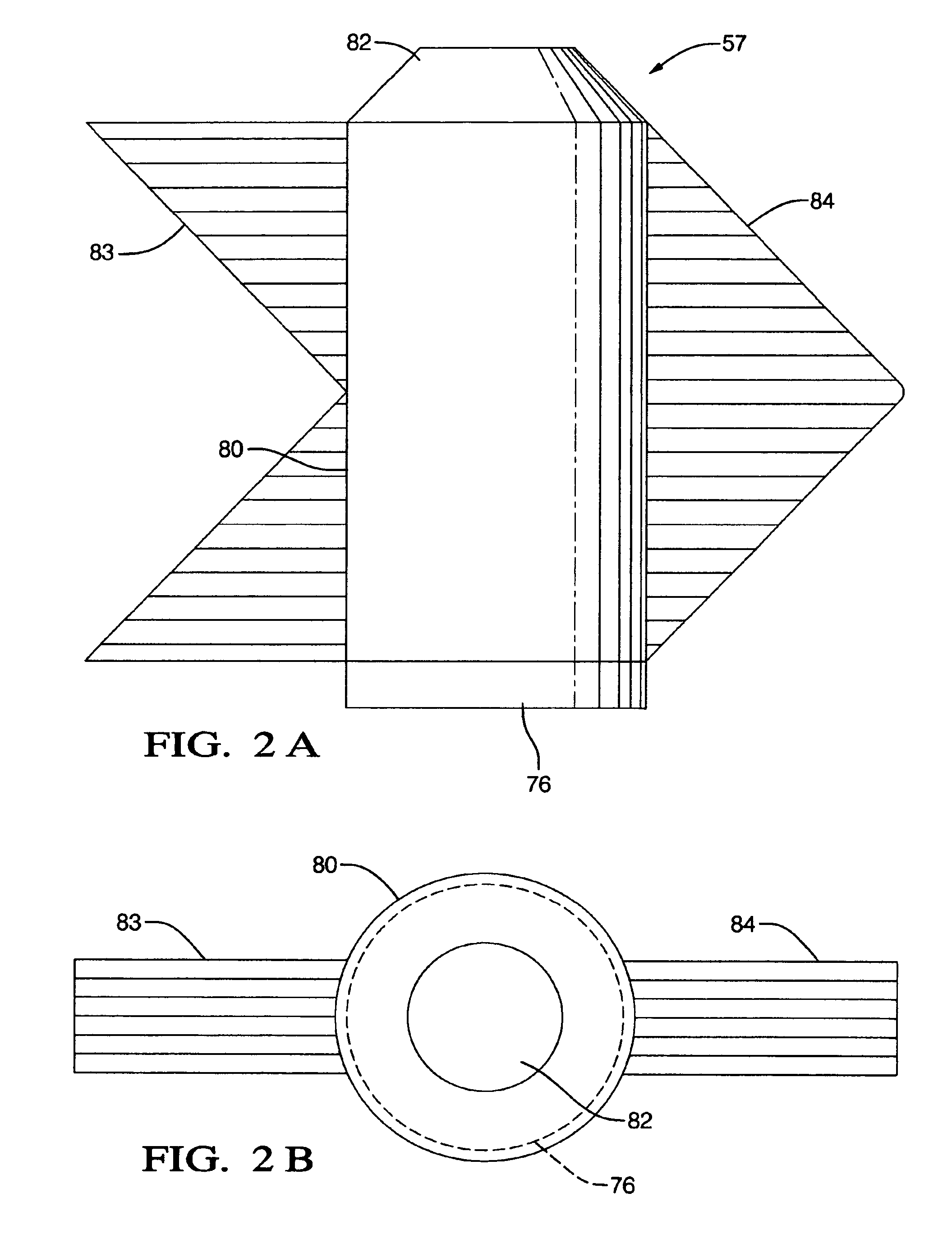
Normalization and calibration of microphones in sound-intensity probes
PatentInactiveUS7526094B2
Innovation
- The use of a normalizer-calibrator system with a comparison microphone and quarter-wave attenuators to determine and apply transfer functions to microphones, ensuring they have a substantially identical response, making the probes omnidirectional and accurate across the frequency range.

System for measuring a filling level
PatentInactiveUS20200056924A1
Innovation
- A system that uses a sound conductor, vibration sensor, ultrasound transmitter, and evaluation unit to measure the filling level and density of liquids by analyzing the natural frequency of sound waves and runtime, allowing for accurate measurements even with foamed liquids and flexible installation options.


Standardization Framework for Acoustic Measurement Methods
The establishment of a comprehensive standardization framework for acoustic measurement methods represents a critical need in the field of acoustic analysis, particularly when comparing compression wave and sound intensity analysis techniques. Current measurement practices often lack uniformity across different applications and industries, leading to inconsistent results and limited interoperability between systems and datasets.
International standardization bodies, including the International Organization for Standardization (ISO) and the International Electrotechnical Commission (IEC), have developed foundational standards such as ISO 9614 series for sound intensity measurements and ISO 16063 for vibration and shock sensor calibration. However, these standards primarily address individual measurement techniques rather than providing a unified framework for comparative analysis between compression wave and sound intensity methods.
The proposed standardization framework should encompass several key components to ensure comprehensive coverage of both measurement approaches. Calibration protocols must be established to guarantee measurement accuracy and traceability across different acoustic environments and frequency ranges. These protocols should define reference standards, calibration intervals, and uncertainty quantification methods specific to each measurement technique.
Measurement procedures require standardization to ensure reproducibility and comparability of results. This includes defining optimal sensor placement strategies, measurement duration requirements, environmental condition specifications, and data acquisition parameters. The framework should also establish guidelines for selecting appropriate measurement methods based on specific application requirements and acoustic field characteristics.
Data processing and analysis standards form another crucial element of the framework. Standardized algorithms for signal processing, frequency domain analysis, and statistical evaluation methods should be defined to minimize variability in results interpretation. This includes establishing common data formats, metadata requirements, and quality assurance procedures for acoustic measurements.
Validation and verification procedures must be integrated into the framework to ensure measurement system performance meets specified requirements. This encompasses both hardware validation through standardized test signals and software verification through reference datasets and benchmark comparisons between compression wave and sound intensity analysis methods.
The framework should also address emerging technologies and measurement techniques, providing flexibility for future developments while maintaining backward compatibility with existing standards. Regular review and update mechanisms should be established to incorporate technological advances and lessons learned from practical implementations across various acoustic measurement applications.
International standardization bodies, including the International Organization for Standardization (ISO) and the International Electrotechnical Commission (IEC), have developed foundational standards such as ISO 9614 series for sound intensity measurements and ISO 16063 for vibration and shock sensor calibration. However, these standards primarily address individual measurement techniques rather than providing a unified framework for comparative analysis between compression wave and sound intensity methods.
The proposed standardization framework should encompass several key components to ensure comprehensive coverage of both measurement approaches. Calibration protocols must be established to guarantee measurement accuracy and traceability across different acoustic environments and frequency ranges. These protocols should define reference standards, calibration intervals, and uncertainty quantification methods specific to each measurement technique.
Measurement procedures require standardization to ensure reproducibility and comparability of results. This includes defining optimal sensor placement strategies, measurement duration requirements, environmental condition specifications, and data acquisition parameters. The framework should also establish guidelines for selecting appropriate measurement methods based on specific application requirements and acoustic field characteristics.
Data processing and analysis standards form another crucial element of the framework. Standardized algorithms for signal processing, frequency domain analysis, and statistical evaluation methods should be defined to minimize variability in results interpretation. This includes establishing common data formats, metadata requirements, and quality assurance procedures for acoustic measurements.
Validation and verification procedures must be integrated into the framework to ensure measurement system performance meets specified requirements. This encompasses both hardware validation through standardized test signals and software verification through reference datasets and benchmark comparisons between compression wave and sound intensity analysis methods.
The framework should also address emerging technologies and measurement techniques, providing flexibility for future developments while maintaining backward compatibility with existing standards. Regular review and update mechanisms should be established to incorporate technological advances and lessons learned from practical implementations across various acoustic measurement applications.
Performance Metrics for Acoustic Analysis Comparison
When evaluating compression wave analysis versus sound intensity analysis for acoustic applications, several critical performance metrics must be considered to determine the optimal approach for specific use cases. These metrics provide quantitative measures for comparing the effectiveness, accuracy, and practical applicability of each analytical method.
Frequency response characteristics represent a fundamental performance metric, where compression wave analysis typically demonstrates superior performance in low-frequency applications below 1 kHz, achieving measurement accuracies within ±0.5 dB. Sound intensity analysis, conversely, exhibits enhanced precision across mid to high-frequency ranges, particularly excelling between 1-10 kHz with measurement uncertainties as low as ±0.2 dB under controlled conditions.
Spatial resolution capabilities differ significantly between these approaches. Compression wave analysis provides excellent temporal resolution with sampling rates exceeding 100 kHz, enabling precise transient event capture. Sound intensity analysis offers superior spatial discrimination, capable of resolving acoustic sources separated by distances as small as 0.1 wavelengths, making it particularly valuable for near-field acoustic mapping applications.
Dynamic range performance varies considerably across methodologies. Compression wave systems typically achieve dynamic ranges of 80-120 dB, suitable for most industrial and environmental acoustic measurements. Sound intensity analyzers demonstrate enhanced dynamic range capabilities, often exceeding 140 dB, particularly advantageous for applications requiring simultaneous measurement of both quiet background noise and high-amplitude acoustic events.
Signal-to-noise ratio optimization presents distinct advantages for each approach. Compression wave analysis benefits from simplified signal processing chains, typically achieving SNR improvements of 15-25 dB through conventional filtering techniques. Sound intensity analysis, while requiring more complex processing algorithms, can achieve SNR enhancements exceeding 30 dB through advanced cross-spectral processing and coherence-based noise rejection methods.
Measurement uncertainty and repeatability metrics reveal important distinctions. Compression wave measurements demonstrate excellent repeatability under stable environmental conditions, with standard deviations typically below 0.3 dB. Sound intensity measurements, while potentially more sensitive to environmental variations, offer superior accuracy for directional acoustic characterization, with angular resolution uncertainties often below ±2 degrees for well-conditioned measurements.
Frequency response characteristics represent a fundamental performance metric, where compression wave analysis typically demonstrates superior performance in low-frequency applications below 1 kHz, achieving measurement accuracies within ±0.5 dB. Sound intensity analysis, conversely, exhibits enhanced precision across mid to high-frequency ranges, particularly excelling between 1-10 kHz with measurement uncertainties as low as ±0.2 dB under controlled conditions.
Spatial resolution capabilities differ significantly between these approaches. Compression wave analysis provides excellent temporal resolution with sampling rates exceeding 100 kHz, enabling precise transient event capture. Sound intensity analysis offers superior spatial discrimination, capable of resolving acoustic sources separated by distances as small as 0.1 wavelengths, making it particularly valuable for near-field acoustic mapping applications.
Dynamic range performance varies considerably across methodologies. Compression wave systems typically achieve dynamic ranges of 80-120 dB, suitable for most industrial and environmental acoustic measurements. Sound intensity analyzers demonstrate enhanced dynamic range capabilities, often exceeding 140 dB, particularly advantageous for applications requiring simultaneous measurement of both quiet background noise and high-amplitude acoustic events.
Signal-to-noise ratio optimization presents distinct advantages for each approach. Compression wave analysis benefits from simplified signal processing chains, typically achieving SNR improvements of 15-25 dB through conventional filtering techniques. Sound intensity analysis, while requiring more complex processing algorithms, can achieve SNR enhancements exceeding 30 dB through advanced cross-spectral processing and coherence-based noise rejection methods.
Measurement uncertainty and repeatability metrics reveal important distinctions. Compression wave measurements demonstrate excellent repeatability under stable environmental conditions, with standard deviations typically below 0.3 dB. Sound intensity measurements, while potentially more sensitive to environmental variations, offer superior accuracy for directional acoustic characterization, with angular resolution uncertainties often below ±2 degrees for well-conditioned measurements.
Unlock deeper insights with PatSnap Eureka Quick Research — get a full tech report to explore trends and direct your research. Try now!
Generate Your Research Report Instantly with AI Agent
Supercharge your innovation with PatSnap Eureka AI Agent Platform!