Compression Wave vs Frequency Propagation: Outcome Insights
MAR 9, 20269 MIN READ
Generate Your Research Report Instantly with AI Agent
PatSnap Eureka helps you evaluate technical feasibility & market potential.
Compression Wave Technology Background and Objectives
Compression wave technology represents a fundamental branch of wave mechanics that has evolved significantly since the early 20th century. Initially studied within the context of seismic exploration and acoustic engineering, compression waves have become integral to numerous industrial applications ranging from non-destructive testing to medical imaging and material characterization. The technology leverages the propagation characteristics of longitudinal waves through various media, where particle displacement occurs parallel to the direction of wave propagation.
The historical development of compression wave technology can be traced back to pioneering work in seismology and ultrasonic testing during the 1940s and 1950s. Early applications focused primarily on geological surveys and basic material inspection. However, technological advancement accelerated dramatically with the advent of digital signal processing and sophisticated transducer technologies in the 1980s and 1990s, enabling more precise control over wave generation and detection mechanisms.
Contemporary compression wave systems have expanded beyond traditional applications to encompass advanced manufacturing processes, biomedical diagnostics, and structural health monitoring. The technology's evolution has been driven by increasing demands for non-invasive inspection methods, real-time monitoring capabilities, and enhanced resolution in material characterization. Modern systems integrate sophisticated algorithms for wave propagation analysis, enabling detailed insights into material properties, defect detection, and structural integrity assessment.
The primary objective of current compression wave technology development centers on optimizing the relationship between wave frequency and propagation characteristics to maximize information extraction from target materials. This involves understanding how different frequencies interact with various material structures, interfaces, and discontinuities. Advanced frequency modulation techniques and broadband signal processing have emerged as critical areas for achieving superior penetration depth while maintaining high resolution capabilities.
Future technological objectives focus on developing adaptive compression wave systems that can dynamically adjust frequency parameters based on real-time propagation feedback. This includes implementing machine learning algorithms for automatic frequency optimization, enhancing signal-to-noise ratios in challenging environments, and expanding the operational frequency range to accommodate diverse material types and inspection requirements. The ultimate goal involves creating intelligent compression wave platforms capable of autonomous material characterization and defect identification across multiple industrial sectors.
The historical development of compression wave technology can be traced back to pioneering work in seismology and ultrasonic testing during the 1940s and 1950s. Early applications focused primarily on geological surveys and basic material inspection. However, technological advancement accelerated dramatically with the advent of digital signal processing and sophisticated transducer technologies in the 1980s and 1990s, enabling more precise control over wave generation and detection mechanisms.
Contemporary compression wave systems have expanded beyond traditional applications to encompass advanced manufacturing processes, biomedical diagnostics, and structural health monitoring. The technology's evolution has been driven by increasing demands for non-invasive inspection methods, real-time monitoring capabilities, and enhanced resolution in material characterization. Modern systems integrate sophisticated algorithms for wave propagation analysis, enabling detailed insights into material properties, defect detection, and structural integrity assessment.
The primary objective of current compression wave technology development centers on optimizing the relationship between wave frequency and propagation characteristics to maximize information extraction from target materials. This involves understanding how different frequencies interact with various material structures, interfaces, and discontinuities. Advanced frequency modulation techniques and broadband signal processing have emerged as critical areas for achieving superior penetration depth while maintaining high resolution capabilities.
Future technological objectives focus on developing adaptive compression wave systems that can dynamically adjust frequency parameters based on real-time propagation feedback. This includes implementing machine learning algorithms for automatic frequency optimization, enhancing signal-to-noise ratios in challenging environments, and expanding the operational frequency range to accommodate diverse material types and inspection requirements. The ultimate goal involves creating intelligent compression wave platforms capable of autonomous material characterization and defect identification across multiple industrial sectors.
Market Demand for Wave Propagation Applications
The global market for wave propagation applications demonstrates substantial growth momentum driven by increasing demand across multiple industrial sectors. Telecommunications infrastructure continues to be the largest consumer of wave propagation technologies, with 5G network deployment creating unprecedented requirements for precise frequency management and signal optimization. The transition from traditional communication systems to advanced wireless networks has intensified the need for sophisticated compression wave analysis and frequency propagation solutions.
Medical imaging and diagnostic equipment represent another significant market segment experiencing rapid expansion. Ultrasound technology, magnetic resonance imaging, and acoustic therapy devices rely heavily on optimized wave propagation characteristics. Healthcare providers increasingly demand higher resolution imaging capabilities and non-invasive treatment options, driving innovation in compression wave manipulation and frequency-specific applications.
The automotive industry has emerged as a key growth driver, particularly with the advancement of autonomous vehicle technologies. Radar systems, LiDAR applications, and vehicle-to-vehicle communication networks require precise wave propagation control for safety-critical operations. Advanced driver assistance systems depend on accurate frequency propagation analysis to ensure reliable object detection and collision avoidance capabilities.
Industrial non-destructive testing applications continue to expand across manufacturing, aerospace, and energy sectors. Quality control processes increasingly rely on ultrasonic testing, acoustic emission monitoring, and structural health monitoring systems. These applications demand sophisticated understanding of how compression waves interact with different materials and how frequency characteristics affect detection sensitivity and accuracy.
Emerging applications in renewable energy systems, particularly wind turbine monitoring and solar panel optimization, create new market opportunities. Environmental monitoring systems utilizing acoustic sensors and seismic detection equipment also contribute to growing demand for specialized wave propagation solutions.
The convergence of artificial intelligence with wave propagation technologies opens additional market potential. Machine learning algorithms applied to signal processing and pattern recognition in wave-based systems create opportunities for enhanced performance and new application areas across multiple industries.
Medical imaging and diagnostic equipment represent another significant market segment experiencing rapid expansion. Ultrasound technology, magnetic resonance imaging, and acoustic therapy devices rely heavily on optimized wave propagation characteristics. Healthcare providers increasingly demand higher resolution imaging capabilities and non-invasive treatment options, driving innovation in compression wave manipulation and frequency-specific applications.
The automotive industry has emerged as a key growth driver, particularly with the advancement of autonomous vehicle technologies. Radar systems, LiDAR applications, and vehicle-to-vehicle communication networks require precise wave propagation control for safety-critical operations. Advanced driver assistance systems depend on accurate frequency propagation analysis to ensure reliable object detection and collision avoidance capabilities.
Industrial non-destructive testing applications continue to expand across manufacturing, aerospace, and energy sectors. Quality control processes increasingly rely on ultrasonic testing, acoustic emission monitoring, and structural health monitoring systems. These applications demand sophisticated understanding of how compression waves interact with different materials and how frequency characteristics affect detection sensitivity and accuracy.
Emerging applications in renewable energy systems, particularly wind turbine monitoring and solar panel optimization, create new market opportunities. Environmental monitoring systems utilizing acoustic sensors and seismic detection equipment also contribute to growing demand for specialized wave propagation solutions.
The convergence of artificial intelligence with wave propagation technologies opens additional market potential. Machine learning algorithms applied to signal processing and pattern recognition in wave-based systems create opportunities for enhanced performance and new application areas across multiple industries.
Current State of Compression vs Frequency Wave Technologies
The current landscape of compression wave and frequency wave technologies represents a mature yet rapidly evolving field with distinct technological pathways serving diverse industrial applications. Compression wave technologies have established dominance in traditional acoustic applications, leveraging mechanical wave propagation through various media to achieve signal transmission, material testing, and medical diagnostics. These systems typically operate within well-understood frequency ranges and demonstrate predictable attenuation characteristics across different materials.
Frequency wave technologies have emerged as sophisticated alternatives, particularly in electromagnetic spectrum applications where traditional compression waves face limitations. Modern frequency-based systems exploit advanced modulation techniques, digital signal processing, and adaptive filtering to overcome environmental interference and achieve superior signal clarity. The integration of software-defined radio architectures has significantly enhanced the flexibility and performance of frequency wave implementations.
Contemporary compression wave systems face several technical constraints, including limited bandwidth capacity, susceptibility to environmental noise, and material-dependent propagation characteristics. These limitations become particularly pronounced in high-frequency applications where wave dispersion and absorption effects significantly impact signal integrity. Additionally, the physical requirements for transducer coupling and medium continuity restrict deployment flexibility in certain applications.
Frequency wave technologies encounter different challenges, primarily related to electromagnetic interference, regulatory spectrum limitations, and power consumption requirements. The complexity of modern frequency synthesis and processing circuits introduces additional failure modes and maintenance considerations. Furthermore, the rapid evolution of digital communication standards creates ongoing compatibility and obsolescence concerns for deployed systems.
Recent technological advances have blurred traditional boundaries between these approaches. Hybrid systems now combine compression wave sensing with frequency wave telemetry, creating integrated solutions that leverage the strengths of both technologies. Advanced signal processing algorithms enable real-time adaptation between different propagation modes based on environmental conditions and performance requirements.
The geographic distribution of technological expertise shows concentration in established industrial regions, with compression wave technologies predominantly developed in traditional manufacturing centers, while frequency wave innovations emerge from telecommunications and semiconductor hubs. This distribution influences the pace of cross-pollination between the two technological domains and affects the availability of specialized engineering talent for hybrid system development.
Frequency wave technologies have emerged as sophisticated alternatives, particularly in electromagnetic spectrum applications where traditional compression waves face limitations. Modern frequency-based systems exploit advanced modulation techniques, digital signal processing, and adaptive filtering to overcome environmental interference and achieve superior signal clarity. The integration of software-defined radio architectures has significantly enhanced the flexibility and performance of frequency wave implementations.
Contemporary compression wave systems face several technical constraints, including limited bandwidth capacity, susceptibility to environmental noise, and material-dependent propagation characteristics. These limitations become particularly pronounced in high-frequency applications where wave dispersion and absorption effects significantly impact signal integrity. Additionally, the physical requirements for transducer coupling and medium continuity restrict deployment flexibility in certain applications.
Frequency wave technologies encounter different challenges, primarily related to electromagnetic interference, regulatory spectrum limitations, and power consumption requirements. The complexity of modern frequency synthesis and processing circuits introduces additional failure modes and maintenance considerations. Furthermore, the rapid evolution of digital communication standards creates ongoing compatibility and obsolescence concerns for deployed systems.
Recent technological advances have blurred traditional boundaries between these approaches. Hybrid systems now combine compression wave sensing with frequency wave telemetry, creating integrated solutions that leverage the strengths of both technologies. Advanced signal processing algorithms enable real-time adaptation between different propagation modes based on environmental conditions and performance requirements.
The geographic distribution of technological expertise shows concentration in established industrial regions, with compression wave technologies predominantly developed in traditional manufacturing centers, while frequency wave innovations emerge from telecommunications and semiconductor hubs. This distribution influences the pace of cross-pollination between the two technological domains and affects the availability of specialized engineering talent for hybrid system development.
Existing Wave Propagation Solutions
01 Acoustic wave propagation in fluid media
Technologies related to the propagation of compression waves through fluid media, including methods for analyzing wave behavior, velocity measurements, and frequency-dependent characteristics in liquids and gases. These techniques involve studying how compression waves travel through different fluid environments and how their properties change with varying conditions.- Acoustic wave propagation in fluid media: Technologies related to the propagation of compression waves through fluid media, including methods for analyzing wave behavior, velocity measurements, and transmission characteristics in liquids and gases. These techniques involve studying how pressure waves travel through different fluid environments and the factors affecting their propagation speed and attenuation.
- Frequency-dependent wave propagation analysis: Methods and systems for analyzing the frequency-dependent characteristics of wave propagation, including dispersion effects, frequency response analysis, and spectral characteristics of compression waves. These approaches examine how different frequency components of waves behave during propagation and how frequency affects transmission properties.
- Wave propagation measurement and detection systems: Devices and systems designed to measure and detect compression wave propagation characteristics, including sensors, transducers, and signal processing methods. These technologies enable the monitoring and quantification of wave parameters such as amplitude, phase, and velocity during propagation through various media.
- Ultrasonic and high-frequency wave propagation: Technologies focusing on the propagation characteristics of ultrasonic and high-frequency compression waves, including applications in imaging, non-destructive testing, and material characterization. These methods utilize high-frequency waves to probe material properties and structural features based on propagation behavior.
- Wave propagation modeling and simulation: Computational methods and mathematical models for simulating and predicting compression wave propagation characteristics, including numerical analysis techniques, finite element methods, and theoretical frameworks. These approaches enable the prediction of wave behavior in complex geometries and heterogeneous media without physical experimentation.
02 Ultrasonic wave transmission and frequency analysis
Methods and systems for transmitting ultrasonic compression waves and analyzing their frequency characteristics during propagation. This includes techniques for measuring frequency-dependent attenuation, dispersion effects, and signal processing methods to extract propagation parameters from transmitted waves across different materials and structures.Expand Specific Solutions03 Seismic wave propagation modeling and characterization
Approaches for modeling and characterizing compression wave propagation in geological formations, including methods for determining wave velocities, frequency-dependent behavior, and propagation characteristics through subsurface structures. These technologies enable better understanding of how seismic waves travel through earth materials.Expand Specific Solutions04 Wave propagation measurement in solid materials
Techniques for measuring and analyzing compression wave propagation characteristics in solid materials, including methods for determining wave speed, frequency response, and material properties based on wave behavior. These approaches are used for non-destructive testing and material characterization applications.Expand Specific Solutions05 Signal processing for wave propagation analysis
Advanced signal processing methods for analyzing compression wave propagation data, including frequency domain analysis, wave decomposition techniques, and algorithms for extracting propagation characteristics from measured signals. These methods enable detailed characterization of wave behavior across different frequencies and propagation distances.Expand Specific Solutions
Key Players in Wave Technology Industry
The compression wave versus frequency propagation technology landscape represents a mature field experiencing renewed growth driven by advanced applications in telecommunications, medical diagnostics, and industrial sensing. The market demonstrates significant expansion potential, particularly in non-invasive medical imaging and 5G communication systems, with established players commanding substantial market shares. Technology maturity varies considerably across applications, with companies like Samsung Electronics, Mitsubishi Electric, and Sony leading in consumer electronics integration, while Echosens and Oticon specialize in medical applications. Industrial giants including Bosch, Hitachi, and Huawei drive infrastructure implementations, supported by strong research foundations from institutions like Harbin Institute of Technology and Beihang University. The competitive landscape shows consolidation around key technological capabilities, with emerging opportunities in AI-enhanced signal processing and quantum communication applications driving next-generation development initiatives.
Samsung Electronics Co., Ltd.
Technical Solution: Samsung has developed advanced acoustic wave technologies focusing on surface acoustic wave (SAW) and bulk acoustic wave (BAW) filters for RF applications. Their compression wave propagation solutions utilize piezoelectric materials like lithium niobate and aluminum nitride to achieve precise frequency control in mobile communication devices. The company's technology enables frequency ranges from 600MHz to 6GHz with insertion loss below 1.5dB. Their wave propagation analysis incorporates temperature compensation techniques and advanced packaging methods to minimize signal distortion and maximize bandwidth efficiency in 5G applications.
Strengths: Industry-leading manufacturing capabilities and extensive R&D resources. Weaknesses: High production costs and complex integration requirements.
Google LLC
Technical Solution: Google's approach to compression wave and frequency propagation focuses on machine learning-enhanced acoustic modeling for audio processing and speech recognition systems. Their technology utilizes advanced signal processing algorithms that analyze wave compression patterns and frequency domain characteristics to improve audio quality and reduce computational overhead. The system employs neural networks to predict optimal compression ratios based on frequency content, achieving up to 40% reduction in data size while maintaining perceptual quality. Their WaveNet architecture specifically addresses frequency propagation modeling for real-time audio synthesis and processing applications.
Strengths: Advanced AI/ML capabilities and massive computational resources. Weaknesses: Limited hardware manufacturing experience and dependency on third-party components.
Core Patents in Compression Wave Technologies
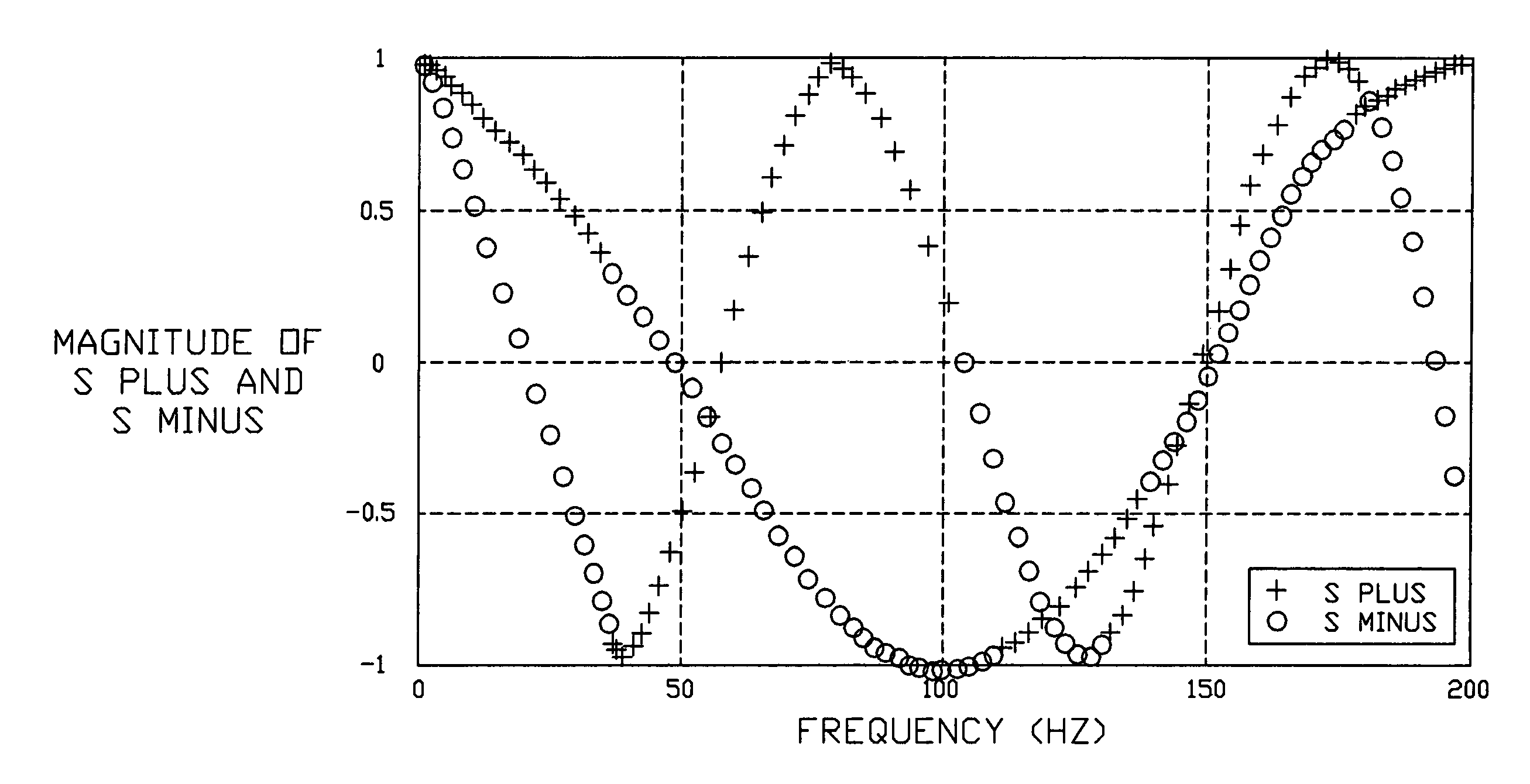
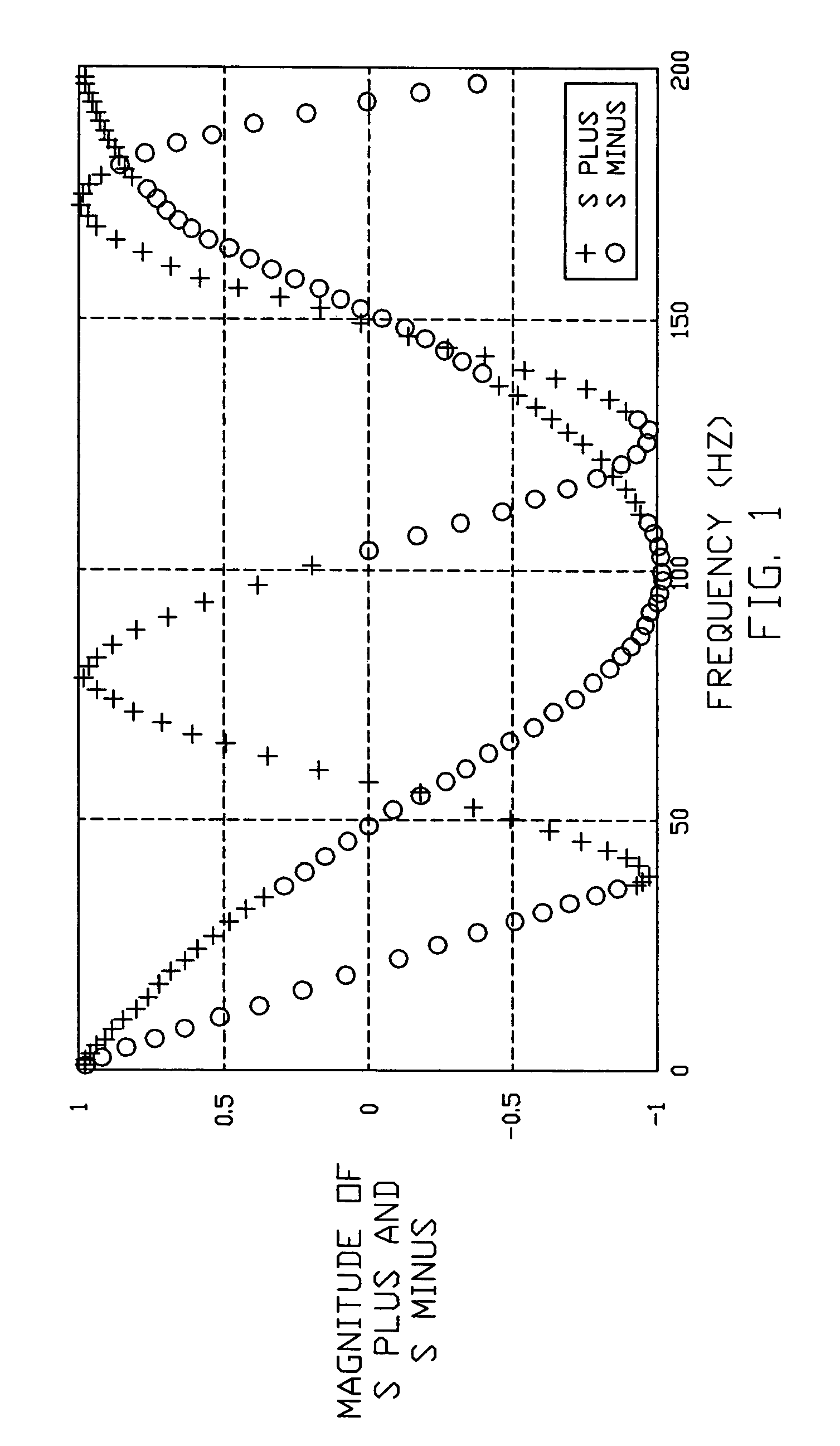
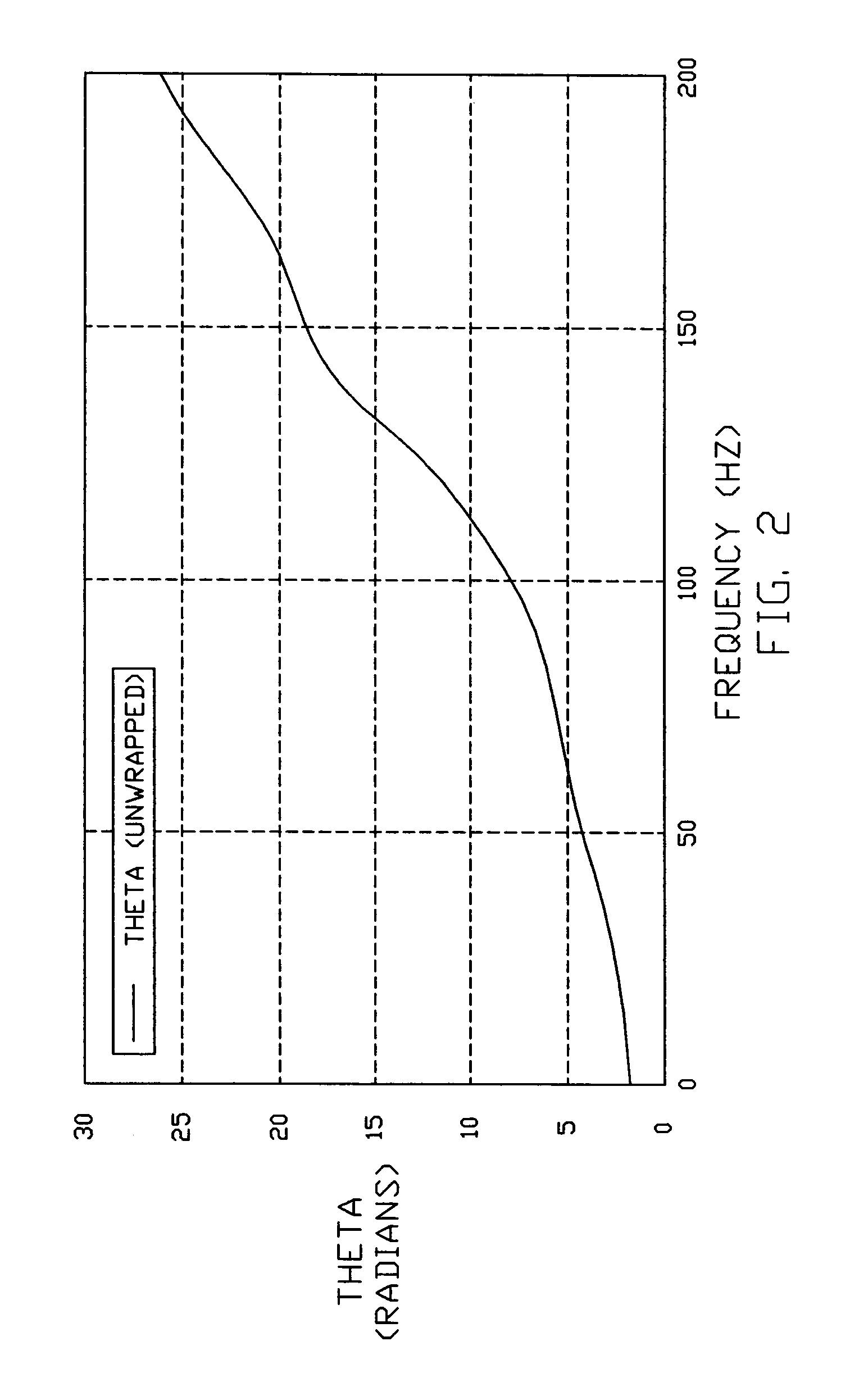
Inverse method for estimating the wave propagation parameters of two dissimilar wave types
PatentInactiveUS7010981B1
Innovation
- A method involving vibrating a structure to excite both types of wave motion simultaneously, making seven movement-related measurements at different positions, and using these measurements to determine complex wavenumbers and wave propagation coefficients through a closed-form solution, allowing for the separation and characterization of the waves without relying on resonant frequencies or curve fitting.

System for measuring a filling level
PatentInactiveUS20200056924A1
Innovation
- A system that uses a sound conductor, vibration sensor, ultrasound transmitter, and evaluation unit to measure the filling level and density of liquids by analyzing the natural frequency of sound waves and runtime, allowing for accurate measurements even with foamed liquids and flexible installation options.


Acoustic Standards and Regulations
The regulatory landscape governing compression wave and frequency propagation encompasses multiple international and national standards that establish fundamental measurement protocols and safety requirements. The International Organization for Standardization (ISO) provides comprehensive frameworks through ISO 9613 series for acoustics and sound propagation, while the International Electrotechnical Commission (IEC) standards address measurement instrumentation and calibration procedures. These standards define acceptable frequency response characteristics, dynamic range specifications, and measurement uncertainty tolerances that directly impact compression wave analysis methodologies.
National regulatory bodies have developed complementary standards that address specific applications of compression wave technology. The American National Standards Institute (ANSI) S1 series establishes measurement procedures for acoustic quantities, including frequency-dependent propagation characteristics. European Committee for Standardization (CEN) standards focus on environmental noise assessment and propagation modeling requirements. These regulations mandate specific measurement protocols for frequency-dependent attenuation coefficients and establish minimum performance criteria for acoustic measurement equipment used in compression wave studies.
Industry-specific regulations significantly influence compression wave propagation research and application development. The Federal Communications Commission (FCC) establishes electromagnetic compatibility requirements that affect acoustic measurement systems operating in proximity to electronic equipment. Occupational Safety and Health Administration (OSHA) regulations define exposure limits for acoustic energy that constrain operational parameters in industrial compression wave applications. Environmental Protection Agency (EPA) noise regulations establish propagation modeling requirements for environmental impact assessments.
Emerging regulatory trends reflect technological advancement in compression wave measurement and analysis capabilities. Recent updates to IEC 61672 standards incorporate digital signal processing requirements and frequency weighting specifications that enhance measurement accuracy across extended frequency ranges. International Telecommunication Union (ITU) recommendations address interference mitigation in acoustic measurement systems, establishing protocols for frequency coordination and spectrum management in research environments.
Compliance verification procedures require standardized testing methodologies that validate compression wave propagation models against established reference conditions. Accreditation requirements mandate traceability to national measurement standards and specify uncertainty budgets for frequency-dependent measurements. Quality assurance protocols establish documentation requirements for measurement procedures, calibration records, and performance verification data that support regulatory compliance in commercial and research applications.
National regulatory bodies have developed complementary standards that address specific applications of compression wave technology. The American National Standards Institute (ANSI) S1 series establishes measurement procedures for acoustic quantities, including frequency-dependent propagation characteristics. European Committee for Standardization (CEN) standards focus on environmental noise assessment and propagation modeling requirements. These regulations mandate specific measurement protocols for frequency-dependent attenuation coefficients and establish minimum performance criteria for acoustic measurement equipment used in compression wave studies.
Industry-specific regulations significantly influence compression wave propagation research and application development. The Federal Communications Commission (FCC) establishes electromagnetic compatibility requirements that affect acoustic measurement systems operating in proximity to electronic equipment. Occupational Safety and Health Administration (OSHA) regulations define exposure limits for acoustic energy that constrain operational parameters in industrial compression wave applications. Environmental Protection Agency (EPA) noise regulations establish propagation modeling requirements for environmental impact assessments.
Emerging regulatory trends reflect technological advancement in compression wave measurement and analysis capabilities. Recent updates to IEC 61672 standards incorporate digital signal processing requirements and frequency weighting specifications that enhance measurement accuracy across extended frequency ranges. International Telecommunication Union (ITU) recommendations address interference mitigation in acoustic measurement systems, establishing protocols for frequency coordination and spectrum management in research environments.
Compliance verification procedures require standardized testing methodologies that validate compression wave propagation models against established reference conditions. Accreditation requirements mandate traceability to national measurement standards and specify uncertainty budgets for frequency-dependent measurements. Quality assurance protocols establish documentation requirements for measurement procedures, calibration records, and performance verification data that support regulatory compliance in commercial and research applications.
Environmental Impact of Wave Technologies
Wave technologies encompassing compression wave and frequency propagation systems present distinct environmental implications that require comprehensive assessment across multiple ecological dimensions. The deployment of these technologies in various applications, from industrial processing to medical treatments, generates environmental footprints that differ significantly based on their operational mechanisms and energy requirements.
Compression wave technologies typically demonstrate lower direct environmental impact due to their mechanical nature and reduced reliance on electromagnetic emissions. These systems primarily affect local environments through acoustic disturbances and vibration transmission, which can influence wildlife behavior patterns and ecosystem dynamics. The energy consumption profile of compression wave systems tends to be more predictable and often requires less continuous power input compared to frequency-based alternatives.
Frequency propagation technologies present more complex environmental considerations, particularly regarding electromagnetic field generation and potential interference with natural biological processes. The continuous emission of electromagnetic frequencies can affect migratory patterns of sensitive species and may contribute to electromagnetic pollution in urban environments. However, these systems often demonstrate superior energy efficiency in specific applications, potentially reducing overall carbon footprint despite their electromagnetic emissions.
The manufacturing phase of both technologies reveals contrasting environmental impacts. Compression wave systems typically require more robust mechanical components and materials with higher embodied energy, while frequency propagation systems demand specialized electronic components containing rare earth elements. The extraction and processing of these materials contribute differently to environmental degradation, with frequency-based systems often requiring more environmentally intensive mining operations.
Lifecycle assessment comparisons indicate that compression wave technologies generally exhibit better end-of-life recyclability due to their predominantly mechanical composition. Conversely, frequency propagation systems face challenges in electronic waste management, though their longer operational lifespans in many applications can offset initial environmental costs.
Regional environmental regulations increasingly influence technology selection, with stricter electromagnetic emission standards favoring compression wave solutions in sensitive ecological areas. Climate considerations also play a role, as compression wave systems often demonstrate better performance stability across varying environmental conditions, reducing the need for climate-controlled operational environments and associated energy consumption.
Compression wave technologies typically demonstrate lower direct environmental impact due to their mechanical nature and reduced reliance on electromagnetic emissions. These systems primarily affect local environments through acoustic disturbances and vibration transmission, which can influence wildlife behavior patterns and ecosystem dynamics. The energy consumption profile of compression wave systems tends to be more predictable and often requires less continuous power input compared to frequency-based alternatives.
Frequency propagation technologies present more complex environmental considerations, particularly regarding electromagnetic field generation and potential interference with natural biological processes. The continuous emission of electromagnetic frequencies can affect migratory patterns of sensitive species and may contribute to electromagnetic pollution in urban environments. However, these systems often demonstrate superior energy efficiency in specific applications, potentially reducing overall carbon footprint despite their electromagnetic emissions.
The manufacturing phase of both technologies reveals contrasting environmental impacts. Compression wave systems typically require more robust mechanical components and materials with higher embodied energy, while frequency propagation systems demand specialized electronic components containing rare earth elements. The extraction and processing of these materials contribute differently to environmental degradation, with frequency-based systems often requiring more environmentally intensive mining operations.
Lifecycle assessment comparisons indicate that compression wave technologies generally exhibit better end-of-life recyclability due to their predominantly mechanical composition. Conversely, frequency propagation systems face challenges in electronic waste management, though their longer operational lifespans in many applications can offset initial environmental costs.
Regional environmental regulations increasingly influence technology selection, with stricter electromagnetic emission standards favoring compression wave solutions in sensitive ecological areas. Climate considerations also play a role, as compression wave systems often demonstrate better performance stability across varying environmental conditions, reducing the need for climate-controlled operational environments and associated energy consumption.
Unlock deeper insights with PatSnap Eureka Quick Research — get a full tech report to explore trends and direct your research. Try now!
Generate Your Research Report Instantly with AI Agent
Supercharge your innovation with PatSnap Eureka AI Agent Platform!