Compare Compression Wave vs Wavefront Techniques in Fields
MAR 9, 20269 MIN READ
Generate Your Research Report Instantly with AI Agent
PatSnap Eureka helps you evaluate technical feasibility & market potential.
Compression Wave and Wavefront Technology Background and Objectives
Compression wave and wavefront techniques represent two fundamental approaches to understanding and manipulating wave propagation phenomena across diverse scientific and engineering fields. These methodologies have evolved from classical physics principles to become sophisticated tools for solving complex problems in seismology, acoustics, optics, medical imaging, and computational fluid dynamics.
The historical development of compression wave technology traces back to the early studies of elastic wave propagation in solid media during the 19th century. Pioneers like Augustin-Louis Cauchy and George Green established the mathematical foundations for understanding how mechanical disturbances propagate through materials as longitudinal waves. This foundational work laid the groundwork for modern applications in non-destructive testing, ultrasonic imaging, and seismic exploration.
Wavefront techniques emerged from geometric optics and Huygens' principle, which describes wave propagation as the envelope of secondary wavelets. This approach gained prominence in the 20th century with advances in computational methods and became particularly valuable for modeling complex wave phenomena in heterogeneous media. The development of ray tracing algorithms and eikonal equation solvers transformed wavefront methods into powerful tools for seismic imaging and optical system design.
The primary objective of compression wave techniques focuses on leveraging the fastest-traveling seismic waves to extract subsurface information, detect material properties, and monitor structural integrity. These methods excel in providing rapid assessment capabilities and high-resolution imaging in homogeneous or mildly heterogeneous environments.
Wavefront techniques aim to accurately model wave propagation in complex, highly heterogeneous media by tracking the evolution of wave surfaces over time. The objective centers on achieving precise travel time calculations, amplitude predictions, and handling complex wave phenomena such as multipathing, caustics, and shadow zones.
Both approaches share the common goal of advancing our understanding of wave physics while addressing practical challenges in their respective application domains. The convergence of these techniques in modern computational frameworks represents a significant evolution toward more comprehensive wave modeling capabilities.
The historical development of compression wave technology traces back to the early studies of elastic wave propagation in solid media during the 19th century. Pioneers like Augustin-Louis Cauchy and George Green established the mathematical foundations for understanding how mechanical disturbances propagate through materials as longitudinal waves. This foundational work laid the groundwork for modern applications in non-destructive testing, ultrasonic imaging, and seismic exploration.
Wavefront techniques emerged from geometric optics and Huygens' principle, which describes wave propagation as the envelope of secondary wavelets. This approach gained prominence in the 20th century with advances in computational methods and became particularly valuable for modeling complex wave phenomena in heterogeneous media. The development of ray tracing algorithms and eikonal equation solvers transformed wavefront methods into powerful tools for seismic imaging and optical system design.
The primary objective of compression wave techniques focuses on leveraging the fastest-traveling seismic waves to extract subsurface information, detect material properties, and monitor structural integrity. These methods excel in providing rapid assessment capabilities and high-resolution imaging in homogeneous or mildly heterogeneous environments.
Wavefront techniques aim to accurately model wave propagation in complex, highly heterogeneous media by tracking the evolution of wave surfaces over time. The objective centers on achieving precise travel time calculations, amplitude predictions, and handling complex wave phenomena such as multipathing, caustics, and shadow zones.
Both approaches share the common goal of advancing our understanding of wave physics while addressing practical challenges in their respective application domains. The convergence of these techniques in modern computational frameworks represents a significant evolution toward more comprehensive wave modeling capabilities.
Market Demand Analysis for Wave-Based Field Applications
The global market for wave-based field applications is experiencing unprecedented growth driven by diverse industrial sectors seeking advanced sensing, imaging, and measurement solutions. Seismic exploration remains the largest market segment, with oil and gas companies increasingly demanding sophisticated wave propagation techniques for subsurface characterization. The renewable energy sector, particularly geothermal exploration, represents an emerging high-growth segment requiring precise wave-based mapping technologies.
Medical imaging applications constitute another substantial market driver, where ultrasonic wave techniques enable non-invasive diagnostic procedures. The healthcare sector's continuous expansion, coupled with aging populations worldwide, sustains robust demand for advanced wave-based imaging systems. Industrial non-destructive testing markets also demonstrate strong growth potential, as manufacturing industries prioritize quality assurance and structural integrity assessment.
Compression wave techniques dominate current market applications due to their established reliability and widespread industry acceptance. These methods excel in deep penetration scenarios, making them particularly valuable for geological surveys and large-scale infrastructure monitoring. Market demand for compression wave solutions remains steady, supported by their proven track record in critical applications where accuracy and reliability are paramount.
Wavefront techniques are gaining significant market traction, particularly in applications requiring high-resolution imaging and real-time processing capabilities. The telecommunications industry drives substantial demand for wavefront-based solutions in signal processing and beam forming applications. Emerging markets in autonomous vehicles and advanced radar systems increasingly favor wavefront techniques for their superior spatial resolution and adaptive processing capabilities.
Regional market dynamics reveal concentrated demand in North America and Europe, where established energy and healthcare sectors drive adoption. Asia-Pacific markets show rapid growth potential, fueled by expanding industrial bases and increasing infrastructure development projects. The market landscape indicates growing preference for hybrid solutions that combine both compression wave and wavefront techniques, addressing diverse application requirements within single integrated systems.
Cost considerations significantly influence market adoption patterns, with compression wave techniques maintaining advantages in price-sensitive applications. However, wavefront techniques are experiencing declining implementation costs due to advancing computational capabilities and improved algorithm efficiency, expanding their market accessibility across various industry segments.
Medical imaging applications constitute another substantial market driver, where ultrasonic wave techniques enable non-invasive diagnostic procedures. The healthcare sector's continuous expansion, coupled with aging populations worldwide, sustains robust demand for advanced wave-based imaging systems. Industrial non-destructive testing markets also demonstrate strong growth potential, as manufacturing industries prioritize quality assurance and structural integrity assessment.
Compression wave techniques dominate current market applications due to their established reliability and widespread industry acceptance. These methods excel in deep penetration scenarios, making them particularly valuable for geological surveys and large-scale infrastructure monitoring. Market demand for compression wave solutions remains steady, supported by their proven track record in critical applications where accuracy and reliability are paramount.
Wavefront techniques are gaining significant market traction, particularly in applications requiring high-resolution imaging and real-time processing capabilities. The telecommunications industry drives substantial demand for wavefront-based solutions in signal processing and beam forming applications. Emerging markets in autonomous vehicles and advanced radar systems increasingly favor wavefront techniques for their superior spatial resolution and adaptive processing capabilities.
Regional market dynamics reveal concentrated demand in North America and Europe, where established energy and healthcare sectors drive adoption. Asia-Pacific markets show rapid growth potential, fueled by expanding industrial bases and increasing infrastructure development projects. The market landscape indicates growing preference for hybrid solutions that combine both compression wave and wavefront techniques, addressing diverse application requirements within single integrated systems.
Cost considerations significantly influence market adoption patterns, with compression wave techniques maintaining advantages in price-sensitive applications. However, wavefront techniques are experiencing declining implementation costs due to advancing computational capabilities and improved algorithm efficiency, expanding their market accessibility across various industry segments.
Current Status and Challenges in Wave Propagation Technologies
Wave propagation technologies have reached a critical juncture where compression wave and wavefront techniques represent two dominant paradigms with distinct advantages and limitations. Compression wave methods excel in seismic exploration and medical imaging applications, offering superior penetration depth and energy transmission efficiency. However, these techniques face significant challenges in complex heterogeneous media where wave scattering and attenuation severely degrade signal quality.
Wavefront reconstruction techniques have emerged as powerful alternatives, particularly in optical and electromagnetic field applications. These methods demonstrate exceptional precision in phase control and beam shaping, enabling advanced applications in holography, adaptive optics, and wireless communications. Nevertheless, wavefront approaches struggle with computational complexity and real-time processing requirements, especially when dealing with large-scale field distributions.
Current technological barriers span multiple domains, with signal-to-noise ratio optimization remaining a persistent challenge across both methodologies. Compression wave systems encounter difficulties in maintaining coherence over extended propagation distances, while wavefront techniques face limitations in dynamic range and measurement accuracy. Environmental factors such as temperature variations, atmospheric turbulence, and material inhomogeneities further complicate practical implementations.
The geographical distribution of technological expertise reveals concentrated development in North America and Europe for compression wave applications, primarily driven by oil and gas exploration industries. Wavefront technology advancement centers around Asia-Pacific regions, particularly in countries with strong semiconductor and telecommunications sectors. This geographical disparity creates knowledge gaps and limits cross-pollination between the two technical approaches.
Integration challenges represent another significant hurdle, as existing infrastructure often favors one technique over the other. Legacy systems designed for compression wave processing require substantial modifications to accommodate wavefront methodologies, creating economic barriers to technology adoption. Additionally, standardization efforts remain fragmented, with different industries developing incompatible protocols and measurement standards.
Emerging applications in quantum sensing, autonomous vehicles, and 5G communications demand hybrid approaches that combine strengths from both techniques. However, current technological maturity levels differ significantly, with compression wave methods being more established in industrial applications while wavefront techniques show greater potential for next-generation sensing and communication systems.
Wavefront reconstruction techniques have emerged as powerful alternatives, particularly in optical and electromagnetic field applications. These methods demonstrate exceptional precision in phase control and beam shaping, enabling advanced applications in holography, adaptive optics, and wireless communications. Nevertheless, wavefront approaches struggle with computational complexity and real-time processing requirements, especially when dealing with large-scale field distributions.
Current technological barriers span multiple domains, with signal-to-noise ratio optimization remaining a persistent challenge across both methodologies. Compression wave systems encounter difficulties in maintaining coherence over extended propagation distances, while wavefront techniques face limitations in dynamic range and measurement accuracy. Environmental factors such as temperature variations, atmospheric turbulence, and material inhomogeneities further complicate practical implementations.
The geographical distribution of technological expertise reveals concentrated development in North America and Europe for compression wave applications, primarily driven by oil and gas exploration industries. Wavefront technology advancement centers around Asia-Pacific regions, particularly in countries with strong semiconductor and telecommunications sectors. This geographical disparity creates knowledge gaps and limits cross-pollination between the two technical approaches.
Integration challenges represent another significant hurdle, as existing infrastructure often favors one technique over the other. Legacy systems designed for compression wave processing require substantial modifications to accommodate wavefront methodologies, creating economic barriers to technology adoption. Additionally, standardization efforts remain fragmented, with different industries developing incompatible protocols and measurement standards.
Emerging applications in quantum sensing, autonomous vehicles, and 5G communications demand hybrid approaches that combine strengths from both techniques. However, current technological maturity levels differ significantly, with compression wave methods being more established in industrial applications while wavefront techniques show greater potential for next-generation sensing and communication systems.
Current Technical Solutions for Wave Field Manipulation
01 Wavefront sensing and measurement techniques
Technologies for measuring and analyzing wavefront aberrations in optical systems using various sensing methods. These techniques involve detecting phase distortions and irregularities in wavefronts to characterize optical performance. Applications include adaptive optics systems, vision correction, and optical testing where precise wavefront measurement is critical for system optimization.- Wavefront sensing and measurement techniques: Technologies for measuring and analyzing wavefront aberrations in optical systems. These techniques involve detecting distortions in light waves as they propagate through various media, enabling precise characterization of optical properties. Methods include using sensor arrays, interferometric approaches, and computational algorithms to reconstruct wavefront shapes and identify aberrations for correction or analysis purposes.
- Adaptive optics and wavefront correction systems: Systems that dynamically correct wavefront distortions in real-time using deformable mirrors, spatial light modulators, or other adaptive elements. These systems measure incoming wavefront aberrations and apply compensating corrections to improve image quality or beam characteristics. Applications span astronomy, microscopy, laser systems, and vision science where atmospheric turbulence or optical imperfections need to be counteracted.
- Compression wave generation and propagation: Methods for creating and controlling compression waves in various media including fluids, gases, and solids. These techniques involve generating pressure waves that propagate through materials, with applications in acoustic imaging, material testing, and therapeutic treatments. The technology encompasses wave shaping, focusing, and steering to achieve desired compression wave characteristics and interaction with target materials.
- Wavefront-guided laser processing and manufacturing: Applications of wavefront analysis and control in laser-based manufacturing and material processing. These systems utilize wavefront measurements to optimize laser beam delivery, ensuring precise energy distribution for cutting, welding, ablation, or surface modification. The technology enables improved process control, reduced defects, and enhanced quality in applications ranging from semiconductor fabrication to medical device manufacturing.
- Computational wavefront reconstruction algorithms: Advanced computational methods for reconstructing wavefront information from sensor data or indirect measurements. These algorithms process raw detection signals to extract phase and amplitude information, often employing iterative optimization, machine learning, or transform-based approaches. The techniques enable wavefront analysis in situations where direct measurement is challenging, supporting applications in imaging, metrology, and optical system design.
02 Compression wave generation and control
Methods for generating and controlling compression waves in various media, including fluids and solids. These techniques involve creating pressure waves through mechanical or acoustic means and managing their propagation characteristics. Applications span medical ultrasound, industrial testing, and material processing where controlled compression wave delivery is essential.Expand Specific Solutions03 Wavefront correction and adaptive optics
Systems and methods for correcting wavefront distortions using adaptive optical elements and real-time feedback control. These approaches employ deformable mirrors, spatial light modulators, or other corrective devices to compensate for aberrations. The technology enables improved imaging quality in telescopes, microscopes, laser systems, and vision correction applications.Expand Specific Solutions04 Seismic and acoustic wave processing
Techniques for processing and analyzing compression waves in geophysical exploration and acoustic applications. These methods involve signal processing algorithms to extract information from wave propagation data, including travel time analysis, amplitude processing, and phase detection. Applications include oil and gas exploration, earthquake monitoring, and subsurface imaging.Expand Specific Solutions05 Medical and therapeutic compression wave applications
Applications of compression waves and wavefront technologies in medical diagnostics and therapeutic treatments. These include focused ultrasound therapy, shockwave lithotripsy, and diagnostic imaging techniques that utilize controlled wave propagation. The methods enable non-invasive treatment options and enhanced diagnostic capabilities through precise wave focusing and delivery.Expand Specific Solutions
Major Players in Wave Technology and Field Applications
The compression wave versus wavefront techniques field represents a mature technology sector experiencing steady growth, particularly in geophysical exploration and signal processing applications. The market demonstrates significant scale with established players like PGS Geophysical AS and Schlumberger Technologies dominating seismic data acquisition, while Saudi Arabian Oil Co. drives demand from the energy sector. Technology maturity varies across applications, with companies like Microsoft Technology Licensing LLC and Adobe Inc. advancing digital processing capabilities, while traditional manufacturers such as Canon Inc., LG Electronics, and Hyundai Motor Co. integrate these techniques into consumer and industrial products. Academic institutions including Northwestern Polytechnical University, Beihang University, and University of Houston contribute fundamental research, indicating ongoing innovation potential. The competitive landscape shows convergence between established geophysical service providers and emerging technology companies, suggesting continued evolution in compression wave and wavefront methodologies across multiple industrial applications.
Microsoft Technology Licensing LLC
Technical Solution: Microsoft has developed computational frameworks for wave propagation modeling and simulation, particularly in acoustic and electromagnetic fields. Their Azure cloud platform provides high-performance computing resources for complex wavefront analysis and compression wave modeling. The company's machine learning algorithms can process large-scale wave field data to identify patterns and optimize propagation characteristics. Their DirectX raytracing technology incorporates wave-based rendering techniques that simulate realistic wave interactions in virtual environments. Microsoft's research division has published work on numerical methods for solving wave equations and optimizing computational efficiency in wave field calculations.
Strengths: Powerful cloud computing infrastructure and advanced AI capabilities for data processing. Weaknesses: Focus primarily on software solutions rather than specialized hardware implementations.
PGS Geophysical AS
Technical Solution: PGS has developed advanced marine seismic acquisition systems that utilize both compression wave (P-wave) and shear wave (S-wave) techniques for subsurface imaging. Their GeoStreamer technology employs solid streamers that can record both wave types simultaneously, enabling better reservoir characterization. The company's wavefront reconstruction algorithms process seismic data to create high-resolution images of geological structures. Their multi-component seismic systems can distinguish between different wave propagation modes, providing enhanced interpretation capabilities for oil and gas exploration. The technology integrates real-time processing with advanced modeling techniques to optimize field acquisition parameters.
Strengths: Industry-leading marine seismic technology with proven field applications. Weaknesses: Limited to marine environments, high operational costs for deep-water surveys.
Core Patent Analysis in Wave Compression and Wavefront Control
Method for measuring several wavefronts incoming from different propagation directions
PatentActiveUS20220099499A1
Innovation
- A method using an optical assembly with an optical mask and imaging sensor to generate and record intensity patterns, allowing for the simultaneous measurement of wavefront shapes from multiple angular channels in a single image acquisition by computing intensity-weight and deformation data to minimize differences between the signal image and reference intensity patterns.


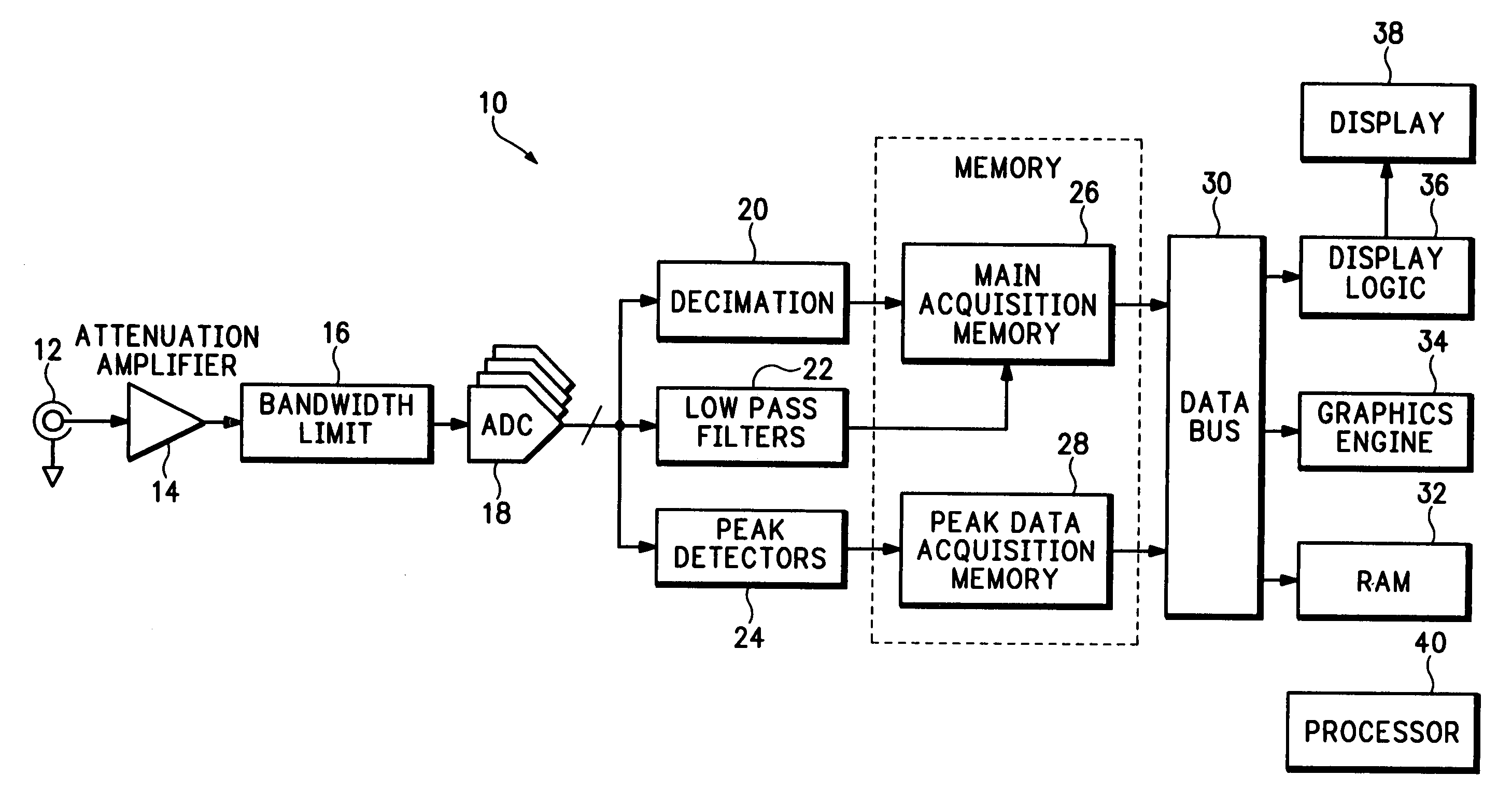
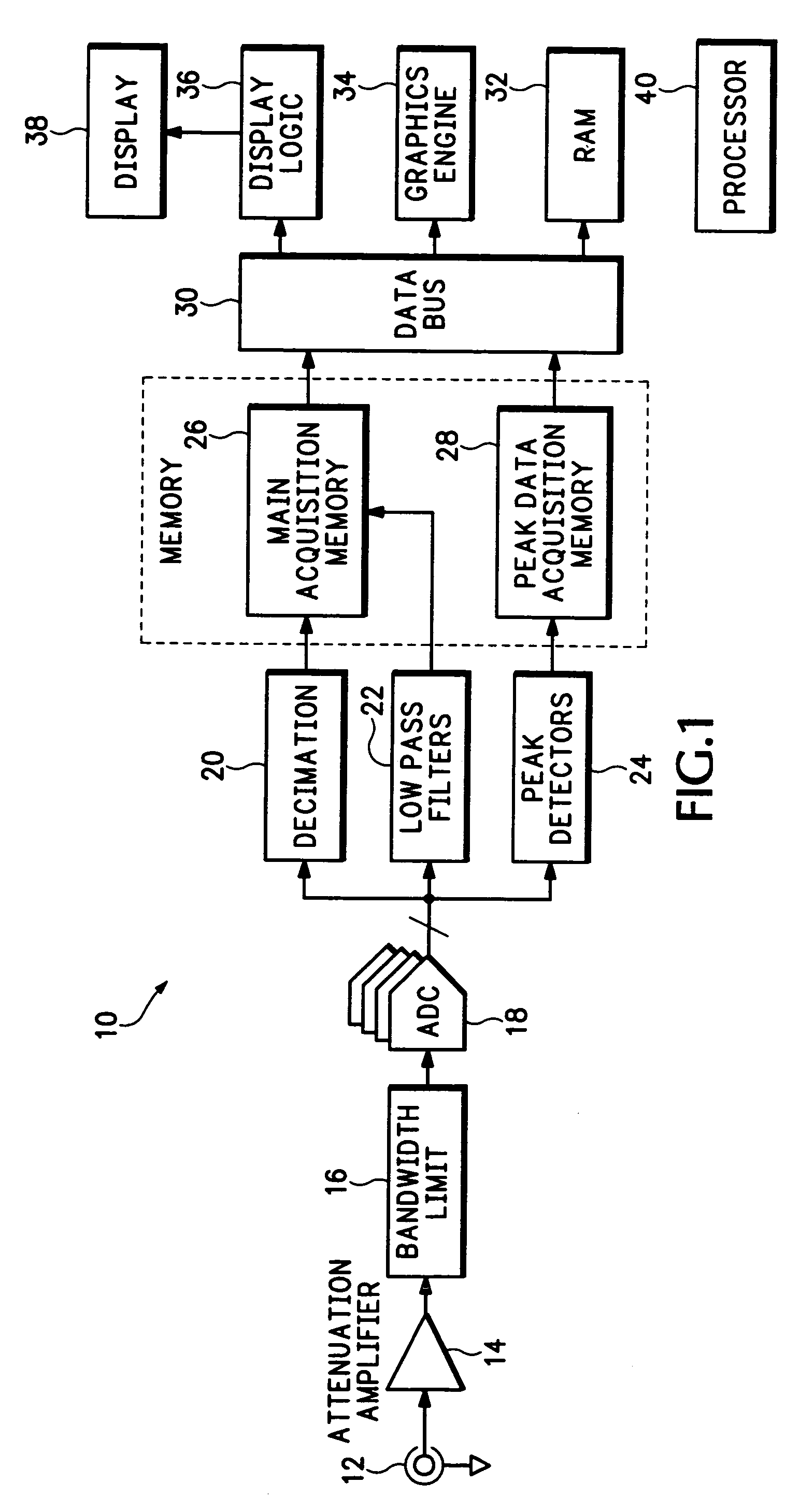
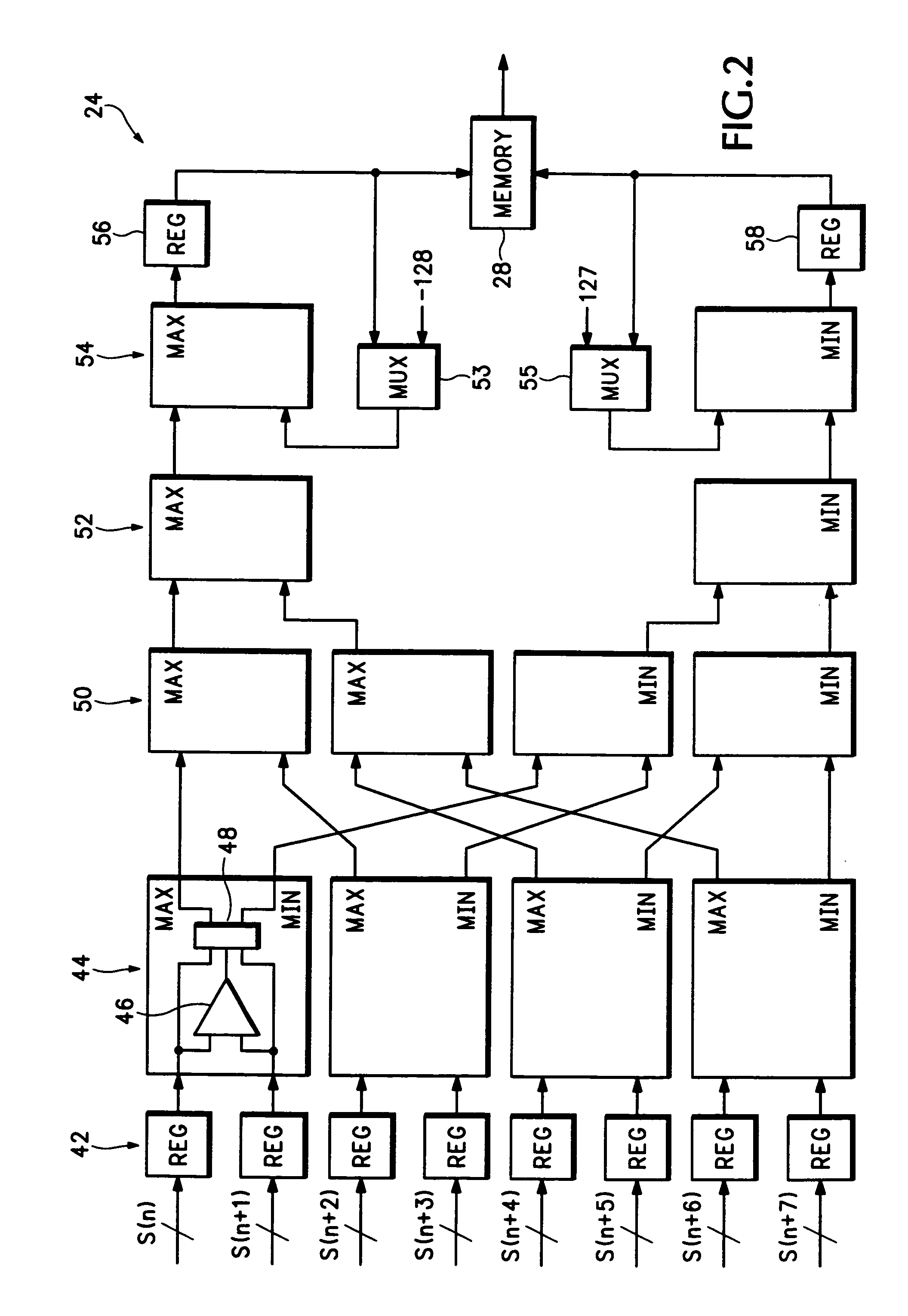
Waveform compression and display
PatentActiveUS7834780B2
Innovation
- A technique that simultaneously displays both a peak detected ('background') and a decimated/lowpass filtered ('foreground') version of the waveform, with adjustable intensity and color contrast to preserve information from both, allowing for effective compression and accurate representation of high and low frequency components.

Computational Requirements for Wave Field Processing
The computational requirements for wave field processing vary significantly between compression wave and wavefront techniques, with each approach presenting distinct resource demands and optimization challenges. Understanding these computational aspects is crucial for selecting appropriate methodologies based on available hardware resources and processing time constraints.
Compression wave techniques typically require substantial computational power during the initial compression phase, where complex algorithms must analyze and encode wave field data. The computational intensity stems from the need to identify redundant information patterns and apply sophisticated compression algorithms such as wavelet transforms or Fourier-based methods. Memory requirements are generally moderate during processing but can spike during compression operations, particularly when handling large datasets that exceed available RAM capacity.
Wavefront techniques demonstrate different computational characteristics, with processing requirements distributed more evenly across the entire workflow. These methods require continuous computational resources for tracking wave propagation and maintaining wavefront integrity throughout the processing pipeline. The memory footprint tends to be more predictable and stable, as wavefront algorithms typically process data in sequential chunks rather than requiring entire datasets to be loaded simultaneously.
Parallel processing capabilities differ markedly between the two approaches. Compression wave techniques often benefit from embarrassingly parallel architectures, where independent data segments can be processed simultaneously across multiple cores or distributed systems. This parallelization potential makes compression methods particularly suitable for high-performance computing environments and cloud-based processing platforms.
Wavefront techniques present more complex parallelization challenges due to their sequential nature and interdependencies between processing steps. However, modern implementations have developed sophisticated domain decomposition strategies that enable effective parallel execution while maintaining wavefront coherence across processing boundaries.
Real-time processing requirements also influence computational considerations. Compression wave methods may struggle with strict real-time constraints due to the computational overhead of compression algorithms, though they excel in scenarios where processing latency is acceptable. Wavefront techniques generally offer more predictable processing times and can be optimized for real-time applications through careful algorithm design and resource allocation strategies.
Compression wave techniques typically require substantial computational power during the initial compression phase, where complex algorithms must analyze and encode wave field data. The computational intensity stems from the need to identify redundant information patterns and apply sophisticated compression algorithms such as wavelet transforms or Fourier-based methods. Memory requirements are generally moderate during processing but can spike during compression operations, particularly when handling large datasets that exceed available RAM capacity.
Wavefront techniques demonstrate different computational characteristics, with processing requirements distributed more evenly across the entire workflow. These methods require continuous computational resources for tracking wave propagation and maintaining wavefront integrity throughout the processing pipeline. The memory footprint tends to be more predictable and stable, as wavefront algorithms typically process data in sequential chunks rather than requiring entire datasets to be loaded simultaneously.
Parallel processing capabilities differ markedly between the two approaches. Compression wave techniques often benefit from embarrassingly parallel architectures, where independent data segments can be processed simultaneously across multiple cores or distributed systems. This parallelization potential makes compression methods particularly suitable for high-performance computing environments and cloud-based processing platforms.
Wavefront techniques present more complex parallelization challenges due to their sequential nature and interdependencies between processing steps. However, modern implementations have developed sophisticated domain decomposition strategies that enable effective parallel execution while maintaining wavefront coherence across processing boundaries.
Real-time processing requirements also influence computational considerations. Compression wave methods may struggle with strict real-time constraints due to the computational overhead of compression algorithms, though they excel in scenarios where processing latency is acceptable. Wavefront techniques generally offer more predictable processing times and can be optimized for real-time applications through careful algorithm design and resource allocation strategies.
Cross-Domain Applications of Wave Technologies
Wave technologies have demonstrated remarkable versatility across multiple domains, with compression wave and wavefront techniques finding applications far beyond their traditional boundaries. The fundamental principles underlying these approaches enable their adaptation to diverse fields, creating opportunities for cross-pollination of methodologies and innovative solutions.
In medical imaging and diagnostics, compression wave techniques form the backbone of ultrasound technology, where acoustic waves penetrate tissues to generate real-time imaging. Meanwhile, wavefront analysis has revolutionized ophthalmology through adaptive optics systems that correct vision aberrations by measuring and compensating for wavefront distortions in the human eye. These applications showcase how wave propagation principles translate effectively from physics to healthcare.
Geophysical exploration represents another significant domain where both techniques converge. Seismic surveys utilize compression waves to map subsurface structures for oil and gas exploration, while wavefront reconstruction methods enhance data interpretation accuracy. The petroleum industry has extensively adopted hybrid approaches that combine compression wave analysis with wavefront modeling to improve reservoir characterization and reduce exploration risks.
Telecommunications and signal processing have embraced wavefront techniques for beamforming applications in antenna arrays and 5G networks. These systems manipulate wave propagation patterns to enhance signal quality and coverage. Simultaneously, compression wave principles underpin acoustic communication systems used in underwater environments and industrial monitoring applications.
Manufacturing and non-destructive testing leverage both approaches for quality control and defect detection. Ultrasonic testing employs compression waves to identify internal flaws in materials, while wavefront analysis enables precise measurement of surface irregularities and stress distributions. The aerospace industry particularly benefits from these combined methodologies for ensuring structural integrity.
Emerging applications in quantum computing and photonics demonstrate the expanding frontier of wave technologies. Wavefront shaping techniques manipulate light propagation in complex media, while compression wave concepts inform the design of quantum acoustic devices. These developments suggest continued evolution and cross-domain fertilization of wave-based technologies.
In medical imaging and diagnostics, compression wave techniques form the backbone of ultrasound technology, where acoustic waves penetrate tissues to generate real-time imaging. Meanwhile, wavefront analysis has revolutionized ophthalmology through adaptive optics systems that correct vision aberrations by measuring and compensating for wavefront distortions in the human eye. These applications showcase how wave propagation principles translate effectively from physics to healthcare.
Geophysical exploration represents another significant domain where both techniques converge. Seismic surveys utilize compression waves to map subsurface structures for oil and gas exploration, while wavefront reconstruction methods enhance data interpretation accuracy. The petroleum industry has extensively adopted hybrid approaches that combine compression wave analysis with wavefront modeling to improve reservoir characterization and reduce exploration risks.
Telecommunications and signal processing have embraced wavefront techniques for beamforming applications in antenna arrays and 5G networks. These systems manipulate wave propagation patterns to enhance signal quality and coverage. Simultaneously, compression wave principles underpin acoustic communication systems used in underwater environments and industrial monitoring applications.
Manufacturing and non-destructive testing leverage both approaches for quality control and defect detection. Ultrasonic testing employs compression waves to identify internal flaws in materials, while wavefront analysis enables precise measurement of surface irregularities and stress distributions. The aerospace industry particularly benefits from these combined methodologies for ensuring structural integrity.
Emerging applications in quantum computing and photonics demonstrate the expanding frontier of wave technologies. Wavefront shaping techniques manipulate light propagation in complex media, while compression wave concepts inform the design of quantum acoustic devices. These developments suggest continued evolution and cross-domain fertilization of wave-based technologies.
Unlock deeper insights with PatSnap Eureka Quick Research — get a full tech report to explore trends and direct your research. Try now!
Generate Your Research Report Instantly with AI Agent
Supercharge your innovation with PatSnap Eureka AI Agent Platform!