

Comparing Optical Backplane Performance Across UV and IR Ranges
MAY 20, 20269 MIN READ
Generate Your Research Report Instantly with AI Agent
PatSnap Eureka helps you evaluate technical feasibility & market potential.
Optical Backplane Technology Background and Objectives
Optical backplane technology represents a paradigm shift from traditional electrical interconnects to photonic solutions for high-speed data transmission within computing and telecommunications systems. This technology emerged from the fundamental limitations of copper-based backplanes, which suffer from signal degradation, electromagnetic interference, and bandwidth constraints as data rates continue to escalate beyond 100 Gbps per channel.
The evolution of optical backplanes traces back to the early 2000s when researchers began exploring photonic integration to address the growing demand for higher bandwidth density and lower power consumption in data centers and high-performance computing systems. Initial developments focused primarily on near-infrared wavelengths around 850nm and 1310nm, leveraging mature fiber optic communication technologies.
Recent technological advances have expanded the operational spectrum to include ultraviolet and extended infrared ranges, opening new possibilities for wavelength division multiplexing and enhanced system performance. The UV range, typically spanning 200-400nm, offers potential advantages in terms of component miniaturization and higher photon energy, while extended IR ranges beyond 1550nm provide opportunities for reduced material absorption losses in certain substrates.
The primary objective of comparing optical backplane performance across UV and IR ranges centers on optimizing system-level metrics including bandwidth density, power efficiency, thermal management, and manufacturing scalability. This comparative analysis aims to identify the optimal wavelength regions for specific application scenarios, considering factors such as component availability, material compatibility, and long-term reliability.
Key performance parameters under investigation include insertion loss characteristics, crosstalk mitigation, temperature stability, and integration complexity across different spectral regions. The research seeks to establish comprehensive performance benchmarks that will guide future optical backplane designs and inform strategic technology investments.
Understanding the trade-offs between UV and IR implementations is crucial for developing next-generation optical interconnect solutions that can meet the demanding requirements of emerging applications such as artificial intelligence accelerators, quantum computing interfaces, and ultra-high-speed networking equipment.
The evolution of optical backplanes traces back to the early 2000s when researchers began exploring photonic integration to address the growing demand for higher bandwidth density and lower power consumption in data centers and high-performance computing systems. Initial developments focused primarily on near-infrared wavelengths around 850nm and 1310nm, leveraging mature fiber optic communication technologies.
Recent technological advances have expanded the operational spectrum to include ultraviolet and extended infrared ranges, opening new possibilities for wavelength division multiplexing and enhanced system performance. The UV range, typically spanning 200-400nm, offers potential advantages in terms of component miniaturization and higher photon energy, while extended IR ranges beyond 1550nm provide opportunities for reduced material absorption losses in certain substrates.
The primary objective of comparing optical backplane performance across UV and IR ranges centers on optimizing system-level metrics including bandwidth density, power efficiency, thermal management, and manufacturing scalability. This comparative analysis aims to identify the optimal wavelength regions for specific application scenarios, considering factors such as component availability, material compatibility, and long-term reliability.
Key performance parameters under investigation include insertion loss characteristics, crosstalk mitigation, temperature stability, and integration complexity across different spectral regions. The research seeks to establish comprehensive performance benchmarks that will guide future optical backplane designs and inform strategic technology investments.
Understanding the trade-offs between UV and IR implementations is crucial for developing next-generation optical interconnect solutions that can meet the demanding requirements of emerging applications such as artificial intelligence accelerators, quantum computing interfaces, and ultra-high-speed networking equipment.
Market Demand for UV-IR Optical Backplane Solutions
The market demand for UV-IR optical backplane solutions is experiencing significant growth driven by the expanding requirements of high-performance computing, telecommunications infrastructure, and advanced sensing applications. Data centers and cloud computing facilities represent the largest segment of demand, where optical backplanes operating across UV and IR ranges enable higher bandwidth density and reduced power consumption compared to traditional electrical interconnects. The increasing deployment of artificial intelligence and machine learning workloads has intensified the need for faster data transfer rates between processors, memory units, and storage systems.
Telecommunications infrastructure modernization is creating substantial demand for UV-IR optical backplane technologies. The rollout of 5G networks and preparation for 6G systems require optical switching and routing equipment capable of handling massive data throughput with minimal latency. Optical backplanes operating in both UV and IR spectrums provide the flexibility to optimize performance for different signal types and transmission distances within network equipment.
The aerospace and defense sector represents a specialized but high-value market segment for UV-IR optical backplane solutions. Military communication systems, radar applications, and satellite technologies require robust optical interconnects that can operate reliably across extreme environmental conditions. The dual-spectrum capability allows for redundancy and enhanced signal integrity in mission-critical applications.
Industrial automation and manufacturing sectors are increasingly adopting optical backplane technologies for real-time control systems and sensor networks. The ability to transmit both UV and IR signals through the same backplane infrastructure reduces system complexity while enabling advanced sensing capabilities for quality control and process monitoring applications.
Medical and scientific instrumentation markets demand UV-IR optical backplanes for high-resolution imaging systems, spectroscopy equipment, and laboratory automation platforms. These applications require precise signal transmission across multiple wavelengths simultaneously, making dual-spectrum optical backplanes essential for maintaining measurement accuracy and system reliability.
The automotive industry's transition toward autonomous vehicles and advanced driver assistance systems is creating emerging demand for UV-IR optical backplane solutions. These systems require rapid processing of sensor data from multiple sources, including LiDAR systems operating in IR ranges and UV-sensitive cameras for enhanced environmental perception.
Market growth is further accelerated by the increasing adoption of edge computing architectures, where distributed processing nodes require high-speed optical interconnects to maintain system coherence and data synchronization across geographically dispersed locations.
Telecommunications infrastructure modernization is creating substantial demand for UV-IR optical backplane technologies. The rollout of 5G networks and preparation for 6G systems require optical switching and routing equipment capable of handling massive data throughput with minimal latency. Optical backplanes operating in both UV and IR spectrums provide the flexibility to optimize performance for different signal types and transmission distances within network equipment.
The aerospace and defense sector represents a specialized but high-value market segment for UV-IR optical backplane solutions. Military communication systems, radar applications, and satellite technologies require robust optical interconnects that can operate reliably across extreme environmental conditions. The dual-spectrum capability allows for redundancy and enhanced signal integrity in mission-critical applications.
Industrial automation and manufacturing sectors are increasingly adopting optical backplane technologies for real-time control systems and sensor networks. The ability to transmit both UV and IR signals through the same backplane infrastructure reduces system complexity while enabling advanced sensing capabilities for quality control and process monitoring applications.
Medical and scientific instrumentation markets demand UV-IR optical backplanes for high-resolution imaging systems, spectroscopy equipment, and laboratory automation platforms. These applications require precise signal transmission across multiple wavelengths simultaneously, making dual-spectrum optical backplanes essential for maintaining measurement accuracy and system reliability.
The automotive industry's transition toward autonomous vehicles and advanced driver assistance systems is creating emerging demand for UV-IR optical backplane solutions. These systems require rapid processing of sensor data from multiple sources, including LiDAR systems operating in IR ranges and UV-sensitive cameras for enhanced environmental perception.
Market growth is further accelerated by the increasing adoption of edge computing architectures, where distributed processing nodes require high-speed optical interconnects to maintain system coherence and data synchronization across geographically dispersed locations.
Current Status of UV vs IR Optical Backplane Technologies
The optical backplane technology landscape currently presents a distinct dichotomy between ultraviolet and infrared implementations, each occupying specialized market segments with varying degrees of technological maturity. UV optical backplanes primarily operate in the 200-400nm wavelength range, while IR systems predominantly utilize wavelengths between 850nm and 1550nm, representing fundamentally different approaches to high-speed data transmission within computing and telecommunications infrastructure.
IR optical backplane technologies have achieved significantly greater commercial penetration and technological sophistication compared to their UV counterparts. The 850nm and 1310nm wavelength systems dominate current deployments, benefiting from decades of development in fiber optic communications and established manufacturing ecosystems. These systems leverage mature VCSEL and photodiode technologies, enabling data rates exceeding 100Gbps per channel with proven reliability in enterprise and data center environments.
UV optical backplane implementations remain largely in research and early development phases, with limited commercial availability. The primary technological drivers for UV exploration include potential advantages in component miniaturization and reduced optical crosstalk due to shorter wavelengths. However, UV systems face substantial technical barriers including limited availability of efficient light sources, photodetector sensitivity challenges, and material compatibility issues with standard optical components.
Current IR technology demonstrates superior performance metrics across most practical applications. Silicon photonics platforms operating at 1310nm and 1550nm wavelengths have achieved remarkable integration densities, with commercial solutions supporting hundreds of optical channels within compact form factors. The ecosystem benefits from standardized connector interfaces, established testing methodologies, and comprehensive supply chain infrastructure developed over multiple decades of telecommunications industry evolution.
The technological readiness levels between UV and IR optical backplanes show dramatic disparities. IR systems have progressed through complete product lifecycle development, including reliability testing, thermal management solutions, and cost optimization. Manufacturing processes for IR components have achieved economies of scale, resulting in predictable pricing structures and quality assurance protocols that meet enterprise deployment requirements.
UV optical backplane research focuses primarily on overcoming fundamental material science challenges rather than system-level optimization. Current investigations explore novel semiconductor materials for UV light generation and detection, specialized optical materials with appropriate transmission characteristics, and packaging solutions that maintain UV component performance under operational conditions. These efforts remain concentrated in academic and advanced research institutions rather than commercial development programs.
The performance comparison reveals IR technologies' clear advantages in power efficiency, signal integrity, and environmental stability. IR systems demonstrate superior link budgets, enabling longer transmission distances and more robust signal margins. Additionally, the established thermal management techniques for IR components provide predictable performance across industrial temperature ranges, while UV systems continue to exhibit sensitivity to environmental variations that limit practical deployment scenarios.
IR optical backplane technologies have achieved significantly greater commercial penetration and technological sophistication compared to their UV counterparts. The 850nm and 1310nm wavelength systems dominate current deployments, benefiting from decades of development in fiber optic communications and established manufacturing ecosystems. These systems leverage mature VCSEL and photodiode technologies, enabling data rates exceeding 100Gbps per channel with proven reliability in enterprise and data center environments.
UV optical backplane implementations remain largely in research and early development phases, with limited commercial availability. The primary technological drivers for UV exploration include potential advantages in component miniaturization and reduced optical crosstalk due to shorter wavelengths. However, UV systems face substantial technical barriers including limited availability of efficient light sources, photodetector sensitivity challenges, and material compatibility issues with standard optical components.
Current IR technology demonstrates superior performance metrics across most practical applications. Silicon photonics platforms operating at 1310nm and 1550nm wavelengths have achieved remarkable integration densities, with commercial solutions supporting hundreds of optical channels within compact form factors. The ecosystem benefits from standardized connector interfaces, established testing methodologies, and comprehensive supply chain infrastructure developed over multiple decades of telecommunications industry evolution.
The technological readiness levels between UV and IR optical backplanes show dramatic disparities. IR systems have progressed through complete product lifecycle development, including reliability testing, thermal management solutions, and cost optimization. Manufacturing processes for IR components have achieved economies of scale, resulting in predictable pricing structures and quality assurance protocols that meet enterprise deployment requirements.
UV optical backplane research focuses primarily on overcoming fundamental material science challenges rather than system-level optimization. Current investigations explore novel semiconductor materials for UV light generation and detection, specialized optical materials with appropriate transmission characteristics, and packaging solutions that maintain UV component performance under operational conditions. These efforts remain concentrated in academic and advanced research institutions rather than commercial development programs.
The performance comparison reveals IR technologies' clear advantages in power efficiency, signal integrity, and environmental stability. IR systems demonstrate superior link budgets, enabling longer transmission distances and more robust signal margins. Additionally, the established thermal management techniques for IR components provide predictable performance across industrial temperature ranges, while UV systems continue to exhibit sensitivity to environmental variations that limit practical deployment scenarios.
Existing UV and IR Optical Backplane Solutions
01 Optical switching and routing architectures
Advanced optical switching mechanisms and routing architectures are employed to enhance backplane performance by enabling high-speed data transmission and reducing latency. These systems utilize sophisticated switching matrices and routing protocols to optimize signal paths and minimize interference between optical channels.- Optical signal transmission and routing in backplane systems: Technologies for transmitting and routing optical signals within backplane architectures to enable high-speed data communication between multiple circuit boards or modules. These systems utilize optical waveguides, fiber optic connections, and switching mechanisms to direct light signals efficiently across the backplane infrastructure while maintaining signal integrity and minimizing losses.
- Optical interconnect coupling and alignment mechanisms: Methods and devices for achieving precise optical coupling and alignment between optical components in backplane systems. These solutions address the critical need for accurate positioning of optical elements to ensure optimal light transmission, reduce insertion losses, and maintain reliable connections in high-density optical backplane environments.
- Optical backplane architecture and design optimization: Structural designs and architectural approaches for optimizing optical backplane performance through improved layout configurations, component integration, and system organization. These innovations focus on enhancing overall system efficiency, scalability, and performance while addressing thermal management and space constraints in optical backplane implementations.
- Signal processing and control in optical backplane systems: Electronic and optical signal processing techniques specifically designed for backplane applications, including signal conditioning, amplification, and control mechanisms. These technologies ensure proper signal quality, timing synchronization, and system control functions necessary for reliable operation of high-performance optical backplane networks.
- Optical connector and interface technologies for backplanes: Specialized connector designs and interface solutions that enable reliable optical connections in backplane environments. These technologies address the unique requirements of backplane applications including high-density connections, mechanical stability, environmental resistance, and ease of maintenance while ensuring consistent optical performance across multiple connection cycles.
02 Wavelength division multiplexing optimization
Wavelength division multiplexing techniques are implemented to increase data capacity and improve signal integrity in optical backplanes. These methods allow multiple optical signals to be transmitted simultaneously over the same physical medium by utilizing different wavelengths, thereby maximizing bandwidth utilization and system throughput.Expand Specific Solutions03 Signal processing and error correction
Advanced signal processing algorithms and error correction mechanisms are integrated to maintain signal quality and reduce bit error rates in optical backplane systems. These techniques include forward error correction, adaptive equalization, and digital signal processing to compensate for transmission impairments and ensure reliable data communication.Expand Specific Solutions04 Optical interconnect design and coupling
Specialized optical interconnect designs and coupling mechanisms are developed to improve connection reliability and reduce optical losses in backplane systems. These innovations focus on optimizing fiber-to-device coupling, minimizing insertion losses, and enhancing mechanical stability of optical connections under various operating conditions.Expand Specific Solutions05 Thermal management and power efficiency
Thermal management strategies and power-efficient designs are implemented to maintain optimal operating conditions and reduce energy consumption in optical backplane systems. These approaches include advanced cooling techniques, power management circuits, and temperature compensation methods to ensure stable performance across varying environmental conditions.Expand Specific Solutions
Major Players in Optical Backplane Industry
The optical backplane technology comparing UV and IR performance represents a rapidly evolving sector within high-speed data communications, currently in the growth phase with significant market expansion driven by increasing bandwidth demands in data centers and telecommunications. The market demonstrates substantial scale potential, particularly in enterprise networking and cloud infrastructure applications. Technology maturity varies significantly across key players, with established giants like Corning, IBM, and NEC leading in advanced optical solutions and manufacturing capabilities, while specialized firms such as VueReal and 3D-Shape focus on innovative sensor technologies. Research institutions like MIT and Naval Research Laboratory contribute cutting-edge developments, indicating strong R&D investment. The competitive landscape shows a mix of mature optical component manufacturers and emerging technology developers, suggesting the field is transitioning from experimental to commercial deployment phases, with UV and IR range optimization becoming increasingly critical for next-generation optical interconnect systems.
AVAGO TECHNOLOGIES INTERNATIONAL SALES PTE LTD
Technical Solution: Avago Technologies (now part of Broadcom) develops high-performance optical components and modules for backplane applications across UV and IR wavelengths. Their product portfolio includes vertical-cavity surface-emitting lasers (VCSELs), photodiodes, and optical transceivers optimized for different spectral regions. The company's optical backplane solutions feature multi-mode and single-mode fiber interfaces supporting wavelengths from 650nm to 1550nm, with specialized components for UV applications in industrial and scientific markets. Avago's optical interconnect technologies incorporate advanced driver circuits and receiver amplifiers designed to maximize signal integrity and minimize power consumption across the entire operational wavelength range.
Strengths: Extensive optical component portfolio, proven reliability in high-volume manufacturing. Weaknesses: Limited system-level integration capabilities, focus primarily on component-level solutions rather than complete backplane systems.
Corning, Inc.
Technical Solution: Corning specializes in optical fiber and glass substrate technologies that support optical backplane implementations across UV and IR spectrums. Their low-loss optical fibers and specialty glass materials enable efficient light transmission from 200nm UV wavelengths to 2000nm IR ranges. The company's optical interconnect solutions feature bend-insensitive fibers and advanced glass compositions that minimize chromatic dispersion across broad spectral ranges. Corning's backplane technologies incorporate precision glass waveguides and optical coupling components designed for high-density parallel optical links, supporting both short-reach UV applications and long-haul IR communications within rack-scale computing environments.
Strengths: World-leading glass and fiber optics expertise, excellent material properties across broad spectral ranges. Weaknesses: Limited active optical component capabilities, dependency on partner ecosystems for complete solutions.
Core Technologies in UV-IR Optical Performance Optimization
UV-VIS-IR imaging optical systems
PatentInactiveUS8289633B2
Innovation
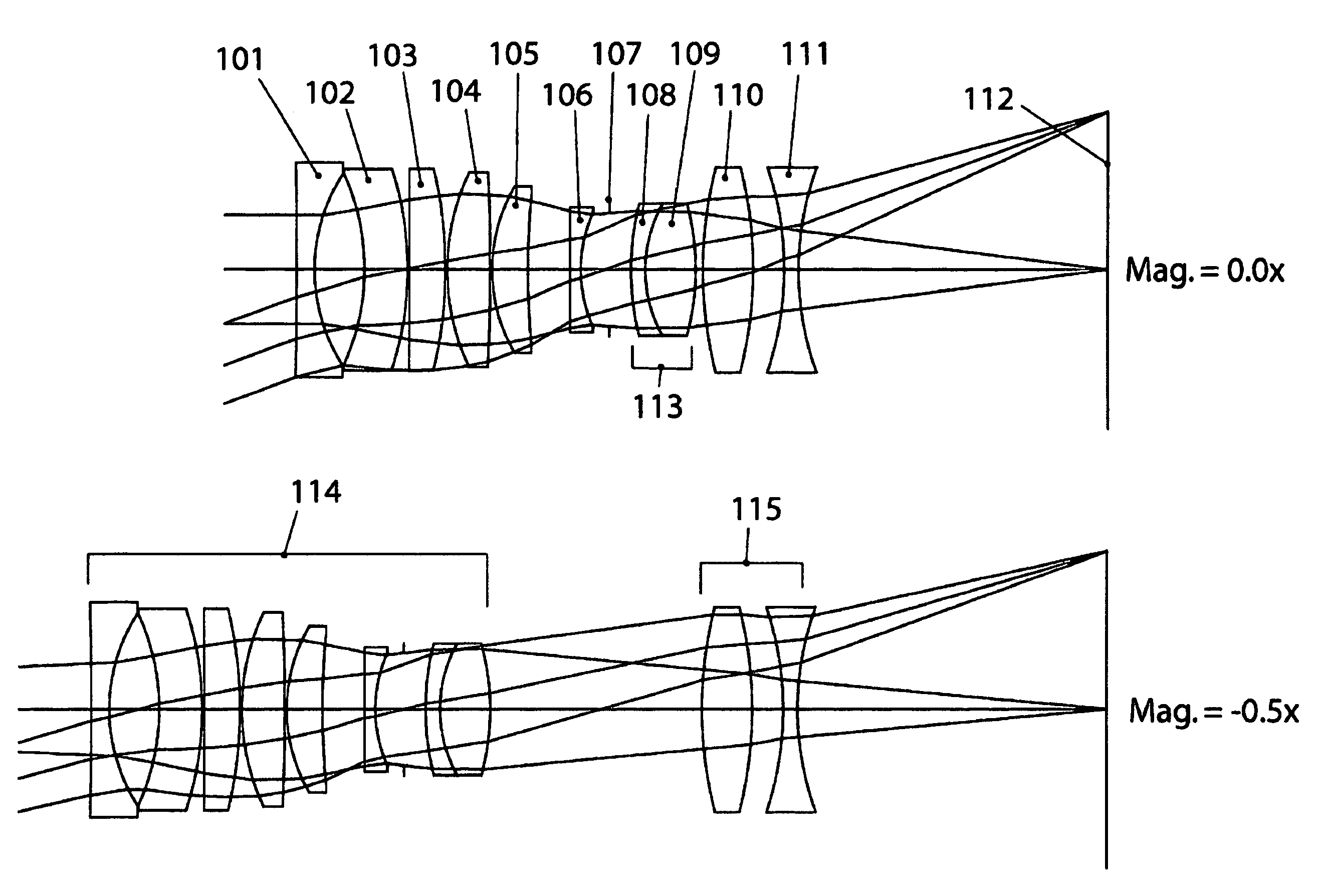
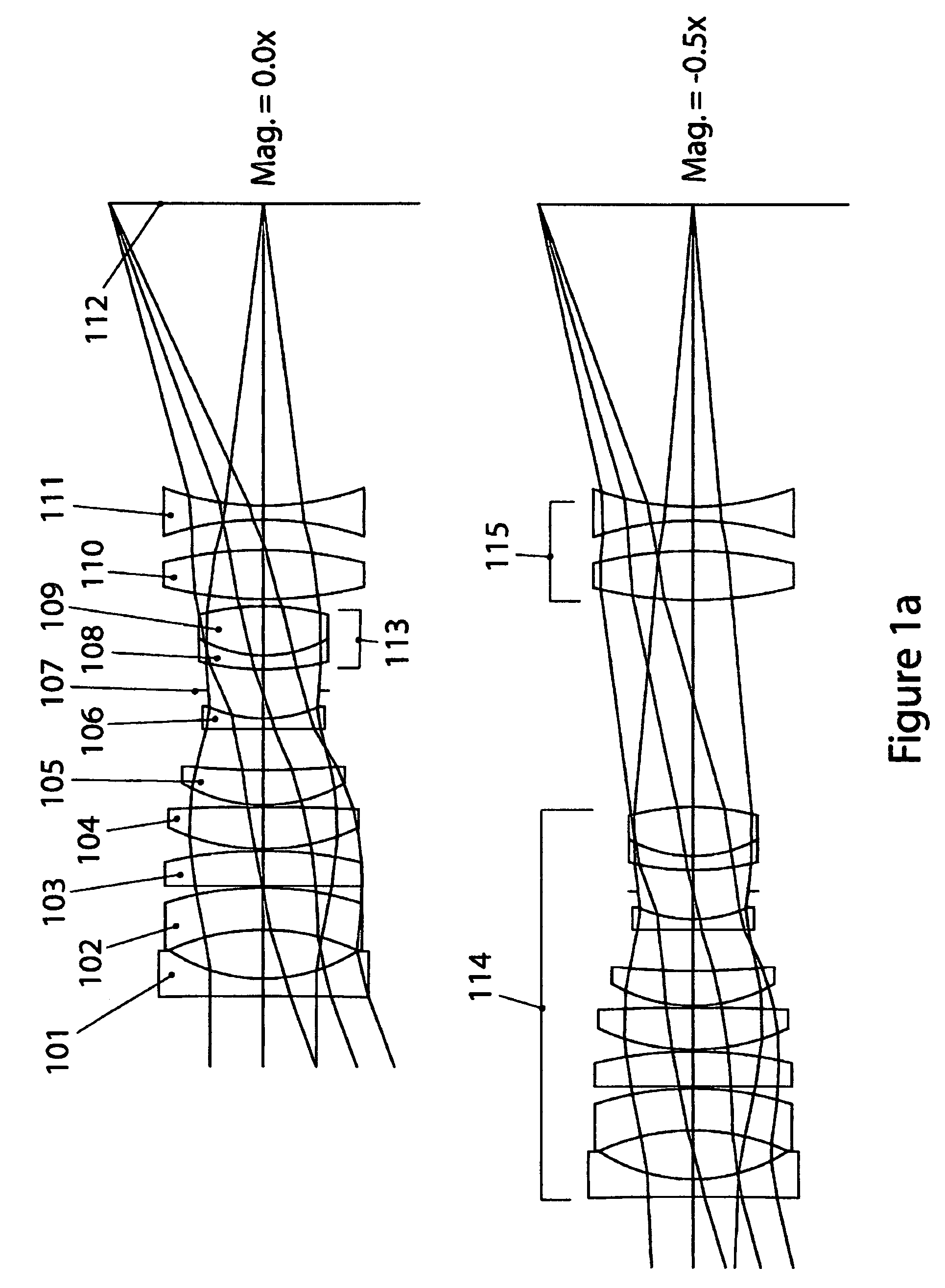
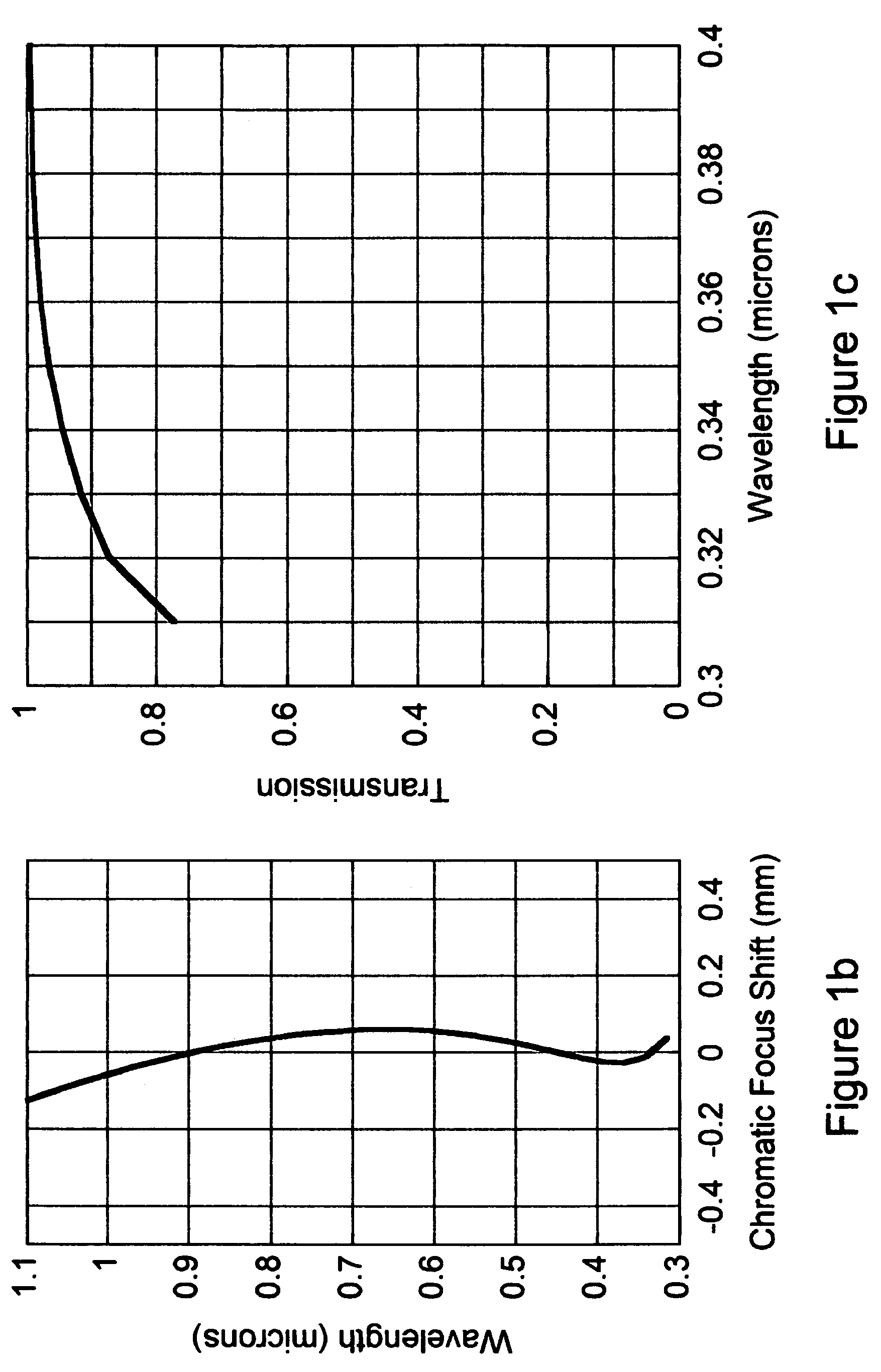
- The development of optical systems that combine specific optical materials, such as calcium fluoride, fused silica, and lanthanum crown glasses, to achieve apochromatic or superachromatic correction and high transparency, ensuring that all materials have an optical transmission greater than 0.1 at 0.31 microns, and using careful design forms to minimize chromatic aberrations and absorption.

Ultraviolet and infrared blocking coating and method for preparing the same
PatentInactiveUS20110233490A1
Innovation
- A UV and IR blocking coating is developed using a combination of UV blocking nanoparticles, such as ZnO, and IR blocking nanoparticles like ATO, ITO, and LaB6, with a dispersing agent and methyl ethyl ketone, processed through wet grinding and surface modification, then mixed with resin to form a functional coating.

Standards and Compliance for Optical Backplane Systems
The regulatory landscape for optical backplane systems operating across UV and IR ranges encompasses multiple international standards organizations and compliance frameworks. The Institute of Electrical and Electronics Engineers (IEEE) provides foundational standards through IEEE 802.3 series for Ethernet applications and IEEE 1596.5 for scalable coherent interface optical extensions. These standards establish baseline requirements for optical transmission parameters, signal integrity, and interoperability across different wavelength ranges.
International Electrotechnical Commission (IEC) standards play a crucial role in defining safety and performance requirements for optical systems. IEC 60825 series addresses laser safety classifications, which becomes particularly critical when comparing UV and IR implementations due to varying biological hazard levels. UV wavelengths typically require more stringent safety protocols compared to near-infrared ranges commonly used in telecommunications.
The Telecommunications Industry Association (TIA) contributes essential fiber optic standards through TIA-568 and TIA-942 specifications, which define physical layer requirements and testing methodologies. These standards must accommodate the unique characteristics of different wavelength ranges, including dispersion properties, attenuation coefficients, and connector specifications optimized for specific spectral regions.
Compliance testing protocols vary significantly between UV and IR optical backplane implementations. UV systems require specialized measurement equipment capable of handling shorter wavelengths and must demonstrate compliance with more restrictive electromagnetic compatibility (EMC) requirements. IR systems benefit from mature testing infrastructure but face challenges in meeting emerging high-speed data transmission standards.
Environmental compliance standards such as RoHS (Restriction of Hazardous Substances) and REACH (Registration, Evaluation, Authorization of Chemicals) impact component selection across both wavelength ranges. UV-optimized components often require specialized materials and coatings that must undergo additional certification processes compared to conventional IR components.
Emerging standards development focuses on multi-wavelength systems that can leverage both UV and IR capabilities within single backplane architectures. Standards organizations are actively developing frameworks to address hybrid implementations, including power consumption limits, thermal management requirements, and cross-wavelength interference mitigation protocols that will shape future optical backplane system designs.
International Electrotechnical Commission (IEC) standards play a crucial role in defining safety and performance requirements for optical systems. IEC 60825 series addresses laser safety classifications, which becomes particularly critical when comparing UV and IR implementations due to varying biological hazard levels. UV wavelengths typically require more stringent safety protocols compared to near-infrared ranges commonly used in telecommunications.
The Telecommunications Industry Association (TIA) contributes essential fiber optic standards through TIA-568 and TIA-942 specifications, which define physical layer requirements and testing methodologies. These standards must accommodate the unique characteristics of different wavelength ranges, including dispersion properties, attenuation coefficients, and connector specifications optimized for specific spectral regions.
Compliance testing protocols vary significantly between UV and IR optical backplane implementations. UV systems require specialized measurement equipment capable of handling shorter wavelengths and must demonstrate compliance with more restrictive electromagnetic compatibility (EMC) requirements. IR systems benefit from mature testing infrastructure but face challenges in meeting emerging high-speed data transmission standards.
Environmental compliance standards such as RoHS (Restriction of Hazardous Substances) and REACH (Registration, Evaluation, Authorization of Chemicals) impact component selection across both wavelength ranges. UV-optimized components often require specialized materials and coatings that must undergo additional certification processes compared to conventional IR components.
Emerging standards development focuses on multi-wavelength systems that can leverage both UV and IR capabilities within single backplane architectures. Standards organizations are actively developing frameworks to address hybrid implementations, including power consumption limits, thermal management requirements, and cross-wavelength interference mitigation protocols that will shape future optical backplane system designs.
Performance Benchmarking Methodologies for Optical Systems
Establishing robust performance benchmarking methodologies for optical backplane systems operating across UV and IR spectral ranges requires a comprehensive framework that addresses the unique characteristics of each wavelength domain. The fundamental approach involves developing standardized test protocols that can accurately measure and compare key performance indicators including signal integrity, power efficiency, thermal stability, and data transmission reliability across different optical frequencies.
The benchmarking framework must incorporate wavelength-specific measurement techniques to account for the distinct propagation characteristics of UV and IR light in optical media. For UV range evaluation, methodologies should focus on measuring absorption losses, scattering effects, and material degradation under high-energy photon exposure. Specialized photodetectors and calibrated light sources operating in the 200-400nm range are essential for accurate UV performance assessment.
IR range benchmarking requires different instrumentation and measurement approaches, particularly for wavelengths extending from 700nm to several micrometers. The methodology must account for thermal noise effects, detector responsivity variations, and material dispersion characteristics that significantly impact IR optical system performance. Temperature-controlled testing environments become critical for maintaining measurement accuracy and repeatability.
Standardized test fixtures and environmental conditions form the backbone of reliable benchmarking methodologies. These include controlled temperature chambers, vibration isolation systems, and electromagnetic interference shielding to ensure consistent measurement conditions. The test setup must accommodate various optical backplane configurations while maintaining measurement precision across the entire UV-IR spectrum.
Data acquisition and analysis protocols represent another crucial component of the benchmarking methodology. Automated measurement systems with synchronized data collection across multiple wavelengths enable comprehensive performance mapping. Statistical analysis techniques, including error propagation calculations and confidence interval determination, ensure the reliability and reproducibility of benchmark results.
Comparative analysis frameworks must establish normalized performance metrics that enable fair comparison between UV and IR implementations despite their fundamental operational differences. These metrics include wavelength-normalized power efficiency, spectral bandwidth utilization, and temperature-compensated signal-to-noise ratios. The methodology should also incorporate aging and reliability testing protocols to evaluate long-term performance degradation patterns specific to each spectral range.
The benchmarking framework must incorporate wavelength-specific measurement techniques to account for the distinct propagation characteristics of UV and IR light in optical media. For UV range evaluation, methodologies should focus on measuring absorption losses, scattering effects, and material degradation under high-energy photon exposure. Specialized photodetectors and calibrated light sources operating in the 200-400nm range are essential for accurate UV performance assessment.
IR range benchmarking requires different instrumentation and measurement approaches, particularly for wavelengths extending from 700nm to several micrometers. The methodology must account for thermal noise effects, detector responsivity variations, and material dispersion characteristics that significantly impact IR optical system performance. Temperature-controlled testing environments become critical for maintaining measurement accuracy and repeatability.
Standardized test fixtures and environmental conditions form the backbone of reliable benchmarking methodologies. These include controlled temperature chambers, vibration isolation systems, and electromagnetic interference shielding to ensure consistent measurement conditions. The test setup must accommodate various optical backplane configurations while maintaining measurement precision across the entire UV-IR spectrum.
Data acquisition and analysis protocols represent another crucial component of the benchmarking methodology. Automated measurement systems with synchronized data collection across multiple wavelengths enable comprehensive performance mapping. Statistical analysis techniques, including error propagation calculations and confidence interval determination, ensure the reliability and reproducibility of benchmark results.
Comparative analysis frameworks must establish normalized performance metrics that enable fair comparison between UV and IR implementations despite their fundamental operational differences. These metrics include wavelength-normalized power efficiency, spectral bandwidth utilization, and temperature-compensated signal-to-noise ratios. The methodology should also incorporate aging and reliability testing protocols to evaluate long-term performance degradation patterns specific to each spectral range.
Unlock deeper insights with PatSnap Eureka Quick Research — get a full tech report to explore trends and direct your research. Try now!
Generate Your Research Report Instantly with AI Agent
Supercharge your innovation with PatSnap Eureka AI Agent Platform!