

Comparing Solid State Transformers to Modular Multilevel Converters (MMCs)
JUN 4, 20269 MIN READ
Generate Your Research Report Instantly with AI Agent
PatSnap Eureka helps you evaluate technical feasibility & market potential.
SST vs MMC Technology Background and Objectives
The evolution of power electronics has been driven by the increasing demand for efficient, reliable, and flexible power conversion systems across various applications. Traditional power conversion technologies have faced limitations in handling high-voltage, high-power applications while maintaining efficiency and compactness. This technological gap has spurred the development of advanced converter topologies, particularly Solid State Transformers and Modular Multilevel Converters, which represent significant breakthroughs in power electronics engineering.
Solid State Transformers emerged from the need to replace conventional magnetic transformers with semiconductor-based solutions that offer enhanced controllability and functionality. The technology development began in the early 2000s, driven by requirements for smart grid applications, renewable energy integration, and industrial power systems. SSTs combine power conversion, voltage regulation, and isolation functions in a single semiconductor-based device, enabling bidirectional power flow and advanced grid management capabilities.
Modular Multilevel Converters developed simultaneously as a response to high-voltage direct current transmission challenges and medium-voltage drive applications. The MMC topology, first introduced in the early 2000s, revolutionized high-power conversion by enabling scalable, modular designs that could handle extremely high voltages through series connection of multiple converter modules. This approach significantly reduced harmonic distortion and improved power quality compared to traditional converter topologies.
The primary objective of comparing these technologies centers on identifying optimal applications for each topology based on performance characteristics, cost considerations, and operational requirements. SSTs target applications requiring transformer functionality with added power electronics capabilities, such as distribution systems, renewable energy interfaces, and industrial drives. MMCs focus on high-voltage, high-power applications including HVDC transmission, grid interconnections, and large-scale motor drives.
Both technologies aim to address fundamental challenges in modern power systems: improving efficiency, enhancing power quality, enabling flexible power flow control, and supporting grid modernization initiatives. The comparison seeks to establish clear application boundaries and identify potential synergies between these complementary technologies in evolving power infrastructure requirements.
Solid State Transformers emerged from the need to replace conventional magnetic transformers with semiconductor-based solutions that offer enhanced controllability and functionality. The technology development began in the early 2000s, driven by requirements for smart grid applications, renewable energy integration, and industrial power systems. SSTs combine power conversion, voltage regulation, and isolation functions in a single semiconductor-based device, enabling bidirectional power flow and advanced grid management capabilities.
Modular Multilevel Converters developed simultaneously as a response to high-voltage direct current transmission challenges and medium-voltage drive applications. The MMC topology, first introduced in the early 2000s, revolutionized high-power conversion by enabling scalable, modular designs that could handle extremely high voltages through series connection of multiple converter modules. This approach significantly reduced harmonic distortion and improved power quality compared to traditional converter topologies.
The primary objective of comparing these technologies centers on identifying optimal applications for each topology based on performance characteristics, cost considerations, and operational requirements. SSTs target applications requiring transformer functionality with added power electronics capabilities, such as distribution systems, renewable energy interfaces, and industrial drives. MMCs focus on high-voltage, high-power applications including HVDC transmission, grid interconnections, and large-scale motor drives.
Both technologies aim to address fundamental challenges in modern power systems: improving efficiency, enhancing power quality, enabling flexible power flow control, and supporting grid modernization initiatives. The comparison seeks to establish clear application boundaries and identify potential synergies between these complementary technologies in evolving power infrastructure requirements.
Market Demand for Advanced Power Conversion Systems
The global power conversion systems market is experiencing unprecedented growth driven by the accelerating energy transition and increasing demand for efficient power management solutions. Traditional power conversion technologies are facing limitations in meeting the evolving requirements of modern electrical infrastructure, creating substantial opportunities for advanced solutions like Solid State Transformers and Modular Multilevel Converters.
Renewable energy integration represents one of the most significant market drivers for advanced power conversion systems. Wind and solar installations require sophisticated power electronics to manage variable generation patterns and ensure grid stability. The intermittent nature of renewable sources necessitates power conversion systems capable of bidirectional power flow, reactive power compensation, and advanced grid support functions that conventional transformers cannot provide.
Smart grid modernization initiatives worldwide are creating substantial demand for intelligent power conversion solutions. Utilities are seeking systems that offer real-time monitoring, adaptive control capabilities, and enhanced grid resilience. Both SSTs and MMCs provide the digital controllability and communication interfaces essential for smart grid applications, positioning them as critical enablers of grid modernization efforts.
Industrial applications are driving demand for power conversion systems that can handle high-power, high-voltage operations while maintaining exceptional efficiency and reliability. Manufacturing facilities, data centers, and electric vehicle charging infrastructure require power electronics capable of managing complex load profiles and providing power quality enhancement. The ability to integrate energy storage systems and provide ancillary services adds significant value proposition for advanced converter technologies.
Electric vehicle adoption is creating new market segments for power conversion systems, particularly in fast-charging infrastructure and vehicle-to-grid applications. The need for compact, efficient, and scalable charging solutions is pushing demand toward solid-state technologies that can reduce installation footprint while improving performance characteristics.
Offshore wind and marine applications present unique market opportunities where the superior power density and reduced maintenance requirements of advanced power conversion systems provide compelling advantages. The harsh operating environments and accessibility constraints in these applications favor technologies that offer enhanced reliability and reduced physical footprint compared to conventional solutions.
Renewable energy integration represents one of the most significant market drivers for advanced power conversion systems. Wind and solar installations require sophisticated power electronics to manage variable generation patterns and ensure grid stability. The intermittent nature of renewable sources necessitates power conversion systems capable of bidirectional power flow, reactive power compensation, and advanced grid support functions that conventional transformers cannot provide.
Smart grid modernization initiatives worldwide are creating substantial demand for intelligent power conversion solutions. Utilities are seeking systems that offer real-time monitoring, adaptive control capabilities, and enhanced grid resilience. Both SSTs and MMCs provide the digital controllability and communication interfaces essential for smart grid applications, positioning them as critical enablers of grid modernization efforts.
Industrial applications are driving demand for power conversion systems that can handle high-power, high-voltage operations while maintaining exceptional efficiency and reliability. Manufacturing facilities, data centers, and electric vehicle charging infrastructure require power electronics capable of managing complex load profiles and providing power quality enhancement. The ability to integrate energy storage systems and provide ancillary services adds significant value proposition for advanced converter technologies.
Electric vehicle adoption is creating new market segments for power conversion systems, particularly in fast-charging infrastructure and vehicle-to-grid applications. The need for compact, efficient, and scalable charging solutions is pushing demand toward solid-state technologies that can reduce installation footprint while improving performance characteristics.
Offshore wind and marine applications present unique market opportunities where the superior power density and reduced maintenance requirements of advanced power conversion systems provide compelling advantages. The harsh operating environments and accessibility constraints in these applications favor technologies that offer enhanced reliability and reduced physical footprint compared to conventional solutions.
Current State and Challenges of SST and MMC Technologies
Solid State Transformers represent an emerging technology that integrates power electronic converters with high-frequency transformers to achieve voltage transformation, galvanic isolation, and advanced grid functionalities. Current SST implementations primarily utilize silicon-based semiconductors, though silicon carbide and gallium nitride devices are increasingly being adopted to enhance efficiency and power density. The technology has demonstrated significant potential in medium-voltage applications, particularly in smart grid integration and renewable energy systems.
Modular Multilevel Converters have achieved greater commercial maturity, particularly in high-voltage direct current transmission systems and medium-voltage motor drives. MMC technology leverages cascaded submodules to synthesize high-quality voltage waveforms while maintaining scalability and redundancy. Leading manufacturers have successfully deployed MMC systems in utility-scale applications, with power ratings exceeding several hundred megawatts.
The primary technical challenge facing SST development is the limited availability of high-voltage, high-frequency semiconductor devices capable of operating efficiently at medium voltage levels. Current designs often require complex series connections of lower-voltage devices, introducing synchronization and voltage balancing complexities. Additionally, the high-frequency magnetic components required for SSTs present design challenges in terms of core losses, thermal management, and electromagnetic interference.
MMC technology confronts different challenges, primarily related to submodule capacitor sizing and circulating current management. The large number of submodules required for high-voltage applications increases system complexity and control requirements. Capacitor voltage balancing across hundreds of submodules presents computational challenges for real-time control systems, while circulating currents can reduce overall system efficiency if not properly managed.
Both technologies face common challenges in terms of protection systems and fault handling. SSTs require sophisticated protection schemes due to their semiconductor-based nature and limited fault current capability. MMCs, while more robust, still require complex protection coordination due to their distributed architecture and multiple voltage levels.
Thermal management represents another critical challenge for both technologies. SSTs must handle high power densities in compact designs, while MMCs require effective cooling solutions for distributed submodules. The reliability requirements for utility applications demand extensive testing and validation protocols that are still being developed for both technologies.
Modular Multilevel Converters have achieved greater commercial maturity, particularly in high-voltage direct current transmission systems and medium-voltage motor drives. MMC technology leverages cascaded submodules to synthesize high-quality voltage waveforms while maintaining scalability and redundancy. Leading manufacturers have successfully deployed MMC systems in utility-scale applications, with power ratings exceeding several hundred megawatts.
The primary technical challenge facing SST development is the limited availability of high-voltage, high-frequency semiconductor devices capable of operating efficiently at medium voltage levels. Current designs often require complex series connections of lower-voltage devices, introducing synchronization and voltage balancing complexities. Additionally, the high-frequency magnetic components required for SSTs present design challenges in terms of core losses, thermal management, and electromagnetic interference.
MMC technology confronts different challenges, primarily related to submodule capacitor sizing and circulating current management. The large number of submodules required for high-voltage applications increases system complexity and control requirements. Capacitor voltage balancing across hundreds of submodules presents computational challenges for real-time control systems, while circulating currents can reduce overall system efficiency if not properly managed.
Both technologies face common challenges in terms of protection systems and fault handling. SSTs require sophisticated protection schemes due to their semiconductor-based nature and limited fault current capability. MMCs, while more robust, still require complex protection coordination due to their distributed architecture and multiple voltage levels.
Thermal management represents another critical challenge for both technologies. SSTs must handle high power densities in compact designs, while MMCs require effective cooling solutions for distributed submodules. The reliability requirements for utility applications demand extensive testing and validation protocols that are still being developed for both technologies.
Current Technical Solutions for SST and MMC Systems
01 Modular multilevel converter topologies and architectures
Various modular multilevel converter topologies have been developed to improve power conversion efficiency and reliability in solid state transformers. These architectures utilize multiple converter modules connected in series or parallel configurations to achieve high voltage and power ratings. The modular approach allows for scalability, redundancy, and improved fault tolerance in power electronic systems.- Modular multilevel converter topologies and architectures: Various modular multilevel converter topologies have been developed to improve power conversion efficiency and reliability in solid state transformers. These architectures utilize multiple identical submodules connected in series or parallel configurations to achieve high voltage and power ratings. The modular approach allows for scalability, redundancy, and improved fault tolerance in power electronic systems.
- Control strategies and modulation techniques: Advanced control algorithms and modulation techniques are essential for optimal operation of solid state transformers with modular multilevel converters. These methods include pulse width modulation, space vector modulation, and carrier-based modulation schemes that ensure balanced voltage distribution across submodules, minimize harmonic distortion, and maintain stable operation under various load conditions.
- Voltage balancing and capacitor management: Maintaining proper voltage balance across capacitors in modular multilevel converter submodules is critical for system stability and performance. Various voltage balancing algorithms and capacitor management techniques have been developed to ensure equal voltage distribution, prevent overvoltage conditions, and extend component lifetime in solid state transformer applications.
- Fault detection and protection mechanisms: Robust fault detection and protection systems are implemented in solid state transformers to identify and isolate faulty submodules or components. These mechanisms include overcurrent protection, overvoltage protection, and thermal monitoring to ensure safe operation and prevent cascading failures in modular multilevel converter systems.
- High-frequency isolation and magnetic design: High-frequency transformers and magnetic components play a crucial role in solid state transformers, providing galvanic isolation and voltage transformation. Advanced magnetic designs, core materials, and winding configurations are optimized to minimize losses, reduce size and weight, and improve power density in modular multilevel converter-based systems.
02 Control strategies and modulation techniques
Advanced control algorithms and modulation schemes are essential for optimal operation of solid state transformers with modular multilevel converters. These techniques include pulse width modulation, space vector modulation, and carrier-based modulation methods that ensure balanced voltage distribution across converter modules, minimize harmonic distortion, and maintain stable operation under various load conditions.Expand Specific Solutions03 Power semiconductor devices and switching technologies
The implementation of solid state transformers relies heavily on advanced power semiconductor devices such as insulated gate bipolar transistors, silicon carbide devices, and gallium nitride components. These switching technologies enable high-frequency operation, reduced losses, and improved thermal management in modular multilevel converter applications.Expand Specific Solutions04 Voltage balancing and capacitor management
Maintaining proper voltage balance across capacitors in modular multilevel converters is crucial for reliable operation of solid state transformers. Various balancing techniques and capacitor management strategies have been developed to ensure equal voltage distribution, prevent overvoltage conditions, and extend the lifespan of energy storage components within the converter modules.Expand Specific Solutions05 Grid integration and power quality enhancement
Solid state transformers with modular multilevel converters provide enhanced grid integration capabilities including reactive power compensation, harmonic filtering, and voltage regulation. These systems can improve power quality, enable bidirectional power flow, and facilitate the integration of renewable energy sources into the electrical grid while maintaining system stability and reliability.Expand Specific Solutions
Major Players in SST and MMC Development
The comparison between Solid State Transformers and Modular Multilevel Converters represents a rapidly evolving segment within the power electronics industry, currently in its growth phase with significant technological advancement opportunities. The global market for advanced power conversion systems is expanding substantially, driven by renewable energy integration and grid modernization demands. Technology maturity varies significantly across key players, with established industrial giants like Mitsubishi Electric Corp., Hitachi Ltd., ABB Ltd., and Siemens Energy Global demonstrating advanced commercial capabilities, while companies such as Delta Electronics and Huawei Technologies are rapidly developing competitive solutions. Academic institutions including Zhejiang University, Shanghai Jiao Tong University, and North Carolina State University are contributing fundamental research breakthroughs. The competitive landscape shows a mix of mature multinational corporations with proven track records and emerging technology companies like Shanghai Keliang Information Technology, indicating a dynamic market with both established solutions and innovative approaches competing for market share in next-generation power conversion applications.
Mitsubishi Electric Corp.
Technical Solution: Mitsubishi Electric has developed both SST and MMC technologies, with their SST solutions focusing on medium-voltage applications using advanced SiC power devices operating at switching frequencies up to 10 kHz. Their SST systems feature integrated transformer design with magnetic coupling ratios optimized for 6.6 kV to 400 V conversion, achieving power densities of 8-10 kW/kg. For MMC applications, Mitsubishi offers modular converter systems with proprietary IGBT modules rated up to 3.3 kV, supporting power levels from 50 MW to 500 MW. Their MMC technology incorporates advanced circulating current suppression algorithms and fault detection systems, ensuring stable operation under various grid conditions while maintaining conversion efficiency above 97%.
Strengths: Dual technology expertise, high power density, robust fault protection, proven industrial applications. Weaknesses: Limited ultra-high voltage capability, higher complexity in system integration compared to single-technology solutions.
Hitachi Ltd.
Technical Solution: Hitachi has developed innovative MMC technology for HVDC systems, featuring their proprietary Press-Pack IGBT technology with voltage ratings up to 4.5 kV per device, enabling efficient high-power conversion systems. Their MMC solutions incorporate advanced submodule designs with integrated energy storage capacitors, supporting power transmission capabilities exceeding 800 MW. The company's MMC systems utilize sophisticated control algorithms for optimal power flow management and grid synchronization, achieving total harmonic distortion levels below 3%. Hitachi's technology emphasizes modular redundancy and hot-swappable components, ensuring high availability and reduced maintenance downtime. Their systems are specifically designed for offshore wind farm connections and international grid interconnections, with proven performance in harsh environmental conditions.
Strengths: High-power capability, excellent reliability, advanced semiconductor technology, proven offshore applications. Weaknesses: Limited flexibility for distributed applications, high initial capital investment, complex commissioning procedures.
Core Patent Analysis in SST and MMC Innovations
Multi-stage soft charging control method and system for multi-level direct-current solid-state transformer
PatentActiveCN111371302A
Innovation
- Adopting a multi-stage soft charging control method, through different stages of soft charging strategies, including sub-module uncontrolled charging, peak current control and phase-shift modulation, the sub-module capacitance of the primary side and secondary side MMC is controlled to charge quickly and stably, reducing the Current spikes.
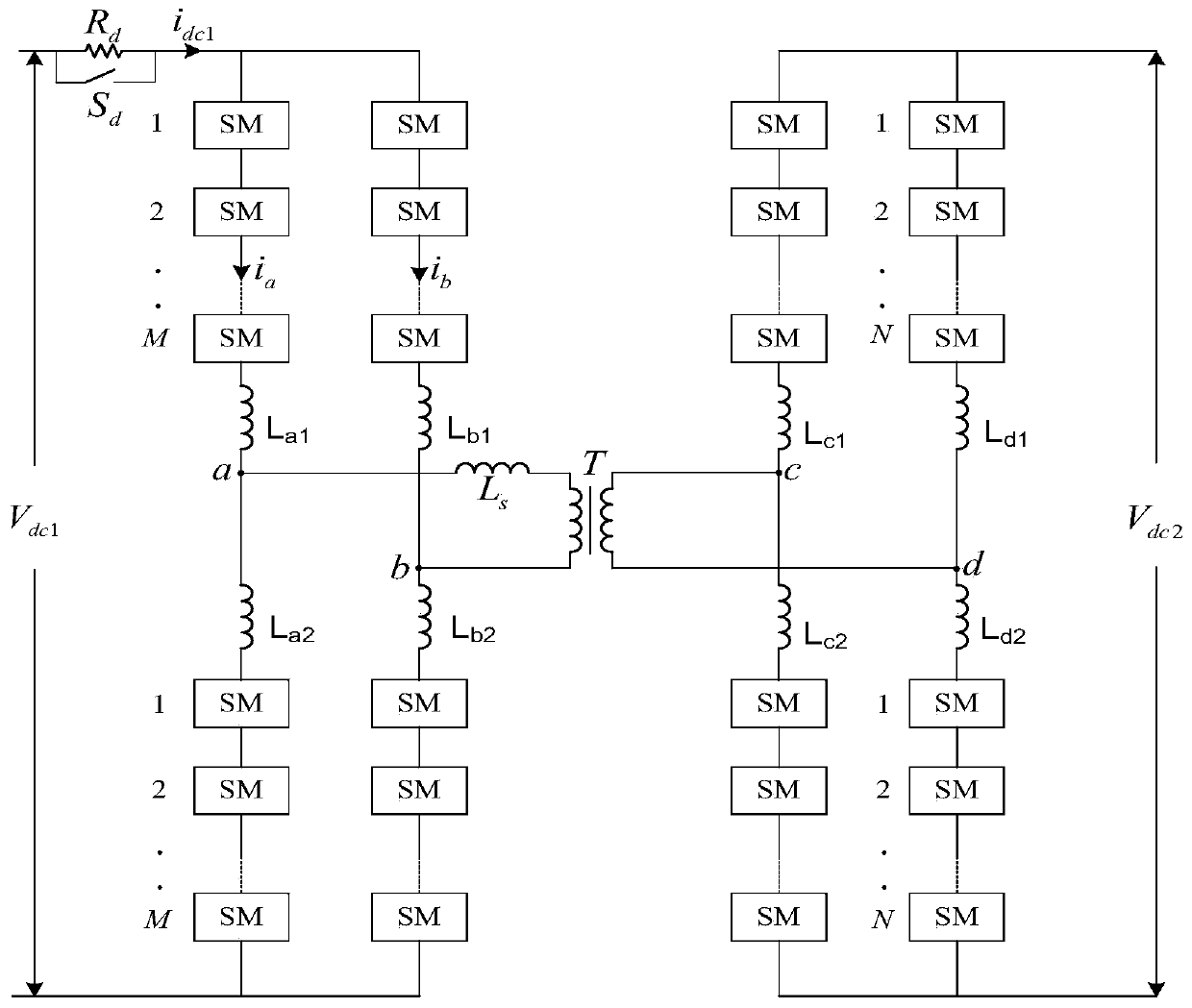
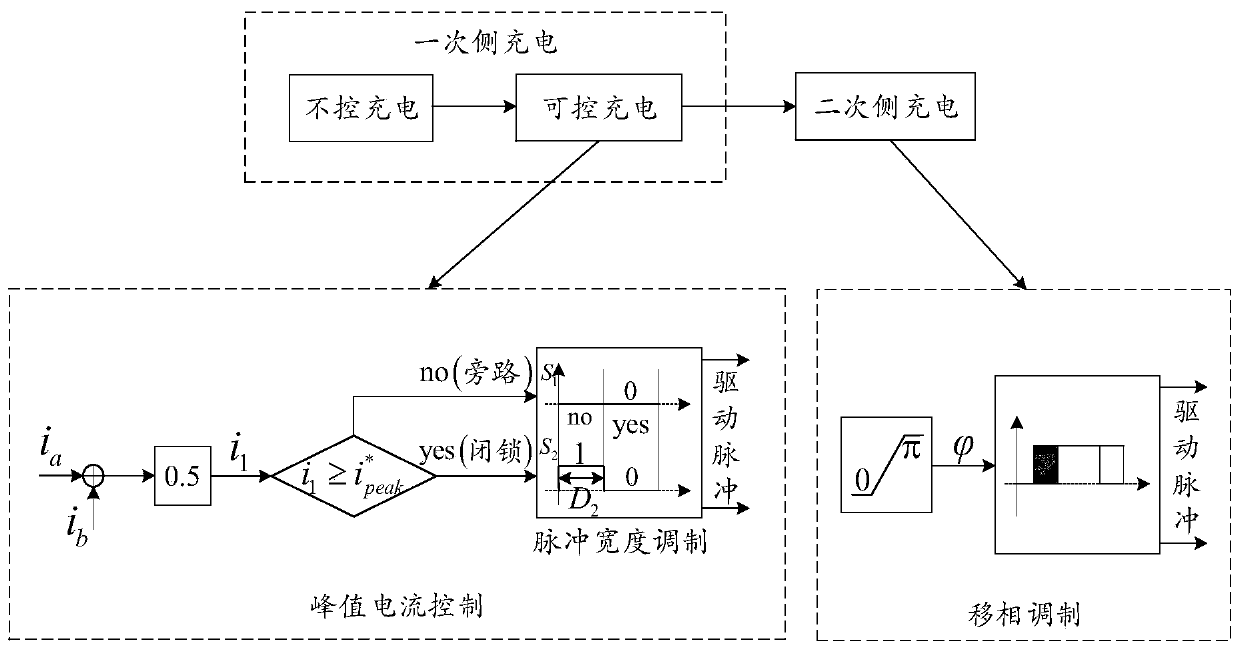
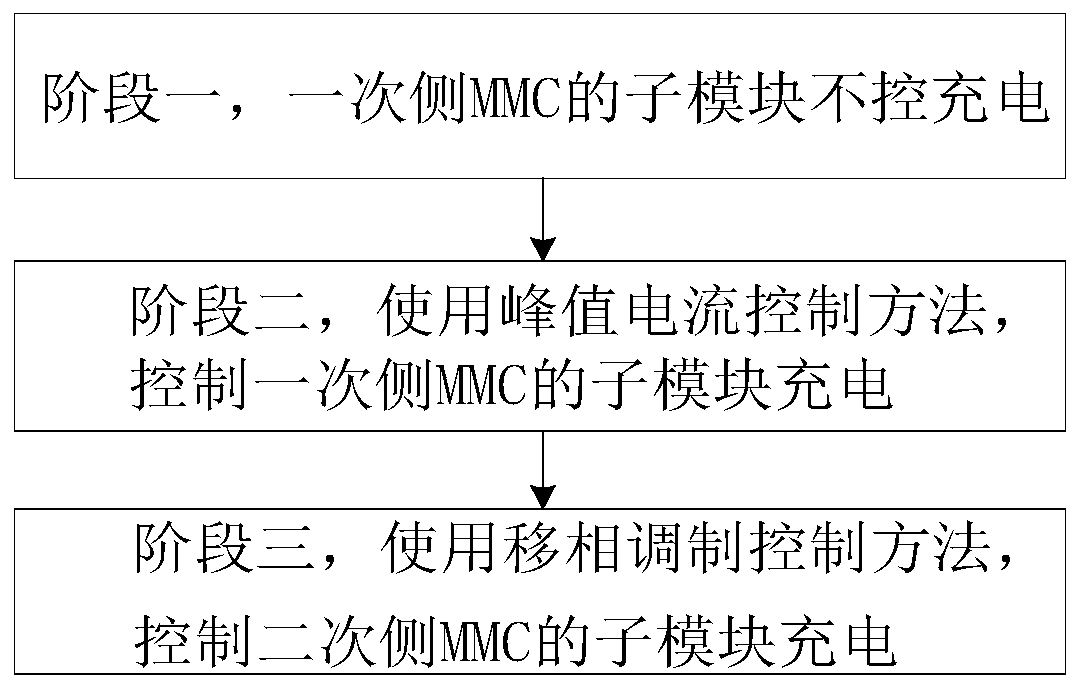

Control scheme for a modular multilevel converter
PatentWO2025247476A1
Innovation
- An improved control scheme for MMCs that allows independent operation of series-connected converter cells by monitoring DC unit dissimilarities, adjusting modulation indices, and redistributing active and reactive power to maintain balanced phase arm currents and comply with grid codes.


Grid Integration Standards and Regulatory Framework
The integration of Solid State Transformers and Modular Multilevel Converters into electrical grids requires compliance with a complex framework of international and regional standards. IEEE 1547 series provides fundamental guidelines for distributed energy resource interconnection, while IEC 61850 establishes communication protocols essential for smart grid applications. These standards define voltage regulation, frequency response, and power quality requirements that both SSTs and MMCs must satisfy during grid connection processes.
Regulatory frameworks vary significantly across different jurisdictions, creating challenges for technology deployment. In North America, NERC reliability standards govern bulk power system operations, requiring advanced power electronic devices to demonstrate fault ride-through capabilities and grid support functions. European regulations under the Network Code on Requirements for Grid Connection emphasize harmonic distortion limits and reactive power provision, areas where MMCs typically demonstrate superior performance due to their multilevel output characteristics.
Safety certification processes represent critical barriers to market entry for both technologies. UL 1741 certification in the United States and CE marking requirements in Europe mandate extensive testing protocols for grid-interactive power conversion systems. SSTs face additional scrutiny due to their transformer functionality, requiring compliance with IEEE C57 series standards for power transformers, including insulation coordination and thermal management specifications.
Grid code compliance presents distinct challenges for each technology. MMCs benefit from established precedents in HVDC applications, where similar converter topologies have achieved regulatory approval. However, SSTs encounter regulatory gaps as existing standards primarily address conventional magnetic transformers, necessitating case-by-case evaluations and potential standard modifications.
Emerging regulatory trends focus on grid resilience and cybersecurity requirements. NERC CIP standards mandate cybersecurity controls for critical grid assets, affecting both SST and MMC implementations with advanced communication capabilities. Additionally, evolving standards for microgrids and islanding operations create new compliance pathways that may favor SST deployment in distributed applications.
The regulatory landscape continues evolving to accommodate advanced power electronic technologies, with ongoing standardization efforts addressing specific requirements for solid-state devices in grid applications. This dynamic environment requires manufacturers to maintain flexibility in design approaches while ensuring compliance with both current and anticipated future regulatory requirements.
Regulatory frameworks vary significantly across different jurisdictions, creating challenges for technology deployment. In North America, NERC reliability standards govern bulk power system operations, requiring advanced power electronic devices to demonstrate fault ride-through capabilities and grid support functions. European regulations under the Network Code on Requirements for Grid Connection emphasize harmonic distortion limits and reactive power provision, areas where MMCs typically demonstrate superior performance due to their multilevel output characteristics.
Safety certification processes represent critical barriers to market entry for both technologies. UL 1741 certification in the United States and CE marking requirements in Europe mandate extensive testing protocols for grid-interactive power conversion systems. SSTs face additional scrutiny due to their transformer functionality, requiring compliance with IEEE C57 series standards for power transformers, including insulation coordination and thermal management specifications.
Grid code compliance presents distinct challenges for each technology. MMCs benefit from established precedents in HVDC applications, where similar converter topologies have achieved regulatory approval. However, SSTs encounter regulatory gaps as existing standards primarily address conventional magnetic transformers, necessitating case-by-case evaluations and potential standard modifications.
Emerging regulatory trends focus on grid resilience and cybersecurity requirements. NERC CIP standards mandate cybersecurity controls for critical grid assets, affecting both SST and MMC implementations with advanced communication capabilities. Additionally, evolving standards for microgrids and islanding operations create new compliance pathways that may favor SST deployment in distributed applications.
The regulatory landscape continues evolving to accommodate advanced power electronic technologies, with ongoing standardization efforts addressing specific requirements for solid-state devices in grid applications. This dynamic environment requires manufacturers to maintain flexibility in design approaches while ensuring compliance with both current and anticipated future regulatory requirements.
Environmental Impact Assessment of Power Conversion
The environmental implications of power conversion technologies have become increasingly critical as global energy systems transition toward sustainability. Both Solid State Transformers and Modular Multilevel Converters represent advanced power electronic solutions that offer distinct environmental profiles compared to conventional power conversion systems. Understanding their environmental impact requires comprehensive assessment across multiple dimensions including energy efficiency, material utilization, and lifecycle considerations.
Energy efficiency stands as the primary environmental differentiator between SSTs and MMCs. SSTs typically achieve efficiency ratings of 95-98% through advanced semiconductor technologies and optimized magnetic designs, while MMCs demonstrate efficiency levels of 98-99% due to their modular architecture and reduced switching losses. The superior efficiency of MMCs translates directly to reduced energy consumption and lower carbon emissions during operation, particularly significant in high-power applications where even marginal efficiency improvements yield substantial environmental benefits.
Material consumption patterns differ significantly between these technologies. SSTs require high-frequency transformers utilizing advanced magnetic materials and sophisticated semiconductor devices, resulting in higher material intensity per unit capacity. The manufacturing process involves rare earth elements and specialized alloys that carry environmental extraction costs. Conversely, MMCs employ standardized submodule designs with conventional semiconductor components, enabling more sustainable material sourcing and reduced dependency on critical raw materials.
Lifecycle environmental assessment reveals contrasting profiles for operational longevity and end-of-life management. SSTs face thermal stress challenges due to high-frequency operation and compact designs, potentially limiting operational lifespan and increasing replacement frequency. MMCs benefit from distributed thermal management and modular redundancy, extending operational life and reducing replacement-related environmental impacts. The modular nature of MMCs facilitates selective component replacement and refurbishment, supporting circular economy principles.
Manufacturing environmental footprints also diverge substantially. SST production requires specialized fabrication processes for high-frequency magnetic components and advanced packaging technologies, typically consuming more energy and generating higher emissions during manufacturing. MMC production leverages standardized manufacturing processes and economies of scale through modular design, resulting in lower per-unit manufacturing environmental impact and improved resource utilization efficiency across the production lifecycle.
Energy efficiency stands as the primary environmental differentiator between SSTs and MMCs. SSTs typically achieve efficiency ratings of 95-98% through advanced semiconductor technologies and optimized magnetic designs, while MMCs demonstrate efficiency levels of 98-99% due to their modular architecture and reduced switching losses. The superior efficiency of MMCs translates directly to reduced energy consumption and lower carbon emissions during operation, particularly significant in high-power applications where even marginal efficiency improvements yield substantial environmental benefits.
Material consumption patterns differ significantly between these technologies. SSTs require high-frequency transformers utilizing advanced magnetic materials and sophisticated semiconductor devices, resulting in higher material intensity per unit capacity. The manufacturing process involves rare earth elements and specialized alloys that carry environmental extraction costs. Conversely, MMCs employ standardized submodule designs with conventional semiconductor components, enabling more sustainable material sourcing and reduced dependency on critical raw materials.
Lifecycle environmental assessment reveals contrasting profiles for operational longevity and end-of-life management. SSTs face thermal stress challenges due to high-frequency operation and compact designs, potentially limiting operational lifespan and increasing replacement frequency. MMCs benefit from distributed thermal management and modular redundancy, extending operational life and reducing replacement-related environmental impacts. The modular nature of MMCs facilitates selective component replacement and refurbishment, supporting circular economy principles.
Manufacturing environmental footprints also diverge substantially. SST production requires specialized fabrication processes for high-frequency magnetic components and advanced packaging technologies, typically consuming more energy and generating higher emissions during manufacturing. MMC production leverages standardized manufacturing processes and economies of scale through modular design, resulting in lower per-unit manufacturing environmental impact and improved resource utilization efficiency across the production lifecycle.
Unlock deeper insights with PatSnap Eureka Quick Research — get a full tech report to explore trends and direct your research. Try now!
Generate Your Research Report Instantly with AI Agent
Supercharge your innovation with PatSnap Eureka AI Agent Platform!