

Dielectric Breakdown in Polymers: Electrical Treeing and Failure Evolution
MAR 26, 20269 MIN READ
Generate Your Research Report Instantly with AI Agent
PatSnap Eureka helps you evaluate technical feasibility & market potential.
Dielectric Breakdown Background and Research Objectives
Dielectric breakdown in polymers represents one of the most critical failure mechanisms limiting the performance and reliability of electrical insulation systems across numerous industrial applications. This phenomenon occurs when the electric field strength exceeds the material's dielectric strength, leading to irreversible damage and loss of insulating properties. The significance of understanding this process has grown exponentially with the increasing demand for high-performance electrical systems in power transmission, electronics, and energy storage applications.
The historical development of dielectric breakdown research traces back to the early 20th century when scientists first observed the formation of tree-like structures in solid dielectrics under electrical stress. These formations, termed "electrical trees," were initially documented in natural materials but gained prominence with the widespread adoption of synthetic polymers in electrical applications during the 1950s and 1960s. The evolution of this field has been driven by the continuous push for higher voltage applications and the need for more reliable insulation systems.
Electrical treeing represents a unique degradation mechanism where localized electrical discharges create branching channels within the polymer matrix, resembling the structure of natural trees. This process typically initiates at points of high electric field concentration, such as electrode edges, voids, or material defects, and propagates through the dielectric material over time. The treeing phenomenon is particularly concerning because it can occur at voltages significantly lower than the material's short-term breakdown strength, making it a long-term reliability issue.
The primary research objectives in this field encompass multiple interconnected goals aimed at advancing both fundamental understanding and practical applications. Understanding the initiation mechanisms of electrical trees remains a critical objective, as researchers seek to identify the precise conditions and material properties that trigger tree formation. This includes investigating the role of molecular structure, morphology, and environmental factors in tree nucleation processes.
Characterizing the propagation dynamics of electrical trees constitutes another fundamental objective, involving the study of how trees grow, branch, and evolve under different electrical and environmental conditions. This research aims to develop predictive models that can forecast tree growth rates and patterns, enabling better assessment of insulation system lifetimes.
The development of tree-resistant polymer formulations represents a crucial applied research objective, focusing on material design strategies that can either prevent tree initiation or slow their propagation. This includes investigating the effects of additives, crosslinking, nanofillers, and molecular architecture modifications on treeing resistance.
Advanced diagnostic and monitoring techniques development forms another key objective, as early detection of treeing activity could enable preventive maintenance strategies. This involves creating sensitive measurement methods capable of detecting the onset and progression of electrical trees in operating systems.
The historical development of dielectric breakdown research traces back to the early 20th century when scientists first observed the formation of tree-like structures in solid dielectrics under electrical stress. These formations, termed "electrical trees," were initially documented in natural materials but gained prominence with the widespread adoption of synthetic polymers in electrical applications during the 1950s and 1960s. The evolution of this field has been driven by the continuous push for higher voltage applications and the need for more reliable insulation systems.
Electrical treeing represents a unique degradation mechanism where localized electrical discharges create branching channels within the polymer matrix, resembling the structure of natural trees. This process typically initiates at points of high electric field concentration, such as electrode edges, voids, or material defects, and propagates through the dielectric material over time. The treeing phenomenon is particularly concerning because it can occur at voltages significantly lower than the material's short-term breakdown strength, making it a long-term reliability issue.
The primary research objectives in this field encompass multiple interconnected goals aimed at advancing both fundamental understanding and practical applications. Understanding the initiation mechanisms of electrical trees remains a critical objective, as researchers seek to identify the precise conditions and material properties that trigger tree formation. This includes investigating the role of molecular structure, morphology, and environmental factors in tree nucleation processes.
Characterizing the propagation dynamics of electrical trees constitutes another fundamental objective, involving the study of how trees grow, branch, and evolve under different electrical and environmental conditions. This research aims to develop predictive models that can forecast tree growth rates and patterns, enabling better assessment of insulation system lifetimes.
The development of tree-resistant polymer formulations represents a crucial applied research objective, focusing on material design strategies that can either prevent tree initiation or slow their propagation. This includes investigating the effects of additives, crosslinking, nanofillers, and molecular architecture modifications on treeing resistance.
Advanced diagnostic and monitoring techniques development forms another key objective, as early detection of treeing activity could enable preventive maintenance strategies. This involves creating sensitive measurement methods capable of detecting the onset and progression of electrical trees in operating systems.
Market Demand for High-Performance Polymer Insulators
The global demand for high-performance polymer insulators has experienced substantial growth driven by the critical need to address dielectric breakdown challenges, particularly electrical treeing phenomena that compromise system reliability. Power transmission and distribution networks worldwide are increasingly adopting advanced polymer insulation materials to replace traditional ceramic and glass insulators, primarily due to their superior resistance to electrical stress and environmental degradation.
Industrial sectors including renewable energy, electric vehicles, and high-voltage power systems represent the largest consumer segments for advanced polymer insulators. Wind power generation facilities require insulators capable of withstanding extreme weather conditions while maintaining electrical integrity over extended operational periods. The automotive industry's transition toward electrification has created unprecedented demand for polymer materials that can prevent electrical treeing in battery management systems and power electronics.
Utility companies are driving significant market expansion as aging electrical infrastructure requires modernization with materials offering enhanced dielectric strength and treeing resistance. The increasing frequency of extreme weather events has highlighted the vulnerability of conventional insulation systems, accelerating adoption of polymer alternatives that demonstrate superior performance under electrical stress conditions.
Emerging applications in smart grid technologies and energy storage systems are creating new market opportunities for specialized polymer insulators. These applications demand materials with precise dielectric properties and proven resistance to electrical treeing mechanisms that can lead to catastrophic system failures.
The aerospace and defense sectors represent high-value market segments requiring polymer insulators with exceptional reliability standards. Aircraft electrical systems and military equipment operate under extreme conditions where dielectric breakdown prevention is critical for mission success and safety.
Regional market dynamics show particularly strong growth in Asia-Pacific regions where rapid industrialization and infrastructure development drive demand for reliable electrical insulation solutions. European markets emphasize environmental sustainability, favoring polymer materials that offer both performance advantages and reduced environmental impact compared to traditional alternatives.
Market research indicates sustained growth trajectory driven by technological advancement requirements and increasing awareness of electrical treeing risks in critical applications. The convergence of digitalization trends and electrification across multiple industries continues expanding the addressable market for high-performance polymer insulation technologies.
Industrial sectors including renewable energy, electric vehicles, and high-voltage power systems represent the largest consumer segments for advanced polymer insulators. Wind power generation facilities require insulators capable of withstanding extreme weather conditions while maintaining electrical integrity over extended operational periods. The automotive industry's transition toward electrification has created unprecedented demand for polymer materials that can prevent electrical treeing in battery management systems and power electronics.
Utility companies are driving significant market expansion as aging electrical infrastructure requires modernization with materials offering enhanced dielectric strength and treeing resistance. The increasing frequency of extreme weather events has highlighted the vulnerability of conventional insulation systems, accelerating adoption of polymer alternatives that demonstrate superior performance under electrical stress conditions.
Emerging applications in smart grid technologies and energy storage systems are creating new market opportunities for specialized polymer insulators. These applications demand materials with precise dielectric properties and proven resistance to electrical treeing mechanisms that can lead to catastrophic system failures.
The aerospace and defense sectors represent high-value market segments requiring polymer insulators with exceptional reliability standards. Aircraft electrical systems and military equipment operate under extreme conditions where dielectric breakdown prevention is critical for mission success and safety.
Regional market dynamics show particularly strong growth in Asia-Pacific regions where rapid industrialization and infrastructure development drive demand for reliable electrical insulation solutions. European markets emphasize environmental sustainability, favoring polymer materials that offer both performance advantages and reduced environmental impact compared to traditional alternatives.
Market research indicates sustained growth trajectory driven by technological advancement requirements and increasing awareness of electrical treeing risks in critical applications. The convergence of digitalization trends and electrification across multiple industries continues expanding the addressable market for high-performance polymer insulation technologies.
Current State of Electrical Treeing Research
Electrical treeing research has evolved significantly over the past several decades, with current investigations focusing on understanding the fundamental mechanisms governing tree initiation, propagation, and ultimate dielectric failure. Contemporary research employs advanced characterization techniques including high-resolution optical microscopy, scanning electron microscopy, and real-time imaging systems to observe treeing phenomena at multiple scales. These methodologies enable researchers to capture the dynamic nature of electrical tree growth and correlate morphological changes with electrical parameters.
Modern studies have established that electrical treeing is a complex electrochemical and electromechanical process influenced by multiple factors including electric field distribution, polymer molecular structure, environmental conditions, and material additives. Research has identified distinct treeing patterns such as bush-type, branch-type, and pine-type trees, each associated with specific stress conditions and material properties. The understanding of partial discharge activity during tree growth has become a critical focus, with researchers developing sophisticated measurement systems to correlate discharge patterns with tree morphology evolution.
Current investigations emphasize the role of space charge accumulation and its influence on local electric field enhancement, which serves as a primary driver for tree initiation. Advanced computational modeling techniques, including finite element analysis and molecular dynamics simulations, are being integrated with experimental observations to predict treeing behavior under various operating conditions. These models incorporate multi-physics approaches considering electrical, thermal, and mechanical stress interactions.
Recent research trends focus on developing tree-resistant polymer formulations through nanocomposite technologies and molecular engineering approaches. Studies investigate how nanofillers, antioxidants, and voltage stabilizers can modify the treeing resistance of polymeric insulation systems. The development of accelerated aging protocols and standardized testing methodologies represents another significant advancement, enabling more reliable prediction of long-term performance under service conditions.
Contemporary research also addresses the relationship between treeing phenomena and other degradation mechanisms such as water treeing, thermal aging, and mechanical stress. This holistic approach provides deeper insights into the synergistic effects that influence overall insulation system reliability. Advanced diagnostic techniques including dielectric spectroscopy, thermally stimulated current measurements, and acoustic emission monitoring are being refined to detect early-stage treeing before catastrophic failure occurs.
Modern studies have established that electrical treeing is a complex electrochemical and electromechanical process influenced by multiple factors including electric field distribution, polymer molecular structure, environmental conditions, and material additives. Research has identified distinct treeing patterns such as bush-type, branch-type, and pine-type trees, each associated with specific stress conditions and material properties. The understanding of partial discharge activity during tree growth has become a critical focus, with researchers developing sophisticated measurement systems to correlate discharge patterns with tree morphology evolution.
Current investigations emphasize the role of space charge accumulation and its influence on local electric field enhancement, which serves as a primary driver for tree initiation. Advanced computational modeling techniques, including finite element analysis and molecular dynamics simulations, are being integrated with experimental observations to predict treeing behavior under various operating conditions. These models incorporate multi-physics approaches considering electrical, thermal, and mechanical stress interactions.
Recent research trends focus on developing tree-resistant polymer formulations through nanocomposite technologies and molecular engineering approaches. Studies investigate how nanofillers, antioxidants, and voltage stabilizers can modify the treeing resistance of polymeric insulation systems. The development of accelerated aging protocols and standardized testing methodologies represents another significant advancement, enabling more reliable prediction of long-term performance under service conditions.
Contemporary research also addresses the relationship between treeing phenomena and other degradation mechanisms such as water treeing, thermal aging, and mechanical stress. This holistic approach provides deeper insights into the synergistic effects that influence overall insulation system reliability. Advanced diagnostic techniques including dielectric spectroscopy, thermally stimulated current measurements, and acoustic emission monitoring are being refined to detect early-stage treeing before catastrophic failure occurs.
Existing Solutions for Treeing Prevention
01 Polymer nanocomposites with inorganic fillers for enhanced dielectric breakdown strength
Incorporating inorganic nanofillers such as metal oxides, ceramic particles, or layered silicates into polymer matrices can significantly improve dielectric breakdown strength. The nanofillers act as barriers to electrical treeing and create tortuous paths for charge carriers, thereby increasing the breakdown voltage. The dispersion quality and interfacial interactions between fillers and polymer matrix are critical factors affecting the dielectric performance.- Polymer nanocomposites with inorganic fillers for enhanced dielectric breakdown strength: Incorporating inorganic nanofillers such as metal oxides, ceramic particles, or layered silicates into polymer matrices can significantly improve dielectric breakdown strength. The nanofillers act as barriers to electrical treeing and create tortuous paths for charge carriers, thereby increasing the breakdown voltage. The dispersion quality and interfacial interactions between fillers and polymer matrix are critical factors affecting the dielectric performance.
- Cross-linked polymer systems with improved dielectric properties: Cross-linking polymer chains through chemical or radiation methods enhances the dielectric breakdown resistance by restricting molecular mobility and reducing free volume. This approach creates a more stable three-dimensional network structure that can withstand higher electric fields. The degree of cross-linking can be optimized to balance dielectric strength with mechanical flexibility and processability.
- Multilayer polymer film structures for high voltage applications: Designing multilayer polymer films with alternating layers of different dielectric materials can enhance breakdown strength through interfacial polarization effects and defect isolation. Each layer can be engineered with specific thickness and composition to distribute electric field stress more uniformly. This architecture prevents the propagation of electrical breakdown across the entire structure.
- Addition of voltage stabilizers and antioxidants to polymer dielectrics: Incorporating voltage stabilizers, electron scavengers, and antioxidant additives into polymer formulations can trap charge carriers and prevent oxidative degradation that leads to dielectric breakdown. These additives work by neutralizing free radicals and preventing the formation of conductive pathways. The selection and concentration of additives must be optimized to avoid negative effects on other material properties.
- Surface modification and coating techniques for breakdown prevention: Applying surface treatments or protective coatings to polymer dielectrics can prevent surface discharge and flashover phenomena that initiate breakdown. Surface modification methods include plasma treatment, corona treatment, or application of thin barrier layers that increase surface resistivity. These techniques are particularly effective in preventing breakdown initiation at interfaces and surface defects.
02 Cross-linked polymer systems with improved dielectric properties
Cross-linking polymer chains through chemical or radiation methods enhances the dielectric breakdown resistance by restricting molecular mobility and reducing free volume. This approach creates a more stable three-dimensional network structure that can withstand higher electric fields. The degree of cross-linking can be optimized to balance dielectric strength with mechanical flexibility and processability.Expand Specific Solutions03 Multilayer polymer film structures for high voltage applications
Designing multilayer polymer films with alternating layers of different dielectric materials can enhance breakdown strength through interfacial polarization effects and defect isolation. Each layer can be engineered with specific thickness and composition to distribute electric field stress more uniformly. This architecture prevents the propagation of electrical breakdown across the entire structure.Expand Specific Solutions04 Addition of voltage stabilizers and antioxidants to polymer dielectrics
Incorporating voltage stabilizing additives and antioxidants into polymer formulations can suppress charge injection and trap formation, thereby improving dielectric breakdown performance. These additives scavenge free radicals and prevent oxidative degradation that can create conductive pathways. The stabilizers also help maintain long-term dielectric properties under thermal and electrical stress.Expand Specific Solutions05 Surface modification and coating techniques for breakdown prevention
Applying surface treatments or protective coatings to polymer dielectrics can prevent surface discharge and flashover phenomena that lead to breakdown. Surface modification methods include plasma treatment, corona treatment, or deposition of thin barrier layers. These techniques reduce surface conductivity and enhance resistance to environmental factors such as moisture and contaminants that can trigger premature breakdown.Expand Specific Solutions
Key Players in Polymer Insulation Industry
The dielectric breakdown in polymers field represents a mature yet evolving technology landscape driven by increasing demands for high-performance electrical insulation across multiple industries. The market demonstrates substantial growth potential, particularly in power transmission, electronics, and energy storage sectors, with global electrical insulation materials reaching multi-billion dollar valuations. Technology maturity varies significantly among key players: established giants like Samsung Electronics, Hitachi Ltd., and Infineon Technologies AG leverage decades of semiconductor and materials expertise, while specialized firms such as General Cable Technologies Corp. and TDK Corp. focus on advanced polymer applications. Chinese institutions including Tsinghua University, Xi'an Jiaotong University, and China Electric Power Research Institute contribute significant research capabilities, particularly in electrical treeing mechanisms. The competitive landscape spans from fundamental research at academic institutions to commercial applications by multinational corporations, indicating a well-distributed innovation ecosystem addressing both theoretical understanding and practical implementation challenges.
Samsung Electronics Co., Ltd.
Technical Solution: Samsung has developed advanced polymer dielectric materials with enhanced breakdown resistance through molecular engineering and nanocomposite integration. Their approach focuses on controlling electrical treeing initiation by incorporating inorganic nanofillers like silica and alumina into polymer matrices, which create tortuous paths for electrical discharge propagation. The company utilizes multi-layer dielectric structures with graded permittivity to distribute electric field stress more uniformly, reducing localized field concentrations that typically initiate treeing phenomena. Samsung's proprietary surface treatment techniques for nanoparticles ensure optimal dispersion and interfacial bonding, significantly improving the dielectric breakdown strength and extending operational lifetime under high voltage conditions.
Strengths: Strong materials science expertise, advanced manufacturing capabilities, extensive R&D resources. Weaknesses: Limited focus on power grid applications, primarily consumer electronics oriented.
Hitachi Ltd.
Technical Solution: Hitachi has developed comprehensive solutions for dielectric breakdown prevention in high-voltage polymer insulation systems used in power equipment. Their technology combines advanced polymer chemistry with real-time monitoring systems to detect early-stage electrical treeing. The company employs cross-linked polyethylene (XLPE) formulations with antioxidant additives and voltage stabilizers to suppress treeing initiation and propagation. Hitachi's diagnostic systems utilize partial discharge measurement and dielectric loss analysis to monitor insulation degradation in real-time. Their polymer cable insulation incorporates semiconductive layers with controlled conductivity gradients to manage electric field distribution and prevent surface discharge phenomena that lead to treeing formation.
Strengths: Extensive power equipment experience, integrated monitoring solutions, proven field performance. Weaknesses: Conservative approach to new materials, slower adoption of emerging technologies.
Core Innovations in Electrical Tree Mitigation
Polymeric materials with improved dielectric breakdown strength
PatentInactiveUS6879861B2
Innovation
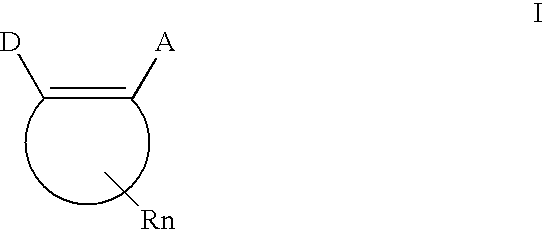
- Development of electrically insulating materials with covalently or ionically linked voltage stabilizing agents (VSAs) that are integral to the polymeric component, preventing diffusion and leaching, and allowing high loading levels of VSAs for enhanced dielectric breakdown strength.

Dielectric coating
PatentInactiveUS20160086698A1
Innovation
- An insulated wire with a UV light-cured dielectric sleeve that withstands high temperatures and has a high dielectric range, applied using a vacuum coater and UV curing process, eliminating air spaces and enhancing the wire's insulation life.


Safety Standards for Electrical Insulation Systems
The development of comprehensive safety standards for electrical insulation systems has become increasingly critical as polymer-based dielectric materials face growing challenges from electrical treeing and progressive failure mechanisms. International standardization bodies have established rigorous frameworks to address the unique vulnerabilities of polymeric insulators, particularly their susceptibility to localized electrical stress concentrations that initiate treeing phenomena.
IEC 60664 series standards provide fundamental guidelines for insulation coordination in low-voltage systems, establishing clearance and creepage distance requirements that account for the degradation mechanisms specific to polymer dielectrics. These standards incorporate safety factors that consider the progressive nature of electrical tree growth, recognizing that unlike catastrophic breakdown in ceramics or gases, polymer failure often follows a predictable deterioration pathway that can be monitored and managed.
IEEE 930 standard specifically addresses the testing and evaluation of electrical insulation systems under thermal and electrical stress conditions. This standard mandates accelerated aging tests that simulate the combined effects of electrical treeing and thermal degradation, providing manufacturers with standardized protocols to assess long-term reliability. The standard requires documentation of partial discharge inception voltages and tree growth rates under controlled laboratory conditions.
ASTM D149 and D3755 standards establish standardized test methods for dielectric breakdown voltage and electrical tree resistance in solid insulating materials. These protocols define specific electrode configurations, voltage application rates, and environmental conditions that ensure reproducible results across different laboratories. The standards emphasize the importance of statistical analysis given the stochastic nature of tree initiation and propagation in polymeric materials.
Safety standards also mandate the implementation of condition monitoring systems for critical applications involving polymer insulation. IEC 61934 outlines requirements for partial discharge measurement systems that can detect early-stage electrical treeing before catastrophic failure occurs. These monitoring protocols enable predictive maintenance strategies that significantly enhance system reliability and personnel safety.
Recent updates to safety standards have incorporated advanced diagnostic techniques including dielectric spectroscopy and thermographic analysis to provide comprehensive assessment of insulation system health. These multi-parameter monitoring approaches recognize that electrical treeing in polymers involves complex interactions between electrical, thermal, and mechanical stress factors that require sophisticated evaluation methodologies.
IEC 60664 series standards provide fundamental guidelines for insulation coordination in low-voltage systems, establishing clearance and creepage distance requirements that account for the degradation mechanisms specific to polymer dielectrics. These standards incorporate safety factors that consider the progressive nature of electrical tree growth, recognizing that unlike catastrophic breakdown in ceramics or gases, polymer failure often follows a predictable deterioration pathway that can be monitored and managed.
IEEE 930 standard specifically addresses the testing and evaluation of electrical insulation systems under thermal and electrical stress conditions. This standard mandates accelerated aging tests that simulate the combined effects of electrical treeing and thermal degradation, providing manufacturers with standardized protocols to assess long-term reliability. The standard requires documentation of partial discharge inception voltages and tree growth rates under controlled laboratory conditions.
ASTM D149 and D3755 standards establish standardized test methods for dielectric breakdown voltage and electrical tree resistance in solid insulating materials. These protocols define specific electrode configurations, voltage application rates, and environmental conditions that ensure reproducible results across different laboratories. The standards emphasize the importance of statistical analysis given the stochastic nature of tree initiation and propagation in polymeric materials.
Safety standards also mandate the implementation of condition monitoring systems for critical applications involving polymer insulation. IEC 61934 outlines requirements for partial discharge measurement systems that can detect early-stage electrical treeing before catastrophic failure occurs. These monitoring protocols enable predictive maintenance strategies that significantly enhance system reliability and personnel safety.
Recent updates to safety standards have incorporated advanced diagnostic techniques including dielectric spectroscopy and thermographic analysis to provide comprehensive assessment of insulation system health. These multi-parameter monitoring approaches recognize that electrical treeing in polymers involves complex interactions between electrical, thermal, and mechanical stress factors that require sophisticated evaluation methodologies.
Environmental Impact of Polymer Dielectric Materials
The environmental implications of polymer dielectric materials have become increasingly significant as global awareness of sustainability and ecological responsibility intensifies. Traditional polymer dielectrics, while offering excellent electrical insulation properties, present substantial environmental challenges throughout their lifecycle. Most conventional dielectric polymers are derived from petroleum-based feedstocks, contributing to carbon emissions during production and creating long-term disposal concerns due to their non-biodegradable nature.
The manufacturing processes of polymer dielectric materials typically involve energy-intensive polymerization reactions and the use of various chemical additives, including stabilizers, plasticizers, and flame retardants. These production methods generate considerable greenhouse gas emissions and often require toxic solvents that pose risks to both human health and environmental systems. Additionally, the extraction and processing of raw materials for polymer synthesis contribute to resource depletion and ecosystem disruption.
End-of-life management represents a critical environmental challenge for polymer dielectric materials. When electrical equipment containing these materials reaches obsolescence, the disposal of non-biodegradable polymers creates persistent waste streams. Incineration of polymer dielectrics can release harmful compounds, including dioxins and other toxic gases, while landfill disposal leads to long-term soil and groundwater contamination risks. The accumulation of microplastics from degraded polymer materials has emerged as a growing concern for marine and terrestrial ecosystems.
Recent regulatory frameworks, particularly in Europe and North America, have imposed stricter environmental standards on electrical materials, driving the development of more sustainable alternatives. The RoHS directive and REACH regulations have restricted the use of hazardous substances in electrical equipment, compelling manufacturers to seek environmentally compliant dielectric solutions. These regulatory pressures have accelerated research into bio-based polymers and recyclable dielectric materials.
The industry is witnessing a paradigm shift toward sustainable polymer dielectric solutions, including the development of bio-derived polymers from renewable sources such as plant-based feedstocks. Advanced recycling technologies, including chemical depolymerization and mechanical recycling processes, are being implemented to create circular economy models for dielectric materials. Furthermore, life cycle assessment methodologies are increasingly being integrated into material selection processes to quantify and minimize environmental impacts across the entire product lifecycle.
The manufacturing processes of polymer dielectric materials typically involve energy-intensive polymerization reactions and the use of various chemical additives, including stabilizers, plasticizers, and flame retardants. These production methods generate considerable greenhouse gas emissions and often require toxic solvents that pose risks to both human health and environmental systems. Additionally, the extraction and processing of raw materials for polymer synthesis contribute to resource depletion and ecosystem disruption.
End-of-life management represents a critical environmental challenge for polymer dielectric materials. When electrical equipment containing these materials reaches obsolescence, the disposal of non-biodegradable polymers creates persistent waste streams. Incineration of polymer dielectrics can release harmful compounds, including dioxins and other toxic gases, while landfill disposal leads to long-term soil and groundwater contamination risks. The accumulation of microplastics from degraded polymer materials has emerged as a growing concern for marine and terrestrial ecosystems.
Recent regulatory frameworks, particularly in Europe and North America, have imposed stricter environmental standards on electrical materials, driving the development of more sustainable alternatives. The RoHS directive and REACH regulations have restricted the use of hazardous substances in electrical equipment, compelling manufacturers to seek environmentally compliant dielectric solutions. These regulatory pressures have accelerated research into bio-based polymers and recyclable dielectric materials.
The industry is witnessing a paradigm shift toward sustainable polymer dielectric solutions, including the development of bio-derived polymers from renewable sources such as plant-based feedstocks. Advanced recycling technologies, including chemical depolymerization and mechanical recycling processes, are being implemented to create circular economy models for dielectric materials. Furthermore, life cycle assessment methodologies are increasingly being integrated into material selection processes to quantify and minimize environmental impacts across the entire product lifecycle.
Unlock deeper insights with PatSnap Eureka Quick Research — get a full tech report to explore trends and direct your research. Try now!
Generate Your Research Report Instantly with AI Agent
Supercharge your innovation with PatSnap Eureka AI Agent Platform!