Dynamic Lithography Feedback Systems for Predictive Maintenance
APR 24, 20268 MIN READ
Generate Your Research Report Instantly with AI Agent
PatSnap Eureka helps you evaluate technical feasibility & market potential.
Dynamic Lithography System Evolution and Predictive Goals
Dynamic lithography systems have undergone significant transformation since their inception in the 1960s, evolving from simple contact printing methods to today's sophisticated extreme ultraviolet (EUV) and immersion lithography technologies. The integration of feedback systems began in the 1980s with basic overlay control mechanisms, but the concept of predictive maintenance through dynamic feedback represents the latest frontier in lithography evolution. This progression reflects the semiconductor industry's relentless pursuit of smaller feature sizes and higher manufacturing yields.
The evolution trajectory shows three distinct phases: reactive maintenance (1960s-1990s), preventive maintenance (1990s-2010s), and the emerging predictive maintenance era (2010s-present). Early lithography systems relied heavily on scheduled maintenance and post-failure repairs, resulting in significant downtime and yield losses. The introduction of real-time monitoring capabilities in the late 1990s marked a pivotal shift toward proactive system management.
Modern dynamic lithography feedback systems incorporate advanced sensor networks, machine learning algorithms, and real-time data analytics to predict equipment failures before they occur. These systems continuously monitor critical parameters including lens aberrations, stage positioning accuracy, laser stability, and environmental conditions. The integration of artificial intelligence enables pattern recognition of subtle performance degradations that precede catastrophic failures.
Current predictive goals focus on achieving near-zero unplanned downtime through comprehensive system health monitoring. Industry leaders target predictive accuracy rates exceeding 95% for critical failure modes, with prediction horizons extending 24-72 hours before actual failures. Advanced systems aim to optimize maintenance scheduling by correlating multiple sensor inputs with historical performance data and environmental factors.
The technological roadmap emphasizes the development of self-healing lithography systems capable of autonomous parameter adjustment and component replacement. Future iterations will incorporate quantum sensing technologies for unprecedented measurement precision and blockchain-based maintenance records for enhanced traceability. These advancements promise to revolutionize semiconductor manufacturing efficiency while reducing operational costs and improving product quality consistency across global fabrication facilities.
The evolution trajectory shows three distinct phases: reactive maintenance (1960s-1990s), preventive maintenance (1990s-2010s), and the emerging predictive maintenance era (2010s-present). Early lithography systems relied heavily on scheduled maintenance and post-failure repairs, resulting in significant downtime and yield losses. The introduction of real-time monitoring capabilities in the late 1990s marked a pivotal shift toward proactive system management.
Modern dynamic lithography feedback systems incorporate advanced sensor networks, machine learning algorithms, and real-time data analytics to predict equipment failures before they occur. These systems continuously monitor critical parameters including lens aberrations, stage positioning accuracy, laser stability, and environmental conditions. The integration of artificial intelligence enables pattern recognition of subtle performance degradations that precede catastrophic failures.
Current predictive goals focus on achieving near-zero unplanned downtime through comprehensive system health monitoring. Industry leaders target predictive accuracy rates exceeding 95% for critical failure modes, with prediction horizons extending 24-72 hours before actual failures. Advanced systems aim to optimize maintenance scheduling by correlating multiple sensor inputs with historical performance data and environmental factors.
The technological roadmap emphasizes the development of self-healing lithography systems capable of autonomous parameter adjustment and component replacement. Future iterations will incorporate quantum sensing technologies for unprecedented measurement precision and blockchain-based maintenance records for enhanced traceability. These advancements promise to revolutionize semiconductor manufacturing efficiency while reducing operational costs and improving product quality consistency across global fabrication facilities.
Market Demand for Predictive Lithography Maintenance
The semiconductor manufacturing industry faces mounting pressure to enhance operational efficiency and minimize costly downtime, driving substantial demand for predictive maintenance solutions in lithography systems. As chip geometries continue shrinking and manufacturing processes become increasingly complex, traditional reactive maintenance approaches prove inadequate for maintaining the precision required in advanced node production. The industry's shift toward predictive maintenance represents a fundamental transformation in how semiconductor fabs approach equipment reliability and process optimization.
Market drivers for predictive lithography maintenance stem from the escalating costs associated with unplanned equipment failures. Modern extreme ultraviolet lithography systems represent multi-million dollar investments, where even brief interruptions can result in significant production losses and yield degradation. The increasing complexity of multi-patterning techniques and overlay requirements amplifies the need for real-time monitoring and predictive intervention capabilities.
The automotive and consumer electronics sectors are particularly influential in shaping market demand, as these industries require high-volume production with consistent quality standards. The proliferation of electric vehicles, 5G infrastructure, and artificial intelligence applications creates sustained pressure for advanced semiconductor manufacturing capabilities, directly translating to increased demand for reliable lithography maintenance solutions.
Foundries and integrated device manufacturers are actively seeking dynamic feedback systems that can predict potential issues before they impact production throughput. The market shows strong preference for solutions that integrate seamlessly with existing fab automation systems while providing actionable insights for maintenance scheduling and process optimization.
Regional demand patterns reflect the global distribution of semiconductor manufacturing capacity, with particularly strong interest from Asian markets where high-volume production facilities dominate. The competitive landscape drives continuous innovation in predictive maintenance technologies, as manufacturers seek differentiation through superior operational efficiency and reduced total cost of ownership.
The market trajectory indicates sustained growth potential, supported by ongoing investments in advanced manufacturing nodes and the industry's commitment to improving equipment effectiveness through intelligent monitoring and predictive analytics capabilities.
Market drivers for predictive lithography maintenance stem from the escalating costs associated with unplanned equipment failures. Modern extreme ultraviolet lithography systems represent multi-million dollar investments, where even brief interruptions can result in significant production losses and yield degradation. The increasing complexity of multi-patterning techniques and overlay requirements amplifies the need for real-time monitoring and predictive intervention capabilities.
The automotive and consumer electronics sectors are particularly influential in shaping market demand, as these industries require high-volume production with consistent quality standards. The proliferation of electric vehicles, 5G infrastructure, and artificial intelligence applications creates sustained pressure for advanced semiconductor manufacturing capabilities, directly translating to increased demand for reliable lithography maintenance solutions.
Foundries and integrated device manufacturers are actively seeking dynamic feedback systems that can predict potential issues before they impact production throughput. The market shows strong preference for solutions that integrate seamlessly with existing fab automation systems while providing actionable insights for maintenance scheduling and process optimization.
Regional demand patterns reflect the global distribution of semiconductor manufacturing capacity, with particularly strong interest from Asian markets where high-volume production facilities dominate. The competitive landscape drives continuous innovation in predictive maintenance technologies, as manufacturers seek differentiation through superior operational efficiency and reduced total cost of ownership.
The market trajectory indicates sustained growth potential, supported by ongoing investments in advanced manufacturing nodes and the industry's commitment to improving equipment effectiveness through intelligent monitoring and predictive analytics capabilities.
Current Lithography Feedback System Limitations
Current lithography feedback systems in semiconductor manufacturing face significant limitations that hinder their effectiveness in predictive maintenance applications. Traditional feedback mechanisms primarily rely on post-exposure metrology and offline inspection processes, creating substantial delays between defect occurrence and detection. This reactive approach results in considerable material waste and production downtime before corrective actions can be implemented.
The temporal disconnect between lithography processes and feedback data represents a critical constraint. Conventional systems typically require wafers to complete multiple processing steps before comprehensive analysis can be performed. This delay makes it challenging to correlate specific process variations with their root causes, particularly when multiple variables interact simultaneously during exposure operations.
Existing feedback systems demonstrate limited real-time monitoring capabilities for critical lithography parameters. Current overlay measurement systems, while accurate, operate at discrete sampling points rather than providing continuous process monitoring. This sampling-based approach may miss transient process variations that could indicate impending equipment failures or performance degradation.
Data integration challenges further compound system limitations. Most lithography tools generate vast amounts of process data from multiple sensors and subsystems, but current feedback architectures lack sophisticated algorithms to synthesize this information into actionable predictive insights. The absence of advanced machine learning integration means that subtle patterns indicating equipment degradation often remain undetected until failures occur.
Sensor technology constraints also limit feedback system effectiveness. Many critical lithography parameters, such as lens aberrations and reticle heating effects, cannot be monitored continuously with existing sensor configurations. This creates blind spots in process monitoring that prevent comprehensive predictive maintenance strategies.
Current feedback systems typically operate in isolation, lacking integration with broader fab-wide data ecosystems. This siloed approach prevents the correlation of lithography performance with upstream and downstream process variations, limiting the ability to identify systemic issues that could impact equipment reliability and process stability over extended operational periods.
The temporal disconnect between lithography processes and feedback data represents a critical constraint. Conventional systems typically require wafers to complete multiple processing steps before comprehensive analysis can be performed. This delay makes it challenging to correlate specific process variations with their root causes, particularly when multiple variables interact simultaneously during exposure operations.
Existing feedback systems demonstrate limited real-time monitoring capabilities for critical lithography parameters. Current overlay measurement systems, while accurate, operate at discrete sampling points rather than providing continuous process monitoring. This sampling-based approach may miss transient process variations that could indicate impending equipment failures or performance degradation.
Data integration challenges further compound system limitations. Most lithography tools generate vast amounts of process data from multiple sensors and subsystems, but current feedback architectures lack sophisticated algorithms to synthesize this information into actionable predictive insights. The absence of advanced machine learning integration means that subtle patterns indicating equipment degradation often remain undetected until failures occur.
Sensor technology constraints also limit feedback system effectiveness. Many critical lithography parameters, such as lens aberrations and reticle heating effects, cannot be monitored continuously with existing sensor configurations. This creates blind spots in process monitoring that prevent comprehensive predictive maintenance strategies.
Current feedback systems typically operate in isolation, lacking integration with broader fab-wide data ecosystems. This siloed approach prevents the correlation of lithography performance with upstream and downstream process variations, limiting the ability to identify systemic issues that could impact equipment reliability and process stability over extended operational periods.
Existing Dynamic Feedback Solutions for Lithography
01 Real-time monitoring and sensor integration for lithography systems
Implementation of advanced sensor networks and real-time monitoring capabilities to collect operational data from lithography equipment. These systems continuously track critical parameters such as temperature, pressure, vibration, and alignment metrics during the lithography process. The collected data enables immediate detection of anomalies and deviations from normal operating conditions, forming the foundation for predictive maintenance strategies.- Real-time monitoring and sensor integration for lithography systems: Implementation of advanced sensor networks and real-time monitoring systems to collect operational data from lithography equipment. These systems continuously track critical parameters such as temperature, pressure, vibration, and alignment metrics during the lithography process. The collected data enables immediate detection of anomalies and deviations from normal operating conditions, forming the foundation for predictive maintenance strategies.
- Machine learning algorithms for failure prediction: Application of artificial intelligence and machine learning models to analyze historical and real-time data from lithography systems. These algorithms identify patterns and correlations that indicate potential equipment failures before they occur. The predictive models are trained on extensive datasets to recognize early warning signs of component degradation, enabling proactive maintenance scheduling and reducing unplanned downtime.
- Dynamic feedback control systems for process optimization: Integration of closed-loop feedback mechanisms that automatically adjust lithography process parameters based on real-time measurements and predictions. These systems continuously optimize exposure settings, focus control, and overlay accuracy to maintain product quality while extending equipment lifespan. The dynamic adjustment capability ensures consistent performance even as components gradually wear or environmental conditions change.
- Predictive maintenance scheduling and resource optimization: Development of intelligent scheduling systems that optimize maintenance activities based on predicted component lifetimes and operational requirements. These systems balance production demands with maintenance needs, minimizing disruption while preventing catastrophic failures. The approach includes spare parts inventory management, technician allocation, and maintenance window optimization to maximize equipment availability and reduce total cost of ownership.
- Digital twin technology for lithography system simulation: Creation of virtual replicas of physical lithography equipment that simulate system behavior under various operating conditions. These digital twins enable testing of maintenance strategies, prediction of component wear patterns, and evaluation of process changes without disrupting actual production. The technology integrates multiple data sources to provide comprehensive insights into equipment health and performance trends over time.
02 Machine learning algorithms for failure prediction
Application of artificial intelligence and machine learning models to analyze historical and real-time data from lithography systems. These algorithms identify patterns and correlations that indicate potential equipment failures before they occur. The predictive models are trained on extensive datasets to recognize early warning signs of component degradation, enabling proactive maintenance scheduling and reducing unexpected downtime.Expand Specific Solutions03 Dynamic feedback control systems for process optimization
Integration of closed-loop feedback mechanisms that automatically adjust lithography process parameters based on real-time measurements and predictive analytics. These systems continuously optimize exposure settings, focus control, and overlay accuracy to maintain product quality while extending equipment lifespan. The dynamic adjustments compensate for gradual component wear and environmental variations.Expand Specific Solutions04 Condition-based maintenance scheduling and resource optimization
Development of intelligent maintenance planning systems that schedule service activities based on actual equipment condition rather than fixed time intervals. These systems analyze predictive indicators to determine optimal maintenance timing, minimizing production interruptions while preventing catastrophic failures. Resource allocation is optimized by prioritizing maintenance tasks according to urgency and impact on production throughput.Expand Specific Solutions05 Digital twin technology and simulation for predictive analytics
Creation of virtual replicas of lithography systems that simulate equipment behavior under various operating conditions. These digital twins integrate real-time data with physics-based models to predict future performance and identify potential failure modes. The simulation capabilities enable testing of maintenance strategies and process modifications in a virtual environment before implementation on actual production equipment.Expand Specific Solutions
Key Players in Lithography Equipment and AI Analytics
The dynamic lithography feedback systems for predictive maintenance market represents an emerging segment within the mature semiconductor lithography industry, currently in early development stages with significant growth potential driven by increasing demand for advanced chip manufacturing efficiency. The market size remains relatively small but is expanding rapidly as semiconductor fabs seek to minimize downtime and optimize equipment performance. Technology maturity varies significantly across key players, with established lithography leaders like ASML Netherlands BV and Nikon Corp. leveraging their deep domain expertise to integrate predictive analytics into existing systems, while Canon Inc. and Applied Materials Inc. focus on comprehensive equipment monitoring solutions. Advanced technology companies such as Gigaphoton Inc. and Shanghai Microelectronics Equipment are developing specialized feedback mechanisms for their laser and lithography systems. The competitive landscape also includes diversified technology giants like Siemens AG and Mitsubishi Electric Corp., who contribute industrial automation and sensing technologies essential for predictive maintenance implementation across semiconductor manufacturing environments.
ASML Netherlands BV
Technical Solution: ASML has developed advanced dynamic lithography feedback systems integrated into their EUV and DUV lithography platforms. Their system utilizes real-time overlay metrology, focus monitoring, and dose control mechanisms to predict maintenance needs before critical failures occur. The feedback loop incorporates machine learning algorithms that analyze historical performance data, environmental conditions, and process variations to optimize maintenance schedules. Their predictive maintenance framework includes automated calibration systems, real-time aberration correction, and proactive component replacement scheduling based on usage patterns and performance degradation models.
Strengths: Market leader with comprehensive EUV technology and extensive field data. Weaknesses: High system complexity and significant capital investment requirements.
Applied Materials, Inc.
Technical Solution: Applied Materials has implemented dynamic feedback systems across their lithography and etch platforms, focusing on predictive maintenance through advanced sensor networks and AI-driven analytics. Their approach combines real-time process monitoring with predictive algorithms that analyze equipment performance trends, consumable usage patterns, and environmental factors. The system provides early warning indicators for component wear, process drift, and potential failures, enabling proactive maintenance scheduling to minimize downtime and maintain process consistency.
Strengths: Broad equipment portfolio and strong AI analytics capabilities. Weaknesses: Less specialized in advanced lithography compared to dedicated lithography vendors.
Core Innovations in Predictive Lithography Algorithms
Methods of modelling systems or performing predictive maintenance of systems, such as lithographic systems, and associated lithographic systems
PatentActiveTW201839533A
Innovation
- The use of transfer entropy to determine causal relationships between time-series pairs of parameters in lithography devices, combined with quality weighting of context data and automated maintenance action detection, enables more accurate fault diagnosis and predictive maintenance by identifying causal networks and attributing events to internal or external factors.


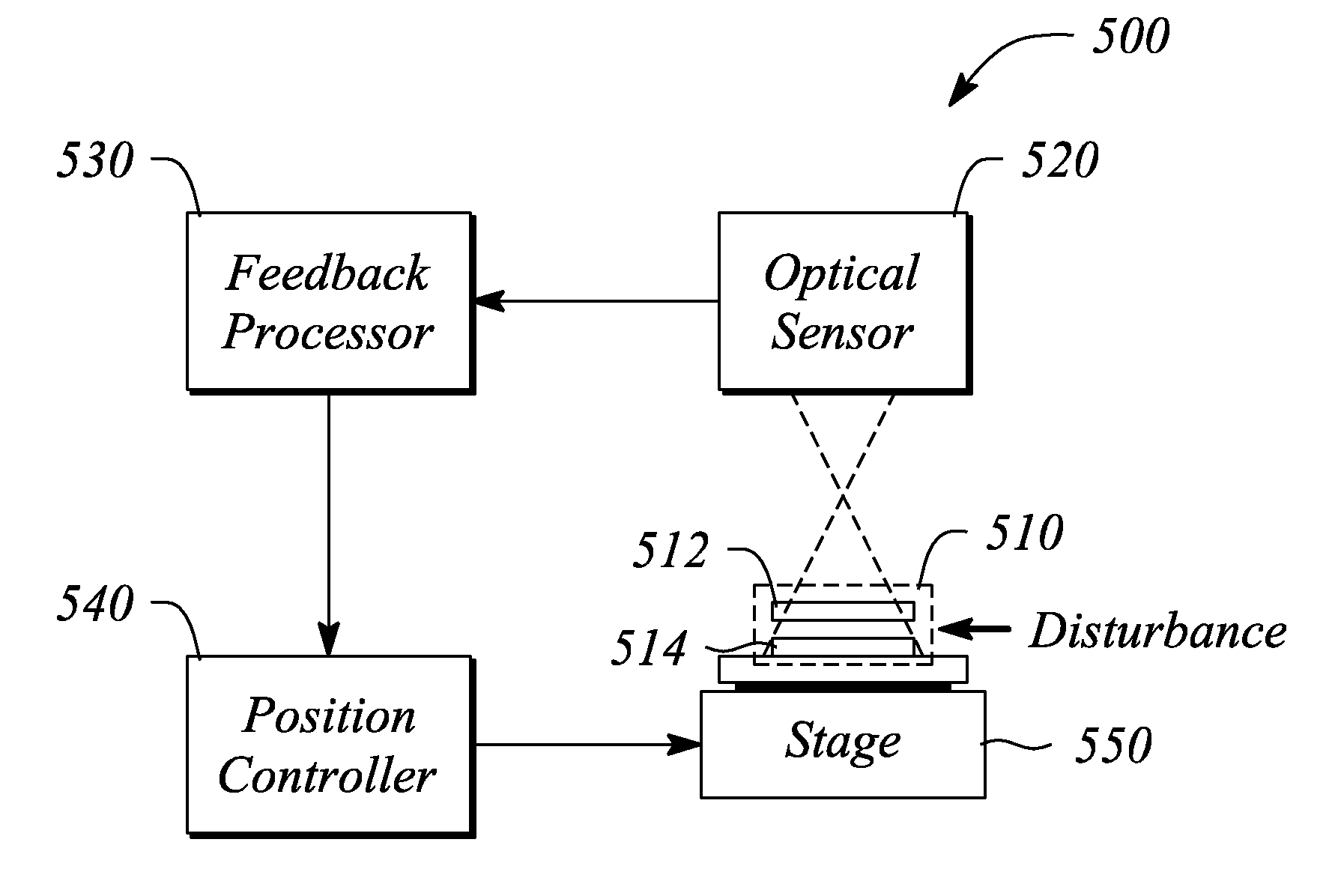
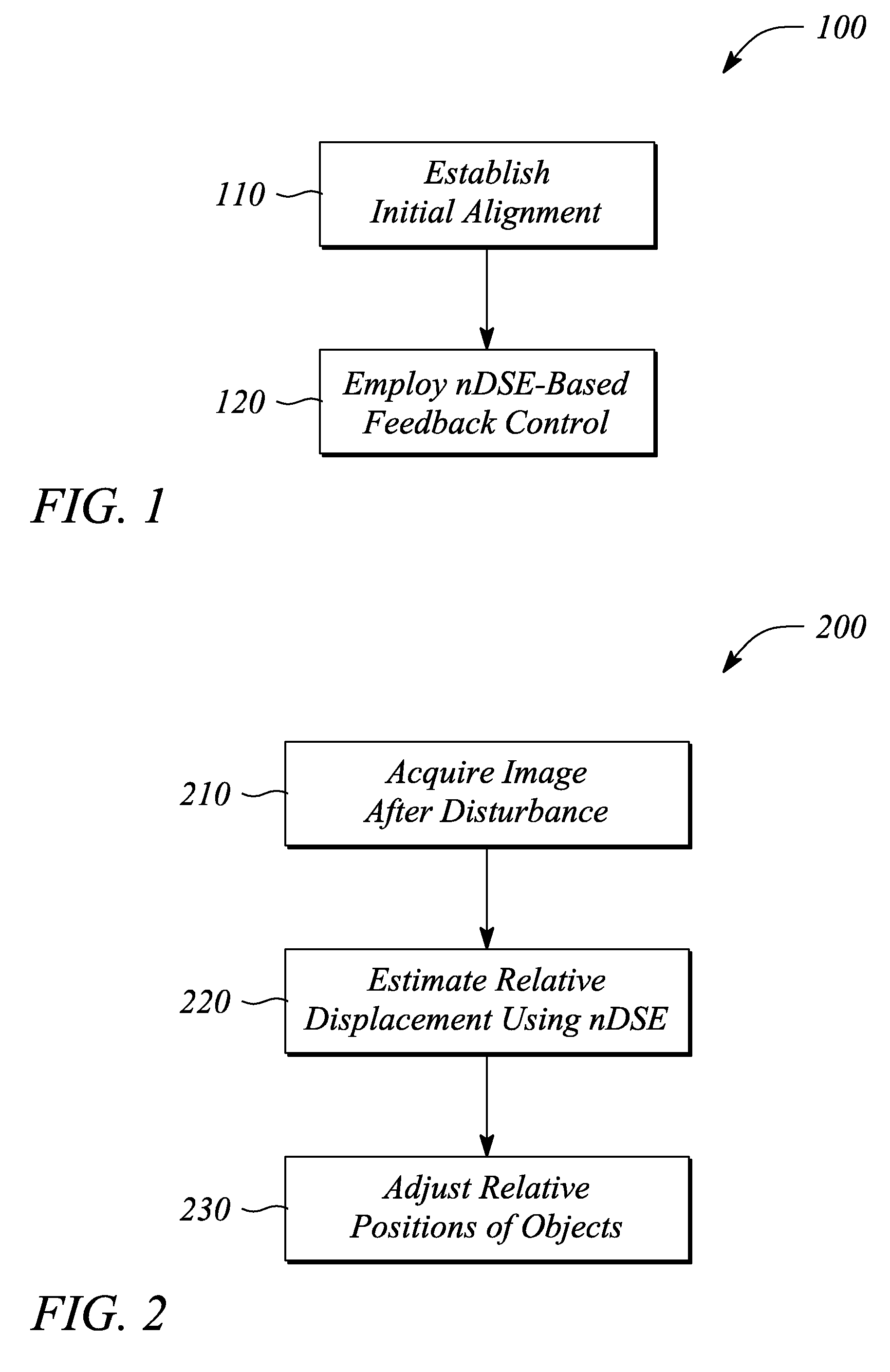
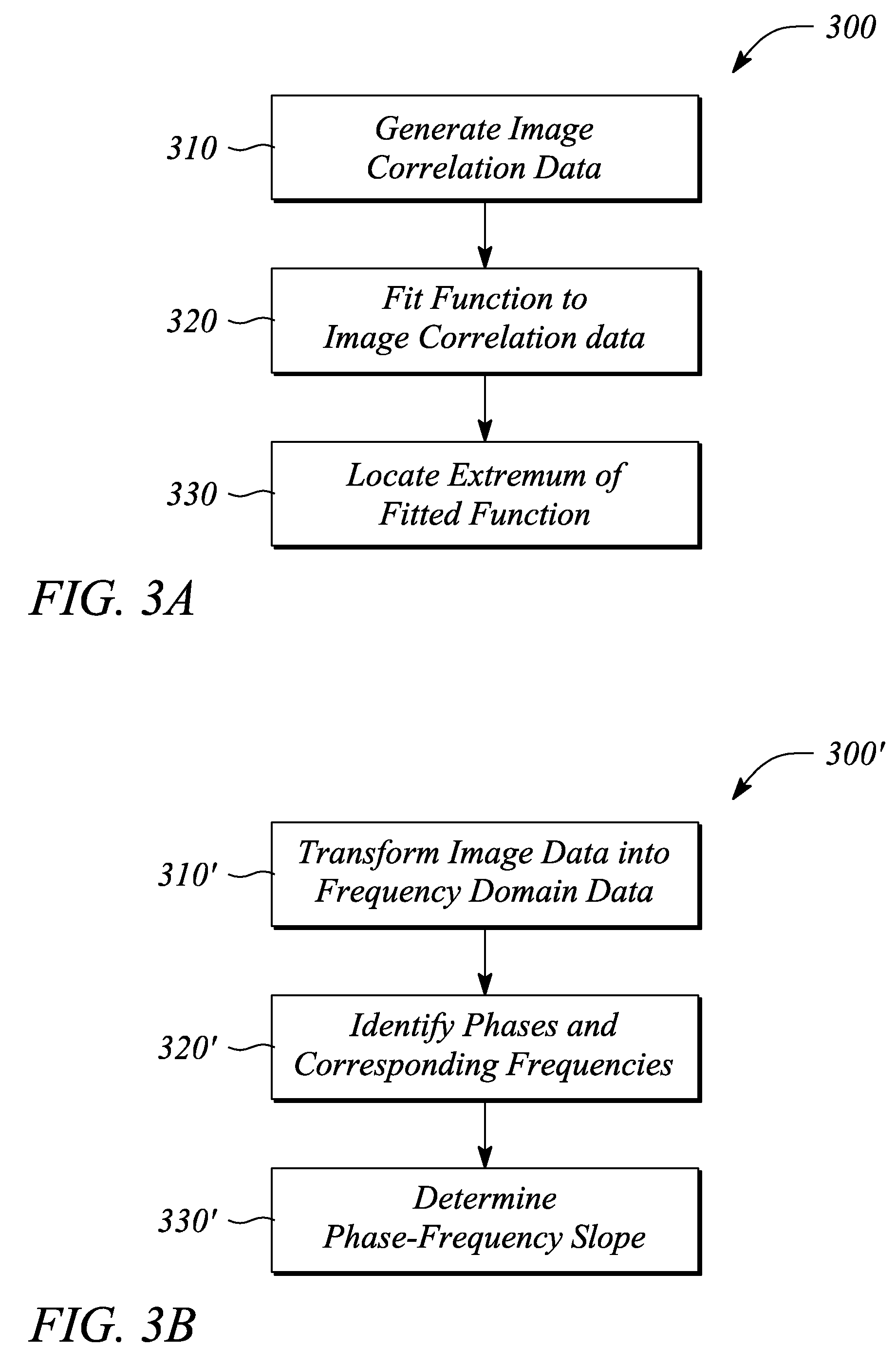
LITHOGRAPHY ALIGNMENT SYSTEM AND METHOD USING nDSE-BASED FEEDBACK CONTROL
PatentInactiveUS20080090312A1
Innovation
- The implementation of nanoscale displacement sensing and estimation (nDSE) using image-based feedback control to establish and maintain alignment by comparing pre- and post-disturbance images, allowing for sub-pixel resolution adjustments to compensate for alignment errors caused by vibrations, temperature differences, and mechanical drift.

Semiconductor Manufacturing Quality Standards
Semiconductor manufacturing quality standards for dynamic lithography feedback systems represent a critical framework ensuring the reliability and precision of predictive maintenance operations. These standards encompass multiple dimensions of quality control, from real-time data acquisition accuracy to system response time requirements. The International Semiconductor Equipment and Materials International (SEMI) standards, particularly SEMI E10 for equipment automation and SEMI E30 for generic model for communications and control, provide foundational guidelines for implementing feedback systems in lithography equipment.
Quality metrics for dynamic feedback systems focus on measurement precision, with typical requirements demanding sub-nanometer accuracy in overlay measurements and critical dimension monitoring. The standards specify that feedback loop response times must not exceed predetermined thresholds, typically ranging from milliseconds for real-time corrections to seconds for process adjustments. Statistical process control parameters, including control limits and capability indices, are rigorously defined to ensure consistent performance across different operational conditions.
Calibration protocols constitute another essential component of quality standards, requiring regular verification of sensor accuracy and system alignment. These protocols mandate traceable measurement standards and specify calibration intervals based on equipment usage patterns and environmental conditions. The standards also define acceptable drift tolerances for various system components, ensuring long-term measurement stability.
Data integrity and traceability requirements form a cornerstone of quality assurance, mandating comprehensive logging of all feedback system activities. This includes timestamp accuracy, data storage formats, and audit trail maintenance. The standards specify minimum data retention periods and backup procedures to support quality investigations and process optimization efforts.
Validation methodologies outlined in these standards require systematic testing of feedback system performance under various operational scenarios. This includes stress testing under extreme process conditions, verification of alarm systems, and confirmation of predictive algorithms' accuracy. The standards also establish acceptance criteria for system qualification and ongoing performance monitoring.
Environmental and operational robustness standards ensure feedback systems maintain performance across typical fab conditions, including temperature variations, vibration levels, and electromagnetic interference. These specifications guarantee reliable operation in demanding semiconductor manufacturing environments while maintaining measurement accuracy and system responsiveness.
Quality metrics for dynamic feedback systems focus on measurement precision, with typical requirements demanding sub-nanometer accuracy in overlay measurements and critical dimension monitoring. The standards specify that feedback loop response times must not exceed predetermined thresholds, typically ranging from milliseconds for real-time corrections to seconds for process adjustments. Statistical process control parameters, including control limits and capability indices, are rigorously defined to ensure consistent performance across different operational conditions.
Calibration protocols constitute another essential component of quality standards, requiring regular verification of sensor accuracy and system alignment. These protocols mandate traceable measurement standards and specify calibration intervals based on equipment usage patterns and environmental conditions. The standards also define acceptable drift tolerances for various system components, ensuring long-term measurement stability.
Data integrity and traceability requirements form a cornerstone of quality assurance, mandating comprehensive logging of all feedback system activities. This includes timestamp accuracy, data storage formats, and audit trail maintenance. The standards specify minimum data retention periods and backup procedures to support quality investigations and process optimization efforts.
Validation methodologies outlined in these standards require systematic testing of feedback system performance under various operational scenarios. This includes stress testing under extreme process conditions, verification of alarm systems, and confirmation of predictive algorithms' accuracy. The standards also establish acceptance criteria for system qualification and ongoing performance monitoring.
Environmental and operational robustness standards ensure feedback systems maintain performance across typical fab conditions, including temperature variations, vibration levels, and electromagnetic interference. These specifications guarantee reliable operation in demanding semiconductor manufacturing environments while maintaining measurement accuracy and system responsiveness.
Cost-Benefit Analysis of Predictive Lithography Systems
The implementation of dynamic lithography feedback systems for predictive maintenance presents a compelling economic proposition when evaluated through comprehensive cost-benefit analysis. Initial capital expenditure typically ranges from $2-5 million per advanced lithography tool, representing approximately 15-25% of the base equipment cost. This investment encompasses sensor integration, data acquisition infrastructure, advanced analytics software, and system integration services.
Operational cost considerations include ongoing software licensing fees, estimated at $200,000-400,000 annually per system, alongside dedicated personnel training and maintenance contracts. Data storage and processing requirements add approximately $50,000-100,000 yearly, while specialized technical support contributes an additional $150,000-250,000 in annual operational expenses.
The primary economic benefits manifest through substantial reduction in unplanned downtime, which typically costs semiconductor manufacturers $100,000-500,000 per hour depending on facility capacity and product mix. Predictive systems demonstrate capability to reduce unscheduled maintenance events by 40-60%, translating to annual savings of $5-15 million for high-volume production facilities.
Yield improvement represents another significant value driver, with predictive maintenance systems enabling 2-5% enhancement in overall equipment effectiveness. For facilities producing advanced semiconductors, this improvement can generate additional revenue of $10-25 million annually. Extended equipment lifespan through optimized maintenance scheduling provides additional value through deferred capital replacement costs.
Return on investment analysis indicates payback periods of 12-24 months for high-utilization facilities, with net present value calculations showing positive returns exceeding 200-400% over five-year periods. Risk mitigation benefits, including reduced catastrophic failure probability and improved production predictability, provide additional intangible value that strengthens the overall business case for implementation.
Operational cost considerations include ongoing software licensing fees, estimated at $200,000-400,000 annually per system, alongside dedicated personnel training and maintenance contracts. Data storage and processing requirements add approximately $50,000-100,000 yearly, while specialized technical support contributes an additional $150,000-250,000 in annual operational expenses.
The primary economic benefits manifest through substantial reduction in unplanned downtime, which typically costs semiconductor manufacturers $100,000-500,000 per hour depending on facility capacity and product mix. Predictive systems demonstrate capability to reduce unscheduled maintenance events by 40-60%, translating to annual savings of $5-15 million for high-volume production facilities.
Yield improvement represents another significant value driver, with predictive maintenance systems enabling 2-5% enhancement in overall equipment effectiveness. For facilities producing advanced semiconductors, this improvement can generate additional revenue of $10-25 million annually. Extended equipment lifespan through optimized maintenance scheduling provides additional value through deferred capital replacement costs.
Return on investment analysis indicates payback periods of 12-24 months for high-utilization facilities, with net present value calculations showing positive returns exceeding 200-400% over five-year periods. Risk mitigation benefits, including reduced catastrophic failure probability and improved production predictability, provide additional intangible value that strengthens the overall business case for implementation.
Unlock deeper insights with PatSnap Eureka Quick Research — get a full tech report to explore trends and direct your research. Try now!
Generate Your Research Report Instantly with AI Agent
Supercharge your innovation with PatSnap Eureka AI Agent Platform!