
Electrostatic Actuators in Haptic Interfaces: A Comparative Study
MAR 10, 20269 MIN READ
Generate Your Research Report Instantly with AI Agent
Patsnap Eureka helps you evaluate technical feasibility & market potential.
Electrostatic Actuator Technology Background and Objectives
Electrostatic actuators represent a fundamental class of transduction mechanisms that convert electrical energy into mechanical motion through electrostatic forces. These devices operate on the principle of Coulomb attraction between charged conductors, generating forces proportional to the square of applied voltage and inversely related to the square of electrode separation distance. The technology has evolved from early electrostatic motors in the 18th century to sophisticated microelectromechanical systems (MEMS) devices capable of precise force and displacement control.
The historical development of electrostatic actuation can be traced through several key phases. Initial developments focused on large-scale electrostatic machines for scientific demonstrations and early industrial applications. The advent of semiconductor manufacturing techniques in the late 20th century enabled the miniaturization of electrostatic actuators, leading to their integration into MEMS devices. This technological evolution has been driven by advances in microfabrication processes, high-voltage electronics, and materials science.
Contemporary electrostatic actuators in haptic interfaces have emerged as a response to the growing demand for tactile feedback in human-computer interaction systems. The technology has progressed from simple vibrotactile devices to sophisticated multi-degree-of-freedom systems capable of rendering complex tactile sensations. Recent developments have focused on improving force output, reducing power consumption, and enhancing the bandwidth of tactile feedback.
The primary technological objectives for electrostatic actuators in haptic applications center on achieving high force density while maintaining low power consumption and compact form factors. Current research aims to overcome the fundamental limitation of relatively low force output compared to electromagnetic alternatives. Key development goals include increasing the electrostatic force through novel electrode geometries, advanced dielectric materials, and innovative actuation schemes.
Another critical objective involves expanding the operational bandwidth of electrostatic haptic devices to cover the full range of human tactile perception, typically spanning from DC to several kilohertz. This requires addressing the inherent capacitive nature of electrostatic actuators and developing drive electronics capable of rapid voltage switching with minimal power dissipation.
The integration of electrostatic actuators into practical haptic interfaces also demands solutions for safety considerations related to high-voltage operation, reliability under repeated actuation cycles, and manufacturing scalability. These technological challenges define the current research landscape and establish the framework for comparative evaluation of different electrostatic actuation approaches in haptic interface applications.
The historical development of electrostatic actuation can be traced through several key phases. Initial developments focused on large-scale electrostatic machines for scientific demonstrations and early industrial applications. The advent of semiconductor manufacturing techniques in the late 20th century enabled the miniaturization of electrostatic actuators, leading to their integration into MEMS devices. This technological evolution has been driven by advances in microfabrication processes, high-voltage electronics, and materials science.
Contemporary electrostatic actuators in haptic interfaces have emerged as a response to the growing demand for tactile feedback in human-computer interaction systems. The technology has progressed from simple vibrotactile devices to sophisticated multi-degree-of-freedom systems capable of rendering complex tactile sensations. Recent developments have focused on improving force output, reducing power consumption, and enhancing the bandwidth of tactile feedback.
The primary technological objectives for electrostatic actuators in haptic applications center on achieving high force density while maintaining low power consumption and compact form factors. Current research aims to overcome the fundamental limitation of relatively low force output compared to electromagnetic alternatives. Key development goals include increasing the electrostatic force through novel electrode geometries, advanced dielectric materials, and innovative actuation schemes.
Another critical objective involves expanding the operational bandwidth of electrostatic haptic devices to cover the full range of human tactile perception, typically spanning from DC to several kilohertz. This requires addressing the inherent capacitive nature of electrostatic actuators and developing drive electronics capable of rapid voltage switching with minimal power dissipation.
The integration of electrostatic actuators into practical haptic interfaces also demands solutions for safety considerations related to high-voltage operation, reliability under repeated actuation cycles, and manufacturing scalability. These technological challenges define the current research landscape and establish the framework for comparative evaluation of different electrostatic actuation approaches in haptic interface applications.
Market Demand Analysis for Haptic Interface Solutions
The haptic interface market has experienced substantial growth driven by increasing demand across multiple sectors including consumer electronics, automotive, healthcare, and virtual reality applications. Gaming and entertainment industries represent the largest market segment, with consumers seeking more immersive experiences through tactile feedback in controllers, mobile devices, and VR systems. The proliferation of touchscreen devices has created significant demand for haptic solutions that can restore tactile sensations lost in traditional button-based interfaces.
Healthcare applications constitute a rapidly expanding market segment, particularly in surgical training simulators, rehabilitation devices, and telemedicine applications. Medical professionals require precise tactile feedback for minimally invasive procedures and remote diagnostics, driving demand for high-fidelity haptic interfaces with electrostatic actuators that can provide fine-grained force feedback and texture simulation.
The automotive sector presents substantial growth opportunities as manufacturers integrate haptic feedback into infotainment systems, steering wheels, and advanced driver assistance systems. Touch-sensitive surfaces in vehicle interiors require haptic confirmation to reduce driver distraction while maintaining intuitive control interfaces. This trend aligns with the broader shift toward digitized cockpit experiences and autonomous vehicle development.
Industrial applications including robotics, manufacturing automation, and remote operation systems represent emerging market opportunities. These sectors demand robust haptic interfaces capable of transmitting complex force and texture information across various operational environments. Electrostatic actuators offer advantages in these applications due to their rapid response times and ability to generate diverse tactile sensations without mechanical wear.
Market growth is further accelerated by advancements in augmented reality and metaverse technologies, where realistic haptic feedback becomes essential for user engagement and practical applications. Educational institutions and training organizations increasingly adopt haptic-enabled systems for skill development and simulation-based learning programs.
The consumer electronics segment continues expanding beyond traditional gaming applications into wearable devices, smart home interfaces, and accessibility solutions for visually impaired users. This diversification creates multiple revenue streams and reduces market dependency on single application areas, supporting sustained industry growth and technological advancement.
Healthcare applications constitute a rapidly expanding market segment, particularly in surgical training simulators, rehabilitation devices, and telemedicine applications. Medical professionals require precise tactile feedback for minimally invasive procedures and remote diagnostics, driving demand for high-fidelity haptic interfaces with electrostatic actuators that can provide fine-grained force feedback and texture simulation.
The automotive sector presents substantial growth opportunities as manufacturers integrate haptic feedback into infotainment systems, steering wheels, and advanced driver assistance systems. Touch-sensitive surfaces in vehicle interiors require haptic confirmation to reduce driver distraction while maintaining intuitive control interfaces. This trend aligns with the broader shift toward digitized cockpit experiences and autonomous vehicle development.
Industrial applications including robotics, manufacturing automation, and remote operation systems represent emerging market opportunities. These sectors demand robust haptic interfaces capable of transmitting complex force and texture information across various operational environments. Electrostatic actuators offer advantages in these applications due to their rapid response times and ability to generate diverse tactile sensations without mechanical wear.
Market growth is further accelerated by advancements in augmented reality and metaverse technologies, where realistic haptic feedback becomes essential for user engagement and practical applications. Educational institutions and training organizations increasingly adopt haptic-enabled systems for skill development and simulation-based learning programs.
The consumer electronics segment continues expanding beyond traditional gaming applications into wearable devices, smart home interfaces, and accessibility solutions for visually impaired users. This diversification creates multiple revenue streams and reduces market dependency on single application areas, supporting sustained industry growth and technological advancement.
Current State and Challenges of Electrostatic Actuators
Electrostatic actuators have emerged as a promising technology for haptic interfaces, offering unique advantages in terms of power consumption, response speed, and form factor flexibility. Currently, these devices operate on the principle of electrostatic force generation between charged electrodes, creating tactile sensations through controlled voltage applications. The technology has found applications in touchscreens, wearable devices, and virtual reality systems, where traditional electromagnetic actuators face limitations in miniaturization and energy efficiency.
The global landscape of electrostatic actuator development shows concentrated activity in advanced technology regions, particularly Japan, South Korea, the United States, and parts of Europe. Japan leads in fundamental research and patent filings, with companies like Tanvas and Ultraleap pioneering surface haptic technologies. South Korea demonstrates strong capabilities in display-integrated haptic solutions, while the United States focuses on wearable and mobile applications. European research centers contribute significantly to theoretical foundations and novel material development.
Despite technological progress, several critical challenges impede widespread adoption of electrostatic actuators in haptic interfaces. The primary constraint remains the requirement for high operating voltages, typically ranging from hundreds to thousands of volts, which poses safety concerns and complicates circuit design. This high-voltage requirement also leads to increased power consumption during dynamic operations, contradicting one of the technology's fundamental advantages.
Force output limitations represent another significant challenge. Current electrostatic actuators generate relatively weak forces compared to electromagnetic alternatives, restricting their application to surface textures and light tactile feedback rather than robust force feedback scenarios. The force-to-size ratio remains suboptimal for many desired haptic applications, particularly those requiring substantial mechanical displacement or resistance.
Environmental sensitivity poses additional operational challenges. Humidity, temperature variations, and surface contamination significantly affect electrostatic force generation and consistency. These factors create reliability concerns in real-world applications where environmental conditions cannot be precisely controlled.
Manufacturing complexity and cost considerations further limit market penetration. The precision required in electrode fabrication, specialized high-voltage driver circuits, and quality control processes contribute to elevated production costs. Additionally, integration challenges with existing electronic systems, particularly regarding electromagnetic interference and safety compliance, create barriers for widespread commercial adoption.
Material degradation under continuous high-voltage operation presents long-term reliability concerns. Dielectric breakdown, electrode wear, and insulation deterioration affect device lifespan and performance consistency. Current research efforts focus on developing more robust materials and protective coatings to address these durability issues while maintaining electrostatic performance characteristics.
The global landscape of electrostatic actuator development shows concentrated activity in advanced technology regions, particularly Japan, South Korea, the United States, and parts of Europe. Japan leads in fundamental research and patent filings, with companies like Tanvas and Ultraleap pioneering surface haptic technologies. South Korea demonstrates strong capabilities in display-integrated haptic solutions, while the United States focuses on wearable and mobile applications. European research centers contribute significantly to theoretical foundations and novel material development.
Despite technological progress, several critical challenges impede widespread adoption of electrostatic actuators in haptic interfaces. The primary constraint remains the requirement for high operating voltages, typically ranging from hundreds to thousands of volts, which poses safety concerns and complicates circuit design. This high-voltage requirement also leads to increased power consumption during dynamic operations, contradicting one of the technology's fundamental advantages.
Force output limitations represent another significant challenge. Current electrostatic actuators generate relatively weak forces compared to electromagnetic alternatives, restricting their application to surface textures and light tactile feedback rather than robust force feedback scenarios. The force-to-size ratio remains suboptimal for many desired haptic applications, particularly those requiring substantial mechanical displacement or resistance.
Environmental sensitivity poses additional operational challenges. Humidity, temperature variations, and surface contamination significantly affect electrostatic force generation and consistency. These factors create reliability concerns in real-world applications where environmental conditions cannot be precisely controlled.
Manufacturing complexity and cost considerations further limit market penetration. The precision required in electrode fabrication, specialized high-voltage driver circuits, and quality control processes contribute to elevated production costs. Additionally, integration challenges with existing electronic systems, particularly regarding electromagnetic interference and safety compliance, create barriers for widespread commercial adoption.
Material degradation under continuous high-voltage operation presents long-term reliability concerns. Dielectric breakdown, electrode wear, and insulation deterioration affect device lifespan and performance consistency. Current research efforts focus on developing more robust materials and protective coatings to address these durability issues while maintaining electrostatic performance characteristics.
Current Electrostatic Actuator Implementation Solutions
01 Electrostatic actuator structures and configurations
Various structural designs and configurations of electrostatic actuators have been developed to optimize performance. These include different electrode arrangements, gap configurations, and geometric designs that enhance electrostatic force generation. The structures may incorporate multiple layers, specific spacing arrangements, and optimized electrode patterns to achieve desired actuation characteristics. Different configurations address specific application requirements such as displacement range, force output, and response time.- Electrostatic actuator structures and configurations: Various structural designs and configurations of electrostatic actuators have been developed to optimize performance. These include comb-drive structures, parallel plate configurations, and multi-layer arrangements. The structural design affects key parameters such as displacement range, force generation, and operational stability. Different electrode geometries and spacing arrangements are utilized to achieve desired actuation characteristics for specific applications.
- Electrostatic actuators for MEMS devices: Electrostatic actuators are widely employed in microelectromechanical systems for various applications including optical switching, micro-mirrors, and micro-positioning systems. These actuators leverage electrostatic forces at the microscale to achieve precise control and movement. The integration of electrostatic actuators in MEMS devices enables compact designs with low power consumption and high response speeds, making them suitable for applications in telecommunications, displays, and sensing systems.
- Control and driving methods for electrostatic actuators: Various control strategies and driving methods have been developed to improve the performance and reliability of electrostatic actuators. These include voltage control schemes, feedback control systems, and pulse-width modulation techniques. Advanced driving methods address challenges such as pull-in instability, hysteresis effects, and nonlinear behavior. The implementation of sophisticated control algorithms enables precise positioning, reduced settling time, and enhanced operational range.
- Materials and fabrication techniques for electrostatic actuators: The selection of materials and fabrication processes significantly impacts the performance and durability of electrostatic actuators. Various materials including silicon, polymers, and composite materials are utilized for different components. Fabrication techniques encompass photolithography, etching processes, deposition methods, and bonding technologies. Advanced materials and manufacturing approaches enable the creation of actuators with improved mechanical properties, reduced stiction, and enhanced reliability under various operating conditions.
- Applications of electrostatic actuators in haptic and tactile systems: Electrostatic actuators are increasingly utilized in haptic feedback systems and tactile display technologies. These applications leverage the rapid response and controllable force generation capabilities of electrostatic actuation to create realistic touch sensations. The actuators can be integrated into touchscreens, wearable devices, and human-machine interfaces to provide users with tactile feedback. This technology enhances user experience in virtual reality, gaming, and assistive devices by simulating various textures and surface properties.
02 Electrostatic actuators for MEMS and microdevices
Electrostatic actuation mechanisms have been widely implemented in microelectromechanical systems and microdevices. These miniaturized actuators utilize electrostatic forces to achieve precise motion control at microscale dimensions. The technology enables various functionalities including switching, positioning, and sensing in compact devices. Applications include micro-mirrors, micro-pumps, and micro-positioning systems where small size and low power consumption are critical requirements.Expand Specific Solutions03 Drive and control methods for electrostatic actuators
Various driving and control techniques have been developed to operate electrostatic actuators effectively. These methods include voltage control strategies, feedback mechanisms, and signal processing approaches to achieve precise actuation. Control schemes address challenges such as pull-in effects, hysteresis, and nonlinear behavior. Advanced control algorithms enable improved positioning accuracy, stability, and dynamic response characteristics.Expand Specific Solutions04 Electrostatic actuators with enhanced force and displacement
Innovations have focused on improving the force output and displacement range of electrostatic actuators. These enhancements involve novel electrode designs, dielectric materials, and mechanical structures that amplify electrostatic effects. Techniques include using high-permittivity materials, optimized gap spacing, and mechanical leverage mechanisms. Such improvements enable electrostatic actuators to compete with other actuation technologies in applications requiring larger forces or displacements.Expand Specific Solutions05 Applications of electrostatic actuators in optical and display systems
Electrostatic actuators have been extensively applied in optical systems and display technologies. These applications leverage the precise positioning capabilities and fast response times of electrostatic actuation. Uses include adjustable lenses, beam steering devices, light modulators, and display pixel control. The technology enables compact optical systems with electronic control, facilitating applications in imaging, projection, and adaptive optics.Expand Specific Solutions
Major Players in Electrostatic Haptic Industry
The electrostatic actuators in haptic interfaces market represents an emerging technology sector in the early growth stage, with significant potential driven by increasing demand for tactile feedback in consumer electronics, automotive, and medical applications. The market demonstrates substantial growth prospects as haptic technology becomes integral to user experience across multiple industries. Technology maturity varies significantly among key players, with established companies like Apple, Google, and Huawei leveraging electrostatic actuators in consumer devices, while specialized firms such as Immersion Corp., Tanvas, and Hap2u focus exclusively on haptic innovations. Industrial giants including Bosch, TDK Electronics, and Sharp contribute manufacturing expertise and component integration capabilities. Research institutions like Northwestern University and CEA provide foundational research support. The competitive landscape shows a mix of mature technology integrators and innovative startups, indicating a dynamic market with both established solutions and emerging breakthrough technologies positioning for broader commercial adoption.
Immersion Corp.
Technical Solution: Immersion Corporation develops electrostatic haptic solutions integrated with their TouchSense technology platform. Their electrostatic actuators utilize controlled electrical fields to generate tactile sensations through electrostatic attraction and repulsion forces applied to user interfaces. The technology enables fine-grained texture rendering and surface property simulation on touch-enabled devices. Immersion's approach combines electrostatic actuation with advanced haptic algorithms to create realistic material sensations, button clicks, and textural feedback. Their solutions are designed for integration into smartphones, tablets, automotive displays, and gaming interfaces, providing developers with comprehensive haptic design tools and libraries for creating immersive user experiences across multiple interaction modalities.
Strengths: Comprehensive haptic development ecosystem, extensive patent portfolio, proven commercial deployment experience. Weaknesses: Higher licensing costs, dependency on proprietary development tools, limited customization flexibility for specialized applications.
Tanvas, Inc.
Technical Solution: Tanvas specializes in surface haptic technology using electrostatic actuators to create tactile sensations on touchscreens and surfaces. Their TanvasTouch technology employs electrostatic fields to modulate friction between a user's finger and the display surface, enabling realistic texture simulation without mechanical vibration. The system operates by applying high-frequency electrical signals to create controlled electrostatic forces that users perceive as different textures, materials, or surface features. This approach allows for precise spatial control of haptic feedback across the entire touch surface, enabling applications in automotive interfaces, consumer electronics, and interactive displays where traditional vibrotactile feedback is insufficient.
Strengths: Provides spatially-precise haptic feedback across entire touch surfaces, low power consumption, silent operation without mechanical components. Weaknesses: Limited to surface-based interactions, requires direct skin contact, effectiveness varies with skin moisture and environmental conditions.
Core Technologies in Electrostatic Haptic Systems
Touch interface device having an electrostatic multitouch surface and method for controlling the device
PatentActiveUS20120287068A1
Innovation
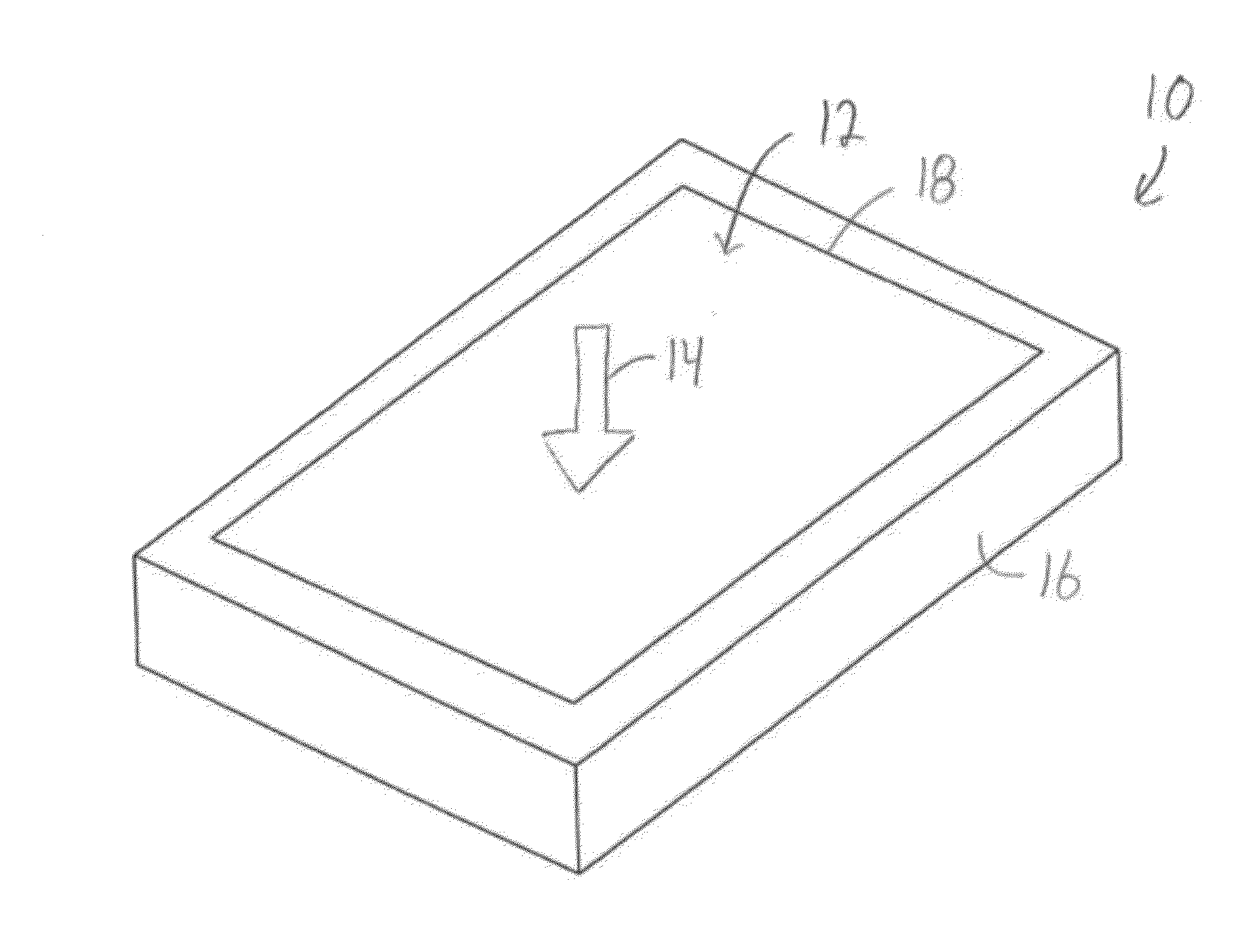
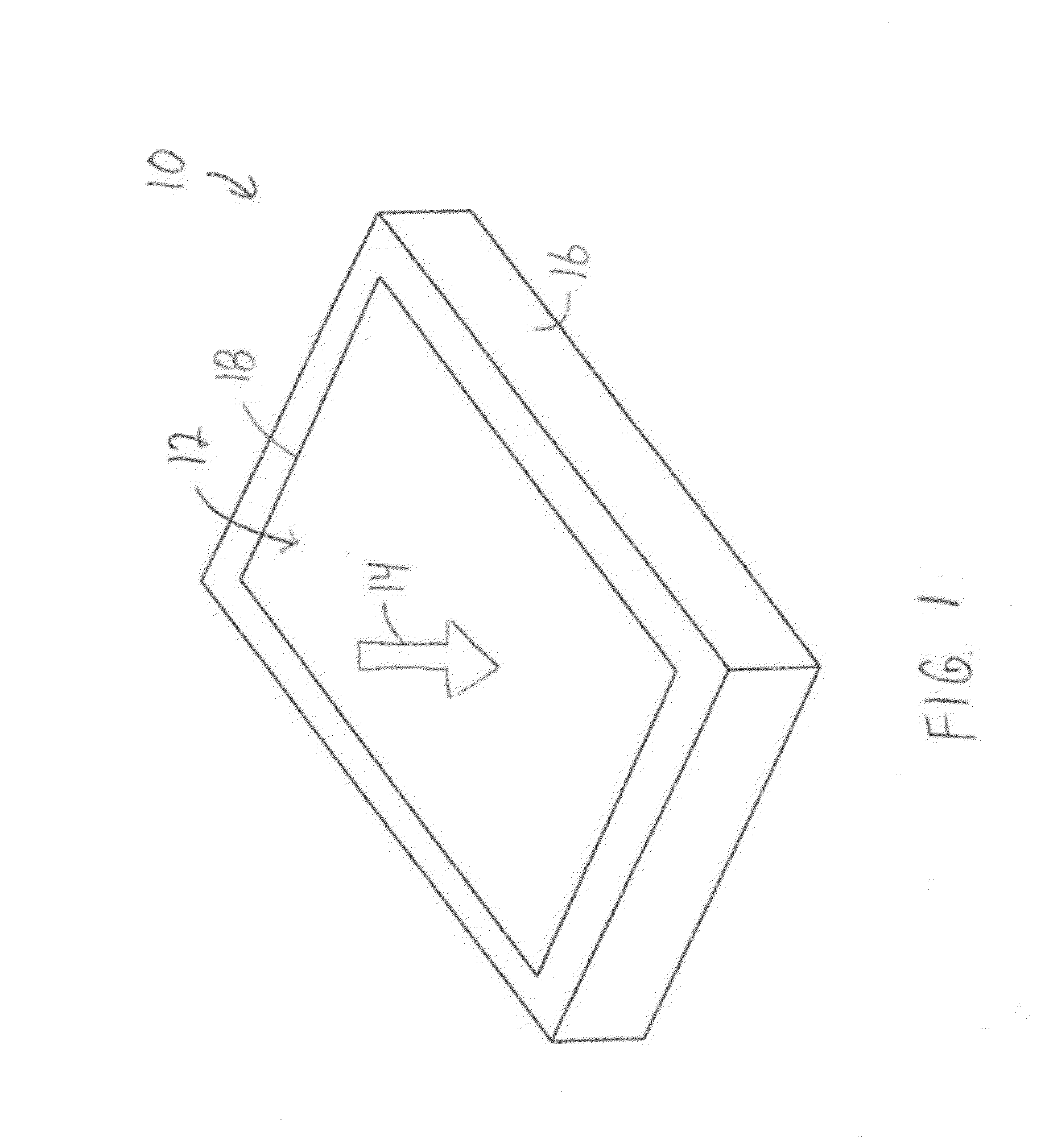
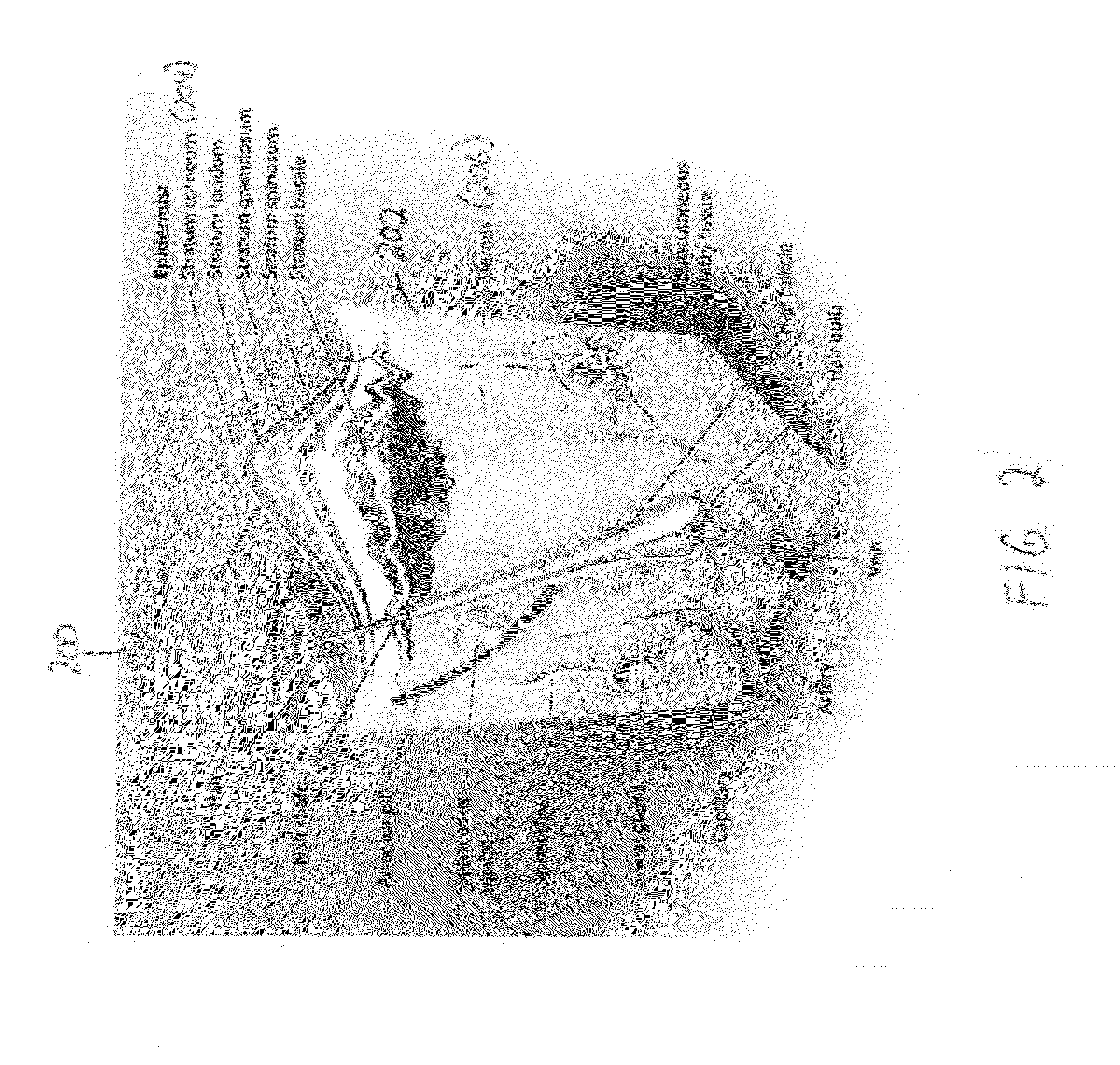
- A touch interface device utilizing a touch surface with first and second electrodes of opposite polarities to generate electrostatic forces on appendages, allowing for the creation of varied haptic effects such as virtual bumps, collisions, and toggle switches, by modulating voltages applied to these electrodes at high frequencies to achieve multitouch capabilities.

Electrostatic haptic actuator and user interface with an electrostatic haptic actuator
PatentWO2016123351A1
Innovation
- An electrostatic haptic actuator design featuring multiple electrodes with insulation and resilient materials, along with a power supply and controller, generates attractive and repulsive forces to create perceivable haptic effects by compressing and decompressing resilient materials, allowing for efficient power usage and reduced size.


Safety Standards for Electrostatic Haptic Devices
The development of comprehensive safety standards for electrostatic haptic devices has become increasingly critical as these technologies transition from research laboratories to consumer applications. Current regulatory frameworks primarily draw from established electrical safety standards, including IEC 60950-1 for information technology equipment and IEC 62368-1 for audio/video and communication technology equipment. However, these existing standards require significant adaptation to address the unique characteristics of electrostatic actuators operating at high voltages with direct human contact.
Voltage safety represents the most fundamental concern in electrostatic haptic device regulation. Most consumer-grade electrostatic actuators operate between 100V to 3kV, necessitating strict insulation requirements and fail-safe mechanisms. The International Electrotechnical Commission has established preliminary guidelines specifying maximum leakage currents below 10 microamperes for direct skin contact applications. Additionally, mandatory voltage monitoring systems must detect anomalies within 50 milliseconds and implement immediate shutdown protocols.
Electromagnetic compatibility standards specifically tailored for haptic interfaces address interference concerns with nearby electronic devices. The FCC Part 15 regulations and European EN 55032 standards provide baseline requirements, but specialized testing protocols have emerged to evaluate electromagnetic emissions during dynamic haptic feedback operations. These protocols account for the rapid voltage switching characteristic of electrostatic actuators, which can generate broadband electromagnetic interference.
Biocompatibility requirements for electrostatic haptic devices follow ISO 10993 medical device standards, particularly focusing on skin sensitization and cytotoxicity testing for materials in prolonged contact with users. The FDA has established specific guidance documents for haptic medical devices, requiring extensive human factors testing and risk analysis documentation. European CE marking requirements under the Medical Device Regulation demand clinical evaluation data for therapeutic haptic applications.
Emerging safety standards specifically address multi-modal haptic systems combining electrostatic, electromagnetic, and mechanical actuators. The IEEE 2857 standard, currently under development, establishes safety protocols for hybrid haptic interfaces, including cross-contamination prevention between different actuation methods and coordinated emergency shutdown procedures. These comprehensive frameworks ensure user safety while enabling continued innovation in electrostatic haptic technology development.
Voltage safety represents the most fundamental concern in electrostatic haptic device regulation. Most consumer-grade electrostatic actuators operate between 100V to 3kV, necessitating strict insulation requirements and fail-safe mechanisms. The International Electrotechnical Commission has established preliminary guidelines specifying maximum leakage currents below 10 microamperes for direct skin contact applications. Additionally, mandatory voltage monitoring systems must detect anomalies within 50 milliseconds and implement immediate shutdown protocols.
Electromagnetic compatibility standards specifically tailored for haptic interfaces address interference concerns with nearby electronic devices. The FCC Part 15 regulations and European EN 55032 standards provide baseline requirements, but specialized testing protocols have emerged to evaluate electromagnetic emissions during dynamic haptic feedback operations. These protocols account for the rapid voltage switching characteristic of electrostatic actuators, which can generate broadband electromagnetic interference.
Biocompatibility requirements for electrostatic haptic devices follow ISO 10993 medical device standards, particularly focusing on skin sensitization and cytotoxicity testing for materials in prolonged contact with users. The FDA has established specific guidance documents for haptic medical devices, requiring extensive human factors testing and risk analysis documentation. European CE marking requirements under the Medical Device Regulation demand clinical evaluation data for therapeutic haptic applications.
Emerging safety standards specifically address multi-modal haptic systems combining electrostatic, electromagnetic, and mechanical actuators. The IEEE 2857 standard, currently under development, establishes safety protocols for hybrid haptic interfaces, including cross-contamination prevention between different actuation methods and coordinated emergency shutdown procedures. These comprehensive frameworks ensure user safety while enabling continued innovation in electrostatic haptic technology development.
Performance Benchmarking Framework for Haptic Systems
Establishing a comprehensive performance benchmarking framework for haptic systems requires standardized metrics that can effectively evaluate electrostatic actuators across multiple dimensions. The framework must encompass force output characteristics, response time measurements, power consumption analysis, and tactile fidelity assessment. These metrics serve as fundamental pillars for comparing different electrostatic actuator implementations in haptic interfaces.
Force generation capabilities represent the primary performance indicator, measured through maximum force output, force resolution, and force bandwidth. Electrostatic actuators typically demonstrate force outputs ranging from micro-Newtons to several Newtons, depending on electrode configuration and applied voltage levels. The framework should incorporate standardized testing protocols using calibrated force sensors and controlled environmental conditions to ensure measurement consistency across different systems.
Temporal response characteristics constitute another critical evaluation dimension, encompassing rise time, settling time, and overall system latency. Electrostatic actuators generally exhibit superior response times compared to electromagnetic alternatives, with switching speeds often below one millisecond. The benchmarking framework must establish standardized input signal patterns and measurement methodologies to accurately capture these temporal dynamics.
Power efficiency metrics provide essential insights into system sustainability and thermal management requirements. The framework should evaluate both static and dynamic power consumption patterns, considering voltage requirements, current draw characteristics, and energy conversion efficiency. Electrostatic actuators typically demonstrate favorable power profiles due to their capacitive nature, consuming minimal steady-state power while requiring higher instantaneous power during state transitions.
Tactile rendering quality assessment represents a more complex evaluation domain, requiring both objective measurements and subjective user studies. The framework should incorporate texture reproduction accuracy, surface friction simulation capabilities, and spatial resolution metrics. Standardized test surfaces and reference tactile patterns enable consistent evaluation across different electrostatic actuator configurations.
Environmental robustness testing ensures reliable performance across operational conditions, including temperature variations, humidity effects, and electromagnetic interference susceptibility. The benchmarking framework must define standardized environmental test protocols that reflect real-world deployment scenarios while maintaining measurement accuracy and repeatability for comprehensive system evaluation.
Force generation capabilities represent the primary performance indicator, measured through maximum force output, force resolution, and force bandwidth. Electrostatic actuators typically demonstrate force outputs ranging from micro-Newtons to several Newtons, depending on electrode configuration and applied voltage levels. The framework should incorporate standardized testing protocols using calibrated force sensors and controlled environmental conditions to ensure measurement consistency across different systems.
Temporal response characteristics constitute another critical evaluation dimension, encompassing rise time, settling time, and overall system latency. Electrostatic actuators generally exhibit superior response times compared to electromagnetic alternatives, with switching speeds often below one millisecond. The benchmarking framework must establish standardized input signal patterns and measurement methodologies to accurately capture these temporal dynamics.
Power efficiency metrics provide essential insights into system sustainability and thermal management requirements. The framework should evaluate both static and dynamic power consumption patterns, considering voltage requirements, current draw characteristics, and energy conversion efficiency. Electrostatic actuators typically demonstrate favorable power profiles due to their capacitive nature, consuming minimal steady-state power while requiring higher instantaneous power during state transitions.
Tactile rendering quality assessment represents a more complex evaluation domain, requiring both objective measurements and subjective user studies. The framework should incorporate texture reproduction accuracy, surface friction simulation capabilities, and spatial resolution metrics. Standardized test surfaces and reference tactile patterns enable consistent evaluation across different electrostatic actuator configurations.
Environmental robustness testing ensures reliable performance across operational conditions, including temperature variations, humidity effects, and electromagnetic interference susceptibility. The benchmarking framework must define standardized environmental test protocols that reflect real-world deployment scenarios while maintaining measurement accuracy and repeatability for comprehensive system evaluation.
Unlock deeper insights with Patsnap Eureka Quick Research — get a full tech report to explore trends and direct your research. Try now!
Generate Your Research Report Instantly with AI Agent
Supercharge your innovation with Patsnap Eureka AI Agent Platform!