

Ethyl Acetate vs Methyl Acetate: Solvent Strength Comparison
MAR 23, 20269 MIN READ
Generate Your Research Report Instantly with AI Agent
PatSnap Eureka helps you evaluate technical feasibility & market potential.
Acetate Ester Solvent Development Background and Objectives
Acetate ester solvents have emerged as critical components in industrial applications spanning from coatings and adhesives to pharmaceutical manufacturing and electronics cleaning. The development of these solvents traces back to the early 20th century when chemical manufacturers began exploring alternatives to traditional hydrocarbon-based solvents. The acetate family, particularly ethyl acetate and methyl acetate, gained prominence due to their favorable environmental profiles and versatile chemical properties.
The historical evolution of acetate ester technology began with basic esterification processes in the 1920s, progressing through significant improvements in production efficiency and purity standards during the post-war industrial boom. By the 1970s, environmental regulations began driving demand for low-toxicity, biodegradable solvents, positioning acetate esters as preferred alternatives to chlorinated and aromatic solvents.
Current technological trends emphasize the optimization of solvent strength characteristics to meet increasingly specific application requirements. The industry has witnessed a shift toward precision-engineered solvent systems where the subtle differences between ethyl acetate and methyl acetate solvent strengths become crucial performance differentiators. This evolution reflects broader industry demands for enhanced process efficiency and environmental compliance.
The primary objective of contemporary acetate ester solvent development centers on achieving optimal balance between solvent power and application-specific performance metrics. Key technical goals include maximizing dissolution efficiency for target substrates while maintaining rapid evaporation rates and minimal environmental impact. The comparative analysis of ethyl acetate versus methyl acetate solvent strengths addresses critical formulation challenges in industries requiring precise solvent selection.
Strategic development objectives encompass expanding the application envelope of acetate esters through enhanced understanding of their relative solvent capabilities. This includes developing predictive models for solvent selection, optimizing blend formulations, and establishing performance benchmarks that guide industrial decision-making processes in solvent-dependent manufacturing operations.
The historical evolution of acetate ester technology began with basic esterification processes in the 1920s, progressing through significant improvements in production efficiency and purity standards during the post-war industrial boom. By the 1970s, environmental regulations began driving demand for low-toxicity, biodegradable solvents, positioning acetate esters as preferred alternatives to chlorinated and aromatic solvents.
Current technological trends emphasize the optimization of solvent strength characteristics to meet increasingly specific application requirements. The industry has witnessed a shift toward precision-engineered solvent systems where the subtle differences between ethyl acetate and methyl acetate solvent strengths become crucial performance differentiators. This evolution reflects broader industry demands for enhanced process efficiency and environmental compliance.
The primary objective of contemporary acetate ester solvent development centers on achieving optimal balance between solvent power and application-specific performance metrics. Key technical goals include maximizing dissolution efficiency for target substrates while maintaining rapid evaporation rates and minimal environmental impact. The comparative analysis of ethyl acetate versus methyl acetate solvent strengths addresses critical formulation challenges in industries requiring precise solvent selection.
Strategic development objectives encompass expanding the application envelope of acetate esters through enhanced understanding of their relative solvent capabilities. This includes developing predictive models for solvent selection, optimizing blend formulations, and establishing performance benchmarks that guide industrial decision-making processes in solvent-dependent manufacturing operations.
Market Demand Analysis for Ethyl and Methyl Acetate Solvents
The global solvent market demonstrates robust demand for both ethyl acetate and methyl acetate, driven by their widespread applications across multiple industrial sectors. These acetate esters serve as critical components in industries ranging from pharmaceuticals and cosmetics to automotive coatings and food processing, where their solvent properties are essential for manufacturing processes.
Ethyl acetate dominates the market demand due to its versatility and favorable regulatory profile. The pharmaceutical industry represents a major consumption segment, utilizing ethyl acetate in drug synthesis, extraction processes, and as a carrier solvent in tablet coatings. The cosmetics and personal care sector also drives substantial demand, incorporating ethyl acetate in nail polish formulations, fragrances, and various beauty products where its quick-drying properties and pleasant odor profile are valued.
The paints and coatings industry constitutes another significant demand driver for both solvents. Ethyl acetate finds extensive use in automotive refinish coatings, industrial paints, and decorative coatings due to its excellent solvency power and environmental acceptability. Methyl acetate, while having a smaller market share, serves specialized applications where faster evaporation rates and lower viscosity are required.
Food and beverage applications create steady demand for both solvents, particularly in flavor and fragrance extraction processes. The food industry's preference for ethyl acetate stems from its generally recognized as safe status and natural occurrence in fruits, making it suitable for food-grade applications where regulatory compliance is paramount.
Emerging markets in Asia-Pacific region show accelerating demand growth, driven by expanding manufacturing capabilities and increasing consumer goods production. The electronics industry's growth particularly benefits methyl acetate demand, as its superior cleaning properties and rapid evaporation make it suitable for precision cleaning applications in semiconductor and electronic component manufacturing.
Environmental regulations increasingly influence market demand patterns, with both solvents benefiting from their relatively favorable environmental profiles compared to chlorinated alternatives. The shift toward sustainable and bio-based solvents creates opportunities for renewable feedstock-derived acetate esters, potentially reshaping traditional demand structures.
Industrial adhesives and sealants represent an expanding application area, where the balance between solvent strength and evaporation rate determines the choice between ethyl and methyl acetate. The construction industry's growth directly correlates with increased demand in this segment, particularly in developing economies where infrastructure development drives consumption.
Ethyl acetate dominates the market demand due to its versatility and favorable regulatory profile. The pharmaceutical industry represents a major consumption segment, utilizing ethyl acetate in drug synthesis, extraction processes, and as a carrier solvent in tablet coatings. The cosmetics and personal care sector also drives substantial demand, incorporating ethyl acetate in nail polish formulations, fragrances, and various beauty products where its quick-drying properties and pleasant odor profile are valued.
The paints and coatings industry constitutes another significant demand driver for both solvents. Ethyl acetate finds extensive use in automotive refinish coatings, industrial paints, and decorative coatings due to its excellent solvency power and environmental acceptability. Methyl acetate, while having a smaller market share, serves specialized applications where faster evaporation rates and lower viscosity are required.
Food and beverage applications create steady demand for both solvents, particularly in flavor and fragrance extraction processes. The food industry's preference for ethyl acetate stems from its generally recognized as safe status and natural occurrence in fruits, making it suitable for food-grade applications where regulatory compliance is paramount.
Emerging markets in Asia-Pacific region show accelerating demand growth, driven by expanding manufacturing capabilities and increasing consumer goods production. The electronics industry's growth particularly benefits methyl acetate demand, as its superior cleaning properties and rapid evaporation make it suitable for precision cleaning applications in semiconductor and electronic component manufacturing.
Environmental regulations increasingly influence market demand patterns, with both solvents benefiting from their relatively favorable environmental profiles compared to chlorinated alternatives. The shift toward sustainable and bio-based solvents creates opportunities for renewable feedstock-derived acetate esters, potentially reshaping traditional demand structures.
Industrial adhesives and sealants represent an expanding application area, where the balance between solvent strength and evaporation rate determines the choice between ethyl and methyl acetate. The construction industry's growth directly correlates with increased demand in this segment, particularly in developing economies where infrastructure development drives consumption.
Current Status and Challenges in Acetate Solvent Applications
The acetate solvent industry currently faces a complex landscape characterized by evolving regulatory frameworks and increasing environmental scrutiny. Both ethyl acetate and methyl acetate have established themselves as essential solvents across multiple industrial sectors, yet their applications are increasingly constrained by stringent environmental regulations and safety requirements. The industry operates under mounting pressure to balance performance requirements with sustainability mandates, creating significant challenges for manufacturers and end-users alike.
Ethyl acetate dominates the current market due to its favorable safety profile and relatively lower toxicity compared to methyl acetate. Its widespread adoption in pharmaceutical manufacturing, food processing, and cosmetics industries reflects its established regulatory acceptance and proven performance characteristics. However, the solvent faces limitations in high-temperature applications and specialized chemical processes where stronger solvation properties are required.
Methyl acetate presents a more complex regulatory landscape, with stricter handling requirements due to its higher volatility and potential health hazards. Despite these challenges, its superior solvent strength makes it indispensable in specific applications such as paint stripping, adhesive formulations, and certain extraction processes. The compound's faster evaporation rate and stronger dissolving capabilities create unique advantages that cannot be easily replicated by alternative solvents.
Manufacturing consistency represents another significant challenge across both acetate variants. Quality control issues related to water content, acidity levels, and impurity profiles directly impact solvent performance and end-product quality. The industry struggles with maintaining consistent specifications while managing cost pressures and supply chain disruptions that have become increasingly common in recent years.
Environmental compliance costs continue to escalate as regulations tighten globally. Volatile organic compound emissions standards, waste disposal requirements, and workplace exposure limits create substantial operational burdens for companies utilizing acetate solvents. These regulatory pressures drive ongoing research into alternative formulations and application methods that can maintain performance while reducing environmental impact.
The technical challenge of solvent recovery and recycling remains partially unresolved, particularly for mixed-solvent systems where acetates are combined with other chemicals. Current distillation and purification technologies often prove economically unfeasible for smaller operations, leading to increased waste generation and higher operational costs throughout the supply chain.
Ethyl acetate dominates the current market due to its favorable safety profile and relatively lower toxicity compared to methyl acetate. Its widespread adoption in pharmaceutical manufacturing, food processing, and cosmetics industries reflects its established regulatory acceptance and proven performance characteristics. However, the solvent faces limitations in high-temperature applications and specialized chemical processes where stronger solvation properties are required.
Methyl acetate presents a more complex regulatory landscape, with stricter handling requirements due to its higher volatility and potential health hazards. Despite these challenges, its superior solvent strength makes it indispensable in specific applications such as paint stripping, adhesive formulations, and certain extraction processes. The compound's faster evaporation rate and stronger dissolving capabilities create unique advantages that cannot be easily replicated by alternative solvents.
Manufacturing consistency represents another significant challenge across both acetate variants. Quality control issues related to water content, acidity levels, and impurity profiles directly impact solvent performance and end-product quality. The industry struggles with maintaining consistent specifications while managing cost pressures and supply chain disruptions that have become increasingly common in recent years.
Environmental compliance costs continue to escalate as regulations tighten globally. Volatile organic compound emissions standards, waste disposal requirements, and workplace exposure limits create substantial operational burdens for companies utilizing acetate solvents. These regulatory pressures drive ongoing research into alternative formulations and application methods that can maintain performance while reducing environmental impact.
The technical challenge of solvent recovery and recycling remains partially unresolved, particularly for mixed-solvent systems where acetates are combined with other chemicals. Current distillation and purification technologies often prove economically unfeasible for smaller operations, leading to increased waste generation and higher operational costs throughout the supply chain.
Current Solvent Strength Evaluation Methods and Solutions
01 Solvent strength comparison in extraction and separation processes
Ethyl acetate and methyl acetate exhibit different solvent strengths in extraction and separation applications. The solvent strength affects the efficiency of extracting target compounds from mixtures and the selectivity in separation processes. These acetate solvents are commonly used in pharmaceutical, chemical, and industrial processes where their polarity and dissolving power are critical factors. The choice between ethyl acetate and methyl acetate depends on the specific application requirements, including the nature of the solute and desired extraction efficiency.- Solvent strength comparison in extraction and separation processes: Ethyl acetate and methyl acetate exhibit different solvent strengths in extraction and separation applications. The solvent strength affects the efficiency of extracting target compounds from mixtures and the selectivity in separation processes. The choice between these solvents depends on the polarity of the substances being processed and the desired extraction efficiency. Their relative solvent strengths influence mass transfer rates and partition coefficients in liquid-liquid extraction systems.
- Application in coating and paint formulations: The solvent strength of ethyl acetate and methyl acetate plays a crucial role in coating and paint formulations. These solvents are used to dissolve resins, control viscosity, and affect drying rates. The difference in their solvent strengths impacts the dissolution of various polymers and resins, influencing the final coating properties such as film formation, gloss, and adhesion. The selection between these acetates is based on their ability to balance evaporation rate with dissolving power.
- Role in pharmaceutical and chemical synthesis: In pharmaceutical and chemical synthesis, the solvent strength of ethyl acetate and methyl acetate affects reaction rates, product yields, and purification processes. These solvents serve as reaction media and are used in crystallization and purification steps. Their different polarities and dissolving capabilities influence the solubility of reactants and products, affecting the overall synthesis efficiency. The choice of solvent impacts the selectivity of chemical reactions and the ease of product isolation.
- Influence on polymer processing and dissolution: The solvent strength differences between ethyl acetate and methyl acetate significantly affect polymer processing applications. These solvents are used to dissolve, swell, or modify polymers in various industrial processes. Their varying abilities to interact with different polymer chains influence processing parameters such as solution viscosity, polymer concentration limits, and film-forming properties. The selection depends on the specific polymer type and the desired processing characteristics.
- Environmental and safety considerations in solvent selection: The solvent strength characteristics of ethyl acetate and methyl acetate must be considered alongside environmental and safety factors. These include volatility, flammability, toxicity, and environmental impact. The different vapor pressures and evaporation rates affect workplace exposure and emission control requirements. Regulatory compliance and green chemistry principles influence the choice between these solvents in industrial applications, balancing performance requirements with safety and environmental concerns.
02 Application in coating and paint formulations
Both ethyl acetate and methyl acetate serve as solvents in coating and paint formulations, where their solvent strength determines the dissolution of resins and polymers. The volatility and evaporation rate of these solvents influence the drying time and film formation properties. The solvent strength affects the viscosity of the formulation and the final coating quality. Selection between these acetates is based on regulatory requirements, cost considerations, and performance characteristics in specific coating applications.Expand Specific Solutions03 Use in pharmaceutical and chemical synthesis
The solvent strength of ethyl acetate and methyl acetate plays a crucial role in pharmaceutical and chemical synthesis reactions. These solvents are used as reaction media, extraction solvents, and purification agents. Their ability to dissolve various organic compounds while maintaining chemical stability makes them valuable in synthetic processes. The difference in solvent strength between the two acetates allows for selective dissolution and separation of reaction products and intermediates.Expand Specific Solutions04 Role in chromatography and analytical applications
Ethyl acetate and methyl acetate are utilized in chromatographic techniques where their solvent strength affects separation efficiency and resolution. The polarity and elution strength of these solvents influence the retention time and separation of analytes. These acetates are commonly used as mobile phase components or extraction solvents in analytical methods. The selection depends on the polarity of target compounds and the required separation performance in analytical procedures.Expand Specific Solutions05 Environmental and safety considerations in solvent selection
The solvent strength of ethyl acetate and methyl acetate must be evaluated alongside environmental and safety factors. Both solvents have different volatility, flammability, and toxicity profiles that affect their industrial application. Regulatory compliance and worker safety considerations influence the choice between these acetates. The environmental impact, including biodegradability and atmospheric effects, is increasingly important in solvent selection for sustainable industrial processes.Expand Specific Solutions
Major Players in Acetate Solvent Manufacturing Industry
The ethyl acetate versus methyl acetate solvent strength comparison represents a mature segment within the broader specialty chemicals industry, currently in a consolidation phase with established market dynamics. The global acetate solvents market demonstrates steady growth driven by applications in coatings, pharmaceuticals, and electronics manufacturing. Technology maturity is evidenced by the diverse portfolio of major players including chemical giants like Mitsui Chemicals, LG Chem, and Wacker Chemie AG, who leverage advanced production capabilities and extensive R&D infrastructure. Asian manufacturers such as SK Chemicals and Daicel Corp dominate production capacity, while companies like JSR Corp and Kuraray focus on high-performance specialty applications. The competitive landscape shows clear segmentation between commodity producers and specialty chemical manufacturers, with established players like Henkel and FUJIFILM integrating these solvents into downstream applications, indicating a mature value chain with limited disruptive innovation potential.
Mitsui Chemicals, Inc.
Technical Solution: Mitsui Chemicals has established comprehensive solvent strength evaluation methodologies comparing ethyl acetate and methyl acetate across various industrial applications. Their technical approach involves systematic analysis of Hansen solubility parameters, where ethyl acetate demonstrates superior performance in dissolving medium-polarity polymers due to its balanced hydrogen bonding and dispersion forces. The company has developed specialized grade acetate solvents with enhanced purity levels exceeding 99.8% for precision applications. Their research indicates that ethyl acetate provides approximately 15-20% stronger solvating power compared to methyl acetate for most organic substrates, making it preferred for demanding extraction and purification processes in pharmaceutical and specialty chemical manufacturing.
Strengths: Comprehensive solvent characterization capabilities, high-purity product offerings. Weaknesses: Higher production costs compared to commodity solvent suppliers.
LG Chem Ltd.
Technical Solution: LG Chem has developed advanced solvent systems utilizing both ethyl acetate and methyl acetate for battery electrolyte applications and coating processes. Their research focuses on optimizing solvent strength ratios to achieve superior dissolution properties for polymer materials. The company employs ethyl acetate as a primary solvent due to its moderate polarity and excellent solvating power for organic compounds, while incorporating methyl acetate for applications requiring faster evaporation rates and lower viscosity. Their proprietary solvent blending technology enables precise control over solvent strength parameters, resulting in improved coating uniformity and enhanced product performance in lithium-ion battery manufacturing processes.
Strengths: Strong R&D capabilities in solvent chemistry, extensive industrial application experience. Weaknesses: Limited focus on specialty solvent applications outside battery industry.
Core Research on Ethyl vs Methyl Acetate Solvent Properties
Solvent formulations
PatentActiveUS20140255326A1
Innovation
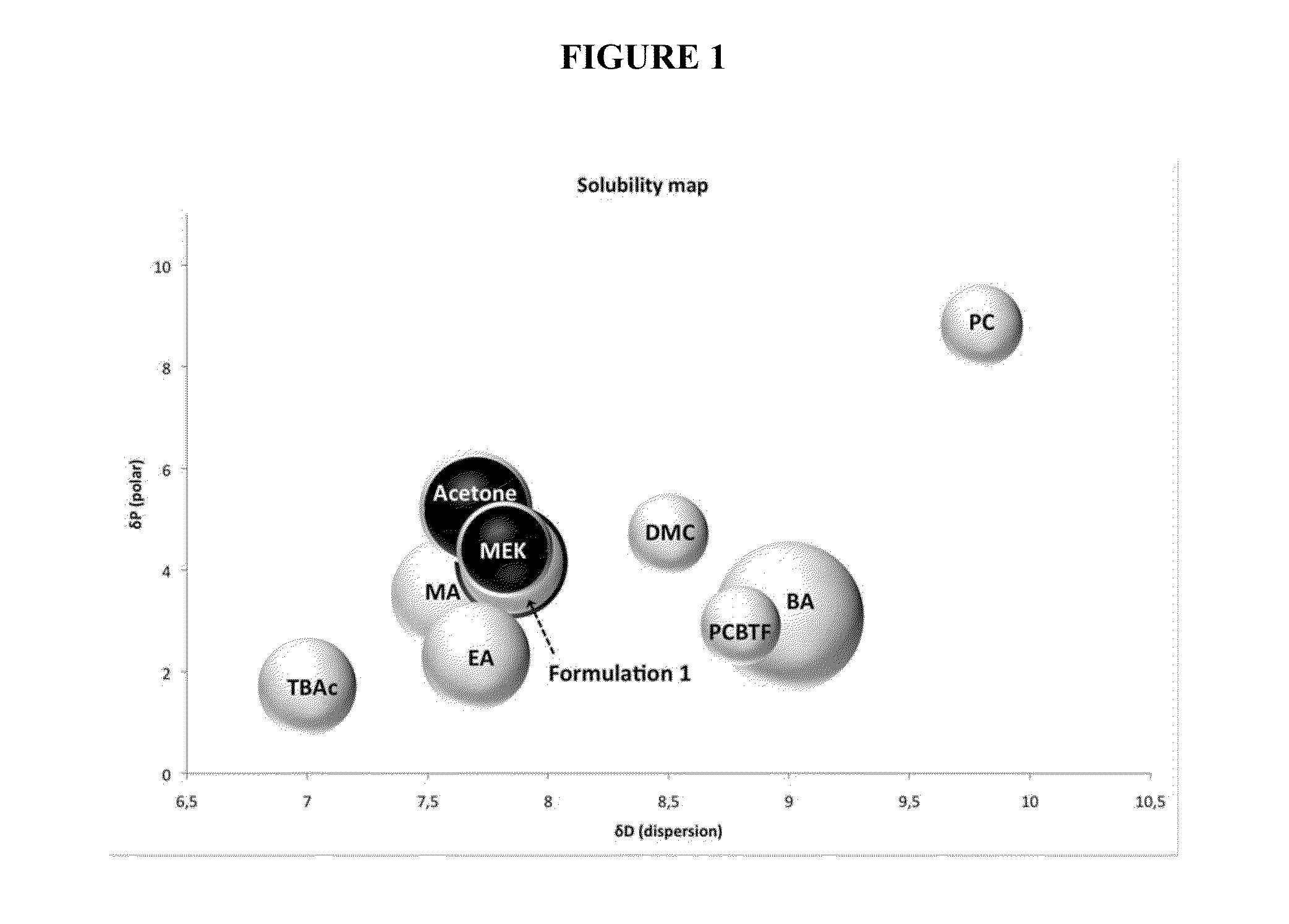
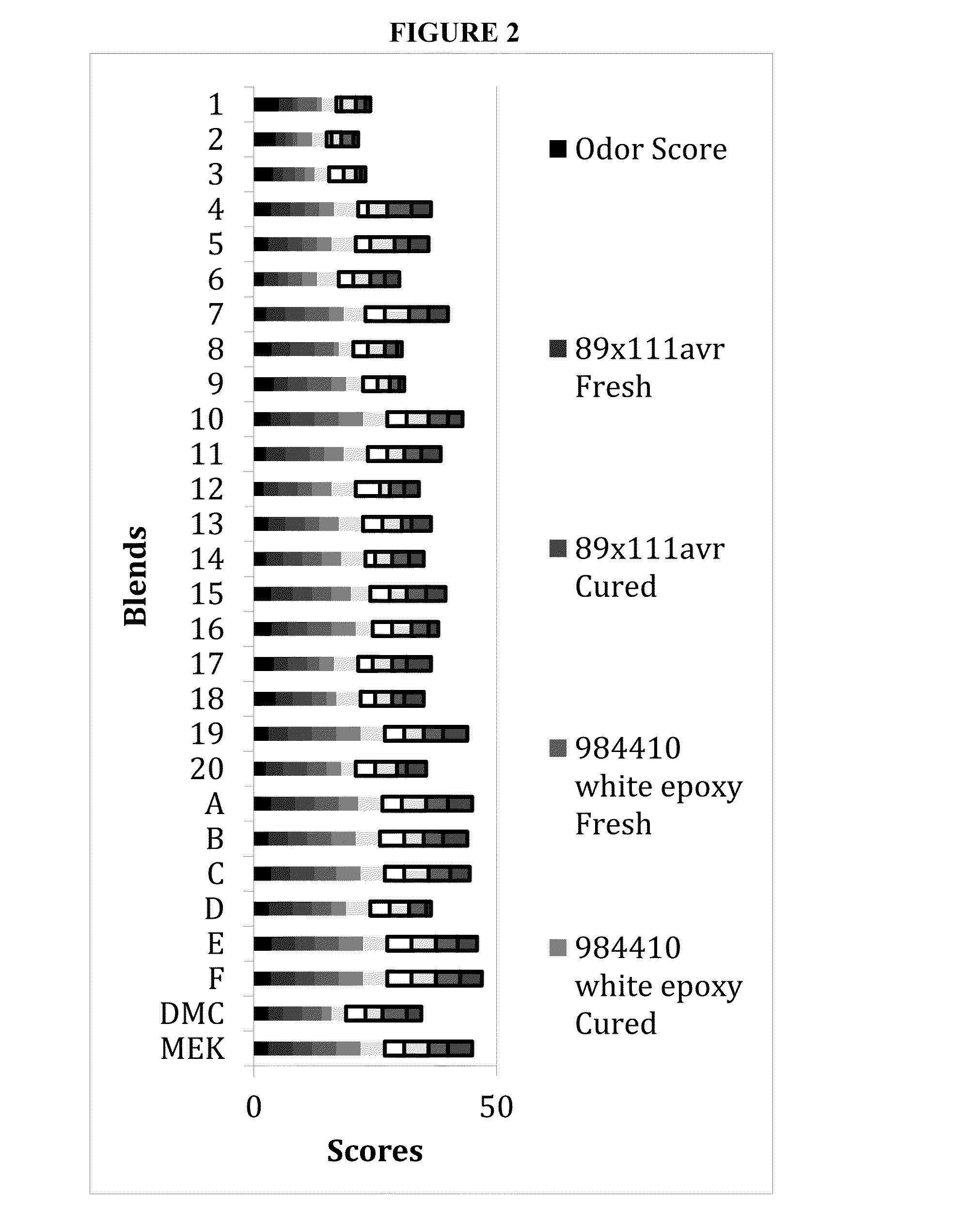
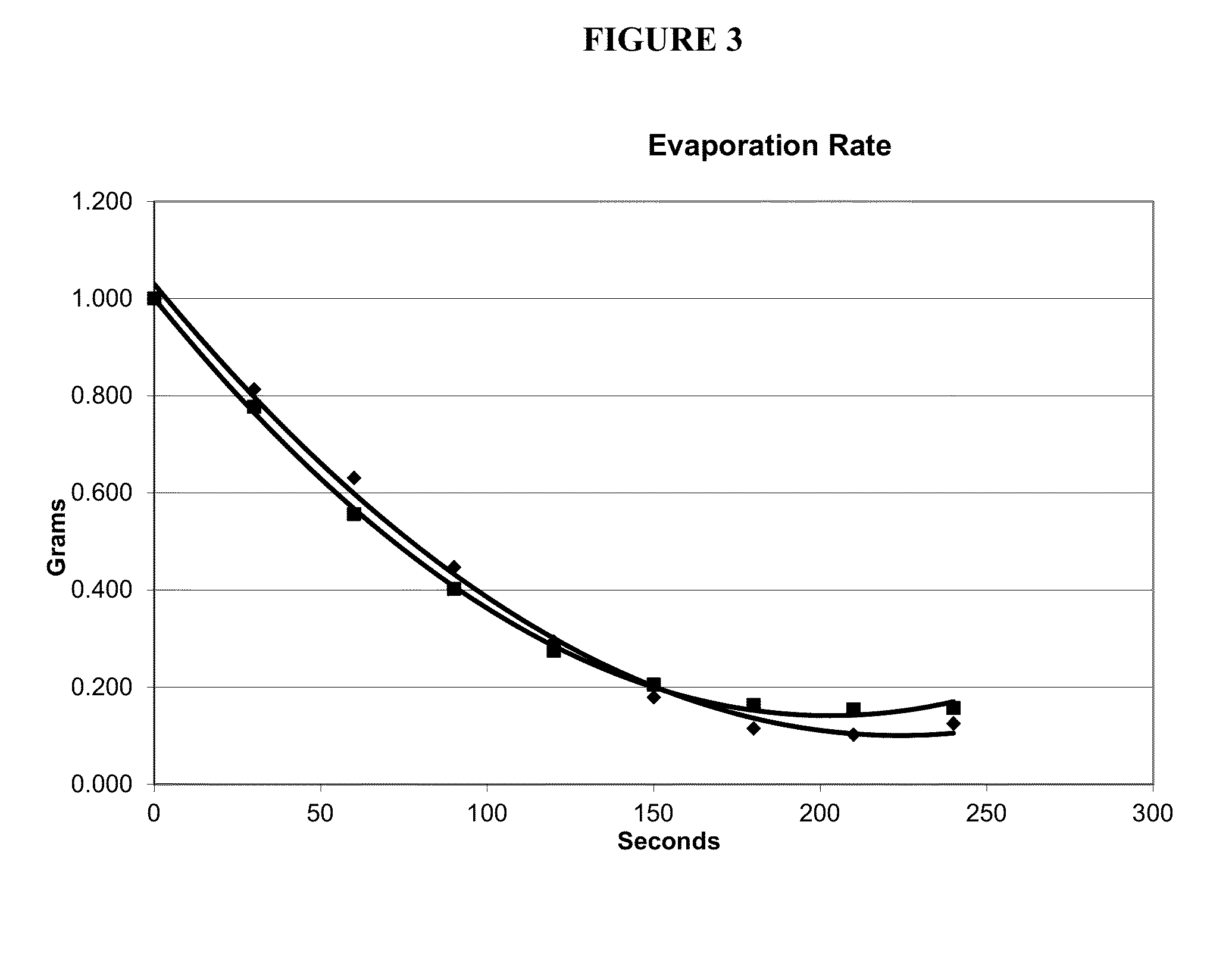
- A solvent composition comprising methyl acetate, dimethyl carbonate, and benzyl alcohol, formulated to replace methyl ethyl ketone and acetone, offering a blend with reduced toxicity, lower volatility, and improved environmental profile, suitable for various industrial applications.
An improved process for the preparation of xanthophyll crystals
PatentInactiveHK1155149A
Innovation
- A process involving saponification of xanthophyll esters with alkali in excess alcohol without water, followed by extraction with ethyl acetate, a GRAS solvent, to achieve xanthophyll crystals with at least 85% total xanthophylls and 90% trans-lutein content, utilizing ethyl acetate for selective extraction and low-temperature purification to minimize impurity formation and solvent usage.


Environmental Regulations for Acetate Solvent Usage
The regulatory landscape governing acetate solvent usage has evolved significantly over the past two decades, driven by increasing environmental awareness and health safety concerns. Both ethyl acetate and methyl acetate fall under various international and regional regulatory frameworks that dictate their production, handling, storage, and disposal practices.
Under the European Union's REACH regulation, both solvents require comprehensive registration and evaluation processes. Ethyl acetate is classified with specific concentration limits for workplace exposure, typically set at 400 ppm as an 8-hour time-weighted average. Methyl acetate faces similar restrictions but with slightly different threshold values due to its distinct toxicological profile. The EU's Solvent Emissions Directive further imposes strict emission limits for facilities using these compounds in industrial processes.
The United States Environmental Protection Agency regulates acetate solvents under multiple frameworks including the Clean Air Act and the Toxic Substances Control Act. Both compounds are subject to National Emission Standards for Hazardous Air Pollutants, with specific reporting requirements for facilities exceeding designated usage thresholds. State-level regulations often impose additional restrictions, particularly in non-attainment areas for ozone formation.
Volatile organic compound regulations significantly impact acetate solvent selection decisions. While both ethyl and methyl acetate contribute to photochemical smog formation, their reactivity classifications differ across jurisdictions. California's South Coast Air Quality Management District, for instance, has established specific reactivity factors that influence permitting requirements and usage limitations for each compound.
Waste disposal regulations present another critical compliance dimension. Both solvents are typically classified as hazardous waste when discarded, requiring specialized handling and disposal procedures. The Basel Convention's international waste movement restrictions affect cross-border transportation of acetate-containing waste streams, influencing global supply chain decisions.
Emerging regulations focus increasingly on lifecycle environmental impact assessments. The EU's proposed restrictions on certain volatile organic compounds may affect future acetate solvent usage patterns, with potential implications for industrial process design and solvent selection criteria in manufacturing applications.
Under the European Union's REACH regulation, both solvents require comprehensive registration and evaluation processes. Ethyl acetate is classified with specific concentration limits for workplace exposure, typically set at 400 ppm as an 8-hour time-weighted average. Methyl acetate faces similar restrictions but with slightly different threshold values due to its distinct toxicological profile. The EU's Solvent Emissions Directive further imposes strict emission limits for facilities using these compounds in industrial processes.
The United States Environmental Protection Agency regulates acetate solvents under multiple frameworks including the Clean Air Act and the Toxic Substances Control Act. Both compounds are subject to National Emission Standards for Hazardous Air Pollutants, with specific reporting requirements for facilities exceeding designated usage thresholds. State-level regulations often impose additional restrictions, particularly in non-attainment areas for ozone formation.
Volatile organic compound regulations significantly impact acetate solvent selection decisions. While both ethyl and methyl acetate contribute to photochemical smog formation, their reactivity classifications differ across jurisdictions. California's South Coast Air Quality Management District, for instance, has established specific reactivity factors that influence permitting requirements and usage limitations for each compound.
Waste disposal regulations present another critical compliance dimension. Both solvents are typically classified as hazardous waste when discarded, requiring specialized handling and disposal procedures. The Basel Convention's international waste movement restrictions affect cross-border transportation of acetate-containing waste streams, influencing global supply chain decisions.
Emerging regulations focus increasingly on lifecycle environmental impact assessments. The EU's proposed restrictions on certain volatile organic compounds may affect future acetate solvent usage patterns, with potential implications for industrial process design and solvent selection criteria in manufacturing applications.
Green Chemistry Considerations in Acetate Solvent Selection
The selection of acetate solvents in industrial applications increasingly requires careful consideration of environmental impact and sustainability principles. Green chemistry frameworks emphasize the importance of choosing solvents that minimize ecological footprint while maintaining operational efficiency. Both ethyl acetate and methyl acetate present distinct environmental profiles that significantly influence their suitability for sustainable manufacturing processes.
Ethyl acetate demonstrates superior biodegradability characteristics, with complete degradation occurring within 28 days under standard aerobic conditions. This rapid biodegradation minimizes long-term environmental accumulation and reduces potential ecosystem disruption. The compound exhibits low bioaccumulation potential due to its relatively low octanol-water partition coefficient, making it less likely to concentrate in biological tissues. Additionally, ethyl acetate can be produced from renewable feedstocks through bio-based routes, utilizing agricultural waste materials and fermentation processes that reduce dependency on fossil fuel derivatives.
Methyl acetate, while also biodegradable, presents a more complex environmental profile. Its higher volatility results in increased atmospheric emissions during handling and processing operations, contributing to volatile organic compound levels. However, methyl acetate offers advantages in terms of production efficiency and energy consumption during synthesis, requiring lower reaction temperatures and shorter processing times compared to ethyl acetate manufacturing.
Toxicological assessments reveal that both solvents maintain relatively low acute toxicity profiles, though ethyl acetate demonstrates slightly better human health compatibility. Occupational exposure limits favor ethyl acetate, with higher permissible exposure concentrations reflecting its reduced physiological impact. This characteristic becomes particularly relevant in workplace safety considerations and regulatory compliance requirements.
Waste management and recovery processes also differentiate these solvents from a sustainability perspective. Ethyl acetate's lower boiling point facilitates more energy-efficient distillation recovery, reducing overall process energy consumption. Its compatibility with existing waste treatment infrastructure enhances recyclability and supports circular economy principles in solvent management strategies.
Life cycle assessments consistently demonstrate that ethyl acetate presents lower overall environmental impact when considering production, use, and disposal phases. These findings support its preferential selection in applications where green chemistry principles guide solvent choice decisions.
Ethyl acetate demonstrates superior biodegradability characteristics, with complete degradation occurring within 28 days under standard aerobic conditions. This rapid biodegradation minimizes long-term environmental accumulation and reduces potential ecosystem disruption. The compound exhibits low bioaccumulation potential due to its relatively low octanol-water partition coefficient, making it less likely to concentrate in biological tissues. Additionally, ethyl acetate can be produced from renewable feedstocks through bio-based routes, utilizing agricultural waste materials and fermentation processes that reduce dependency on fossil fuel derivatives.
Methyl acetate, while also biodegradable, presents a more complex environmental profile. Its higher volatility results in increased atmospheric emissions during handling and processing operations, contributing to volatile organic compound levels. However, methyl acetate offers advantages in terms of production efficiency and energy consumption during synthesis, requiring lower reaction temperatures and shorter processing times compared to ethyl acetate manufacturing.
Toxicological assessments reveal that both solvents maintain relatively low acute toxicity profiles, though ethyl acetate demonstrates slightly better human health compatibility. Occupational exposure limits favor ethyl acetate, with higher permissible exposure concentrations reflecting its reduced physiological impact. This characteristic becomes particularly relevant in workplace safety considerations and regulatory compliance requirements.
Waste management and recovery processes also differentiate these solvents from a sustainability perspective. Ethyl acetate's lower boiling point facilitates more energy-efficient distillation recovery, reducing overall process energy consumption. Its compatibility with existing waste treatment infrastructure enhances recyclability and supports circular economy principles in solvent management strategies.
Life cycle assessments consistently demonstrate that ethyl acetate presents lower overall environmental impact when considering production, use, and disposal phases. These findings support its preferential selection in applications where green chemistry principles guide solvent choice decisions.
Unlock deeper insights with PatSnap Eureka Quick Research — get a full tech report to explore trends and direct your research. Try now!
Generate Your Research Report Instantly with AI Agent
Supercharge your innovation with PatSnap Eureka AI Agent Platform!