

Exploring Future V2G Systems in Vehicle Electrification
AUG 8, 20259 MIN READ
Generate Your Research Report Instantly with AI Agent
PatSnap Eureka helps you evaluate technical feasibility & market potential.
V2G Technology Evolution and Objectives
Vehicle-to-Grid (V2G) technology has emerged as a pivotal component in the ongoing evolution of vehicle electrification. This innovative concept represents a significant shift in how we perceive and utilize electric vehicles (EVs), transforming them from mere transportation devices into mobile energy storage units capable of interacting with the power grid.
The development of V2G technology can be traced back to the early 2000s when researchers began exploring the potential of bidirectional power flow between EVs and the electrical grid. As the adoption of EVs has accelerated over the past decade, so too has the interest in V2G systems. This growing focus is driven by the increasing need for grid stability, renewable energy integration, and the optimization of energy resources.
The primary objective of V2G technology is to create a symbiotic relationship between EVs and the power grid. This relationship aims to address several key challenges in both the transportation and energy sectors. For EVs, V2G offers the potential to offset ownership costs by allowing vehicle owners to sell excess energy back to the grid. From the grid perspective, V2G systems provide a distributed network of mobile energy storage units that can help balance supply and demand, particularly during peak usage periods.
As we look towards the future of V2G systems, several technological objectives come into focus. One critical goal is the development of more efficient bidirectional chargers capable of minimizing energy losses during the power transfer process. Another key objective is the creation of sophisticated energy management systems that can optimize the charging and discharging of EVs based on real-time grid conditions and user preferences.
The evolution of V2G technology is closely tied to advancements in battery technology. Improving battery longevity and capacity is crucial for maximizing the potential of V2G systems. Additionally, there is a growing emphasis on developing smart charging algorithms that can extend battery life while maximizing the benefits of grid interaction.
Standardization represents another significant objective in the V2G landscape. As the technology matures, there is a pressing need for universal protocols and interfaces that ensure interoperability between different EV models and charging infrastructure across various regions. This standardization is essential for widespread adoption and the creation of a truly interconnected V2G ecosystem.
Looking ahead, the integration of V2G technology with renewable energy sources presents an exciting frontier. The ability of EVs to store excess renewable energy during periods of high generation and feed it back to the grid during peak demand could play a crucial role in accelerating the transition to a more sustainable energy future. This synergy between V2G systems and renewable energy sources is likely to be a key focus of future research and development efforts.
The development of V2G technology can be traced back to the early 2000s when researchers began exploring the potential of bidirectional power flow between EVs and the electrical grid. As the adoption of EVs has accelerated over the past decade, so too has the interest in V2G systems. This growing focus is driven by the increasing need for grid stability, renewable energy integration, and the optimization of energy resources.
The primary objective of V2G technology is to create a symbiotic relationship between EVs and the power grid. This relationship aims to address several key challenges in both the transportation and energy sectors. For EVs, V2G offers the potential to offset ownership costs by allowing vehicle owners to sell excess energy back to the grid. From the grid perspective, V2G systems provide a distributed network of mobile energy storage units that can help balance supply and demand, particularly during peak usage periods.
As we look towards the future of V2G systems, several technological objectives come into focus. One critical goal is the development of more efficient bidirectional chargers capable of minimizing energy losses during the power transfer process. Another key objective is the creation of sophisticated energy management systems that can optimize the charging and discharging of EVs based on real-time grid conditions and user preferences.
The evolution of V2G technology is closely tied to advancements in battery technology. Improving battery longevity and capacity is crucial for maximizing the potential of V2G systems. Additionally, there is a growing emphasis on developing smart charging algorithms that can extend battery life while maximizing the benefits of grid interaction.
Standardization represents another significant objective in the V2G landscape. As the technology matures, there is a pressing need for universal protocols and interfaces that ensure interoperability between different EV models and charging infrastructure across various regions. This standardization is essential for widespread adoption and the creation of a truly interconnected V2G ecosystem.
Looking ahead, the integration of V2G technology with renewable energy sources presents an exciting frontier. The ability of EVs to store excess renewable energy during periods of high generation and feed it back to the grid during peak demand could play a crucial role in accelerating the transition to a more sustainable energy future. This synergy between V2G systems and renewable energy sources is likely to be a key focus of future research and development efforts.
V2G Market Demand Analysis
The Vehicle-to-Grid (V2G) market is experiencing significant growth potential as the automotive industry shifts towards electrification. The demand for V2G systems is driven by several factors, including the increasing adoption of electric vehicles (EVs), the need for grid stability, and the push for renewable energy integration.
The global EV market has been expanding rapidly, with sales reaching 10.5 million units in 2022, representing a 55% increase from the previous year. This growth trend is expected to continue, with projections suggesting that EVs could account for over 60% of new car sales by 2030. As the EV fleet grows, so does the potential for V2G technology implementation.
V2G systems offer a unique value proposition by enabling bidirectional power flow between EVs and the electrical grid. This capability addresses several market needs. Firstly, it provides grid operators with additional flexibility in managing peak demand periods. By tapping into the collective battery capacity of connected EVs, utilities can reduce strain on the grid during high-demand hours, potentially avoiding costly infrastructure upgrades.
Furthermore, V2G technology aligns with the increasing integration of renewable energy sources into the power grid. The intermittent nature of solar and wind power creates challenges for grid stability. V2G systems can help mitigate these issues by using EV batteries as distributed energy storage units, smoothing out supply fluctuations and enhancing overall grid resilience.
From a consumer perspective, V2G offers potential financial benefits. EV owners can participate in demand response programs, selling excess energy back to the grid during peak hours and charging their vehicles during off-peak periods. This creates a new revenue stream for consumers and incentivizes EV adoption.
The market demand for V2G systems is also driven by corporate and government sustainability initiatives. Many organizations are setting ambitious carbon reduction targets, and V2G technology can play a crucial role in achieving these goals by optimizing energy consumption and supporting renewable energy integration.
However, the V2G market faces some challenges that impact demand. These include concerns about battery degradation, the need for standardized communication protocols, and the requirement for significant infrastructure investments. Addressing these issues will be crucial for widespread V2G adoption and market growth.
In conclusion, the V2G market demand is poised for substantial growth, driven by the expanding EV market, the need for grid flexibility, and the push for sustainable energy solutions. As technology advances and regulatory frameworks evolve, V2G systems are expected to play an increasingly important role in the future of vehicle electrification and smart grid management.
The global EV market has been expanding rapidly, with sales reaching 10.5 million units in 2022, representing a 55% increase from the previous year. This growth trend is expected to continue, with projections suggesting that EVs could account for over 60% of new car sales by 2030. As the EV fleet grows, so does the potential for V2G technology implementation.
V2G systems offer a unique value proposition by enabling bidirectional power flow between EVs and the electrical grid. This capability addresses several market needs. Firstly, it provides grid operators with additional flexibility in managing peak demand periods. By tapping into the collective battery capacity of connected EVs, utilities can reduce strain on the grid during high-demand hours, potentially avoiding costly infrastructure upgrades.
Furthermore, V2G technology aligns with the increasing integration of renewable energy sources into the power grid. The intermittent nature of solar and wind power creates challenges for grid stability. V2G systems can help mitigate these issues by using EV batteries as distributed energy storage units, smoothing out supply fluctuations and enhancing overall grid resilience.
From a consumer perspective, V2G offers potential financial benefits. EV owners can participate in demand response programs, selling excess energy back to the grid during peak hours and charging their vehicles during off-peak periods. This creates a new revenue stream for consumers and incentivizes EV adoption.
The market demand for V2G systems is also driven by corporate and government sustainability initiatives. Many organizations are setting ambitious carbon reduction targets, and V2G technology can play a crucial role in achieving these goals by optimizing energy consumption and supporting renewable energy integration.
However, the V2G market faces some challenges that impact demand. These include concerns about battery degradation, the need for standardized communication protocols, and the requirement for significant infrastructure investments. Addressing these issues will be crucial for widespread V2G adoption and market growth.
In conclusion, the V2G market demand is poised for substantial growth, driven by the expanding EV market, the need for grid flexibility, and the push for sustainable energy solutions. As technology advances and regulatory frameworks evolve, V2G systems are expected to play an increasingly important role in the future of vehicle electrification and smart grid management.
V2G Technical Challenges
Vehicle-to-Grid (V2G) technology holds immense potential in the realm of vehicle electrification, yet it faces several significant technical challenges that need to be addressed for widespread adoption. One of the primary hurdles is the development of efficient bidirectional power flow systems. Current charging infrastructure is predominantly designed for unidirectional power flow, and upgrading to bidirectional capabilities requires substantial modifications to both vehicle and grid-side equipment.
Battery degradation is another critical concern in V2G systems. The frequent charging and discharging cycles associated with V2G operations can accelerate battery wear, potentially reducing the overall lifespan of electric vehicle (EV) batteries. Developing advanced battery management systems and optimizing charge-discharge algorithms to minimize degradation is crucial for the long-term viability of V2G technology.
Communication and control systems pose another set of challenges. Implementing robust, secure, and standardized communication protocols between vehicles, charging stations, and the grid is essential for effective V2G operations. These systems must be capable of real-time data exchange, load balancing, and rapid response to grid demands while ensuring cybersecurity and data privacy.
Grid integration and stability present significant technical hurdles. The intermittent nature of V2G power supply and demand can potentially lead to grid instability if not properly managed. Advanced grid management systems, predictive algorithms, and smart load balancing techniques are necessary to maintain grid stability and reliability in the face of large-scale V2G implementation.
Power quality is another area of concern. The conversion of DC power from vehicle batteries to AC power for grid use, and vice versa, can introduce harmonics and power quality issues. Developing high-efficiency, low-distortion power electronics and implementing effective power conditioning techniques are crucial to maintain grid power quality standards.
Standardization across different EV models, charging stations, and grid systems presents a complex challenge. The lack of universal standards for V2G technology hampers interoperability and scalability. Establishing industry-wide standards for hardware interfaces, communication protocols, and operational procedures is essential for the widespread adoption of V2G systems.
Lastly, the development of accurate state-of-charge (SOC) estimation techniques for EV batteries in V2G scenarios is crucial. Precise SOC estimation is necessary for optimal energy management, ensuring that vehicles maintain sufficient charge for driving needs while maximizing their contribution to grid services. Current SOC estimation methods may not be sufficiently accurate or reliable under the dynamic conditions of V2G operations, necessitating further research and development in this area.
Battery degradation is another critical concern in V2G systems. The frequent charging and discharging cycles associated with V2G operations can accelerate battery wear, potentially reducing the overall lifespan of electric vehicle (EV) batteries. Developing advanced battery management systems and optimizing charge-discharge algorithms to minimize degradation is crucial for the long-term viability of V2G technology.
Communication and control systems pose another set of challenges. Implementing robust, secure, and standardized communication protocols between vehicles, charging stations, and the grid is essential for effective V2G operations. These systems must be capable of real-time data exchange, load balancing, and rapid response to grid demands while ensuring cybersecurity and data privacy.
Grid integration and stability present significant technical hurdles. The intermittent nature of V2G power supply and demand can potentially lead to grid instability if not properly managed. Advanced grid management systems, predictive algorithms, and smart load balancing techniques are necessary to maintain grid stability and reliability in the face of large-scale V2G implementation.
Power quality is another area of concern. The conversion of DC power from vehicle batteries to AC power for grid use, and vice versa, can introduce harmonics and power quality issues. Developing high-efficiency, low-distortion power electronics and implementing effective power conditioning techniques are crucial to maintain grid power quality standards.
Standardization across different EV models, charging stations, and grid systems presents a complex challenge. The lack of universal standards for V2G technology hampers interoperability and scalability. Establishing industry-wide standards for hardware interfaces, communication protocols, and operational procedures is essential for the widespread adoption of V2G systems.
Lastly, the development of accurate state-of-charge (SOC) estimation techniques for EV batteries in V2G scenarios is crucial. Precise SOC estimation is necessary for optimal energy management, ensuring that vehicles maintain sufficient charge for driving needs while maximizing their contribution to grid services. Current SOC estimation methods may not be sufficiently accurate or reliable under the dynamic conditions of V2G operations, necessitating further research and development in this area.
Current V2G Solutions
01 Vehicle-to-Grid (V2G) Communication Systems
V2G systems enable bidirectional communication between electric vehicles and the power grid. These systems allow for efficient energy management, load balancing, and grid stabilization. They incorporate advanced communication protocols and control mechanisms to facilitate seamless integration of electric vehicles with the existing power infrastructure.- Vehicle-to-Grid (V2G) Communication Systems: V2G systems enable bidirectional communication between electric vehicles and the power grid. These systems allow for efficient energy management, load balancing, and grid stabilization. They incorporate advanced communication protocols and control mechanisms to facilitate the exchange of power and information between vehicles and the grid infrastructure.
- Energy Storage and Management in V2G Systems: V2G systems utilize advanced energy storage technologies and management strategies to optimize power flow between vehicles and the grid. This includes intelligent charging and discharging algorithms, battery management systems, and energy forecasting techniques to maximize efficiency and minimize grid impact.
- Grid Integration and Load Balancing: V2G systems play a crucial role in integrating renewable energy sources and balancing grid loads. They enable electric vehicles to act as distributed energy resources, providing ancillary services such as frequency regulation and voltage support. Advanced algorithms and control systems are employed to coordinate vehicle charging and discharging with grid requirements.
- V2G Payment and Incentive Systems: V2G systems incorporate payment and incentive mechanisms to encourage participation and compensate vehicle owners for grid services. These systems may include blockchain-based transactions, smart contracts, and dynamic pricing models to facilitate fair and transparent energy exchanges between vehicle owners and grid operators.
- V2G Security and Data Protection: Security and data protection are critical aspects of V2G systems. Advanced encryption techniques, authentication protocols, and secure communication channels are implemented to protect sensitive information and prevent unauthorized access or manipulation of the V2G network. These measures ensure the integrity and reliability of the V2G ecosystem.
02 Energy Storage and Management in V2G Systems
V2G systems utilize advanced energy storage technologies and management strategies to optimize power flow between vehicles and the grid. This includes intelligent charging and discharging algorithms, battery management systems, and energy forecasting techniques to maximize efficiency and minimize grid impact.Expand Specific Solutions03 V2G Integration with Renewable Energy Sources
V2G systems are designed to work in conjunction with renewable energy sources such as solar and wind power. These integrated systems help balance the intermittent nature of renewable energy generation by using electric vehicles as distributed energy storage units, contributing to a more stable and sustainable power grid.Expand Specific Solutions04 V2G Payment and Incentive Mechanisms
V2G systems incorporate payment and incentive mechanisms to encourage participation and optimize grid services. These mechanisms may include dynamic pricing models, rewards for grid support services, and automated billing systems that compensate vehicle owners for their contribution to grid stability and energy management.Expand Specific Solutions05 V2G Cybersecurity and Data Protection
Security measures are crucial in V2G systems to protect against cyber threats and ensure data privacy. These systems implement advanced encryption techniques, secure authentication protocols, and robust data protection mechanisms to safeguard sensitive information and maintain the integrity of the power grid infrastructure.Expand Specific Solutions
Key V2G Industry Players
The Vehicle-to-Grid (V2G) systems market in vehicle electrification is in its early growth stage, with increasing interest from automotive manufacturers, utility companies, and technology providers. The market size is projected to expand significantly as electric vehicle adoption rises globally. While the technology is still evolving, several key players are driving innovation. Companies like State Grid Corp. of China, Honda, Hyundai, and Kia are investing in V2G research and pilot projects. Established automotive suppliers such as Hyundai Mobis and emerging players like ChargePoint are developing V2G-compatible charging solutions. Research institutions like Tsinghua University and the Chinese Academy of Sciences are contributing to technological advancements, indicating a collaborative ecosystem forming around V2G systems.
State Grid Corp. of China
Technical Solution: State Grid Corp. of China is pioneering V2G systems through their "Internet of Vehicles" platform. This system integrates electric vehicles with the power grid, enabling bidirectional energy flow. They've implemented a large-scale V2G pilot project in Beijing, involving over 100 electric vehicles[1]. The platform uses advanced algorithms to optimize charging and discharging based on grid demand and vehicle usage patterns. State Grid has also developed smart charging stations that can communicate with vehicles and the grid in real-time, allowing for dynamic load balancing[2]. Their V2G system includes features like peak shaving, frequency regulation, and voltage support, contributing to grid stability and efficiency[3].
Strengths: Extensive power grid infrastructure, large-scale implementation capability, and advanced grid management technology. Weaknesses: Potential challenges in standardization across different vehicle manufacturers and limited experience with consumer-facing services.
Honda Motor Co., Ltd.
Technical Solution: Honda is developing a sophisticated V2G system as part of their "Honda Energy Management" concept. Their approach focuses on integrating electric vehicles seamlessly into home and grid energy systems. Honda's V2G technology allows their electric vehicles to function as mobile power sources, capable of supplying electricity back to homes or the grid during peak demand or emergencies[4]. They've partnered with European power companies to test V2G systems that can provide grid services such as frequency regulation and demand response[5]. Honda is also working on smart charging algorithms that optimize charging times based on renewable energy availability and electricity prices, potentially reducing costs for consumers and strain on the grid[6].
Strengths: Strong automotive engineering expertise, existing EV models suitable for V2G integration, and partnerships with energy companies. Weaknesses: Limited direct control over grid infrastructure and potential need for more extensive charging network.
V2G Core Innovations
Priority based vehicle control strategy
PatentActiveUS20160075247A1
Innovation
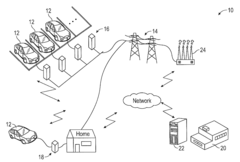
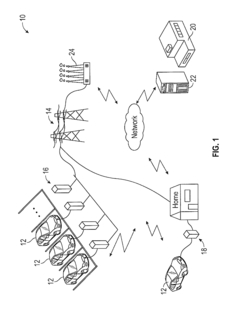
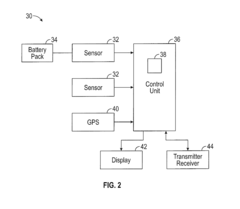
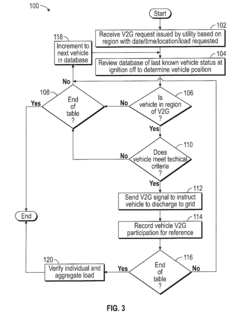
- A method and system that prioritize V2G requests by determining which vehicles in a specific geographic region meet criteria established to reduce battery degradation, using historical and current data to select vehicles for participation, thereby limiting the number of charge and discharge cycles and extending the battery life.
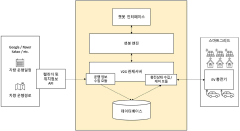
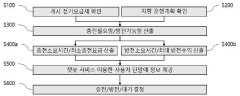
Vehicle-to-grid system control method linked to electric vehicle operation plan using chatbot service and control system
PatentInactiveKR1020230092155A
Innovation
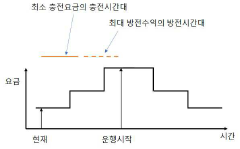
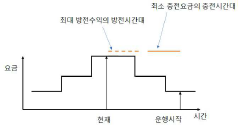
- A V2G system control method linked to an electric vehicle operation plan using a chatbot service that checks electricity rates, calculates charging/discharging times and fees/profits, and adjusts operations based on user input through a chatbot interface.
V2G Grid Integration Strategies
Vehicle-to-Grid (V2G) integration strategies are crucial for the successful implementation of future V2G systems in vehicle electrification. These strategies focus on optimizing the interaction between electric vehicles (EVs) and the power grid, enabling bidirectional energy flow and maximizing the benefits for both EV owners and grid operators.
One key strategy involves developing advanced communication protocols and control systems to facilitate seamless integration of EVs into the grid infrastructure. This includes implementing smart charging algorithms that can respond to real-time grid conditions, adjusting charging rates and schedules to balance load and maintain grid stability. Additionally, these systems must be capable of coordinating large numbers of EVs to provide grid services such as frequency regulation and voltage support.
Another important aspect of V2G integration is the development of standardized interfaces and protocols for EV-grid communication. This standardization ensures interoperability between different EV models, charging stations, and grid management systems, enabling a more robust and flexible V2G ecosystem. Efforts are underway to establish international standards for V2G communication, such as ISO 15118 and IEC 61851, which define the communication between EVs and charging stations.
Grid operators are also exploring strategies to incentivize V2G participation through dynamic pricing models and demand response programs. These initiatives aim to encourage EV owners to participate in grid services by offering financial rewards for providing energy storage and grid support during peak demand periods. Implementing fair and transparent compensation mechanisms is crucial for widespread adoption of V2G technologies.
To address potential grid impacts, utilities are developing strategies for grid reinforcement and expansion to accommodate increased EV penetration. This includes upgrading distribution networks, implementing smart grid technologies, and deploying energy storage systems to manage the additional load and variability introduced by V2G systems. Advanced forecasting tools are being developed to predict EV charging patterns and optimize grid operations accordingly.
Cybersecurity is another critical aspect of V2G integration strategies. As the number of connected EVs increases, so does the potential for cyber attacks on the grid. Robust security measures, including encryption protocols, authentication mechanisms, and secure communication channels, are being implemented to protect both the grid infrastructure and individual EV users from potential threats.
Lastly, regulatory frameworks and policies play a crucial role in enabling V2G integration. Policymakers are working to create supportive regulations that address issues such as grid access, energy market participation, and liability concerns for V2G services. These policies aim to create a favorable environment for V2G adoption while ensuring grid reliability and consumer protection.
One key strategy involves developing advanced communication protocols and control systems to facilitate seamless integration of EVs into the grid infrastructure. This includes implementing smart charging algorithms that can respond to real-time grid conditions, adjusting charging rates and schedules to balance load and maintain grid stability. Additionally, these systems must be capable of coordinating large numbers of EVs to provide grid services such as frequency regulation and voltage support.
Another important aspect of V2G integration is the development of standardized interfaces and protocols for EV-grid communication. This standardization ensures interoperability between different EV models, charging stations, and grid management systems, enabling a more robust and flexible V2G ecosystem. Efforts are underway to establish international standards for V2G communication, such as ISO 15118 and IEC 61851, which define the communication between EVs and charging stations.
Grid operators are also exploring strategies to incentivize V2G participation through dynamic pricing models and demand response programs. These initiatives aim to encourage EV owners to participate in grid services by offering financial rewards for providing energy storage and grid support during peak demand periods. Implementing fair and transparent compensation mechanisms is crucial for widespread adoption of V2G technologies.
To address potential grid impacts, utilities are developing strategies for grid reinforcement and expansion to accommodate increased EV penetration. This includes upgrading distribution networks, implementing smart grid technologies, and deploying energy storage systems to manage the additional load and variability introduced by V2G systems. Advanced forecasting tools are being developed to predict EV charging patterns and optimize grid operations accordingly.
Cybersecurity is another critical aspect of V2G integration strategies. As the number of connected EVs increases, so does the potential for cyber attacks on the grid. Robust security measures, including encryption protocols, authentication mechanisms, and secure communication channels, are being implemented to protect both the grid infrastructure and individual EV users from potential threats.
Lastly, regulatory frameworks and policies play a crucial role in enabling V2G integration. Policymakers are working to create supportive regulations that address issues such as grid access, energy market participation, and liability concerns for V2G services. These policies aim to create a favorable environment for V2G adoption while ensuring grid reliability and consumer protection.
V2G Policy and Regulations
The development of Vehicle-to-Grid (V2G) systems is heavily influenced by the regulatory landscape and policy frameworks in place. As V2G technology continues to evolve, governments and regulatory bodies are adapting their policies to accommodate this innovative approach to energy management and grid stability.
In many countries, the regulatory framework for V2G is still in its infancy. However, several nations have taken proactive steps to create supportive policies. For instance, the United Kingdom has implemented the Electric Vehicles (Smart Charge Points) Regulations 2021, which mandates that all home and workplace EV chargers must have smart charging capabilities. This regulation indirectly supports V2G implementation by ensuring that the necessary infrastructure is in place.
The European Union has also recognized the potential of V2G systems. The EU's Clean Energy Package includes provisions for aggregators and energy communities, which can facilitate the integration of V2G services into the broader energy market. Additionally, the EU's Renewable Energy Directive II encourages the use of renewable energy in transport, indirectly supporting V2G as a means to balance renewable energy sources.
In the United States, policies vary by state, but there is growing recognition of V2G's potential. California, for example, has implemented the Electric Program Investment Charge (EPIC) program, which funds research and demonstration projects for advanced energy technologies, including V2G systems. The Federal Energy Regulatory Commission (FERC) Order 2222 also opens up opportunities for V2G by allowing distributed energy resources to participate in wholesale electricity markets.
One of the key policy challenges for V2G implementation is the need for standardization. Different countries and regions have varying technical standards for grid connection and communication protocols, which can hinder the widespread adoption of V2G technology. Efforts are underway to develop international standards, such as the ISO 15118 standard for vehicle-to-grid communication interfaces.
Regulatory bodies are also grappling with how to fairly compensate V2G participants for the services they provide to the grid. This includes developing appropriate tariff structures and market mechanisms that recognize the value of flexibility and grid support offered by V2G systems. Some countries, like Denmark, have already implemented specific tariffs for V2G services.
As the technology matures, policymakers are increasingly focusing on data privacy and cybersecurity concerns associated with V2G systems. Regulations such as the EU's General Data Protection Regulation (GDPR) have implications for how V2G data is collected, stored, and used. Cybersecurity standards for V2G systems are also being developed to ensure the integrity and resilience of the power grid.
In many countries, the regulatory framework for V2G is still in its infancy. However, several nations have taken proactive steps to create supportive policies. For instance, the United Kingdom has implemented the Electric Vehicles (Smart Charge Points) Regulations 2021, which mandates that all home and workplace EV chargers must have smart charging capabilities. This regulation indirectly supports V2G implementation by ensuring that the necessary infrastructure is in place.
The European Union has also recognized the potential of V2G systems. The EU's Clean Energy Package includes provisions for aggregators and energy communities, which can facilitate the integration of V2G services into the broader energy market. Additionally, the EU's Renewable Energy Directive II encourages the use of renewable energy in transport, indirectly supporting V2G as a means to balance renewable energy sources.
In the United States, policies vary by state, but there is growing recognition of V2G's potential. California, for example, has implemented the Electric Program Investment Charge (EPIC) program, which funds research and demonstration projects for advanced energy technologies, including V2G systems. The Federal Energy Regulatory Commission (FERC) Order 2222 also opens up opportunities for V2G by allowing distributed energy resources to participate in wholesale electricity markets.
One of the key policy challenges for V2G implementation is the need for standardization. Different countries and regions have varying technical standards for grid connection and communication protocols, which can hinder the widespread adoption of V2G technology. Efforts are underway to develop international standards, such as the ISO 15118 standard for vehicle-to-grid communication interfaces.
Regulatory bodies are also grappling with how to fairly compensate V2G participants for the services they provide to the grid. This includes developing appropriate tariff structures and market mechanisms that recognize the value of flexibility and grid support offered by V2G systems. Some countries, like Denmark, have already implemented specific tariffs for V2G services.
As the technology matures, policymakers are increasingly focusing on data privacy and cybersecurity concerns associated with V2G systems. Regulations such as the EU's General Data Protection Regulation (GDPR) have implications for how V2G data is collected, stored, and used. Cybersecurity standards for V2G systems are also being developed to ensure the integrity and resilience of the power grid.
Unlock deeper insights with PatSnap Eureka Quick Research — get a full tech report to explore trends and direct your research. Try now!
Generate Your Research Report Instantly with AI Agent
Supercharge your innovation with PatSnap Eureka AI Agent Platform!