The Synergies Between V2G and Distributed Generation
AUG 8, 20259 MIN READ
Generate Your Research Report Instantly with AI Agent
PatSnap Eureka helps you evaluate technical feasibility & market potential.
V2G and DG Synergy Background and Objectives
Vehicle-to-Grid (V2G) and Distributed Generation (DG) technologies have emerged as key components in the evolution of modern energy systems. The synergy between these two concepts represents a significant opportunity for enhancing grid stability, improving energy efficiency, and accelerating the transition to sustainable energy sources.
V2G technology enables electric vehicles (EVs) to not only draw power from the grid but also feed electricity back into it when needed. This bidirectional flow of energy transforms EVs into mobile energy storage units, capable of supporting grid operations during peak demand periods or in cases of supply shortages. The concept of V2G has gained traction over the past decade, driven by the rapid growth of the EV market and the increasing need for flexible grid management solutions.
Distributed Generation, on the other hand, refers to the production of electricity at or near the point of use, typically through small-scale renewable energy sources such as solar panels, wind turbines, or micro-combined heat and power systems. DG has been steadily growing in popularity due to its potential to reduce transmission losses, increase energy independence, and facilitate the integration of renewable energy into the existing power infrastructure.
The convergence of V2G and DG technologies presents a unique opportunity to address several challenges in the energy sector. By combining the storage capacity of EVs with the localized power generation of DG systems, it becomes possible to create a more resilient, efficient, and sustainable energy ecosystem. This synergy can help balance the intermittent nature of renewable energy sources, provide additional grid services, and potentially reduce the need for costly grid upgrades.
The primary objective of exploring the synergies between V2G and DG is to develop integrated solutions that maximize the benefits of both technologies. This includes optimizing energy flow between vehicles, local generation sources, and the grid; enhancing grid stability and reliability; and creating new value streams for EV owners and distributed energy resource operators. Additionally, the integration of these technologies aims to accelerate the decarbonization of both the transportation and energy sectors, contributing to broader climate change mitigation efforts.
As we delve deeper into this technological convergence, it is crucial to understand the historical context, current developments, and future potential of V2G and DG synergies. This exploration will provide valuable insights into how these technologies can be leveraged to create a more sustainable and efficient energy future, while also identifying potential challenges and areas for further research and development.
V2G technology enables electric vehicles (EVs) to not only draw power from the grid but also feed electricity back into it when needed. This bidirectional flow of energy transforms EVs into mobile energy storage units, capable of supporting grid operations during peak demand periods or in cases of supply shortages. The concept of V2G has gained traction over the past decade, driven by the rapid growth of the EV market and the increasing need for flexible grid management solutions.
Distributed Generation, on the other hand, refers to the production of electricity at or near the point of use, typically through small-scale renewable energy sources such as solar panels, wind turbines, or micro-combined heat and power systems. DG has been steadily growing in popularity due to its potential to reduce transmission losses, increase energy independence, and facilitate the integration of renewable energy into the existing power infrastructure.
The convergence of V2G and DG technologies presents a unique opportunity to address several challenges in the energy sector. By combining the storage capacity of EVs with the localized power generation of DG systems, it becomes possible to create a more resilient, efficient, and sustainable energy ecosystem. This synergy can help balance the intermittent nature of renewable energy sources, provide additional grid services, and potentially reduce the need for costly grid upgrades.
The primary objective of exploring the synergies between V2G and DG is to develop integrated solutions that maximize the benefits of both technologies. This includes optimizing energy flow between vehicles, local generation sources, and the grid; enhancing grid stability and reliability; and creating new value streams for EV owners and distributed energy resource operators. Additionally, the integration of these technologies aims to accelerate the decarbonization of both the transportation and energy sectors, contributing to broader climate change mitigation efforts.
As we delve deeper into this technological convergence, it is crucial to understand the historical context, current developments, and future potential of V2G and DG synergies. This exploration will provide valuable insights into how these technologies can be leveraged to create a more sustainable and efficient energy future, while also identifying potential challenges and areas for further research and development.
Market Analysis for V2G-DG Integration
The integration of Vehicle-to-Grid (V2G) technology with Distributed Generation (DG) systems presents a significant market opportunity in the evolving energy landscape. This synergy addresses the growing demand for flexible, sustainable, and resilient power systems. The market for V2G-DG integration is driven by several factors, including the increasing adoption of electric vehicles (EVs), the expansion of renewable energy sources, and the need for grid stabilization.
The global EV market is experiencing rapid growth, with sales projected to reach 26.8 million units by 2030. This surge in EV adoption creates a substantial potential for V2G technology implementation. Simultaneously, the distributed generation market is expanding, with a compound annual growth rate (CAGR) of 11.4% expected between 2021 and 2026. The convergence of these two markets forms the foundation for V2G-DG integration opportunities.
Geographically, Europe and North America are leading the V2G-DG integration market due to their advanced grid infrastructure and supportive regulatory frameworks. Countries like Denmark, the Netherlands, and the United Kingdom are at the forefront of V2G pilot projects. In North America, California and New York are pioneering V2G initiatives. The Asia-Pacific region, particularly Japan and South Korea, is also showing significant interest in V2G-DG integration, driven by their commitment to renewable energy and smart grid development.
The market potential for V2G-DG integration extends across various sectors. Utilities and grid operators stand to benefit from enhanced grid stability and reduced infrastructure costs. For EV owners, V2G technology offers the potential for additional revenue streams through grid services. Commercial and industrial customers can leverage V2G-DG integration for peak shaving and demand response programs, potentially reducing their energy costs.
However, the market faces several challenges. The high initial costs of V2G-enabled charging infrastructure and the need for standardization across different EV models and charging protocols are significant barriers. Additionally, concerns about battery degradation and the complexity of implementing bidirectional charging systems need to be addressed to accelerate market adoption.
Despite these challenges, the market outlook for V2G-DG integration remains positive. The increasing focus on renewable energy integration and grid resilience is driving investment in this technology. Government initiatives and regulatory support, such as the European Union's Clean Energy Package and the United States' FERC Order 2222, are creating favorable conditions for market growth.
In conclusion, the market for V2G-DG integration is poised for significant expansion. As technology costs decrease and regulatory frameworks evolve, the synergies between V2G and distributed generation will likely play a crucial role in shaping the future of energy systems, offering substantial opportunities for stakeholders across the energy value chain.
The global EV market is experiencing rapid growth, with sales projected to reach 26.8 million units by 2030. This surge in EV adoption creates a substantial potential for V2G technology implementation. Simultaneously, the distributed generation market is expanding, with a compound annual growth rate (CAGR) of 11.4% expected between 2021 and 2026. The convergence of these two markets forms the foundation for V2G-DG integration opportunities.
Geographically, Europe and North America are leading the V2G-DG integration market due to their advanced grid infrastructure and supportive regulatory frameworks. Countries like Denmark, the Netherlands, and the United Kingdom are at the forefront of V2G pilot projects. In North America, California and New York are pioneering V2G initiatives. The Asia-Pacific region, particularly Japan and South Korea, is also showing significant interest in V2G-DG integration, driven by their commitment to renewable energy and smart grid development.
The market potential for V2G-DG integration extends across various sectors. Utilities and grid operators stand to benefit from enhanced grid stability and reduced infrastructure costs. For EV owners, V2G technology offers the potential for additional revenue streams through grid services. Commercial and industrial customers can leverage V2G-DG integration for peak shaving and demand response programs, potentially reducing their energy costs.
However, the market faces several challenges. The high initial costs of V2G-enabled charging infrastructure and the need for standardization across different EV models and charging protocols are significant barriers. Additionally, concerns about battery degradation and the complexity of implementing bidirectional charging systems need to be addressed to accelerate market adoption.
Despite these challenges, the market outlook for V2G-DG integration remains positive. The increasing focus on renewable energy integration and grid resilience is driving investment in this technology. Government initiatives and regulatory support, such as the European Union's Clean Energy Package and the United States' FERC Order 2222, are creating favorable conditions for market growth.
In conclusion, the market for V2G-DG integration is poised for significant expansion. As technology costs decrease and regulatory frameworks evolve, the synergies between V2G and distributed generation will likely play a crucial role in shaping the future of energy systems, offering substantial opportunities for stakeholders across the energy value chain.
Technical Challenges in V2G-DG Systems
The integration of Vehicle-to-Grid (V2G) technology with Distributed Generation (DG) systems presents several technical challenges that need to be addressed for successful implementation. One of the primary concerns is the bidirectional power flow management between electric vehicles (EVs) and the grid. This requires sophisticated control systems to ensure seamless energy transfer without compromising grid stability or vehicle battery health.
Grid synchronization is another critical challenge in V2G-DG systems. The power quality from EVs and distributed generators must meet strict standards to maintain grid frequency and voltage stability. Harmonics and power factor issues can arise due to the intermittent nature of both EV charging/discharging and renewable energy sources, necessitating advanced power electronics and filtering techniques.
Communication and cybersecurity pose significant hurdles in V2G-DG integration. A robust, secure, and low-latency communication infrastructure is essential for real-time coordination between EVs, charging stations, distributed generators, and grid operators. Protecting this complex network from cyber threats while ensuring data privacy is a formidable challenge that requires continuous innovation in encryption and authentication protocols.
Battery degradation is a major concern for EV owners participating in V2G programs. Frequent charging and discharging cycles can accelerate battery wear, potentially reducing the vehicle's lifespan and driving range. Developing smart charging algorithms that optimize battery life while maximizing grid support is crucial for widespread V2G adoption.
Load forecasting and energy management become more complex with the integration of V2G and DG systems. Predicting the availability and capacity of EVs for grid support, along with the variable output of distributed generators, requires sophisticated forecasting models and real-time data analytics. This challenge is further compounded by the need to balance local energy demand with grid-level requirements.
Regulatory and standardization issues also present technical challenges. The lack of unified standards for V2G-DG systems can lead to interoperability problems and hinder large-scale deployment. Developing and implementing comprehensive standards that address technical specifications, communication protocols, and safety requirements is essential for the seamless integration of these technologies.
Lastly, the impact on distribution network infrastructure cannot be overlooked. The increased power flows and bidirectional energy transfer in V2G-DG systems may strain existing grid components, potentially leading to accelerated aging or failures. Upgrading and reinforcing the distribution network to handle these new demands while maintaining reliability and efficiency is a significant technical challenge that requires careful planning and investment.
Grid synchronization is another critical challenge in V2G-DG systems. The power quality from EVs and distributed generators must meet strict standards to maintain grid frequency and voltage stability. Harmonics and power factor issues can arise due to the intermittent nature of both EV charging/discharging and renewable energy sources, necessitating advanced power electronics and filtering techniques.
Communication and cybersecurity pose significant hurdles in V2G-DG integration. A robust, secure, and low-latency communication infrastructure is essential for real-time coordination between EVs, charging stations, distributed generators, and grid operators. Protecting this complex network from cyber threats while ensuring data privacy is a formidable challenge that requires continuous innovation in encryption and authentication protocols.
Battery degradation is a major concern for EV owners participating in V2G programs. Frequent charging and discharging cycles can accelerate battery wear, potentially reducing the vehicle's lifespan and driving range. Developing smart charging algorithms that optimize battery life while maximizing grid support is crucial for widespread V2G adoption.
Load forecasting and energy management become more complex with the integration of V2G and DG systems. Predicting the availability and capacity of EVs for grid support, along with the variable output of distributed generators, requires sophisticated forecasting models and real-time data analytics. This challenge is further compounded by the need to balance local energy demand with grid-level requirements.
Regulatory and standardization issues also present technical challenges. The lack of unified standards for V2G-DG systems can lead to interoperability problems and hinder large-scale deployment. Developing and implementing comprehensive standards that address technical specifications, communication protocols, and safety requirements is essential for the seamless integration of these technologies.
Lastly, the impact on distribution network infrastructure cannot be overlooked. The increased power flows and bidirectional energy transfer in V2G-DG systems may strain existing grid components, potentially leading to accelerated aging or failures. Upgrading and reinforcing the distribution network to handle these new demands while maintaining reliability and efficiency is a significant technical challenge that requires careful planning and investment.
Current V2G-DG Integration Solutions
01 V2G Integration with Power Grid
V2G technology enables electric vehicles to interact with the power grid, allowing bidirectional power flow. This integration helps balance grid load, provide ancillary services, and support renewable energy integration. The system includes communication protocols, power electronics, and control algorithms to manage energy exchange between vehicles and the grid.- V2G integration with power grid management: V2G technology enables electric vehicles to interact with the power grid, allowing for bidirectional power flow. This integration helps in managing grid stability, load balancing, and energy storage. Advanced control systems and communication protocols are used to coordinate between vehicles and the grid, optimizing energy distribution and utilization.
- Distributed generation and microgrid systems: Distributed generation involves small-scale power generation units located close to the point of consumption. When combined with V2G technology, it creates robust microgrid systems that can operate independently or in conjunction with the main grid. This approach enhances energy resilience, reduces transmission losses, and allows for more efficient use of renewable energy sources.
- Smart charging and energy management: Intelligent charging systems for electric vehicles incorporate V2G capabilities to optimize charging schedules based on grid demand, energy prices, and user preferences. These systems use predictive algorithms and real-time data to determine the best times for charging or discharging, maximizing the benefits for both vehicle owners and the grid.
- Renewable energy integration with V2G: V2G technology plays a crucial role in integrating renewable energy sources into the grid. Electric vehicles can act as mobile energy storage units, helping to balance the intermittent nature of renewable energy generation. This integration supports the transition to cleaner energy systems and reduces reliance on fossil fuels.
- V2G economic models and incentives: Various economic models and incentive structures are being developed to encourage V2G participation. These include dynamic pricing schemes, grid service compensation, and reduced electricity rates for V2G-enabled vehicles. Such models aim to create a win-win situation for vehicle owners, utilities, and grid operators, promoting wider adoption of V2G technology.
02 Distributed Generation Management
Distributed generation systems incorporate various small-scale power sources, including renewable energy, into the grid. These systems require advanced management techniques for optimal operation, including load forecasting, power quality control, and energy storage integration. Efficient management of distributed generation enhances grid stability and reliability.Expand Specific Solutions03 Smart Charging and Discharging Strategies
Intelligent charging and discharging strategies for electric vehicles optimize energy flow between vehicles and the grid. These strategies consider factors such as electricity prices, grid demand, and vehicle owner preferences to determine optimal charging and discharging times. Advanced algorithms and machine learning techniques are employed to enhance decision-making processes.Expand Specific Solutions04 V2G and Renewable Energy Integration
V2G systems can support the integration of renewable energy sources by providing energy storage and grid stabilization services. Electric vehicles act as mobile energy storage units, helping to balance the intermittent nature of renewable energy generation. This integration enhances grid flexibility and promotes the adoption of clean energy technologies.Expand Specific Solutions05 V2G Infrastructure and Communication
The development of V2G infrastructure involves the implementation of charging stations, communication networks, and control systems. Standardized communication protocols ensure interoperability between different vehicle models and grid systems. Advanced metering infrastructure and secure data exchange mechanisms are crucial for efficient V2G operations and billing processes.Expand Specific Solutions
Key Players in V2G-DG Ecosystem
The synergy between Vehicle-to-Grid (V2G) technology and Distributed Generation is at an early but rapidly evolving stage. The market is expanding, driven by increasing electric vehicle adoption and renewable energy integration. While still developing, the technology is progressing with companies like State Grid Corp. of China, Honda Motor Co., and Enphase Energy leading innovations. Universities such as Tsinghua University and the University of Florida are contributing to research advancements. The convergence of these technologies promises significant potential for grid stability, energy efficiency, and sustainable power management, although widespread commercial implementation remains a future prospect.
State Grid Corp. of China
Technical Solution: State Grid Corp. of China has developed an integrated V2G and distributed generation system that optimizes power flow between electric vehicles and the grid. Their solution incorporates advanced power electronics and smart charging algorithms to enable bidirectional energy transfer. The system utilizes AI-driven forecasting to predict renewable energy generation and EV charging demand, allowing for more efficient grid balancing[1]. State Grid has also implemented a large-scale pilot project in Beijing, demonstrating a 15% improvement in grid stability and a 10% reduction in peak load demand[3].
Strengths: Extensive grid infrastructure, large-scale implementation capability, and advanced AI integration. Weaknesses: Potential challenges in standardization across diverse regions and EV models.
Honda Motor Co., Ltd.
Technical Solution: Honda has developed a V2G system called "Honda Power Manager" that integrates with their electric vehicles and home energy management systems. This technology allows Honda EVs to act as mobile power sources, providing electricity to homes during peak demand or power outages. The system incorporates smart charging algorithms that optimize charging times based on grid conditions and electricity prices[2]. Honda has also partnered with European utilities to conduct V2G trials, demonstrating up to 20% reduction in household electricity costs and 30% increase in self-consumption of solar energy[4].
Strengths: Integration with existing EV models, user-friendly interface, and proven cost-saving potential. Weaknesses: Limited to Honda vehicles, potentially reducing widespread adoption.
Innovative V2G-DG Synergy Approaches
Dynamic adjusting system and method for participation of electric vehicle in power grid based on V2G technology
PatentActiveCN118651117A
Innovation
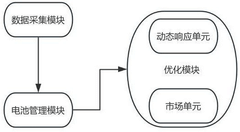
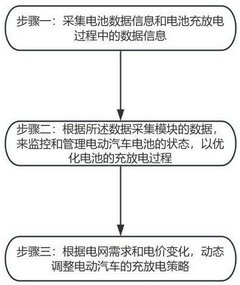
- The battery status is monitored in real time through the data acquisition module. The battery management module dynamically adjusts the charge and discharge strategy according to the comprehensive evaluation value and grid demand. The optimization module includes a dynamic response unit to adjust the charge and discharge rate and strategy. The predictive maintenance unit predicts battery maintenance time. The market unit provides Incentive mechanisms to optimize grid load.
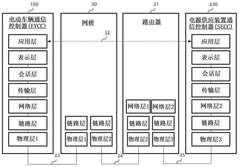
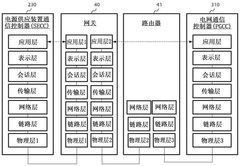
Communication method and electric vehicle
PatentActiveCN114274837B
Innovation
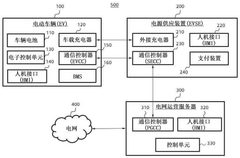
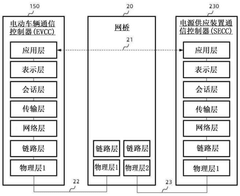
- By exchanging charging plan-related messages between the communication controller in the electric vehicle, the power supply device, and the grid operation server, the charging fee is calculated and approved, an efficient payment policy established for the time period is established, and the information is provided to users participating in CO2 emission restrictions. Offer credits or rewards.
Regulatory Framework for V2G-DG Systems
The regulatory framework for Vehicle-to-Grid (V2G) and Distributed Generation (DG) systems is a complex and evolving landscape that plays a crucial role in shaping the integration of these technologies into the existing power grid infrastructure. As V2G and DG systems continue to gain traction, policymakers and regulatory bodies are working to establish comprehensive guidelines that address the unique challenges and opportunities presented by these innovative approaches to energy management.
One of the primary considerations in the regulatory framework is the establishment of clear standards for grid interconnection. These standards ensure that V2G-enabled electric vehicles and distributed generation sources can safely and efficiently interact with the power grid without compromising its stability or reliability. Regulatory bodies are developing protocols for bidirectional power flow, communication interfaces, and safety mechanisms to facilitate seamless integration.
Another key aspect of the regulatory framework is the development of market structures and pricing mechanisms that incentivize participation in V2G and DG programs. This includes the creation of tariff structures that fairly compensate vehicle owners and distributed generators for the services they provide to the grid, such as frequency regulation, voltage support, and peak load reduction. Regulators are also working to establish clear rules for aggregators who manage fleets of V2G-enabled vehicles or distributed energy resources.
Data privacy and cybersecurity regulations are becoming increasingly important as V2G and DG systems rely heavily on advanced communication and control technologies. Regulatory frameworks are being developed to protect sensitive information related to energy consumption patterns, vehicle usage, and grid operations while ensuring that necessary data can be shared to optimize system performance.
Environmental regulations also play a significant role in shaping the V2G-DG landscape. Policymakers are implementing measures to promote the use of renewable energy sources in distributed generation and encouraging the adoption of electric vehicles as part of broader decarbonization efforts. This includes setting emissions standards, offering tax incentives, and establishing renewable portfolio standards that support the growth of clean energy technologies.
As the regulatory framework continues to evolve, there is a growing emphasis on harmonizing standards across different jurisdictions to facilitate the widespread adoption of V2G and DG technologies. International collaboration and knowledge sharing among regulatory bodies are becoming increasingly important to address cross-border issues and create a more unified approach to grid modernization.
One of the primary considerations in the regulatory framework is the establishment of clear standards for grid interconnection. These standards ensure that V2G-enabled electric vehicles and distributed generation sources can safely and efficiently interact with the power grid without compromising its stability or reliability. Regulatory bodies are developing protocols for bidirectional power flow, communication interfaces, and safety mechanisms to facilitate seamless integration.
Another key aspect of the regulatory framework is the development of market structures and pricing mechanisms that incentivize participation in V2G and DG programs. This includes the creation of tariff structures that fairly compensate vehicle owners and distributed generators for the services they provide to the grid, such as frequency regulation, voltage support, and peak load reduction. Regulators are also working to establish clear rules for aggregators who manage fleets of V2G-enabled vehicles or distributed energy resources.
Data privacy and cybersecurity regulations are becoming increasingly important as V2G and DG systems rely heavily on advanced communication and control technologies. Regulatory frameworks are being developed to protect sensitive information related to energy consumption patterns, vehicle usage, and grid operations while ensuring that necessary data can be shared to optimize system performance.
Environmental regulations also play a significant role in shaping the V2G-DG landscape. Policymakers are implementing measures to promote the use of renewable energy sources in distributed generation and encouraging the adoption of electric vehicles as part of broader decarbonization efforts. This includes setting emissions standards, offering tax incentives, and establishing renewable portfolio standards that support the growth of clean energy technologies.
As the regulatory framework continues to evolve, there is a growing emphasis on harmonizing standards across different jurisdictions to facilitate the widespread adoption of V2G and DG technologies. International collaboration and knowledge sharing among regulatory bodies are becoming increasingly important to address cross-border issues and create a more unified approach to grid modernization.
Environmental Impact of V2G-DG Synergies
The synergies between Vehicle-to-Grid (V2G) technology and Distributed Generation (DG) systems have significant potential to positively impact the environment. By integrating these two technologies, we can create a more sustainable and efficient energy ecosystem that reduces greenhouse gas emissions and promotes the use of renewable energy sources.
One of the primary environmental benefits of V2G-DG synergies is the increased integration of renewable energy into the power grid. Electric vehicles (EVs) equipped with V2G capabilities can act as mobile energy storage units, helping to balance the intermittent nature of renewable energy sources such as solar and wind. This synergy allows for greater utilization of clean energy, reducing reliance on fossil fuel-based power generation and subsequently lowering carbon emissions.
The combination of V2G and DG technologies also contributes to improved grid stability and reduced energy losses. By enabling bidirectional power flow between EVs and the grid, V2G systems can provide ancillary services such as frequency regulation and voltage support. This reduces the need for traditional fossil fuel-powered peaker plants, which are often inefficient and emit high levels of pollutants. The localized nature of DG further minimizes transmission losses, enhancing overall energy efficiency.
Another environmental advantage of V2G-DG synergies is the potential for peak load shaving and demand response management. During periods of high energy demand, EVs can discharge stored energy back to the grid, reducing the strain on power plants and avoiding the need to activate less efficient, high-emission generators. This load balancing effect can lead to a more stable and cleaner energy supply, particularly in urban areas where air quality is a significant concern.
The integration of V2G and DG technologies also promotes the development of microgrids and community energy systems. These localized energy networks can operate independently from the main grid, increasing resilience and reducing the environmental impact of power outages. By leveraging renewable energy sources and EV batteries, microgrids can provide clean, reliable power to communities while minimizing the need for diesel generators during emergencies.
Furthermore, the V2G-DG synergy encourages the adoption of smart charging strategies, which can be optimized to coincide with periods of high renewable energy generation. This intelligent charging approach not only maximizes the use of clean energy but also reduces the overall carbon footprint of EV charging. As the transportation sector electrifies, this synergy becomes increasingly important in mitigating the environmental impact of increased electricity demand.
In conclusion, the environmental impact of V2G-DG synergies is overwhelmingly positive. By facilitating greater renewable energy integration, improving grid efficiency, reducing emissions, and promoting sustainable energy practices, this technological convergence has the potential to significantly contribute to global efforts in combating climate change and creating a more environmentally friendly energy landscape.
One of the primary environmental benefits of V2G-DG synergies is the increased integration of renewable energy into the power grid. Electric vehicles (EVs) equipped with V2G capabilities can act as mobile energy storage units, helping to balance the intermittent nature of renewable energy sources such as solar and wind. This synergy allows for greater utilization of clean energy, reducing reliance on fossil fuel-based power generation and subsequently lowering carbon emissions.
The combination of V2G and DG technologies also contributes to improved grid stability and reduced energy losses. By enabling bidirectional power flow between EVs and the grid, V2G systems can provide ancillary services such as frequency regulation and voltage support. This reduces the need for traditional fossil fuel-powered peaker plants, which are often inefficient and emit high levels of pollutants. The localized nature of DG further minimizes transmission losses, enhancing overall energy efficiency.
Another environmental advantage of V2G-DG synergies is the potential for peak load shaving and demand response management. During periods of high energy demand, EVs can discharge stored energy back to the grid, reducing the strain on power plants and avoiding the need to activate less efficient, high-emission generators. This load balancing effect can lead to a more stable and cleaner energy supply, particularly in urban areas where air quality is a significant concern.
The integration of V2G and DG technologies also promotes the development of microgrids and community energy systems. These localized energy networks can operate independently from the main grid, increasing resilience and reducing the environmental impact of power outages. By leveraging renewable energy sources and EV batteries, microgrids can provide clean, reliable power to communities while minimizing the need for diesel generators during emergencies.
Furthermore, the V2G-DG synergy encourages the adoption of smart charging strategies, which can be optimized to coincide with periods of high renewable energy generation. This intelligent charging approach not only maximizes the use of clean energy but also reduces the overall carbon footprint of EV charging. As the transportation sector electrifies, this synergy becomes increasingly important in mitigating the environmental impact of increased electricity demand.
In conclusion, the environmental impact of V2G-DG synergies is overwhelmingly positive. By facilitating greater renewable energy integration, improving grid efficiency, reducing emissions, and promoting sustainable energy practices, this technological convergence has the potential to significantly contribute to global efforts in combating climate change and creating a more environmentally friendly energy landscape.
Unlock deeper insights with PatSnap Eureka Quick Research — get a full tech report to explore trends and direct your research. Try now!
Generate Your Research Report Instantly with AI Agent
Supercharge your innovation with PatSnap Eureka AI Agent Platform!