
Fixed Satellite Vs WiMAX: Throughput and Performance
MAR 18, 20269 MIN READ
Generate Your Research Report Instantly with AI Agent
Patsnap Eureka helps you evaluate technical feasibility & market potential.
Fixed Satellite vs WiMAX Technology Background and Objectives
Fixed satellite and WiMAX technologies represent two distinct approaches to broadband connectivity, each evolving through different technological paradigms to address the growing demand for high-speed internet access. Fixed satellite systems have undergone significant transformation from early geostationary satellites operating in C-band and Ku-band frequencies to modern High Throughput Satellites (HTS) utilizing Ka-band and multi-spot beam architectures. This evolution has dramatically improved capacity and reduced per-bit costs, making satellite broadband more competitive in underserved markets.
WiMAX technology emerged from the IEEE 802.16 standard development, initially designed as a wireless metropolitan area network solution. The technology progressed from fixed WiMAX implementations to mobile WiMAX variants, incorporating advanced features like MIMO antenna systems, adaptive modulation, and OFDMA access schemes. Despite early promise as a 4G technology, WiMAX faced market challenges with the rise of LTE, leading to its repositioning in specific niche applications.
The fundamental technological objectives driving both systems center on delivering reliable broadband connectivity to areas where traditional wired infrastructure proves economically unfeasible. Fixed satellite systems aim to provide ubiquitous coverage across vast geographical areas, particularly targeting rural and remote regions where terrestrial infrastructure deployment costs are prohibitive. The technology focuses on maximizing throughput efficiency through advanced spot beam reuse, frequency optimization, and sophisticated ground terminal designs.
WiMAX technology objectives emphasize providing cost-effective wireless broadband solutions for last-mile connectivity, particularly in developing markets and underserved communities. The technology targets rapid deployment capabilities, scalable network architectures, and quality of service guarantees that can support diverse applications from basic internet access to real-time multimedia services.
Both technologies face the common challenge of optimizing throughput performance while managing latency constraints, interference mitigation, and cost-effectiveness. The comparative analysis of these systems becomes crucial as service providers evaluate deployment strategies for different market segments and geographical conditions.
The convergence of these technologies with emerging 5G networks and Low Earth Orbit satellite constellations is reshaping the competitive landscape, creating new hybrid connectivity solutions that leverage the strengths of both terrestrial and satellite-based approaches to achieve comprehensive broadband coverage objectives.
WiMAX technology emerged from the IEEE 802.16 standard development, initially designed as a wireless metropolitan area network solution. The technology progressed from fixed WiMAX implementations to mobile WiMAX variants, incorporating advanced features like MIMO antenna systems, adaptive modulation, and OFDMA access schemes. Despite early promise as a 4G technology, WiMAX faced market challenges with the rise of LTE, leading to its repositioning in specific niche applications.
The fundamental technological objectives driving both systems center on delivering reliable broadband connectivity to areas where traditional wired infrastructure proves economically unfeasible. Fixed satellite systems aim to provide ubiquitous coverage across vast geographical areas, particularly targeting rural and remote regions where terrestrial infrastructure deployment costs are prohibitive. The technology focuses on maximizing throughput efficiency through advanced spot beam reuse, frequency optimization, and sophisticated ground terminal designs.
WiMAX technology objectives emphasize providing cost-effective wireless broadband solutions for last-mile connectivity, particularly in developing markets and underserved communities. The technology targets rapid deployment capabilities, scalable network architectures, and quality of service guarantees that can support diverse applications from basic internet access to real-time multimedia services.
Both technologies face the common challenge of optimizing throughput performance while managing latency constraints, interference mitigation, and cost-effectiveness. The comparative analysis of these systems becomes crucial as service providers evaluate deployment strategies for different market segments and geographical conditions.
The convergence of these technologies with emerging 5G networks and Low Earth Orbit satellite constellations is reshaping the competitive landscape, creating new hybrid connectivity solutions that leverage the strengths of both terrestrial and satellite-based approaches to achieve comprehensive broadband coverage objectives.
Market Demand Analysis for Broadband Connectivity Solutions
The global broadband connectivity market continues to experience unprecedented growth driven by increasing digitalization across industries, remote work proliferation, and expanding Internet of Things deployments. Enterprise customers particularly demand high-performance, reliable connectivity solutions that can support mission-critical applications, real-time data transmission, and seamless communication across geographically distributed operations.
Fixed satellite broadband solutions address the critical need for connectivity in remote and underserved regions where terrestrial infrastructure remains economically unfeasible. Mining operations, oil and gas facilities, maritime vessels, and rural enterprises represent substantial market segments requiring robust satellite connectivity. The demand intensifies as these sectors increasingly adopt cloud-based applications, remote monitoring systems, and automated operational technologies that necessitate consistent high-throughput connections.
WiMAX technology serves distinct market segments focused on metropolitan area networks, last-mile connectivity solutions, and mobile broadband applications. Urban and suburban markets demonstrate strong demand for WiMAX deployments, particularly in developing economies where rapid network expansion is essential. Educational institutions, healthcare facilities, and small-to-medium enterprises in these regions require cost-effective broadband solutions that can be deployed quickly without extensive infrastructure investment.
The enterprise mobility sector represents a converging demand area where both technologies compete directly. Organizations operating across multiple locations require flexible connectivity solutions that can adapt to varying geographical constraints and performance requirements. This market segment values throughput consistency, latency optimization, and service reliability as primary selection criteria.
Emerging applications in telemedicine, distance learning, and industrial automation are reshaping demand patterns for both satellite and WiMAX solutions. These applications require guaranteed bandwidth allocation, minimal service interruption, and scalable capacity management capabilities. The market increasingly favors solutions that can demonstrate measurable performance advantages in throughput delivery and network reliability.
Government and defense sectors constitute another significant demand driver, requiring secure, high-performance connectivity for tactical communications, surveillance operations, and emergency response coordination. These applications prioritize network resilience, rapid deployment capabilities, and performance predictability under varying operational conditions.
Fixed satellite broadband solutions address the critical need for connectivity in remote and underserved regions where terrestrial infrastructure remains economically unfeasible. Mining operations, oil and gas facilities, maritime vessels, and rural enterprises represent substantial market segments requiring robust satellite connectivity. The demand intensifies as these sectors increasingly adopt cloud-based applications, remote monitoring systems, and automated operational technologies that necessitate consistent high-throughput connections.
WiMAX technology serves distinct market segments focused on metropolitan area networks, last-mile connectivity solutions, and mobile broadband applications. Urban and suburban markets demonstrate strong demand for WiMAX deployments, particularly in developing economies where rapid network expansion is essential. Educational institutions, healthcare facilities, and small-to-medium enterprises in these regions require cost-effective broadband solutions that can be deployed quickly without extensive infrastructure investment.
The enterprise mobility sector represents a converging demand area where both technologies compete directly. Organizations operating across multiple locations require flexible connectivity solutions that can adapt to varying geographical constraints and performance requirements. This market segment values throughput consistency, latency optimization, and service reliability as primary selection criteria.
Emerging applications in telemedicine, distance learning, and industrial automation are reshaping demand patterns for both satellite and WiMAX solutions. These applications require guaranteed bandwidth allocation, minimal service interruption, and scalable capacity management capabilities. The market increasingly favors solutions that can demonstrate measurable performance advantages in throughput delivery and network reliability.
Government and defense sectors constitute another significant demand driver, requiring secure, high-performance connectivity for tactical communications, surveillance operations, and emergency response coordination. These applications prioritize network resilience, rapid deployment capabilities, and performance predictability under varying operational conditions.
Current State and Performance Challenges in Satellite and WiMAX
Fixed satellite communication systems currently operate across multiple frequency bands, with Ku-band and Ka-band being predominant for commercial applications. Modern satellite networks achieve theoretical throughput rates ranging from 1-100 Mbps for consumer services, while enterprise solutions can reach several Gbps through high-throughput satellites (HTS). However, these systems face inherent latency challenges, with geostationary satellites introducing 500-600ms round-trip delays that significantly impact real-time applications and TCP performance.
WiMAX technology has evolved through IEEE 802.16 standards, with current implementations supporting theoretical peak data rates up to 1 Gbps for fixed applications and 100 Mbps for mobile scenarios. WiMAX 2.1 incorporates advanced MIMO techniques and carrier aggregation, enabling improved spectral efficiency. The technology operates primarily in licensed spectrum bands including 2.3 GHz, 2.5 GHz, and 3.5 GHz, offering lower latency compared to satellite systems with typical delays under 50ms.
Performance disparities between these technologies stem from fundamental architectural differences. Satellite systems struggle with weather-related signal attenuation, particularly rain fade in higher frequency bands, leading to variable throughput performance. The shared bandwidth model in traditional satellite networks creates congestion during peak usage periods, resulting in significant performance degradation for end users.
WiMAX faces distinct challenges related to spectrum interference and coverage limitations. The technology's performance degrades substantially with distance from base stations, and non-line-of-sight conditions significantly impact signal quality. Interference from adjacent channels and co-channel sources remains a persistent issue, particularly in dense deployment scenarios.
Both technologies encounter scalability constraints that limit their widespread adoption. Satellite networks require substantial capital investment for infrastructure deployment and face bandwidth allocation challenges across coverage areas. WiMAX implementations demand extensive base station networks for comprehensive coverage, creating economic barriers for rural and remote area deployments.
Quality of Service provisioning presents ongoing challenges for both platforms. Satellite systems struggle to maintain consistent performance guarantees due to atmospheric conditions and shared capacity constraints. WiMAX networks face difficulties in managing interference and maintaining service quality across varying propagation conditions, particularly during adverse weather events that affect radio frequency propagation characteristics.
WiMAX technology has evolved through IEEE 802.16 standards, with current implementations supporting theoretical peak data rates up to 1 Gbps for fixed applications and 100 Mbps for mobile scenarios. WiMAX 2.1 incorporates advanced MIMO techniques and carrier aggregation, enabling improved spectral efficiency. The technology operates primarily in licensed spectrum bands including 2.3 GHz, 2.5 GHz, and 3.5 GHz, offering lower latency compared to satellite systems with typical delays under 50ms.
Performance disparities between these technologies stem from fundamental architectural differences. Satellite systems struggle with weather-related signal attenuation, particularly rain fade in higher frequency bands, leading to variable throughput performance. The shared bandwidth model in traditional satellite networks creates congestion during peak usage periods, resulting in significant performance degradation for end users.
WiMAX faces distinct challenges related to spectrum interference and coverage limitations. The technology's performance degrades substantially with distance from base stations, and non-line-of-sight conditions significantly impact signal quality. Interference from adjacent channels and co-channel sources remains a persistent issue, particularly in dense deployment scenarios.
Both technologies encounter scalability constraints that limit their widespread adoption. Satellite networks require substantial capital investment for infrastructure deployment and face bandwidth allocation challenges across coverage areas. WiMAX implementations demand extensive base station networks for comprehensive coverage, creating economic barriers for rural and remote area deployments.
Quality of Service provisioning presents ongoing challenges for both platforms. Satellite systems struggle to maintain consistent performance guarantees due to atmospheric conditions and shared capacity constraints. WiMAX networks face difficulties in managing interference and maintaining service quality across varying propagation conditions, particularly during adverse weather events that affect radio frequency propagation characteristics.
Current Throughput Optimization Solutions and Approaches
01 Hybrid satellite-terrestrial network integration and resource allocation
Technologies for integrating fixed satellite services with terrestrial wireless networks like WiMAX to optimize throughput and performance. This includes methods for dynamic resource allocation, bandwidth management, and seamless handover between satellite and terrestrial links. The integration enables improved coverage in remote areas while maintaining high data rates and quality of service through intelligent traffic routing and load balancing mechanisms.- Hybrid satellite-terrestrial network integration and resource allocation: Technologies for integrating fixed satellite services with terrestrial wireless networks like WiMAX to optimize throughput and performance. This includes methods for dynamic resource allocation, bandwidth management, and seamless handover between satellite and terrestrial links. The integration enables improved coverage in remote areas while maintaining high data rates and quality of service through intelligent traffic routing and load balancing mechanisms.
- Adaptive modulation and coding schemes for satellite communications: Advanced techniques for dynamically adjusting modulation and coding parameters based on channel conditions to maximize throughput in satellite links. These methods monitor signal quality, interference levels, and atmospheric conditions to select optimal transmission parameters. The adaptive approach compensates for rain fade and other impairments while maintaining reliable connectivity and improving spectral efficiency in fixed satellite systems.
- Quality of Service management and traffic prioritization: Systems and methods for managing quality of service across hybrid networks by implementing traffic classification, prioritization, and scheduling algorithms. These solutions ensure that critical applications receive adequate bandwidth and low latency while optimizing overall network utilization. The techniques include packet inspection, queue management, and policy-based routing to meet service level agreements for different traffic types.
- Interference mitigation and spectrum coexistence: Technologies for reducing interference between satellite and terrestrial wireless systems operating in shared or adjacent frequency bands. This includes techniques for interference detection, avoidance, and cancellation to enable coexistence between fixed satellite services and WiMAX networks. The methods employ advanced signal processing, beamforming, and frequency coordination to minimize mutual interference while maximizing throughput for both systems.
- Network performance monitoring and optimization: Comprehensive frameworks for monitoring, analyzing, and optimizing the performance of integrated satellite-terrestrial networks. These systems collect real-time metrics on throughput, latency, packet loss, and other key performance indicators. The collected data is used to identify bottlenecks, predict network degradation, and automatically adjust network parameters to maintain optimal performance across varying conditions and traffic loads.
02 Adaptive modulation and coding schemes for satellite communications
Techniques for dynamically adjusting modulation and coding parameters in satellite communication systems to maximize throughput under varying channel conditions. These methods monitor link quality metrics and adaptively select optimal transmission parameters to maintain performance during atmospheric interference, rain fade, and other impairments. The adaptive schemes enable efficient spectrum utilization while ensuring reliable data delivery.Expand Specific Solutions03 Quality of Service management and traffic prioritization
Systems and methods for managing quality of service in hybrid networks combining satellite and wireless broadband technologies. This includes traffic classification, priority queuing, and bandwidth reservation mechanisms to ensure critical applications receive adequate resources. The approaches enable differentiated service levels for various traffic types while optimizing overall network throughput and minimizing latency for time-sensitive applications.Expand Specific Solutions04 Interference mitigation and spectrum coexistence
Technologies for managing interference between fixed satellite services and terrestrial wireless systems operating in shared or adjacent frequency bands. This includes techniques for interference detection, avoidance, and cancellation to enable spectrum coexistence. The methods employ advanced signal processing, beamforming, and coordination protocols to minimize mutual interference while maximizing spectral efficiency and system capacity.Expand Specific Solutions05 Performance monitoring and optimization algorithms
Methods for real-time monitoring and optimization of network performance in satellite-terrestrial hybrid systems. This includes algorithms for throughput measurement, latency analysis, packet loss detection, and automatic performance tuning. The systems employ machine learning and predictive analytics to identify bottlenecks, optimize routing decisions, and proactively adjust network parameters to maintain optimal performance under dynamic conditions.Expand Specific Solutions
Major Players in Satellite and WiMAX Communication Industry
The competition landscape for fixed satellite versus WiMAX throughput and performance analysis reveals a mature market transitioning toward next-generation technologies. The industry has evolved beyond the initial satellite-WiMAX comparison phase, with market focus shifting to 5G and hybrid connectivity solutions. Major telecommunications infrastructure providers like Huawei Technologies, ZTE Corp., Ericsson, and Nokia dominate the competitive space, leveraging extensive R&D capabilities and global deployment experience. Technology maturity varies significantly across players, with established giants like Qualcomm and Intel providing foundational chipset technologies, while companies such as Samsung Electronics and Apple drive consumer device integration. The market demonstrates high consolidation among traditional telecom equipment manufacturers, though emerging players like xFusion Digital Technologies represent growing regional competition. Overall, the sector exhibits advanced technological maturity with established players focusing on performance optimization and cost-effectiveness rather than fundamental technology development.
Huawei Technologies Co., Ltd.
Technical Solution: Huawei has developed comprehensive solutions for both fixed satellite and WiMAX technologies, focusing on hybrid network architectures that optimize throughput performance. Their approach includes advanced beamforming techniques for satellite communications and MIMO technology for WiMAX systems. The company's solution integrates adaptive modulation and coding schemes that dynamically adjust based on channel conditions, achieving up to 150 Mbps throughput in WiMAX deployments and supporting Ka-band satellite communications with enhanced spectral efficiency. Their network management platform provides real-time performance monitoring and automatic switching between satellite and terrestrial links based on quality metrics.
Strengths: Strong R&D capabilities and comprehensive end-to-end solutions. Weaknesses: Limited market access in some regions due to regulatory restrictions.
QUALCOMM, Inc.
Technical Solution: Qualcomm's approach focuses on chipset-level optimization for both satellite and WiMAX communications, leveraging their advanced signal processing capabilities. Their solution includes proprietary algorithms for interference mitigation and adaptive power control that enhance throughput performance in challenging environments. The company has developed specialized modems that support both satellite L-band and S-band frequencies alongside WiMAX 2.1 standards, enabling seamless handover between networks. Their technology achieves significant improvements in spectral efficiency through advanced coding techniques and supports peak data rates exceeding 100 Mbps in optimal conditions while maintaining robust performance in mobility scenarios.
Strengths: Leading semiconductor technology and strong patent portfolio. Weaknesses: Higher cost compared to alternative solutions and dependency on licensing agreements.
Core Performance Enhancement Patents and Technical Innovations
High-performance WiMAX QoS condition scheduling mechanism
PatentInactiveUS7995471B2
Innovation
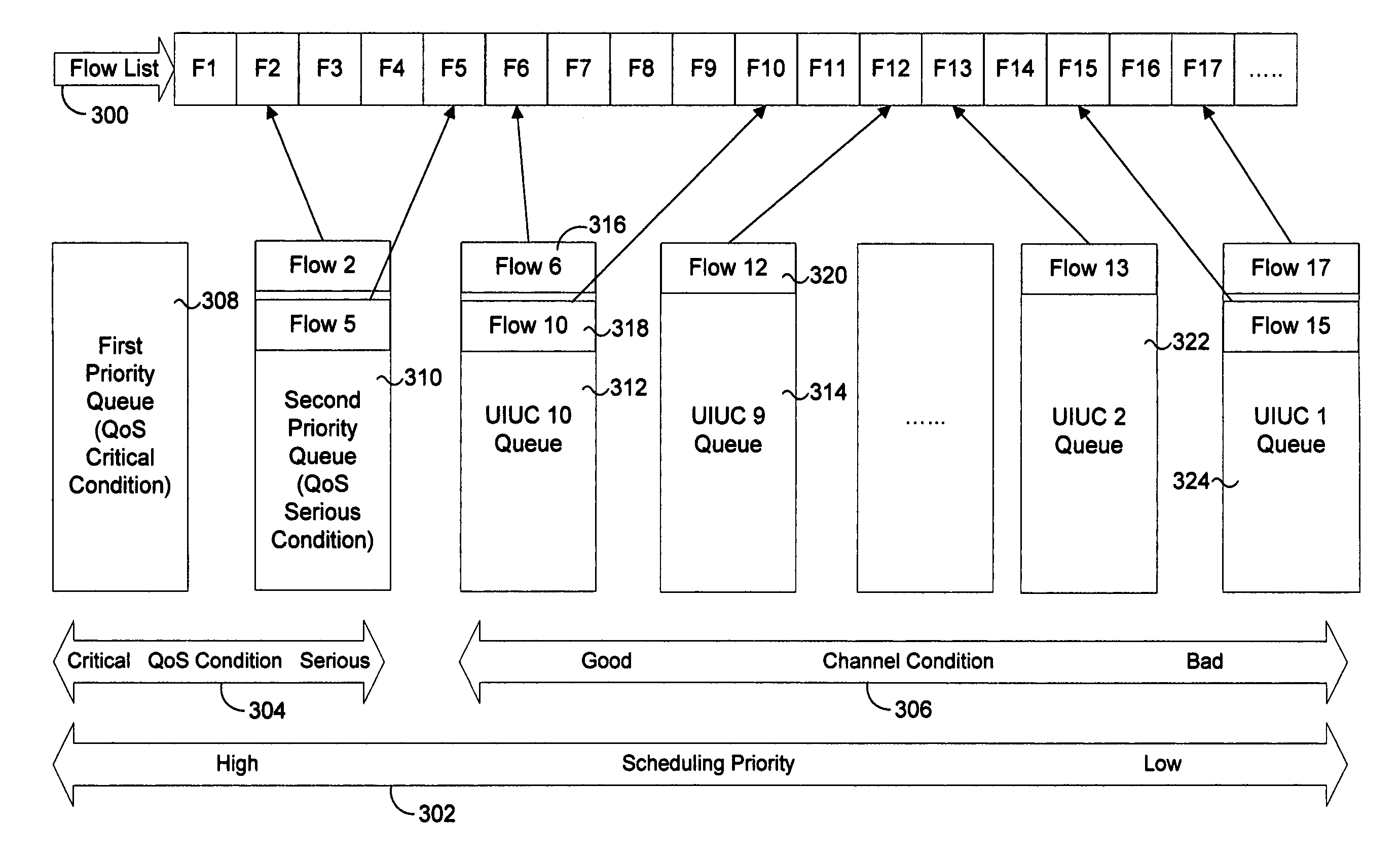
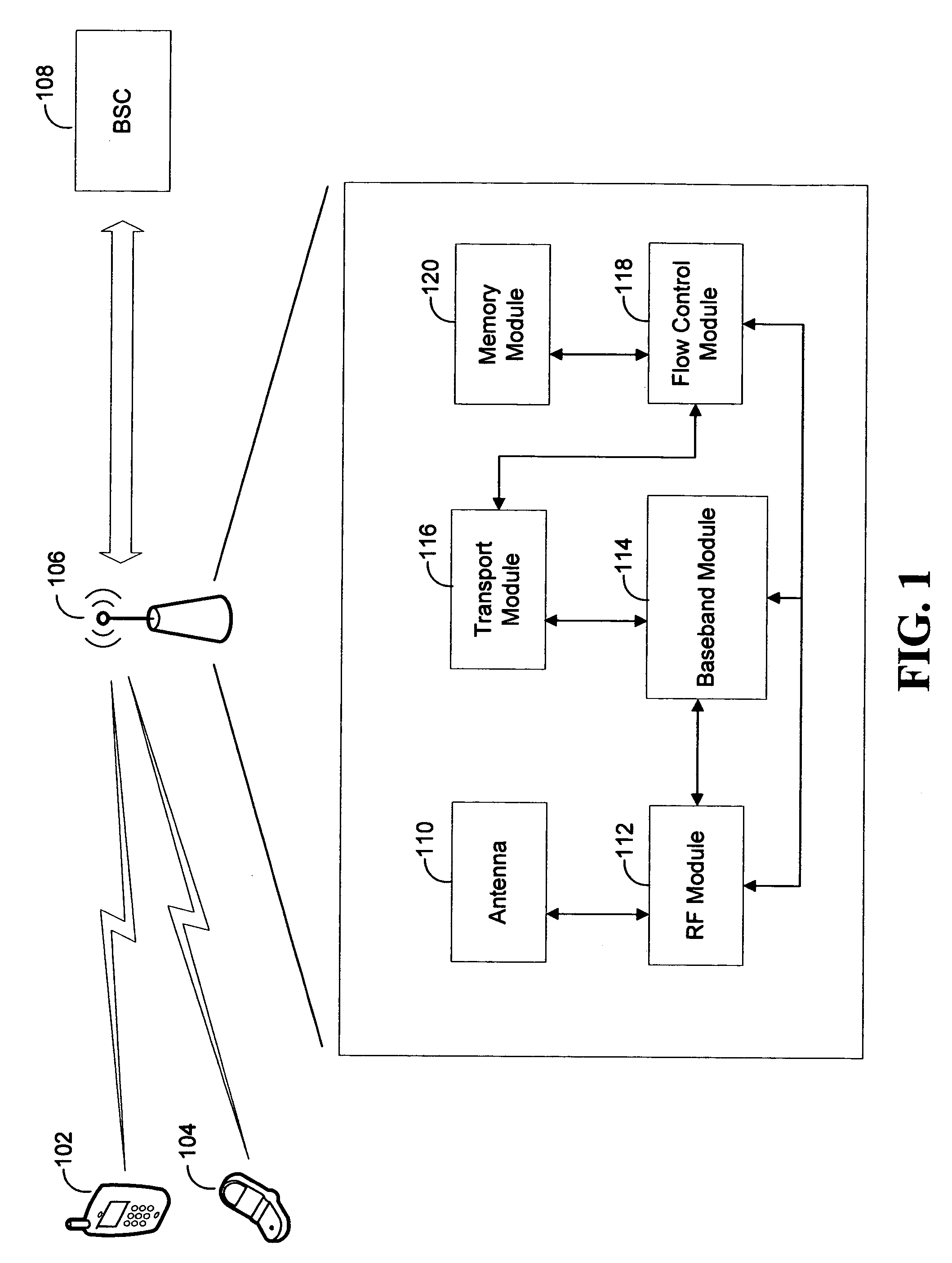
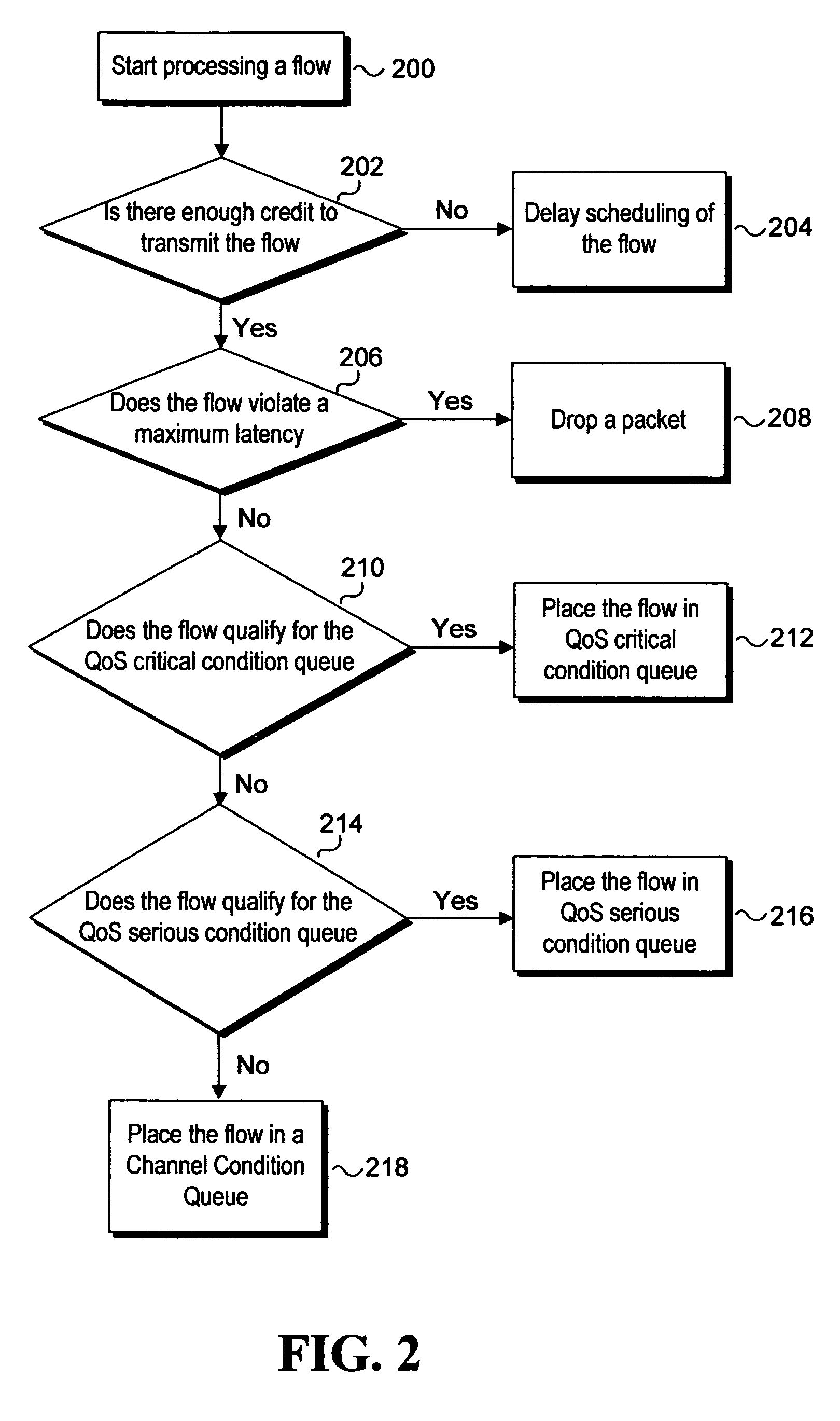
- A simplified scheduling algorithm using credit-based flow control and quality of service (QoS) condition queues, along with channel condition queues, to efficiently prioritize and schedule data flows, reducing the need for expensive hardware by optimizing resource usage and minimizing packet drops.

Spectrum Allocation and Regulatory Framework Analysis
The spectrum allocation landscape for fixed satellite services and WiMAX technologies operates under distinctly different regulatory frameworks, each governed by specific international and national guidelines. Fixed satellite services primarily utilize C-band, Ku-band, and Ka-band frequencies, with allocations coordinated through the International Telecommunication Union's Radio Regulations. These frequency bands are subject to strict coordination procedures to prevent interference between satellite operators and terrestrial services, particularly in the 3.7-4.2 GHz range where C-band downlinks face increasing pressure from 5G deployments.
WiMAX technology operates within licensed spectrum bands allocated specifically for broadband wireless access services. The primary frequency allocations include 2.3 GHz, 2.5 GHz, and 3.5 GHz bands, with regional variations in availability and licensing conditions. The 2.5 GHz band has seen significant adoption in North America, while the 3.5 GHz band gained prominence in Europe and Asia-Pacific regions. These allocations require compliance with power spectral density limits and coordination with adjacent band users to minimize interference.
Regulatory frameworks governing these technologies differ substantially in their approach to spectrum management. Satellite spectrum allocation follows a global coordination model through ITU-R procedures, requiring international filing and coordination processes that can span several years. National regulatory authorities implement these international agreements while addressing domestic spectrum management needs, often resulting in complex coexistence scenarios with terrestrial services.
WiMAX spectrum regulation operates primarily at the national level, with individual countries determining licensing conditions, technical parameters, and deployment restrictions. This decentralized approach has led to fragmented global spectrum availability, limiting the technology's scalability and equipment ecosystem development. Regulatory authorities typically impose coverage obligations, quality of service requirements, and interference protection criteria specific to each licensed band.
The evolving regulatory environment presents both challenges and opportunities for spectrum utilization efficiency. Recent developments include dynamic spectrum access initiatives, spectrum sharing frameworks, and the introduction of Citizens Broadband Radio Service concepts that could benefit both technologies through more flexible spectrum management approaches.
WiMAX technology operates within licensed spectrum bands allocated specifically for broadband wireless access services. The primary frequency allocations include 2.3 GHz, 2.5 GHz, and 3.5 GHz bands, with regional variations in availability and licensing conditions. The 2.5 GHz band has seen significant adoption in North America, while the 3.5 GHz band gained prominence in Europe and Asia-Pacific regions. These allocations require compliance with power spectral density limits and coordination with adjacent band users to minimize interference.
Regulatory frameworks governing these technologies differ substantially in their approach to spectrum management. Satellite spectrum allocation follows a global coordination model through ITU-R procedures, requiring international filing and coordination processes that can span several years. National regulatory authorities implement these international agreements while addressing domestic spectrum management needs, often resulting in complex coexistence scenarios with terrestrial services.
WiMAX spectrum regulation operates primarily at the national level, with individual countries determining licensing conditions, technical parameters, and deployment restrictions. This decentralized approach has led to fragmented global spectrum availability, limiting the technology's scalability and equipment ecosystem development. Regulatory authorities typically impose coverage obligations, quality of service requirements, and interference protection criteria specific to each licensed band.
The evolving regulatory environment presents both challenges and opportunities for spectrum utilization efficiency. Recent developments include dynamic spectrum access initiatives, spectrum sharing frameworks, and the introduction of Citizens Broadband Radio Service concepts that could benefit both technologies through more flexible spectrum management approaches.
Cost-Benefit Analysis for Deployment Strategy Selection
The deployment of Fixed Satellite and WiMAX technologies requires comprehensive cost-benefit analysis to determine optimal strategy selection for different operational scenarios. Initial capital expenditure patterns differ significantly between these technologies, with Fixed Satellite systems demanding substantial upfront investments in satellite infrastructure, ground stations, and specialized equipment. WiMAX deployments typically require lower initial capital but involve extensive terrestrial infrastructure development including base stations, backhaul connections, and network management systems.
Operational expenditure structures present contrasting financial profiles over deployment lifecycles. Fixed Satellite systems demonstrate relatively stable operational costs with predictable maintenance schedules and minimal ground infrastructure requirements. However, bandwidth costs remain consistently high due to satellite capacity limitations and orbital slot expenses. WiMAX networks exhibit variable operational costs influenced by spectrum licensing fees, power consumption, site rental agreements, and ongoing maintenance of distributed infrastructure components.
Revenue generation potential varies considerably based on service delivery capabilities and market positioning strategies. Fixed Satellite deployments excel in remote area coverage where terrestrial alternatives remain economically unfeasible, enabling premium pricing models for specialized connectivity services. WiMAX systems demonstrate superior revenue scalability in medium-density population areas through flexible service tier offerings and enhanced throughput capabilities supporting diverse customer segments.
Return on investment timelines reflect fundamental differences in deployment complexity and market penetration rates. Fixed Satellite implementations typically require extended payback periods ranging from seven to twelve years, primarily due to high initial investments and capacity constraints limiting subscriber growth. WiMAX deployments generally achieve faster ROI realization within three to six years through rapid subscriber acquisition and incremental capacity expansion capabilities.
Risk assessment frameworks must evaluate technology-specific vulnerabilities affecting long-term financial performance. Fixed Satellite systems face regulatory risks related to spectrum allocation changes and potential interference from emerging satellite constellations. WiMAX deployments encounter competitive pressures from evolving cellular technologies and regulatory uncertainties surrounding spectrum reallocation initiatives.
Strategic deployment recommendations should prioritize Fixed Satellite solutions for geographically dispersed coverage requirements with stable, long-term connectivity demands. WiMAX implementations prove optimal for concentrated population centers requiring high-throughput services with flexible capacity scaling potential and competitive market positioning advantages.
Operational expenditure structures present contrasting financial profiles over deployment lifecycles. Fixed Satellite systems demonstrate relatively stable operational costs with predictable maintenance schedules and minimal ground infrastructure requirements. However, bandwidth costs remain consistently high due to satellite capacity limitations and orbital slot expenses. WiMAX networks exhibit variable operational costs influenced by spectrum licensing fees, power consumption, site rental agreements, and ongoing maintenance of distributed infrastructure components.
Revenue generation potential varies considerably based on service delivery capabilities and market positioning strategies. Fixed Satellite deployments excel in remote area coverage where terrestrial alternatives remain economically unfeasible, enabling premium pricing models for specialized connectivity services. WiMAX systems demonstrate superior revenue scalability in medium-density population areas through flexible service tier offerings and enhanced throughput capabilities supporting diverse customer segments.
Return on investment timelines reflect fundamental differences in deployment complexity and market penetration rates. Fixed Satellite implementations typically require extended payback periods ranging from seven to twelve years, primarily due to high initial investments and capacity constraints limiting subscriber growth. WiMAX deployments generally achieve faster ROI realization within three to six years through rapid subscriber acquisition and incremental capacity expansion capabilities.
Risk assessment frameworks must evaluate technology-specific vulnerabilities affecting long-term financial performance. Fixed Satellite systems face regulatory risks related to spectrum allocation changes and potential interference from emerging satellite constellations. WiMAX deployments encounter competitive pressures from evolving cellular technologies and regulatory uncertainties surrounding spectrum reallocation initiatives.
Strategic deployment recommendations should prioritize Fixed Satellite solutions for geographically dispersed coverage requirements with stable, long-term connectivity demands. WiMAX implementations prove optimal for concentrated population centers requiring high-throughput services with flexible capacity scaling potential and competitive market positioning advantages.
Unlock deeper insights with Patsnap Eureka Quick Research — get a full tech report to explore trends and direct your research. Try now!
Generate Your Research Report Instantly with AI Agent
Supercharge your innovation with Patsnap Eureka AI Agent Platform!