
Scalability Processes in Fixed Satellite System Expansion
MAR 18, 20269 MIN READ
Generate Your Research Report Instantly with AI Agent
Patsnap Eureka helps you evaluate technical feasibility & market potential.
Satellite System Scalability Background and Objectives
Fixed satellite systems have undergone remarkable evolution since the launch of the first geostationary communication satellites in the 1960s. Initially designed as standalone communication relays, these systems have transformed into complex networks requiring sophisticated scalability mechanisms to meet exponentially growing global connectivity demands. The progression from simple bent-pipe repeaters to advanced digital processing platforms has fundamentally altered how satellite operators approach system expansion and capacity enhancement.
The contemporary satellite communication landscape faces unprecedented challenges driven by the proliferation of Internet of Things devices, increasing demand for high-throughput broadband services, and the emergence of new applications such as autonomous vehicle connectivity and smart city infrastructure. Traditional fixed satellite systems, particularly those operating in geostationary orbit, must adapt their architectural frameworks to accommodate these evolving requirements while maintaining service quality and economic viability.
Current scalability challenges encompass multiple dimensions including frequency spectrum limitations, orbital slot constraints, and the inherent physical limitations of existing satellite platforms. The transition from traditional wide-beam coverage to high-throughput satellite architectures with spot-beam technology represents a significant paradigm shift, yet introduces new complexities in network management and resource allocation. Ground segment scalability presents equally critical considerations, as terrestrial infrastructure must evolve to support increased traffic volumes and more sophisticated signal processing requirements.
The primary objective of scalability processes in fixed satellite system expansion centers on developing systematic methodologies for capacity augmentation that maintain operational continuity while optimizing resource utilization. This encompasses the implementation of flexible payload architectures, advanced beamforming technologies, and intelligent traffic management systems that can dynamically adapt to varying demand patterns across different geographical regions and time periods.
Strategic scalability planning must address both short-term capacity relief mechanisms and long-term architectural evolution pathways. The integration of software-defined networking principles into satellite operations enables more agile resource management, while the development of standardized interfaces facilitates seamless integration of new system components. These objectives align with broader industry trends toward more flexible, responsive satellite communication networks capable of supporting diverse application requirements and rapidly changing market conditions.
The contemporary satellite communication landscape faces unprecedented challenges driven by the proliferation of Internet of Things devices, increasing demand for high-throughput broadband services, and the emergence of new applications such as autonomous vehicle connectivity and smart city infrastructure. Traditional fixed satellite systems, particularly those operating in geostationary orbit, must adapt their architectural frameworks to accommodate these evolving requirements while maintaining service quality and economic viability.
Current scalability challenges encompass multiple dimensions including frequency spectrum limitations, orbital slot constraints, and the inherent physical limitations of existing satellite platforms. The transition from traditional wide-beam coverage to high-throughput satellite architectures with spot-beam technology represents a significant paradigm shift, yet introduces new complexities in network management and resource allocation. Ground segment scalability presents equally critical considerations, as terrestrial infrastructure must evolve to support increased traffic volumes and more sophisticated signal processing requirements.
The primary objective of scalability processes in fixed satellite system expansion centers on developing systematic methodologies for capacity augmentation that maintain operational continuity while optimizing resource utilization. This encompasses the implementation of flexible payload architectures, advanced beamforming technologies, and intelligent traffic management systems that can dynamically adapt to varying demand patterns across different geographical regions and time periods.
Strategic scalability planning must address both short-term capacity relief mechanisms and long-term architectural evolution pathways. The integration of software-defined networking principles into satellite operations enables more agile resource management, while the development of standardized interfaces facilitates seamless integration of new system components. These objectives align with broader industry trends toward more flexible, responsive satellite communication networks capable of supporting diverse application requirements and rapidly changing market conditions.
Market Demand for Expandable Satellite Communication Systems
The global satellite communication market is experiencing unprecedented growth driven by increasing demand for ubiquitous connectivity across diverse sectors. Traditional terrestrial infrastructure limitations in remote areas, maritime environments, and developing regions have created substantial market opportunities for expandable satellite systems. The proliferation of Internet of Things devices, autonomous vehicles, and smart city initiatives requires robust communication networks that can scale dynamically to accommodate varying traffic loads and geographic coverage requirements.
Enterprise customers represent a significant demand segment for expandable satellite communication systems. Multinational corporations operating in remote locations such as mining sites, oil platforms, and construction projects require reliable communication infrastructure that can be rapidly deployed and scaled according to operational needs. The ability to expand satellite capacity without complete system overhaul presents compelling value propositions for cost-conscious enterprises seeking flexible communication solutions.
Government and defense sectors constitute another critical market driver for scalable satellite systems. Military operations, disaster response scenarios, and border surveillance applications demand communication networks capable of rapid deployment and capacity expansion. Emergency response organizations particularly value systems that can quickly scale up during crisis situations when communication demands surge beyond normal operational levels.
The commercial aviation and maritime industries are increasingly adopting satellite communication systems to provide passenger connectivity and operational communications. Airlines require scalable solutions to accommodate varying passenger loads and route expansions, while shipping companies need flexible systems that can adapt to different vessel sizes and cargo requirements. These sectors prioritize systems offering seamless capacity scaling without service interruption.
Emerging markets in developing countries present substantial growth opportunities for expandable satellite communication systems. These regions often lack comprehensive terrestrial infrastructure, making satellite solutions attractive for providing initial connectivity that can expand alongside economic development. Rural connectivity initiatives and digital inclusion programs drive demand for cost-effective, scalable satellite solutions.
The increasing deployment of mega-constellations and the growing space economy have created new market dynamics favoring expandable systems. Service providers seek solutions that can efficiently utilize satellite resources while maintaining flexibility to adapt to changing market conditions and technological advancements. This trend emphasizes the importance of scalability processes in meeting evolving market demands.
Enterprise customers represent a significant demand segment for expandable satellite communication systems. Multinational corporations operating in remote locations such as mining sites, oil platforms, and construction projects require reliable communication infrastructure that can be rapidly deployed and scaled according to operational needs. The ability to expand satellite capacity without complete system overhaul presents compelling value propositions for cost-conscious enterprises seeking flexible communication solutions.
Government and defense sectors constitute another critical market driver for scalable satellite systems. Military operations, disaster response scenarios, and border surveillance applications demand communication networks capable of rapid deployment and capacity expansion. Emergency response organizations particularly value systems that can quickly scale up during crisis situations when communication demands surge beyond normal operational levels.
The commercial aviation and maritime industries are increasingly adopting satellite communication systems to provide passenger connectivity and operational communications. Airlines require scalable solutions to accommodate varying passenger loads and route expansions, while shipping companies need flexible systems that can adapt to different vessel sizes and cargo requirements. These sectors prioritize systems offering seamless capacity scaling without service interruption.
Emerging markets in developing countries present substantial growth opportunities for expandable satellite communication systems. These regions often lack comprehensive terrestrial infrastructure, making satellite solutions attractive for providing initial connectivity that can expand alongside economic development. Rural connectivity initiatives and digital inclusion programs drive demand for cost-effective, scalable satellite solutions.
The increasing deployment of mega-constellations and the growing space economy have created new market dynamics favoring expandable systems. Service providers seek solutions that can efficiently utilize satellite resources while maintaining flexibility to adapt to changing market conditions and technological advancements. This trend emphasizes the importance of scalability processes in meeting evolving market demands.
Current Scalability Challenges in Fixed Satellite Systems
Fixed satellite systems face unprecedented scalability challenges as global connectivity demands continue to surge. The traditional architecture of geostationary satellites, while reliable, presents inherent limitations in capacity expansion and geographic coverage optimization. Current systems struggle with bandwidth allocation inefficiencies, particularly during peak usage periods and in densely populated regions where demand far exceeds available spectrum resources.
Network congestion represents a critical bottleneck in existing fixed satellite infrastructures. Legacy systems were designed with static capacity models that cannot dynamically adapt to fluctuating traffic patterns. This results in underutilized resources in some coverage areas while others experience severe service degradation. The challenge is compounded by the increasing diversity of applications requiring satellite connectivity, from basic internet access to high-bandwidth applications like video streaming and cloud computing services.
Ground infrastructure scalability poses another significant constraint. The expansion of fixed satellite systems requires substantial investments in ground stations, network operations centers, and terrestrial backhaul connections. Many operators face difficulties in scaling their ground segment infrastructure proportionally with satellite capacity increases, creating asymmetric bottlenecks that limit overall system performance.
Spectrum management complexity intensifies as systems scale. Coordinating frequency allocations across multiple satellites and coverage areas becomes increasingly challenging, particularly when dealing with interference mitigation and regulatory compliance across different jurisdictions. The limited availability of suitable frequency bands further constrains expansion possibilities, forcing operators to implement more sophisticated frequency reuse schemes that add operational complexity.
Interoperability challenges emerge when integrating new satellite assets with existing infrastructure. Legacy systems often lack the flexibility to seamlessly incorporate next-generation satellites with different technical specifications, communication protocols, or orbital characteristics. This creates fragmented networks that are difficult to manage efficiently and limit the potential benefits of system expansion.
Economic scalability constraints significantly impact expansion decisions. The high capital expenditure required for satellite deployment, combined with long development cycles and regulatory approval processes, creates substantial barriers to rapid scaling. Operators must carefully balance capacity investments with uncertain demand projections, often resulting in conservative expansion strategies that may not adequately address growing market needs.
Network congestion represents a critical bottleneck in existing fixed satellite infrastructures. Legacy systems were designed with static capacity models that cannot dynamically adapt to fluctuating traffic patterns. This results in underutilized resources in some coverage areas while others experience severe service degradation. The challenge is compounded by the increasing diversity of applications requiring satellite connectivity, from basic internet access to high-bandwidth applications like video streaming and cloud computing services.
Ground infrastructure scalability poses another significant constraint. The expansion of fixed satellite systems requires substantial investments in ground stations, network operations centers, and terrestrial backhaul connections. Many operators face difficulties in scaling their ground segment infrastructure proportionally with satellite capacity increases, creating asymmetric bottlenecks that limit overall system performance.
Spectrum management complexity intensifies as systems scale. Coordinating frequency allocations across multiple satellites and coverage areas becomes increasingly challenging, particularly when dealing with interference mitigation and regulatory compliance across different jurisdictions. The limited availability of suitable frequency bands further constrains expansion possibilities, forcing operators to implement more sophisticated frequency reuse schemes that add operational complexity.
Interoperability challenges emerge when integrating new satellite assets with existing infrastructure. Legacy systems often lack the flexibility to seamlessly incorporate next-generation satellites with different technical specifications, communication protocols, or orbital characteristics. This creates fragmented networks that are difficult to manage efficiently and limit the potential benefits of system expansion.
Economic scalability constraints significantly impact expansion decisions. The high capital expenditure required for satellite deployment, combined with long development cycles and regulatory approval processes, creates substantial barriers to rapid scaling. Operators must carefully balance capacity investments with uncertain demand projections, often resulting in conservative expansion strategies that may not adequately address growing market needs.
Existing Scalability Solutions for Fixed Satellite Networks
01 Dynamic bandwidth allocation and resource management
Scalability in fixed satellite systems can be achieved through dynamic bandwidth allocation techniques that allow flexible distribution of resources based on demand. This approach enables the system to efficiently handle varying traffic loads and accommodate growing numbers of users without requiring complete infrastructure overhaul. Advanced resource management algorithms optimize the utilization of available satellite capacity by dynamically adjusting bandwidth assignments, time slots, and frequency allocations to meet changing service requirements.- Dynamic bandwidth allocation and resource management: Scalability in fixed satellite systems can be achieved through dynamic bandwidth allocation techniques that allow flexible distribution of resources based on demand. This approach enables the system to efficiently handle varying traffic loads and accommodate growing numbers of users without requiring complete infrastructure overhaul. Advanced resource management algorithms optimize the utilization of available satellite capacity by dynamically adjusting bandwidth assignments, time slots, and frequency allocations to meet changing service requirements.
- Multi-beam and spot-beam architecture: Implementing multi-beam and spot-beam antenna configurations enhances system scalability by enabling frequency reuse and increased capacity within the same satellite footprint. This architecture allows the satellite system to serve multiple geographic regions simultaneously with independent beams, effectively multiplying the available bandwidth. The approach supports gradual expansion by adding beams to cover new service areas or increase capacity in existing regions without replacing the entire satellite infrastructure.
- Modular ground segment architecture: Scalable ground segment designs utilize modular components and standardized interfaces that allow incremental expansion of gateway stations, network operations centers, and user terminals. This modular approach enables operators to add processing capacity, increase throughput, and expand service coverage by deploying additional ground infrastructure elements as demand grows. The architecture supports both horizontal scaling through addition of parallel processing units and vertical scaling through equipment upgrades.
- Adaptive coding and modulation schemes: Scalability is enhanced through adaptive coding and modulation techniques that optimize spectral efficiency and link performance based on channel conditions and service requirements. These schemes automatically adjust transmission parameters to maximize throughput while maintaining quality of service, allowing the system to accommodate more users within existing bandwidth constraints. The adaptive approach enables efficient scaling by supporting diverse service types and user equipment capabilities within a unified infrastructure.
- Hybrid satellite-terrestrial network integration: Integrating fixed satellite systems with terrestrial networks creates a scalable hybrid architecture that leverages the strengths of both technologies. This approach allows seamless expansion of coverage and capacity by offloading traffic between satellite and terrestrial segments based on availability, cost, and performance requirements. The hybrid model supports incremental scaling through strategic deployment of terrestrial infrastructure in high-demand areas while maintaining satellite connectivity for remote or underserved regions.
02 Multi-beam and spot-beam architecture
Implementing multi-beam and spot-beam antenna configurations enhances system scalability by enabling frequency reuse across different geographic areas. This architecture allows satellite systems to serve multiple regions simultaneously with increased capacity and improved spectral efficiency. The use of narrow spot beams provides higher gain and enables more focused coverage, allowing the system to scale capacity in specific high-demand areas while maintaining service quality across the entire coverage footprint.Expand Specific Solutions03 Modular ground segment infrastructure
Scalability is enhanced through modular ground station designs that allow incremental expansion of system capacity. This approach enables operators to add processing capabilities, gateway stations, and network elements as demand grows without disrupting existing services. Modular architectures support flexible deployment models where components can be upgraded or replicated to handle increased traffic volumes, making it cost-effective to scale the system in response to market demands.Expand Specific Solutions04 Adaptive coding and modulation schemes
Implementing adaptive coding and modulation techniques improves system scalability by optimizing link performance under varying channel conditions. These schemes automatically adjust transmission parameters based on signal quality, allowing the system to maintain service for more users by efficiently utilizing available spectrum. The ability to dynamically switch between different modulation and coding combinations enables the satellite system to balance throughput and reliability, supporting diverse service requirements and user densities.Expand Specific Solutions05 Hybrid satellite-terrestrial network integration
Scalability can be achieved through integration of satellite systems with terrestrial networks, creating hybrid architectures that leverage the strengths of both technologies. This approach allows seamless handover between satellite and terrestrial segments, enabling the system to offload traffic and extend coverage efficiently. The integration supports flexible capacity management where terrestrial infrastructure can supplement satellite resources in high-density areas, while satellites provide coverage in remote regions, creating a scalable end-to-end communication solution.Expand Specific Solutions
Major Players in Satellite System Infrastructure Market
The scalability processes in fixed satellite system expansion represent a rapidly evolving sector driven by increasing global connectivity demands and emerging technologies. The industry is transitioning from traditional geostationary systems to more flexible architectures incorporating low Earth orbit constellations and software-defined networking capabilities. Market growth is substantial, fueled by broadband expansion, IoT applications, and 5G integration requirements. Technology maturity varies significantly across players: established companies like Hughes Network Systems, ViaSat, Boeing, and Thales demonstrate advanced commercial deployment capabilities, while Chinese entities including China Academy of Space Technology and Shanghai Institute of Satellite Engineering are rapidly advancing state-sponsored initiatives. Academic institutions such as Tsinghua University, Beihang University, and Cornell University contribute fundamental research in network optimization and protocol development. The competitive landscape shows a bifurcation between Western commercial leaders focusing on market-driven solutions and Asian government-backed programs emphasizing strategic infrastructure development, creating diverse approaches to scalability challenges.
ViaSat, Inc.
Technical Solution: ViaSat implements advanced scalability processes through their Ka-band satellite constellation architecture, utilizing dynamic beam forming and frequency reuse techniques to expand network capacity. Their approach includes flexible payload designs that enable on-orbit reconfiguration of coverage areas and bandwidth allocation. The company employs software-defined networking (SDN) principles in their ground infrastructure to dynamically manage traffic routing and resource allocation across multiple satellites. Their scalability framework incorporates predictive analytics for capacity planning and automated network optimization algorithms that adjust to changing demand patterns in real-time.
Strengths: Proven commercial deployment experience, advanced beam-forming technology, flexible payload architecture. Weaknesses: High capital investment requirements, limited to Ka-band spectrum constraints.
Hughes Network Systems
Technical Solution: Hughes develops scalable satellite systems through their JUPITER platform, which utilizes multi-spot beam technology and advanced modulation schemes to maximize spectral efficiency. Their scalability approach focuses on modular ground segment architecture that can be incrementally expanded to support additional satellites and increased user capacity. The system incorporates adaptive coding and modulation (ACM) techniques that optimize link performance based on channel conditions. Hughes implements hierarchical network management systems that enable centralized control of distributed satellite resources and automated load balancing across the constellation.
Strengths: Mature JUPITER platform with proven scalability, strong ground segment technology, extensive operational experience. Weaknesses: Primarily focused on geostationary satellites, limited low-latency applications support.
Core Technologies Enabling Satellite System Expansion
Scalable satellite data communication system that provides incremental global broadband service using earth-fixed cells
PatentInactiveUS6850732B2
Innovation
- A scalable satellite data communication system using Earth-fixed cells with simple mechanically-steered antennas, allowing for incremental global broadband services and flexible scheduling of communication resources, enabling non-continuous service based on user demand and satellite availability, and facilitating communication hand-off between satellites with minimal disruption.
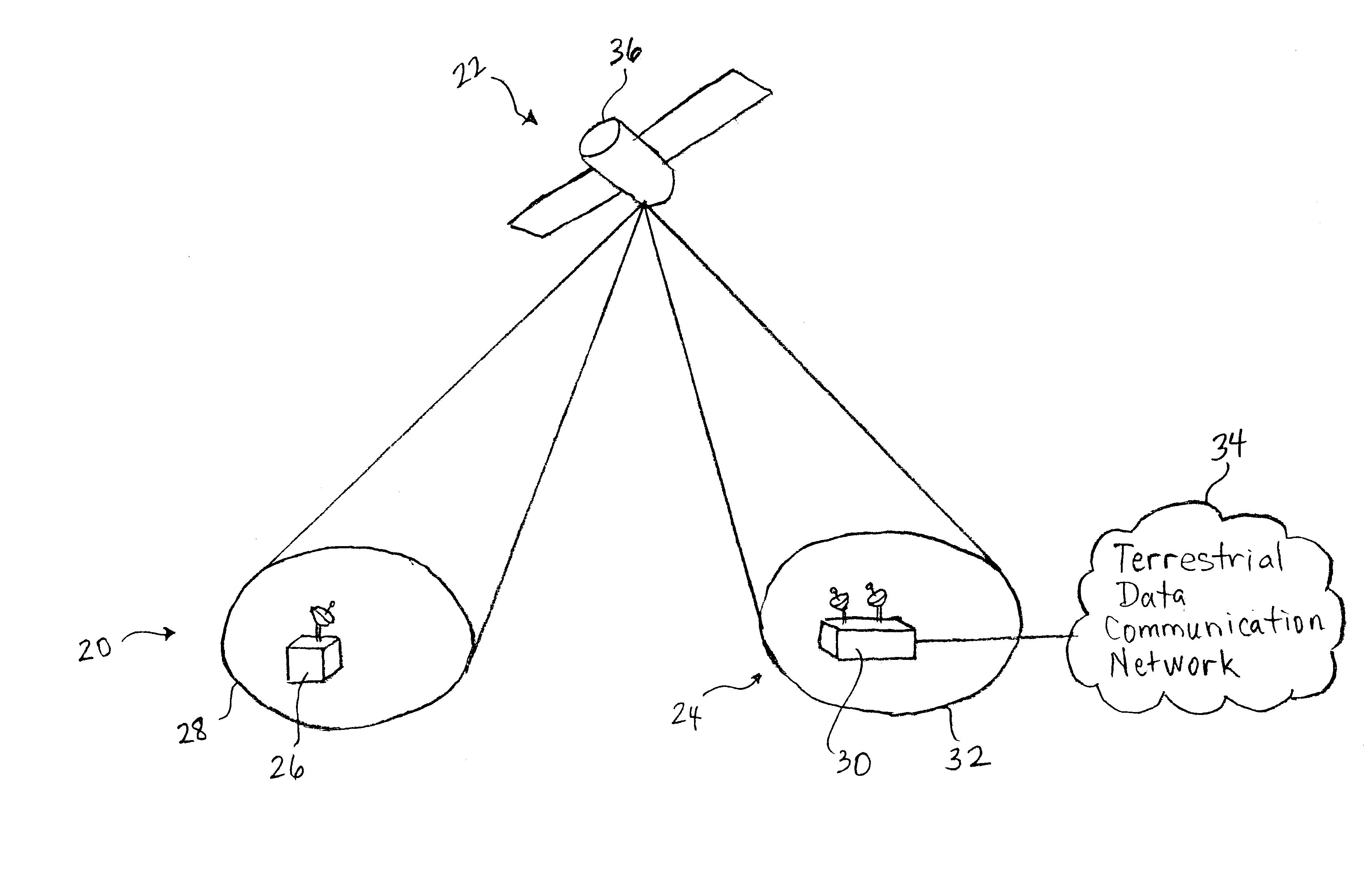
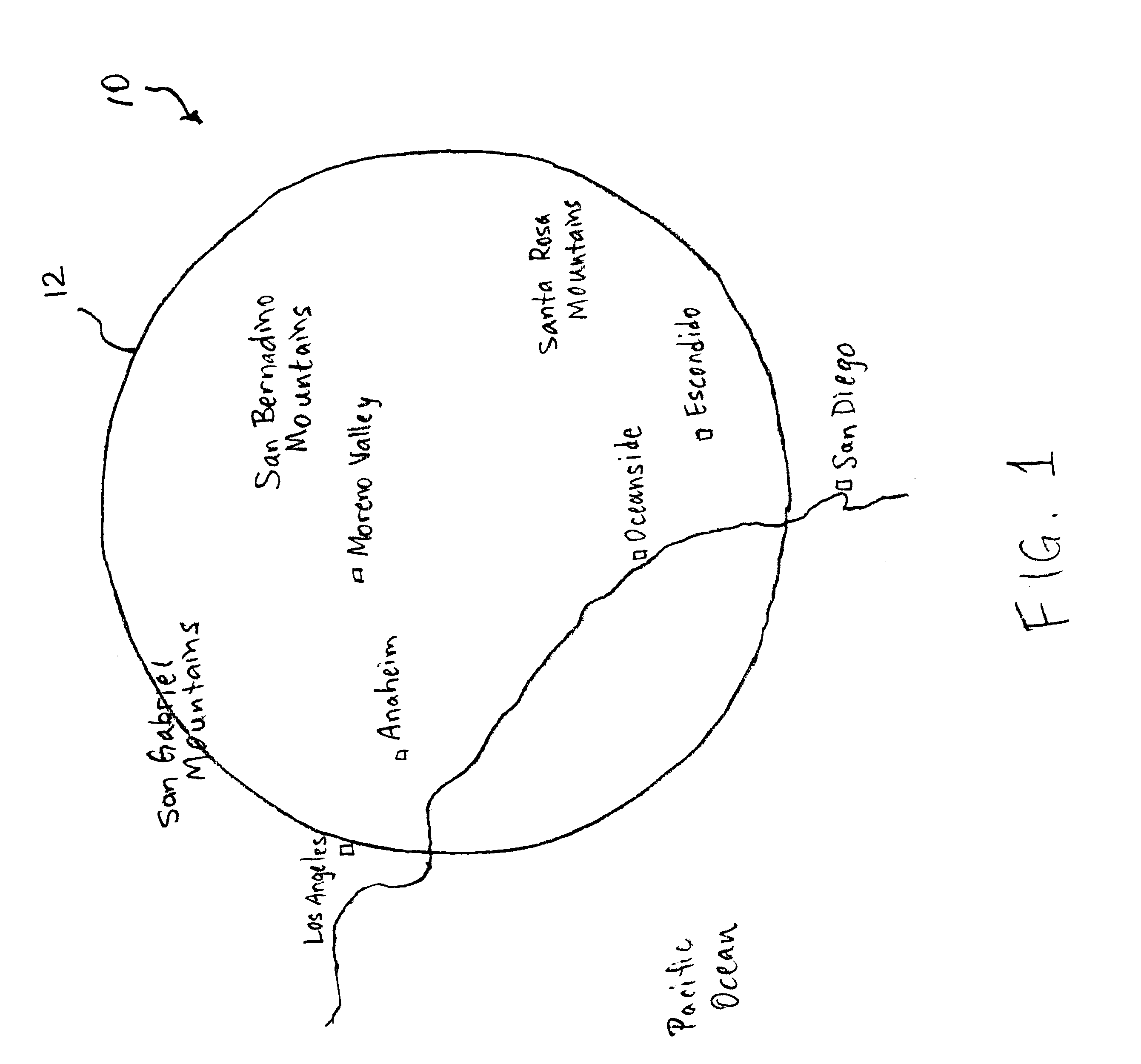
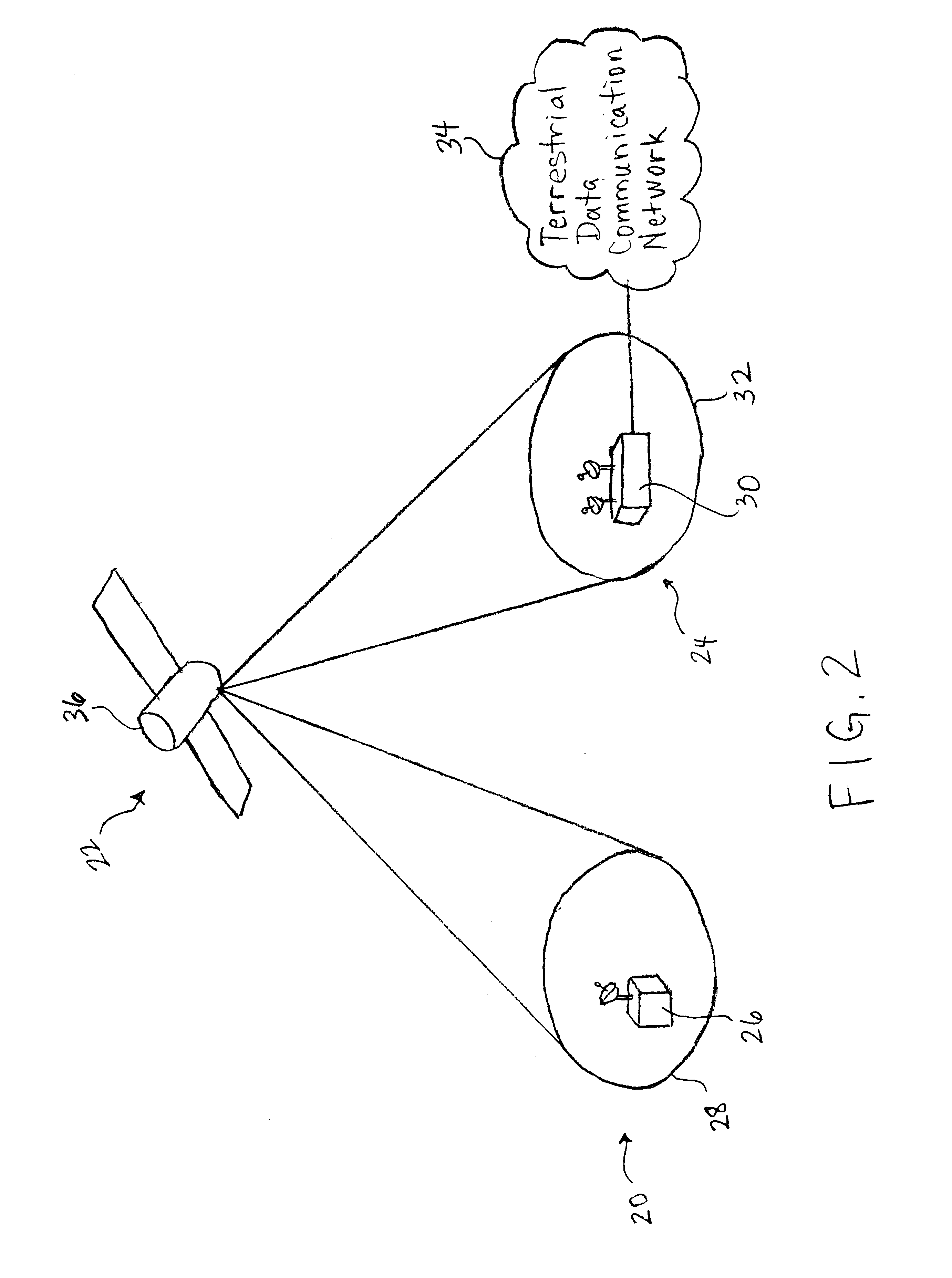

Ground system techniques to support flexible reconfigurable satellite payload operation
PatentActiveUS20230370160A1
Innovation
- A satellite communication system with a reconfigurable payload and terrestrial components that allow dynamic frequency plans and mappings among user beams and gateways, enabling flexible network configurations and resource management.


Spectrum Allocation and Regulatory Framework
Spectrum allocation represents the cornerstone of fixed satellite system expansion, governing how radio frequencies are distributed among various satellite operators and services. The International Telecommunication Union (ITU) serves as the primary global authority, coordinating spectrum assignments through its Radio Regulations framework. This regulatory structure divides the radio spectrum into specific bands designated for satellite communications, including C-band, Ku-band, Ka-band, and emerging V-band frequencies.
The regulatory framework operates through a complex coordination process involving national telecommunications authorities and international bodies. Satellite operators must navigate through multiple approval stages, beginning with domestic licensing from their respective national regulators, followed by ITU coordination procedures to ensure interference-free operations. This process becomes increasingly challenging as orbital slots and frequency bands approach saturation, particularly in commercially valuable geostationary positions.
Regional regulatory variations significantly impact expansion strategies for fixed satellite systems. While the ITU provides overarching guidelines, individual countries maintain sovereignty over spectrum management within their territories. The Federal Communications Commission in the United States, Ofcom in the United Kingdom, and similar bodies worldwide impose additional requirements regarding coverage obligations, interference protection, and service quality standards.
Emerging regulatory trends focus on spectrum efficiency and dynamic allocation mechanisms. Traditional static frequency assignments are evolving toward more flexible approaches, including spectrum sharing arrangements and cognitive radio technologies. These developments aim to accommodate the growing demand for satellite capacity while maintaining interference protection for existing services.
The regulatory landscape also addresses cross-border coordination challenges, particularly for satellite systems serving multiple countries. Bilateral and multilateral agreements facilitate spectrum harmonization across regions, enabling seamless service delivery and reducing regulatory complexity for operators pursuing international expansion strategies.
Future regulatory developments anticipate increased integration between terrestrial and satellite networks, requiring new frameworks for spectrum coexistence and interference mitigation as fixed satellite systems scale to meet growing connectivity demands.
The regulatory framework operates through a complex coordination process involving national telecommunications authorities and international bodies. Satellite operators must navigate through multiple approval stages, beginning with domestic licensing from their respective national regulators, followed by ITU coordination procedures to ensure interference-free operations. This process becomes increasingly challenging as orbital slots and frequency bands approach saturation, particularly in commercially valuable geostationary positions.
Regional regulatory variations significantly impact expansion strategies for fixed satellite systems. While the ITU provides overarching guidelines, individual countries maintain sovereignty over spectrum management within their territories. The Federal Communications Commission in the United States, Ofcom in the United Kingdom, and similar bodies worldwide impose additional requirements regarding coverage obligations, interference protection, and service quality standards.
Emerging regulatory trends focus on spectrum efficiency and dynamic allocation mechanisms. Traditional static frequency assignments are evolving toward more flexible approaches, including spectrum sharing arrangements and cognitive radio technologies. These developments aim to accommodate the growing demand for satellite capacity while maintaining interference protection for existing services.
The regulatory landscape also addresses cross-border coordination challenges, particularly for satellite systems serving multiple countries. Bilateral and multilateral agreements facilitate spectrum harmonization across regions, enabling seamless service delivery and reducing regulatory complexity for operators pursuing international expansion strategies.
Future regulatory developments anticipate increased integration between terrestrial and satellite networks, requiring new frameworks for spectrum coexistence and interference mitigation as fixed satellite systems scale to meet growing connectivity demands.
Orbital Debris and Space Sustainability Considerations
The expansion of fixed satellite systems presents significant challenges related to orbital debris and long-term space sustainability. As constellation sizes increase from hundreds to thousands of satellites, the cumulative impact on the space environment becomes a critical consideration that directly affects scalability processes. Current projections indicate that mega-constellations could contribute substantially to the existing population of over 34,000 tracked objects in Earth orbit, necessitating comprehensive debris mitigation strategies integrated into expansion planning.
Orbital debris poses multifaceted risks to satellite system scalability, including collision probability increases, operational constraints, and potential cascade effects. The Kessler Syndrome phenomenon represents a worst-case scenario where debris density reaches critical thresholds, making certain orbital regions unusable for future missions. Statistical models demonstrate that each additional satellite in congested orbital zones exponentially increases collision risks, creating a mathematical ceiling for sustainable expansion without proper debris management protocols.
Space sustainability considerations encompass both active debris removal technologies and preventive design measures. End-of-life disposal requirements mandate that satellites must deorbit within 25 years post-mission, though industry best practices increasingly favor 5-year disposal timelines. Advanced propulsion systems, drag augmentation devices, and controlled reentry capabilities are becoming standard components in scalable satellite designs, adding complexity and cost considerations to expansion processes.
International regulatory frameworks are evolving to address sustainability challenges in satellite system expansion. The Inter-Agency Space Debris Coordination Committee guidelines and emerging national space policies establish minimum standards for debris mitigation, orbital slot coordination, and collision avoidance procedures. These regulatory requirements directly influence scalability timelines and deployment strategies, as operators must demonstrate compliance with sustainability metrics before receiving expansion approvals.
Technological innovations in space traffic management and autonomous collision avoidance systems are enabling more sustainable expansion approaches. Machine learning algorithms for orbital prediction, distributed sensor networks for debris tracking, and inter-satellite communication protocols for coordinated maneuvering represent key enablers for responsible scalability. These technologies allow constellation operators to maintain operational efficiency while minimizing environmental impact, creating pathways for sustainable growth in increasingly congested orbital environments.
Orbital debris poses multifaceted risks to satellite system scalability, including collision probability increases, operational constraints, and potential cascade effects. The Kessler Syndrome phenomenon represents a worst-case scenario where debris density reaches critical thresholds, making certain orbital regions unusable for future missions. Statistical models demonstrate that each additional satellite in congested orbital zones exponentially increases collision risks, creating a mathematical ceiling for sustainable expansion without proper debris management protocols.
Space sustainability considerations encompass both active debris removal technologies and preventive design measures. End-of-life disposal requirements mandate that satellites must deorbit within 25 years post-mission, though industry best practices increasingly favor 5-year disposal timelines. Advanced propulsion systems, drag augmentation devices, and controlled reentry capabilities are becoming standard components in scalable satellite designs, adding complexity and cost considerations to expansion processes.
International regulatory frameworks are evolving to address sustainability challenges in satellite system expansion. The Inter-Agency Space Debris Coordination Committee guidelines and emerging national space policies establish minimum standards for debris mitigation, orbital slot coordination, and collision avoidance procedures. These regulatory requirements directly influence scalability timelines and deployment strategies, as operators must demonstrate compliance with sustainability metrics before receiving expansion approvals.
Technological innovations in space traffic management and autonomous collision avoidance systems are enabling more sustainable expansion approaches. Machine learning algorithms for orbital prediction, distributed sensor networks for debris tracking, and inter-satellite communication protocols for coordinated maneuvering represent key enablers for responsible scalability. These technologies allow constellation operators to maintain operational efficiency while minimizing environmental impact, creating pathways for sustainable growth in increasingly congested orbital environments.
Unlock deeper insights with Patsnap Eureka Quick Research — get a full tech report to explore trends and direct your research. Try now!
Generate Your Research Report Instantly with AI Agent
Supercharge your innovation with Patsnap Eureka AI Agent Platform!