
Frequency-Locked Loop Applications in Waste Management: Reducing Power Usage
MAR 18, 20269 MIN READ
Generate Your Research Report Instantly with AI Agent
Patsnap Eureka helps you evaluate technical feasibility & market potential.
FLL Technology Background and Waste Management Goals
Frequency-Locked Loop (FLL) technology represents a sophisticated control system that maintains precise frequency synchronization between input and reference signals. Unlike traditional Phase-Locked Loops (PLLs), FLLs demonstrate superior performance in dynamic environments where signal phase variations are significant, making them particularly valuable for applications requiring robust frequency tracking with minimal power consumption. The fundamental principle involves a feedback control mechanism that continuously adjusts the local oscillator frequency to match the reference frequency, eliminating the need for phase alignment that characterizes PLL systems.
The evolution of FLL technology has been driven by the increasing demand for energy-efficient solutions across various industrial sectors. Early implementations focused primarily on telecommunications and signal processing applications, where frequency stability was paramount. However, recent technological advances have expanded FLL applications into environmental monitoring and industrial automation systems, where power efficiency and reliability are critical operational requirements.
In the context of waste management systems, FLL technology addresses several fundamental challenges that have historically plagued the industry. Traditional waste management operations rely heavily on continuous monitoring systems, automated sorting mechanisms, and sensor networks that collectively consume substantial amounts of electrical power. These systems often operate in harsh environmental conditions with varying temperature, humidity, and electromagnetic interference levels, requiring robust control systems that can maintain operational stability while minimizing energy consumption.
The primary technical objectives for implementing FLL technology in waste management applications center on achieving significant power reduction without compromising system performance or reliability. Specific goals include reducing overall system power consumption by 30-40% compared to conventional control systems, while maintaining precise frequency control for critical operations such as conveyor belt synchronization, sensor data acquisition timing, and automated sorting mechanisms.
Furthermore, FLL implementation aims to enhance system resilience in challenging operational environments typical of waste management facilities. These environments often feature high levels of electromagnetic interference from heavy machinery, temperature fluctuations, and dust contamination that can adversely affect traditional control systems. The inherent robustness of FLL technology against phase noise and signal disturbances makes it particularly suitable for these demanding applications.
The integration of FLL technology also supports broader sustainability objectives within waste management operations. By reducing power consumption, facilities can decrease their carbon footprint while simultaneously reducing operational costs. This dual benefit aligns with increasing regulatory pressures for environmental compliance and corporate sustainability initiatives that are becoming increasingly important in the waste management sector.
The evolution of FLL technology has been driven by the increasing demand for energy-efficient solutions across various industrial sectors. Early implementations focused primarily on telecommunications and signal processing applications, where frequency stability was paramount. However, recent technological advances have expanded FLL applications into environmental monitoring and industrial automation systems, where power efficiency and reliability are critical operational requirements.
In the context of waste management systems, FLL technology addresses several fundamental challenges that have historically plagued the industry. Traditional waste management operations rely heavily on continuous monitoring systems, automated sorting mechanisms, and sensor networks that collectively consume substantial amounts of electrical power. These systems often operate in harsh environmental conditions with varying temperature, humidity, and electromagnetic interference levels, requiring robust control systems that can maintain operational stability while minimizing energy consumption.
The primary technical objectives for implementing FLL technology in waste management applications center on achieving significant power reduction without compromising system performance or reliability. Specific goals include reducing overall system power consumption by 30-40% compared to conventional control systems, while maintaining precise frequency control for critical operations such as conveyor belt synchronization, sensor data acquisition timing, and automated sorting mechanisms.
Furthermore, FLL implementation aims to enhance system resilience in challenging operational environments typical of waste management facilities. These environments often feature high levels of electromagnetic interference from heavy machinery, temperature fluctuations, and dust contamination that can adversely affect traditional control systems. The inherent robustness of FLL technology against phase noise and signal disturbances makes it particularly suitable for these demanding applications.
The integration of FLL technology also supports broader sustainability objectives within waste management operations. By reducing power consumption, facilities can decrease their carbon footprint while simultaneously reducing operational costs. This dual benefit aligns with increasing regulatory pressures for environmental compliance and corporate sustainability initiatives that are becoming increasingly important in the waste management sector.
Market Demand for Energy-Efficient Waste Management Systems
The global waste management industry is experiencing unprecedented pressure to reduce operational costs while meeting increasingly stringent environmental regulations. Traditional waste management systems consume substantial amounts of energy through inefficient motor controls, sensor networks, and processing equipment, creating significant operational expenses that directly impact profitability. The integration of frequency-locked loop technology presents a compelling solution to address these energy consumption challenges.
Municipal waste management authorities represent the largest market segment driving demand for energy-efficient solutions. These organizations face mounting pressure from budget constraints and sustainability mandates, making power consumption reduction a critical operational priority. The potential for frequency-locked loops to optimize motor control systems in waste sorting facilities, compactors, and collection vehicles aligns directly with their cost reduction objectives.
Industrial waste generators constitute another significant demand driver, particularly in manufacturing sectors where waste processing represents a substantial operational cost. These facilities require continuous waste handling operations, making energy efficiency improvements through advanced control systems economically attractive. The ability of frequency-locked loops to maintain precise frequency synchronization while reducing power consumption addresses both operational efficiency and environmental compliance requirements.
The commercial waste management sector demonstrates growing interest in technologies that can differentiate service offerings while reducing operational costs. Companies operating large fleets of collection vehicles and processing facilities recognize that energy-efficient technologies can provide competitive advantages through lower service costs and enhanced sustainability credentials.
Emerging smart city initiatives are creating new market opportunities for integrated waste management systems that incorporate advanced control technologies. These projects prioritize energy efficiency and real-time optimization capabilities, creating demand for sophisticated control systems that can adapt to varying operational conditions while minimizing power consumption.
Regulatory frameworks worldwide are increasingly emphasizing energy efficiency in waste management operations. Carbon reduction targets and energy consumption reporting requirements are driving systematic adoption of technologies that can demonstrate measurable power usage improvements. This regulatory environment creates sustained market demand for proven energy-efficient solutions.
The market demand is further amplified by rising energy costs and the need for predictable operational expenses. Frequency-locked loop applications offer quantifiable energy savings that translate directly into reduced operational costs, making the technology attractive across diverse waste management applications and organizational scales.
Municipal waste management authorities represent the largest market segment driving demand for energy-efficient solutions. These organizations face mounting pressure from budget constraints and sustainability mandates, making power consumption reduction a critical operational priority. The potential for frequency-locked loops to optimize motor control systems in waste sorting facilities, compactors, and collection vehicles aligns directly with their cost reduction objectives.
Industrial waste generators constitute another significant demand driver, particularly in manufacturing sectors where waste processing represents a substantial operational cost. These facilities require continuous waste handling operations, making energy efficiency improvements through advanced control systems economically attractive. The ability of frequency-locked loops to maintain precise frequency synchronization while reducing power consumption addresses both operational efficiency and environmental compliance requirements.
The commercial waste management sector demonstrates growing interest in technologies that can differentiate service offerings while reducing operational costs. Companies operating large fleets of collection vehicles and processing facilities recognize that energy-efficient technologies can provide competitive advantages through lower service costs and enhanced sustainability credentials.
Emerging smart city initiatives are creating new market opportunities for integrated waste management systems that incorporate advanced control technologies. These projects prioritize energy efficiency and real-time optimization capabilities, creating demand for sophisticated control systems that can adapt to varying operational conditions while minimizing power consumption.
Regulatory frameworks worldwide are increasingly emphasizing energy efficiency in waste management operations. Carbon reduction targets and energy consumption reporting requirements are driving systematic adoption of technologies that can demonstrate measurable power usage improvements. This regulatory environment creates sustained market demand for proven energy-efficient solutions.
The market demand is further amplified by rising energy costs and the need for predictable operational expenses. Frequency-locked loop applications offer quantifiable energy savings that translate directly into reduced operational costs, making the technology attractive across diverse waste management applications and organizational scales.
Current FLL Implementation Status and Power Challenges
Frequency-Locked Loop (FLL) technology has gained significant traction in waste management applications over the past decade, primarily driven by the need for precise frequency control in sensor networks and monitoring systems. Current implementations predominantly focus on real-time waste level detection, automated sorting mechanisms, and environmental parameter monitoring within waste processing facilities. The technology demonstrates particular strength in maintaining stable frequency references for wireless sensor networks deployed across large waste management infrastructures.
The deployment landscape reveals a concentrated adoption pattern in developed markets, with North America and Europe leading implementation rates at approximately 65% of global installations. Asian markets, particularly Japan and South Korea, account for 25% of deployments, while emerging markets represent the remaining 10%. Most current implementations utilize traditional FLL architectures that consume between 15-30 milliwatts per node, creating substantial cumulative power demands across large-scale deployments.
Power consumption challenges represent the most critical bottleneck in current FLL implementations. Conventional FLL circuits require continuous operation to maintain frequency lock, resulting in baseline power consumption that significantly impacts battery life in remote waste monitoring applications. Field studies indicate that power-related issues account for 40% of system maintenance requirements, with battery replacement cycles averaging 8-12 months in typical deployments.
Temperature stability presents another significant challenge, as waste management environments often experience extreme temperature variations ranging from -20°C to +60°C. Current FLL implementations struggle to maintain frequency accuracy across these ranges while managing power consumption effectively. The temperature coefficient of existing solutions typically ranges from 10-50 ppm/°C, requiring additional compensation circuits that further increase power consumption.
Integration complexity with existing waste management infrastructure poses additional implementation barriers. Legacy systems often lack standardized communication protocols, necessitating custom interface solutions that increase both power requirements and system complexity. Current FLL implementations require dedicated power management units and specialized installation procedures, contributing to higher deployment costs and extended implementation timelines.
Manufacturing scalability constraints limit widespread adoption, as current FLL solutions rely on precision components that increase per-unit costs. Volume production challenges result in pricing structures that make large-scale deployments economically challenging for many waste management operators, particularly in cost-sensitive municipal applications where budget constraints significantly influence technology adoption decisions.
The deployment landscape reveals a concentrated adoption pattern in developed markets, with North America and Europe leading implementation rates at approximately 65% of global installations. Asian markets, particularly Japan and South Korea, account for 25% of deployments, while emerging markets represent the remaining 10%. Most current implementations utilize traditional FLL architectures that consume between 15-30 milliwatts per node, creating substantial cumulative power demands across large-scale deployments.
Power consumption challenges represent the most critical bottleneck in current FLL implementations. Conventional FLL circuits require continuous operation to maintain frequency lock, resulting in baseline power consumption that significantly impacts battery life in remote waste monitoring applications. Field studies indicate that power-related issues account for 40% of system maintenance requirements, with battery replacement cycles averaging 8-12 months in typical deployments.
Temperature stability presents another significant challenge, as waste management environments often experience extreme temperature variations ranging from -20°C to +60°C. Current FLL implementations struggle to maintain frequency accuracy across these ranges while managing power consumption effectively. The temperature coefficient of existing solutions typically ranges from 10-50 ppm/°C, requiring additional compensation circuits that further increase power consumption.
Integration complexity with existing waste management infrastructure poses additional implementation barriers. Legacy systems often lack standardized communication protocols, necessitating custom interface solutions that increase both power requirements and system complexity. Current FLL implementations require dedicated power management units and specialized installation procedures, contributing to higher deployment costs and extended implementation timelines.
Manufacturing scalability constraints limit widespread adoption, as current FLL solutions rely on precision components that increase per-unit costs. Volume production challenges result in pricing structures that make large-scale deployments economically challenging for many waste management operators, particularly in cost-sensitive municipal applications where budget constraints significantly influence technology adoption decisions.
Existing FLL Solutions for Waste System Power Optimization
01 Low-power frequency-locked loop circuit design
Frequency-locked loop circuits can be designed with power-saving features to reduce overall power consumption. These designs may incorporate techniques such as adaptive biasing, duty-cycled operation, or reduced supply voltages. The circuits maintain frequency locking while minimizing current draw, making them suitable for battery-powered and energy-constrained applications. Various circuit topologies and control methods can be employed to achieve optimal power efficiency without compromising locking performance.- Power reduction techniques in frequency-locked loop circuits: Various techniques can be employed to reduce power consumption in frequency-locked loop circuits. These include optimizing the circuit design to minimize current draw, using low-power components, and implementing power gating strategies. Power management schemes can selectively disable unused circuit blocks or reduce supply voltage during low-activity periods. Advanced circuit topologies and adaptive biasing techniques can also contribute to overall power efficiency while maintaining frequency locking performance.
- Frequency-locked loop applications in clock generation and distribution: Frequency-locked loops are widely used in clock generation and distribution systems to provide stable and synchronized clock signals. These circuits can generate multiple clock frequencies from a single reference source while maintaining phase and frequency relationships. The power consumption in such applications depends on the number of output clocks, operating frequency, and load capacitance. Efficient clock distribution architectures can minimize power usage by reducing switching activity and optimizing buffer sizing.
- Low-power frequency synthesis using frequency-locked loops: Frequency synthesis applications utilize frequency-locked loops to generate precise output frequencies with minimal power consumption. These systems employ various architectures including injection-locked oscillators and divider-based frequency multipliers. Power efficiency can be improved through careful selection of loop bandwidth, division ratios, and oscillator design. Techniques such as dynamic frequency scaling and adaptive loop control can further reduce power usage based on operating conditions and performance requirements.
- Frequency-locked loop power management in wireless communication systems: In wireless communication systems, frequency-locked loops play a critical role in frequency synthesis and signal processing while contributing significantly to overall power consumption. Power management strategies include duty-cycling the loop during idle periods, using fractional division techniques, and implementing fast lock mechanisms to reduce settling time. Advanced architectures may incorporate multiple loops with different power-performance trade-offs that can be selected based on operational requirements.
- Circuit implementations for power-efficient frequency locking: Specific circuit implementations can significantly impact the power efficiency of frequency-locked loops. These include the use of current-starved oscillators, charge pump optimization, and low-power phase detectors. Digital control techniques and calibration methods can enhance power efficiency by reducing static current consumption and improving lock acquisition speed. Integration of frequency-locked loops with other system components and the use of advanced semiconductor processes also contribute to reduced power usage.
02 Power management in frequency-locked loop systems
Power management techniques can be implemented in frequency-locked loop systems to dynamically control power consumption based on operational requirements. These techniques may include selective activation of circuit blocks, power gating, or clock gating when the loop is in a locked state. The power management circuitry monitors the loop status and adjusts power delivery accordingly, reducing unnecessary power dissipation during idle or stable operating conditions while ensuring rapid response when frequency adjustments are needed.Expand Specific Solutions03 Frequency-locked loop with reduced component count
Simplified frequency-locked loop architectures with reduced component counts can achieve lower power consumption by eliminating unnecessary circuit elements. These designs optimize the loop structure to use fewer active components such as amplifiers, comparators, or dividers, thereby reducing static and dynamic power dissipation. The simplified topology maintains adequate frequency tracking performance while offering advantages in terms of chip area, cost, and power efficiency.Expand Specific Solutions04 Digital frequency-locked loop power optimization
Digital implementations of frequency-locked loops offer opportunities for power optimization through digital circuit techniques. These systems may utilize digital signal processing algorithms, digital control loops, and digital frequency detection methods that can be optimized for low power operation. The digital approach allows for fine-grained power management, voltage scaling, and the use of advanced semiconductor process nodes that provide better power efficiency compared to traditional analog implementations.Expand Specific Solutions05 Frequency-locked loop power supply regulation
Proper power supply regulation and distribution in frequency-locked loop circuits is essential for minimizing power consumption while maintaining stable operation. Techniques include the use of low-dropout regulators, switched-mode power supplies, or on-chip voltage regulators specifically designed for the loop circuitry. The power supply design considers noise sensitivity, transient response, and efficiency to ensure that the frequency-locked loop operates reliably with minimal power overhead from the supply circuitry itself.Expand Specific Solutions
Key Players in FLL-Based Waste Management Solutions
The frequency-locked loop applications in waste management for power reduction represent an emerging niche within the broader power management semiconductor market, currently in early development stages. The market shows significant growth potential as sustainability demands drive innovation in energy-efficient waste processing systems. Technology maturity varies considerably across key players, with established semiconductor giants like Intel Corp., Advanced Micro Devices, and Texas Instruments providing foundational circuit technologies, while specialized firms like Infineon Technologies and STMicroelectronics focus on power management solutions. Research institutions including Tsinghua University, Zhejiang University, and Shanghai Integrated Circuit Research & Development Center are advancing theoretical frameworks, whereas companies like Battelle Memorial Institute and ABB Oy are developing practical implementation strategies. The competitive landscape indicates a convergence of traditional semiconductor expertise with emerging environmental technology applications, suggesting robust future market expansion.
Intel Corp.
Technical Solution: Intel develops advanced frequency-locked loop (FLL) circuits integrated into their low-power processors and IoT solutions for waste management applications. Their FLL technology automatically adjusts operating frequencies based on workload demands, reducing power consumption by up to 40% in sensor networks and waste monitoring systems. The company's 10nm and 7nm process technologies enable precise frequency control with minimal power overhead, making their solutions ideal for battery-powered waste collection sensors and smart bin monitoring systems that require extended operational lifespans.
Strengths: Industry-leading process technology, extensive IoT ecosystem integration, proven power efficiency gains. Weaknesses: Higher cost compared to specialized solutions, complex integration requirements for simple waste management applications.
Texas Instruments Incorporated
Technical Solution: Texas Instruments specializes in analog and mixed-signal FLL solutions specifically designed for industrial and environmental monitoring applications. Their MSP430 and SimpleLink microcontroller families incorporate adaptive FLL circuits that can reduce power consumption by 60-80% in waste management sensor networks. The company's FLL implementations feature ultra-low standby current consumption (sub-microamp levels) and rapid wake-up capabilities, enabling waste monitoring devices to operate for years on single battery charges while maintaining accurate timing and communication protocols.
Strengths: Ultra-low power consumption, cost-effective solutions, extensive application support for industrial IoT. Weaknesses: Limited high-performance computing capabilities, smaller ecosystem compared to major competitors.
Core FLL Patents for Waste Management Power Reduction
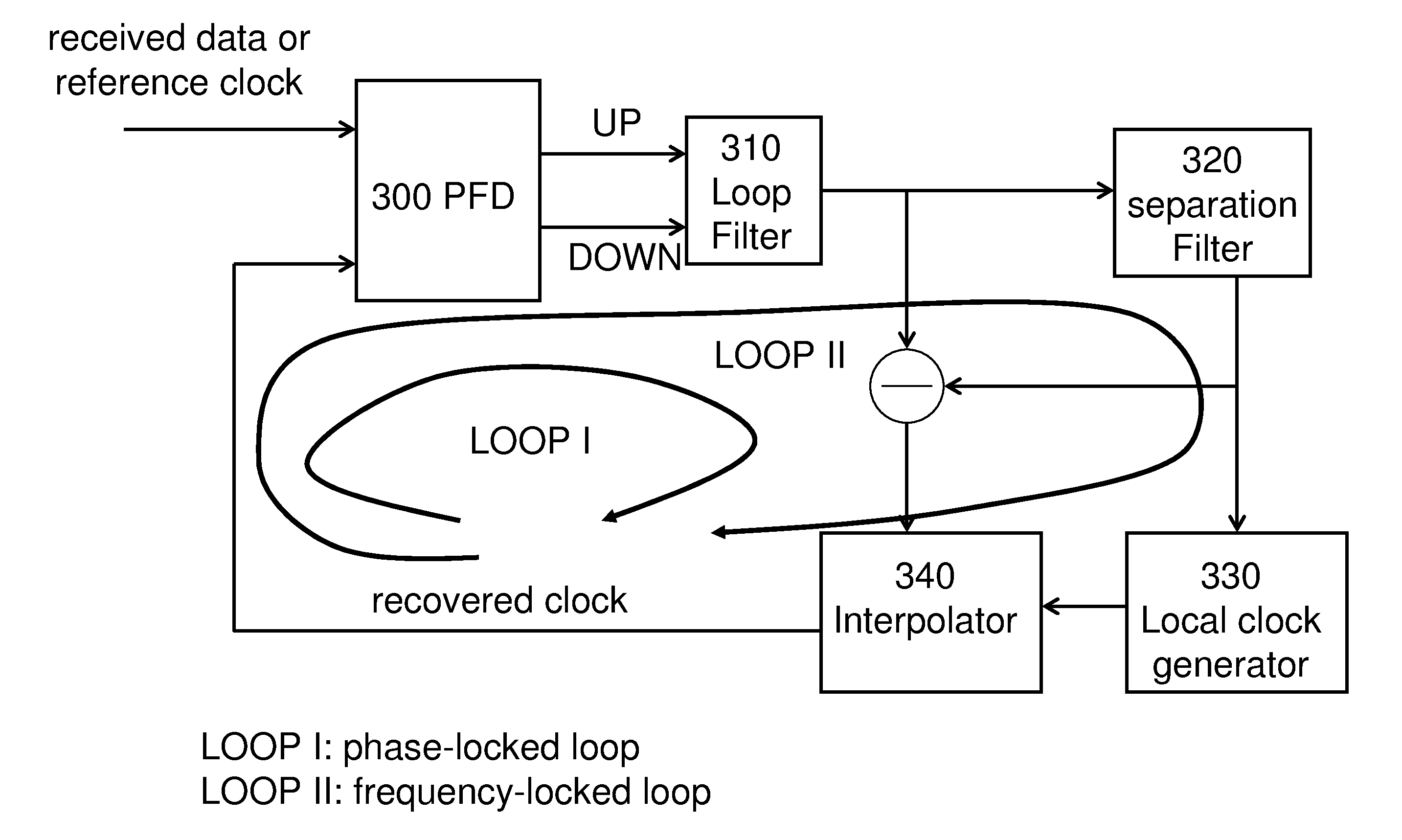
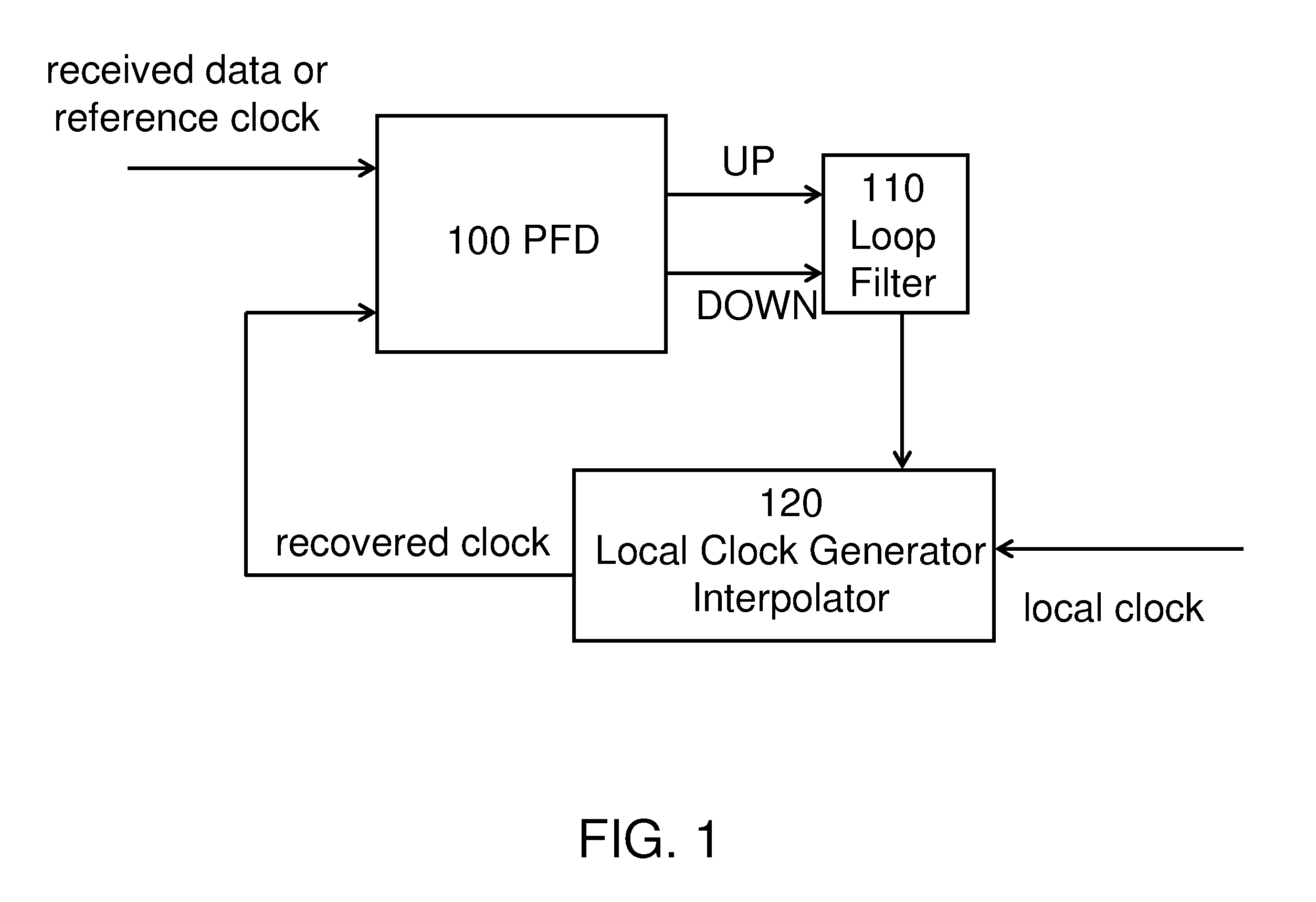
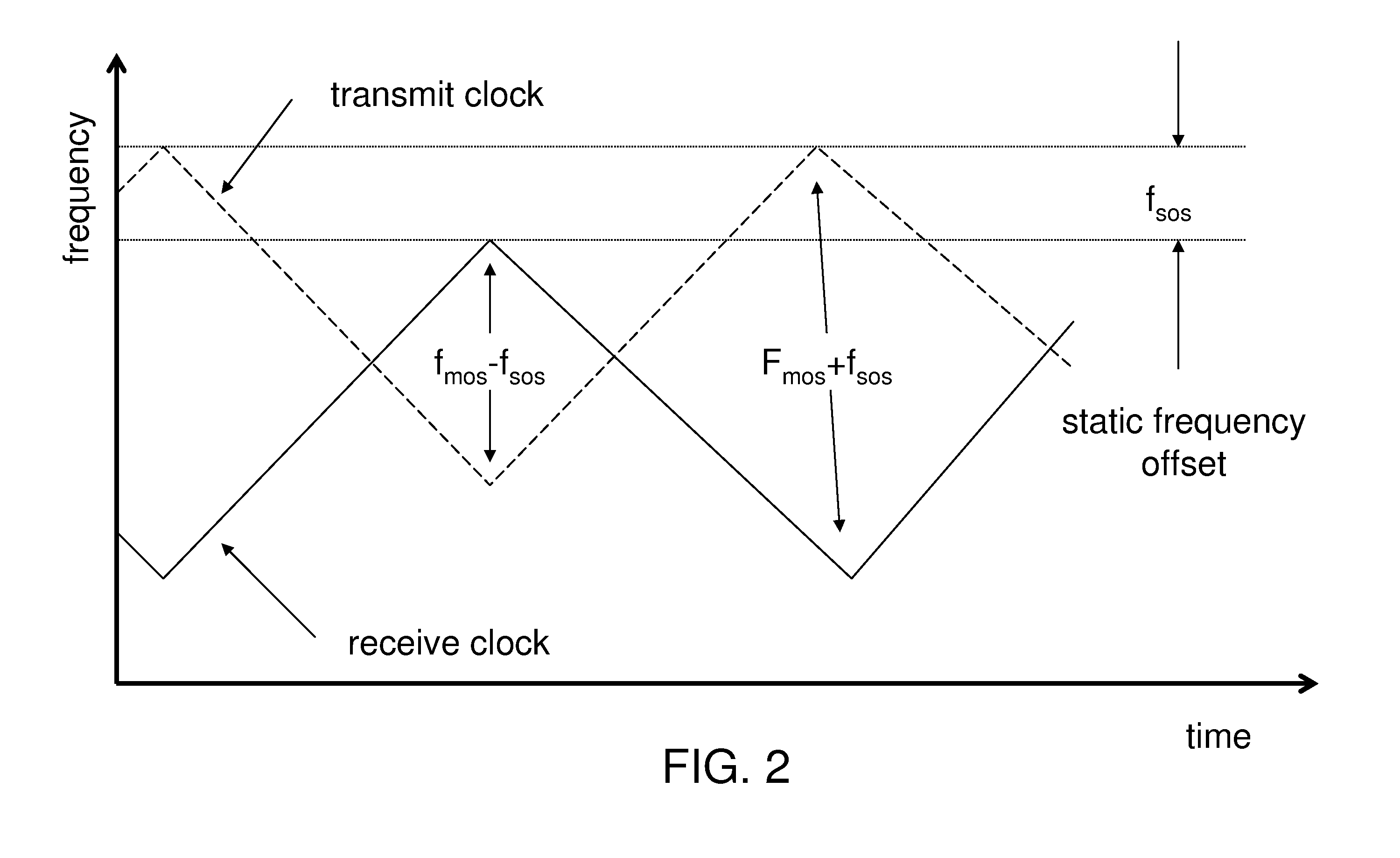
Frequency Offset Tracking and Jitter Reduction Method Using Dual Frequency-locked Loop and Phase-locked Loop
PatentInactiveUS20120200324A1
Innovation
- A dual frequency-locked loop and phase-locked loop technique is employed, where a phase frequency detector generates phase errors, and low-pass filtering separates low-frequency and high-frequency errors, allowing a low-bandwidth frequency-locked loop to track static or modulated offsets without requiring high loop gain or bandwidth, thereby reducing intrinsic jitter.

Frequency locked-loop using a microcontroller as a comparator
PatentInactiveUS5705955A
Innovation
- A low power, low cost frequency synthesis apparatus using a frequency-locked loop (FLL) circuit with a controllable oscillator, sampler, divider, microprocessor, D/A converter, and filter, which performs non-continuous frequency correction by sampling and adjusting the oscillator output only when necessary, reducing power consumption by disabling components during idle periods.


Environmental Regulations Impact on FLL Waste Systems
Environmental regulations have emerged as a critical driving force shaping the development and deployment of Frequency-Locked Loop (FLL) waste management systems. The regulatory landscape encompasses multiple jurisdictions with varying requirements for energy efficiency, electromagnetic compatibility, and operational safety standards. These regulations directly influence the design parameters and implementation strategies for FLL-based waste processing equipment.
The European Union's Waste Framework Directive and the United States Environmental Protection Agency's Resource Conservation and Recovery Act establish stringent energy consumption thresholds for industrial waste processing equipment. These regulations mandate specific power usage effectiveness ratios, compelling manufacturers to integrate advanced FLL technologies that can achieve precise frequency control while minimizing energy consumption. Compliance requirements often specify maximum allowable power draw per unit of waste processed, creating direct incentives for FLL optimization.
Electromagnetic interference regulations, particularly FCC Part 15 in the United States and EN 55011 in Europe, significantly impact FLL circuit design in waste management applications. These standards require sophisticated filtering and shielding mechanisms that can affect overall system power consumption. The regulatory emphasis on reducing electromagnetic emissions has led to the development of low-power FLL architectures that maintain frequency stability while operating within strict emission limits.
Safety regulations governing hazardous waste processing facilities impose additional constraints on FLL system design. The National Fire Protection Association's standards and similar international codes require fail-safe mechanisms and redundant control systems, influencing the power management strategies within FLL circuits. These safety requirements often necessitate continuous monitoring capabilities that must be balanced against power reduction objectives.
Recent regulatory trends indicate increasing focus on carbon footprint reduction and circular economy principles. The proposed EU Green Deal legislation and similar initiatives worldwide are expected to introduce more stringent energy efficiency requirements for waste processing equipment. These emerging regulations will likely accelerate the adoption of advanced FLL technologies capable of achieving ultra-low power operation while maintaining precise frequency control necessary for optimal waste processing efficiency.
The European Union's Waste Framework Directive and the United States Environmental Protection Agency's Resource Conservation and Recovery Act establish stringent energy consumption thresholds for industrial waste processing equipment. These regulations mandate specific power usage effectiveness ratios, compelling manufacturers to integrate advanced FLL technologies that can achieve precise frequency control while minimizing energy consumption. Compliance requirements often specify maximum allowable power draw per unit of waste processed, creating direct incentives for FLL optimization.
Electromagnetic interference regulations, particularly FCC Part 15 in the United States and EN 55011 in Europe, significantly impact FLL circuit design in waste management applications. These standards require sophisticated filtering and shielding mechanisms that can affect overall system power consumption. The regulatory emphasis on reducing electromagnetic emissions has led to the development of low-power FLL architectures that maintain frequency stability while operating within strict emission limits.
Safety regulations governing hazardous waste processing facilities impose additional constraints on FLL system design. The National Fire Protection Association's standards and similar international codes require fail-safe mechanisms and redundant control systems, influencing the power management strategies within FLL circuits. These safety requirements often necessitate continuous monitoring capabilities that must be balanced against power reduction objectives.
Recent regulatory trends indicate increasing focus on carbon footprint reduction and circular economy principles. The proposed EU Green Deal legislation and similar initiatives worldwide are expected to introduce more stringent energy efficiency requirements for waste processing equipment. These emerging regulations will likely accelerate the adoption of advanced FLL technologies capable of achieving ultra-low power operation while maintaining precise frequency control necessary for optimal waste processing efficiency.
Sustainability Metrics for FLL-Enhanced Waste Management
The integration of Frequency-Locked Loop technology in waste management systems necessitates comprehensive sustainability metrics to evaluate environmental impact and operational efficiency. These metrics serve as critical benchmarks for assessing the true value proposition of FLL-enhanced waste management solutions beyond traditional performance indicators.
Energy efficiency metrics form the cornerstone of sustainability assessment for FLL-enhanced systems. Primary indicators include power consumption reduction percentages, measured against baseline conventional systems, and energy intensity ratios expressed as kilowatt-hours per ton of processed waste. Real-time power monitoring capabilities enabled by FLL technology allow for precise measurement of instantaneous power draw variations and peak demand reduction achievements.
Carbon footprint reduction represents another vital sustainability dimension. Direct emissions reductions stem from decreased electricity consumption, while indirect benefits emerge from improved waste processing efficiency and reduced transportation requirements. Quantitative metrics include CO2 equivalent reductions per operational cycle and lifecycle carbon intensity assessments comparing FLL-enhanced systems to traditional alternatives.
Operational sustainability metrics encompass equipment longevity and maintenance frequency improvements. FLL technology's precise frequency control reduces mechanical stress on waste processing equipment, extending operational lifespans and decreasing replacement part requirements. Key performance indicators include mean time between failures, maintenance cost reductions, and equipment utilization efficiency improvements.
Resource optimization metrics evaluate material recovery rates and processing throughput enhancements. FLL-controlled systems demonstrate improved sorting accuracy and contamination reduction, leading to higher quality recyclable outputs. Measurable parameters include material recovery percentages, contamination rates in sorted streams, and processing speed optimization ratios.
Economic sustainability indicators bridge environmental benefits with financial viability. Return on investment calculations incorporate energy cost savings, maintenance reduction benefits, and improved material recovery revenues. Total cost of ownership assessments provide comprehensive economic impact evaluations over extended operational periods.
System reliability and uptime metrics reflect operational sustainability through reduced downtime incidents and improved process consistency. FLL technology's stable frequency control minimizes system disruptions and enhances predictive maintenance capabilities, contributing to overall sustainability through optimized resource utilization and reduced emergency intervention requirements.
Energy efficiency metrics form the cornerstone of sustainability assessment for FLL-enhanced systems. Primary indicators include power consumption reduction percentages, measured against baseline conventional systems, and energy intensity ratios expressed as kilowatt-hours per ton of processed waste. Real-time power monitoring capabilities enabled by FLL technology allow for precise measurement of instantaneous power draw variations and peak demand reduction achievements.
Carbon footprint reduction represents another vital sustainability dimension. Direct emissions reductions stem from decreased electricity consumption, while indirect benefits emerge from improved waste processing efficiency and reduced transportation requirements. Quantitative metrics include CO2 equivalent reductions per operational cycle and lifecycle carbon intensity assessments comparing FLL-enhanced systems to traditional alternatives.
Operational sustainability metrics encompass equipment longevity and maintenance frequency improvements. FLL technology's precise frequency control reduces mechanical stress on waste processing equipment, extending operational lifespans and decreasing replacement part requirements. Key performance indicators include mean time between failures, maintenance cost reductions, and equipment utilization efficiency improvements.
Resource optimization metrics evaluate material recovery rates and processing throughput enhancements. FLL-controlled systems demonstrate improved sorting accuracy and contamination reduction, leading to higher quality recyclable outputs. Measurable parameters include material recovery percentages, contamination rates in sorted streams, and processing speed optimization ratios.
Economic sustainability indicators bridge environmental benefits with financial viability. Return on investment calculations incorporate energy cost savings, maintenance reduction benefits, and improved material recovery revenues. Total cost of ownership assessments provide comprehensive economic impact evaluations over extended operational periods.
System reliability and uptime metrics reflect operational sustainability through reduced downtime incidents and improved process consistency. FLL technology's stable frequency control minimizes system disruptions and enhances predictive maintenance capabilities, contributing to overall sustainability through optimized resource utilization and reduced emergency intervention requirements.
Unlock deeper insights with Patsnap Eureka Quick Research — get a full tech report to explore trends and direct your research. Try now!
Generate Your Research Report Instantly with AI Agent
Supercharge your innovation with Patsnap Eureka AI Agent Platform!