How Adaptive Network Control Enhances Real-Time Analytics
MAR 18, 20269 MIN READ
Generate Your Research Report Instantly with AI Agent
Patsnap Eureka helps you evaluate technical feasibility & market potential.
Adaptive Network Control Background and Objectives
Adaptive network control represents a paradigm shift in network management, emerging from the convergence of software-defined networking, machine learning, and real-time data processing technologies. This approach fundamentally transforms traditional static network configurations into dynamic, intelligent systems capable of self-optimization based on real-time conditions and analytical requirements.
The evolution of adaptive network control stems from the limitations of conventional network architectures in supporting modern data-intensive applications. Traditional networks operate with fixed configurations and manual intervention requirements, creating bottlenecks that significantly impact real-time analytics performance. As organizations increasingly rely on immediate data insights for critical decision-making, the need for networks that can dynamically adjust to analytical workloads has become paramount.
The core principle underlying adaptive network control involves continuous monitoring of network performance metrics, traffic patterns, and application requirements. Through sophisticated algorithms and machine learning models, these systems can predict network congestion, identify optimal routing paths, and automatically reconfigure network resources to maintain optimal performance for real-time analytics applications.
The primary objective of implementing adaptive network control for real-time analytics enhancement centers on achieving consistent, low-latency data transmission while maximizing network throughput. This involves minimizing packet loss, reducing jitter, and ensuring predictable network behavior even under varying load conditions. The system aims to create a responsive network infrastructure that can adapt to changing analytical demands without human intervention.
Another critical objective focuses on resource optimization across the entire network ecosystem. Adaptive control mechanisms seek to intelligently allocate bandwidth, processing power, and storage resources based on real-time analytical priorities. This ensures that mission-critical analytics applications receive necessary network resources while maintaining overall system efficiency.
The technology also aims to provide seamless scalability for growing analytical workloads. As organizations expand their real-time analytics capabilities, adaptive network control systems must accommodate increased data volumes, additional analytical processes, and evolving performance requirements without degrading service quality.
Furthermore, adaptive network control objectives include enhancing network resilience and fault tolerance. By continuously monitoring network health and maintaining alternative routing strategies, these systems can quickly respond to network failures or performance degradation, ensuring uninterrupted real-time analytics operations.
The ultimate goal encompasses creating an intelligent network infrastructure that serves as an enabler rather than a constraint for real-time analytics, transforming network management from a reactive maintenance activity into a proactive optimization process that directly contributes to analytical accuracy and business value generation.
The evolution of adaptive network control stems from the limitations of conventional network architectures in supporting modern data-intensive applications. Traditional networks operate with fixed configurations and manual intervention requirements, creating bottlenecks that significantly impact real-time analytics performance. As organizations increasingly rely on immediate data insights for critical decision-making, the need for networks that can dynamically adjust to analytical workloads has become paramount.
The core principle underlying adaptive network control involves continuous monitoring of network performance metrics, traffic patterns, and application requirements. Through sophisticated algorithms and machine learning models, these systems can predict network congestion, identify optimal routing paths, and automatically reconfigure network resources to maintain optimal performance for real-time analytics applications.
The primary objective of implementing adaptive network control for real-time analytics enhancement centers on achieving consistent, low-latency data transmission while maximizing network throughput. This involves minimizing packet loss, reducing jitter, and ensuring predictable network behavior even under varying load conditions. The system aims to create a responsive network infrastructure that can adapt to changing analytical demands without human intervention.
Another critical objective focuses on resource optimization across the entire network ecosystem. Adaptive control mechanisms seek to intelligently allocate bandwidth, processing power, and storage resources based on real-time analytical priorities. This ensures that mission-critical analytics applications receive necessary network resources while maintaining overall system efficiency.
The technology also aims to provide seamless scalability for growing analytical workloads. As organizations expand their real-time analytics capabilities, adaptive network control systems must accommodate increased data volumes, additional analytical processes, and evolving performance requirements without degrading service quality.
Furthermore, adaptive network control objectives include enhancing network resilience and fault tolerance. By continuously monitoring network health and maintaining alternative routing strategies, these systems can quickly respond to network failures or performance degradation, ensuring uninterrupted real-time analytics operations.
The ultimate goal encompasses creating an intelligent network infrastructure that serves as an enabler rather than a constraint for real-time analytics, transforming network management from a reactive maintenance activity into a proactive optimization process that directly contributes to analytical accuracy and business value generation.
Real-Time Analytics Market Demand Analysis
The global real-time analytics market is experiencing unprecedented growth driven by the exponential increase in data generation and the critical need for instantaneous decision-making across industries. Organizations are increasingly recognizing that traditional batch processing methods are insufficient for modern business requirements, where millisecond delays can result in significant competitive disadvantages or operational failures.
Financial services represent one of the most demanding sectors for real-time analytics capabilities. High-frequency trading, fraud detection, and risk management systems require sub-millisecond response times to remain effective. The banking industry's adoption of real-time payment systems and regulatory compliance requirements for immediate transaction monitoring have created substantial demand for enhanced analytical infrastructure.
Manufacturing and industrial IoT applications constitute another major demand driver. Smart factories require continuous monitoring of production lines, predictive maintenance systems, and quality control processes that depend on real-time data analysis. The integration of adaptive network control mechanisms becomes crucial when managing thousands of sensors and actuators that generate continuous data streams requiring immediate processing and response.
Telecommunications and network infrastructure providers face increasing pressure to deliver consistent service quality while managing complex, dynamic network conditions. The proliferation of 5G networks, edge computing deployments, and Internet of Things devices has created scenarios where traditional static network configurations cannot adequately support real-time analytics workloads.
Healthcare systems are experiencing growing demand for real-time patient monitoring, emergency response coordination, and medical device integration. Critical care environments require instantaneous data processing capabilities where network performance directly impacts patient outcomes, making adaptive control mechanisms essential for maintaining reliable analytics performance.
The emergence of autonomous systems across transportation, logistics, and smart city applications has further intensified market demand. These systems require continuous real-time processing of sensor data, environmental conditions, and operational parameters, where network performance variations can compromise safety and efficiency.
Market research indicates that organizations are increasingly willing to invest in advanced network control technologies that can guarantee consistent real-time analytics performance. The shift toward hybrid cloud architectures and distributed computing environments has created complex network scenarios where adaptive control becomes necessary rather than optional for maintaining analytical capabilities.
Financial services represent one of the most demanding sectors for real-time analytics capabilities. High-frequency trading, fraud detection, and risk management systems require sub-millisecond response times to remain effective. The banking industry's adoption of real-time payment systems and regulatory compliance requirements for immediate transaction monitoring have created substantial demand for enhanced analytical infrastructure.
Manufacturing and industrial IoT applications constitute another major demand driver. Smart factories require continuous monitoring of production lines, predictive maintenance systems, and quality control processes that depend on real-time data analysis. The integration of adaptive network control mechanisms becomes crucial when managing thousands of sensors and actuators that generate continuous data streams requiring immediate processing and response.
Telecommunications and network infrastructure providers face increasing pressure to deliver consistent service quality while managing complex, dynamic network conditions. The proliferation of 5G networks, edge computing deployments, and Internet of Things devices has created scenarios where traditional static network configurations cannot adequately support real-time analytics workloads.
Healthcare systems are experiencing growing demand for real-time patient monitoring, emergency response coordination, and medical device integration. Critical care environments require instantaneous data processing capabilities where network performance directly impacts patient outcomes, making adaptive control mechanisms essential for maintaining reliable analytics performance.
The emergence of autonomous systems across transportation, logistics, and smart city applications has further intensified market demand. These systems require continuous real-time processing of sensor data, environmental conditions, and operational parameters, where network performance variations can compromise safety and efficiency.
Market research indicates that organizations are increasingly willing to invest in advanced network control technologies that can guarantee consistent real-time analytics performance. The shift toward hybrid cloud architectures and distributed computing environments has created complex network scenarios where adaptive control becomes necessary rather than optional for maintaining analytical capabilities.
Current Network Control Limitations for Real-Time Processing
Traditional network control systems face significant challenges when supporting real-time analytics workloads, primarily due to their static and reactive nature. These systems typically operate with fixed configurations that cannot dynamically adjust to changing traffic patterns, data volumes, or processing requirements. When analytics applications experience sudden spikes in data ingestion or require immediate computational resources, conventional network controllers struggle to provide the necessary bandwidth allocation and routing optimization in real-time.
Latency remains one of the most critical limitations in current network infrastructures. Static routing protocols often direct traffic through predetermined paths regardless of current network conditions, leading to congestion bottlenecks that can delay time-sensitive analytics data by hundreds of milliseconds or more. This delay becomes particularly problematic for applications requiring sub-second response times, such as fraud detection systems, autonomous vehicle networks, or high-frequency trading platforms where even minor delays can result in significant operational or financial losses.
Quality of Service (QoS) management in existing network control systems lacks the granularity and responsiveness needed for diverse real-time analytics workloads. Current QoS implementations typically use broad traffic classifications that cannot distinguish between different types of analytics data streams or adjust priorities based on real-time processing requirements. This limitation results in suboptimal resource allocation where less critical data may consume bandwidth needed for urgent analytics tasks.
Scalability constraints further compound these issues as traditional network control architectures struggle to handle the exponential growth in data volumes generated by IoT devices, sensors, and distributed analytics systems. The centralized nature of many current network controllers creates single points of failure and processing bottlenecks that cannot efficiently manage the distributed, high-velocity data flows characteristic of modern real-time analytics environments.
Network visibility and monitoring capabilities in conventional systems also present significant limitations. Most existing network control solutions provide only periodic snapshots of network performance rather than continuous, real-time monitoring of traffic flows, congestion points, and resource utilization. This lack of immediate visibility prevents proactive network optimization and forces reactive responses to performance degradation that may have already impacted analytics processing outcomes.
Latency remains one of the most critical limitations in current network infrastructures. Static routing protocols often direct traffic through predetermined paths regardless of current network conditions, leading to congestion bottlenecks that can delay time-sensitive analytics data by hundreds of milliseconds or more. This delay becomes particularly problematic for applications requiring sub-second response times, such as fraud detection systems, autonomous vehicle networks, or high-frequency trading platforms where even minor delays can result in significant operational or financial losses.
Quality of Service (QoS) management in existing network control systems lacks the granularity and responsiveness needed for diverse real-time analytics workloads. Current QoS implementations typically use broad traffic classifications that cannot distinguish between different types of analytics data streams or adjust priorities based on real-time processing requirements. This limitation results in suboptimal resource allocation where less critical data may consume bandwidth needed for urgent analytics tasks.
Scalability constraints further compound these issues as traditional network control architectures struggle to handle the exponential growth in data volumes generated by IoT devices, sensors, and distributed analytics systems. The centralized nature of many current network controllers creates single points of failure and processing bottlenecks that cannot efficiently manage the distributed, high-velocity data flows characteristic of modern real-time analytics environments.
Network visibility and monitoring capabilities in conventional systems also present significant limitations. Most existing network control solutions provide only periodic snapshots of network performance rather than continuous, real-time monitoring of traffic flows, congestion points, and resource utilization. This lack of immediate visibility prevents proactive network optimization and forces reactive responses to performance degradation that may have already impacted analytics processing outcomes.
Current Adaptive Network Control Solutions
01 Real-time network traffic monitoring and analysis
Systems and methods for continuously monitoring network traffic patterns and analyzing data flows in real-time to detect anomalies, congestion, and performance issues. These solutions employ advanced analytics engines that process streaming data to provide immediate insights into network behavior, enabling proactive identification of potential problems before they impact service quality.- Machine learning-based adaptive network optimization: Systems and methods that employ machine learning algorithms to dynamically optimize network performance through real-time analysis of traffic patterns and network conditions. These approaches utilize predictive models to anticipate network congestion and automatically adjust routing, bandwidth allocation, and quality of service parameters. The adaptive mechanisms continuously learn from historical data and current network states to improve decision-making accuracy and response times.
- Real-time network traffic monitoring and analytics: Technologies for collecting, processing, and analyzing network traffic data in real-time to provide actionable insights for network management. These solutions implement distributed monitoring agents and centralized analytics engines that process large volumes of network telemetry data with minimal latency. The systems enable immediate detection of anomalies, performance degradation, and security threats through continuous stream processing and pattern recognition.
- Dynamic resource allocation and load balancing: Adaptive control mechanisms that automatically distribute network resources and balance loads across multiple nodes or paths based on real-time analytics. These systems monitor resource utilization metrics and application requirements to dynamically reassign computational resources, adjust traffic distribution, and optimize network capacity. The approaches ensure efficient resource utilization while maintaining service level agreements and minimizing latency.
- Predictive network failure detection and prevention: Advanced analytics systems that leverage historical and real-time data to predict potential network failures before they occur. These solutions analyze various network parameters, performance indicators, and environmental factors to identify early warning signs of equipment failures, capacity issues, or service degradation. Proactive alerting and automated remediation actions help prevent outages and maintain network reliability.
- Intelligent network policy enforcement and adaptation: Systems that implement context-aware policy management with the ability to automatically adjust network policies based on real-time conditions and analytics insights. These frameworks combine rule-based engines with adaptive algorithms to enforce security policies, access controls, and traffic management rules that respond to changing network states. The intelligent policy systems balance security requirements with performance optimization through continuous monitoring and dynamic policy updates.
02 Adaptive bandwidth allocation and quality of service management
Technologies for dynamically adjusting network resources based on real-time analytics of traffic demands and application requirements. These systems automatically optimize bandwidth distribution, prioritize critical applications, and adjust quality of service parameters to maintain optimal network performance under varying load conditions.Expand Specific Solutions03 Machine learning-based network optimization
Implementation of artificial intelligence and machine learning algorithms to predict network behavior, automate control decisions, and optimize network configurations. These intelligent systems learn from historical data patterns to make predictive adjustments and improve network efficiency through automated decision-making processes.Expand Specific Solutions04 Distributed analytics architecture for network control
Deployment of distributed computing frameworks that enable scalable real-time analytics across multiple network nodes and edge devices. These architectures facilitate parallel processing of network data, reduce latency in control decisions, and support large-scale network management through coordinated analytics across the infrastructure.Expand Specific Solutions05 Visualization and reporting of network analytics
Development of comprehensive dashboards and reporting tools that present real-time network analytics in intuitive visual formats. These interfaces provide network administrators with actionable insights through graphical representations of network metrics, performance indicators, and predictive analytics, enabling informed decision-making for network control and optimization.Expand Specific Solutions
Major Players in Network Control and Analytics Industry
The adaptive network control for real-time analytics market is experiencing rapid growth, driven by increasing demand for intelligent network management and edge computing capabilities. The industry is in an expansion phase with significant market potential, as organizations seek to optimize network performance for time-sensitive applications. Technology maturity varies considerably across market players. Established telecommunications giants like Huawei Technologies, NTT, and Samsung Electronics demonstrate advanced capabilities in network infrastructure and adaptive control systems. Industrial leaders including Siemens AG and State Grid Corp. of China showcase mature implementations in power grid analytics. Technology innovators such as Juniper Networks, Cisco Technology, and Nokia Solutions & Networks are advancing software-defined networking solutions. Meanwhile, emerging players like IntuiCell AB and Veea Inc. are developing cutting-edge AI-driven adaptive systems, indicating the technology's evolution toward more sophisticated, autonomous network management capabilities for enhanced real-time analytics performance.
Nokia Solutions & Networks Oy
Technical Solution: Nokia's adaptive network control solution is built around their CloudBand platform and AI-powered network automation capabilities. The system implements closed-loop automation using machine learning models that can predict network behavior and automatically adjust parameters to maintain optimal performance for real-time analytics applications. Their solution features adaptive network slicing that can dynamically allocate network resources based on analytics workload characteristics, supporting both low-latency and high-throughput requirements simultaneously. Nokia's implementation includes intelligent traffic steering algorithms that can reroute data flows in real-time based on network conditions and application priorities. The platform utilizes distributed analytics engines deployed across the network edge that can process telemetry data locally and make autonomous optimization decisions within 5ms response times.
Strengths: Comprehensive telecom infrastructure expertise with strong AI-driven automation capabilities and proven scalability in carrier networks. Weaknesses: Limited presence in enterprise networking markets and higher complexity for non-telecom deployments.
Samsung Electronics Co., Ltd.
Technical Solution: Samsung's adaptive network control approach focuses on edge-cloud integration through their SmartThings platform and 5G network infrastructure solutions. The system employs adaptive resource allocation algorithms that dynamically adjust computing and networking resources based on real-time analytics demands. Their solution utilizes distributed intelligence across edge devices and network infrastructure, enabling autonomous decision-making for network optimization without centralized control dependencies. Samsung's implementation includes adaptive beamforming and massive MIMO technologies that can adjust signal parameters in real-time to optimize data transmission for analytics applications. The platform supports dynamic network function virtualization (NFV) that can instantiate or migrate network services based on current analytics workload requirements, achieving up to 50% improvement in resource utilization efficiency.
Strengths: Strong integration between edge devices and network infrastructure with advanced 5G capabilities and IoT ecosystem. Weaknesses: Limited focus on enterprise networking solutions compared to consumer and mobile network applications.
Core Innovations in Real-Time Network Adaptation
Traffic-adaptive network control systems and methods
PatentActiveUS10491501B2
Innovation
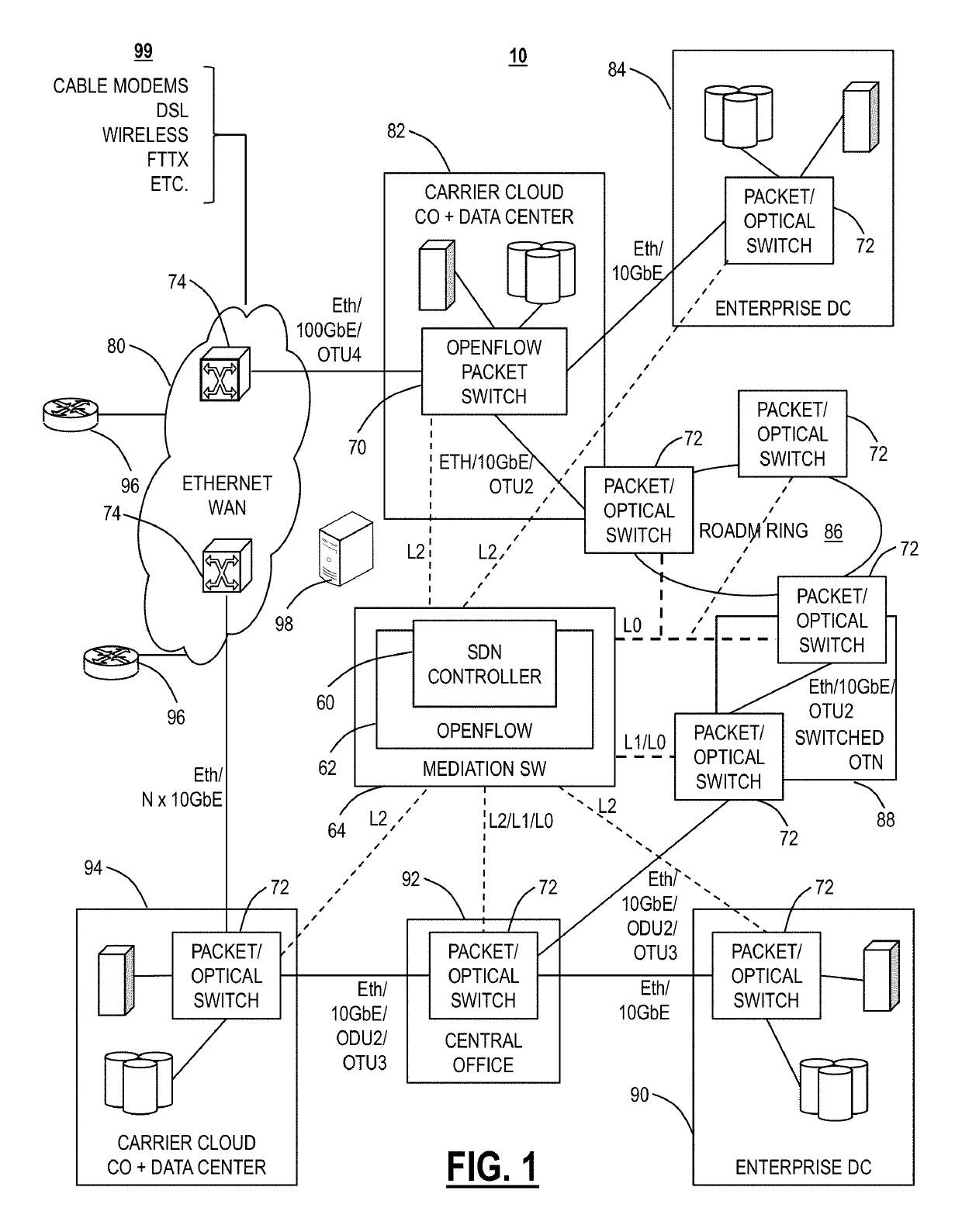
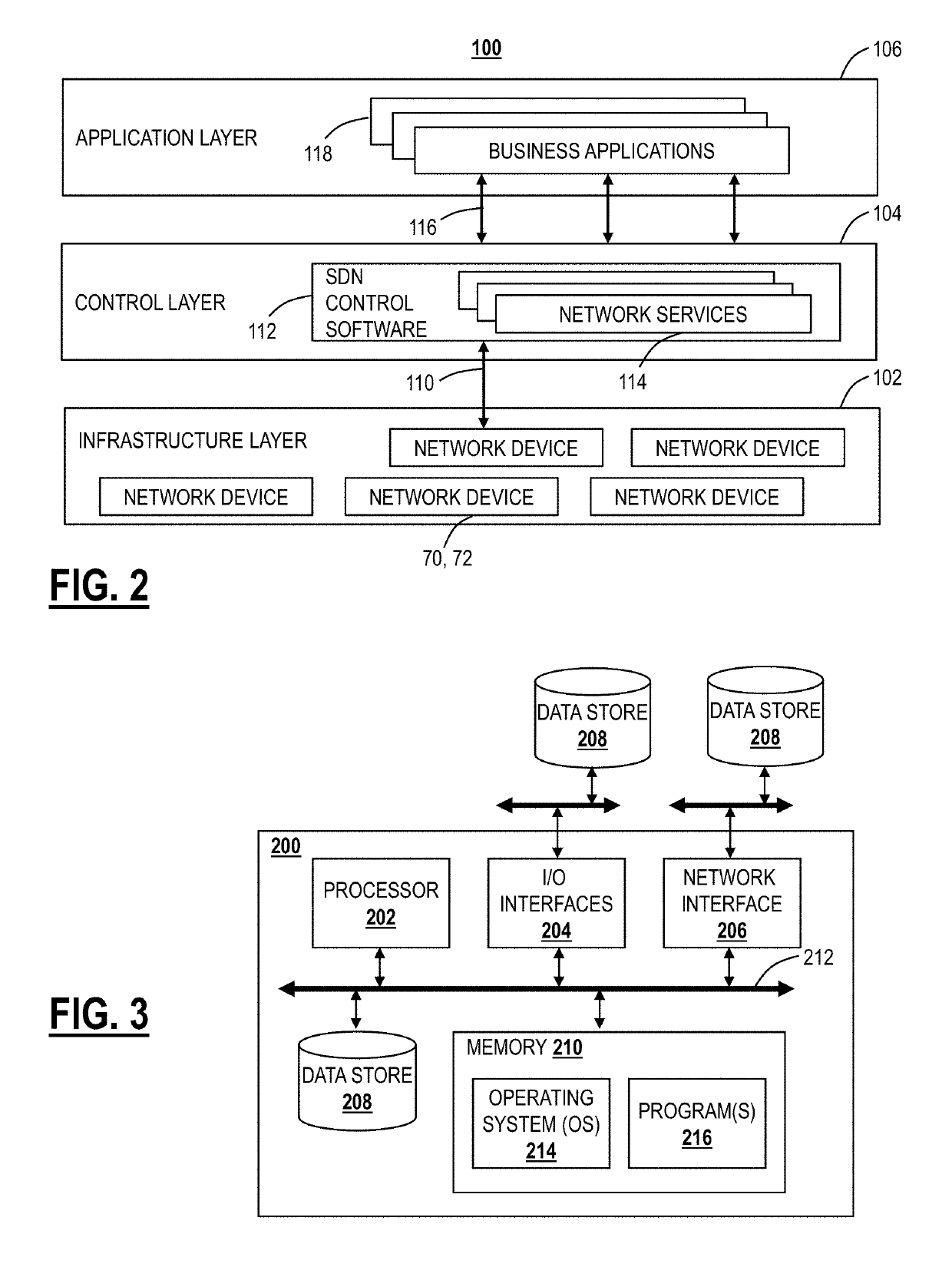
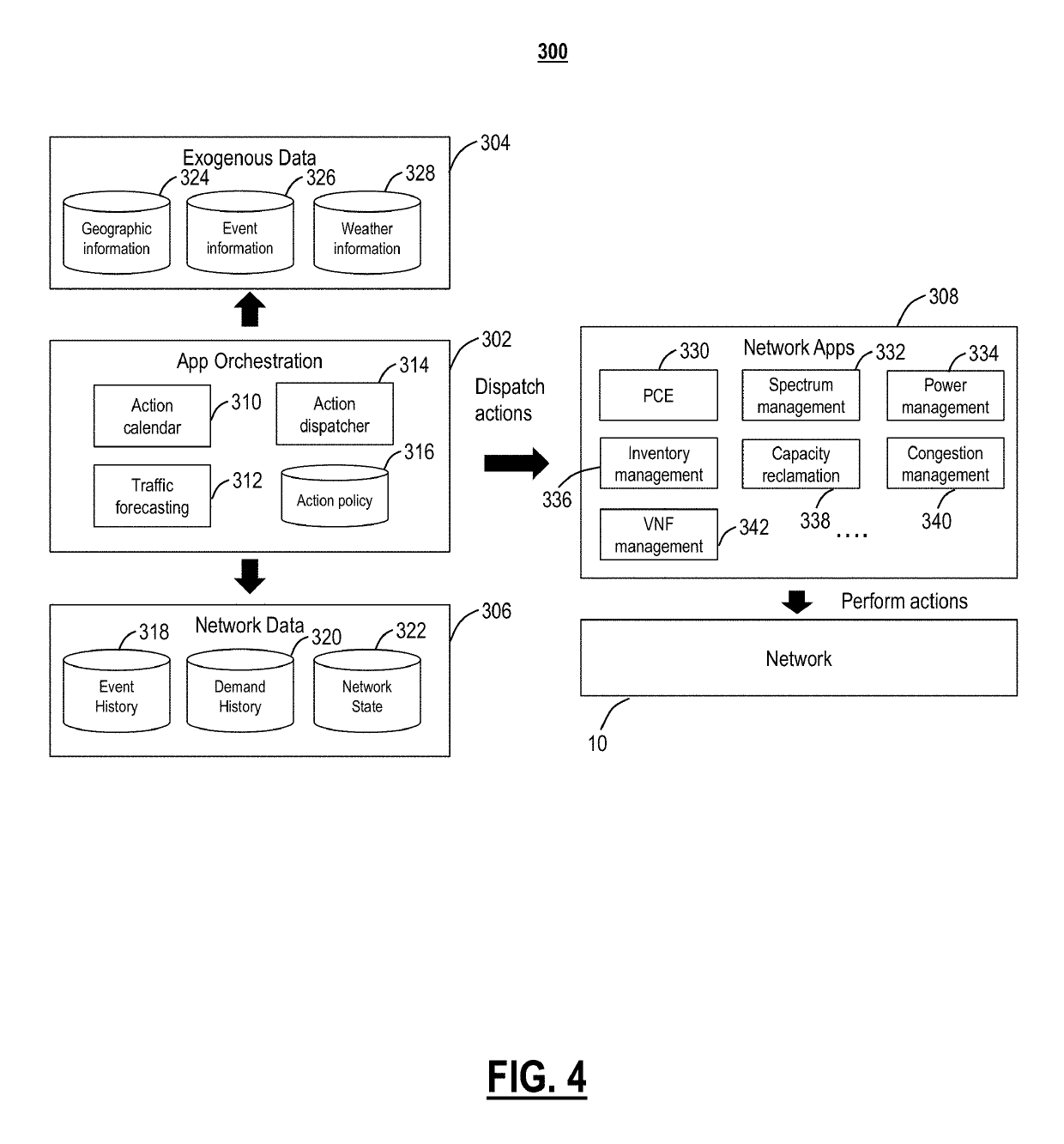
- A traffic-adaptive network control method that monitors network data, generates forecasts based on observed and external events, and orchestrates actions such as capacity recovery, reallocation, and addition using network applications to optimize resource utilization and minimize costs.

Dynamic workload balancing for real-time stream data analytics
PatentActiveUS9456014B2
Innovation
- Implementing dynamic workload balancing using real-time stream data analytics, where analytic nodes collect histograms to detect skewness and a coordinating node computes an optimal data distribution map to dynamically rebalance workloads across processing units, ensuring efficient data distribution and processing.


Network Security Implications for Adaptive Systems
The integration of adaptive network control systems with real-time analytics introduces significant security vulnerabilities that require comprehensive evaluation and mitigation strategies. These systems, while enhancing performance through dynamic resource allocation and intelligent traffic management, expand the attack surface considerably by creating multiple entry points for malicious actors.
Adaptive systems inherently rely on continuous data collection, processing, and feedback loops, making them susceptible to data poisoning attacks where adversaries inject false information to manipulate system behavior. The real-time nature of these analytics creates time-sensitive security challenges, as traditional security measures may introduce latency that compromises system responsiveness. This temporal constraint forces organizations to balance security rigor with operational efficiency.
The distributed architecture typical of adaptive network control systems presents unique authentication and authorization challenges. Dynamic node participation and resource scaling require robust identity management frameworks that can verify system components in real-time without creating bottlenecks. Traditional perimeter-based security models prove inadequate for these fluid, self-modifying network topologies.
Machine learning algorithms driving adaptive behavior become prime targets for adversarial attacks designed to exploit model vulnerabilities. Attackers may attempt to reverse-engineer decision-making processes or introduce subtle perturbations that gradually degrade system performance while remaining undetected by conventional monitoring tools.
Privacy concerns emerge as adaptive systems collect and analyze vast amounts of network traffic data to optimize performance. This data aggregation creates valuable targets for cybercriminals and raises compliance issues with data protection regulations. The challenge intensifies when considering cross-border data flows in globally distributed adaptive networks.
Implementing security measures requires a multi-layered approach incorporating anomaly detection, behavioral analysis, and zero-trust architectures. Organizations must deploy continuous monitoring systems capable of identifying deviations from normal adaptive behavior patterns while distinguishing between legitimate system adaptations and potential security breaches. The security framework must itself be adaptive, evolving alongside the network control systems to address emerging threats effectively.
Adaptive systems inherently rely on continuous data collection, processing, and feedback loops, making them susceptible to data poisoning attacks where adversaries inject false information to manipulate system behavior. The real-time nature of these analytics creates time-sensitive security challenges, as traditional security measures may introduce latency that compromises system responsiveness. This temporal constraint forces organizations to balance security rigor with operational efficiency.
The distributed architecture typical of adaptive network control systems presents unique authentication and authorization challenges. Dynamic node participation and resource scaling require robust identity management frameworks that can verify system components in real-time without creating bottlenecks. Traditional perimeter-based security models prove inadequate for these fluid, self-modifying network topologies.
Machine learning algorithms driving adaptive behavior become prime targets for adversarial attacks designed to exploit model vulnerabilities. Attackers may attempt to reverse-engineer decision-making processes or introduce subtle perturbations that gradually degrade system performance while remaining undetected by conventional monitoring tools.
Privacy concerns emerge as adaptive systems collect and analyze vast amounts of network traffic data to optimize performance. This data aggregation creates valuable targets for cybercriminals and raises compliance issues with data protection regulations. The challenge intensifies when considering cross-border data flows in globally distributed adaptive networks.
Implementing security measures requires a multi-layered approach incorporating anomaly detection, behavioral analysis, and zero-trust architectures. Organizations must deploy continuous monitoring systems capable of identifying deviations from normal adaptive behavior patterns while distinguishing between legitimate system adaptations and potential security breaches. The security framework must itself be adaptive, evolving alongside the network control systems to address emerging threats effectively.
Edge Computing Integration with Adaptive Networks
Edge computing represents a paradigmatic shift in computational architecture, bringing processing capabilities closer to data sources and end users. When integrated with adaptive networks, this convergence creates a powerful synergy that fundamentally transforms real-time analytics capabilities. The integration enables distributed intelligence where network nodes can dynamically adjust their behavior based on local conditions while maintaining global optimization objectives.
The architectural foundation of edge-adaptive network integration relies on distributed computing nodes strategically positioned throughout the network infrastructure. These edge nodes serve dual purposes: they function as computational resources for local data processing and as intelligent network elements capable of making autonomous routing and resource allocation decisions. This dual functionality eliminates traditional bottlenecks associated with centralized processing models.
Adaptive networks enhance edge computing deployments through intelligent resource orchestration mechanisms. Network controllers continuously monitor computational loads, bandwidth availability, and latency requirements across edge nodes. When analytics workloads require processing, the adaptive network dynamically selects optimal edge locations based on current network conditions, computational capacity, and proximity to data sources. This selection process occurs in real-time, ensuring minimal latency for time-sensitive analytics operations.
The integration facilitates seamless workload migration between edge nodes as network conditions change. Advanced algorithms predict network congestion patterns and proactively redistribute computational tasks to maintain consistent performance levels. This capability proves particularly valuable for real-time analytics applications that cannot tolerate performance degradation due to network fluctuations or node failures.
Communication protocols specifically designed for edge-adaptive environments enable efficient coordination between distributed nodes. These protocols support hierarchical decision-making structures where local edge nodes handle immediate optimization decisions while coordinating with regional controllers for broader network-wide optimizations. The result is a self-organizing system that adapts to changing conditions without requiring centralized intervention.
Security considerations in edge-adaptive integrations involve distributed authentication and encryption mechanisms that operate efficiently across multiple network layers. Adaptive networks implement dynamic security policies that adjust based on current threat levels and data sensitivity, ensuring robust protection for analytics workloads processing sensitive information at edge locations.
The architectural foundation of edge-adaptive network integration relies on distributed computing nodes strategically positioned throughout the network infrastructure. These edge nodes serve dual purposes: they function as computational resources for local data processing and as intelligent network elements capable of making autonomous routing and resource allocation decisions. This dual functionality eliminates traditional bottlenecks associated with centralized processing models.
Adaptive networks enhance edge computing deployments through intelligent resource orchestration mechanisms. Network controllers continuously monitor computational loads, bandwidth availability, and latency requirements across edge nodes. When analytics workloads require processing, the adaptive network dynamically selects optimal edge locations based on current network conditions, computational capacity, and proximity to data sources. This selection process occurs in real-time, ensuring minimal latency for time-sensitive analytics operations.
The integration facilitates seamless workload migration between edge nodes as network conditions change. Advanced algorithms predict network congestion patterns and proactively redistribute computational tasks to maintain consistent performance levels. This capability proves particularly valuable for real-time analytics applications that cannot tolerate performance degradation due to network fluctuations or node failures.
Communication protocols specifically designed for edge-adaptive environments enable efficient coordination between distributed nodes. These protocols support hierarchical decision-making structures where local edge nodes handle immediate optimization decisions while coordinating with regional controllers for broader network-wide optimizations. The result is a self-organizing system that adapts to changing conditions without requiring centralized intervention.
Security considerations in edge-adaptive integrations involve distributed authentication and encryption mechanisms that operate efficiently across multiple network layers. Adaptive networks implement dynamic security policies that adjust based on current threat levels and data sensitivity, ensuring robust protection for analytics workloads processing sensitive information at edge locations.
Unlock deeper insights with Patsnap Eureka Quick Research — get a full tech report to explore trends and direct your research. Try now!
Generate Your Research Report Instantly with AI Agent
Supercharge your innovation with Patsnap Eureka AI Agent Platform!