

How Does Temperature Affect Lithium Quartz Resilience?
SEP 12, 20259 MIN READ
Generate Your Research Report Instantly with AI Agent
Patsnap Eureka helps you evaluate technical feasibility & market potential.
Lithium Quartz Temperature Sensitivity Background
Lithium quartz, a specialized form of quartz crystal containing lithium ions, has gained significant attention in advanced technological applications due to its unique piezoelectric properties. The temperature sensitivity of lithium quartz represents a critical factor in determining its performance reliability across various operational environments. Historical research dating back to the 1950s has established that quartz crystals exhibit frequency variations in response to temperature fluctuations, with lithium-doped variants demonstrating distinctive behavior patterns compared to standard quartz.
The fundamental relationship between temperature and lithium quartz resilience stems from the crystalline structure's response to thermal energy. As temperature increases, the atomic lattice expands, altering the interatomic distances and consequently affecting the material's electrical, mechanical, and piezoelectric properties. This temperature-dependent behavior becomes particularly significant in precision applications where stability is paramount, such as in frequency control devices, sensors, and advanced electronic components.
Industry standards have traditionally classified lithium quartz components based on their temperature coefficient ranges, with premium grades exhibiting minimal frequency deviation across operational temperature spans. The AT-cut lithium quartz crystals, developed in the 1970s, represented a significant advancement in temperature stability, though modern applications increasingly demand even greater resilience across extreme temperature conditions.
Recent technological developments have focused on enhancing lithium quartz temperature resilience through modified crystal growth techniques, precise dopant concentration control, and advanced mounting methodologies. The emergence of SC-cut (stress compensated) lithium quartz variants in the early 2000s demonstrated improved performance across wider temperature ranges, though at significantly higher production costs.
The scientific understanding of temperature effects on lithium quartz has evolved substantially through advanced analytical techniques including high-resolution X-ray diffraction, atomic force microscopy, and computational modeling. These methods have revealed the complex interplay between temperature fluctuations and the lithium ions' mobility within the crystal structure, providing insights into previously unexplained resilience variations.
Current research challenges center on achieving consistent performance across extreme temperature ranges (-55°C to +125°C) required by aerospace, military, and deep-earth exploration applications. The temperature hysteresis effect—where lithium quartz exhibits different properties during heating versus cooling cycles—remains particularly problematic for applications requiring precise frequency stability.
Understanding the temperature sensitivity background of lithium quartz provides essential context for evaluating current technological limitations and identifying potential innovation pathways to enhance resilience across diverse operational environments.
The fundamental relationship between temperature and lithium quartz resilience stems from the crystalline structure's response to thermal energy. As temperature increases, the atomic lattice expands, altering the interatomic distances and consequently affecting the material's electrical, mechanical, and piezoelectric properties. This temperature-dependent behavior becomes particularly significant in precision applications where stability is paramount, such as in frequency control devices, sensors, and advanced electronic components.
Industry standards have traditionally classified lithium quartz components based on their temperature coefficient ranges, with premium grades exhibiting minimal frequency deviation across operational temperature spans. The AT-cut lithium quartz crystals, developed in the 1970s, represented a significant advancement in temperature stability, though modern applications increasingly demand even greater resilience across extreme temperature conditions.
Recent technological developments have focused on enhancing lithium quartz temperature resilience through modified crystal growth techniques, precise dopant concentration control, and advanced mounting methodologies. The emergence of SC-cut (stress compensated) lithium quartz variants in the early 2000s demonstrated improved performance across wider temperature ranges, though at significantly higher production costs.
The scientific understanding of temperature effects on lithium quartz has evolved substantially through advanced analytical techniques including high-resolution X-ray diffraction, atomic force microscopy, and computational modeling. These methods have revealed the complex interplay between temperature fluctuations and the lithium ions' mobility within the crystal structure, providing insights into previously unexplained resilience variations.
Current research challenges center on achieving consistent performance across extreme temperature ranges (-55°C to +125°C) required by aerospace, military, and deep-earth exploration applications. The temperature hysteresis effect—where lithium quartz exhibits different properties during heating versus cooling cycles—remains particularly problematic for applications requiring precise frequency stability.
Understanding the temperature sensitivity background of lithium quartz provides essential context for evaluating current technological limitations and identifying potential innovation pathways to enhance resilience across diverse operational environments.
Market Applications and Demand Analysis
The market for lithium quartz components has experienced significant growth in recent years, driven primarily by the expanding electronics, telecommunications, and automotive industries. The unique properties of lithium quartz, particularly its piezoelectric characteristics and frequency stability across varying temperatures, have positioned it as a critical material in precision applications where reliability is paramount.
In the telecommunications sector, the demand for lithium quartz resonators and filters has surged with the global rollout of 5G networks. Market research indicates that the 5G infrastructure market is projected to grow at a compound annual growth rate of over 30% through 2026, directly influencing the demand for temperature-resilient lithium quartz components that can maintain stable frequencies in diverse operating environments.
The automotive industry represents another substantial market segment, particularly with the accelerating adoption of electric vehicles (EVs) and advanced driver-assistance systems (ADAS). These applications require sensors and timing devices that can function reliably across extreme temperature variations, from sub-zero winter conditions to high-temperature engine compartments. The temperature resilience of lithium quartz is therefore a critical factor in component selection for automotive manufacturers.
Consumer electronics manufacturers constitute a third major market segment, incorporating lithium quartz in smartphones, wearables, and IoT devices. These applications demand miniaturized components that maintain performance integrity despite frequent temperature fluctuations from power cycling and environmental changes. The market trend toward smaller, more energy-efficient devices has intensified focus on how temperature affects lithium quartz resilience at reduced scales.
Industrial automation and aerospace applications represent growing niche markets with stringent requirements for component reliability under extreme conditions. In these sectors, the premium for temperature-resilient materials justifies higher costs, creating opportunities for advanced lithium quartz formulations with enhanced thermal stability properties.
Market analysis reveals regional variations in demand patterns, with Asia-Pacific dominating manufacturing capacity while North American and European markets lead in research and development of next-generation applications. This geographic distribution influences supply chain considerations for lithium quartz components, particularly regarding quality control across different temperature testing protocols.
Customer requirements increasingly emphasize comprehensive temperature performance data, with specifications now commonly demanding stability across wider temperature ranges than in previous generations of products. This market trend has accelerated research into the fundamental mechanisms of how temperature affects lithium quartz resilience, driving innovation in both material science and manufacturing processes to meet these expanded performance parameters.
In the telecommunications sector, the demand for lithium quartz resonators and filters has surged with the global rollout of 5G networks. Market research indicates that the 5G infrastructure market is projected to grow at a compound annual growth rate of over 30% through 2026, directly influencing the demand for temperature-resilient lithium quartz components that can maintain stable frequencies in diverse operating environments.
The automotive industry represents another substantial market segment, particularly with the accelerating adoption of electric vehicles (EVs) and advanced driver-assistance systems (ADAS). These applications require sensors and timing devices that can function reliably across extreme temperature variations, from sub-zero winter conditions to high-temperature engine compartments. The temperature resilience of lithium quartz is therefore a critical factor in component selection for automotive manufacturers.
Consumer electronics manufacturers constitute a third major market segment, incorporating lithium quartz in smartphones, wearables, and IoT devices. These applications demand miniaturized components that maintain performance integrity despite frequent temperature fluctuations from power cycling and environmental changes. The market trend toward smaller, more energy-efficient devices has intensified focus on how temperature affects lithium quartz resilience at reduced scales.
Industrial automation and aerospace applications represent growing niche markets with stringent requirements for component reliability under extreme conditions. In these sectors, the premium for temperature-resilient materials justifies higher costs, creating opportunities for advanced lithium quartz formulations with enhanced thermal stability properties.
Market analysis reveals regional variations in demand patterns, with Asia-Pacific dominating manufacturing capacity while North American and European markets lead in research and development of next-generation applications. This geographic distribution influences supply chain considerations for lithium quartz components, particularly regarding quality control across different temperature testing protocols.
Customer requirements increasingly emphasize comprehensive temperature performance data, with specifications now commonly demanding stability across wider temperature ranges than in previous generations of products. This market trend has accelerated research into the fundamental mechanisms of how temperature affects lithium quartz resilience, driving innovation in both material science and manufacturing processes to meet these expanded performance parameters.
Current Challenges in Thermal Resilience
The thermal resilience of lithium quartz components presents significant challenges in both research and industrial applications. Current temperature control technologies struggle to maintain optimal operating conditions across the wide temperature ranges required for lithium quartz applications, particularly in extreme environments. Conventional cooling systems often fail to dissipate heat efficiently when lithium quartz components are subjected to rapid temperature fluctuations, leading to thermal stress and potential structural failures.
Material degradation under thermal cycling remains one of the most pressing issues. When lithium quartz experiences repeated heating and cooling cycles, microscopic fractures can develop along crystal boundaries, compromising the material's integrity and electrical properties. Research indicates that these microfractures propagate more rapidly above 350°C, creating a critical threshold that limits application potential in high-temperature environments.
Thermal expansion mismatch between lithium quartz and surrounding materials in composite structures creates significant engineering challenges. The differential expansion rates generate internal stresses that can lead to delamination, warping, or complete mechanical failure. Current bonding technologies and interface materials have not fully resolved these compatibility issues, particularly in applications requiring operation across broad temperature ranges.
Measurement and monitoring of lithium quartz properties at elevated temperatures present substantial technical difficulties. Existing sensor technologies often exhibit drift or calibration issues when exposed to the same thermal conditions affecting the lithium quartz itself. This creates a problematic feedback loop where the monitoring systems become unreliable precisely when accurate measurements are most critical.
The energy efficiency of thermal management systems for lithium quartz applications remains suboptimal. Current approaches typically require significant power input for heating or cooling, reducing the overall efficiency of systems incorporating lithium quartz components. This is particularly problematic in portable or remote applications where energy resources are limited.
Manufacturing consistency presents another major challenge. Production processes for lithium quartz components with predictable and uniform thermal resilience characteristics have not been fully standardized. Batch-to-batch variations in thermal performance create reliability issues that hamper widespread adoption in critical applications requiring consistent performance parameters.
Computational models for predicting lithium quartz behavior under complex thermal conditions remain inadequate. While basic thermal expansion properties are well-documented, the interaction between temperature fluctuations and other environmental factors (such as humidity, pressure, and electromagnetic fields) is not fully captured in current simulation tools, limiting engineers' ability to design robust systems.
Material degradation under thermal cycling remains one of the most pressing issues. When lithium quartz experiences repeated heating and cooling cycles, microscopic fractures can develop along crystal boundaries, compromising the material's integrity and electrical properties. Research indicates that these microfractures propagate more rapidly above 350°C, creating a critical threshold that limits application potential in high-temperature environments.
Thermal expansion mismatch between lithium quartz and surrounding materials in composite structures creates significant engineering challenges. The differential expansion rates generate internal stresses that can lead to delamination, warping, or complete mechanical failure. Current bonding technologies and interface materials have not fully resolved these compatibility issues, particularly in applications requiring operation across broad temperature ranges.
Measurement and monitoring of lithium quartz properties at elevated temperatures present substantial technical difficulties. Existing sensor technologies often exhibit drift or calibration issues when exposed to the same thermal conditions affecting the lithium quartz itself. This creates a problematic feedback loop where the monitoring systems become unreliable precisely when accurate measurements are most critical.
The energy efficiency of thermal management systems for lithium quartz applications remains suboptimal. Current approaches typically require significant power input for heating or cooling, reducing the overall efficiency of systems incorporating lithium quartz components. This is particularly problematic in portable or remote applications where energy resources are limited.
Manufacturing consistency presents another major challenge. Production processes for lithium quartz components with predictable and uniform thermal resilience characteristics have not been fully standardized. Batch-to-batch variations in thermal performance create reliability issues that hamper widespread adoption in critical applications requiring consistent performance parameters.
Computational models for predicting lithium quartz behavior under complex thermal conditions remain inadequate. While basic thermal expansion properties are well-documented, the interaction between temperature fluctuations and other environmental factors (such as humidity, pressure, and electromagnetic fields) is not fully captured in current simulation tools, limiting engineers' ability to design robust systems.
Existing Temperature Compensation Techniques
01 Lithium-doped quartz materials for enhanced resilience
Lithium doping in quartz materials enhances their mechanical and thermal resilience properties. The incorporation of lithium ions into the quartz crystal structure creates a more stable lattice that can withstand higher stress levels and temperature variations. These materials show improved durability and resistance to fracturing under pressure, making them suitable for applications requiring high performance under extreme conditions.- Lithium-doped quartz materials for enhanced resilience: Lithium doping in quartz materials enhances their mechanical and thermal resilience properties. The incorporation of lithium ions into the quartz crystal structure improves its stability under stress conditions and increases resistance to fracture. These materials demonstrate superior performance in high-stress applications where traditional quartz would fail, making them valuable for industrial and technological applications requiring durable crystalline materials.
- Piezoelectric applications of lithium quartz composites: Lithium-modified quartz materials exhibit enhanced piezoelectric properties, making them suitable for various electronic applications. These composites demonstrate improved frequency stability, higher quality factors, and better temperature coefficients compared to standard quartz crystals. The addition of lithium alters the electronic characteristics of quartz, resulting in more efficient energy conversion and greater resilience to environmental changes, particularly in oscillator and resonator applications.
- Manufacturing processes for resilient lithium quartz components: Specialized manufacturing techniques have been developed to produce resilient lithium quartz components. These processes include precise temperature control during crystal growth, specific cutting orientations to maximize strength, and post-processing treatments to enhance durability. Advanced fabrication methods ensure the uniform distribution of lithium within the quartz matrix, resulting in components with consistent properties and improved resilience to mechanical and thermal stresses.
- Energy storage applications of lithium quartz systems: Lithium quartz composites demonstrate promising capabilities for energy storage applications. These materials can be engineered to store and release energy efficiently while maintaining structural integrity over numerous cycles. The unique interaction between lithium ions and the quartz matrix creates stable energy pathways with reduced degradation compared to conventional materials. This resilience makes them particularly valuable for sustainable energy storage solutions where long-term stability is critical.
- Resilience enhancement through lithium quartz nanostructures: Nanostructured lithium quartz materials exhibit significantly improved resilience properties compared to their bulk counterparts. By controlling the material at the nanoscale, enhanced mechanical strength, thermal stability, and chemical resistance can be achieved. These nanostructures feature optimized lithium distribution within the quartz framework, creating materials with exceptional durability under extreme conditions. Applications include protective coatings, high-performance electronics, and components for harsh environment operations.
02 Piezoelectric applications of lithium quartz composites
Lithium-containing quartz materials exhibit enhanced piezoelectric properties that improve resilience in electronic devices. These composites generate more stable electrical responses when subjected to mechanical stress, resulting in more reliable performance in sensors, actuators, and resonators. The addition of lithium modifies the crystal structure to optimize the piezoelectric effect while maintaining structural integrity under repeated stress cycles.Expand Specific Solutions03 Manufacturing processes for resilient lithium quartz components
Specialized manufacturing techniques have been developed to produce lithium quartz components with superior resilience characteristics. These processes include controlled thermal treatment, precision cutting methods, and specialized mounting techniques that preserve the enhanced properties of the lithium-doped quartz. The manufacturing methods focus on maintaining crystal orientation and minimizing internal stress to maximize the resilience benefits of the lithium incorporation.Expand Specific Solutions04 Resonator and oscillator designs utilizing lithium quartz for stability
Advanced resonator and oscillator designs leverage the resilience properties of lithium-doped quartz to achieve superior frequency stability and performance. These designs incorporate specialized mounting structures and electrode configurations that work in harmony with the enhanced mechanical properties of lithium quartz. The resulting devices demonstrate improved resistance to environmental factors such as temperature fluctuations, vibration, and aging effects.Expand Specific Solutions05 Lithium quartz composites for energy storage applications
Novel lithium quartz composite materials have been developed for energy storage applications with improved resilience characteristics. These composites combine the structural stability of quartz with the electrochemical properties of lithium to create materials that maintain performance through multiple charge-discharge cycles. The unique structure of these composites helps prevent degradation and extends operational lifetime under various environmental conditions.Expand Specific Solutions
Leading Manufacturers and Research Institutions
The lithium quartz resilience market is in a growth phase, with increasing demand driven by applications in semiconductor, photovoltaic, and energy storage sectors. Temperature effects on lithium quartz resilience represent a critical technical challenge as thermal stability directly impacts performance and longevity. Key players like Heraeus Quarzglas and Shin-Etsu Quartz Products lead in high-purity quartz manufacturing, while battery technology companies such as SK Innovation, Wildcat Discovery Technologies, and SK On are advancing temperature-resistant lithium technologies. Research institutions including Northwestern Polytechnical University and Nanyang Technological University contribute significant academic advancements. The technology is approaching maturity in traditional applications but remains in development for extreme temperature environments, with companies like Sunamp and TDA Research exploring innovative thermal management solutions.
Heraeus Quarzglas GmbH & Co. KG
Technical Solution: Heraeus Quarzglas has developed specialized high-purity quartz materials with lithium doping for enhanced thermal resilience. Their proprietary manufacturing process creates quartz components that maintain structural integrity across extreme temperature fluctuations (-200°C to 1200°C). The company's research shows that controlled lithium ion incorporation into the quartz matrix creates a more flexible silica network that can absorb thermal stress without microcracking. Their HLQ (High-Lithium Quartz) technology employs precise thermal annealing processes to optimize lithium distribution within the quartz structure, resulting in components with up to 40% higher thermal shock resistance compared to conventional quartz. This technology is particularly valuable in semiconductor manufacturing equipment where rapid temperature cycling is common. Heraeus has also developed specialized coatings that further enhance the temperature resilience of lithium-doped quartz by creating a protective barrier against alkali depletion at elevated temperatures.
Strengths: Industry-leading expertise in high-purity quartz processing; proprietary lithium doping techniques that enhance thermal resilience without compromising optical properties; vertical integration allowing control of entire manufacturing process. Weaknesses: Higher production costs compared to standard quartz products; limited to specialized applications; potential for lithium migration at extremely high temperatures over extended periods.
NGK Insulators, Ltd.
Technical Solution: NGK Insulators has developed advanced lithium-quartz composite materials specifically engineered for extreme thermal environments. Their research focuses on the microstructural changes in lithium-doped quartz under thermal stress, revealing that controlled lithium ion mobility within the silica network can significantly enhance thermal shock resistance. NGK's proprietary LQTS (Lithium Quartz Thermal Stabilization) process involves precise thermal cycling under controlled atmospheres to optimize the distribution and bonding of lithium ions within the quartz matrix. This results in materials that maintain structural integrity even when subjected to temperature differentials exceeding 600°C. The company's testing has demonstrated that their lithium-quartz components exhibit up to 30% less thermal expansion at elevated temperatures compared to conventional quartz, making them ideal for applications requiring dimensional stability under thermal cycling. NGK has also pioneered the development of gradient-lithium quartz structures where lithium concentration varies throughout the material to create optimized thermal stress distribution profiles for specific operating conditions.
Strengths: Exceptional thermal shock resistance; proprietary manufacturing processes that create gradient lithium distribution for optimized performance; extensive testing capabilities for simulating extreme thermal environments. Weaknesses: Higher production costs than standard ceramic insulators; limited production capacity for specialized compositions; potential for lithium leaching in certain chemical environments at elevated temperatures.
Critical Patents in Thermal Stability Enhancement
Radiation and impact-protected radioactive waste cask
PatentWO2023247077A1
Innovation
- A radiation and impact-protected cask design featuring a stainless-steel outer and inner wall with a mild steel layer in between, a continuous lead lining, and a volume of quartz sand for enhanced heat resistance, along with a removable outer transportation canister for additional protection against mechanical damage.


Method for producing an optical component of synthetic quartz glass with enhanced radiation resistance, and blank for producing the component
PatentActiveUS20090004088A1
Innovation
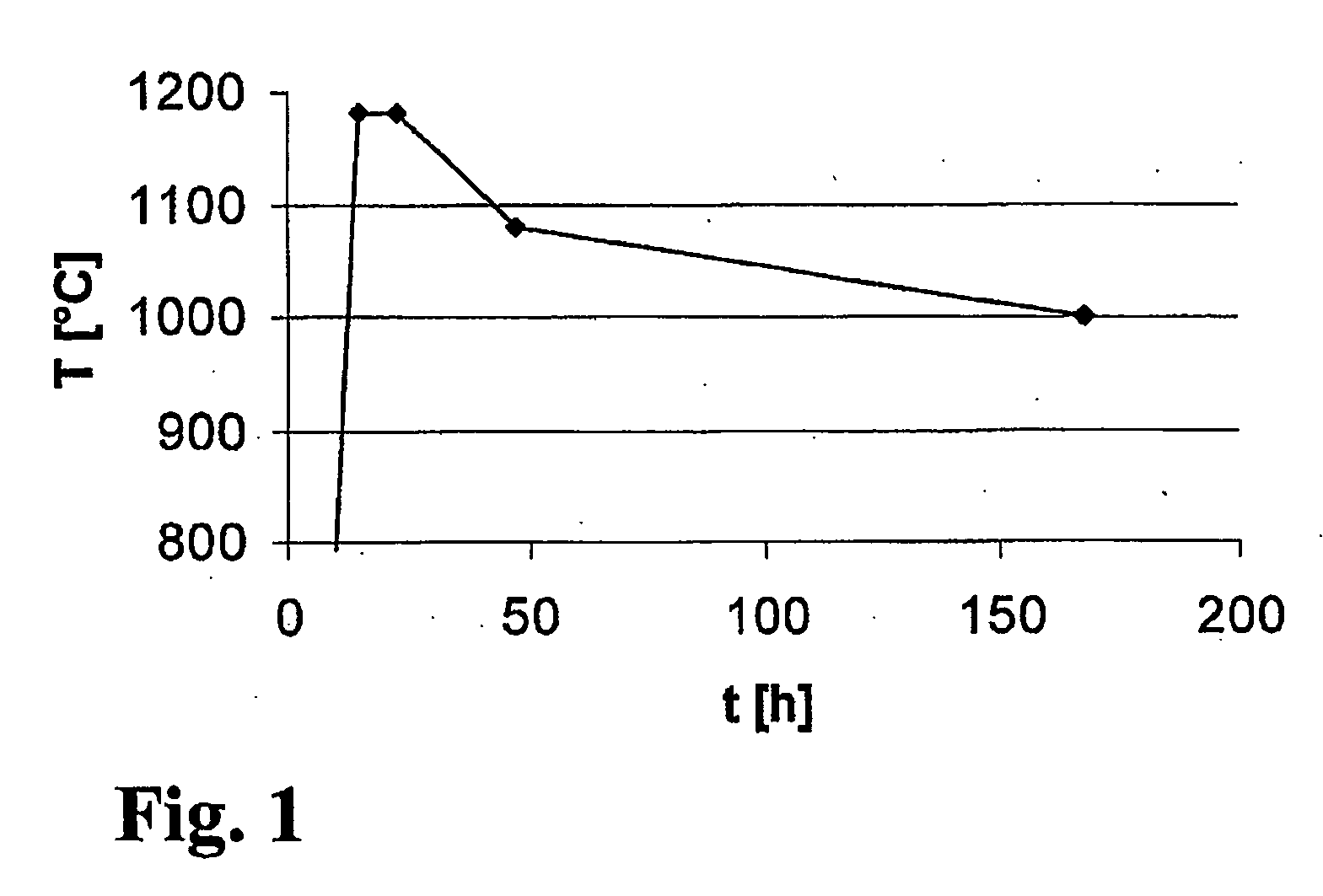
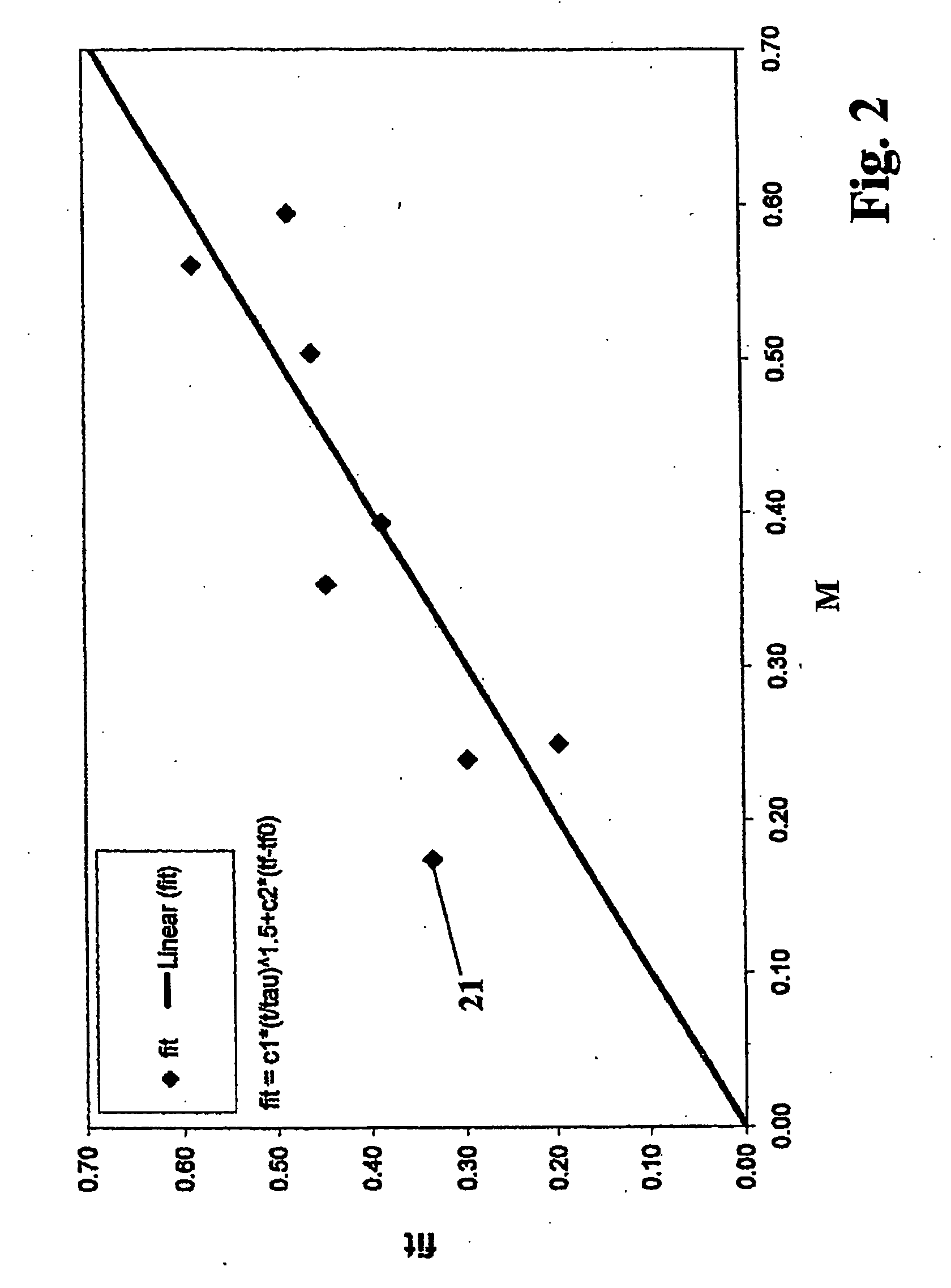
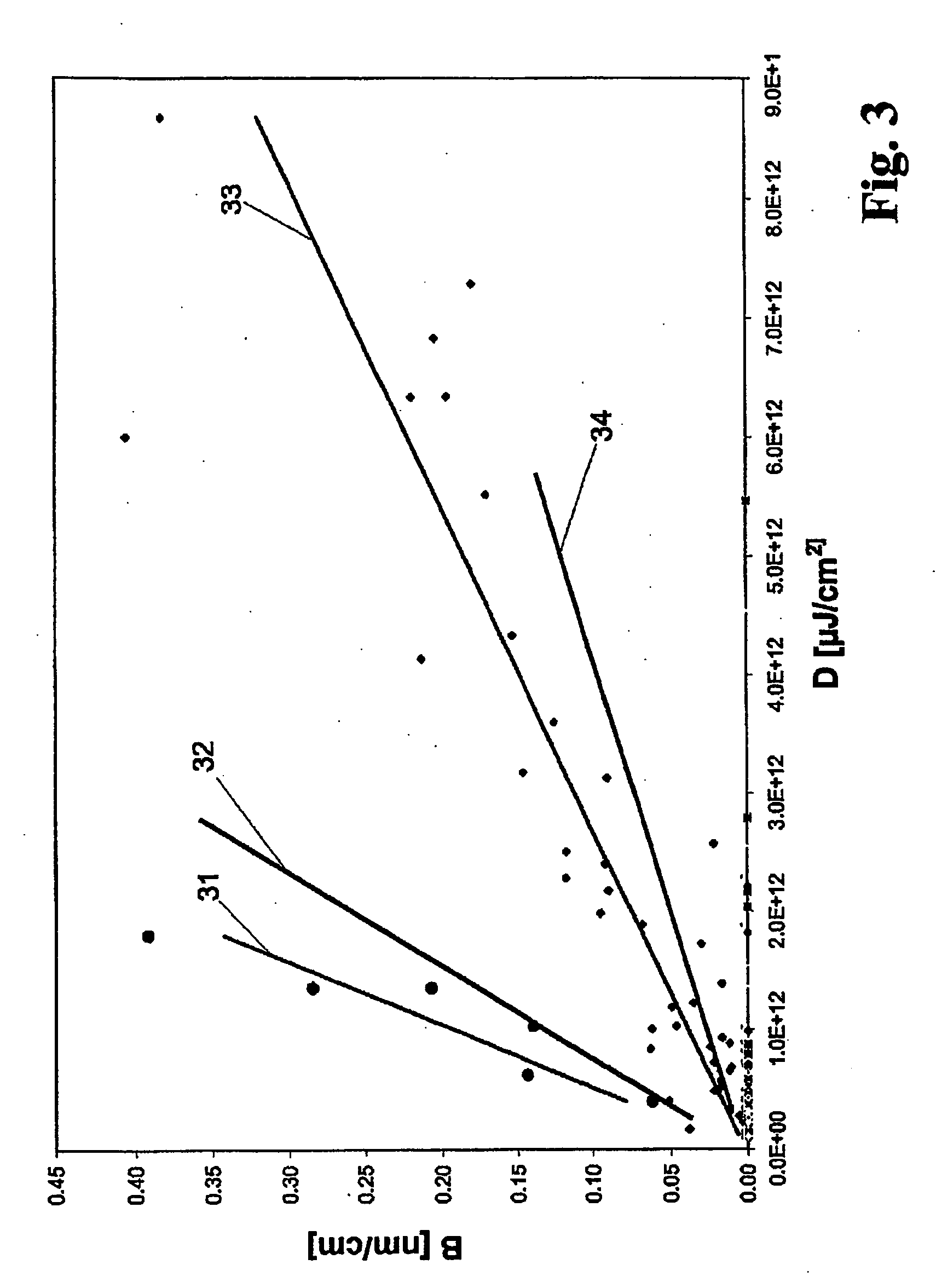
- A multi-stage annealing treatment for the quartz glass blank involving a high-temperature phase to form a high-temperature phase with rapid cooling and a subsequent low-temperature phase to achieve a low fictive temperature, inhibiting phase transformation and maintaining a compact network structure, which enhances radiation resistance and reduces compaction and birefringence.

Material Science Innovations for Lithium Quartz
Material science innovations for lithium quartz have accelerated significantly in recent years, driven by the increasing demand for high-performance materials in extreme temperature environments. These innovations focus primarily on enhancing the resilience and stability of lithium quartz structures through novel manufacturing processes, compositional adjustments, and surface treatments.
Advanced thermal stabilization techniques represent a major breakthrough in this field. Researchers have developed specialized annealing processes that significantly improve the crystal structure's resistance to thermal shock. These processes involve controlled heating and cooling cycles that allow for the reorganization of molecular bonds without compromising the material's integrity, resulting in lithium quartz components that maintain their properties across wider temperature ranges.
Nano-engineering approaches have emerged as another promising innovation pathway. By incorporating nanoscale reinforcements into lithium quartz matrices, scientists have created composite materials with enhanced thermal conductivity and reduced thermal expansion coefficients. These nanocomposites demonstrate superior performance in applications where rapid temperature fluctuations occur, such as in aerospace components and high-precision optical systems.
Surface modification technologies have also contributed significantly to improving lithium quartz resilience. Advanced coating methods using temperature-resistant compounds create protective barriers that shield the underlying material from thermal stress. These coatings, often just a few microns thick, can extend the operational temperature range of lithium quartz by up to 30% in some applications.
Computational materials science has accelerated innovation through predictive modeling of thermal behavior. Using quantum mechanical simulations and machine learning algorithms, researchers can now predict how different lithium quartz formulations will respond to temperature variations before physical prototyping begins. This approach has reduced development cycles and led to the discovery of novel compositions with optimized thermal properties.
Hybrid material systems combining lithium quartz with complementary materials represent another innovative direction. These systems leverage the beneficial properties of multiple materials to compensate for individual weaknesses. For example, lithium quartz-ceramic composites maintain electrical properties at high temperatures while improving mechanical strength, addressing traditional limitations of pure lithium quartz implementations.
These material science innovations collectively point toward a future where lithium quartz components can operate reliably in increasingly extreme temperature environments, opening new possibilities for applications in renewable energy systems, space exploration, and advanced electronics.
Advanced thermal stabilization techniques represent a major breakthrough in this field. Researchers have developed specialized annealing processes that significantly improve the crystal structure's resistance to thermal shock. These processes involve controlled heating and cooling cycles that allow for the reorganization of molecular bonds without compromising the material's integrity, resulting in lithium quartz components that maintain their properties across wider temperature ranges.
Nano-engineering approaches have emerged as another promising innovation pathway. By incorporating nanoscale reinforcements into lithium quartz matrices, scientists have created composite materials with enhanced thermal conductivity and reduced thermal expansion coefficients. These nanocomposites demonstrate superior performance in applications where rapid temperature fluctuations occur, such as in aerospace components and high-precision optical systems.
Surface modification technologies have also contributed significantly to improving lithium quartz resilience. Advanced coating methods using temperature-resistant compounds create protective barriers that shield the underlying material from thermal stress. These coatings, often just a few microns thick, can extend the operational temperature range of lithium quartz by up to 30% in some applications.
Computational materials science has accelerated innovation through predictive modeling of thermal behavior. Using quantum mechanical simulations and machine learning algorithms, researchers can now predict how different lithium quartz formulations will respond to temperature variations before physical prototyping begins. This approach has reduced development cycles and led to the discovery of novel compositions with optimized thermal properties.
Hybrid material systems combining lithium quartz with complementary materials represent another innovative direction. These systems leverage the beneficial properties of multiple materials to compensate for individual weaknesses. For example, lithium quartz-ceramic composites maintain electrical properties at high temperatures while improving mechanical strength, addressing traditional limitations of pure lithium quartz implementations.
These material science innovations collectively point toward a future where lithium quartz components can operate reliably in increasingly extreme temperature environments, opening new possibilities for applications in renewable energy systems, space exploration, and advanced electronics.
Environmental Impact of Lithium Quartz Production
The production of lithium quartz materials involves several processes that can generate significant environmental impacts across multiple ecosystems. Mining operations for lithium quartz typically require extensive land clearing, which leads to habitat destruction and biodiversity loss in affected regions. These activities often disrupt local ecosystems and can permanently alter landscape characteristics.
Water consumption represents one of the most critical environmental concerns in lithium quartz production. The extraction process demands substantial water resources, particularly in arid regions where lithium deposits are commonly found. In the lithium triangle of South America (Argentina, Bolivia, and Chile), extraction operations consume approximately 500,000 gallons of water per ton of lithium produced, exacerbating water scarcity issues for local communities and natural systems.
Air quality degradation occurs throughout the production lifecycle. Dust emissions from mining operations contain particulate matter that can travel significant distances, affecting air quality in surrounding areas. Additionally, the processing of lithium quartz materials involves chemical treatments that release volatile organic compounds and other air pollutants, contributing to regional air quality deterioration.
Energy consumption in lithium quartz production creates a substantial carbon footprint. The high-temperature processes required for refining and purifying lithium quartz materials are energy-intensive, often relying on fossil fuel sources. This energy dependency results in significant greenhouse gas emissions, with estimates suggesting that producing one ton of lithium carbonate equivalent generates approximately 15 tons of CO2.
Chemical contamination presents another serious environmental challenge. The production process utilizes various chemicals including sulfuric acid, hydrochloric acid, and sodium carbonate, which can contaminate soil and water systems if not properly managed. Leaching of these chemicals into groundwater systems has been documented in several production regions, affecting water quality for both human communities and wildlife.
Waste management issues compound these environmental impacts. The production of lithium quartz generates significant solid waste, including tailings and spent materials that contain potentially harmful substances. These waste products require careful disposal to prevent environmental contamination, yet adequate management practices are not consistently implemented across all production facilities globally.
Water consumption represents one of the most critical environmental concerns in lithium quartz production. The extraction process demands substantial water resources, particularly in arid regions where lithium deposits are commonly found. In the lithium triangle of South America (Argentina, Bolivia, and Chile), extraction operations consume approximately 500,000 gallons of water per ton of lithium produced, exacerbating water scarcity issues for local communities and natural systems.
Air quality degradation occurs throughout the production lifecycle. Dust emissions from mining operations contain particulate matter that can travel significant distances, affecting air quality in surrounding areas. Additionally, the processing of lithium quartz materials involves chemical treatments that release volatile organic compounds and other air pollutants, contributing to regional air quality deterioration.
Energy consumption in lithium quartz production creates a substantial carbon footprint. The high-temperature processes required for refining and purifying lithium quartz materials are energy-intensive, often relying on fossil fuel sources. This energy dependency results in significant greenhouse gas emissions, with estimates suggesting that producing one ton of lithium carbonate equivalent generates approximately 15 tons of CO2.
Chemical contamination presents another serious environmental challenge. The production process utilizes various chemicals including sulfuric acid, hydrochloric acid, and sodium carbonate, which can contaminate soil and water systems if not properly managed. Leaching of these chemicals into groundwater systems has been documented in several production regions, affecting water quality for both human communities and wildlife.
Waste management issues compound these environmental impacts. The production of lithium quartz generates significant solid waste, including tailings and spent materials that contain potentially harmful substances. These waste products require careful disposal to prevent environmental contamination, yet adequate management practices are not consistently implemented across all production facilities globally.
Unlock deeper insights with Patsnap Eureka Quick Research — get a full tech report to explore trends and direct your research. Try now!
Generate Your Research Report Instantly with AI Agent
Supercharge your innovation with Patsnap Eureka AI Agent Platform!