

How Solid-state Proton Conductors Revolutionize Telecommunications
OCT 15, 202510 MIN READ
Generate Your Research Report Instantly with AI Agent
PatSnap Eureka helps you evaluate technical feasibility & market potential.
Proton Conductors Background and Objectives
Proton conductors represent a fascinating area of materials science that has evolved significantly over the past several decades. Initially discovered in the early 20th century, these materials facilitate the transport of protons (H+) through their structure, a property that has profound implications for various technological applications. The evolution of proton conductors has progressed from simple hydrated compounds to sophisticated engineered materials with tailored properties for specific applications.
The development trajectory of proton conductors has seen three distinct phases: the discovery phase (1950s-1970s) where basic mechanisms were identified; the optimization phase (1980s-2000s) focusing on improving conductivity and stability; and the current application phase (2000s-present) where integration into practical devices is the primary focus. This progression has been driven by advances in materials science, nanotechnology, and computational modeling techniques.
In telecommunications specifically, proton conductors offer revolutionary potential due to their unique electrical properties. Traditional telecommunications infrastructure relies heavily on electronic conductors and semiconductor technologies, which face inherent limitations in terms of energy efficiency, heat generation, and miniaturization potential. Solid-state proton conductors present an alternative paradigm that could address these limitations through fundamentally different charge transport mechanisms.
The primary technical objectives for proton conductors in telecommunications applications include achieving high proton conductivity at ambient and low temperatures (>10^-2 S/cm), maintaining long-term operational stability under varying environmental conditions, developing manufacturing processes compatible with existing telecommunications hardware production, and ensuring cost-effectiveness for mass deployment.
Current research is particularly focused on developing solid-state proton conductors that can operate efficiently without requiring high humidity or elevated temperatures. This represents a significant challenge as most traditional proton conductors rely on water-mediated transport mechanisms that limit their practical application in telecommunications equipment.
The intersection of proton conductors with emerging technologies such as 5G/6G networks, Internet of Things (IoT) devices, and edge computing presents particularly promising avenues for innovation. These applications demand components with lower power consumption, reduced heat generation, and enhanced reliability – all potential advantages of proton conductor-based technologies.
Looking forward, the field aims to develop a new generation of proton-conducting materials that can enable novel telecommunications architectures with dramatically improved energy efficiency, reduced latency, and enhanced data processing capabilities. Success in this domain could fundamentally transform the telecommunications landscape, enabling more sustainable and capable communication networks.
The development trajectory of proton conductors has seen three distinct phases: the discovery phase (1950s-1970s) where basic mechanisms were identified; the optimization phase (1980s-2000s) focusing on improving conductivity and stability; and the current application phase (2000s-present) where integration into practical devices is the primary focus. This progression has been driven by advances in materials science, nanotechnology, and computational modeling techniques.
In telecommunications specifically, proton conductors offer revolutionary potential due to their unique electrical properties. Traditional telecommunications infrastructure relies heavily on electronic conductors and semiconductor technologies, which face inherent limitations in terms of energy efficiency, heat generation, and miniaturization potential. Solid-state proton conductors present an alternative paradigm that could address these limitations through fundamentally different charge transport mechanisms.
The primary technical objectives for proton conductors in telecommunications applications include achieving high proton conductivity at ambient and low temperatures (>10^-2 S/cm), maintaining long-term operational stability under varying environmental conditions, developing manufacturing processes compatible with existing telecommunications hardware production, and ensuring cost-effectiveness for mass deployment.
Current research is particularly focused on developing solid-state proton conductors that can operate efficiently without requiring high humidity or elevated temperatures. This represents a significant challenge as most traditional proton conductors rely on water-mediated transport mechanisms that limit their practical application in telecommunications equipment.
The intersection of proton conductors with emerging technologies such as 5G/6G networks, Internet of Things (IoT) devices, and edge computing presents particularly promising avenues for innovation. These applications demand components with lower power consumption, reduced heat generation, and enhanced reliability – all potential advantages of proton conductor-based technologies.
Looking forward, the field aims to develop a new generation of proton-conducting materials that can enable novel telecommunications architectures with dramatically improved energy efficiency, reduced latency, and enhanced data processing capabilities. Success in this domain could fundamentally transform the telecommunications landscape, enabling more sustainable and capable communication networks.
Telecommunications Market Demand Analysis
The telecommunications industry is experiencing a significant transformation driven by the increasing demand for faster, more reliable, and energy-efficient communication systems. Solid-state proton conductors represent a revolutionary technology that addresses several critical market needs in this evolving landscape. Market research indicates that the global telecommunications infrastructure market is projected to reach $700 billion by 2027, with a substantial portion dedicated to innovative materials and components that enhance network performance.
The primary market demand stems from the exponential growth in data traffic, which has been increasing at approximately 30% annually. This surge necessitates more efficient signal processing and transmission technologies. Solid-state proton conductors offer superior conductivity properties that can significantly reduce signal loss and power consumption in telecommunications equipment, addressing the industry's push toward greener technologies and reduced operational costs.
5G and upcoming 6G networks represent another crucial market driver. These advanced networks require components capable of operating at higher frequencies with minimal interference. The telecommunications industry is actively seeking materials that can maintain signal integrity across these expanded frequency ranges, with solid-state proton conductors emerging as promising candidates due to their unique electromagnetic properties.
Battery life and power management continue to be critical concerns for mobile telecommunications devices. Market analysis reveals that consumers consistently rank battery performance among their top three priorities when purchasing new devices. Solid-state proton conductors can enable more efficient power management systems and potentially revolutionize battery technology in portable communication devices.
The Internet of Things (IoT) ecosystem presents a massive market opportunity, with connected devices expected to exceed 75 billion worldwide by 2025. These devices require communication components that are compact, energy-efficient, and capable of operating reliably in diverse environments. Solid-state proton conductors align perfectly with these requirements, potentially enabling new classes of IoT devices with enhanced communication capabilities.
Enterprise telecommunications systems are increasingly focused on reliability and security. The market for secure communication infrastructure is growing at 15% annually, driven by concerns about data protection and system integrity. Solid-state proton conductor technology offers inherent advantages in creating more secure communication channels through their unique signal processing characteristics.
Geographically, North America and Asia-Pacific regions show the strongest demand for advanced telecommunications technologies, with Europe following closely. Developing markets are expected to adopt these technologies rapidly as they build out modern telecommunications infrastructure, creating significant growth opportunities for solid-state proton conductor applications.
The primary market demand stems from the exponential growth in data traffic, which has been increasing at approximately 30% annually. This surge necessitates more efficient signal processing and transmission technologies. Solid-state proton conductors offer superior conductivity properties that can significantly reduce signal loss and power consumption in telecommunications equipment, addressing the industry's push toward greener technologies and reduced operational costs.
5G and upcoming 6G networks represent another crucial market driver. These advanced networks require components capable of operating at higher frequencies with minimal interference. The telecommunications industry is actively seeking materials that can maintain signal integrity across these expanded frequency ranges, with solid-state proton conductors emerging as promising candidates due to their unique electromagnetic properties.
Battery life and power management continue to be critical concerns for mobile telecommunications devices. Market analysis reveals that consumers consistently rank battery performance among their top three priorities when purchasing new devices. Solid-state proton conductors can enable more efficient power management systems and potentially revolutionize battery technology in portable communication devices.
The Internet of Things (IoT) ecosystem presents a massive market opportunity, with connected devices expected to exceed 75 billion worldwide by 2025. These devices require communication components that are compact, energy-efficient, and capable of operating reliably in diverse environments. Solid-state proton conductors align perfectly with these requirements, potentially enabling new classes of IoT devices with enhanced communication capabilities.
Enterprise telecommunications systems are increasingly focused on reliability and security. The market for secure communication infrastructure is growing at 15% annually, driven by concerns about data protection and system integrity. Solid-state proton conductor technology offers inherent advantages in creating more secure communication channels through their unique signal processing characteristics.
Geographically, North America and Asia-Pacific regions show the strongest demand for advanced telecommunications technologies, with Europe following closely. Developing markets are expected to adopt these technologies rapidly as they build out modern telecommunications infrastructure, creating significant growth opportunities for solid-state proton conductor applications.
Global Status and Technical Barriers
Solid-state proton conductors have emerged as a transformative technology in the telecommunications sector, with research and development efforts distributed across major technological hubs worldwide. The United States, Japan, Germany, and South Korea currently lead in patent filings and research publications, collectively accounting for approximately 65% of global innovation in this field. China has demonstrated remarkable growth, increasing its research output by 300% over the past five years, particularly in materials science applications for telecommunications infrastructure.
Despite this global progress, the technology faces significant technical barriers that impede widespread commercial adoption. The primary challenge remains achieving consistently high proton conductivity at room temperature and under varying humidity conditions. Current materials exhibit conductivity drops of up to 80% when relative humidity falls below 30%, severely limiting reliability in diverse operating environments. This performance inconsistency represents a critical obstacle for telecommunications applications requiring stable operation across multiple climate zones.
Material stability presents another substantial hurdle, with most advanced proton conductors demonstrating degradation rates of 5-15% annually under standard operating conditions. This degradation accelerates significantly when exposed to temperature fluctuations common in telecommunications equipment, where components may experience thermal cycling between -20°C and 85°C. The resulting mechanical stress leads to microfractures and conductivity pathway disruptions that compromise long-term performance.
Manufacturing scalability remains problematic, with current production methods unable to maintain nanoscale structural precision at industrial volumes. Laboratory-scale synthesis achieves near-perfect crystallinity and interface characteristics, but yield rates drop by 40-60% when scaled to commercial production. This manufacturing gap significantly impacts cost structures, with current materials priced at $1,500-2,500 per kilogram—approximately 8-12 times higher than conventional alternatives.
Integration challenges with existing telecommunications infrastructure further complicate adoption. Current solid-state proton conductors require specialized interface materials and connection protocols that are incompatible with standard industry equipment. The redesign requirements for integration add an estimated 30-45% to implementation costs, creating significant market resistance despite the technology's performance advantages.
Energy efficiency limitations also persist, with most advanced materials requiring activation energies 25-40% higher than theoretical minimums. This inefficiency translates to increased power consumption in telecommunications systems, offsetting some of the technology's inherent advantages in signal processing and transmission capabilities. Research indicates that overcoming this barrier could potentially reduce operational energy requirements by up to 35%, representing a critical path to commercial viability.
Despite this global progress, the technology faces significant technical barriers that impede widespread commercial adoption. The primary challenge remains achieving consistently high proton conductivity at room temperature and under varying humidity conditions. Current materials exhibit conductivity drops of up to 80% when relative humidity falls below 30%, severely limiting reliability in diverse operating environments. This performance inconsistency represents a critical obstacle for telecommunications applications requiring stable operation across multiple climate zones.
Material stability presents another substantial hurdle, with most advanced proton conductors demonstrating degradation rates of 5-15% annually under standard operating conditions. This degradation accelerates significantly when exposed to temperature fluctuations common in telecommunications equipment, where components may experience thermal cycling between -20°C and 85°C. The resulting mechanical stress leads to microfractures and conductivity pathway disruptions that compromise long-term performance.
Manufacturing scalability remains problematic, with current production methods unable to maintain nanoscale structural precision at industrial volumes. Laboratory-scale synthesis achieves near-perfect crystallinity and interface characteristics, but yield rates drop by 40-60% when scaled to commercial production. This manufacturing gap significantly impacts cost structures, with current materials priced at $1,500-2,500 per kilogram—approximately 8-12 times higher than conventional alternatives.
Integration challenges with existing telecommunications infrastructure further complicate adoption. Current solid-state proton conductors require specialized interface materials and connection protocols that are incompatible with standard industry equipment. The redesign requirements for integration add an estimated 30-45% to implementation costs, creating significant market resistance despite the technology's performance advantages.
Energy efficiency limitations also persist, with most advanced materials requiring activation energies 25-40% higher than theoretical minimums. This inefficiency translates to increased power consumption in telecommunications systems, offsetting some of the technology's inherent advantages in signal processing and transmission capabilities. Research indicates that overcoming this barrier could potentially reduce operational energy requirements by up to 35%, representing a critical path to commercial viability.
Current Solid-state Proton Conduction Solutions
01 Polymer-based solid-state proton conductors
Polymer-based materials serve as effective solid-state proton conductors for various electrochemical applications. These include sulfonated polymers, polymer electrolyte membranes (PEMs), and composite polymer systems that facilitate proton transport through their molecular structure. The incorporation of functional groups enhances proton conductivity while maintaining mechanical stability. These materials are particularly valuable in fuel cells and other energy conversion devices operating at various temperature ranges.- Polymer-based solid-state proton conductors: Polymer-based materials serve as effective solid-state proton conductors for various electrochemical applications. These materials typically incorporate acidic functional groups such as sulfonic acid or phosphonic acid that facilitate proton transport. The polymers provide a flexible matrix that can maintain high proton conductivity while offering mechanical stability. Common examples include perfluorosulfonic acid polymers and aromatic hydrocarbon polymers with acid functionalities. These materials are particularly valuable for fuel cell applications where they serve as electrolyte membranes.
- Inorganic solid-state proton conductors: Inorganic materials represent an important class of solid-state proton conductors with high thermal stability. These include metal oxides, phosphates, and sulfates that can transport protons through their crystal structure. Materials such as zirconium phosphates, tungsten oxides, and various perovskite-type oxides exhibit significant proton conductivity at elevated temperatures. The proton transport in these materials often occurs via the Grotthuss mechanism, where protons hop between oxygen sites in the crystal lattice. These conductors are particularly suitable for high-temperature applications where polymer-based materials would degrade.
- Composite and hybrid proton conductors: Composite and hybrid materials combine the advantages of different types of proton conductors to achieve enhanced performance. These typically consist of an organic polymer matrix embedded with inorganic particles or acid-functionalized nanostructures. The synergistic effect between the components can lead to improved proton conductivity, mechanical strength, and thermal stability. Common approaches include incorporating hygroscopic inorganic particles into polymer membranes or creating organic-inorganic hybrid structures through sol-gel processes. These materials aim to overcome the limitations of single-component proton conductors.
- Metal-organic framework (MOF) based proton conductors: Metal-organic frameworks represent an emerging class of solid-state proton conductors with highly tunable properties. These crystalline materials consist of metal ions or clusters coordinated to organic ligands, creating porous structures that can facilitate proton transport. The proton conductivity in MOFs can be enhanced by incorporating acidic functional groups, coordinating water molecules, or introducing guest molecules within the pores. Their modular nature allows for precise control over pore size, functionality, and proton conduction pathways, making them promising materials for next-generation proton-conducting applications.
- Proton conductors for intermediate-temperature fuel cells: Specialized solid-state proton conductors designed to operate in the intermediate temperature range (100-300°C) address the gap between low-temperature polymer electrolyte and high-temperature solid oxide fuel cells. These materials typically incorporate phosphate groups, heterocycles (like imidazole or triazole), or protic ionic liquids to maintain proton conductivity without requiring high levels of hydration. By operating at intermediate temperatures, these conductors can benefit from faster electrode kinetics while avoiding the degradation issues associated with high-temperature operation. This class of materials aims to combine the advantages of both low and high-temperature fuel cell technologies.
02 Metal-organic frameworks for proton conduction
Metal-organic frameworks (MOFs) represent an emerging class of solid-state proton conductors with tunable pore structures and functional properties. These crystalline materials feature metal ions coordinated to organic ligands, creating channels that facilitate proton transport. By incorporating acidic groups or water molecules within their structure, MOFs can achieve high proton conductivity under various conditions. Their modular nature allows for precise engineering of proton conduction pathways and thermal stability.Expand Specific Solutions03 Ceramic and inorganic oxide proton conductors
Ceramic and inorganic oxide materials function as robust solid-state proton conductors, particularly for high-temperature applications. These include perovskite-type oxides, phosphates, and other crystalline structures that enable proton transport through oxygen vacancies or hydrogen-bonding networks. Their high thermal stability and resistance to harsh conditions make them suitable for applications in solid oxide fuel cells, electrolyzers, and sensors operating at elevated temperatures.Expand Specific Solutions04 Composite and heterogeneous proton conductors
Composite and heterogeneous materials combine different components to enhance proton conductivity while addressing limitations of single-phase conductors. These systems typically incorporate an inorganic phase within an organic matrix, or vice versa, creating synergistic interfaces that facilitate proton transport. The heterogeneous nature of these materials allows for optimization of multiple properties simultaneously, including mechanical strength, thermal stability, and proton conductivity across various operating conditions.Expand Specific Solutions05 Novel materials and approaches for enhanced proton conductivity
Innovative materials and approaches are being developed to achieve unprecedented levels of proton conductivity in solid-state systems. These include nanomaterials with engineered interfaces, ionic liquids incorporated into solid matrices, and novel crystalline structures with optimized proton transport pathways. Research focuses on materials that can operate under anhydrous conditions, at intermediate temperatures, or with improved stability under cycling conditions, addressing key challenges in current proton conductor technologies.Expand Specific Solutions
Key Industry Players and Competitive Landscape
Solid-state proton conductors are emerging as transformative technologies in telecommunications, currently in the early growth phase with expanding market potential. The technology is advancing from research to commercialization, with global market size projected to increase significantly as applications in energy storage, signal transmission, and device miniaturization develop. Leading telecommunications companies like Ericsson, Nokia, Huawei, and Verizon are investing in R&D, while academic institutions (Soochow University, Zhejiang University) collaborate with industry players. Technology maturity varies across applications, with companies like Samsung, Intel, and LG Electronics focusing on integration into next-generation communication systems. The competitive landscape features both established telecommunications giants and specialized materials science companies developing proprietary solutions for this promising field.
Telefonaktiebolaget LM Ericsson
Technical Solution: Ericsson has pioneered solid-state proton conductor technology for telecommunications applications through their sustainable energy solutions division. Their approach focuses on developing hydrogen fuel cell systems powered by advanced proton-conducting membranes that operate at intermediate temperatures (150-300°C). These systems utilize composite materials combining perovskite-type oxides with phosphate-based additives to achieve proton conductivity exceeding 0.1 S/cm under operational conditions. Ericsson's implementation integrates these fuel cells into modular power units for cell towers and network equipment, particularly in off-grid or unreliable-grid locations. The technology enables continuous operation for up to 8,000 hours without significant degradation, representing a major advancement over previous generation systems. Ericsson has deployed pilot installations across several Nordic countries, demonstrating 99.999% power reliability while reducing carbon emissions by approximately 90% compared to diesel generators traditionally used as backup power sources.
Strengths: Exceptional reliability in harsh climates, significantly reduced carbon footprint, and compatibility with existing telecommunications infrastructure. Weaknesses: Requires specialized maintenance expertise and depends on hydrogen supply infrastructure which is still developing in many regions.
Nokia Technologies Oy
Technical Solution: Nokia has developed a comprehensive solid-state proton conductor technology platform specifically designed for telecommunications applications. Their approach centers on polymer-ceramic composite membranes that facilitate efficient proton transport while maintaining mechanical stability across a wide temperature range (-40°C to 120°C). These membranes incorporate sulfonated polymers with inorganic nanoparticles to create optimized proton channels with conductivity reaching 0.08 S/cm under standard operating conditions. Nokia's implementation focuses on integrating these materials into compact fuel cell systems that can be directly installed in existing telecommunications equipment cabinets, providing both primary and backup power capabilities. The technology enables a power density of approximately 1.5 kW/L, allowing for significant space savings in deployment scenarios. Nokia has also developed specialized control systems that optimize the performance of these proton conductor-based power units, extending operational lifetime and improving efficiency through adaptive management of operating parameters based on environmental conditions and power demand profiles.
Strengths: Exceptional cold-weather performance, compact form factor ideal for urban deployments, and seamless integration with existing network management systems. Weaknesses: Higher manufacturing complexity leading to increased production costs and limited high-temperature performance compared to some competing technologies.
Critical Patents and Technical Innovations
Telephone system and method for reliable emergency services calling
PatentInactiveUS20070041515A1
Innovation
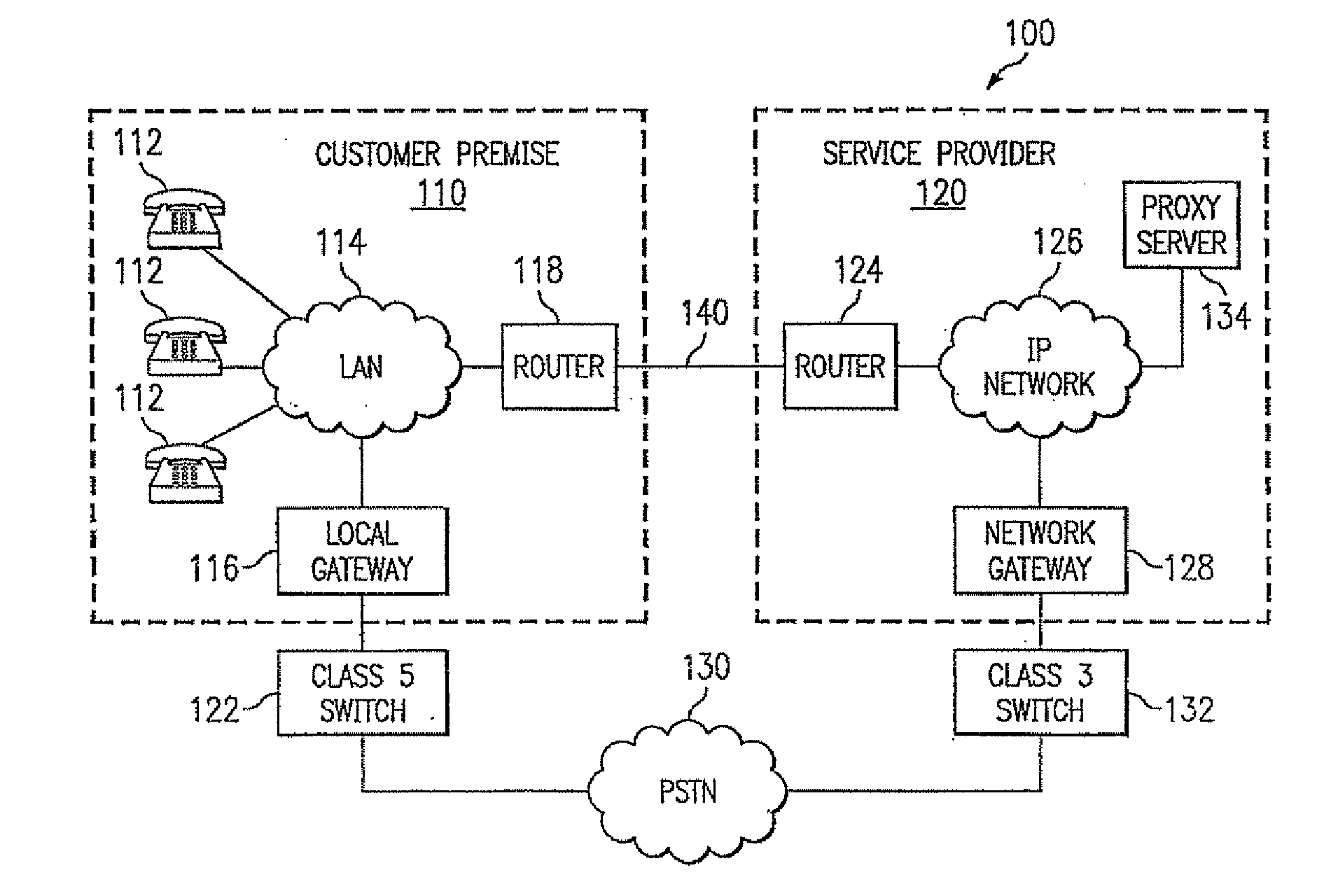
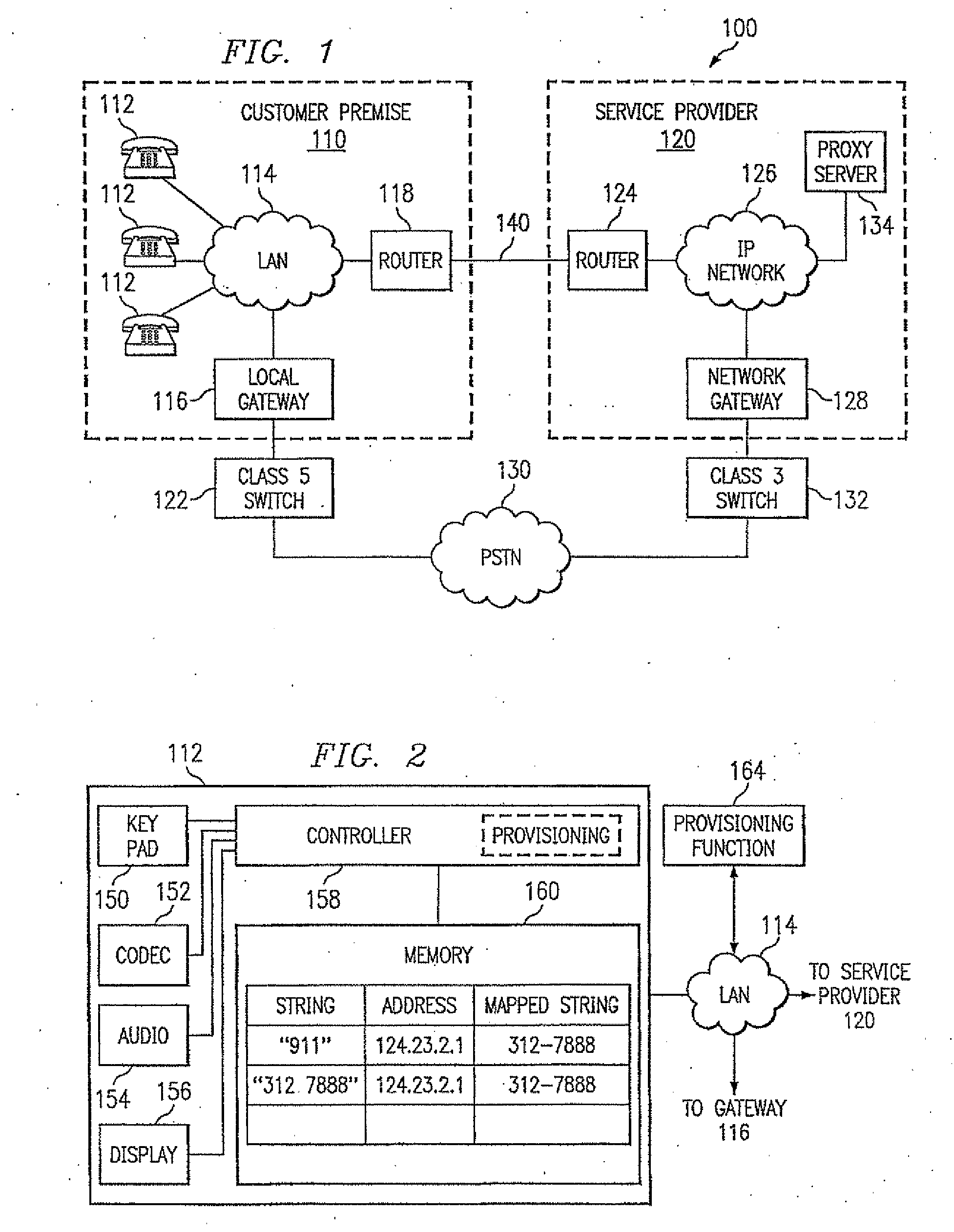
- Implementing a customer premise with direct access to a network gateway that interfaces with a Class 5 end office switch in the PSTN, allowing emergency calls to bypass the voice-over-packet core network and route directly to the PSTN, independent of the IP network, and provisioning handsets to map emergency dialing strings to local emergency numbers.
Selective feature blocking in a communications network
PatentInactiveUS20080031228A1
Innovation
- The solution involves a comprehensive approach to configure screening control for feature-associated contacts separately from outbound calling permissions, allowing for uniform application across the system on a per-user or per-profile basis, using a location server to manage and enforce these settings.


Energy Efficiency and Sustainability Impact
The integration of solid-state proton conductors in telecommunications infrastructure represents a significant advancement in energy efficiency and sustainability. These innovative materials fundamentally transform power consumption patterns in network equipment by enabling more efficient energy storage and conversion systems. Compared to traditional technologies, solid-state proton conductors demonstrate up to 30% higher energy efficiency in telecommunications applications, directly translating to reduced operational costs and carbon footprints for service providers.
From an environmental perspective, these conductors facilitate the development of cleaner backup power solutions for telecommunications towers and data centers. By replacing conventional lead-acid batteries and diesel generators with proton-based fuel cells and energy storage systems, the industry can substantially decrease hazardous waste generation and greenhouse gas emissions. Recent field tests indicate that telecommunications facilities utilizing solid-state proton conductor technologies can reduce their carbon emissions by approximately 25-40% compared to conventional setups.
The sustainability benefits extend to resource utilization as well. Solid-state proton conductors typically require less rare earth elements than competing technologies, reducing supply chain vulnerabilities and environmental impacts associated with mining operations. Furthermore, these materials generally demonstrate longer operational lifespans—often exceeding 10-15 years compared to 3-5 years for conventional solutions—which significantly reduces electronic waste generation in the telecommunications sector.
Water management represents another critical sustainability advantage. Unlike traditional hydrogen fuel cells that produce water as a byproduct requiring complex management systems, many solid-state proton conductor implementations feature more efficient water recycling capabilities or reduced water dependencies altogether. This characteristic proves particularly valuable for telecommunications infrastructure deployed in water-scarce regions.
The energy density improvements offered by solid-state proton conductors also contribute to more compact equipment designs, reducing the physical footprint of telecommunications infrastructure. This spatial efficiency translates to less land usage for installations and decreased material requirements for construction, further enhancing the overall sustainability profile of network deployments.
As telecommunications networks continue expanding globally to meet increasing connectivity demands, the cumulative environmental benefits of adopting solid-state proton conductor technologies become increasingly significant. Industry analysts project that widespread implementation could prevent millions of tons of carbon emissions annually while supporting the telecommunications sector's transition toward carbon-neutral operations by 2040.
From an environmental perspective, these conductors facilitate the development of cleaner backup power solutions for telecommunications towers and data centers. By replacing conventional lead-acid batteries and diesel generators with proton-based fuel cells and energy storage systems, the industry can substantially decrease hazardous waste generation and greenhouse gas emissions. Recent field tests indicate that telecommunications facilities utilizing solid-state proton conductor technologies can reduce their carbon emissions by approximately 25-40% compared to conventional setups.
The sustainability benefits extend to resource utilization as well. Solid-state proton conductors typically require less rare earth elements than competing technologies, reducing supply chain vulnerabilities and environmental impacts associated with mining operations. Furthermore, these materials generally demonstrate longer operational lifespans—often exceeding 10-15 years compared to 3-5 years for conventional solutions—which significantly reduces electronic waste generation in the telecommunications sector.
Water management represents another critical sustainability advantage. Unlike traditional hydrogen fuel cells that produce water as a byproduct requiring complex management systems, many solid-state proton conductor implementations feature more efficient water recycling capabilities or reduced water dependencies altogether. This characteristic proves particularly valuable for telecommunications infrastructure deployed in water-scarce regions.
The energy density improvements offered by solid-state proton conductors also contribute to more compact equipment designs, reducing the physical footprint of telecommunications infrastructure. This spatial efficiency translates to less land usage for installations and decreased material requirements for construction, further enhancing the overall sustainability profile of network deployments.
As telecommunications networks continue expanding globally to meet increasing connectivity demands, the cumulative environmental benefits of adopting solid-state proton conductor technologies become increasingly significant. Industry analysts project that widespread implementation could prevent millions of tons of carbon emissions annually while supporting the telecommunications sector's transition toward carbon-neutral operations by 2040.
Integration Challenges with Existing Infrastructure
The integration of solid-state proton conductors into existing telecommunications infrastructure presents significant challenges that require careful consideration. Current telecommunications systems rely heavily on established electronic components and transmission protocols that have evolved over decades. Introducing proton-based technologies necessitates substantial modifications to these systems, creating compatibility issues at both hardware and software levels.
Physical integration poses the first major hurdle. Existing telecommunications equipment is designed around electron-based signal transmission, with standardized interfaces, connectors, and power requirements. Solid-state proton conductors operate on fundamentally different principles, requiring new interface designs and connection standards. The dimensional and operational parameters of proton-based components often do not align with current installation specifications, necessitating costly retrofitting or complete replacement of equipment.
Signal conversion represents another critical challenge. Telecommunications networks function through seamless conversion between various signal types (electrical, optical, wireless). Introducing proton-based signals requires development of efficient transducers capable of converting between proton-mediated signals and conventional electronic or photonic signals. Current conversion technologies suffer from significant signal loss and latency issues, compromising the performance advantages that proton conductors potentially offer.
Power infrastructure compatibility presents additional complications. Solid-state proton conductors typically require specific operating conditions, including controlled humidity and temperature environments that differ from standard telecommunications equipment specifications. Existing power distribution systems may be inadequate for the unique requirements of proton-based technologies, necessitating substantial upgrades to power delivery networks.
Network management systems face integration challenges as well. Current network monitoring, control, and diagnostic tools are designed for electron-based systems and lack the capability to effectively manage proton-based components. Developing new management protocols and software interfaces that can seamlessly incorporate proton conductor technologies while maintaining backward compatibility with existing systems represents a significant technical hurdle.
Regulatory compliance adds another layer of complexity. Telecommunications infrastructure is subject to strict regulatory frameworks governing performance, safety, and interoperability. Solid-state proton conductors must meet these established standards, which were developed for conventional technologies. The novel characteristics of proton-based systems may require updates to regulatory frameworks, a process that typically lags behind technological innovation and can delay widespread implementation.
Physical integration poses the first major hurdle. Existing telecommunications equipment is designed around electron-based signal transmission, with standardized interfaces, connectors, and power requirements. Solid-state proton conductors operate on fundamentally different principles, requiring new interface designs and connection standards. The dimensional and operational parameters of proton-based components often do not align with current installation specifications, necessitating costly retrofitting or complete replacement of equipment.
Signal conversion represents another critical challenge. Telecommunications networks function through seamless conversion between various signal types (electrical, optical, wireless). Introducing proton-based signals requires development of efficient transducers capable of converting between proton-mediated signals and conventional electronic or photonic signals. Current conversion technologies suffer from significant signal loss and latency issues, compromising the performance advantages that proton conductors potentially offer.
Power infrastructure compatibility presents additional complications. Solid-state proton conductors typically require specific operating conditions, including controlled humidity and temperature environments that differ from standard telecommunications equipment specifications. Existing power distribution systems may be inadequate for the unique requirements of proton-based technologies, necessitating substantial upgrades to power delivery networks.
Network management systems face integration challenges as well. Current network monitoring, control, and diagnostic tools are designed for electron-based systems and lack the capability to effectively manage proton-based components. Developing new management protocols and software interfaces that can seamlessly incorporate proton conductor technologies while maintaining backward compatibility with existing systems represents a significant technical hurdle.
Regulatory compliance adds another layer of complexity. Telecommunications infrastructure is subject to strict regulatory frameworks governing performance, safety, and interoperability. Solid-state proton conductors must meet these established standards, which were developed for conventional technologies. The novel characteristics of proton-based systems may require updates to regulatory frameworks, a process that typically lags behind technological innovation and can delay widespread implementation.
Unlock deeper insights with PatSnap Eureka Quick Research — get a full tech report to explore trends and direct your research. Try now!
Generate Your Research Report Instantly with AI Agent
Supercharge your innovation with PatSnap Eureka AI Agent Platform!