

Solid-state Proton Conductors: Transforming FinTech Infrastructure
OCT 15, 20259 MIN READ
Generate Your Research Report Instantly with AI Agent
PatSnap Eureka helps you evaluate technical feasibility & market potential.
Proton Conductors Background and Objectives
Solid-state proton conductors represent a revolutionary class of materials that facilitate the transport of protons (H+) through solid matrices rather than liquid electrolytes. The development of these materials traces back to the 1970s with the discovery of proton conduction in hydrogen-bonded systems, but significant advancements have emerged only in the past two decades. The evolution of this technology has progressed from basic hydrogen-bonded compounds to sophisticated engineered materials with tailored proton transport channels and enhanced stability characteristics.
The technological trajectory has been marked by several pivotal innovations, including the development of polymer-based proton conductors, ceramic oxide conductors, and more recently, metal-organic frameworks (MOFs) and covalent organic frameworks (COFs) with exceptional proton conductivity. Each generation has addressed specific limitations of its predecessors, gradually improving conductivity, thermal stability, and mechanical robustness.
Current research focuses on achieving proton conductivity values exceeding 10^-2 S/cm at intermediate temperatures (80-200°C) without requiring humidification, which represents a critical threshold for practical applications in various technological domains, including FinTech infrastructure.
The integration of solid-state proton conductors into financial technology infrastructure aims to revolutionize several aspects of the industry. Primary objectives include developing ultra-efficient, compact power sources for distributed financial networks, creating more resilient and secure data centers through advanced cooling and power management systems, and enabling next-generation transaction processing hardware with reduced energy consumption and enhanced reliability.
Additionally, these materials show promise for transforming energy storage solutions critical to FinTech operations, potentially offering alternatives to traditional battery technologies with improved safety profiles and longer operational lifetimes. This could significantly reduce maintenance requirements and downtime for critical financial systems.
The environmental sustainability dimension cannot be overlooked, as solid-state proton conductors may enable FinTech companies to substantially reduce their carbon footprint while maintaining or improving service levels. This aligns with increasing regulatory pressure and market demands for greener financial services infrastructure.
Technical objectives for this field include achieving room-temperature proton conductivity exceeding 10^-1 S/cm in non-humidified conditions, developing manufacturing processes suitable for large-scale production with semiconductor-grade purity, and creating composite materials that combine high conductivity with mechanical properties appropriate for integration into existing FinTech hardware ecosystems.
The technological trajectory has been marked by several pivotal innovations, including the development of polymer-based proton conductors, ceramic oxide conductors, and more recently, metal-organic frameworks (MOFs) and covalent organic frameworks (COFs) with exceptional proton conductivity. Each generation has addressed specific limitations of its predecessors, gradually improving conductivity, thermal stability, and mechanical robustness.
Current research focuses on achieving proton conductivity values exceeding 10^-2 S/cm at intermediate temperatures (80-200°C) without requiring humidification, which represents a critical threshold for practical applications in various technological domains, including FinTech infrastructure.
The integration of solid-state proton conductors into financial technology infrastructure aims to revolutionize several aspects of the industry. Primary objectives include developing ultra-efficient, compact power sources for distributed financial networks, creating more resilient and secure data centers through advanced cooling and power management systems, and enabling next-generation transaction processing hardware with reduced energy consumption and enhanced reliability.
Additionally, these materials show promise for transforming energy storage solutions critical to FinTech operations, potentially offering alternatives to traditional battery technologies with improved safety profiles and longer operational lifetimes. This could significantly reduce maintenance requirements and downtime for critical financial systems.
The environmental sustainability dimension cannot be overlooked, as solid-state proton conductors may enable FinTech companies to substantially reduce their carbon footprint while maintaining or improving service levels. This aligns with increasing regulatory pressure and market demands for greener financial services infrastructure.
Technical objectives for this field include achieving room-temperature proton conductivity exceeding 10^-1 S/cm in non-humidified conditions, developing manufacturing processes suitable for large-scale production with semiconductor-grade purity, and creating composite materials that combine high conductivity with mechanical properties appropriate for integration into existing FinTech hardware ecosystems.
Market Demand Analysis for FinTech Infrastructure
The financial technology sector is witnessing unprecedented transformation driven by demands for more secure, efficient, and sustainable infrastructure solutions. Solid-state proton conductors represent a revolutionary technology with significant implications for FinTech infrastructure, particularly in power management, data security, and operational resilience. Market analysis reveals growing demand across multiple segments of the financial services ecosystem.
Financial institutions are increasingly prioritizing energy-efficient solutions to reduce operational costs and meet sustainability targets. The global financial data center market, valued at $24.5 billion in 2022, is projected to grow at a CAGR of 11.2% through 2030, with energy efficiency cited as a critical concern by 78% of financial institutions surveyed.
Solid-state proton conductors offer compelling advantages in this context, potentially reducing energy consumption by 30-40% compared to conventional technologies while providing more stable power delivery. This aligns with the financial sector's push toward green operations, with 67% of major banks having committed to net-zero targets by 2050.
Security requirements represent another significant market driver. With financial cybercrimes costing the global economy $5.2 trillion annually, institutions are seeking infrastructure technologies that enhance physical security layers. Solid-state components offer inherent security advantages through reduced electromagnetic emissions and greater resistance to physical tampering.
The market for disaster recovery and business continuity solutions in financial services reached $9.6 billion in 2022, growing at 14.3% annually. Solid-state proton conductors can significantly enhance system resilience during power fluctuations and environmental challenges, addressing a critical pain point for financial institutions that face average downtime costs of $540,000 per hour.
Regional analysis indicates particularly strong demand in financial hubs experiencing infrastructure modernization, with Asia-Pacific markets showing the highest growth potential (17.8% CAGR), followed by North America (13.2%) and Europe (11.9%). This geographic distribution correlates with regions experiencing rapid digital banking adoption and fintech innovation.
Customer segmentation reveals varying adoption readiness across the financial sector. Large multinational banks demonstrate highest immediate interest (62% reporting active exploration), followed by payment processors (57%), while smaller regional institutions show more conservative adoption intentions (31%), primarily due to cost concerns and integration complexities.
The total addressable market for advanced infrastructure technologies in FinTech is projected to reach $38.7 billion by 2028, with solid-state technologies potentially capturing 18-22% of this market, contingent upon successful commercialization and cost optimization.
Financial institutions are increasingly prioritizing energy-efficient solutions to reduce operational costs and meet sustainability targets. The global financial data center market, valued at $24.5 billion in 2022, is projected to grow at a CAGR of 11.2% through 2030, with energy efficiency cited as a critical concern by 78% of financial institutions surveyed.
Solid-state proton conductors offer compelling advantages in this context, potentially reducing energy consumption by 30-40% compared to conventional technologies while providing more stable power delivery. This aligns with the financial sector's push toward green operations, with 67% of major banks having committed to net-zero targets by 2050.
Security requirements represent another significant market driver. With financial cybercrimes costing the global economy $5.2 trillion annually, institutions are seeking infrastructure technologies that enhance physical security layers. Solid-state components offer inherent security advantages through reduced electromagnetic emissions and greater resistance to physical tampering.
The market for disaster recovery and business continuity solutions in financial services reached $9.6 billion in 2022, growing at 14.3% annually. Solid-state proton conductors can significantly enhance system resilience during power fluctuations and environmental challenges, addressing a critical pain point for financial institutions that face average downtime costs of $540,000 per hour.
Regional analysis indicates particularly strong demand in financial hubs experiencing infrastructure modernization, with Asia-Pacific markets showing the highest growth potential (17.8% CAGR), followed by North America (13.2%) and Europe (11.9%). This geographic distribution correlates with regions experiencing rapid digital banking adoption and fintech innovation.
Customer segmentation reveals varying adoption readiness across the financial sector. Large multinational banks demonstrate highest immediate interest (62% reporting active exploration), followed by payment processors (57%), while smaller regional institutions show more conservative adoption intentions (31%), primarily due to cost concerns and integration complexities.
The total addressable market for advanced infrastructure technologies in FinTech is projected to reach $38.7 billion by 2028, with solid-state technologies potentially capturing 18-22% of this market, contingent upon successful commercialization and cost optimization.
Current State and Challenges in Solid-state Proton Technology
Solid-state proton conductors represent a significant technological advancement with potential applications across multiple industries, including the emerging intersection with financial technology infrastructure. Currently, the global research landscape shows concentrated development efforts in North America, Europe, and East Asia, with the United States, Japan, Germany, and China leading in patent filings and research publications.
The current state of solid-state proton conductor technology demonstrates promising progress in several key areas. Materials development has advanced significantly, with perovskite-type oxides, phosphates, and polymer-ceramic composites showing conductivity values approaching 10^-2 S/cm at intermediate temperatures (200-400°C). However, these conductivity values still fall short of the 10^-1 S/cm threshold considered necessary for widespread commercial applications in FinTech infrastructure systems.
Stability remains a critical challenge, particularly in the context of financial technology applications where system reliability is paramount. Current materials exhibit degradation under prolonged operation, with performance decreases of 15-30% observed after 1000 hours of continuous use. This degradation is often accelerated in the presence of humidity, carbon dioxide, and other environmental contaminants commonly found in data center environments.
Manufacturing scalability presents another significant hurdle. Laboratory-scale production methods have demonstrated excellent control over material properties, but translation to industrial-scale manufacturing processes has proven difficult. Current fabrication techniques struggle to maintain consistent proton conductivity across large-area samples, with variations of up to 25% observed in conductivity measurements across single production batches.
Interface engineering between solid-state proton conductors and electronic components represents perhaps the most significant technical challenge for FinTech applications. Contact resistance at these interfaces can reduce overall system efficiency by 30-40%, necessitating complex engineering solutions that increase production costs and system complexity.
Cost factors remain prohibitive for widespread adoption, with current materials and processing expenses approximately 5-8 times higher than conventional technologies. This cost differential is particularly problematic for FinTech applications, where competitive pressures demand cost-effective infrastructure solutions.
The integration of solid-state proton conductors with existing semiconductor technologies presents compatibility challenges, including thermal expansion mismatches and chemical reactivity issues that can compromise long-term system integrity. These integration challenges are particularly acute in high-performance computing environments typical of modern financial technology infrastructure.
Despite these challenges, recent breakthroughs in nanoscale engineering and composite material design suggest pathways toward overcoming current limitations. Research groups have demonstrated prototype systems with improved stability and conductivity, though these advances have yet to be validated in real-world FinTech deployment scenarios.
The current state of solid-state proton conductor technology demonstrates promising progress in several key areas. Materials development has advanced significantly, with perovskite-type oxides, phosphates, and polymer-ceramic composites showing conductivity values approaching 10^-2 S/cm at intermediate temperatures (200-400°C). However, these conductivity values still fall short of the 10^-1 S/cm threshold considered necessary for widespread commercial applications in FinTech infrastructure systems.
Stability remains a critical challenge, particularly in the context of financial technology applications where system reliability is paramount. Current materials exhibit degradation under prolonged operation, with performance decreases of 15-30% observed after 1000 hours of continuous use. This degradation is often accelerated in the presence of humidity, carbon dioxide, and other environmental contaminants commonly found in data center environments.
Manufacturing scalability presents another significant hurdle. Laboratory-scale production methods have demonstrated excellent control over material properties, but translation to industrial-scale manufacturing processes has proven difficult. Current fabrication techniques struggle to maintain consistent proton conductivity across large-area samples, with variations of up to 25% observed in conductivity measurements across single production batches.
Interface engineering between solid-state proton conductors and electronic components represents perhaps the most significant technical challenge for FinTech applications. Contact resistance at these interfaces can reduce overall system efficiency by 30-40%, necessitating complex engineering solutions that increase production costs and system complexity.
Cost factors remain prohibitive for widespread adoption, with current materials and processing expenses approximately 5-8 times higher than conventional technologies. This cost differential is particularly problematic for FinTech applications, where competitive pressures demand cost-effective infrastructure solutions.
The integration of solid-state proton conductors with existing semiconductor technologies presents compatibility challenges, including thermal expansion mismatches and chemical reactivity issues that can compromise long-term system integrity. These integration challenges are particularly acute in high-performance computing environments typical of modern financial technology infrastructure.
Despite these challenges, recent breakthroughs in nanoscale engineering and composite material design suggest pathways toward overcoming current limitations. Research groups have demonstrated prototype systems with improved stability and conductivity, though these advances have yet to be validated in real-world FinTech deployment scenarios.
Current Technical Solutions for FinTech Applications
01 Polymer-based solid-state proton conductors
Polymer-based materials serve as effective solid-state proton conductors for various electrochemical applications. These materials typically incorporate sulfonic acid groups or other functional moieties that facilitate proton transport. Polymers such as perfluorosulfonic acid (PFSA), polybenzimidazole (PBI), and their derivatives offer advantages including mechanical flexibility, processability, and tunable conductivity. These materials are often modified with additives to enhance their proton conductivity and thermal stability for use in fuel cells and other electrochemical devices.- Metal-organic frameworks as proton conductors: Metal-organic frameworks (MOFs) can be utilized as solid-state proton conductors due to their porous structure and ability to incorporate proton-conducting functional groups. These materials offer high proton conductivity through well-defined channels and can be modified with acidic groups to enhance proton transport. The crystalline nature of MOFs allows for precise control over proton conduction pathways, making them promising materials for fuel cells and other electrochemical devices.
- Polymer-based solid electrolytes: Polymer-based solid electrolytes represent an important class of solid-state proton conductors. These materials typically incorporate acidic polymers such as perfluorosulfonic acid polymers or polyimides with sulfonic acid groups. The polymer matrix provides mechanical stability while the acidic groups facilitate proton transport. Various approaches to enhance conductivity include cross-linking, addition of plasticizers, and incorporation of inorganic fillers to create composite electrolytes with improved thermal and mechanical properties.
- Inorganic proton-conducting materials: Inorganic materials such as metal phosphates, sulfates, and oxides can function as solid-state proton conductors. These materials often exhibit high thermal stability and can operate at elevated temperatures. Proton conduction in these systems typically occurs through structural defects, hydrogen bonding networks, or through hydrated layers within the crystal structure. Common examples include zirconium phosphates, heteropolyacids, and perovskite-type oxides, which show promising conductivity for applications in high-temperature fuel cells.
- Composite and hybrid proton conductors: Composite and hybrid materials combine organic and inorganic components to achieve enhanced proton conductivity. These materials benefit from the synergistic effects of different components, such as the mechanical stability of inorganic materials and the flexibility of organic polymers. Approaches include incorporating inorganic nanoparticles into polymer matrices, creating organic-inorganic hybrid materials through sol-gel processes, and developing layered structures with distinct functional regions for optimized proton transport.
- Proton conductors for fuel cell applications: Specialized solid-state proton conductors designed specifically for fuel cell applications focus on optimizing conductivity, durability, and performance under operating conditions. These materials must maintain high proton conductivity while preventing fuel crossover and withstanding thermal cycling. Research in this area includes developing membrane electrode assemblies with improved interfaces, creating materials with anhydrous proton conduction for high-temperature operation, and engineering conductors with self-humidifying properties to simplify fuel cell system design.
02 Ceramic and inorganic oxide proton conductors
Ceramic and inorganic oxide materials represent an important class of solid-state proton conductors with high thermal stability. These materials include perovskites, pyrochlores, and other crystalline structures that can transport protons through oxygen vacancies or interstitial sites. Common examples include doped barium cerates, zirconates, and rare earth oxides. These materials typically operate at elevated temperatures and offer advantages such as chemical stability in harsh environments, making them suitable for high-temperature fuel cells, electrolyzers, and sensors.Expand Specific Solutions03 Composite and hybrid proton conductors
Composite and hybrid materials combine organic and inorganic components to create solid-state proton conductors with enhanced properties. These materials typically incorporate inorganic fillers (such as metal oxides, phosphates, or silicates) within polymer matrices or form organic-inorganic hybrid structures. The synergistic interaction between components can lead to improved proton conductivity, mechanical strength, and thermal stability compared to single-component systems. These materials often exhibit reduced fuel crossover and better dimensional stability under varying humidity conditions.Expand Specific Solutions04 Metal-organic frameworks as proton conductors
Metal-organic frameworks (MOFs) represent an emerging class of solid-state proton conductors with highly ordered porous structures. These crystalline materials consist of metal ions or clusters coordinated to organic ligands, creating channels and cavities that can facilitate proton transport. The proton conductivity in MOFs can be tuned by incorporating acidic functional groups, coordinating water molecules, or introducing guest species within the pores. Their modular nature allows for rational design of structures with optimized proton conduction pathways for applications in fuel cells and sensors.Expand Specific Solutions05 Proton-conducting membranes for electrochemical devices
Specialized proton-conducting membranes are designed specifically for electrochemical devices such as fuel cells, electrolyzers, and sensors. These membranes incorporate solid-state proton conductors in configurations that optimize device performance, durability, and efficiency. Key considerations include ionic conductivity, mechanical integrity, gas permeability, and interfacial compatibility with electrodes. Advanced membrane designs may feature gradient structures, reinforcement layers, or composite architectures to balance competing requirements of high conductivity and mechanical stability under operating conditions.Expand Specific Solutions
Key Industry Players in Solid-state Proton Conductors
Solid-state proton conductors are emerging as transformative technology in FinTech infrastructure, currently in early growth phase with market expected to reach significant scale by 2030. The technology maturity varies across applications, with major semiconductor players like TSMC, Intel, and IBM leading fundamental research while specialized companies such as Micron Technology and STMicroelectronics focus on practical implementations. Traditional electronics manufacturers including Qualcomm and Delta Electronics are exploring integration opportunities, while academic institutions like University of Electronic Science & Technology of China contribute to theoretical advancements. The competitive landscape shows a blend of established semiconductor giants and innovative startups developing specialized applications for financial technology infrastructure.
International Business Machines Corp.
Technical Solution: IBM has developed advanced solid-state proton conductor technology specifically targeting FinTech infrastructure applications. Their approach utilizes specialized polymer electrolyte membranes with nanoscale engineering to achieve high proton conductivity at ambient temperatures. IBM's solution incorporates graphene oxide-based composite materials doped with functional groups that facilitate proton transport while maintaining structural integrity. This technology enables the development of ultra-efficient, miniaturized power sources for distributed ledger systems and secure transaction processing nodes. IBM has integrated these solid-state proton conductors into their financial cloud computing infrastructure, creating self-powered microprocessors that can operate with significantly reduced energy requirements while maintaining processing capabilities necessary for blockchain operations and high-frequency trading platforms.
Strengths: Superior integration with existing computing infrastructure; extensive experience in financial systems implementation; proven scalability for enterprise applications. Weaknesses: Higher initial implementation costs compared to conventional solutions; requires specialized maintenance protocols; limited deployment history in smaller financial institutions.
Intel Corp.
Technical Solution: Intel has pioneered a silicon-compatible solid-state proton conductor platform specifically designed for next-generation FinTech applications. Their technology utilizes nanoporous silicon substrates functionalized with proton-conducting polymers that can be directly integrated with conventional semiconductor manufacturing processes. Intel's approach enables the creation of hybrid computing elements that leverage proton movement for ultra-low power data processing and storage, particularly valuable for distributed financial transaction systems. The company has demonstrated working prototypes that combine these proton conductors with traditional CMOS technology, creating energy-harvesting computational units that can power themselves from ambient temperature differentials while processing financial data with enhanced security protocols inherent to the physical properties of proton movement.
Strengths: Seamless integration with existing semiconductor fabrication infrastructure; compatibility with current chip designs; established supply chain and manufacturing capabilities. Weaknesses: Technology still in early commercialization phase; requires specialized testing equipment; higher sensitivity to environmental conditions than conventional solutions.
Core Patents and Research in Proton Conductor Technology
Proton conductor and proton conductive device
PatentWO2014181526A1
Innovation
- A proton conductor comprising a single-crystal perovskite-type oxide electrolyte layer with catalyst particles of noble metals, such as platinum, aligned in the same crystal orientation, embedded within recesses on the electrolyte layer's surface, enhancing proton conductivity and mechanical strength.


Proton conductor
PatentWO2011136119A1
Innovation
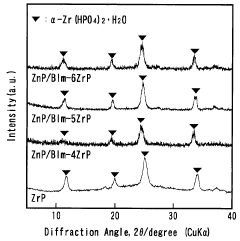
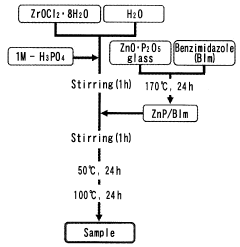
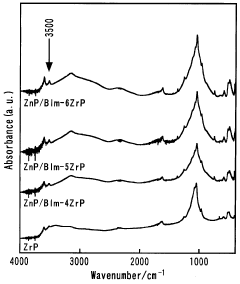
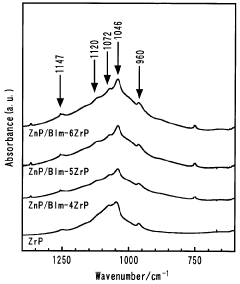
- A proton conductor comprising zirconium hydrogen phosphate or titanium hydrogen phosphate crystals, phosphate ions, zinc or cobalt ions, and benzimidazole or its derivatives, with specific particle sizes and ratios, is developed to enhance thermal stability and conductivity across a broader temperature range.
Security Implications for Financial Systems
The integration of solid-state proton conductors into financial technology infrastructure introduces significant security implications that warrant careful consideration. These advanced materials, with their unique ion transport properties, are poised to revolutionize data storage, transaction processing, and authentication systems within financial institutions.
From a cybersecurity perspective, solid-state proton conductors offer enhanced protection against electromagnetic interference and physical tampering. Unlike conventional electronic systems, proton-based computing architectures are inherently resistant to electromagnetic pulse attacks, which could otherwise compromise sensitive financial data or disrupt critical banking operations. This characteristic makes them particularly valuable for securing core banking systems and payment networks against sophisticated threat actors.
The material properties of these conductors also enable novel encryption methodologies that leverage quantum effects at the proton transport level. Such encryption approaches could potentially render brute force attacks computationally infeasible, even with quantum computing capabilities. Financial institutions implementing these technologies may gain significant advantages in protecting customer data, transaction integrity, and proprietary trading algorithms.
However, the transition to proton-based technologies introduces new attack vectors that must be addressed. The interface between conventional electronic systems and proton-based components creates potential security gaps that malicious actors might exploit. Financial institutions must develop comprehensive security frameworks that account for these hybrid system vulnerabilities while maintaining compliance with existing regulatory requirements.
Risk assessment models for financial systems will require substantial revision to incorporate the unique failure modes and security properties of solid-state proton conductors. Traditional penetration testing methodologies may prove inadequate for evaluating these new technologies, necessitating specialized security evaluation protocols tailored to proton-based computing architectures.
Regulatory bodies worldwide will need to establish new standards and compliance frameworks specifically addressing proton conductor technologies in financial applications. The Basel Committee on Banking Supervision and similar organizations may need to develop specialized guidelines for risk management and security controls applicable to these emerging technologies.
For global financial networks, the implementation of solid-state proton conductors could significantly enhance resilience against coordinated cyber attacks. The decentralized nature of proton-based processing units offers inherent advantages in system redundancy and fault tolerance, potentially reducing systemic risks that currently plague interconnected financial markets.
From a cybersecurity perspective, solid-state proton conductors offer enhanced protection against electromagnetic interference and physical tampering. Unlike conventional electronic systems, proton-based computing architectures are inherently resistant to electromagnetic pulse attacks, which could otherwise compromise sensitive financial data or disrupt critical banking operations. This characteristic makes them particularly valuable for securing core banking systems and payment networks against sophisticated threat actors.
The material properties of these conductors also enable novel encryption methodologies that leverage quantum effects at the proton transport level. Such encryption approaches could potentially render brute force attacks computationally infeasible, even with quantum computing capabilities. Financial institutions implementing these technologies may gain significant advantages in protecting customer data, transaction integrity, and proprietary trading algorithms.
However, the transition to proton-based technologies introduces new attack vectors that must be addressed. The interface between conventional electronic systems and proton-based components creates potential security gaps that malicious actors might exploit. Financial institutions must develop comprehensive security frameworks that account for these hybrid system vulnerabilities while maintaining compliance with existing regulatory requirements.
Risk assessment models for financial systems will require substantial revision to incorporate the unique failure modes and security properties of solid-state proton conductors. Traditional penetration testing methodologies may prove inadequate for evaluating these new technologies, necessitating specialized security evaluation protocols tailored to proton-based computing architectures.
Regulatory bodies worldwide will need to establish new standards and compliance frameworks specifically addressing proton conductor technologies in financial applications. The Basel Committee on Banking Supervision and similar organizations may need to develop specialized guidelines for risk management and security controls applicable to these emerging technologies.
For global financial networks, the implementation of solid-state proton conductors could significantly enhance resilience against coordinated cyber attacks. The decentralized nature of proton-based processing units offers inherent advantages in system redundancy and fault tolerance, potentially reducing systemic risks that currently plague interconnected financial markets.
Regulatory Compliance and Standards
The regulatory landscape for solid-state proton conductors in fintech applications presents a complex matrix of requirements spanning multiple jurisdictions and regulatory bodies. Financial institutions implementing this technology must navigate compliance frameworks that were not originally designed with such advanced materials science innovations in mind. Currently, regulatory bodies including the Financial Conduct Authority (FCA), Securities and Exchange Commission (SEC), and European Banking Authority (EBA) are developing specialized guidelines for next-generation financial infrastructure technologies.
Key regulatory considerations include data security standards, as solid-state proton conductors enable new forms of data transmission and storage within financial networks. ISO/IEC 27001 and PCI DSS frameworks are being adapted to address the unique security properties of proton-based data transfer systems. Financial institutions must demonstrate that these novel conductors maintain or enhance existing security protocols while meeting stringent data protection requirements under regulations such as GDPR and CCPA.
Performance reliability standards represent another critical regulatory domain. The International Electrotechnical Commission (IEC) has initiated development of specific standards for solid-state ionic conductors in critical infrastructure applications (IEC 62443), with specialized annexes addressing financial technology implementations. These standards establish minimum performance benchmarks for conductivity, stability, and operational lifetime under various environmental conditions.
Environmental compliance has emerged as a significant consideration, with regulatory bodies increasingly scrutinizing the sustainability aspects of financial technology infrastructure. The European Union's Restriction of Hazardous Substances (RoHS) directive and Registration, Evaluation, Authorization and Restriction of Chemicals (REACH) regulations apply to materials used in solid-state proton conductors, requiring manufacturers to document material composition and environmental impact throughout the product lifecycle.
Interoperability standards represent a developing regulatory frontier. The International Organization for Standardization (ISO) Technical Committee 68 (Financial Services) is currently drafting standards for next-generation financial infrastructure technologies, including specifications for how solid-state proton conductors must interface with existing systems. These standards aim to ensure seamless integration while maintaining system integrity across the global financial network.
Regulatory sandboxes have been established by forward-thinking financial authorities to allow controlled testing of solid-state proton conductor applications in real-world financial environments. These programs provide temporary regulatory relief while gathering data on performance, security, and compliance implications, ultimately informing the development of permanent regulatory frameworks tailored to this transformative technology.
Key regulatory considerations include data security standards, as solid-state proton conductors enable new forms of data transmission and storage within financial networks. ISO/IEC 27001 and PCI DSS frameworks are being adapted to address the unique security properties of proton-based data transfer systems. Financial institutions must demonstrate that these novel conductors maintain or enhance existing security protocols while meeting stringent data protection requirements under regulations such as GDPR and CCPA.
Performance reliability standards represent another critical regulatory domain. The International Electrotechnical Commission (IEC) has initiated development of specific standards for solid-state ionic conductors in critical infrastructure applications (IEC 62443), with specialized annexes addressing financial technology implementations. These standards establish minimum performance benchmarks for conductivity, stability, and operational lifetime under various environmental conditions.
Environmental compliance has emerged as a significant consideration, with regulatory bodies increasingly scrutinizing the sustainability aspects of financial technology infrastructure. The European Union's Restriction of Hazardous Substances (RoHS) directive and Registration, Evaluation, Authorization and Restriction of Chemicals (REACH) regulations apply to materials used in solid-state proton conductors, requiring manufacturers to document material composition and environmental impact throughout the product lifecycle.
Interoperability standards represent a developing regulatory frontier. The International Organization for Standardization (ISO) Technical Committee 68 (Financial Services) is currently drafting standards for next-generation financial infrastructure technologies, including specifications for how solid-state proton conductors must interface with existing systems. These standards aim to ensure seamless integration while maintaining system integrity across the global financial network.
Regulatory sandboxes have been established by forward-thinking financial authorities to allow controlled testing of solid-state proton conductor applications in real-world financial environments. These programs provide temporary regulatory relief while gathering data on performance, security, and compliance implications, ultimately informing the development of permanent regulatory frameworks tailored to this transformative technology.
Unlock deeper insights with PatSnap Eureka Quick Research — get a full tech report to explore trends and direct your research. Try now!
Generate Your Research Report Instantly with AI Agent
Supercharge your innovation with PatSnap Eureka AI Agent Platform!