

Solid-state Proton Conductors in Biotechnology: An Overview
OCT 15, 20259 MIN READ
Generate Your Research Report Instantly with AI Agent
PatSnap Eureka helps you evaluate technical feasibility & market potential.
Proton Conductors Background and Objectives
Proton conductors represent a fascinating class of materials that facilitate the transport of protons (H+) through solid structures. The history of these materials dates back to the early 20th century when researchers first observed proton mobility in certain crystalline compounds. However, significant advancements in this field emerged in the 1960s with the discovery of proton conduction mechanisms in hydrated compounds and polymers. Over the past few decades, the evolution of solid-state proton conductors has accelerated dramatically, driven by applications in fuel cells, sensors, and more recently, biotechnology.
The technological trajectory of proton conductors has been marked by several pivotal developments. Initially, research focused primarily on inorganic materials such as metal oxides and phosphates. The 1990s witnessed the emergence of polymer-based proton conductors, particularly perfluorosulfonic acid membranes like Nafion, which revolutionized fuel cell technology. Recent years have seen growing interest in composite and hybrid materials that combine the advantages of both organic and inorganic components to achieve enhanced proton conductivity under various environmental conditions.
In the biotechnology sector, solid-state proton conductors represent a relatively new but rapidly expanding research frontier. These materials offer unique capabilities for interfacing with biological systems, as proton transport is fundamental to numerous biological processes including ATP synthesis, enzymatic reactions, and cellular signaling. The biocompatibility of certain proton conductors makes them particularly valuable for applications at the interface of electronic devices and living systems.
The primary objectives of current research in this field encompass several dimensions. First, there is a concerted effort to develop proton conductors with higher conductivity at ambient and physiological temperatures, moving away from the high-temperature operation requirements of traditional systems. Second, researchers aim to enhance the stability and durability of these materials in biologically relevant environments, which often involve aqueous media and specific pH ranges.
Another critical objective involves the miniaturization and integration of proton-conducting materials into bioelectronic devices, enabling applications such as implantable sensors, drug delivery systems, and bioelectronic medicine. Additionally, there is growing interest in developing proton conductors that can selectively respond to biological stimuli, potentially enabling new sensing and diagnostic capabilities.
The ultimate goal of this technological pursuit is to create a new generation of bioelectronic interfaces that can effectively translate between electronic signals in devices and ionic/protonic signals in biological systems. Such interfaces would bridge the fundamental gap between silicon-based technology and living organisms, potentially revolutionizing fields ranging from medical diagnostics to neural interfaces and artificial organs.
The technological trajectory of proton conductors has been marked by several pivotal developments. Initially, research focused primarily on inorganic materials such as metal oxides and phosphates. The 1990s witnessed the emergence of polymer-based proton conductors, particularly perfluorosulfonic acid membranes like Nafion, which revolutionized fuel cell technology. Recent years have seen growing interest in composite and hybrid materials that combine the advantages of both organic and inorganic components to achieve enhanced proton conductivity under various environmental conditions.
In the biotechnology sector, solid-state proton conductors represent a relatively new but rapidly expanding research frontier. These materials offer unique capabilities for interfacing with biological systems, as proton transport is fundamental to numerous biological processes including ATP synthesis, enzymatic reactions, and cellular signaling. The biocompatibility of certain proton conductors makes them particularly valuable for applications at the interface of electronic devices and living systems.
The primary objectives of current research in this field encompass several dimensions. First, there is a concerted effort to develop proton conductors with higher conductivity at ambient and physiological temperatures, moving away from the high-temperature operation requirements of traditional systems. Second, researchers aim to enhance the stability and durability of these materials in biologically relevant environments, which often involve aqueous media and specific pH ranges.
Another critical objective involves the miniaturization and integration of proton-conducting materials into bioelectronic devices, enabling applications such as implantable sensors, drug delivery systems, and bioelectronic medicine. Additionally, there is growing interest in developing proton conductors that can selectively respond to biological stimuli, potentially enabling new sensing and diagnostic capabilities.
The ultimate goal of this technological pursuit is to create a new generation of bioelectronic interfaces that can effectively translate between electronic signals in devices and ionic/protonic signals in biological systems. Such interfaces would bridge the fundamental gap between silicon-based technology and living organisms, potentially revolutionizing fields ranging from medical diagnostics to neural interfaces and artificial organs.
Market Applications in Biotechnology Sector
The biotechnology sector represents one of the most promising application domains for solid-state proton conductors, with market opportunities spanning multiple high-value segments. Biosensors constitute a primary application area, where proton-conducting materials enable the development of highly sensitive and selective detection systems for biomolecules, pathogens, and metabolites. The global biosensor market, driven by healthcare diagnostics and environmental monitoring needs, continues to expand as these materials facilitate miniaturization and enhanced performance of sensing platforms.
Biofuel cells represent another significant market application, where solid-state proton conductors serve as critical components in devices that convert biochemical energy directly into electrical energy. These materials enable the development of implantable power sources for medical devices, environmental monitoring systems, and sustainable energy generation solutions that leverage biological processes.
In drug delivery systems, proton conductors are increasingly utilized to create smart materials that can respond to biological stimuli, allowing for controlled release mechanisms that improve therapeutic efficacy while reducing side effects. The pharmaceutical industry has shown particular interest in these materials for developing targeted delivery platforms for complex biologics and personalized medicine applications.
Bioelectronics represents an emerging frontier where solid-state proton conductors bridge the gap between electronic devices and biological systems. Applications include neural interfaces, bioelectronic medicine, and implantable devices that can monitor and modulate physiological processes. The ability of these materials to facilitate ion transport at the bio-electronic interface makes them particularly valuable for creating stable, long-term connections with living tissues.
Artificial organs and tissue engineering applications benefit from proton conductors that can mimic the ion transport properties of natural biological membranes. These materials support the development of bioartificial kidneys, pancreases, and other organ replacement technologies where precise control of ion movement is essential for proper function.
Laboratory equipment for biotechnology research constitutes another significant market segment, with proton conductors enabling advanced analytical instruments, microfluidic platforms, and bioreactors that require precise control of ionic environments. The research tools market continues to adopt these materials to enhance the capabilities of equipment used in genomics, proteomics, and cell biology investigations.
The integration of solid-state proton conductors into wearable biomedical devices represents a rapidly growing application area, with continuous health monitoring systems leveraging these materials to create comfortable, reliable interfaces with the human body for tracking various biomarkers and physiological parameters.
Biofuel cells represent another significant market application, where solid-state proton conductors serve as critical components in devices that convert biochemical energy directly into electrical energy. These materials enable the development of implantable power sources for medical devices, environmental monitoring systems, and sustainable energy generation solutions that leverage biological processes.
In drug delivery systems, proton conductors are increasingly utilized to create smart materials that can respond to biological stimuli, allowing for controlled release mechanisms that improve therapeutic efficacy while reducing side effects. The pharmaceutical industry has shown particular interest in these materials for developing targeted delivery platforms for complex biologics and personalized medicine applications.
Bioelectronics represents an emerging frontier where solid-state proton conductors bridge the gap between electronic devices and biological systems. Applications include neural interfaces, bioelectronic medicine, and implantable devices that can monitor and modulate physiological processes. The ability of these materials to facilitate ion transport at the bio-electronic interface makes them particularly valuable for creating stable, long-term connections with living tissues.
Artificial organs and tissue engineering applications benefit from proton conductors that can mimic the ion transport properties of natural biological membranes. These materials support the development of bioartificial kidneys, pancreases, and other organ replacement technologies where precise control of ion movement is essential for proper function.
Laboratory equipment for biotechnology research constitutes another significant market segment, with proton conductors enabling advanced analytical instruments, microfluidic platforms, and bioreactors that require precise control of ionic environments. The research tools market continues to adopt these materials to enhance the capabilities of equipment used in genomics, proteomics, and cell biology investigations.
The integration of solid-state proton conductors into wearable biomedical devices represents a rapidly growing application area, with continuous health monitoring systems leveraging these materials to create comfortable, reliable interfaces with the human body for tracking various biomarkers and physiological parameters.
Current State and Challenges in Solid-state Proton Conduction
Solid-state proton conductors have emerged as a critical technology in biotechnology applications, with significant advancements observed globally in recent years. Current research indicates that these materials achieve proton conductivity through various mechanisms, including vehicle mechanisms (where protons are transported via carrier molecules) and Grotthuss mechanisms (involving proton hopping between adjacent sites). The highest performing materials currently reach conductivities of 10^-2 to 10^-1 S/cm under optimal conditions, though performance often degrades significantly at lower humidity or extreme temperature conditions.
In the global landscape, Japan, the United States, and several European countries lead research efforts in this field, with China rapidly increasing its research output. Academic institutions like MIT, Tokyo Institute of Technology, and Max Planck Institute have established specialized research centers focused on solid-state proton conductors, while companies like Toyota, Panasonic, and Fujifilm have invested heavily in related technologies for biotechnology applications.
Despite progress, several significant challenges persist in the development of effective solid-state proton conductors. The primary technical hurdle remains achieving high proton conductivity under ambient conditions without requiring elevated temperatures or high humidity. Most current materials exhibit dramatic performance decreases when relative humidity drops below 50%, limiting their practical applications in varied environments.
Stability presents another major challenge, with many promising materials suffering from degradation during extended operation. Phosphoric acid-doped polybenzimidazole (PBI) membranes, while offering good conductivity, experience acid leaching over time. Similarly, metal-organic frameworks (MOFs) with exceptional initial performance often show structural collapse after repeated hydration-dehydration cycles.
Biocompatibility remains a critical constraint for biotechnology applications. Many high-performing proton conductors incorporate components that may be cytotoxic or trigger immune responses, restricting their use in implantable devices or direct contact with biological systems. The development of materials that balance conductivity with biocompatibility represents a significant research gap.
Manufacturing scalability also limits commercial adoption. Laboratory-scale synthesis methods for advanced materials like covalent organic frameworks (COFs) or precisely engineered polymer composites often involve complex, multi-step processes that resist industrial scaling. The cost of specialized precursors and processing requirements creates economic barriers to widespread implementation.
Interfacial resistance between solid-state proton conductors and adjacent components in devices represents another technical challenge. Poor contact or chemical incompatibility at interfaces can dramatically reduce overall system performance, even when the bulk material properties are excellent. This has particularly impacted applications in biosensors and bioelectronic devices where signal integrity is paramount.
In the global landscape, Japan, the United States, and several European countries lead research efforts in this field, with China rapidly increasing its research output. Academic institutions like MIT, Tokyo Institute of Technology, and Max Planck Institute have established specialized research centers focused on solid-state proton conductors, while companies like Toyota, Panasonic, and Fujifilm have invested heavily in related technologies for biotechnology applications.
Despite progress, several significant challenges persist in the development of effective solid-state proton conductors. The primary technical hurdle remains achieving high proton conductivity under ambient conditions without requiring elevated temperatures or high humidity. Most current materials exhibit dramatic performance decreases when relative humidity drops below 50%, limiting their practical applications in varied environments.
Stability presents another major challenge, with many promising materials suffering from degradation during extended operation. Phosphoric acid-doped polybenzimidazole (PBI) membranes, while offering good conductivity, experience acid leaching over time. Similarly, metal-organic frameworks (MOFs) with exceptional initial performance often show structural collapse after repeated hydration-dehydration cycles.
Biocompatibility remains a critical constraint for biotechnology applications. Many high-performing proton conductors incorporate components that may be cytotoxic or trigger immune responses, restricting their use in implantable devices or direct contact with biological systems. The development of materials that balance conductivity with biocompatibility represents a significant research gap.
Manufacturing scalability also limits commercial adoption. Laboratory-scale synthesis methods for advanced materials like covalent organic frameworks (COFs) or precisely engineered polymer composites often involve complex, multi-step processes that resist industrial scaling. The cost of specialized precursors and processing requirements creates economic barriers to widespread implementation.
Interfacial resistance between solid-state proton conductors and adjacent components in devices represents another technical challenge. Poor contact or chemical incompatibility at interfaces can dramatically reduce overall system performance, even when the bulk material properties are excellent. This has particularly impacted applications in biosensors and bioelectronic devices where signal integrity is paramount.
Contemporary Solid-state Proton Conductor Solutions
01 Polymer-based solid-state proton conductors
Polymer-based materials serve as effective solid-state proton conductors for fuel cells and electrochemical devices. These typically include sulfonated polymers, phosphoric acid-doped polymers, and polymer composites that facilitate proton transport through their molecular structure. The polymer matrix provides mechanical stability while functional groups enable proton hopping mechanisms, resulting in high conductivity under various operating conditions including intermediate temperatures.- Polymer-based solid-state proton conductors: Polymer-based materials serve as effective solid-state proton conductors for various electrochemical applications. These polymers typically contain functional groups that facilitate proton transport through hydrogen bonding networks. Common examples include sulfonated polymers, phosphoric acid-doped polymers, and polymer composites with inorganic additives. These materials offer advantages such as flexibility, processability, and tunable conductivity through structural modifications.
- Ceramic and inorganic solid-state proton conductors: Ceramic and inorganic materials function as high-temperature solid-state proton conductors with excellent thermal stability. These include perovskite-type oxides, rare-earth doped materials, and various metal phosphates and sulfates. The proton conduction mechanism typically involves oxygen vacancies and hydroxyl defects within the crystal structure. These materials are particularly suitable for applications requiring operation at elevated temperatures such as solid oxide fuel cells.
- Composite and hybrid proton conductors: Composite and hybrid materials combine organic and inorganic components to achieve enhanced proton conductivity and mechanical properties. These materials typically incorporate inorganic fillers such as metal oxides, heteropolyacids, or nanoparticles within a polymer matrix. The synergistic interaction between components creates additional proton conduction pathways and improves water retention capabilities, resulting in higher conductivity across a broader temperature range.
- Metal-organic frameworks as proton conductors: Metal-organic frameworks (MOFs) represent an emerging class of solid-state proton conductors with highly ordered porous structures. Their proton conductivity stems from coordinated water molecules, acidic functional groups, or guest molecules within the pores. The crystalline nature of MOFs allows for precise control over proton transport pathways through structural design. These materials offer advantages such as high surface area, tunable pore size, and chemical versatility.
- Proton conductors for specific applications: Specialized solid-state proton conductors are designed for specific applications such as fuel cells, electrolyzers, sensors, and batteries. These materials are optimized for particular operating conditions including temperature range, humidity levels, and chemical environment. Key considerations include long-term stability, resistance to poisoning, mechanical strength, and compatibility with electrode materials. Recent developments focus on achieving high conductivity under anhydrous conditions and at intermediate temperatures.
02 Ceramic and metal oxide proton conductors
Ceramic-based proton conductors, particularly those based on perovskite-type oxides and metal oxides, demonstrate excellent thermal stability and proton conductivity at elevated temperatures. These materials typically contain oxygen vacancies or hydroxyl groups that facilitate proton transport through the crystal lattice. Doping strategies with various elements can enhance conductivity by creating additional defect sites for proton migration, making these materials suitable for high-temperature applications such as solid oxide fuel cells.Expand Specific Solutions03 Composite and hybrid proton conductors
Hybrid and composite proton conductors combine organic and inorganic components to achieve enhanced performance characteristics. These materials typically incorporate nanoparticles or layered structures within a polymer matrix or combine different types of proton-conducting materials to create synergistic effects. The resulting composites often exhibit improved mechanical properties, higher thermal stability, and enhanced proton conductivity compared to single-component systems, while also addressing issues like water management and dimensional stability.Expand Specific Solutions04 Acid-based solid electrolytes
Solid electrolytes based on acids or acid derivatives provide efficient pathways for proton conduction. These include materials incorporating phosphoric acid, heteropolyacids, or sulfonic acid groups that facilitate proton transfer through hydrogen bonding networks. The acid functional groups create interconnected channels for proton transport while maintaining solid-state characteristics. These electrolytes often demonstrate high conductivity under anhydrous conditions, making them valuable for intermediate-temperature fuel cells and other electrochemical applications.Expand Specific Solutions05 Novel materials and fabrication methods for proton conductors
Innovative materials and fabrication approaches are being developed to create next-generation solid-state proton conductors. These include metal-organic frameworks, covalent organic frameworks, and other nanoporous materials with tailored pore structures for efficient proton transport. Advanced processing techniques such as 3D printing, electrospinning, and thin-film deposition enable precise control over microstructure and interfaces. These novel approaches aim to overcome traditional limitations in conductivity, stability, and operating temperature range for applications in fuel cells, electrolyzers, and sensors.Expand Specific Solutions
Leading Research Groups and Companies in the Field
Solid-state proton conductors in biotechnology are evolving rapidly, currently transitioning from early development to commercial application phase. The market is projected to grow significantly, driven by increasing demand in biomedical devices, biosensors, and energy applications. Technologically, the field shows varying maturity levels across companies. Academic institutions (University of Washington, Johns Hopkins, Manchester) lead fundamental research, while commercial players demonstrate different specialization levels. Sony and Samsung SDI leverage their materials expertise for advanced conductor development, Micron Technology focuses on semiconductor integration, and Otsuka Pharmaceutical explores biomedical applications. Resonac and Sumitomo Electric are advancing industrial-scale manufacturing processes, positioning themselves as key suppliers in this emerging biotechnology segment.
SAMSUNG SDI CO LTD
Technical Solution: Samsung SDI has developed advanced solid-state proton conductors utilizing composite polymer electrolytes specifically designed for biotechnology applications. Their proprietary technology combines modified polyethylene oxide (PEO) matrices with functionalized nanoparticles to create highly efficient proton transport pathways while maintaining biocompatibility. These materials achieve proton conductivities exceeding 10^-3 S/cm under physiological conditions. Samsung's innovation includes a unique surface modification technique for the nanoparticles that prevents aggregation and ensures uniform distribution throughout the polymer matrix, creating consistent proton conduction properties. The company has successfully integrated these materials into wearable biosensors for continuous health monitoring, where stable proton conduction enables reliable detection of various biomarkers in sweat and interstitial fluids. Additionally, Samsung has pioneered thin-film processing methods that allow fabrication of ultra-thin (sub-micron) proton-conducting membranes with excellent mechanical flexibility, making them suitable for conformable bioelectronic devices.
Strengths: Excellent integration capabilities with electronic components; superior thin-film processing technology; good mechanical flexibility; established mass production capabilities. Weaknesses: Moderate proton conductivity compared to some academic materials; potential long-term stability issues in complex biological environments; limited performance data in implantable applications.
RESONAC CORP
Technical Solution: RESONAC Corporation has developed innovative solid-state proton conductors based on functionalized mesoporous silica materials for biotechnology applications. Their technology utilizes precisely engineered nanoporous structures with controlled pore sizes (2-5 nm) and surface chemistry optimized for proton transport in biological environments. These materials achieve proton conductivities of 10^-2 to 10^-1 S/cm under hydrated conditions while maintaining excellent chemical stability. RESONAC's proprietary surface modification techniques incorporate both sulfonic acid groups for enhanced proton conductivity and biocompatible moieties that minimize adverse biological responses. The company has successfully demonstrated these materials in enzymatic bioreactors, where the efficient proton transport significantly improves reaction kinetics and product yields. Additionally, RESONAC has developed composite membranes combining their mesoporous silica with biocompatible polymers, creating mechanically robust proton conductors suitable for implantable bioelectronic devices. Their recent innovations include stimuli-responsive proton conductors that can modulate conductivity in response to specific biological signals, enabling smart biointerfaces for therapeutic applications.
Strengths: Excellent chemical stability; highly tunable pore architecture; superior proton conductivity under physiological conditions; good biocompatibility profile. Weaknesses: Relatively brittle mechanical properties compared to polymer alternatives; challenges in processing into flexible formats; potential limitations in long-term biostability.
Key Patents and Scientific Breakthroughs Analysis
Proton conductor with wide-ranging thermal resistance and good proton conductivity
PatentWO1998007164A1
Innovation
- A proton conductor composition comprising 1-99% by weight of an acid and 99-1% by weight of a thermally stable non-aqueous amphoteric substance, with specific molecular weight ranges and functional groups, providing proton conductivities of >10^(-5) S/cm across a wide temperature range, and optionally embedded in a high-molecular polymer to enhance stability and prevent acid escape.


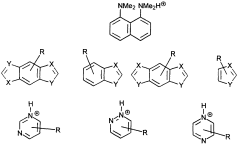
Proton conductor, process for producing the same, and electrochemical device
PatentInactiveUS7485391B2
Innovation
- A proton conductor composed of silicon oxide, Bronsted acid, and a derivative of carbonaceous material with proton dissociating groups introduced to carbon atoms, allowing for high mobile ion concentration and flexibility, enabling high protonic conductivity even in low humidity conditions.


Regulatory Framework for Biomedical Applications
The regulatory landscape for solid-state proton conductors in biomedical applications is complex and multifaceted, requiring careful navigation to ensure both innovation and patient safety. In the United States, the Food and Drug Administration (FDA) oversees biomedical devices incorporating these materials through various regulatory pathways, primarily under the Medical Device Regulations (21 CFR Part 800-898). Devices utilizing solid-state proton conductors may be classified from Class I to Class III depending on their risk profile and intended use.
The European Union has implemented the Medical Device Regulation (MDR 2017/745) and In Vitro Diagnostic Regulation (IVDR 2017/746), which impose stringent requirements for clinical evidence, post-market surveillance, and technical documentation for biomedical applications. These regulations specifically address materials with novel properties, including proton-conducting materials that interface with biological systems.
International standards play a crucial role in harmonizing regulatory approaches. ISO 10993 series for biocompatibility evaluation is particularly relevant for solid-state proton conductors that come into contact with human tissues. Additionally, IEC 60601 standards for medical electrical equipment provide safety guidelines for devices incorporating these materials in electrical systems.
Regulatory considerations specific to solid-state proton conductors include leaching potential, long-term stability in biological environments, and potential immunological responses. Manufacturers must demonstrate that these materials maintain their proton conductivity properties without degradation or toxic byproduct formation under physiological conditions.
The path to regulatory approval typically involves preclinical testing, including cytotoxicity, sensitization, and genotoxicity studies. For implantable devices utilizing these materials, long-term animal studies are generally required to assess biocompatibility and functional stability. Clinical trials may be necessary depending on the novelty of the material and its intended application.
Emerging regulatory frameworks are beginning to address the unique challenges posed by biomaterials with dynamic properties. The FDA's Digital Health Software Precertification Program and the EU's guidance on Artificial Intelligence in medical devices may have implications for smart biomedical systems incorporating responsive proton conductors.
Global harmonization efforts, such as the International Medical Device Regulators Forum (IMDRF), are working to standardize requirements across jurisdictions, potentially streamlining the approval process for novel technologies like solid-state proton conductors. However, significant regional variations in regulatory requirements persist, necessitating tailored approaches for global market access.
The European Union has implemented the Medical Device Regulation (MDR 2017/745) and In Vitro Diagnostic Regulation (IVDR 2017/746), which impose stringent requirements for clinical evidence, post-market surveillance, and technical documentation for biomedical applications. These regulations specifically address materials with novel properties, including proton-conducting materials that interface with biological systems.
International standards play a crucial role in harmonizing regulatory approaches. ISO 10993 series for biocompatibility evaluation is particularly relevant for solid-state proton conductors that come into contact with human tissues. Additionally, IEC 60601 standards for medical electrical equipment provide safety guidelines for devices incorporating these materials in electrical systems.
Regulatory considerations specific to solid-state proton conductors include leaching potential, long-term stability in biological environments, and potential immunological responses. Manufacturers must demonstrate that these materials maintain their proton conductivity properties without degradation or toxic byproduct formation under physiological conditions.
The path to regulatory approval typically involves preclinical testing, including cytotoxicity, sensitization, and genotoxicity studies. For implantable devices utilizing these materials, long-term animal studies are generally required to assess biocompatibility and functional stability. Clinical trials may be necessary depending on the novelty of the material and its intended application.
Emerging regulatory frameworks are beginning to address the unique challenges posed by biomaterials with dynamic properties. The FDA's Digital Health Software Precertification Program and the EU's guidance on Artificial Intelligence in medical devices may have implications for smart biomedical systems incorporating responsive proton conductors.
Global harmonization efforts, such as the International Medical Device Regulators Forum (IMDRF), are working to standardize requirements across jurisdictions, potentially streamlining the approval process for novel technologies like solid-state proton conductors. However, significant regional variations in regulatory requirements persist, necessitating tailored approaches for global market access.
Environmental Impact and Sustainability Considerations
The integration of solid-state proton conductors in biotechnology applications presents significant environmental and sustainability implications that warrant careful consideration. These materials offer potential advantages over traditional liquid-based systems, particularly in reducing environmental footprints across manufacturing, operational, and end-of-life phases.
From a resource utilization perspective, solid-state proton conductors typically require less water consumption compared to conventional liquid electrolyte systems. This water conservation aspect becomes increasingly critical as global water scarcity intensifies. Additionally, many solid-state systems demonstrate extended operational lifespans, reducing replacement frequency and associated material consumption, thereby contributing to resource conservation efforts.
Energy efficiency represents another crucial environmental dimension. Solid-state proton conductors often operate at lower energy thresholds than their liquid counterparts, potentially reducing the carbon footprint of biotechnological processes. When implemented in biofuel cells or biosensors, these materials can enhance energy conversion efficiency, supporting broader renewable energy initiatives and circular economy principles.
Waste reduction constitutes a significant sustainability advantage. The stability and containment properties of solid-state systems minimize leakage risks and reduce hazardous waste generation. Furthermore, some advanced solid-state proton conductors incorporate biodegradable components or enable easier material recovery at end-of-life, aligning with green chemistry principles and supporting closed-loop material cycles.
Manufacturing processes for solid-state proton conductors also merit environmental scrutiny. While some fabrication methods may involve energy-intensive steps or hazardous precursors, ongoing research focuses on developing greener synthesis routes. Innovations in low-temperature processing and non-toxic precursor utilization are gradually improving the environmental profile of production processes.
Regulatory frameworks increasingly emphasize life cycle assessment (LCA) for biotechnology materials. Comprehensive LCAs for solid-state proton conductors reveal both advantages and challenges compared to conventional systems. These assessments consider factors including embodied carbon, toxicity profiles, and resource depletion metrics, providing valuable guidance for sustainable technology development.
Looking forward, the environmental sustainability of solid-state proton conductors will likely improve through several pathways: incorporation of bio-based or recycled materials, design for disassembly and material recovery, and process optimizations reducing energy and resource requirements. These advancements position solid-state proton conductors as potentially significant contributors to more sustainable biotechnology practices.
From a resource utilization perspective, solid-state proton conductors typically require less water consumption compared to conventional liquid electrolyte systems. This water conservation aspect becomes increasingly critical as global water scarcity intensifies. Additionally, many solid-state systems demonstrate extended operational lifespans, reducing replacement frequency and associated material consumption, thereby contributing to resource conservation efforts.
Energy efficiency represents another crucial environmental dimension. Solid-state proton conductors often operate at lower energy thresholds than their liquid counterparts, potentially reducing the carbon footprint of biotechnological processes. When implemented in biofuel cells or biosensors, these materials can enhance energy conversion efficiency, supporting broader renewable energy initiatives and circular economy principles.
Waste reduction constitutes a significant sustainability advantage. The stability and containment properties of solid-state systems minimize leakage risks and reduce hazardous waste generation. Furthermore, some advanced solid-state proton conductors incorporate biodegradable components or enable easier material recovery at end-of-life, aligning with green chemistry principles and supporting closed-loop material cycles.
Manufacturing processes for solid-state proton conductors also merit environmental scrutiny. While some fabrication methods may involve energy-intensive steps or hazardous precursors, ongoing research focuses on developing greener synthesis routes. Innovations in low-temperature processing and non-toxic precursor utilization are gradually improving the environmental profile of production processes.
Regulatory frameworks increasingly emphasize life cycle assessment (LCA) for biotechnology materials. Comprehensive LCAs for solid-state proton conductors reveal both advantages and challenges compared to conventional systems. These assessments consider factors including embodied carbon, toxicity profiles, and resource depletion metrics, providing valuable guidance for sustainable technology development.
Looking forward, the environmental sustainability of solid-state proton conductors will likely improve through several pathways: incorporation of bio-based or recycled materials, design for disassembly and material recovery, and process optimizations reducing energy and resource requirements. These advancements position solid-state proton conductors as potentially significant contributors to more sustainable biotechnology practices.
Unlock deeper insights with PatSnap Eureka Quick Research — get a full tech report to explore trends and direct your research. Try now!
Generate Your Research Report Instantly with AI Agent
Supercharge your innovation with PatSnap Eureka AI Agent Platform!