

How Temperature Programmed Reduction Affects Catalyst Surface Properties
MAR 7, 20269 MIN READ
Generate Your Research Report Instantly with AI Agent
PatSnap Eureka helps you evaluate technical feasibility & market potential.
TPR Technology Background and Catalyst Modification Goals
Temperature Programmed Reduction (TPR) has emerged as a fundamental characterization technique in heterogeneous catalysis since its development in the 1960s. Originally conceived as an analytical method to study the reducibility of metal oxides, TPR has evolved into a sophisticated tool for understanding catalyst surface properties and designing improved catalytic materials. The technique involves heating a catalyst sample in a reducing atmosphere, typically hydrogen, while monitoring the consumption of the reducing agent as a function of temperature.
The historical development of TPR technology can be traced back to early work on metal oxide reduction kinetics, where researchers recognized the correlation between reduction temperature profiles and catalyst performance. Over the decades, TPR has become increasingly refined, with modern instruments capable of detecting minute changes in gas composition and providing detailed insights into surface chemistry. The technique has expanded beyond simple reduction studies to encompass comprehensive surface characterization protocols.
Current technological trends in TPR applications focus on multi-dimensional analysis approaches, combining TPR with complementary techniques such as mass spectrometry, X-ray absorption spectroscopy, and in-situ microscopy. These integrated methodologies enable real-time observation of structural and electronic changes occurring during reduction processes. Advanced TPR systems now incorporate programmable temperature profiles, multiple gas switching capabilities, and enhanced sensitivity detection systems.
The primary objective of modern TPR-based catalyst modification strategies centers on achieving precise control over surface active site distribution and electronic properties. By understanding how reduction conditions influence surface chemistry, researchers aim to develop systematic approaches for tailoring catalyst performance. This includes optimizing metal dispersion, controlling support-metal interactions, and engineering specific surface functionalities.
Contemporary research objectives emphasize the development of predictive models linking TPR profiles to catalytic activity and selectivity. The goal extends beyond traditional characterization to encompass rational catalyst design principles. Researchers are working toward establishing quantitative relationships between reduction behavior and performance metrics, enabling more efficient catalyst development processes.
Future technological targets include the integration of machine learning algorithms with TPR data analysis, automated catalyst screening protocols, and the development of operando TPR techniques that can monitor catalyst evolution under actual reaction conditions. These advances promise to transform TPR from a characterization tool into a comprehensive catalyst design platform.
The historical development of TPR technology can be traced back to early work on metal oxide reduction kinetics, where researchers recognized the correlation between reduction temperature profiles and catalyst performance. Over the decades, TPR has become increasingly refined, with modern instruments capable of detecting minute changes in gas composition and providing detailed insights into surface chemistry. The technique has expanded beyond simple reduction studies to encompass comprehensive surface characterization protocols.
Current technological trends in TPR applications focus on multi-dimensional analysis approaches, combining TPR with complementary techniques such as mass spectrometry, X-ray absorption spectroscopy, and in-situ microscopy. These integrated methodologies enable real-time observation of structural and electronic changes occurring during reduction processes. Advanced TPR systems now incorporate programmable temperature profiles, multiple gas switching capabilities, and enhanced sensitivity detection systems.
The primary objective of modern TPR-based catalyst modification strategies centers on achieving precise control over surface active site distribution and electronic properties. By understanding how reduction conditions influence surface chemistry, researchers aim to develop systematic approaches for tailoring catalyst performance. This includes optimizing metal dispersion, controlling support-metal interactions, and engineering specific surface functionalities.
Contemporary research objectives emphasize the development of predictive models linking TPR profiles to catalytic activity and selectivity. The goal extends beyond traditional characterization to encompass rational catalyst design principles. Researchers are working toward establishing quantitative relationships between reduction behavior and performance metrics, enabling more efficient catalyst development processes.
Future technological targets include the integration of machine learning algorithms with TPR data analysis, automated catalyst screening protocols, and the development of operando TPR techniques that can monitor catalyst evolution under actual reaction conditions. These advances promise to transform TPR from a characterization tool into a comprehensive catalyst design platform.
Market Demand for Advanced Catalyst Characterization Methods
The global catalyst characterization market has experienced substantial growth driven by increasing demand for precise analytical techniques that can elucidate complex surface phenomena. Temperature Programmed Reduction represents a critical component within this expanding market, as industries require sophisticated methods to understand how thermal treatments modify catalyst surface properties. The pharmaceutical, petrochemical, and environmental sectors particularly drive demand for advanced characterization tools that can provide detailed insights into catalyst behavior under varying thermal conditions.
Industrial catalyst manufacturers face mounting pressure to optimize their products for enhanced performance and longevity. This pressure translates directly into increased demand for characterization methods that can reveal how temperature-controlled reduction processes alter surface composition, oxidation states, and active site distribution. Companies investing in catalyst development recognize that understanding these surface modifications is essential for achieving competitive advantages in efficiency and selectivity.
The automotive industry's transition toward cleaner emission technologies has significantly amplified market demand for advanced catalyst characterization. Automotive catalyst manufacturers require precise analytical methods to understand how thermal cycling affects catalyst surface properties, particularly for three-way catalysts and diesel oxidation catalysts. Temperature Programmed Reduction provides crucial data for optimizing catalyst formulations that maintain performance under harsh operating conditions.
Environmental regulations worldwide continue to tighten, creating sustained demand for more effective catalytic solutions across multiple industries. This regulatory landscape drives investment in characterization technologies that can demonstrate catalyst performance improvements and compliance with emission standards. Organizations must validate that their catalysts maintain desired surface properties throughout operational lifecycles, making advanced characterization methods indispensable.
Research institutions and universities represent another significant market segment, requiring sophisticated analytical capabilities for fundamental catalyst research. Academic demand focuses on understanding fundamental relationships between thermal treatment conditions and resulting surface modifications. This research-driven demand supports development of more advanced characterization techniques and methodologies.
The renewable energy sector's expansion has created new market opportunities for catalyst characterization services and equipment. Fuel cell development, hydrogen production, and biomass conversion technologies all require catalysts with precisely controlled surface properties. These applications demand characterization methods capable of revealing how reduction treatments affect catalyst performance in these emerging energy applications.
Market growth is further supported by technological advances in analytical instrumentation, making sophisticated characterization methods more accessible to smaller organizations. Equipment manufacturers continue developing more user-friendly and cost-effective solutions, expanding the potential customer base for advanced catalyst characterization services and technologies.
Industrial catalyst manufacturers face mounting pressure to optimize their products for enhanced performance and longevity. This pressure translates directly into increased demand for characterization methods that can reveal how temperature-controlled reduction processes alter surface composition, oxidation states, and active site distribution. Companies investing in catalyst development recognize that understanding these surface modifications is essential for achieving competitive advantages in efficiency and selectivity.
The automotive industry's transition toward cleaner emission technologies has significantly amplified market demand for advanced catalyst characterization. Automotive catalyst manufacturers require precise analytical methods to understand how thermal cycling affects catalyst surface properties, particularly for three-way catalysts and diesel oxidation catalysts. Temperature Programmed Reduction provides crucial data for optimizing catalyst formulations that maintain performance under harsh operating conditions.
Environmental regulations worldwide continue to tighten, creating sustained demand for more effective catalytic solutions across multiple industries. This regulatory landscape drives investment in characterization technologies that can demonstrate catalyst performance improvements and compliance with emission standards. Organizations must validate that their catalysts maintain desired surface properties throughout operational lifecycles, making advanced characterization methods indispensable.
Research institutions and universities represent another significant market segment, requiring sophisticated analytical capabilities for fundamental catalyst research. Academic demand focuses on understanding fundamental relationships between thermal treatment conditions and resulting surface modifications. This research-driven demand supports development of more advanced characterization techniques and methodologies.
The renewable energy sector's expansion has created new market opportunities for catalyst characterization services and equipment. Fuel cell development, hydrogen production, and biomass conversion technologies all require catalysts with precisely controlled surface properties. These applications demand characterization methods capable of revealing how reduction treatments affect catalyst performance in these emerging energy applications.
Market growth is further supported by technological advances in analytical instrumentation, making sophisticated characterization methods more accessible to smaller organizations. Equipment manufacturers continue developing more user-friendly and cost-effective solutions, expanding the potential customer base for advanced catalyst characterization services and technologies.
Current TPR Applications and Surface Analysis Limitations
Temperature Programmed Reduction has established itself as a fundamental characterization technique across diverse catalytic applications, particularly in heterogeneous catalysis where understanding metal-support interactions is crucial. The technique finds extensive use in automotive exhaust treatment systems, where three-way catalysts containing platinum group metals require precise reduction behavior analysis to optimize performance. Industrial hydrogenation processes, petroleum refining operations, and emerging applications in renewable energy conversion systems all rely heavily on TPR data to guide catalyst design and optimization strategies.
In petrochemical industries, TPR serves as a critical tool for evaluating Fischer-Tropsch catalysts, where cobalt and iron-based systems undergo complex reduction sequences that directly correlate with catalytic activity. The technique has proven invaluable in characterizing supported metal catalysts for steam reforming, water-gas shift reactions, and selective oxidation processes. Recent applications have expanded into environmental catalysis, including NOx reduction catalysts and volatile organic compound oxidation systems.
Despite its widespread adoption, TPR faces significant limitations in providing comprehensive surface property analysis. The technique primarily offers bulk reduction information, often masking critical surface phenomena that govern catalytic behavior. Traditional TPR measurements cannot distinguish between surface and subsurface reduction events, leading to potential misinterpretation of active site formation mechanisms. The temporal resolution limitations prevent real-time monitoring of rapid surface restructuring processes that occur during reduction cycles.
Quantitative analysis remains challenging due to overlapping reduction peaks from different metal species or oxidation states, particularly in complex multi-component catalyst systems. The technique struggles to provide spatial resolution of surface heterogeneity, which is increasingly recognized as crucial for understanding catalyst performance variations. Additionally, TPR cannot directly correlate reduction behavior with specific surface properties such as metal dispersion, particle size distribution, or electronic structure modifications.
Integration challenges arise when attempting to combine TPR data with complementary surface analysis techniques. The ex-situ nature of most TPR measurements creates gaps in understanding dynamic surface evolution under realistic reaction conditions. These limitations have driven the development of operando spectroscopic approaches and advanced characterization methodologies to bridge the knowledge gaps inherent in conventional TPR analysis.
In petrochemical industries, TPR serves as a critical tool for evaluating Fischer-Tropsch catalysts, where cobalt and iron-based systems undergo complex reduction sequences that directly correlate with catalytic activity. The technique has proven invaluable in characterizing supported metal catalysts for steam reforming, water-gas shift reactions, and selective oxidation processes. Recent applications have expanded into environmental catalysis, including NOx reduction catalysts and volatile organic compound oxidation systems.
Despite its widespread adoption, TPR faces significant limitations in providing comprehensive surface property analysis. The technique primarily offers bulk reduction information, often masking critical surface phenomena that govern catalytic behavior. Traditional TPR measurements cannot distinguish between surface and subsurface reduction events, leading to potential misinterpretation of active site formation mechanisms. The temporal resolution limitations prevent real-time monitoring of rapid surface restructuring processes that occur during reduction cycles.
Quantitative analysis remains challenging due to overlapping reduction peaks from different metal species or oxidation states, particularly in complex multi-component catalyst systems. The technique struggles to provide spatial resolution of surface heterogeneity, which is increasingly recognized as crucial for understanding catalyst performance variations. Additionally, TPR cannot directly correlate reduction behavior with specific surface properties such as metal dispersion, particle size distribution, or electronic structure modifications.
Integration challenges arise when attempting to combine TPR data with complementary surface analysis techniques. The ex-situ nature of most TPR measurements creates gaps in understanding dynamic surface evolution under realistic reaction conditions. These limitations have driven the development of operando spectroscopic approaches and advanced characterization methodologies to bridge the knowledge gaps inherent in conventional TPR analysis.
Existing TPR Protocols for Surface Property Analysis
01 Temperature programmed reduction for catalyst characterization
Temperature programmed reduction (TPR) is widely used as an analytical technique to characterize catalysts and their surface properties. This method involves heating a catalyst sample in a reducing atmosphere while monitoring the consumption of reducing gas. TPR provides valuable information about the reducibility of metal oxides, the dispersion of active metal species, and the interaction between metal and support materials. The technique helps determine the optimal reduction temperature for catalyst activation and reveals the presence of different metal oxide species based on their reduction peaks.- Temperature programmed reduction characterization of catalyst materials: Temperature programmed reduction (TPR) is widely used as a characterization technique to study the reducibility and surface properties of catalyst materials. This method involves heating a catalyst sample in a reducing atmosphere while monitoring hydrogen consumption or other gas changes. TPR profiles provide information about the reduction temperatures of different metal oxides, the interaction between active components and supports, and the dispersion of active sites. The technique is particularly valuable for understanding the redox properties and active phase formation in catalytic materials.
- TPR analysis of metal oxide catalysts and their reduction behavior: Metal oxide catalysts exhibit distinct reduction behaviors that can be analyzed through temperature programmed reduction. The reduction peaks observed in TPR profiles correspond to different oxidation states and chemical environments of metal species. This analysis helps determine the optimal reduction temperature for catalyst activation and provides insights into metal-support interactions. The technique is essential for evaluating catalyst preparation methods and predicting catalytic performance in various reactions including hydrogenation, oxidation, and reforming processes.
- Surface characterization of supported metal catalysts using TPR: Temperature programmed reduction serves as a powerful tool for characterizing the surface properties of supported metal catalysts. The method reveals information about metal particle size, distribution, and the strength of metal-support interactions. TPR data combined with other characterization techniques helps optimize catalyst formulations by identifying the most reducible species and their accessibility. This approach is crucial for developing catalysts with enhanced activity, selectivity, and stability in industrial applications.
- TPR equipment and methodology for catalyst evaluation: Specialized equipment and standardized methodologies have been developed for conducting temperature programmed reduction experiments. These systems typically include gas flow controllers, temperature programmers, and detectors for monitoring gas composition changes. The experimental parameters such as heating rate, gas composition, and sample pretreatment significantly influence TPR results. Advanced TPR systems may incorporate mass spectrometry or thermal conductivity detectors to provide detailed information about reduction mechanisms and intermediate species formation during the reduction process.
- Application of TPR in catalyst design and optimization: Temperature programmed reduction data plays a critical role in rational catalyst design and optimization strategies. By correlating TPR profiles with catalytic performance, researchers can establish structure-activity relationships and identify key factors affecting catalyst efficiency. This information guides the selection of appropriate metal loadings, support materials, and preparation methods. TPR analysis is particularly valuable in developing catalysts for emerging applications such as environmental remediation, renewable energy conversion, and fine chemical synthesis, where precise control of surface properties is essential.
02 Surface modification and treatment of materials using temperature programmed methods
Temperature programmed techniques are employed for surface modification and treatment of various materials to enhance their properties. This approach involves controlled heating and reduction processes to alter surface characteristics such as porosity, active site distribution, and chemical composition. The method is particularly effective for preparing materials with specific surface properties required for catalytic applications, adsorption processes, or other functional purposes. The programmed temperature control allows for precise manipulation of surface structures and the creation of desired surface functionalities.Expand Specific Solutions03 Apparatus and systems for temperature programmed reduction analysis
Specialized apparatus and systems have been developed for conducting temperature programmed reduction experiments and analyzing surface properties. These systems typically include gas flow control units, temperature controllers, detectors for monitoring gas consumption, and data acquisition systems. The equipment is designed to provide accurate temperature ramping, precise gas mixture control, and sensitive detection of reduction events. Modern systems often incorporate automated features for improved reproducibility and ease of operation in characterizing material surface properties.Expand Specific Solutions04 Application of TPR in metal oxide and supported metal catalyst analysis
Temperature programmed reduction is extensively applied in analyzing metal oxides and supported metal catalysts to understand their surface properties and reduction behavior. This technique helps identify different oxidation states of metals, metal-support interactions, and the ease of reduction of various metal species. The analysis provides insights into catalyst preparation quality, the distribution of active phases, and the stability of catalytic materials. TPR profiles serve as fingerprints for catalyst characterization and quality control in industrial applications.Expand Specific Solutions05 Integration of TPR with other characterization techniques for comprehensive surface analysis
Temperature programmed reduction is often combined with other analytical techniques to provide comprehensive characterization of surface properties. Integration with methods such as X-ray diffraction, electron microscopy, spectroscopy, and other temperature programmed techniques enables a more complete understanding of material structure and behavior. This multi-technique approach allows researchers to correlate reduction behavior with structural features, surface composition, and catalytic performance. The combined analysis provides deeper insights into structure-property relationships and aids in the development of advanced materials.Expand Specific Solutions
Key Players in TPR Equipment and Catalyst Industry
The temperature programmed reduction (TPR) technology field represents a mature analytical technique operating within the established catalyst characterization market. The industry has reached a stable development stage with well-established methodologies and standardized applications across petrochemical and automotive sectors. Major players demonstrate varying levels of technological sophistication, with companies like Sinopec, BASF Corp., and Toyota Motor Corp. leading in practical applications, while research institutions such as CEA and Technical University of Berlin drive fundamental innovations. The competitive landscape is dominated by large petrochemical corporations including China Petroleum & Chemical Corp., PetroChina, and international chemical giants like DENSO Corp. and LG Chem Ltd., who possess extensive catalyst development capabilities. Automotive manufacturers such as Honda Motor Co. and Hino Motors leverage TPR for emission control catalyst optimization. The technology maturity is evidenced by widespread industrial adoption across diverse applications, from refinery processes to automotive catalysis, indicating a well-established market with incremental rather than revolutionary advances.
China Petroleum & Chemical Corp.
Technical Solution: Sinopec has developed advanced Temperature Programmed Reduction (TPR) methodologies for catalyst characterization in petrochemical processes. Their approach focuses on systematic temperature ramping protocols (typically 5-10°C/min) to analyze reduction behavior of metal oxide catalysts used in hydroprocessing and reforming operations. The company employs TPR to optimize catalyst surface properties by controlling reduction atmosphere composition and temperature profiles, enabling precise tuning of active metal dispersion and support interactions. Their TPR studies have demonstrated significant improvements in catalyst selectivity and stability for heavy oil upgrading processes, with particular emphasis on understanding how reduction conditions affect metal-support interactions and surface acidity. The methodology integrates TPR with complementary characterization techniques including XPS and FTIR to provide comprehensive surface property analysis.
Strengths: Extensive industrial experience in large-scale catalyst applications, strong integration with petrochemical processes. Weaknesses: Limited focus on emerging catalyst materials, primarily concentrated on traditional hydroprocessing catalysts.
Toyota Motor Corp.
Technical Solution: Toyota has pioneered TPR applications for automotive catalyst development, particularly focusing on three-way catalysts (TWC) and diesel oxidation catalysts. Their TPR methodology emphasizes low-temperature reduction studies to understand precious metal dispersion and oxygen storage capacity in ceria-zirconia supports. The company's approach involves multi-step TPR protocols with controlled H2 concentrations to selectively reduce different metal species and evaluate their interaction with support materials. Toyota's TPR research has led to breakthrough developments in catalyst durability under thermal aging conditions, with systematic studies showing how reduction pretreatments can enhance catalyst performance at operating temperatures up to 1000°C. Their methodology incorporates real-time mass spectrometry analysis during TPR to monitor reduction kinetics and identify optimal activation conditions for maximizing catalytic activity while minimizing precious metal loading.
Strengths: Leading expertise in automotive emission control, excellent integration of TPR with vehicle testing protocols. Weaknesses: Primarily focused on automotive applications, limited diversification into other catalytic processes.
Core Innovations in TPR-Surface Property Correlations
Catalyzer
PatentInactiveUS6982065B2
Innovation
- A catalytic converter design featuring superposed plane sheets forming straight channels with alternating coated and uncoated sections, where uncoated sections absorb heat radiation emitted by catalytic coatings, ensuring all channels have catalytic coatings and optimizing heat removal through convective cooling.


Method of producing catalyst support particles and a catalyzer using the catalyst support particles
PatentInactiveUS20070281856A1
Innovation
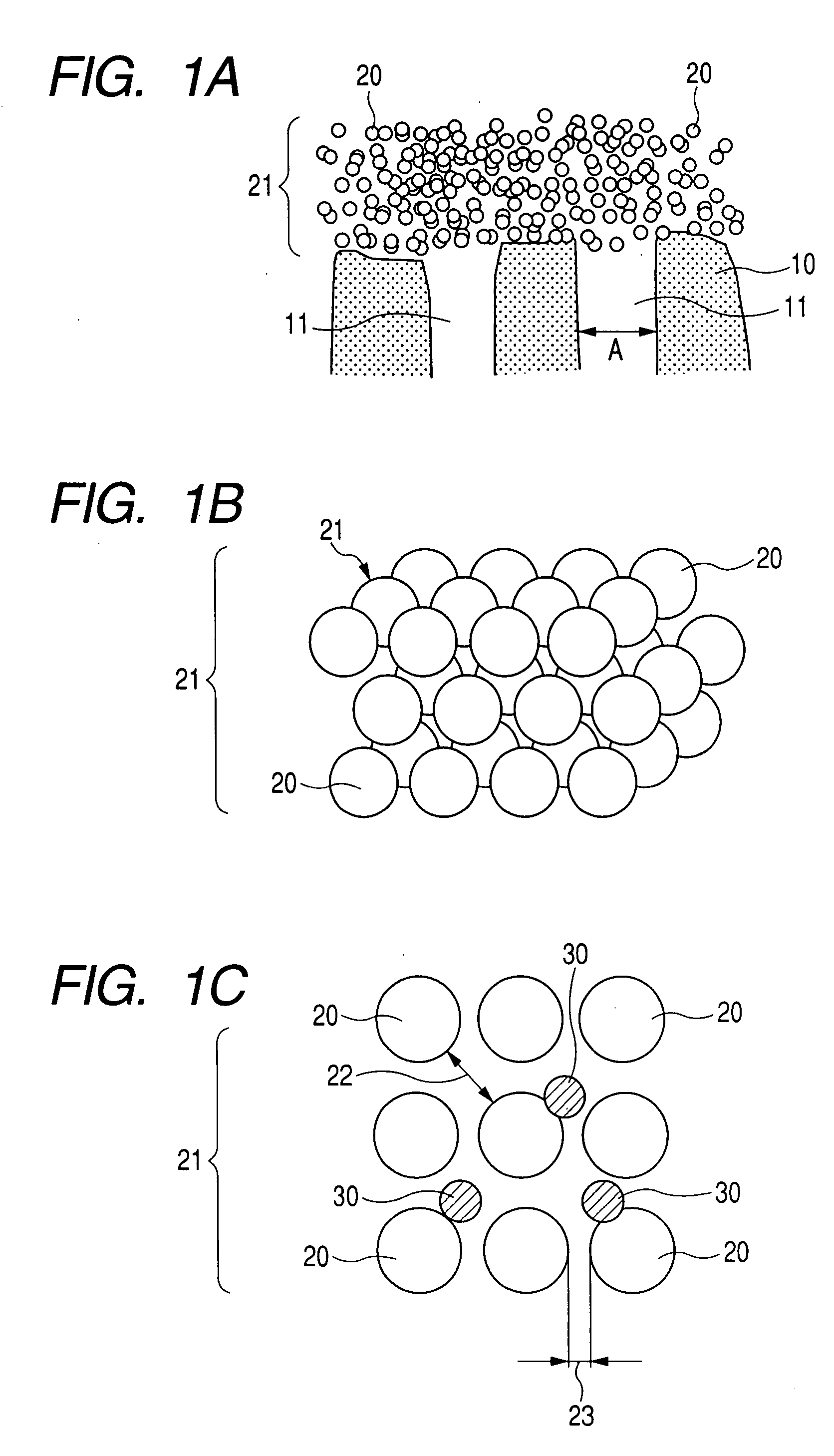
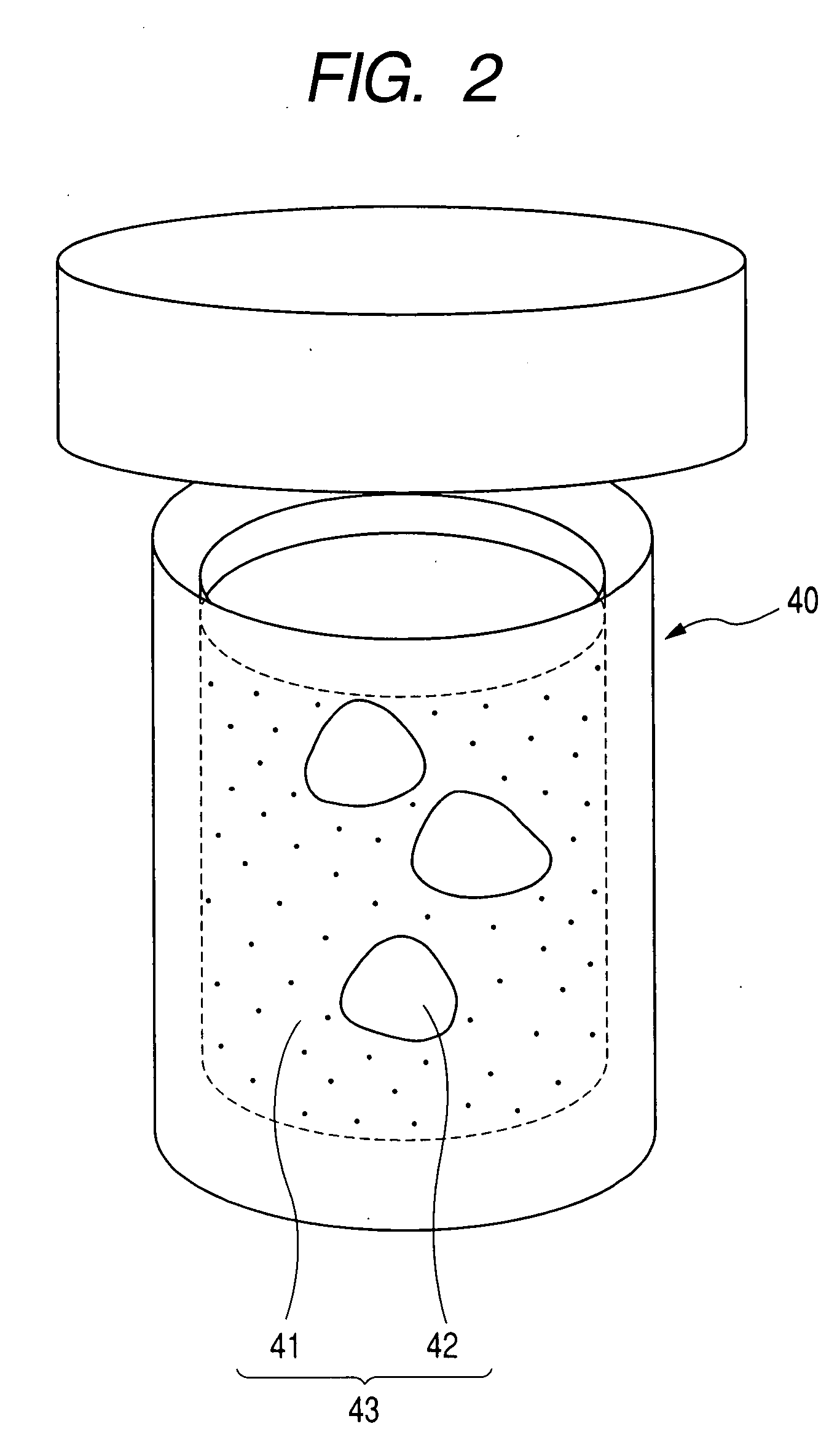
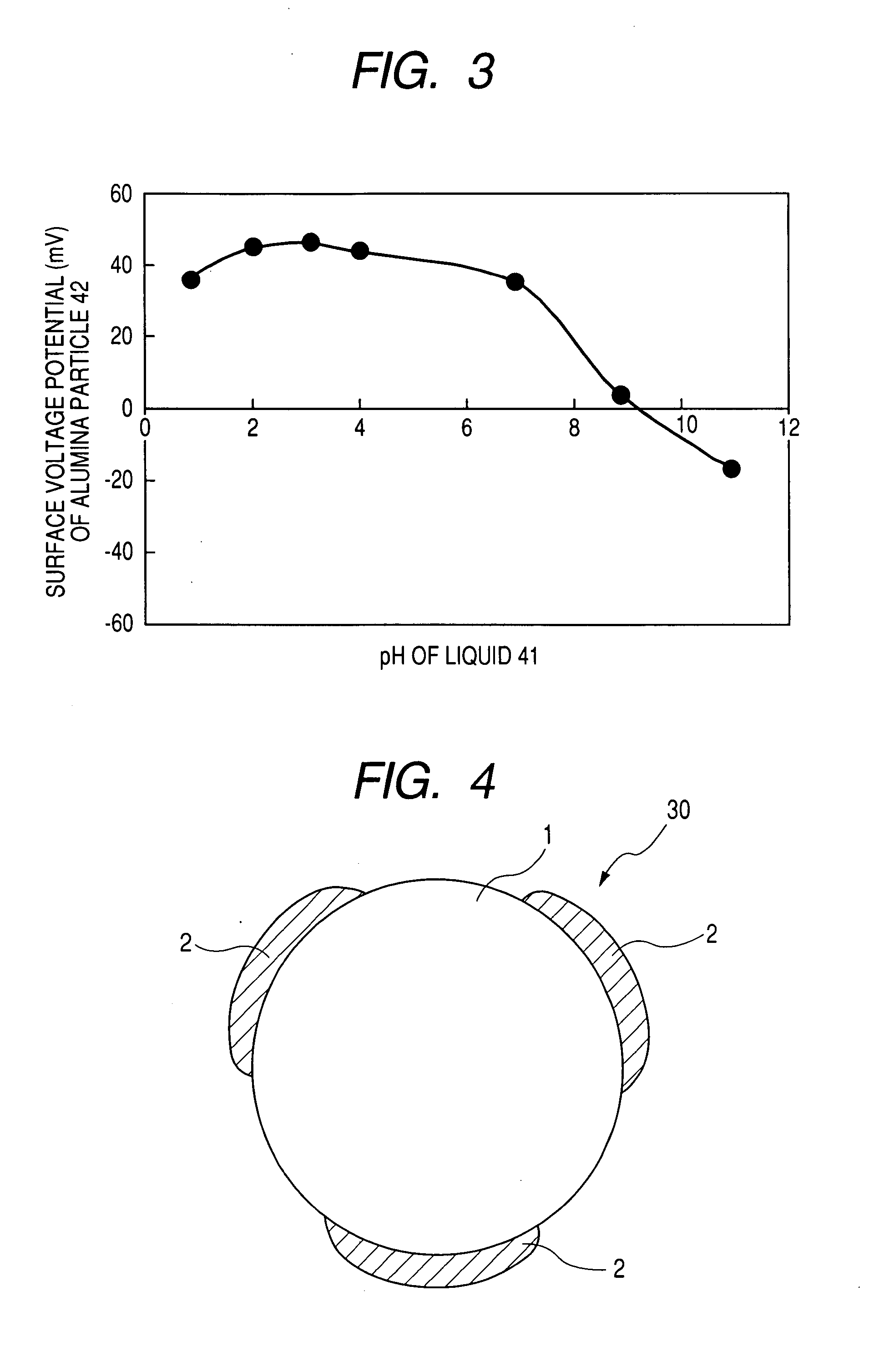
- The method involves hydrothermal treatment of metal oxide particles under controlled pressure and pH conditions to enhance thermal resistance while maintaining a stable specific surface area, preventing particle size increase and phase transition, thereby supporting catalyst components effectively at temperatures up to 1000°C.

Environmental Regulations for Catalyst Manufacturing
The catalyst manufacturing industry operates under increasingly stringent environmental regulations that directly impact temperature programmed reduction (TPR) processes and their effects on catalyst surface properties. These regulations primarily focus on emissions control, waste management, and energy efficiency standards that manufacturers must comply with during catalyst production and characterization procedures.
Air quality regulations impose strict limits on volatile organic compounds (VOCs) and particulate matter emissions during TPR operations. The European Union's Industrial Emissions Directive (IED) and the United States' Clean Air Act establish maximum allowable concentrations for hydrogen consumption processes and off-gas emissions. These standards require manufacturers to implement advanced scrubbing systems and continuous monitoring equipment when conducting TPR analyses, particularly for large-scale catalyst characterization facilities.
Waste management protocols significantly influence TPR methodology selection and surface property evaluation procedures. The Resource Conservation and Recovery Act (RCRA) in the United States and similar legislation globally classify spent catalysts and TPR residues as hazardous materials requiring specialized handling and disposal procedures. This regulatory framework necessitates careful documentation of reduction temperatures, gas compositions, and resulting surface modifications to ensure compliance with waste characterization requirements.
Energy efficiency mandates under various national and international frameworks affect TPR equipment design and operational parameters. The ISO 50001 energy management standard encourages manufacturers to optimize reduction temperature profiles and heating rates to minimize energy consumption while maintaining accurate surface property measurements. These requirements often drive innovation in TPR instrumentation and methodology development.
Chemical safety regulations, including the Registration, Evaluation, Authorization and Restriction of Chemicals (REACH) in Europe and the Toxic Substances Control Act (TSCA) in the United States, mandate comprehensive documentation of catalyst surface modifications resulting from TPR treatments. Manufacturers must provide detailed reports on how temperature programming affects surface area, pore structure, and active site distribution to demonstrate product safety and environmental compatibility.
Recent regulatory trends indicate increasing focus on lifecycle assessment requirements for catalyst manufacturing processes. These emerging standards demand comprehensive evaluation of environmental impacts associated with TPR procedures, including greenhouse gas emissions from heating systems and the carbon footprint of hydrogen consumption during reduction processes.
Air quality regulations impose strict limits on volatile organic compounds (VOCs) and particulate matter emissions during TPR operations. The European Union's Industrial Emissions Directive (IED) and the United States' Clean Air Act establish maximum allowable concentrations for hydrogen consumption processes and off-gas emissions. These standards require manufacturers to implement advanced scrubbing systems and continuous monitoring equipment when conducting TPR analyses, particularly for large-scale catalyst characterization facilities.
Waste management protocols significantly influence TPR methodology selection and surface property evaluation procedures. The Resource Conservation and Recovery Act (RCRA) in the United States and similar legislation globally classify spent catalysts and TPR residues as hazardous materials requiring specialized handling and disposal procedures. This regulatory framework necessitates careful documentation of reduction temperatures, gas compositions, and resulting surface modifications to ensure compliance with waste characterization requirements.
Energy efficiency mandates under various national and international frameworks affect TPR equipment design and operational parameters. The ISO 50001 energy management standard encourages manufacturers to optimize reduction temperature profiles and heating rates to minimize energy consumption while maintaining accurate surface property measurements. These requirements often drive innovation in TPR instrumentation and methodology development.
Chemical safety regulations, including the Registration, Evaluation, Authorization and Restriction of Chemicals (REACH) in Europe and the Toxic Substances Control Act (TSCA) in the United States, mandate comprehensive documentation of catalyst surface modifications resulting from TPR treatments. Manufacturers must provide detailed reports on how temperature programming affects surface area, pore structure, and active site distribution to demonstrate product safety and environmental compatibility.
Recent regulatory trends indicate increasing focus on lifecycle assessment requirements for catalyst manufacturing processes. These emerging standards demand comprehensive evaluation of environmental impacts associated with TPR procedures, including greenhouse gas emissions from heating systems and the carbon footprint of hydrogen consumption during reduction processes.
Safety Considerations in High-Temperature Reduction Processes
High-temperature reduction processes in catalyst preparation present significant safety challenges that require comprehensive risk management strategies. The elevated temperatures typically ranging from 400°C to 1000°C during temperature programmed reduction create multiple hazard categories including thermal burns, equipment failure, and potential fire risks. Personnel must be adequately trained in high-temperature operation protocols and equipped with appropriate personal protective equipment including heat-resistant gloves, safety glasses, and flame-retardant clothing.
Gas handling safety represents a critical concern in TPR operations, particularly when using hydrogen as the reducing agent. Hydrogen's wide flammability range and low ignition energy necessitate strict leak detection protocols and proper ventilation systems. Gas flow rates must be carefully controlled to prevent accumulation of combustible mixtures, and emergency shutdown procedures should be readily accessible. Inert gas purging systems are essential for safe startup and shutdown sequences.
Equipment integrity monitoring becomes paramount at elevated temperatures due to thermal expansion, material stress, and potential catalyst bed sintering. Regular inspection of reactor vessels, heating elements, and gas delivery systems helps prevent catastrophic failures. Temperature monitoring systems with multiple redundant sensors and automated safety interlocks provide essential protection against overheating scenarios that could damage both equipment and catalysts.
Emergency response procedures must address specific risks associated with high-temperature catalyst reduction including rapid cooling protocols, fire suppression systems compatible with metal catalysts, and evacuation procedures for gas leaks. Proper waste disposal methods for spent catalysts and contaminated materials require special attention, particularly when dealing with noble metal catalysts or toxic support materials.
Facility design considerations include adequate spacing between equipment, proper ventilation for heat dissipation, and installation of appropriate fire detection and suppression systems. Regular safety audits and maintenance schedules ensure continued safe operation while maintaining the precision required for effective catalyst surface modification through controlled reduction processes.
Gas handling safety represents a critical concern in TPR operations, particularly when using hydrogen as the reducing agent. Hydrogen's wide flammability range and low ignition energy necessitate strict leak detection protocols and proper ventilation systems. Gas flow rates must be carefully controlled to prevent accumulation of combustible mixtures, and emergency shutdown procedures should be readily accessible. Inert gas purging systems are essential for safe startup and shutdown sequences.
Equipment integrity monitoring becomes paramount at elevated temperatures due to thermal expansion, material stress, and potential catalyst bed sintering. Regular inspection of reactor vessels, heating elements, and gas delivery systems helps prevent catastrophic failures. Temperature monitoring systems with multiple redundant sensors and automated safety interlocks provide essential protection against overheating scenarios that could damage both equipment and catalysts.
Emergency response procedures must address specific risks associated with high-temperature catalyst reduction including rapid cooling protocols, fire suppression systems compatible with metal catalysts, and evacuation procedures for gas leaks. Proper waste disposal methods for spent catalysts and contaminated materials require special attention, particularly when dealing with noble metal catalysts or toxic support materials.
Facility design considerations include adequate spacing between equipment, proper ventilation for heat dissipation, and installation of appropriate fire detection and suppression systems. Regular safety audits and maintenance schedules ensure continued safe operation while maintaining the precision required for effective catalyst surface modification through controlled reduction processes.
Unlock deeper insights with PatSnap Eureka Quick Research — get a full tech report to explore trends and direct your research. Try now!
Generate Your Research Report Instantly with AI Agent
Supercharge your innovation with PatSnap Eureka AI Agent Platform!