
How to Design Dynamic Load Balancing with Microcontrollers
FEB 25, 20269 MIN READ
Generate Your Research Report Instantly with AI Agent
Patsnap Eureka helps you evaluate technical feasibility & market potential.
Microcontroller Load Balancing Background and Objectives
Dynamic load balancing with microcontrollers represents a critical evolution in distributed computing systems, addressing the fundamental challenge of efficiently distributing computational workloads across resource-constrained embedded devices. This technology domain has emerged from the convergence of traditional load balancing principles with the unique constraints and capabilities of microcontroller-based systems, creating new paradigms for edge computing and IoT applications.
The historical development of microcontroller load balancing can be traced back to the early 2000s when embedded systems began incorporating networking capabilities. Initially, load distribution in microcontroller networks relied on static algorithms and predetermined routing tables. However, as IoT deployments scaled and edge computing demands increased, the limitations of static approaches became apparent, driving the need for dynamic, adaptive solutions.
The evolution has progressed through several distinct phases. Early implementations focused on simple round-robin and weighted distribution methods suitable for homogeneous microcontroller clusters. The second phase introduced resource-aware algorithms that considered CPU utilization, memory availability, and power consumption. Current developments emphasize real-time adaptation, predictive load forecasting, and energy-efficient distribution strategies tailored for heterogeneous microcontroller environments.
Contemporary trends indicate a shift toward machine learning-enhanced load balancing, where microcontrollers employ lightweight algorithms to predict workload patterns and optimize distribution decisions. This evolution reflects the increasing computational capabilities of modern microcontrollers and the growing sophistication of embedded applications requiring intelligent resource management.
The primary technical objectives center on achieving optimal resource utilization while maintaining system responsiveness and energy efficiency. Key goals include minimizing response latency, maximizing throughput across the microcontroller network, and ensuring fault tolerance through redundant load distribution mechanisms. Additionally, the technology aims to provide seamless scalability, allowing dynamic addition or removal of microcontroller nodes without system disruption.
Power efficiency remains a paramount objective, as microcontroller-based systems often operate under strict energy constraints. The load balancing mechanisms must therefore incorporate power-aware scheduling and distribution algorithms that extend system operational lifetime while maintaining performance standards. This dual optimization challenge distinguishes microcontroller load balancing from traditional server-based approaches.
The historical development of microcontroller load balancing can be traced back to the early 2000s when embedded systems began incorporating networking capabilities. Initially, load distribution in microcontroller networks relied on static algorithms and predetermined routing tables. However, as IoT deployments scaled and edge computing demands increased, the limitations of static approaches became apparent, driving the need for dynamic, adaptive solutions.
The evolution has progressed through several distinct phases. Early implementations focused on simple round-robin and weighted distribution methods suitable for homogeneous microcontroller clusters. The second phase introduced resource-aware algorithms that considered CPU utilization, memory availability, and power consumption. Current developments emphasize real-time adaptation, predictive load forecasting, and energy-efficient distribution strategies tailored for heterogeneous microcontroller environments.
Contemporary trends indicate a shift toward machine learning-enhanced load balancing, where microcontrollers employ lightweight algorithms to predict workload patterns and optimize distribution decisions. This evolution reflects the increasing computational capabilities of modern microcontrollers and the growing sophistication of embedded applications requiring intelligent resource management.
The primary technical objectives center on achieving optimal resource utilization while maintaining system responsiveness and energy efficiency. Key goals include minimizing response latency, maximizing throughput across the microcontroller network, and ensuring fault tolerance through redundant load distribution mechanisms. Additionally, the technology aims to provide seamless scalability, allowing dynamic addition or removal of microcontroller nodes without system disruption.
Power efficiency remains a paramount objective, as microcontroller-based systems often operate under strict energy constraints. The load balancing mechanisms must therefore incorporate power-aware scheduling and distribution algorithms that extend system operational lifetime while maintaining performance standards. This dual optimization challenge distinguishes microcontroller load balancing from traditional server-based approaches.
Market Demand for Dynamic Load Distribution Systems
The global demand for dynamic load distribution systems has experienced substantial growth across multiple industrial sectors, driven by the increasing complexity of modern electrical infrastructure and the proliferation of distributed energy resources. Industrial automation facilities, data centers, and smart grid implementations represent the primary market drivers, where traditional static load management approaches prove inadequate for handling variable operational demands.
Manufacturing industries demonstrate particularly strong demand for microcontroller-based load balancing solutions, especially in sectors requiring continuous production processes such as automotive, pharmaceutical, and food processing. These environments necessitate real-time load redistribution capabilities to maintain operational efficiency while preventing equipment overload and minimizing energy consumption costs.
The renewable energy sector has emerged as a significant market catalyst, with solar and wind installations requiring sophisticated load management systems to handle intermittent power generation patterns. Microcontroller-based solutions offer the computational flexibility and cost-effectiveness needed for distributed energy management applications, particularly in residential and commercial solar installations where dynamic load balancing optimizes energy utilization and grid interaction.
Data center operations represent another substantial market segment, where power distribution efficiency directly impacts operational costs and system reliability. The growing adoption of edge computing and distributed cloud infrastructure has intensified the need for intelligent load balancing systems capable of responding to rapidly changing computational demands while maintaining power quality and system stability.
Smart building technologies have created additional market opportunities, with building management systems increasingly incorporating dynamic load distribution to optimize HVAC, lighting, and electrical systems. The integration of Internet of Things devices and smart appliances has further expanded the complexity of load management requirements, driving demand for adaptive microcontroller-based solutions.
Electric vehicle charging infrastructure presents an emerging market segment with significant growth potential. As charging station deployments accelerate, the need for dynamic load management becomes critical to prevent grid overload and optimize charging efficiency across multiple simultaneous charging sessions.
The market trend toward decentralized energy systems and microgrids has created substantial opportunities for microcontroller-based load balancing solutions, particularly in remote installations and developing regions where grid stability remains challenging.
Manufacturing industries demonstrate particularly strong demand for microcontroller-based load balancing solutions, especially in sectors requiring continuous production processes such as automotive, pharmaceutical, and food processing. These environments necessitate real-time load redistribution capabilities to maintain operational efficiency while preventing equipment overload and minimizing energy consumption costs.
The renewable energy sector has emerged as a significant market catalyst, with solar and wind installations requiring sophisticated load management systems to handle intermittent power generation patterns. Microcontroller-based solutions offer the computational flexibility and cost-effectiveness needed for distributed energy management applications, particularly in residential and commercial solar installations where dynamic load balancing optimizes energy utilization and grid interaction.
Data center operations represent another substantial market segment, where power distribution efficiency directly impacts operational costs and system reliability. The growing adoption of edge computing and distributed cloud infrastructure has intensified the need for intelligent load balancing systems capable of responding to rapidly changing computational demands while maintaining power quality and system stability.
Smart building technologies have created additional market opportunities, with building management systems increasingly incorporating dynamic load distribution to optimize HVAC, lighting, and electrical systems. The integration of Internet of Things devices and smart appliances has further expanded the complexity of load management requirements, driving demand for adaptive microcontroller-based solutions.
Electric vehicle charging infrastructure presents an emerging market segment with significant growth potential. As charging station deployments accelerate, the need for dynamic load management becomes critical to prevent grid overload and optimize charging efficiency across multiple simultaneous charging sessions.
The market trend toward decentralized energy systems and microgrids has created substantial opportunities for microcontroller-based load balancing solutions, particularly in remote installations and developing regions where grid stability remains challenging.
Current State of MCU-Based Load Balancing Solutions
The current landscape of microcontroller-based load balancing solutions encompasses a diverse range of implementations, from simple round-robin algorithms to sophisticated adaptive systems. Traditional approaches have primarily relied on basic scheduling mechanisms implemented on 8-bit and 16-bit microcontrollers, where load distribution decisions are made using predetermined rules and static configurations.
Modern MCU-based load balancing systems increasingly leverage 32-bit ARM Cortex-M series processors, which provide enhanced computational capabilities and memory resources necessary for complex load distribution algorithms. These platforms enable real-time monitoring of system parameters such as CPU utilization, memory consumption, and network latency, forming the foundation for dynamic load balancing decisions.
Current implementations face significant challenges in achieving true dynamic adaptation due to hardware constraints inherent in microcontroller architectures. Limited processing power restricts the complexity of load balancing algorithms that can be executed in real-time, while constrained memory resources limit the amount of historical data that can be stored for predictive load balancing strategies.
The integration of wireless communication protocols, particularly in IoT applications, has introduced new complexities to MCU-based load balancing. Systems must now account for variable network conditions, intermittent connectivity, and power consumption constraints when making load distribution decisions. This has led to the development of hybrid approaches that combine local processing capabilities with cloud-based decision support.
Energy efficiency remains a critical constraint in current solutions, particularly for battery-powered applications. Existing implementations often struggle to balance computational overhead of load balancing algorithms against the energy savings achieved through optimized resource utilization. This trade-off significantly influences the selection of appropriate algorithms and update frequencies.
Contemporary solutions also grapple with scalability limitations, as traditional microcontroller architectures were not designed to handle the complex inter-node communication required for distributed load balancing systems. Current approaches often rely on centralized coordination mechanisms, which introduce single points of failure and communication bottlenecks that limit overall system performance and reliability.
Modern MCU-based load balancing systems increasingly leverage 32-bit ARM Cortex-M series processors, which provide enhanced computational capabilities and memory resources necessary for complex load distribution algorithms. These platforms enable real-time monitoring of system parameters such as CPU utilization, memory consumption, and network latency, forming the foundation for dynamic load balancing decisions.
Current implementations face significant challenges in achieving true dynamic adaptation due to hardware constraints inherent in microcontroller architectures. Limited processing power restricts the complexity of load balancing algorithms that can be executed in real-time, while constrained memory resources limit the amount of historical data that can be stored for predictive load balancing strategies.
The integration of wireless communication protocols, particularly in IoT applications, has introduced new complexities to MCU-based load balancing. Systems must now account for variable network conditions, intermittent connectivity, and power consumption constraints when making load distribution decisions. This has led to the development of hybrid approaches that combine local processing capabilities with cloud-based decision support.
Energy efficiency remains a critical constraint in current solutions, particularly for battery-powered applications. Existing implementations often struggle to balance computational overhead of load balancing algorithms against the energy savings achieved through optimized resource utilization. This trade-off significantly influences the selection of appropriate algorithms and update frequencies.
Contemporary solutions also grapple with scalability limitations, as traditional microcontroller architectures were not designed to handle the complex inter-node communication required for distributed load balancing systems. Current approaches often rely on centralized coordination mechanisms, which introduce single points of failure and communication bottlenecks that limit overall system performance and reliability.
Existing Dynamic Load Distribution Architectures
01 Dynamic load distribution across multiple microcontroller cores
This approach involves distributing computational tasks dynamically across multiple microcontroller cores or processing units to optimize resource utilization. The system monitors the workload on each core and redistributes tasks based on current processing capacity, ensuring no single core becomes overloaded while others remain idle. This technique improves overall system performance and response time by maintaining balanced processing loads across all available cores.- Dynamic load distribution across multiple microcontroller cores: Systems and methods for dynamically distributing computational tasks across multiple microcontroller cores or processing units to optimize performance and resource utilization. This approach monitors workload on each core and redistributes tasks based on current processing capacity, ensuring balanced utilization and preventing bottlenecks. The load balancing mechanism can adjust in real-time based on priority levels, processing requirements, and available resources.
- Task scheduling and priority-based load management: Implementation of intelligent task scheduling algorithms that assign processing tasks to microcontrollers based on priority levels and execution requirements. The system evaluates task characteristics, deadlines, and resource demands to determine optimal allocation strategies. This ensures critical tasks receive necessary processing resources while maintaining overall system efficiency through balanced workload distribution.
- Multi-processor coordination and synchronization mechanisms: Techniques for coordinating multiple microcontrollers or processors working in parallel, including synchronization protocols and communication interfaces. These mechanisms ensure proper data exchange, prevent conflicts, and maintain consistency across distributed processing units. The coordination system manages inter-processor communication and ensures tasks are executed in proper sequence while maintaining load balance.
- Adaptive resource allocation and power management: Methods for adaptively allocating processing resources and managing power consumption across microcontroller systems. The system monitors resource usage patterns and adjusts allocation strategies to optimize both performance and energy efficiency. This includes techniques for scaling processing capacity, managing idle states, and distributing workload to minimize power consumption while maintaining required performance levels.
- Distributed computing architecture for embedded systems: Architectural frameworks for implementing distributed computing in embedded systems using multiple microcontrollers. These architectures define communication protocols, data sharing mechanisms, and load distribution strategies suitable for resource-constrained environments. The framework enables scalable processing capabilities while maintaining system reliability and real-time performance requirements through effective load balancing.
02 Task scheduling and priority-based load management
This method implements intelligent task scheduling algorithms that assign priorities to different processes and allocate microcontroller resources accordingly. The system evaluates task urgency, execution time requirements, and resource demands to create optimal scheduling sequences. By implementing priority queues and preemptive scheduling mechanisms, the microcontroller can handle multiple tasks efficiently while ensuring critical operations receive necessary processing resources.Expand Specific Solutions03 Network-based load balancing for distributed microcontroller systems
This technique addresses load balancing in networked environments where multiple microcontrollers communicate and share processing responsibilities. The system distributes tasks across interconnected microcontrollers based on network topology, communication latency, and individual device capabilities. Load balancing algorithms monitor network traffic and processing loads to redirect tasks to less busy nodes, improving overall system throughput and reliability in distributed embedded systems.Expand Specific Solutions04 Power-aware load balancing for energy efficiency
This approach focuses on balancing computational loads while minimizing power consumption in microcontroller systems. The technique involves monitoring power states of different processing units and distributing tasks to optimize energy usage. By considering factors such as voltage scaling, clock frequency adjustment, and sleep mode transitions, the system achieves load distribution that maintains performance while reducing overall power consumption, which is particularly important for battery-powered embedded devices.Expand Specific Solutions05 Adaptive load balancing with real-time monitoring and feedback
This method implements continuous monitoring of system performance metrics and adapts load distribution strategies in real-time based on feedback. The system collects data on processing times, queue lengths, resource utilization, and error rates to dynamically adjust load balancing parameters. Machine learning algorithms or adaptive control mechanisms analyze historical performance data to predict future load patterns and proactively redistribute tasks before bottlenecks occur, ensuring optimal system performance under varying operational conditions.Expand Specific Solutions
Key Players in MCU and Load Balancing Industry
The dynamic load balancing with microcontrollers field represents an emerging technology sector in early development stages, driven by increasing demands for intelligent power management and distributed computing systems. The market shows significant growth potential as industries adopt IoT and edge computing solutions. Technology maturity varies considerably among key players, with established semiconductor giants like Intel Corp., Infineon Technologies AG, and ABB Ltd. leading advanced microcontroller architectures and power management solutions. Industrial automation leaders including Robert Bosch GmbH, Caterpillar Inc., and Eaton Corp. are integrating these technologies into their systems. Meanwhile, specialized companies like Enphase Energy Inc. and Solantro Semiconductor Corp. focus on energy-specific applications. Academic institutions such as University of Tokyo, Zhejiang University, and University of Florida contribute foundational research, while emerging players like Yangtze Memory Technologies and Primarius Technologies represent the next generation of innovation in this rapidly evolving competitive landscape.
International Business Machines Corp.
Technical Solution: IBM develops comprehensive dynamic load balancing solutions using advanced microcontroller architectures integrated with AI-driven algorithms. Their approach leverages distributed computing principles where microcontrollers communicate through mesh networks to share workload information in real-time. The system employs predictive analytics to anticipate load spikes and proactively redistribute tasks across multiple processing units. IBM's solution incorporates machine learning models that adapt to usage patterns, optimizing resource allocation dynamically. The architecture supports heterogeneous microcontroller environments and includes fault tolerance mechanisms that automatically reroute tasks when individual controllers fail or become overloaded.
Strengths: Advanced AI integration, robust fault tolerance, enterprise-grade scalability. Weaknesses: High complexity, significant power consumption, expensive implementation costs.
Infineon Technologies AG
Technical Solution: Infineon specializes in automotive and industrial microcontroller solutions for dynamic load balancing, particularly focusing on safety-critical applications. Their approach integrates functional safety standards with real-time load distribution algorithms. The system employs redundant microcontroller configurations with cross-checking mechanisms to ensure reliable operation under varying load conditions. Infineon's solution features adaptive scheduling algorithms that prioritize critical tasks while maintaining overall system efficiency. The architecture includes built-in diagnostic capabilities that continuously monitor system health and performance metrics. Their microcontrollers support CAN, LIN, and Ethernet communication protocols for seamless integration into existing industrial and automotive networks.
Strengths: Safety-certified designs, automotive industry expertise, robust communication protocol support. Weaknesses: Limited to specific market segments, higher certification costs, conservative innovation approach.
Core Algorithms for MCU Load Balancing Systems
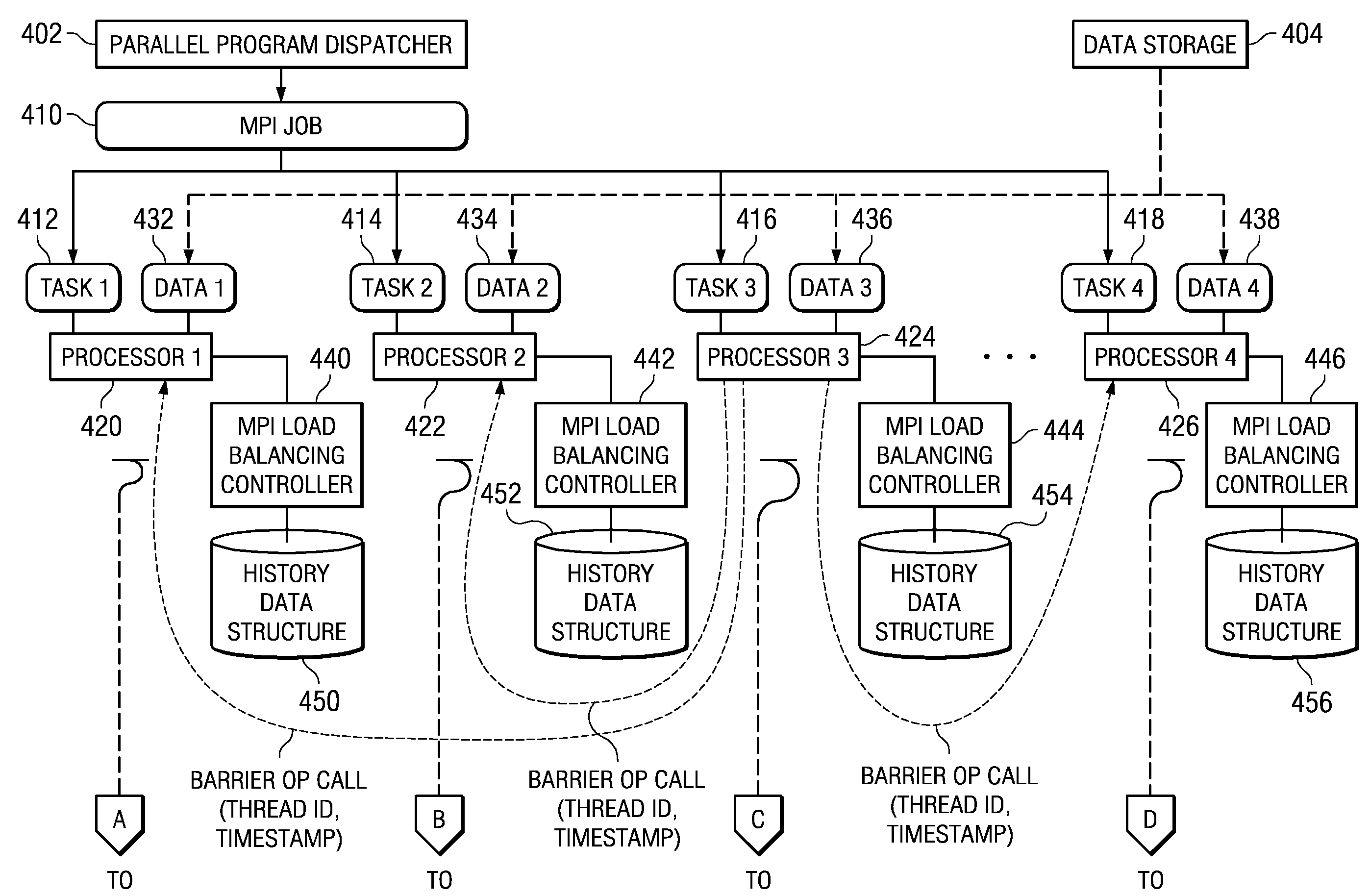
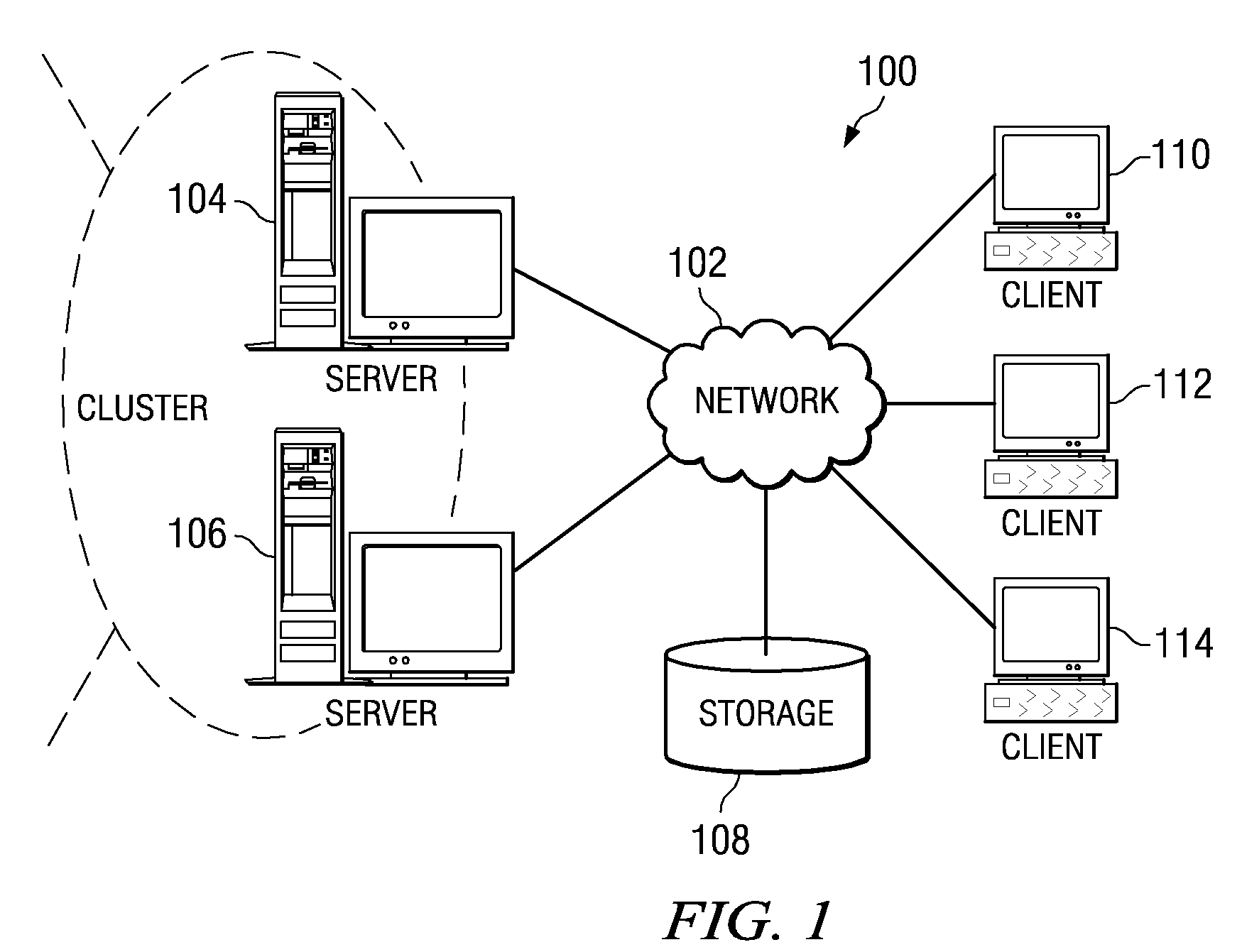
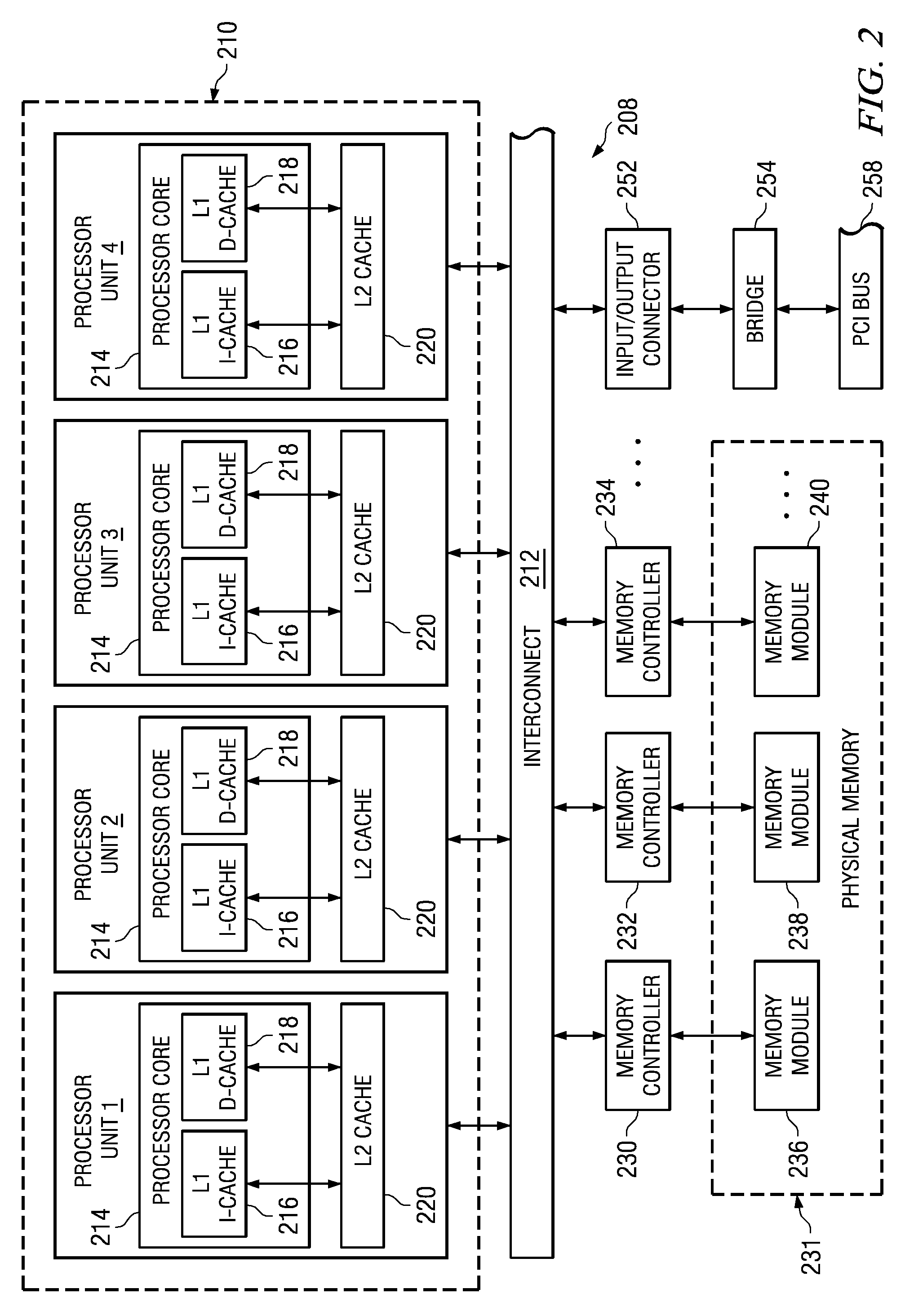
System and Method for Hardware Based Dynamic Load Balancing of Message Passing Interface Tasks By Modifying Tasks
PatentInactiveUS20090064168A1
Innovation
- Implementing a hardware-based dynamic load balancing system that adjusts processing workloads by identifying relative completion times of processors and redistributing tasks, allowing faster processors to take on additional work and slower processors to reduce their load, thereby minimizing wait periods and wasted cycles.

Dynamic load balancing for multi-core computing environments
PatentActiveUS12375408B2
Innovation
- Implementing a hardware queue manager (HQM) as a Dynamic Load Balancer (DLB) to manage queues in hardware, reducing direct core-to-core interactions and enabling dynamic load balancing and pipelined processing across multiple producer and consumer cores, optimizing throughput and bandwidth utilization.


Real-Time Performance Requirements and Standards
Real-time performance requirements for dynamic load balancing systems using microcontrollers are fundamentally defined by the critical timing constraints inherent in embedded applications. These systems must guarantee deterministic response times, typically ranging from microseconds to milliseconds, depending on the specific application domain. Industrial automation systems generally require response times within 1-10 milliseconds, while automotive applications may demand sub-millisecond latencies for safety-critical functions.
The establishment of performance standards begins with defining maximum allowable latency thresholds for load balancing decisions. Microcontroller-based systems must complete the entire load assessment, decision-making, and task redistribution cycle within predetermined time windows. This includes sensor data acquisition, computational load evaluation, communication overhead, and actual task migration or redirection processes.
Jitter tolerance represents another crucial performance metric, as consistent timing behavior is often more important than absolute speed in real-time systems. Standards typically specify maximum deviation from nominal response times, usually expressed as a percentage of the base timing requirement. For instance, a system with 5-millisecond nominal response time might allow maximum 10% jitter, constraining variations to 0.5 milliseconds.
Throughput requirements define the minimum number of load balancing operations the system must handle per unit time. This metric directly correlates with system scalability and the maximum number of concurrent tasks or nodes the microcontroller network can effectively manage. Modern standards often specify minimum throughput rates of 1000-10000 operations per second for typical embedded applications.
Reliability standards encompass both functional safety requirements and availability metrics. Systems must maintain specified performance levels under various operating conditions, including temperature variations, electromagnetic interference, and component aging. Fault tolerance mechanisms must ensure graceful degradation rather than complete system failure when individual microcontrollers become unavailable.
Communication latency standards address the network aspects of distributed load balancing systems. Inter-microcontroller communication delays must remain within acceptable bounds, typically 10-20% of total system response time budgets. This includes protocol overhead, transmission delays, and acknowledgment processing times across various communication interfaces such as CAN, Ethernet, or wireless protocols.
The establishment of performance standards begins with defining maximum allowable latency thresholds for load balancing decisions. Microcontroller-based systems must complete the entire load assessment, decision-making, and task redistribution cycle within predetermined time windows. This includes sensor data acquisition, computational load evaluation, communication overhead, and actual task migration or redirection processes.
Jitter tolerance represents another crucial performance metric, as consistent timing behavior is often more important than absolute speed in real-time systems. Standards typically specify maximum deviation from nominal response times, usually expressed as a percentage of the base timing requirement. For instance, a system with 5-millisecond nominal response time might allow maximum 10% jitter, constraining variations to 0.5 milliseconds.
Throughput requirements define the minimum number of load balancing operations the system must handle per unit time. This metric directly correlates with system scalability and the maximum number of concurrent tasks or nodes the microcontroller network can effectively manage. Modern standards often specify minimum throughput rates of 1000-10000 operations per second for typical embedded applications.
Reliability standards encompass both functional safety requirements and availability metrics. Systems must maintain specified performance levels under various operating conditions, including temperature variations, electromagnetic interference, and component aging. Fault tolerance mechanisms must ensure graceful degradation rather than complete system failure when individual microcontrollers become unavailable.
Communication latency standards address the network aspects of distributed load balancing systems. Inter-microcontroller communication delays must remain within acceptable bounds, typically 10-20% of total system response time budgets. This includes protocol overhead, transmission delays, and acknowledgment processing times across various communication interfaces such as CAN, Ethernet, or wireless protocols.
Energy Efficiency Considerations in MCU Networks
Energy efficiency represents a critical design consideration in microcontroller-based dynamic load balancing systems, as these networks often operate under strict power constraints while maintaining continuous operation requirements. The distributed nature of MCU networks amplifies energy consumption challenges, where inefficient load distribution can lead to premature battery depletion and system failures.
Dynamic load balancing algorithms must incorporate energy-aware decision-making mechanisms that consider both computational workload and communication overhead. Traditional load balancing approaches that focus solely on processing capacity often overlook the energy cost of data transmission between nodes, which can account for up to 70% of total power consumption in wireless MCU networks. Energy-efficient load balancing requires real-time monitoring of each node's remaining battery capacity, current power consumption rates, and predicted energy requirements for task completion.
Sleep mode optimization emerges as a fundamental strategy for energy conservation in MCU networks. Effective load balancing systems should coordinate task scheduling to maximize the duration nodes can remain in low-power states. This involves clustering time-sensitive tasks and implementing predictive algorithms that anticipate workload patterns, allowing nodes to enter deep sleep modes during idle periods while maintaining network responsiveness.
Communication protocol selection significantly impacts overall energy efficiency in distributed load balancing scenarios. Low-power wireless protocols such as Zigbee, LoRaWAN, or custom mesh networking solutions offer varying trade-offs between data throughput, transmission range, and power consumption. The load balancing algorithm must adapt its communication frequency and data payload sizes based on the chosen protocol's energy characteristics.
Voltage scaling and frequency modulation techniques provide additional energy optimization opportunities. Dynamic voltage and frequency scaling (DVFS) allows MCUs to adjust their operating parameters based on current computational demands. Load balancing systems can leverage this capability by coordinating voltage levels across the network, ensuring that heavily loaded nodes operate at optimal efficiency points while lightly loaded nodes reduce their power consumption through frequency scaling.
Energy harvesting integration represents an emerging consideration for sustainable MCU networks. Solar panels, vibration harvesters, or thermal generators can supplement battery power, but their intermittent nature requires sophisticated load balancing algorithms that account for energy availability fluctuations. The system must balance immediate processing needs against long-term energy sustainability, potentially deferring non-critical tasks during low energy harvesting periods.
Dynamic load balancing algorithms must incorporate energy-aware decision-making mechanisms that consider both computational workload and communication overhead. Traditional load balancing approaches that focus solely on processing capacity often overlook the energy cost of data transmission between nodes, which can account for up to 70% of total power consumption in wireless MCU networks. Energy-efficient load balancing requires real-time monitoring of each node's remaining battery capacity, current power consumption rates, and predicted energy requirements for task completion.
Sleep mode optimization emerges as a fundamental strategy for energy conservation in MCU networks. Effective load balancing systems should coordinate task scheduling to maximize the duration nodes can remain in low-power states. This involves clustering time-sensitive tasks and implementing predictive algorithms that anticipate workload patterns, allowing nodes to enter deep sleep modes during idle periods while maintaining network responsiveness.
Communication protocol selection significantly impacts overall energy efficiency in distributed load balancing scenarios. Low-power wireless protocols such as Zigbee, LoRaWAN, or custom mesh networking solutions offer varying trade-offs between data throughput, transmission range, and power consumption. The load balancing algorithm must adapt its communication frequency and data payload sizes based on the chosen protocol's energy characteristics.
Voltage scaling and frequency modulation techniques provide additional energy optimization opportunities. Dynamic voltage and frequency scaling (DVFS) allows MCUs to adjust their operating parameters based on current computational demands. Load balancing systems can leverage this capability by coordinating voltage levels across the network, ensuring that heavily loaded nodes operate at optimal efficiency points while lightly loaded nodes reduce their power consumption through frequency scaling.
Energy harvesting integration represents an emerging consideration for sustainable MCU networks. Solar panels, vibration harvesters, or thermal generators can supplement battery power, but their intermittent nature requires sophisticated load balancing algorithms that account for energy availability fluctuations. The system must balance immediate processing needs against long-term energy sustainability, potentially deferring non-critical tasks during low energy harvesting periods.
Unlock deeper insights with Patsnap Eureka Quick Research — get a full tech report to explore trends and direct your research. Try now!
Generate Your Research Report Instantly with AI Agent
Supercharge your innovation with Patsnap Eureka AI Agent Platform!