

How to Develop Adaptive Systems for Three Phase Electric Power
MAR 18, 20269 MIN READ
Generate Your Research Report Instantly with AI Agent
Patsnap Eureka helps you evaluate technical feasibility & market potential.
Adaptive Three Phase Power Systems Background and Objectives
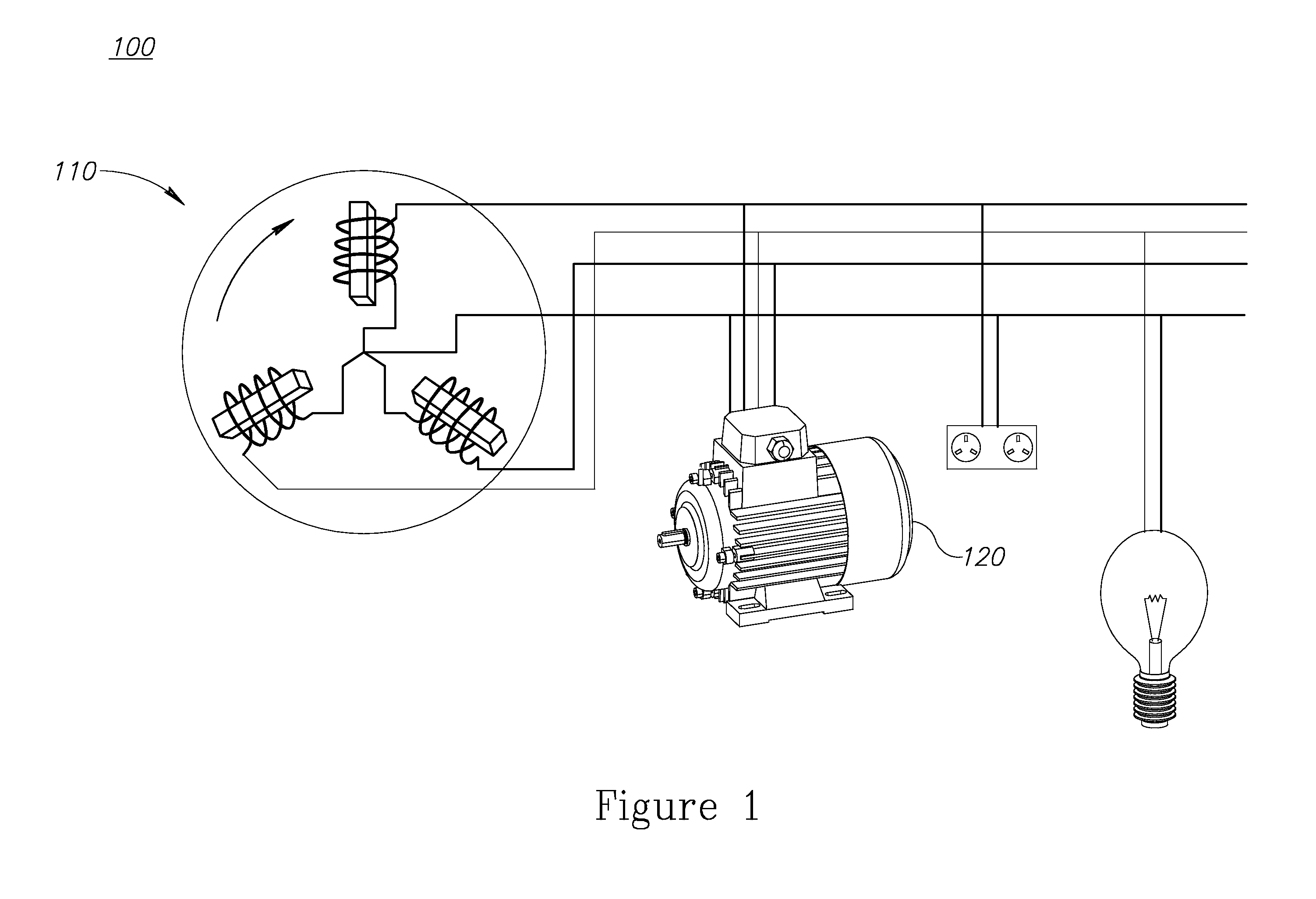
Three-phase electric power systems have served as the backbone of global electrical infrastructure for over a century, originating from Nikola Tesla's pioneering work in the 1880s. These systems efficiently transmit and distribute electrical energy through three alternating current waveforms, each phase shifted by 120 degrees. However, the traditional static design approach faces unprecedented challenges in today's rapidly evolving energy landscape.
The emergence of renewable energy sources, distributed generation, smart grids, and variable loads has fundamentally altered power system dynamics. Solar and wind power introduce intermittency and unpredictability, while electric vehicles create new load patterns. Industrial processes increasingly demand precise power quality, and residential consumers expect uninterrupted service despite grid disturbances. These evolving conditions expose the limitations of conventional three-phase systems designed for predictable, centralized generation and steady loads.
Modern power systems must contend with voltage fluctuations, frequency variations, harmonic distortions, and power factor issues that static systems cannot adequately address. The integration of power electronics, energy storage systems, and intelligent control technologies has created opportunities for adaptive solutions that can respond dynamically to changing conditions.
The primary objective of developing adaptive three-phase power systems is to create intelligent infrastructure capable of real-time optimization and self-adjustment. These systems should automatically maintain power quality, balance loads across phases, compensate for disturbances, and optimize energy flow based on current operating conditions. Key technical goals include achieving superior voltage regulation, enhanced system stability, improved power factor correction, and reduced harmonic distortion.
Furthermore, adaptive systems must demonstrate resilience against cyber threats, equipment failures, and extreme weather events while supporting bidirectional power flow for distributed energy resources. The ultimate vision encompasses autonomous grid segments that can operate independently during emergencies while seamlessly integrating with the broader network during normal operations, ensuring reliable, efficient, and sustainable electrical power delivery for future energy demands.
The emergence of renewable energy sources, distributed generation, smart grids, and variable loads has fundamentally altered power system dynamics. Solar and wind power introduce intermittency and unpredictability, while electric vehicles create new load patterns. Industrial processes increasingly demand precise power quality, and residential consumers expect uninterrupted service despite grid disturbances. These evolving conditions expose the limitations of conventional three-phase systems designed for predictable, centralized generation and steady loads.
Modern power systems must contend with voltage fluctuations, frequency variations, harmonic distortions, and power factor issues that static systems cannot adequately address. The integration of power electronics, energy storage systems, and intelligent control technologies has created opportunities for adaptive solutions that can respond dynamically to changing conditions.
The primary objective of developing adaptive three-phase power systems is to create intelligent infrastructure capable of real-time optimization and self-adjustment. These systems should automatically maintain power quality, balance loads across phases, compensate for disturbances, and optimize energy flow based on current operating conditions. Key technical goals include achieving superior voltage regulation, enhanced system stability, improved power factor correction, and reduced harmonic distortion.
Furthermore, adaptive systems must demonstrate resilience against cyber threats, equipment failures, and extreme weather events while supporting bidirectional power flow for distributed energy resources. The ultimate vision encompasses autonomous grid segments that can operate independently during emergencies while seamlessly integrating with the broader network during normal operations, ensuring reliable, efficient, and sustainable electrical power delivery for future energy demands.
Market Demand for Intelligent Three Phase Power Solutions
The global energy landscape is experiencing unprecedented transformation, driven by the urgent need for sustainable power solutions and enhanced grid reliability. Three-phase electric power systems, which form the backbone of industrial and commercial electrical infrastructure, are increasingly required to adapt to dynamic operating conditions, variable loads, and renewable energy integration challenges.
Industrial sectors represent the largest consumer segment for intelligent three-phase power solutions, with manufacturing facilities demanding sophisticated power management capabilities to optimize energy efficiency and maintain operational continuity. The automotive industry, particularly electric vehicle charging infrastructure, has emerged as a significant growth driver, requiring adaptive power systems capable of handling varying charging loads and grid integration requirements.
Commercial buildings and smart city initiatives are creating substantial demand for intelligent power distribution systems that can automatically adjust to changing consumption patterns and integrate seamlessly with building management systems. Data centers, with their critical uptime requirements and energy optimization needs, represent another key market segment driving adoption of adaptive three-phase power technologies.
The renewable energy sector presents both opportunities and challenges for intelligent three-phase power solutions. Solar and wind installations require sophisticated power conditioning and grid synchronization capabilities, while energy storage systems demand adaptive charging and discharging management. Grid operators are increasingly seeking solutions that can provide real-time power quality monitoring, fault detection, and automatic reconfiguration capabilities.
Emerging markets in developing economies are experiencing rapid industrialization and urbanization, creating significant demand for reliable and efficient three-phase power infrastructure. These markets often face unique challenges including grid instability, power quality issues, and the need for cost-effective solutions that can operate under challenging environmental conditions.
The integration of Internet of Things technologies and artificial intelligence into power systems is creating new market opportunities for predictive maintenance, remote monitoring, and autonomous operation capabilities. Regulatory frameworks worldwide are increasingly emphasizing energy efficiency standards and grid modernization initiatives, further driving market demand for intelligent adaptive power solutions.
Market growth is also fueled by the increasing complexity of modern electrical loads, including variable frequency drives, power electronics, and sensitive electronic equipment that require stable, high-quality power supply with adaptive protection and conditioning capabilities.
Industrial sectors represent the largest consumer segment for intelligent three-phase power solutions, with manufacturing facilities demanding sophisticated power management capabilities to optimize energy efficiency and maintain operational continuity. The automotive industry, particularly electric vehicle charging infrastructure, has emerged as a significant growth driver, requiring adaptive power systems capable of handling varying charging loads and grid integration requirements.
Commercial buildings and smart city initiatives are creating substantial demand for intelligent power distribution systems that can automatically adjust to changing consumption patterns and integrate seamlessly with building management systems. Data centers, with their critical uptime requirements and energy optimization needs, represent another key market segment driving adoption of adaptive three-phase power technologies.
The renewable energy sector presents both opportunities and challenges for intelligent three-phase power solutions. Solar and wind installations require sophisticated power conditioning and grid synchronization capabilities, while energy storage systems demand adaptive charging and discharging management. Grid operators are increasingly seeking solutions that can provide real-time power quality monitoring, fault detection, and automatic reconfiguration capabilities.
Emerging markets in developing economies are experiencing rapid industrialization and urbanization, creating significant demand for reliable and efficient three-phase power infrastructure. These markets often face unique challenges including grid instability, power quality issues, and the need for cost-effective solutions that can operate under challenging environmental conditions.
The integration of Internet of Things technologies and artificial intelligence into power systems is creating new market opportunities for predictive maintenance, remote monitoring, and autonomous operation capabilities. Regulatory frameworks worldwide are increasingly emphasizing energy efficiency standards and grid modernization initiatives, further driving market demand for intelligent adaptive power solutions.
Market growth is also fueled by the increasing complexity of modern electrical loads, including variable frequency drives, power electronics, and sensitive electronic equipment that require stable, high-quality power supply with adaptive protection and conditioning capabilities.
Current State and Challenges in Three Phase Power Adaptation
Three-phase electric power systems currently face significant adaptation challenges as global energy infrastructure undergoes rapid transformation. The integration of renewable energy sources, distributed generation, and smart grid technologies has created unprecedented complexity in maintaining system stability and efficiency. Traditional three-phase systems, designed for centralized power generation and unidirectional power flow, struggle to accommodate the bidirectional, variable, and intermittent nature of modern energy sources.
Load balancing represents one of the most persistent challenges in three-phase power adaptation. Unbalanced loads create negative sequence currents that reduce system efficiency and can damage equipment. Current solutions rely heavily on static compensation devices and manual load redistribution, which lack the responsiveness needed for dynamic load conditions. The proliferation of single-phase loads, particularly in residential and commercial sectors, exacerbates this imbalance problem.
Power quality issues have intensified with the increased penetration of power electronic devices and non-linear loads. Harmonic distortion, voltage fluctuations, and frequency variations require sophisticated monitoring and correction mechanisms. Existing power quality management systems often operate independently, lacking the coordination necessary for comprehensive system-wide optimization.
Grid integration challenges emerge from the need to accommodate diverse energy sources with varying characteristics. Solar photovoltaic systems, wind turbines, and energy storage systems each present unique integration requirements. The intermittent nature of renewable sources demands advanced forecasting and real-time adaptation capabilities that current infrastructure cannot adequately provide.
Fault detection and protection systems face limitations in adaptive environments. Traditional protection schemes assume predictable fault patterns and fixed system configurations. However, adaptive systems with dynamic topology changes and variable generation sources require more sophisticated protection algorithms capable of learning and adjusting to evolving system conditions.
Communication and control infrastructure represents another critical bottleneck. Many existing three-phase systems lack the high-speed communication networks necessary for real-time adaptation. Legacy control systems operate on predetermined parameters and cannot respond effectively to rapid system changes or optimize performance across multiple operational objectives simultaneously.
The economic and regulatory framework also constrains adaptive system development. Investment in adaptive technologies requires substantial capital expenditure, while regulatory structures often lag behind technological capabilities. Market mechanisms for incentivizing adaptive system deployment remain underdeveloped, creating barriers to widespread adoption and implementation of advanced three-phase power adaptation solutions.
Load balancing represents one of the most persistent challenges in three-phase power adaptation. Unbalanced loads create negative sequence currents that reduce system efficiency and can damage equipment. Current solutions rely heavily on static compensation devices and manual load redistribution, which lack the responsiveness needed for dynamic load conditions. The proliferation of single-phase loads, particularly in residential and commercial sectors, exacerbates this imbalance problem.
Power quality issues have intensified with the increased penetration of power electronic devices and non-linear loads. Harmonic distortion, voltage fluctuations, and frequency variations require sophisticated monitoring and correction mechanisms. Existing power quality management systems often operate independently, lacking the coordination necessary for comprehensive system-wide optimization.
Grid integration challenges emerge from the need to accommodate diverse energy sources with varying characteristics. Solar photovoltaic systems, wind turbines, and energy storage systems each present unique integration requirements. The intermittent nature of renewable sources demands advanced forecasting and real-time adaptation capabilities that current infrastructure cannot adequately provide.
Fault detection and protection systems face limitations in adaptive environments. Traditional protection schemes assume predictable fault patterns and fixed system configurations. However, adaptive systems with dynamic topology changes and variable generation sources require more sophisticated protection algorithms capable of learning and adjusting to evolving system conditions.
Communication and control infrastructure represents another critical bottleneck. Many existing three-phase systems lack the high-speed communication networks necessary for real-time adaptation. Legacy control systems operate on predetermined parameters and cannot respond effectively to rapid system changes or optimize performance across multiple operational objectives simultaneously.
The economic and regulatory framework also constrains adaptive system development. Investment in adaptive technologies requires substantial capital expenditure, while regulatory structures often lag behind technological capabilities. Market mechanisms for incentivizing adaptive system deployment remain underdeveloped, creating barriers to widespread adoption and implementation of advanced three-phase power adaptation solutions.
Existing Adaptive Control Solutions for Three Phase Systems
01 Adaptive power factor correction and reactive power compensation
Systems that dynamically adjust power factor correction in three-phase electric power systems to optimize energy efficiency and reduce reactive power losses. These adaptive systems monitor the power factor in real-time and automatically adjust compensation devices such as capacitor banks or active filters to maintain optimal power factor levels. The systems can respond to varying load conditions and automatically reconfigure compensation elements to minimize energy waste and improve overall system performance.- Adaptive control systems for three-phase power distribution and load balancing: These systems employ adaptive algorithms to monitor and control three-phase electric power distribution networks. They dynamically adjust power flow between phases to maintain balance and optimize efficiency. The systems can detect load imbalances and automatically redistribute power to prevent overloading on individual phases. Advanced control mechanisms enable real-time adjustments based on varying load conditions and power quality requirements.
- Power conversion and inverter systems for three-phase applications: Adaptive power conversion technologies enable efficient transformation between different voltage levels and frequencies in three-phase systems. These systems incorporate intelligent inverter designs that can adapt to varying input conditions and load requirements. The conversion systems feature advanced switching techniques and control strategies to minimize losses and improve power quality. They are capable of handling bidirectional power flow and integrating renewable energy sources.
- Monitoring and protection systems for three-phase electric networks: These adaptive systems provide comprehensive monitoring of three-phase power parameters including voltage, current, frequency, and power factor. They incorporate intelligent protection mechanisms that can detect faults, overcurrent conditions, and phase imbalances. The systems feature adaptive threshold settings that adjust based on operating conditions and historical data. Advanced diagnostic capabilities enable predictive maintenance and early fault detection.
- Smart grid integration and communication systems for three-phase power: Adaptive systems designed for integrating three-phase power infrastructure with smart grid technologies and communication networks. These systems enable bidirectional data exchange between power generation, distribution, and consumption points. They incorporate adaptive protocols for real-time monitoring, control, and optimization of power flow across the grid. The systems support demand response capabilities and facilitate integration of distributed energy resources.
- Adaptive filtering and power quality improvement for three-phase systems: These systems employ adaptive filtering techniques to improve power quality in three-phase electric networks. They can dynamically compensate for harmonics, voltage sags, and other power quality disturbances. The systems utilize real-time signal processing algorithms to identify and mitigate power quality issues. Advanced compensation strategies enable reactive power control and voltage regulation to maintain stable operation.
02 Adaptive load balancing and phase management
Technologies for automatically balancing loads across three phases to prevent phase imbalance and optimize power distribution. These systems continuously monitor current and voltage levels in each phase and dynamically redistribute loads or adjust phase connections to maintain balanced operation. The adaptive mechanisms help prevent overloading of individual phases, reduce neutral current, and improve the efficiency and reliability of three-phase power systems.Expand Specific Solutions03 Adaptive protection and fault detection systems
Intelligent protection systems that adapt to changing operating conditions in three-phase power networks to provide enhanced fault detection and system protection. These systems employ advanced algorithms to distinguish between normal transients and actual faults, automatically adjusting protection settings based on system configuration and operating conditions. The adaptive protection mechanisms can identify various fault types including short circuits, ground faults, and phase loss conditions while minimizing false trips.Expand Specific Solutions04 Adaptive voltage regulation and stability control
Systems that provide dynamic voltage regulation in three-phase power systems by continuously monitoring and adjusting voltage levels to maintain stability and power quality. These adaptive controllers respond to voltage fluctuations, load variations, and grid disturbances by automatically adjusting transformer tap positions, controlling voltage regulators, or managing distributed generation resources. The systems help maintain voltage within acceptable limits across all three phases while improving system stability and reducing voltage-related power quality issues.Expand Specific Solutions05 Adaptive harmonic filtering and power quality enhancement
Active filtering systems that adaptively mitigate harmonics and improve power quality in three-phase electrical systems. These systems analyze the harmonic content in real-time and dynamically adjust filtering characteristics to compensate for harmonic distortions caused by non-linear loads. The adaptive filters can automatically tune their response to changing harmonic profiles, effectively reducing total harmonic distortion and improving overall power quality without requiring manual reconfiguration.Expand Specific Solutions
Key Players in Adaptive Power Electronics Industry
The adaptive three-phase electric power systems market is experiencing rapid growth driven by increasing demand for grid modernization and renewable energy integration. The industry is transitioning from traditional static systems to intelligent, responsive infrastructure capable of real-time adaptation. Market leaders like Siemens AG, Schneider Electric, and ABB Patent GmbH dominate with mature power management technologies, while established players such as Mitsubishi Electric, Toshiba Corp., and Eaton Corp. provide comprehensive industrial solutions. Emerging innovators like IONATE Ltd. are advancing solid-state transformer technologies and AI-driven grid management through their Hybrid Intelligent Transformer systems. The technology maturity varies significantly, with traditional power electronics reaching commercial deployment while next-generation adaptive systems incorporating distributed AI and real-time optimization remain in advanced development phases, indicating substantial growth potential.
Siemens AG
Technical Solution: Siemens develops comprehensive adaptive three-phase power systems utilizing advanced digital twin technology and AI-driven control algorithms. Their solutions incorporate real-time grid monitoring, predictive analytics for load forecasting, and dynamic voltage regulation capabilities. The system features intelligent power factor correction, harmonic distortion mitigation, and seamless integration with renewable energy sources. Their SICAM GridEdge platform enables distributed intelligence across the power network, providing autonomous decision-making capabilities for grid optimization and fault management.
Strengths: Market-leading digital infrastructure, extensive R&D capabilities, proven track record in industrial automation. Weaknesses: High implementation costs, complex system integration requirements.
Robert Bosch GmbH
Technical Solution: Bosch focuses on adaptive power electronics for three-phase systems, particularly in automotive and industrial applications. Their approach emphasizes modular power conversion units with intelligent switching algorithms that adapt to varying load conditions. The system incorporates machine learning algorithms for predictive maintenance and efficiency optimization. Their solutions feature advanced semiconductor technologies including SiC and GaN devices for high-frequency switching, enabling compact and efficient power conversion with real-time adaptation to grid conditions and load variations.
Strengths: Strong automotive industry expertise, advanced semiconductor technology, robust quality standards. Weaknesses: Limited utility-scale experience, primarily focused on smaller power applications.
Core Innovations in Three Phase Power Adaptation Algorithms
Three-phase power signal processor
PatentInactiveCA2503685A1
Innovation
- A Three-phase Power Signal Processor (TPSP) that operates in real-time to extract and synthesize symmetrical components, fundamental components, harmonics, and other signal attributes, independent of signal models, robust to noise and distortions, and adaptable to varying frequency conditions, with a simple and unified structure for commercial hardware implementation.


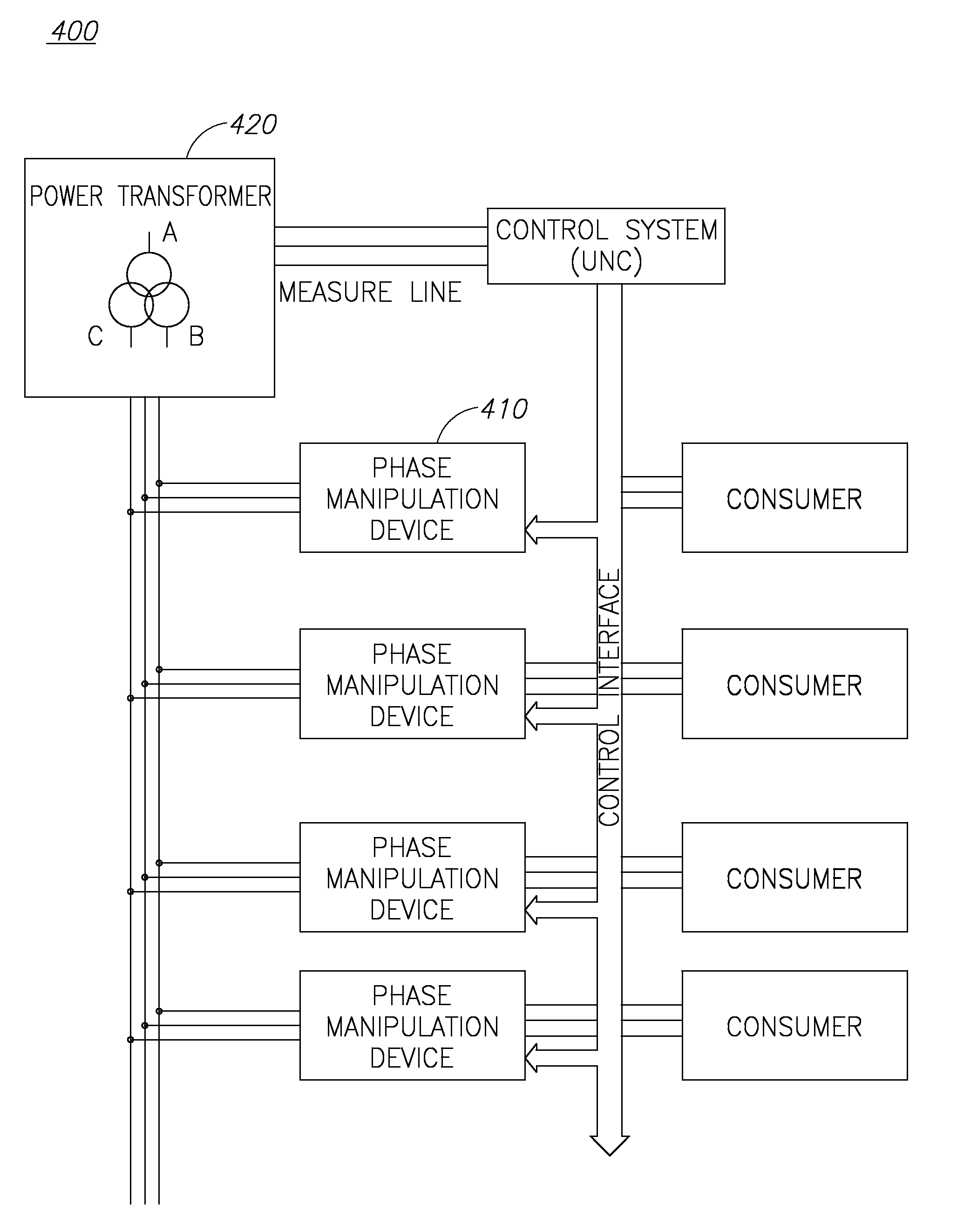
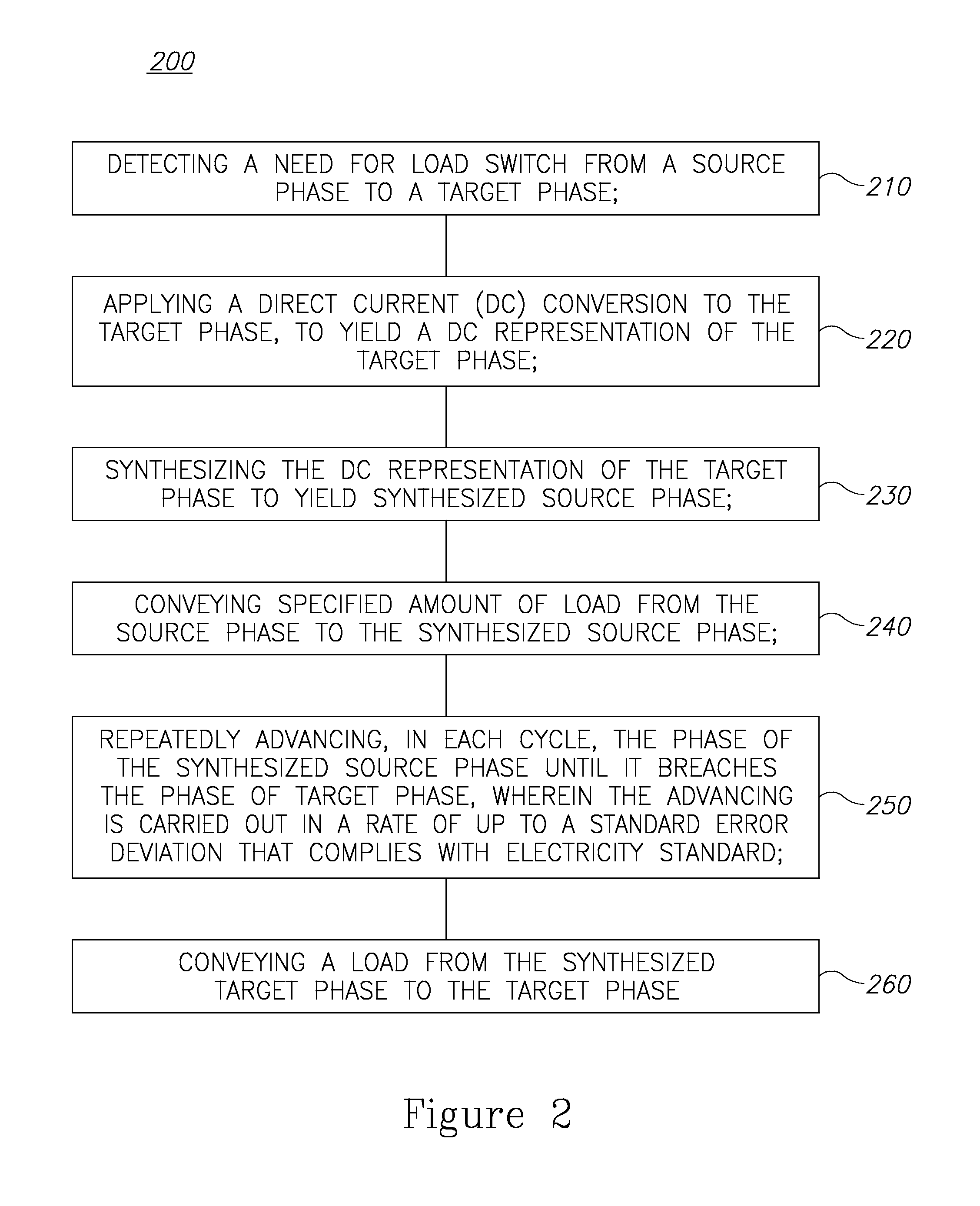
Balancing three phase power systems by smooth pahse shifting and clustering
PatentInactiveUS20120194144A1
Innovation
- A method involving DC conversion and phase angle advancement within standard error deviations to smoothly redistribute loads between phases, using a power cluster system that calculates real-time consumption and applies phase shifting without power interruptions, allowing for gradual phase alignment within allowed frequency tolerance.

Grid Code Compliance for Adaptive Power Systems
Grid code compliance represents a fundamental requirement for adaptive power systems operating within three-phase electric power networks. These regulatory frameworks establish mandatory technical standards that govern how power generation, transmission, and distribution systems must interact with the electrical grid. For adaptive systems, compliance becomes particularly complex due to their dynamic operational characteristics and real-time response capabilities.
Modern grid codes encompass multiple technical domains including voltage regulation, frequency stability, power quality, and fault ride-through capabilities. Adaptive power systems must demonstrate compliance across varying operational states, from normal conditions to emergency scenarios. The challenge intensifies when considering that these systems continuously adjust their parameters based on grid conditions, requiring compliance verification across the entire operational envelope rather than fixed operating points.
Voltage regulation compliance demands that adaptive systems maintain voltage levels within specified tolerances while responding to grid disturbances. This includes both steady-state voltage control and dynamic voltage support during transient events. Frequency response requirements mandate that adaptive systems contribute to grid stability through appropriate active power adjustments when frequency deviations occur, typically within milliseconds to seconds timeframes.
Power quality standards address harmonic distortion, voltage unbalance, and flicker limitations. Adaptive systems must ensure their control algorithms do not introduce excessive disturbances while maintaining optimal performance. This requires sophisticated filtering and control strategies that can adapt to changing grid impedance characteristics and background distortion levels.
Fault ride-through capabilities represent critical compliance aspects, requiring adaptive systems to remain connected and provide support during grid faults. These requirements vary by voltage level and system capacity, with specific performance curves defining acceptable responses. Protection coordination ensures that adaptive systems operate harmoniously with existing grid protection schemes without causing unwanted interactions or compromising system security.
Emerging grid codes increasingly emphasize cybersecurity requirements, data communication protocols, and interoperability standards. Adaptive systems must incorporate secure communication channels and standardized interfaces while maintaining robust operation under various cyber threat scenarios.
Modern grid codes encompass multiple technical domains including voltage regulation, frequency stability, power quality, and fault ride-through capabilities. Adaptive power systems must demonstrate compliance across varying operational states, from normal conditions to emergency scenarios. The challenge intensifies when considering that these systems continuously adjust their parameters based on grid conditions, requiring compliance verification across the entire operational envelope rather than fixed operating points.
Voltage regulation compliance demands that adaptive systems maintain voltage levels within specified tolerances while responding to grid disturbances. This includes both steady-state voltage control and dynamic voltage support during transient events. Frequency response requirements mandate that adaptive systems contribute to grid stability through appropriate active power adjustments when frequency deviations occur, typically within milliseconds to seconds timeframes.
Power quality standards address harmonic distortion, voltage unbalance, and flicker limitations. Adaptive systems must ensure their control algorithms do not introduce excessive disturbances while maintaining optimal performance. This requires sophisticated filtering and control strategies that can adapt to changing grid impedance characteristics and background distortion levels.
Fault ride-through capabilities represent critical compliance aspects, requiring adaptive systems to remain connected and provide support during grid faults. These requirements vary by voltage level and system capacity, with specific performance curves defining acceptable responses. Protection coordination ensures that adaptive systems operate harmoniously with existing grid protection schemes without causing unwanted interactions or compromising system security.
Emerging grid codes increasingly emphasize cybersecurity requirements, data communication protocols, and interoperability standards. Adaptive systems must incorporate secure communication channels and standardized interfaces while maintaining robust operation under various cyber threat scenarios.
Energy Efficiency Standards in Adaptive Power Design
Energy efficiency standards in adaptive power design represent a critical framework for ensuring that three-phase electric power systems operate within optimal performance parameters while minimizing energy waste. These standards establish baseline requirements for power factor correction, harmonic distortion limits, and voltage regulation accuracy that adaptive systems must maintain across varying load conditions.
The IEEE 519 standard serves as a foundational guideline for harmonic control in adaptive power systems, requiring total harmonic distortion (THD) levels to remain below 5% for voltage and 8% for current under normal operating conditions. Adaptive systems must incorporate real-time monitoring capabilities to ensure continuous compliance with these thresholds, particularly during dynamic load transitions where harmonic content can fluctuate significantly.
Power factor requirements under IEC 61000-3-2 mandate that adaptive three-phase systems maintain a power factor above 0.9 across their operational range. This necessitates sophisticated reactive power compensation mechanisms that can respond instantaneously to changing load characteristics while preserving system stability and efficiency metrics.
Voltage regulation standards, as defined by ANSI C84.1, require adaptive systems to maintain voltage levels within ±5% of nominal values at the point of common coupling. Advanced control algorithms must balance this requirement with energy optimization objectives, often requiring predictive load forecasting and proactive voltage adjustment strategies.
Energy efficiency ratings for adaptive power systems typically follow the IEC 60034-30-1 classification, with premium efficiency levels (IE3 and above) becoming mandatory in many jurisdictions. These standards drive the development of high-efficiency power electronic converters, advanced magnetic materials, and optimized switching strategies that minimize conversion losses.
Emerging standards such as IEEE 1547.4 address the integration of adaptive power systems with renewable energy sources and grid-tied applications. These regulations establish requirements for islanding detection, grid synchronization accuracy, and fault ride-through capabilities that directly impact the design of adaptive control systems and their energy efficiency performance under abnormal operating conditions.
The IEEE 519 standard serves as a foundational guideline for harmonic control in adaptive power systems, requiring total harmonic distortion (THD) levels to remain below 5% for voltage and 8% for current under normal operating conditions. Adaptive systems must incorporate real-time monitoring capabilities to ensure continuous compliance with these thresholds, particularly during dynamic load transitions where harmonic content can fluctuate significantly.
Power factor requirements under IEC 61000-3-2 mandate that adaptive three-phase systems maintain a power factor above 0.9 across their operational range. This necessitates sophisticated reactive power compensation mechanisms that can respond instantaneously to changing load characteristics while preserving system stability and efficiency metrics.
Voltage regulation standards, as defined by ANSI C84.1, require adaptive systems to maintain voltage levels within ±5% of nominal values at the point of common coupling. Advanced control algorithms must balance this requirement with energy optimization objectives, often requiring predictive load forecasting and proactive voltage adjustment strategies.
Energy efficiency ratings for adaptive power systems typically follow the IEC 60034-30-1 classification, with premium efficiency levels (IE3 and above) becoming mandatory in many jurisdictions. These standards drive the development of high-efficiency power electronic converters, advanced magnetic materials, and optimized switching strategies that minimize conversion losses.
Emerging standards such as IEEE 1547.4 address the integration of adaptive power systems with renewable energy sources and grid-tied applications. These regulations establish requirements for islanding detection, grid synchronization accuracy, and fault ride-through capabilities that directly impact the design of adaptive control systems and their energy efficiency performance under abnormal operating conditions.
Unlock deeper insights with Patsnap Eureka Quick Research — get a full tech report to explore trends and direct your research. Try now!
Generate Your Research Report Instantly with AI Agent
Supercharge your innovation with Patsnap Eureka AI Agent Platform!