

Three Phase Electric Power vs. DC: Grid Stability Analysis
MAR 18, 20269 MIN READ
Generate Your Research Report Instantly with AI Agent
Patsnap Eureka helps you evaluate technical feasibility & market potential.
Three Phase vs DC Power Grid Stability Background and Goals
The evolution of electrical power systems has been fundamentally shaped by the competition between alternating current (AC) three-phase systems and direct current (DC) technologies. This technological rivalry, dating back to the late 19th century "War of Currents" between Thomas Edison and Nikola Tesla, has experienced renewed relevance in modern power grid applications. The historical dominance of AC systems was primarily driven by the ease of voltage transformation using transformers and the efficiency of long-distance transmission.
Contemporary power systems face unprecedented challenges that have reignited interest in DC technologies. The proliferation of renewable energy sources, particularly solar photovoltaic and wind systems that naturally generate DC power, has created new dynamics in grid stability considerations. Additionally, the increasing integration of energy storage systems, electric vehicle charging infrastructure, and high-voltage direct current (HVDC) transmission lines has fundamentally altered the traditional AC-dominated landscape.
Grid stability analysis has become increasingly complex as power systems transition toward hybrid AC-DC architectures. Traditional three-phase AC systems rely on synchronous operation, where all generators and loads must maintain phase coherence and frequency stability. This synchronization requirement, while providing inherent system stability through inertia, also introduces vulnerabilities when integrating variable renewable energy sources and power electronic interfaces.
The primary technical objectives of this analysis encompass evaluating the comparative stability characteristics of three-phase AC versus DC power systems under various operational scenarios. Key focus areas include transient stability performance during fault conditions, voltage regulation capabilities, frequency stability maintenance, and the impact of power electronic converters on overall system dynamics.
Modern grid stability challenges extend beyond traditional concerns to include cybersecurity vulnerabilities, bidirectional power flows from distributed generation, and the need for enhanced grid flexibility. The integration of smart grid technologies and advanced control systems has created opportunities for improved stability management but also introduced new complexity layers that require comprehensive analysis.
The strategic importance of this research lies in informing future grid architecture decisions as utilities worldwide grapple with decarbonization mandates and increasing electrification demands. Understanding the stability implications of different power system topologies will be crucial for maintaining reliable electricity supply while accommodating the rapid transformation of the energy landscape toward more sustainable and resilient infrastructure.
Contemporary power systems face unprecedented challenges that have reignited interest in DC technologies. The proliferation of renewable energy sources, particularly solar photovoltaic and wind systems that naturally generate DC power, has created new dynamics in grid stability considerations. Additionally, the increasing integration of energy storage systems, electric vehicle charging infrastructure, and high-voltage direct current (HVDC) transmission lines has fundamentally altered the traditional AC-dominated landscape.
Grid stability analysis has become increasingly complex as power systems transition toward hybrid AC-DC architectures. Traditional three-phase AC systems rely on synchronous operation, where all generators and loads must maintain phase coherence and frequency stability. This synchronization requirement, while providing inherent system stability through inertia, also introduces vulnerabilities when integrating variable renewable energy sources and power electronic interfaces.
The primary technical objectives of this analysis encompass evaluating the comparative stability characteristics of three-phase AC versus DC power systems under various operational scenarios. Key focus areas include transient stability performance during fault conditions, voltage regulation capabilities, frequency stability maintenance, and the impact of power electronic converters on overall system dynamics.
Modern grid stability challenges extend beyond traditional concerns to include cybersecurity vulnerabilities, bidirectional power flows from distributed generation, and the need for enhanced grid flexibility. The integration of smart grid technologies and advanced control systems has created opportunities for improved stability management but also introduced new complexity layers that require comprehensive analysis.
The strategic importance of this research lies in informing future grid architecture decisions as utilities worldwide grapple with decarbonization mandates and increasing electrification demands. Understanding the stability implications of different power system topologies will be crucial for maintaining reliable electricity supply while accommodating the rapid transformation of the energy landscape toward more sustainable and resilient infrastructure.
Market Demand for Advanced Grid Stability Solutions
The global power grid infrastructure is experiencing unprecedented transformation driven by the integration of renewable energy sources, distributed generation systems, and evolving consumer demands. Traditional three-phase alternating current systems, which have dominated electrical grids for over a century, are increasingly challenged by the growing adoption of direct current technologies in solar installations, battery storage systems, and electric vehicle charging networks. This technological shift has created substantial market opportunities for advanced grid stability solutions that can effectively manage the complex interactions between AC and DC systems.
Utility companies worldwide are investing heavily in grid modernization initiatives to address stability challenges arising from bidirectional power flows, voltage fluctuations, and frequency variations. The intermittent nature of renewable energy sources has intensified the need for sophisticated control systems capable of maintaining grid stability across diverse operating conditions. Market demand is particularly strong for solutions that can seamlessly integrate AC and DC components while ensuring reliable power delivery and minimizing system losses.
Industrial and commercial sectors represent significant growth segments for advanced grid stability technologies. Manufacturing facilities, data centers, and large commercial complexes are increasingly adopting hybrid AC-DC power systems to optimize energy efficiency and reduce operational costs. These applications require specialized stability solutions that can handle rapid load changes, power quality issues, and system fault conditions without compromising operational continuity.
The emergence of microgrids and smart grid technologies has further expanded market opportunities for grid stability solutions. These systems demand advanced control algorithms, real-time monitoring capabilities, and predictive analytics to maintain optimal performance across varying load conditions and generation profiles. Market demand is particularly robust for solutions offering automated switching between AC and DC modes, dynamic voltage regulation, and seamless islanding capabilities.
Regulatory frameworks and grid codes are evolving to accommodate the increasing complexity of modern power systems, creating additional market drivers for compliance-oriented stability solutions. Utilities and system operators require technologies that not only ensure technical performance but also meet stringent regulatory requirements for grid interconnection, power quality standards, and system reliability metrics.
The market landscape is characterized by strong demand for integrated solutions that combine hardware components with advanced software platforms, enabling comprehensive grid stability management across multiple operational scenarios and system configurations.
Utility companies worldwide are investing heavily in grid modernization initiatives to address stability challenges arising from bidirectional power flows, voltage fluctuations, and frequency variations. The intermittent nature of renewable energy sources has intensified the need for sophisticated control systems capable of maintaining grid stability across diverse operating conditions. Market demand is particularly strong for solutions that can seamlessly integrate AC and DC components while ensuring reliable power delivery and minimizing system losses.
Industrial and commercial sectors represent significant growth segments for advanced grid stability technologies. Manufacturing facilities, data centers, and large commercial complexes are increasingly adopting hybrid AC-DC power systems to optimize energy efficiency and reduce operational costs. These applications require specialized stability solutions that can handle rapid load changes, power quality issues, and system fault conditions without compromising operational continuity.
The emergence of microgrids and smart grid technologies has further expanded market opportunities for grid stability solutions. These systems demand advanced control algorithms, real-time monitoring capabilities, and predictive analytics to maintain optimal performance across varying load conditions and generation profiles. Market demand is particularly robust for solutions offering automated switching between AC and DC modes, dynamic voltage regulation, and seamless islanding capabilities.
Regulatory frameworks and grid codes are evolving to accommodate the increasing complexity of modern power systems, creating additional market drivers for compliance-oriented stability solutions. Utilities and system operators require technologies that not only ensure technical performance but also meet stringent regulatory requirements for grid interconnection, power quality standards, and system reliability metrics.
The market landscape is characterized by strong demand for integrated solutions that combine hardware components with advanced software platforms, enabling comprehensive grid stability management across multiple operational scenarios and system configurations.
Current Grid Stability Challenges in AC and DC Systems
Modern electrical grids face unprecedented stability challenges as they transition from traditional centralized generation to distributed renewable energy systems. The fundamental differences between three-phase AC and DC power systems create distinct stability concerns that grid operators must address through sophisticated control mechanisms and infrastructure adaptations.
Three-phase AC systems encounter significant frequency stability issues as renewable energy penetration increases. Wind and solar generation introduce variability that traditional synchronous generators historically managed through inherent inertia. The reduction of conventional rotating machinery diminishes system inertia, making frequency control more challenging during sudden load changes or generation losses. Power quality disturbances, including voltage sags, harmonics, and unbalanced conditions, become more prevalent with increased distributed generation connections.
DC systems face different but equally complex stability challenges. Voltage stability represents the primary concern in DC grids, as these systems lack the natural damping characteristics of AC networks. DC fault currents rise extremely rapidly without natural zero-crossings, requiring specialized protection systems with faster response times than traditional AC circuit breakers. The absence of reactive power in DC systems eliminates certain stability mechanisms available in AC networks, necessitating alternative control strategies.
Converter-interfaced generation sources introduce new stability phenomena in both AC and DC systems. These power electronic devices can exhibit oscillatory behavior when interacting with grid impedances, leading to subsynchronous resonance in AC systems and potential instability in DC networks. The control systems of multiple converters can interact unpredictably, creating stability issues that were not present in conventional power systems.
Grid interconnection challenges arise when integrating AC and DC systems through converter stations. These interfaces must maintain stability across both domains while managing power flow control, fault isolation, and protection coordination. The complexity increases exponentially with multiple conversion points and bidirectional power flows.
Climate-related extreme weather events compound these technical challenges by stressing grid infrastructure beyond traditional design parameters. Increased frequency of severe storms, temperature extremes, and natural disasters test the resilience of both AC and DC systems, requiring enhanced stability margins and adaptive control strategies to maintain reliable operation under adverse conditions.
Three-phase AC systems encounter significant frequency stability issues as renewable energy penetration increases. Wind and solar generation introduce variability that traditional synchronous generators historically managed through inherent inertia. The reduction of conventional rotating machinery diminishes system inertia, making frequency control more challenging during sudden load changes or generation losses. Power quality disturbances, including voltage sags, harmonics, and unbalanced conditions, become more prevalent with increased distributed generation connections.
DC systems face different but equally complex stability challenges. Voltage stability represents the primary concern in DC grids, as these systems lack the natural damping characteristics of AC networks. DC fault currents rise extremely rapidly without natural zero-crossings, requiring specialized protection systems with faster response times than traditional AC circuit breakers. The absence of reactive power in DC systems eliminates certain stability mechanisms available in AC networks, necessitating alternative control strategies.
Converter-interfaced generation sources introduce new stability phenomena in both AC and DC systems. These power electronic devices can exhibit oscillatory behavior when interacting with grid impedances, leading to subsynchronous resonance in AC systems and potential instability in DC networks. The control systems of multiple converters can interact unpredictably, creating stability issues that were not present in conventional power systems.
Grid interconnection challenges arise when integrating AC and DC systems through converter stations. These interfaces must maintain stability across both domains while managing power flow control, fault isolation, and protection coordination. The complexity increases exponentially with multiple conversion points and bidirectional power flows.
Climate-related extreme weather events compound these technical challenges by stressing grid infrastructure beyond traditional design parameters. Increased frequency of severe storms, temperature extremes, and natural disasters test the resilience of both AC and DC systems, requiring enhanced stability margins and adaptive control strategies to maintain reliable operation under adverse conditions.
Existing Grid Stability Analysis and Control Methods
01 Grid synchronization and phase-locked loop control for three-phase systems
Advanced control techniques utilizing phase-locked loops (PLL) and synchronization algorithms are employed to maintain stable operation of three-phase power systems. These methods detect grid voltage phase angles and frequency variations to ensure proper synchronization between distributed generation sources and the main grid. The control systems can adapt to grid disturbances and maintain stability during transient conditions by continuously monitoring and adjusting phase relationships.- Grid synchronization and phase-locked loop control for three-phase systems: Advanced control techniques utilizing phase-locked loops (PLL) and synchronization algorithms are employed to maintain stable operation of three-phase power systems. These methods detect phase angles, frequency variations, and voltage imbalances to ensure proper grid synchronization. The control systems can adapt to grid disturbances and provide fast response to maintain stability during transient conditions. Such techniques are particularly important for integrating renewable energy sources and distributed generation into the grid.
- DC-AC conversion and inverter control for grid stability: Power electronic converters and inverter control strategies are utilized to interface DC systems with three-phase AC grids. These systems employ sophisticated modulation techniques and control algorithms to regulate power flow, maintain voltage stability, and provide grid support functions. The converters can operate in multiple modes to respond to grid conditions and ensure seamless power transfer while maintaining power quality standards. Advanced filtering and harmonic mitigation techniques are integrated to minimize disturbances to the grid.
- Energy storage integration for grid stabilization: Energy storage systems are integrated with power conversion equipment to provide grid stabilization services. These systems can rapidly inject or absorb power to compensate for fluctuations in generation or load, thereby maintaining frequency and voltage stability. The storage systems work in coordination with control algorithms that predict grid conditions and optimize charging and discharging cycles. This approach enhances the overall resilience of hybrid AC-DC power systems and enables higher penetration of variable renewable energy sources.
- Voltage regulation and reactive power compensation: Voltage control mechanisms and reactive power management systems are implemented to maintain grid stability in three-phase and DC hybrid systems. These systems utilize static compensators, dynamic voltage regulators, and coordinated control strategies to manage voltage levels across the network. The compensation devices can respond to voltage sags, swells, and imbalances to ensure power quality. Multi-level control architectures coordinate local and system-wide voltage regulation to optimize overall grid performance.
- Fault detection and protection coordination in hybrid grids: Comprehensive protection schemes and fault detection algorithms are developed for hybrid three-phase AC and DC power systems. These systems employ advanced sensing, communication, and decision-making capabilities to identify and isolate faults rapidly. The protection coordination ensures selective operation of circuit breakers and prevents cascading failures. Adaptive protection strategies account for bidirectional power flows and varying system configurations typical of modern grids with distributed energy resources.
02 DC-link voltage regulation and power conversion stability
Maintaining stable DC-link voltage is critical for grid-connected power converters and hybrid AC-DC systems. Control strategies focus on regulating the DC bus voltage through active power management, capacitor sizing optimization, and dynamic voltage control algorithms. These techniques prevent voltage fluctuations that could destabilize the entire power system and ensure smooth power transfer between AC and DC domains.Expand Specific Solutions03 Harmonic mitigation and power quality improvement
Power quality enhancement techniques address harmonic distortion and voltage imbalances in three-phase and DC systems. Active filtering methods, selective harmonic compensation, and advanced modulation strategies are implemented to reduce total harmonic distortion. These approaches improve grid stability by minimizing the negative effects of non-linear loads and power electronic converters on the overall power system.Expand Specific Solutions04 Fault ride-through capability and grid support functions
Grid stability is enhanced through fault ride-through capabilities that allow power systems to remain connected during grid disturbances. These technologies include voltage support through reactive power injection, low voltage ride-through control, and dynamic grid support functions. The systems can detect abnormal grid conditions and respond appropriately to maintain stability without disconnecting from the grid.Expand Specific Solutions05 Energy storage integration and load balancing for grid stabilization
Integration of energy storage systems with intelligent load balancing algorithms provides enhanced grid stability for both AC and DC power systems. These solutions manage power flow fluctuations, provide frequency regulation support, and enable peak shaving capabilities. The control systems coordinate between multiple energy sources and storage devices to maintain consistent power delivery and prevent grid instability during demand variations.Expand Specific Solutions
Key Players in Grid Infrastructure and Power Electronics
The three-phase electric power versus DC grid stability analysis represents a mature technology domain experiencing significant transformation driven by renewable energy integration and smart grid modernization. The market, valued at hundreds of billions globally, is characterized by established infrastructure requiring substantial upgrades to accommodate bidirectional power flows and distributed generation. Technology maturity varies significantly across segments, with traditional AC systems being well-established while DC grid technologies and hybrid solutions remain in advanced development phases. Key players demonstrate this maturity spectrum: State Grid Corp. of China and regional utilities like Jiangsu Electric Power Co. represent mature AC grid operations, while research institutions including China Electric Power Research Institute and North China Electric Power University drive innovation in grid stability solutions. Technology providers like Schneider Electric USA, Tesla, and Toshiba Mitsubishi-Electric Industrial Systems Corp. are advancing power electronics and energy storage integration, essential for managing the complexity of modern hybrid AC-DC grids and ensuring stability across diverse generation sources.
China Electric Power Research Institute Ltd.
Technical Solution: CEPRI has developed advanced grid stability analysis methodologies that compare three-phase electric power systems with DC power transmission for enhanced grid reliability. Their technical approach involves comprehensive modeling and simulation tools that analyze transient stability, voltage stability, and frequency stability under various operating conditions. The institute has created sophisticated algorithms for real-time stability assessment, incorporating both AC and DC system characteristics. Their solution includes advanced control strategies for power system stabilizers (PSS) and flexible AC transmission systems (FACTS) devices. The research focuses on developing hybrid grid architectures that optimize the benefits of both AC and DC transmission, utilizing high-voltage direct current (HVDC) technology for long-distance transmission and three-phase AC for local distribution networks.
Strengths: Strong research capabilities and theoretical foundation, extensive simulation and modeling expertise. Weaknesses: Limited commercial deployment experience, primarily focused on research rather than practical implementation.
State Grid Corp. of China
Technical Solution: State Grid Corporation of China has developed comprehensive grid stability solutions that integrate both three-phase AC and DC transmission systems. Their technical approach focuses on hybrid AC/DC grid architectures, utilizing advanced power electronic converters and real-time monitoring systems to maintain grid stability across different power transmission modes. The company employs sophisticated control algorithms for voltage source converters (VSC) and line commutated converters (LCC) to manage power flow between AC and DC segments. Their grid stability analysis incorporates machine learning algorithms for predictive maintenance and fault detection, enabling proactive grid management. The technical solution includes wide-area measurement systems (WAMS) and phasor measurement units (PMUs) for real-time grid monitoring and control.
Strengths: Extensive operational experience with large-scale grid infrastructure, comprehensive integration capabilities for hybrid systems. Weaknesses: High implementation costs, complexity in managing legacy AC infrastructure transitions.
Core Innovations in AC-DC Grid Stability Technologies
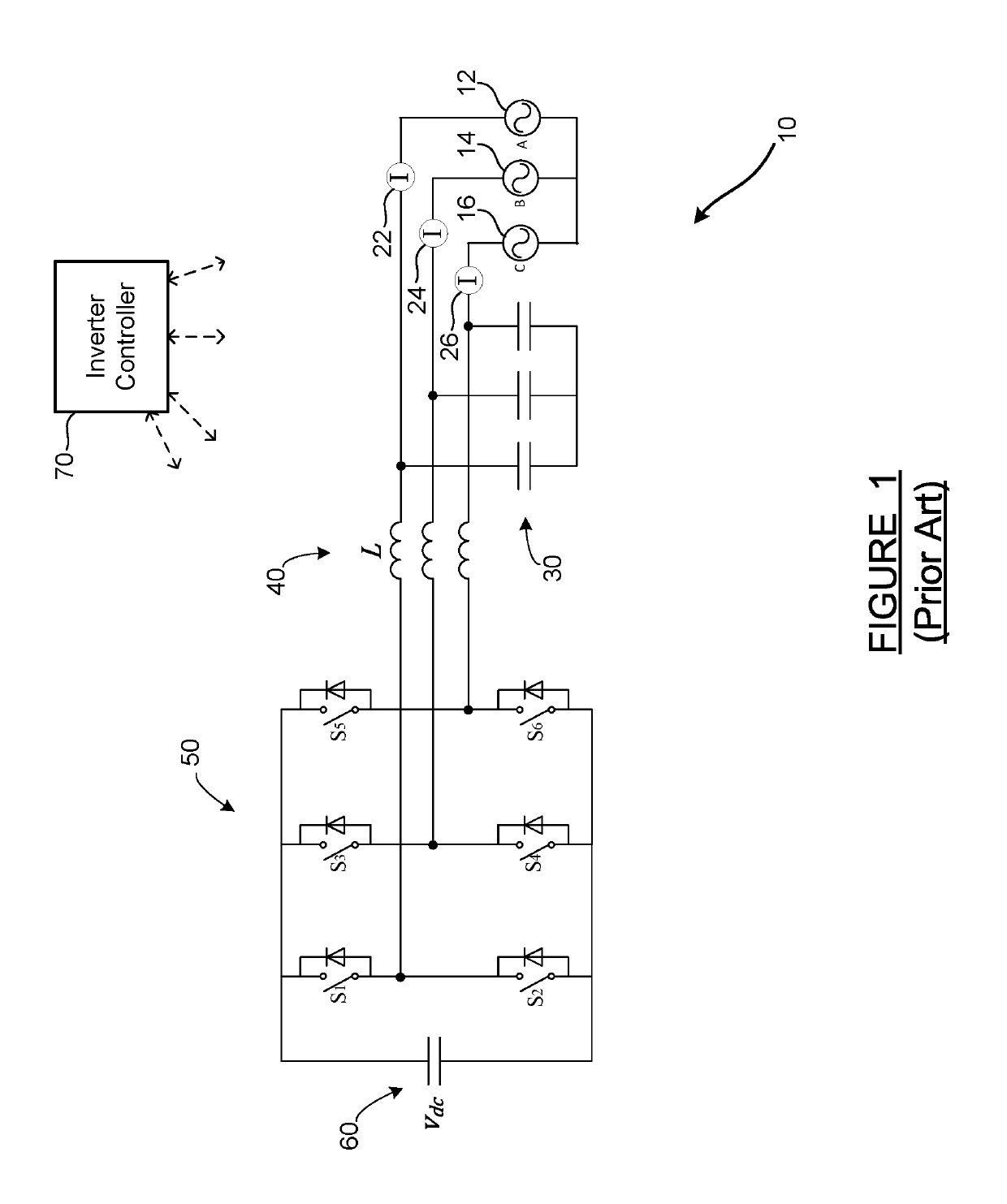
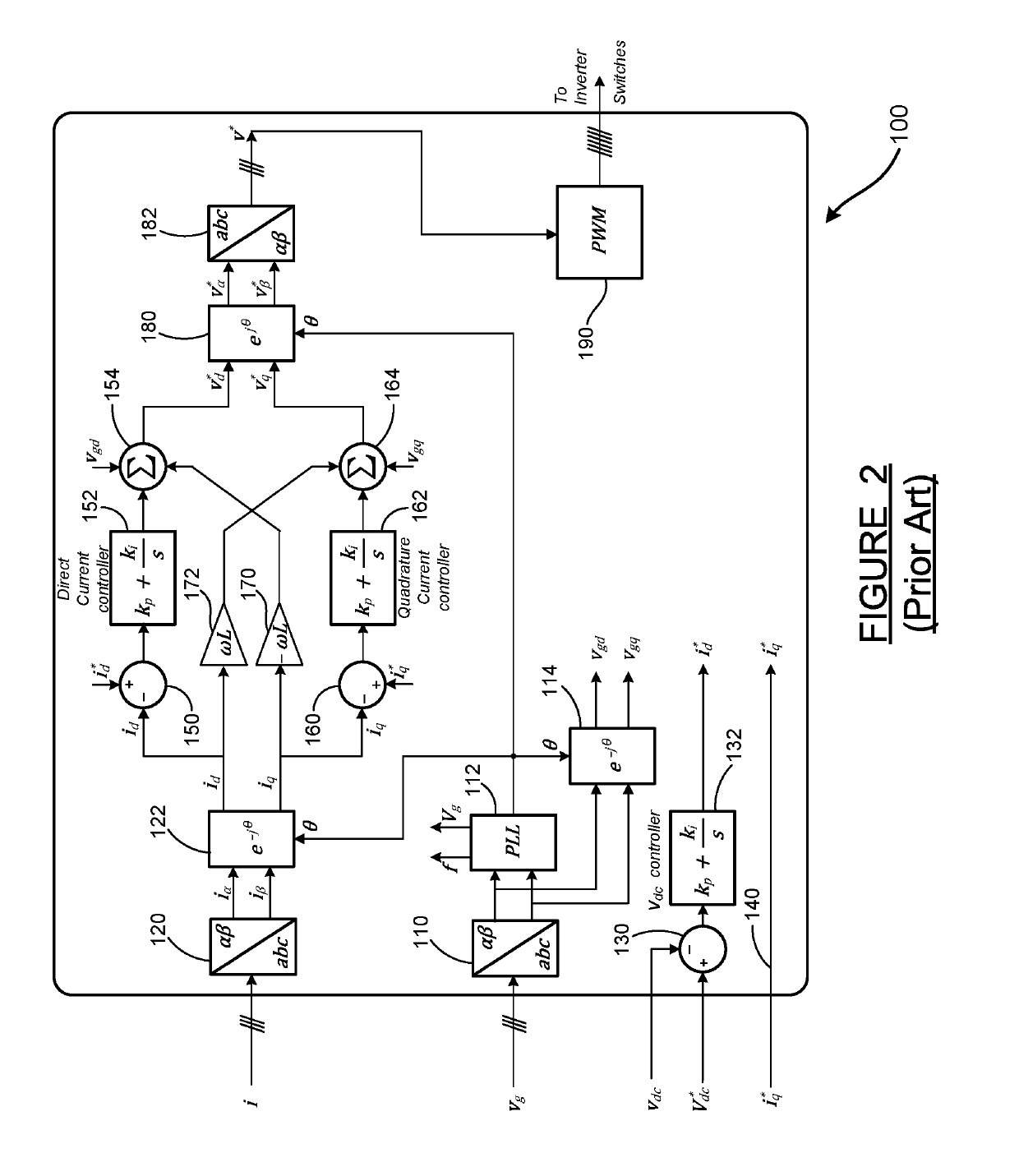
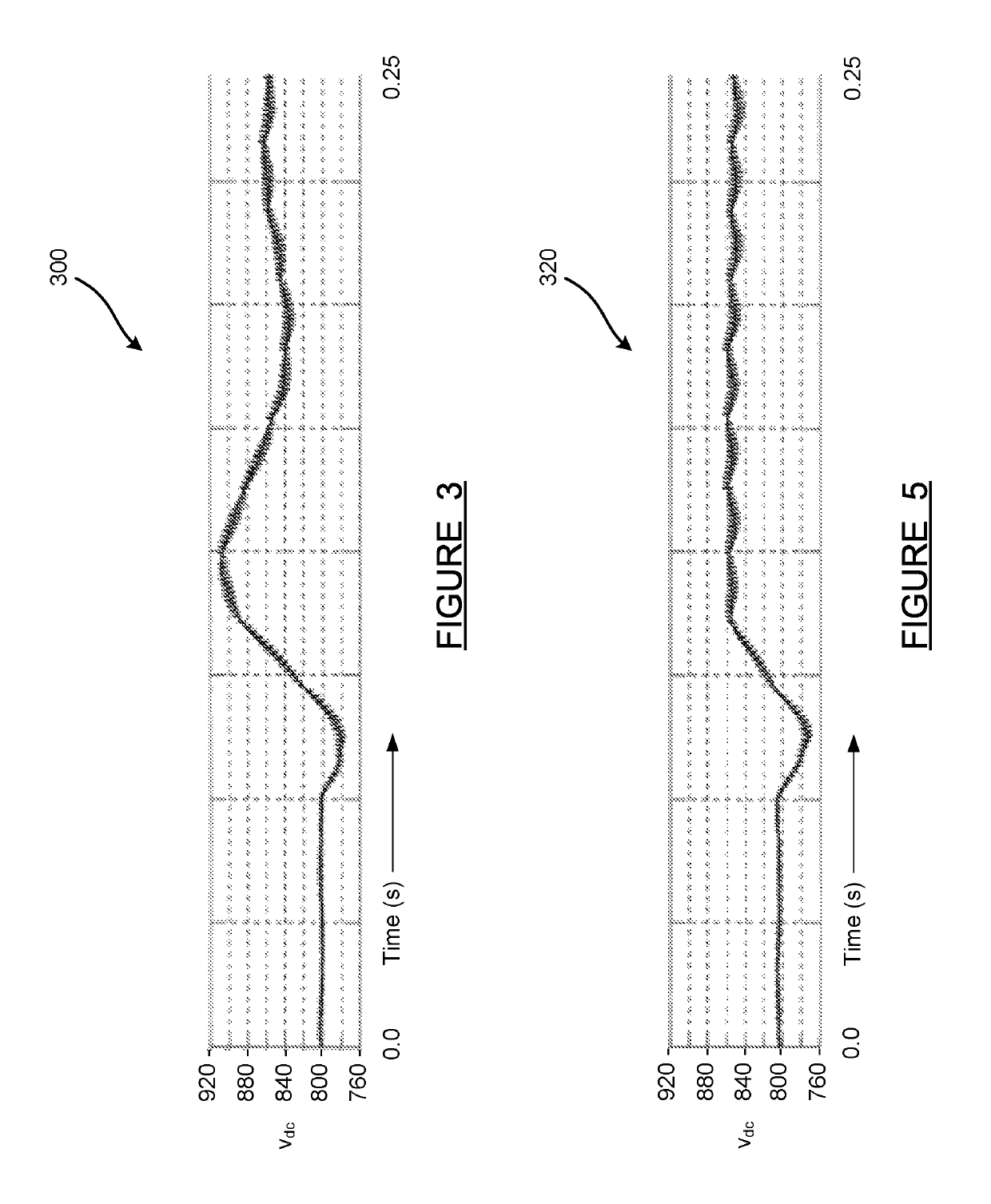
Three phase inverter DC-link voltage control method for reactive power overload transient process
PatentActiveUS10431983B2
Innovation
- A modified control scheme that combines feedforward and feedback controls to compute a reference voltage signal, incorporating both reference and actual currents in the cross-couple feedforward signal, reduces DC-link voltage overshoot during capacitive overload events while maintaining reactive power delivery and grid stability.

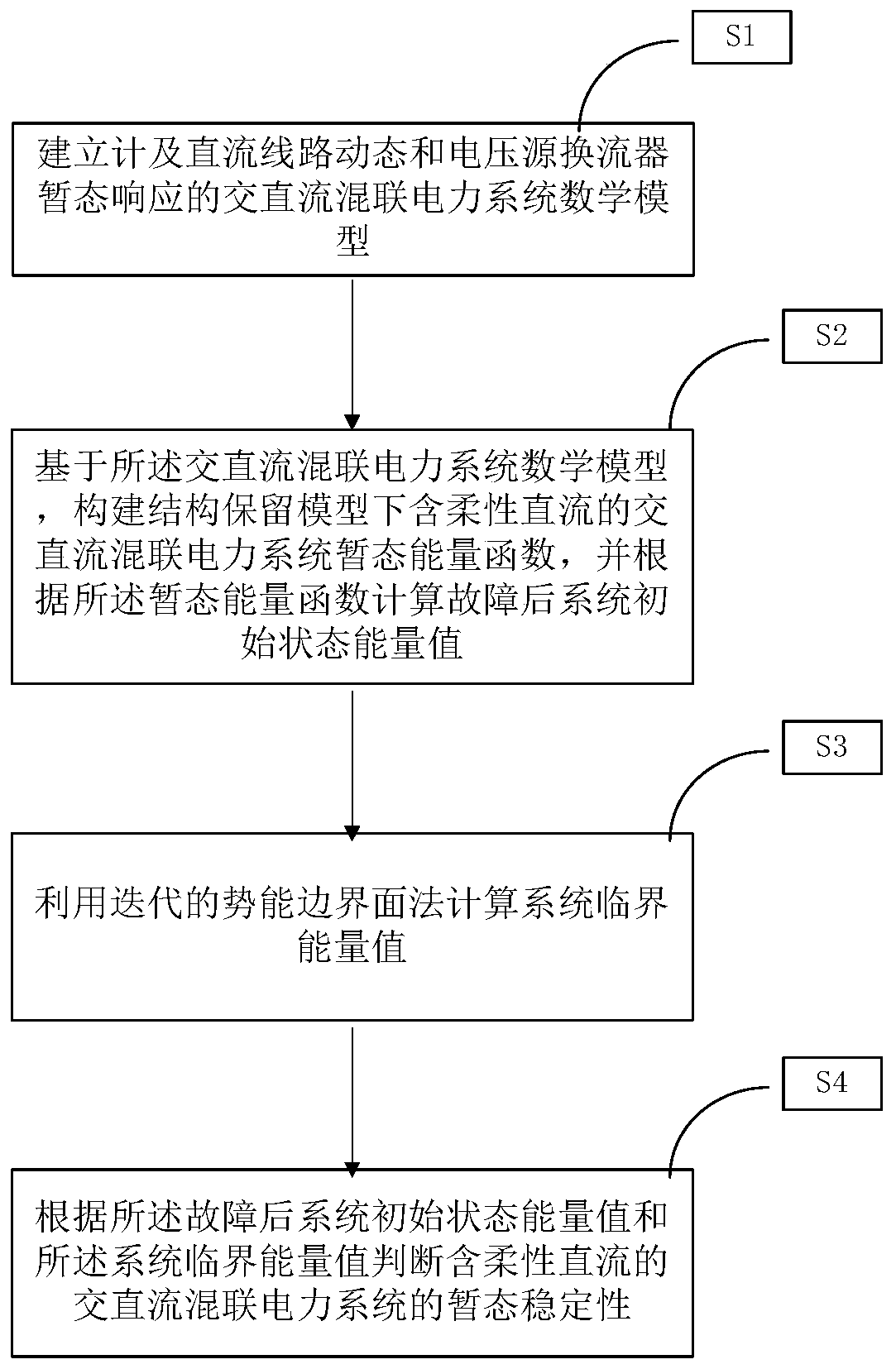
Method for judging transient state stability of alternating-current and direct-current hybrid power system containing flexible direct current
PatentActiveCN111030112A
Innovation
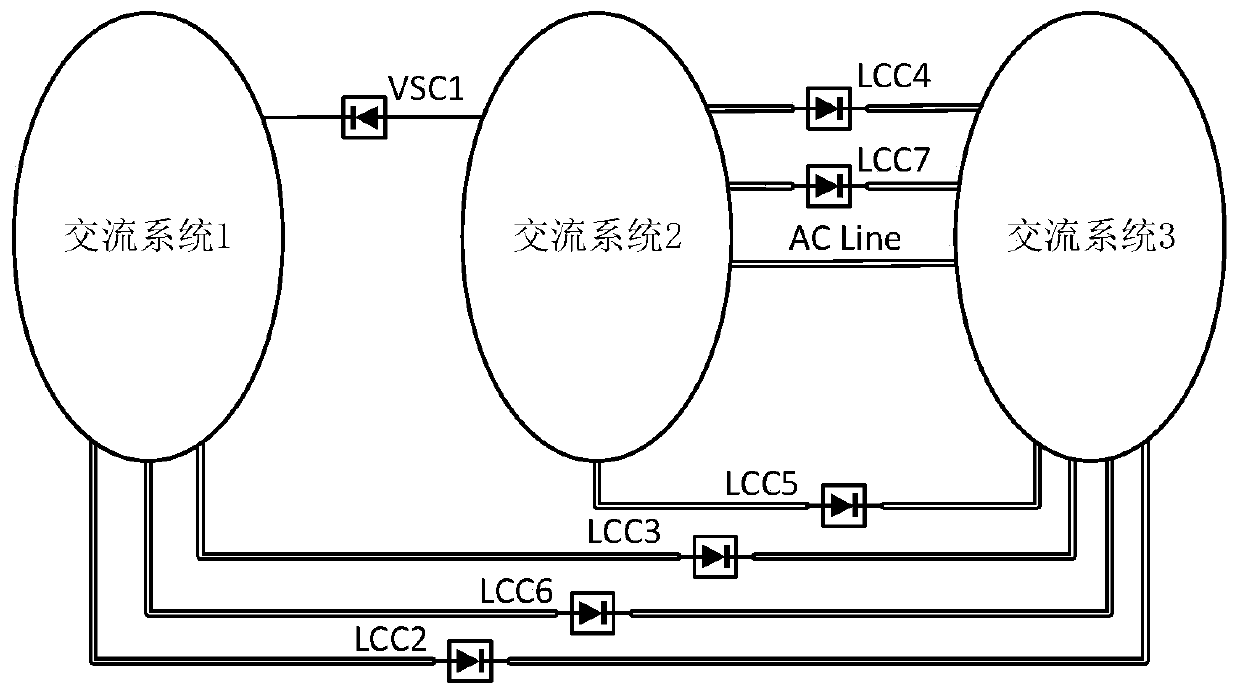
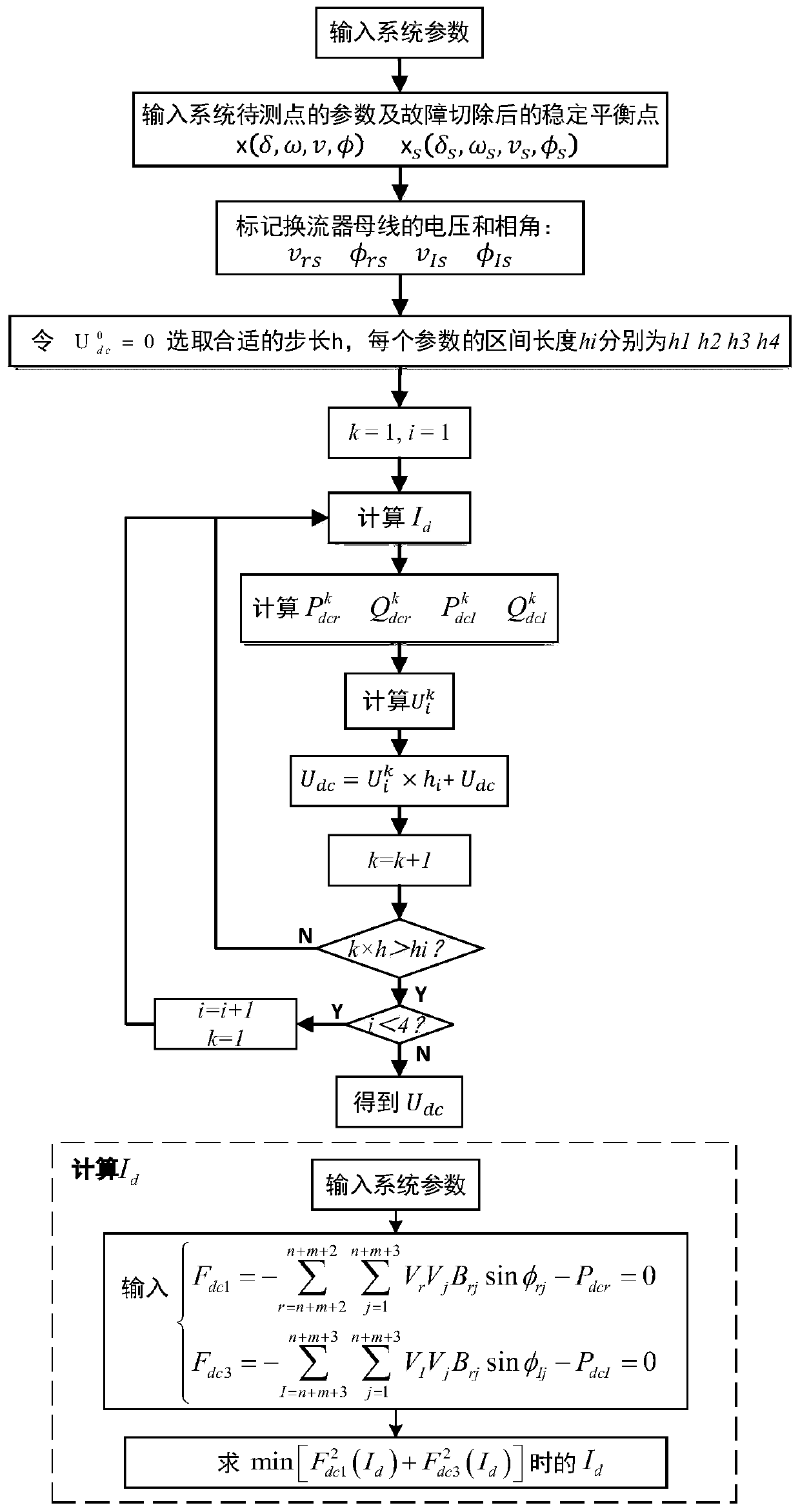
- A mathematical model of the AC-DC hybrid power system that takes into account the dynamics of the DC line and the transient response of the voltage source converter was established, the transient energy function under the structure retention model was constructed, and the iterative potential energy boundary surface method was used to calculate the critical energy of the system. value to determine the transient stability of the system.

Grid Code Standards and Regulatory Framework
Grid code standards serve as the fundamental regulatory framework governing the integration and operation of both three-phase AC and DC power systems within modern electrical grids. These standards establish mandatory technical requirements that generators, transmission operators, and distribution system operators must comply with to ensure grid stability and reliability. The evolution of grid codes has been driven by the increasing penetration of renewable energy sources and the growing adoption of HVDC transmission systems.
Traditional grid codes were primarily designed for conventional three-phase AC systems, focusing on parameters such as voltage and frequency control, reactive power management, and fault ride-through capabilities. However, the integration of DC systems, particularly HVDC links and DC microgrids, has necessitated significant updates to existing regulatory frameworks. Modern grid codes now incorporate specific provisions for DC system interconnection, including requirements for converter station performance, harmonic distortion limits, and DC fault management protocols.
The regulatory landscape varies significantly across different jurisdictions, with organizations such as ENTSO-E in Europe, NERC in North America, and national grid operators worldwide developing region-specific standards. These frameworks address critical aspects of grid stability analysis, including dynamic response requirements, power quality standards, and system protection coordination between AC and DC components. The standards also define testing procedures and certification processes for equipment manufacturers to ensure compliance with grid integration requirements.
Emerging regulatory challenges focus on the coordination between AC and DC systems during transient events and fault conditions. Grid codes are increasingly incorporating requirements for advanced control systems that can manage the interaction between three-phase AC networks and DC transmission corridors. These include specifications for voltage source converters, energy storage integration, and the implementation of grid-forming capabilities in DC systems to support overall grid stability and resilience during system disturbances.
Traditional grid codes were primarily designed for conventional three-phase AC systems, focusing on parameters such as voltage and frequency control, reactive power management, and fault ride-through capabilities. However, the integration of DC systems, particularly HVDC links and DC microgrids, has necessitated significant updates to existing regulatory frameworks. Modern grid codes now incorporate specific provisions for DC system interconnection, including requirements for converter station performance, harmonic distortion limits, and DC fault management protocols.
The regulatory landscape varies significantly across different jurisdictions, with organizations such as ENTSO-E in Europe, NERC in North America, and national grid operators worldwide developing region-specific standards. These frameworks address critical aspects of grid stability analysis, including dynamic response requirements, power quality standards, and system protection coordination between AC and DC components. The standards also define testing procedures and certification processes for equipment manufacturers to ensure compliance with grid integration requirements.
Emerging regulatory challenges focus on the coordination between AC and DC systems during transient events and fault conditions. Grid codes are increasingly incorporating requirements for advanced control systems that can manage the interaction between three-phase AC networks and DC transmission corridors. These include specifications for voltage source converters, energy storage integration, and the implementation of grid-forming capabilities in DC systems to support overall grid stability and resilience during system disturbances.
Environmental Impact of Grid Stability Technologies
The environmental implications of grid stability technologies represent a critical consideration in the transition toward sustainable energy systems. As power grids evolve to accommodate renewable energy sources and improve reliability, the environmental footprint of stability enhancement technologies becomes increasingly significant for long-term sustainability planning.
Three-phase AC grid stability technologies traditionally rely on large-scale synchronous generators and mechanical inertia systems, which contribute substantial carbon emissions through fossil fuel consumption. These conventional stabilization methods require continuous operation of backup power plants, resulting in approximately 15-20% higher emissions compared to optimized grid configurations. The manufacturing and maintenance of rotating machinery also generate considerable material waste and require energy-intensive production processes.
DC grid stability solutions present a markedly different environmental profile. High Voltage Direct Current (HVDC) transmission systems demonstrate superior energy efficiency, reducing transmission losses by 30-50% over long distances compared to AC alternatives. The elimination of reactive power requirements in DC systems significantly reduces the need for compensating equipment, thereby minimizing material consumption and manufacturing emissions.
Energy storage integration for grid stability purposes introduces complex environmental trade-offs. Battery energy storage systems, while enabling rapid frequency response and voltage regulation, require lithium, cobalt, and rare earth materials with significant extraction-related environmental impacts. However, lifecycle assessments indicate that grid-scale storage systems offset their manufacturing emissions within 2-3 years through improved grid efficiency and renewable energy integration.
Smart grid technologies and advanced control systems offer promising environmental benefits through optimized power flow management. These digital solutions reduce the need for physical infrastructure expansion while enabling higher renewable energy penetration rates. Machine learning algorithms for predictive grid management can decrease stability-related energy waste by up to 12% through proactive load balancing and demand response optimization.
The carbon intensity of grid stability technologies varies significantly based on regional energy mixes and implementation strategies. Regions with high renewable energy penetration benefit more substantially from advanced stability technologies, as these systems enable greater clean energy integration while maintaining reliability standards essential for grid operation.
Three-phase AC grid stability technologies traditionally rely on large-scale synchronous generators and mechanical inertia systems, which contribute substantial carbon emissions through fossil fuel consumption. These conventional stabilization methods require continuous operation of backup power plants, resulting in approximately 15-20% higher emissions compared to optimized grid configurations. The manufacturing and maintenance of rotating machinery also generate considerable material waste and require energy-intensive production processes.
DC grid stability solutions present a markedly different environmental profile. High Voltage Direct Current (HVDC) transmission systems demonstrate superior energy efficiency, reducing transmission losses by 30-50% over long distances compared to AC alternatives. The elimination of reactive power requirements in DC systems significantly reduces the need for compensating equipment, thereby minimizing material consumption and manufacturing emissions.
Energy storage integration for grid stability purposes introduces complex environmental trade-offs. Battery energy storage systems, while enabling rapid frequency response and voltage regulation, require lithium, cobalt, and rare earth materials with significant extraction-related environmental impacts. However, lifecycle assessments indicate that grid-scale storage systems offset their manufacturing emissions within 2-3 years through improved grid efficiency and renewable energy integration.
Smart grid technologies and advanced control systems offer promising environmental benefits through optimized power flow management. These digital solutions reduce the need for physical infrastructure expansion while enabling higher renewable energy penetration rates. Machine learning algorithms for predictive grid management can decrease stability-related energy waste by up to 12% through proactive load balancing and demand response optimization.
The carbon intensity of grid stability technologies varies significantly based on regional energy mixes and implementation strategies. Regions with high renewable energy penetration benefit more substantially from advanced stability technologies, as these systems enable greater clean energy integration while maintaining reliability standards essential for grid operation.
Unlock deeper insights with Patsnap Eureka Quick Research — get a full tech report to explore trends and direct your research. Try now!
Generate Your Research Report Instantly with AI Agent
Supercharge your innovation with Patsnap Eureka AI Agent Platform!