
Three Phase Electric Power vs. HVDC: Implementation Flexibility
MAR 18, 20269 MIN READ
Generate Your Research Report Instantly with AI Agent
Patsnap Eureka helps you evaluate technical feasibility & market potential.
Three Phase vs HVDC Power System Background and Objectives
The evolution of electrical power transmission systems has been fundamentally shaped by two dominant paradigms: three-phase alternating current (AC) systems and high-voltage direct current (HVDC) technology. Three-phase AC systems emerged in the late 19th century through the pioneering work of Nikola Tesla and others, establishing the foundation for modern electrical grids worldwide. This technology leveraged the inherent advantages of AC power for voltage transformation through transformers and the natural balance achieved through three-phase configurations.
HVDC technology, while conceptualized earlier, gained practical viability in the mid-20th century with the development of mercury arc valves and later thyristor-based converters. The technology experienced significant advancement with the introduction of voltage source converters (VSC) in the 1990s, which dramatically expanded its application potential and implementation flexibility.
The historical development trajectory reveals distinct phases of technological maturation. Three-phase AC systems dominated the early electrification era due to their simplicity in generation, transformation, and distribution. However, as power transmission distances increased and grid interconnection requirements became more complex, HVDC emerged as a complementary technology addressing specific limitations of AC systems.
Contemporary power system challenges have intensified the relevance of both technologies. The integration of renewable energy sources, particularly offshore wind farms and remote solar installations, has created new demands for flexible transmission solutions. Grid stability concerns, environmental considerations, and the need for efficient long-distance power transfer have elevated the importance of selecting optimal transmission technologies for specific applications.
The primary objective of comparing three-phase AC and HVDC systems centers on implementation flexibility across diverse operational scenarios. This encompasses evaluating their respective capabilities in handling variable power flows, adapting to different geographical constraints, and supporting evolving grid architectures. Key performance metrics include system efficiency, controllability, environmental impact, and economic viability under varying load conditions.
Modern grid modernization initiatives and smart grid development have further emphasized the need for transmission technologies that can accommodate bidirectional power flows, rapid load changes, and seamless integration with distributed energy resources. The flexibility requirements extend beyond technical performance to include installation complexity, maintenance accessibility, and scalability for future expansion.
The comparative analysis aims to establish clear guidelines for technology selection based on specific implementation requirements, transmission distances, power capacity needs, and grid integration objectives, ultimately supporting informed decision-making in power system planning and development.
HVDC technology, while conceptualized earlier, gained practical viability in the mid-20th century with the development of mercury arc valves and later thyristor-based converters. The technology experienced significant advancement with the introduction of voltage source converters (VSC) in the 1990s, which dramatically expanded its application potential and implementation flexibility.
The historical development trajectory reveals distinct phases of technological maturation. Three-phase AC systems dominated the early electrification era due to their simplicity in generation, transformation, and distribution. However, as power transmission distances increased and grid interconnection requirements became more complex, HVDC emerged as a complementary technology addressing specific limitations of AC systems.
Contemporary power system challenges have intensified the relevance of both technologies. The integration of renewable energy sources, particularly offshore wind farms and remote solar installations, has created new demands for flexible transmission solutions. Grid stability concerns, environmental considerations, and the need for efficient long-distance power transfer have elevated the importance of selecting optimal transmission technologies for specific applications.
The primary objective of comparing three-phase AC and HVDC systems centers on implementation flexibility across diverse operational scenarios. This encompasses evaluating their respective capabilities in handling variable power flows, adapting to different geographical constraints, and supporting evolving grid architectures. Key performance metrics include system efficiency, controllability, environmental impact, and economic viability under varying load conditions.
Modern grid modernization initiatives and smart grid development have further emphasized the need for transmission technologies that can accommodate bidirectional power flows, rapid load changes, and seamless integration with distributed energy resources. The flexibility requirements extend beyond technical performance to include installation complexity, maintenance accessibility, and scalability for future expansion.
The comparative analysis aims to establish clear guidelines for technology selection based on specific implementation requirements, transmission distances, power capacity needs, and grid integration objectives, ultimately supporting informed decision-making in power system planning and development.
Market Demand Analysis for Flexible Power Transmission Solutions
The global power transmission market is experiencing unprecedented transformation driven by the urgent need for grid modernization, renewable energy integration, and enhanced system reliability. Traditional three-phase AC transmission systems, which have dominated electrical infrastructure for over a century, are increasingly challenged by the growing complexity of modern power networks. The rise of distributed generation, intermittent renewable sources, and cross-border electricity trading has created substantial demand for more flexible transmission solutions.
HVDC technology has emerged as a critical enabler for addressing these evolving market requirements. The technology's superior capability to transmit power over long distances with minimal losses makes it particularly attractive for connecting remote renewable energy sources to load centers. Wind farms in offshore locations and solar installations in desert regions require efficient long-distance transmission, creating substantial market opportunities for HVDC solutions.
Grid interconnection projects represent another significant market driver, as utilities seek to enhance system reliability and enable electricity trading between regions. The ability of HVDC systems to connect asynchronous AC networks without requiring frequency synchronization provides unique advantages for international power exchanges and regional grid stabilization initiatives.
The market demand is further amplified by urbanization trends and the need for underground transmission in densely populated areas. HVDC cables offer superior performance characteristics for submarine and underground applications compared to traditional AC alternatives, making them essential for connecting island communities and routing power through urban corridors where overhead lines are impractical.
Industrial applications requiring high power quality and reliability, such as data centers, manufacturing facilities, and mining operations, are increasingly driving demand for flexible transmission solutions. These sectors require stable power supply with minimal interruptions, creating opportunities for both advanced AC systems with flexible AC transmission system capabilities and HVDC installations.
Emerging markets in developing countries present substantial growth opportunities as these regions invest in modern electrical infrastructure. The flexibility to choose between AC and HVDC solutions based on specific geographical and economic constraints allows for optimized system design and cost-effective implementation strategies.
The integration of energy storage systems and smart grid technologies is creating additional demand for transmission solutions that can accommodate bidirectional power flows and rapid load changes. This trend favors technologies that offer superior controllability and operational flexibility, positioning both advanced three-phase systems and HVDC solutions as complementary technologies in the evolving power landscape.
HVDC technology has emerged as a critical enabler for addressing these evolving market requirements. The technology's superior capability to transmit power over long distances with minimal losses makes it particularly attractive for connecting remote renewable energy sources to load centers. Wind farms in offshore locations and solar installations in desert regions require efficient long-distance transmission, creating substantial market opportunities for HVDC solutions.
Grid interconnection projects represent another significant market driver, as utilities seek to enhance system reliability and enable electricity trading between regions. The ability of HVDC systems to connect asynchronous AC networks without requiring frequency synchronization provides unique advantages for international power exchanges and regional grid stabilization initiatives.
The market demand is further amplified by urbanization trends and the need for underground transmission in densely populated areas. HVDC cables offer superior performance characteristics for submarine and underground applications compared to traditional AC alternatives, making them essential for connecting island communities and routing power through urban corridors where overhead lines are impractical.
Industrial applications requiring high power quality and reliability, such as data centers, manufacturing facilities, and mining operations, are increasingly driving demand for flexible transmission solutions. These sectors require stable power supply with minimal interruptions, creating opportunities for both advanced AC systems with flexible AC transmission system capabilities and HVDC installations.
Emerging markets in developing countries present substantial growth opportunities as these regions invest in modern electrical infrastructure. The flexibility to choose between AC and HVDC solutions based on specific geographical and economic constraints allows for optimized system design and cost-effective implementation strategies.
The integration of energy storage systems and smart grid technologies is creating additional demand for transmission solutions that can accommodate bidirectional power flows and rapid load changes. This trend favors technologies that offer superior controllability and operational flexibility, positioning both advanced three-phase systems and HVDC solutions as complementary technologies in the evolving power landscape.
Current Implementation Challenges in AC and DC Power Systems
The implementation of both three-phase AC and HVDC power systems faces significant technical and operational challenges that directly impact their deployment flexibility and effectiveness. These challenges stem from fundamental differences in system architecture, control mechanisms, and infrastructure requirements.
Three-phase AC systems encounter substantial challenges in long-distance transmission due to reactive power losses and voltage regulation difficulties. The inherent capacitive and inductive effects in AC transmission lines create power quality issues, particularly in extended transmission corridors exceeding 500 kilometers. Synchronization challenges between interconnected AC grids pose additional complexity, requiring sophisticated protection schemes and frequency control mechanisms to maintain system stability.
HVDC systems face distinct implementation hurdles centered around converter station complexity and high capital costs. The sophisticated power electronics required for AC-DC conversion demand specialized maintenance expertise and create single points of failure that can compromise entire transmission links. Harmonic distortion generated by converter stations necessitates extensive filtering systems, adding to both cost and operational complexity.
Grid integration presents unique challenges for both technologies. AC systems struggle with power flow control in meshed networks, where power follows the path of least impedance rather than optimal economic dispatch routes. This limitation becomes particularly problematic in deregulated electricity markets where precise power flow control is essential for efficient market operations.
HVDC systems face integration challenges related to fault handling and system restoration. Unlike AC systems that can rely on natural current zero-crossings for fault interruption, DC systems require complex circuit breakers and fault detection mechanisms. The lack of standardized HVDC equipment across different manufacturers creates interoperability issues and limits vendor flexibility.
Environmental and regulatory constraints add another layer of complexity. AC transmission requires wider right-of-way corridors due to electromagnetic field considerations, while HVDC systems face challenges related to ground electrode installations and their environmental impact on soil and groundwater systems.
Control system integration represents a critical challenge for both technologies. Modern power systems require real-time coordination between generation, transmission, and distribution assets. AC systems must manage reactive power flow and voltage stability across multiple voltage levels, while HVDC systems need sophisticated control algorithms to maintain stable operation during dynamic grid conditions and seamlessly interface with AC networks at both terminals.
Three-phase AC systems encounter substantial challenges in long-distance transmission due to reactive power losses and voltage regulation difficulties. The inherent capacitive and inductive effects in AC transmission lines create power quality issues, particularly in extended transmission corridors exceeding 500 kilometers. Synchronization challenges between interconnected AC grids pose additional complexity, requiring sophisticated protection schemes and frequency control mechanisms to maintain system stability.
HVDC systems face distinct implementation hurdles centered around converter station complexity and high capital costs. The sophisticated power electronics required for AC-DC conversion demand specialized maintenance expertise and create single points of failure that can compromise entire transmission links. Harmonic distortion generated by converter stations necessitates extensive filtering systems, adding to both cost and operational complexity.
Grid integration presents unique challenges for both technologies. AC systems struggle with power flow control in meshed networks, where power follows the path of least impedance rather than optimal economic dispatch routes. This limitation becomes particularly problematic in deregulated electricity markets where precise power flow control is essential for efficient market operations.
HVDC systems face integration challenges related to fault handling and system restoration. Unlike AC systems that can rely on natural current zero-crossings for fault interruption, DC systems require complex circuit breakers and fault detection mechanisms. The lack of standardized HVDC equipment across different manufacturers creates interoperability issues and limits vendor flexibility.
Environmental and regulatory constraints add another layer of complexity. AC transmission requires wider right-of-way corridors due to electromagnetic field considerations, while HVDC systems face challenges related to ground electrode installations and their environmental impact on soil and groundwater systems.
Control system integration represents a critical challenge for both technologies. Modern power systems require real-time coordination between generation, transmission, and distribution assets. AC systems must manage reactive power flow and voltage stability across multiple voltage levels, while HVDC systems need sophisticated control algorithms to maintain stable operation during dynamic grid conditions and seamlessly interface with AC networks at both terminals.
Existing Flexible Implementation Solutions for Power Systems
01 HVDC converter topology and valve configuration
High Voltage Direct Current transmission systems utilize specific converter topologies and valve configurations to enable flexible power conversion between AC and DC systems. These configurations include modular multilevel converters, thyristor-based converters, and advanced valve arrangements that provide improved control characteristics and operational flexibility. The converter designs allow for bidirectional power flow and enhanced system stability during various operating conditions.- HVDC converter topology and valve configuration: High Voltage Direct Current transmission systems utilize specific converter topologies and valve configurations to enable flexible power conversion between AC and DC systems. These configurations include modular multilevel converters, thyristor-based converters, and advanced valve arrangements that provide improved control characteristics and operational flexibility. The converter designs allow for bidirectional power flow and enhanced system stability during various operating conditions.
- Three-phase AC to DC conversion control methods: Control strategies for converting three-phase alternating current to direct current in HVDC systems involve sophisticated algorithms and control schemes. These methods enable precise regulation of power flow, voltage levels, and frequency coordination between AC and DC networks. Advanced control techniques provide dynamic response capabilities and allow for seamless integration of HVDC links with existing three-phase power grids while maintaining system stability and power quality.
- Flexible power transmission and grid interconnection: HVDC technology enables flexible interconnection between asynchronous AC grids and facilitates long-distance bulk power transmission with reduced losses. The systems provide capabilities for independent control of active and reactive power, allowing operators to optimize power flow according to grid requirements. This flexibility supports integration of renewable energy sources, enhances grid stability, and enables efficient utilization of transmission infrastructure across different voltage levels and frequencies.
- Modular and scalable HVDC system architectures: Modern HVDC implementations employ modular and scalable architectures that allow for flexible system expansion and configuration. These designs incorporate standardized building blocks and submodules that can be combined to achieve desired voltage and power ratings. The modular approach facilitates maintenance, reduces manufacturing costs, and enables customization for specific application requirements while maintaining high reliability and performance standards.
- Protection and fault handling in hybrid AC-DC systems: Protection schemes and fault handling mechanisms are critical for ensuring reliable operation of hybrid systems combining three-phase AC and HVDC transmission. These systems incorporate advanced fault detection algorithms, fast-acting circuit breakers, and coordinated protection strategies that can isolate faults while maintaining power delivery to unaffected portions of the network. The protection systems must account for the unique characteristics of both AC and DC fault currents and provide selective tripping capabilities.
02 Three-phase AC to DC conversion control methods
Control strategies for converting three-phase alternating current to direct current in HVDC systems involve sophisticated algorithms and control schemes. These methods include phase-locked loop techniques, vector control approaches, and advanced modulation strategies that ensure stable operation across different load conditions. The control systems enable precise regulation of power flow, voltage levels, and frequency synchronization between AC and DC networks.Expand Specific Solutions03 Flexible power transmission and grid integration
Implementation of flexible power transmission solutions enables seamless integration of HVDC systems with existing three-phase AC grids. These solutions incorporate dynamic power flow control, reactive power compensation, and grid stabilization features. The systems provide enhanced capability to manage power distribution across multiple interconnected networks while maintaining grid stability and power quality under varying load and generation conditions.Expand Specific Solutions04 Modular and scalable HVDC system architecture
Modern HVDC implementations feature modular and scalable architectures that allow for flexible system expansion and configuration. These architectures utilize standardized building blocks and components that can be combined to meet specific transmission requirements. The modular approach facilitates easier maintenance, upgrades, and adaptation to changing power system needs while reducing overall system complexity and cost.Expand Specific Solutions05 Protection and fault management in hybrid AC-DC systems
Protection schemes and fault management strategies are essential for reliable operation of hybrid systems combining three-phase AC and HVDC transmission. These include fast fault detection mechanisms, selective protection coordination, and rapid fault clearing capabilities. The protection systems incorporate advanced monitoring and diagnostic features to identify and isolate faults while minimizing impact on overall system operation and ensuring continuity of power supply.Expand Specific Solutions
Major Players in AC and HVDC Power System Markets
The competitive landscape for three-phase electric power versus HVDC implementation flexibility reveals a mature industry undergoing technological transformation. The market is dominated by established infrastructure giants like State Grid Corp. of China, Siemens AG, ABB Ltd., and GE Vernova, who control substantial market share in both traditional AC and emerging HVDC technologies. Chinese entities including State Grid, NR Electric, and research institutes demonstrate strong government backing and rapid HVDC deployment capabilities. Technology maturity varies significantly - three-phase AC systems represent fully mature, standardized technology, while HVDC systems are in advanced development stages with companies like ABB, Siemens, and Huawei Technologies driving innovation in converter stations and smart grid integration. The market shows regional concentration with Chinese firms leading in large-scale implementations and European companies like SuperGrid Institute advancing next-generation transmission technologies.
State Grid Corp. of China
Technical Solution: State Grid has developed comprehensive solutions for both three-phase AC and HVDC transmission systems, focusing on ultra-high voltage (UHV) technology. Their approach emphasizes flexible implementation through modular converter stations that can adapt to different grid configurations. The company has pioneered ±800kV and ±1100kV HVDC lines with implementation flexibility allowing for point-to-point, back-to-back, and multi-terminal configurations. Their three-phase systems utilize advanced smart grid technologies with flexible AC transmission systems (FACTS) for enhanced controllability and power quality management across diverse geographical and load conditions.
Strengths: Extensive experience in UHV technology, large-scale implementation capabilities, integrated smart grid solutions. Weaknesses: High capital investment requirements, complex maintenance procedures for HVDC systems.
GE Vernova Technology GmbH
Technical Solution: GE Vernova offers flexible power transmission solutions combining three-phase AC systems with HVDC technology through their Grid Solutions portfolio. Their implementation approach focuses on hybrid AC/DC systems that provide maximum flexibility for different applications. The company's HVDC systems feature modular multilevel converters (MMC) that enable black start capability and independent control of active and reactive power. For three-phase systems, they provide flexible AC transmission solutions with advanced power electronics that can be rapidly deployed and reconfigured based on grid requirements and load patterns.
Strengths: Advanced converter technology, proven track record in hybrid systems, rapid deployment capabilities. Weaknesses: Higher complexity in system integration, requires specialized maintenance expertise.
Core Technologies Enabling Power System Implementation Flexibility
Flexible high-voltage direct-current (HVDC) load flow computational model and computational method thereof
PatentActiveCN102751720A
Innovation
- A Flexible HVDC power flow calculation model is provided, including the control system, commutation reactor, VSC converter, DC capacitor and DC transmission line. By adding converter transformer and filter parameters, the system parameters are standardized and processed using The equivalent generator simulates the power exchange characteristics between the converter and the AC grid to realize the power flow calculation of the AC-DC hybrid grid.
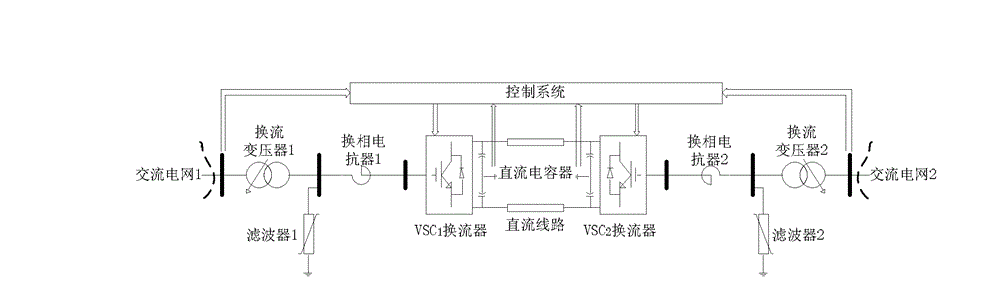
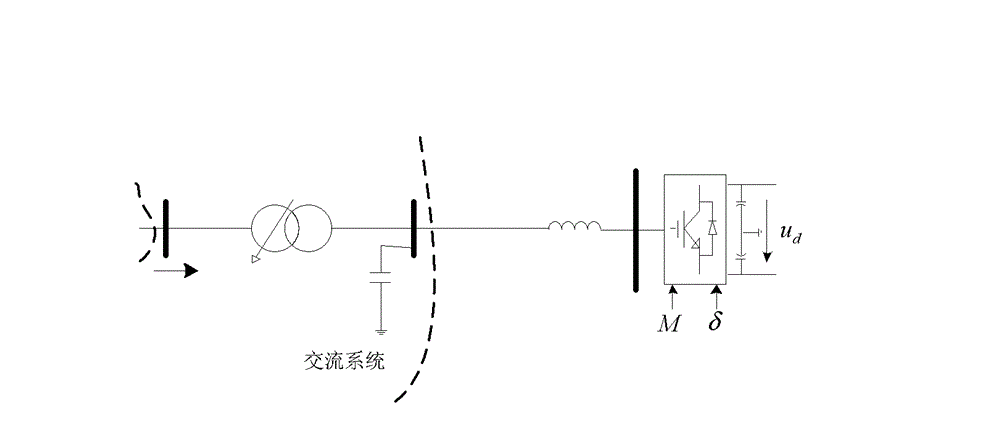
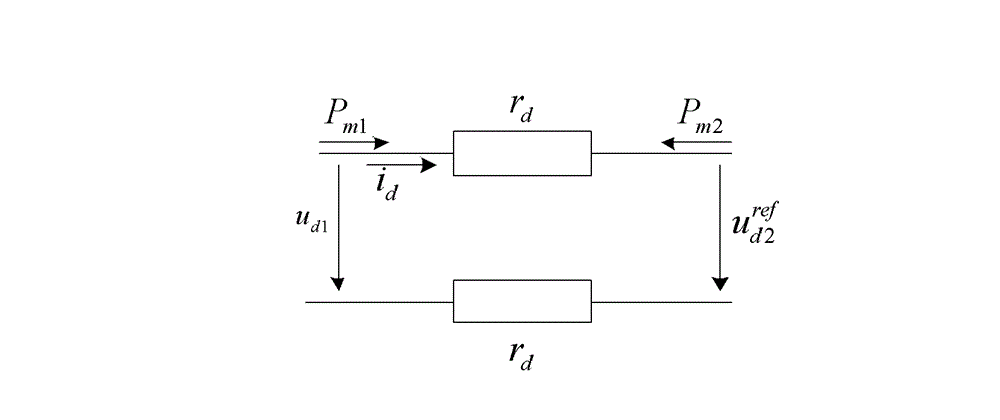

Station-hybrid high voltage direct current system and method for power transmission
PatentInactiveUS20220140607A1
Innovation
- A hybrid HVDC system with a configuration of VSC and LCC terminals, allowing for bidirectional power flow without interruption through a reversal switch mechanism and power flow reversal control, enabling flexible power distribution and emergency frequency support.


Grid Integration Standards and Regulatory Framework
The integration of three-phase electric power systems and HVDC transmission technologies into existing electrical grids requires adherence to comprehensive standards and regulatory frameworks that vary significantly across different jurisdictions. These frameworks establish the technical requirements, safety protocols, and operational guidelines that govern how these technologies can be implemented and interconnected within national and regional power systems.
For three-phase AC systems, the IEEE 1547 series of standards provides fundamental guidelines for distributed energy resource interconnection, while IEC 61850 establishes communication protocols for substation automation. These standards address voltage regulation, frequency control, and protection coordination requirements that are essential for maintaining grid stability. The regulatory framework typically involves utility interconnection agreements that specify technical requirements such as power quality standards, harmonic distortion limits, and fault ride-through capabilities.
HVDC systems operate under a more complex regulatory environment due to their cross-border transmission capabilities and sophisticated control systems. The CIGRE working groups have developed extensive technical brochures covering HVDC grid codes, while regional transmission organizations maintain specific requirements for HVDC interconnections. Key regulatory considerations include converter station design standards, DC protection schemes, and coordination with existing AC transmission systems.
Implementation flexibility is significantly influenced by the maturity and harmonization of these regulatory frameworks. Three-phase AC systems benefit from well-established standards that have evolved over decades, providing clear pathways for grid integration across most global markets. However, HVDC technology faces more fragmented regulatory landscapes, particularly for multi-terminal DC systems and DC grid applications.
The regulatory approval process for HVDC projects typically involves multiple stakeholders, including transmission system operators, energy regulators, and environmental agencies. This complexity can extend project timelines but also ensures comprehensive evaluation of system impacts. Recent developments in grid codes are increasingly accommodating HVDC technology, with updated standards addressing issues such as black start capabilities, reactive power management, and cybersecurity requirements for digital control systems.
For three-phase AC systems, the IEEE 1547 series of standards provides fundamental guidelines for distributed energy resource interconnection, while IEC 61850 establishes communication protocols for substation automation. These standards address voltage regulation, frequency control, and protection coordination requirements that are essential for maintaining grid stability. The regulatory framework typically involves utility interconnection agreements that specify technical requirements such as power quality standards, harmonic distortion limits, and fault ride-through capabilities.
HVDC systems operate under a more complex regulatory environment due to their cross-border transmission capabilities and sophisticated control systems. The CIGRE working groups have developed extensive technical brochures covering HVDC grid codes, while regional transmission organizations maintain specific requirements for HVDC interconnections. Key regulatory considerations include converter station design standards, DC protection schemes, and coordination with existing AC transmission systems.
Implementation flexibility is significantly influenced by the maturity and harmonization of these regulatory frameworks. Three-phase AC systems benefit from well-established standards that have evolved over decades, providing clear pathways for grid integration across most global markets. However, HVDC technology faces more fragmented regulatory landscapes, particularly for multi-terminal DC systems and DC grid applications.
The regulatory approval process for HVDC projects typically involves multiple stakeholders, including transmission system operators, energy regulators, and environmental agencies. This complexity can extend project timelines but also ensures comprehensive evaluation of system impacts. Recent developments in grid codes are increasingly accommodating HVDC technology, with updated standards addressing issues such as black start capabilities, reactive power management, and cybersecurity requirements for digital control systems.
Environmental Impact Assessment of Power Transmission Choices
The environmental implications of power transmission technology selection represent a critical consideration in modern energy infrastructure development. Both three-phase AC and HVDC systems present distinct environmental profiles that must be carefully evaluated across multiple dimensions including ecological impact, carbon footprint, and long-term sustainability considerations.
Three-phase AC transmission systems typically require wider transmission corridors due to the need for multiple conductors and larger tower structures. This expanded footprint results in greater land use requirements and potentially more significant habitat fragmentation. The electromagnetic fields generated by AC systems are generally stronger in the immediate vicinity of transmission lines, raising concerns about potential effects on wildlife migration patterns and local ecosystems. Additionally, AC systems experience higher transmission losses over long distances, leading to increased energy waste and corresponding environmental costs.
HVDC transmission technology demonstrates superior environmental performance in several key areas. The reduced corridor width requirements of HVDC systems minimize land use impact and decrease habitat disruption. Lower electromagnetic field emissions contribute to reduced environmental interference, particularly beneficial for sensitive ecological areas and migratory wildlife corridors. The significantly lower transmission losses inherent in HVDC technology, especially over long distances, translate to reduced overall energy consumption and decreased carbon emissions from power generation.
The manufacturing and installation phases present different environmental considerations for each technology. HVDC systems require more complex converter stations with sophisticated electronic components, potentially involving rare earth materials and specialized manufacturing processes. However, the reduced infrastructure requirements along transmission routes often offset these initial environmental costs. Three-phase AC systems, while using more conventional materials, require extensive supporting infrastructure including substations and reactive power compensation equipment.
Lifecycle environmental assessments reveal that HVDC systems generally demonstrate lower overall environmental impact when considering long-distance transmission applications. The reduced energy losses during operation, combined with smaller physical footprints, contribute to superior long-term environmental performance. However, for shorter transmission distances, the environmental benefits of HVDC may be less pronounced due to the environmental costs associated with converter station construction and operation.
The integration of renewable energy sources presents additional environmental considerations. HVDC technology's superior capability for connecting remote renewable generation sites to load centers enables more effective utilization of clean energy resources, potentially reducing overall system environmental impact through improved renewable energy integration and reduced reliance on fossil fuel generation.
Three-phase AC transmission systems typically require wider transmission corridors due to the need for multiple conductors and larger tower structures. This expanded footprint results in greater land use requirements and potentially more significant habitat fragmentation. The electromagnetic fields generated by AC systems are generally stronger in the immediate vicinity of transmission lines, raising concerns about potential effects on wildlife migration patterns and local ecosystems. Additionally, AC systems experience higher transmission losses over long distances, leading to increased energy waste and corresponding environmental costs.
HVDC transmission technology demonstrates superior environmental performance in several key areas. The reduced corridor width requirements of HVDC systems minimize land use impact and decrease habitat disruption. Lower electromagnetic field emissions contribute to reduced environmental interference, particularly beneficial for sensitive ecological areas and migratory wildlife corridors. The significantly lower transmission losses inherent in HVDC technology, especially over long distances, translate to reduced overall energy consumption and decreased carbon emissions from power generation.
The manufacturing and installation phases present different environmental considerations for each technology. HVDC systems require more complex converter stations with sophisticated electronic components, potentially involving rare earth materials and specialized manufacturing processes. However, the reduced infrastructure requirements along transmission routes often offset these initial environmental costs. Three-phase AC systems, while using more conventional materials, require extensive supporting infrastructure including substations and reactive power compensation equipment.
Lifecycle environmental assessments reveal that HVDC systems generally demonstrate lower overall environmental impact when considering long-distance transmission applications. The reduced energy losses during operation, combined with smaller physical footprints, contribute to superior long-term environmental performance. However, for shorter transmission distances, the environmental benefits of HVDC may be less pronounced due to the environmental costs associated with converter station construction and operation.
The integration of renewable energy sources presents additional environmental considerations. HVDC technology's superior capability for connecting remote renewable generation sites to load centers enables more effective utilization of clean energy resources, potentially reducing overall system environmental impact through improved renewable energy integration and reduced reliance on fossil fuel generation.
Unlock deeper insights with Patsnap Eureka Quick Research — get a full tech report to explore trends and direct your research. Try now!
Generate Your Research Report Instantly with AI Agent
Supercharge your innovation with Patsnap Eureka AI Agent Platform!