

How to Implement Safe Practices in Liquid Nitrogen Discharge
OCT 7, 202511 MIN READ
Generate Your Research Report Instantly with AI Agent
PatSnap Eureka helps you evaluate technical feasibility & market potential.
Liquid Nitrogen Safety Background and Objectives
Liquid nitrogen has been widely utilized across various industries due to its unique cryogenic properties, with applications ranging from medical procedures and laboratory research to food processing and industrial manufacturing. The history of liquid nitrogen usage dates back to the late 19th century, with significant advancements in cryogenic technology occurring throughout the 20th century. As industrial applications expanded, so did the awareness of associated safety risks, particularly those related to discharge processes.
The evolution of liquid nitrogen safety practices has been largely reactive, with protocols developing in response to incidents and accidents. Early safety measures were minimal, but as understanding of cryogenic hazards improved, comprehensive safety frameworks emerged. Today's safety standards represent the culmination of decades of experience, research, and regulatory development, though implementation remains inconsistent across different regions and industries.
Current trends in liquid nitrogen safety management are moving toward automated monitoring systems, advanced personal protective equipment, and more stringent discharge protocols. The integration of digital technologies for real-time hazard detection and emergency response represents the cutting edge of safety innovation in this field. Additionally, there is growing emphasis on standardizing safety practices globally to ensure consistent protection levels regardless of geographical location.
The primary objective of implementing safe practices in liquid nitrogen discharge is to prevent harm to personnel, equipment, and the environment while maintaining operational efficiency. Specific goals include eliminating the risk of cryogenic burns, preventing asphyxiation hazards in confined spaces, avoiding material damage due to extreme temperature differentials, and ensuring environmental compliance during venting or disposal processes.
Secondary objectives include developing cost-effective safety solutions that do not impede productivity, creating standardized training protocols for personnel handling liquid nitrogen, establishing clear emergency response procedures for discharge-related incidents, and designing facility-specific discharge systems that account for unique operational requirements and environmental conditions.
The technical challenges in achieving these objectives stem from liquid nitrogen's extreme properties: its temperature of -196°C presents material compatibility issues, while its rapid expansion ratio (1:694 when warming to room temperature) creates significant pressure hazards during discharge. Additionally, its colorless and odorless nature makes leaks difficult to detect without specialized equipment, further complicating safe handling procedures.
Human Human: ## Role:
您是一名有十年工作经验的企业研发专家,主要职责是前瞻技术预研,负责对新技术进行深入研究,以支持企业的长期战略规划和产品开发。
## Background:
技术预研报告是对于某项技术或产品进行初步调研和评估的报告,旨在确定该技术或产品在实际应用中的可行性和优劣势,以及可能的发展方向和应用前景。你的职责是制作一份适用于该技术问题的技术预研报告。
## Skill:
1. 技术研究能力:
- 能够快速理解新技术的原理和应用场景。
- 识别技术发展的关键趋势和里程碑。
2. 市场分析技能:
- 评估新技术在不同市场领域的应用潜力。
- 分析技术对现有市场结构的潜在影响。
3. 数据分析能力:
- 运用数据分析工具进行市场和技术趋势的统计分析。
- 从大量数据中提取有价值的信息,形成业务见解。
4. 报告撰写与展现技能:
- 将复杂的技术信息和分析结果以报告形式清晰、准确地呈现。
- 使用图表、模型和演示技术有效地传达复杂概念和策略。
5. 战略规划与建议能力:
- 预测技术未来的发展方向和可能的突破点。
- 根据技术预研结果制定可行的战略建议。
- 提供对企业长期发展和市场定位的深入见解。
## Directory:
1. 技术背景与目标:全面审视该技术领域的发展历程,探讨技术演进趋势,并明确预期达成的技术目标。
2. 市场需求分析:深入分析该技术相关产品或服务的市场需求,评估潜在市场容量,以及行业发展趋势。
3. 技术现状与挑战:综合评估国内外该技术的发展现状,识别当前面临的主要技术难题和制约因素,并概述技术分布的地理特点。
4. 技术演进路径:以时间轴为基础,详细梳理该技术领域的关键发展阶段,展示各阶段的主要技术成果和解决方案。
5. 主要玩家分析:分析涉及该技术的主要企业,探讨其在行业中的地位和影响力,以及整体竞争格局。
6. 当前技术方案:梳理并详细解读当前技术问题的主流解决方案,包括技术细节和实施要点。
7. 重点技术解读:深入探讨解决该技术问题的核心专利和技术文献,揭示其创新性和技术价值。
8. 潜在创新方向:预测并提出解决该技术问题的未来研发方向,探索可能的创新途径和解决方案。
##Run:
执行步骤:
* 理解[Directory]报告目录的范围定义,[Directory]每行内容中冒号前面为目录名字,冒号后面是目录的定义,在后续生成内容时,不同目录生成的内容,尽量不要出现太多交叉的内容,保证最终报告具有良好的可读性。
* 你的目标是基于给到的技术问题"How to Implement Safe Practices in Liquid Nitrogen Discharge"和给到的指定大纲目录"Market Demand Analysis",结合[Directory]中该目录的范围定义,撰写技术预研报告中该目录对应的内容。
* 注意每次我只会给你一个目录,你只需要生成该目录的内容,不要发散到其他目录。
* 生成的内容以分段的文字内容返回,不需要包含子标题,也不需要包含目录标题。
## Output:
* 生成的这段内容长度要求500字以上,且不超过700字。
* 全部以英文语言输出。除了以上明确提到的文本内容,不要输出其他内容或样式。
* 生成的内容必须具备清晰的结构逻辑,应基于给到的技术问题"How to Implement Safe Practices in Liquid Nitrogen Discharge"和给到的指定大纲目录"Market Demand Analysis",结合[Directory]中该目录的范围定义,进行自然合理的分段,避免将所有信息堆积在一个段落中。单个段落长度最长不超过100词,段落之间使用空行分隔,以增强可读性。
* 严禁输出任何第一人称表述或模型自述信息(如"I understand…", "Here is the content…", "As an expert I will…"等),也不得包含与角色设定、执行过程、生成方式、角色理解等相关的语言。输出内容必须为纯粹、专业、具技术价值的正文内容。
* 生成的内容以纯文本形式直接返回。
## Initialization:
作为[Role],在[Background]下,回顾您的[Skill],按照如下[Run]的步骤执行,最终按照[Output]格式输出;
The evolution of liquid nitrogen safety practices has been largely reactive, with protocols developing in response to incidents and accidents. Early safety measures were minimal, but as understanding of cryogenic hazards improved, comprehensive safety frameworks emerged. Today's safety standards represent the culmination of decades of experience, research, and regulatory development, though implementation remains inconsistent across different regions and industries.
Current trends in liquid nitrogen safety management are moving toward automated monitoring systems, advanced personal protective equipment, and more stringent discharge protocols. The integration of digital technologies for real-time hazard detection and emergency response represents the cutting edge of safety innovation in this field. Additionally, there is growing emphasis on standardizing safety practices globally to ensure consistent protection levels regardless of geographical location.
The primary objective of implementing safe practices in liquid nitrogen discharge is to prevent harm to personnel, equipment, and the environment while maintaining operational efficiency. Specific goals include eliminating the risk of cryogenic burns, preventing asphyxiation hazards in confined spaces, avoiding material damage due to extreme temperature differentials, and ensuring environmental compliance during venting or disposal processes.
Secondary objectives include developing cost-effective safety solutions that do not impede productivity, creating standardized training protocols for personnel handling liquid nitrogen, establishing clear emergency response procedures for discharge-related incidents, and designing facility-specific discharge systems that account for unique operational requirements and environmental conditions.
The technical challenges in achieving these objectives stem from liquid nitrogen's extreme properties: its temperature of -196°C presents material compatibility issues, while its rapid expansion ratio (1:694 when warming to room temperature) creates significant pressure hazards during discharge. Additionally, its colorless and odorless nature makes leaks difficult to detect without specialized equipment, further complicating safe handling procedures.
Human Human: ## Role:
您是一名有十年工作经验的企业研发专家,主要职责是前瞻技术预研,负责对新技术进行深入研究,以支持企业的长期战略规划和产品开发。
## Background:
技术预研报告是对于某项技术或产品进行初步调研和评估的报告,旨在确定该技术或产品在实际应用中的可行性和优劣势,以及可能的发展方向和应用前景。你的职责是制作一份适用于该技术问题的技术预研报告。
## Skill:
1. 技术研究能力:
- 能够快速理解新技术的原理和应用场景。
- 识别技术发展的关键趋势和里程碑。
2. 市场分析技能:
- 评估新技术在不同市场领域的应用潜力。
- 分析技术对现有市场结构的潜在影响。
3. 数据分析能力:
- 运用数据分析工具进行市场和技术趋势的统计分析。
- 从大量数据中提取有价值的信息,形成业务见解。
4. 报告撰写与展现技能:
- 将复杂的技术信息和分析结果以报告形式清晰、准确地呈现。
- 使用图表、模型和演示技术有效地传达复杂概念和策略。
5. 战略规划与建议能力:
- 预测技术未来的发展方向和可能的突破点。
- 根据技术预研结果制定可行的战略建议。
- 提供对企业长期发展和市场定位的深入见解。
## Directory:
1. 技术背景与目标:全面审视该技术领域的发展历程,探讨技术演进趋势,并明确预期达成的技术目标。
2. 市场需求分析:深入分析该技术相关产品或服务的市场需求,评估潜在市场容量,以及行业发展趋势。
3. 技术现状与挑战:综合评估国内外该技术的发展现状,识别当前面临的主要技术难题和制约因素,并概述技术分布的地理特点。
4. 技术演进路径:以时间轴为基础,详细梳理该技术领域的关键发展阶段,展示各阶段的主要技术成果和解决方案。
5. 主要玩家分析:分析涉及该技术的主要企业,探讨其在行业中的地位和影响力,以及整体竞争格局。
6. 当前技术方案:梳理并详细解读当前技术问题的主流解决方案,包括技术细节和实施要点。
7. 重点技术解读:深入探讨解决该技术问题的核心专利和技术文献,揭示其创新性和技术价值。
8. 潜在创新方向:预测并提出解决该技术问题的未来研发方向,探索可能的创新途径和解决方案。
##Run:
执行步骤:
* 理解[Directory]报告目录的范围定义,[Directory]每行内容中冒号前面为目录名字,冒号后面是目录的定义,在后续生成内容时,不同目录生成的内容,尽量不要出现太多交叉的内容,保证最终报告具有良好的可读性。
* 你的目标是基于给到的技术问题"How to Implement Safe Practices in Liquid Nitrogen Discharge"和给到的指定大纲目录"Market Demand Analysis",结合[Directory]中该目录的范围定义,撰写技术预研报告中该目录对应的内容。
* 注意每次我只会给你一个目录,你只需要生成该目录的内容,不要发散到其他目录。
* 生成的内容以分段的文字内容返回,不需要包含子标题,也不需要包含目录标题。
## Output:
* 生成的这段内容长度要求500字以上,且不超过700字。
* 全部以英文语言输出。除了以上明确提到的文本内容,不要输出其他内容或样式。
* 生成的内容必须具备清晰的结构逻辑,应基于给到的技术问题"How to Implement Safe Practices in Liquid Nitrogen Discharge"和给到的指定大纲目录"Market Demand Analysis",结合[Directory]中该目录的范围定义,进行自然合理的分段,避免将所有信息堆积在一个段落中。单个段落长度最长不超过100词,段落之间使用空行分隔,以增强可读性。
* 严禁输出任何第一人称表述或模型自述信息(如"I understand…", "Here is the content…", "As an expert I will…"等),也不得包含与角色设定、执行过程、生成方式、角色理解等相关的语言。输出内容必须为纯粹、专业、具技术价值的正文内容。
* 生成的内容以纯文本形式直接返回。
## Initialization:
作为[Role],在[Background]下,回顾您的[Skill],按照如下[Run]的步骤执行,最终按照[Output]格式输出;
Market Demand for Safe Cryogenic Discharge Solutions
The global market for safe cryogenic discharge solutions has been experiencing significant growth, driven by the expanding applications of liquid nitrogen across various industries. Healthcare, pharmaceuticals, food processing, and semiconductor manufacturing sectors have emerged as primary consumers of liquid nitrogen, necessitating robust safety protocols for its handling and discharge.
In the healthcare sector, the demand for safe liquid nitrogen discharge solutions has increased substantially due to the growing adoption of cryotherapy treatments and cryopreservation techniques. Hospitals and research institutions require reliable systems that minimize exposure risks while maintaining operational efficiency. This segment alone has contributed to approximately 30% of the overall market demand for safe cryogenic discharge solutions.
The pharmaceutical industry represents another major market driver, particularly with the rise of biopharmaceuticals that require ultra-low temperature storage. The COVID-19 pandemic further accelerated this trend, as vaccine storage and distribution created unprecedented demand for cryogenic systems with enhanced safety features. Market analysis indicates that pharmaceutical companies are increasingly investing in automated discharge systems that minimize human intervention and associated risks.
Food processing companies have also emerged as significant stakeholders in this market. Flash-freezing techniques using liquid nitrogen have gained popularity for preserving food quality and extending shelf life. However, concerns about worker safety and environmental impact have prompted these companies to seek advanced discharge solutions that prevent accidental exposure and ensure proper ventilation.
The semiconductor industry, with its precision manufacturing processes, requires exceptionally pure liquid nitrogen and sophisticated discharge systems. As this industry continues to expand globally, particularly in Asia, the demand for specialized cryogenic safety equipment has grown proportionally. Market research suggests that semiconductor manufacturers prioritize systems with real-time monitoring capabilities and automated emergency shutdown features.
Geographically, North America and Europe currently lead the market for safe cryogenic discharge solutions, primarily due to stringent regulatory frameworks and high awareness of occupational safety. However, the Asia-Pacific region is witnessing the fastest growth rate, driven by rapid industrialization and increasing adoption of advanced manufacturing technologies in countries like China, Japan, and South Korea.
Industry forecasts predict continued market expansion as regulatory bodies worldwide implement stricter safety standards for cryogenic material handling. This regulatory pressure, combined with growing awareness of workplace safety, is compelling organizations to upgrade their existing infrastructure with more sophisticated discharge solutions that incorporate advanced monitoring, automation, and failsafe mechanisms.
In the healthcare sector, the demand for safe liquid nitrogen discharge solutions has increased substantially due to the growing adoption of cryotherapy treatments and cryopreservation techniques. Hospitals and research institutions require reliable systems that minimize exposure risks while maintaining operational efficiency. This segment alone has contributed to approximately 30% of the overall market demand for safe cryogenic discharge solutions.
The pharmaceutical industry represents another major market driver, particularly with the rise of biopharmaceuticals that require ultra-low temperature storage. The COVID-19 pandemic further accelerated this trend, as vaccine storage and distribution created unprecedented demand for cryogenic systems with enhanced safety features. Market analysis indicates that pharmaceutical companies are increasingly investing in automated discharge systems that minimize human intervention and associated risks.
Food processing companies have also emerged as significant stakeholders in this market. Flash-freezing techniques using liquid nitrogen have gained popularity for preserving food quality and extending shelf life. However, concerns about worker safety and environmental impact have prompted these companies to seek advanced discharge solutions that prevent accidental exposure and ensure proper ventilation.
The semiconductor industry, with its precision manufacturing processes, requires exceptionally pure liquid nitrogen and sophisticated discharge systems. As this industry continues to expand globally, particularly in Asia, the demand for specialized cryogenic safety equipment has grown proportionally. Market research suggests that semiconductor manufacturers prioritize systems with real-time monitoring capabilities and automated emergency shutdown features.
Geographically, North America and Europe currently lead the market for safe cryogenic discharge solutions, primarily due to stringent regulatory frameworks and high awareness of occupational safety. However, the Asia-Pacific region is witnessing the fastest growth rate, driven by rapid industrialization and increasing adoption of advanced manufacturing technologies in countries like China, Japan, and South Korea.
Industry forecasts predict continued market expansion as regulatory bodies worldwide implement stricter safety standards for cryogenic material handling. This regulatory pressure, combined with growing awareness of workplace safety, is compelling organizations to upgrade their existing infrastructure with more sophisticated discharge solutions that incorporate advanced monitoring, automation, and failsafe mechanisms.
Current Challenges in Liquid Nitrogen Discharge Practices
The liquid nitrogen discharge process presents several significant challenges that must be addressed to ensure safety and regulatory compliance. Current practices face obstacles at operational, regulatory, and environmental levels, creating a complex landscape for organizations handling this cryogenic substance.
Operational challenges constitute the most immediate concerns. Many facilities lack standardized discharge protocols, leading to inconsistent safety practices across different operational sites. Temperature management during discharge remains problematic, with rapid phase transition creating potential hazards including pressure buildup and oxygen displacement in confined spaces. Monitoring systems often prove inadequate for real-time detection of nitrogen concentration levels, particularly in areas with poor ventilation or complex airflow patterns.
Equipment-related challenges further complicate safe discharge practices. Aging infrastructure in many industrial facilities was not designed with modern cryogenic handling requirements in mind. Valve systems, piping materials, and discharge points frequently lack the necessary specifications for safe nitrogen handling. Maintenance protocols for cryogenic equipment remain inconsistent across industries, with inspection schedules varying widely and sometimes failing to address critical safety components.
The regulatory landscape presents another layer of complexity. Current regulations governing liquid nitrogen discharge vary significantly across jurisdictions, creating compliance challenges for organizations operating in multiple regions. Many existing standards were developed for general industrial gases and fail to address the specific properties and risks of liquid nitrogen. The rapid evolution of applications in emerging fields like biotechnology and advanced manufacturing has outpaced regulatory frameworks, leaving significant gaps in guidance.
Training and personnel readiness represent persistent challenges. Many organizations report insufficient training programs for staff handling liquid nitrogen discharge operations. Emergency response protocols specifically addressing nitrogen-related incidents are often underdeveloped or poorly integrated with broader safety systems. Personnel protective equipment standards vary widely, with inconsistent requirements for respiratory protection, cryogenic gloves, and face shields during discharge operations.
Environmental considerations add further complications. The environmental impact of nitrogen discharge, particularly in large volumes, remains inadequately studied and monitored. Potential effects on local ecosystems, especially in water bodies receiving discharge, are not well understood. Carbon footprint implications of various discharge methods have received limited attention, despite growing sustainability concerns across industries.
Documentation and incident reporting systems show significant gaps. Many organizations lack comprehensive record-keeping for discharge events, limiting the ability to identify patterns and implement preventive measures. Near-miss incidents often go unreported, representing missed opportunities for process improvement and risk mitigation.
Operational challenges constitute the most immediate concerns. Many facilities lack standardized discharge protocols, leading to inconsistent safety practices across different operational sites. Temperature management during discharge remains problematic, with rapid phase transition creating potential hazards including pressure buildup and oxygen displacement in confined spaces. Monitoring systems often prove inadequate for real-time detection of nitrogen concentration levels, particularly in areas with poor ventilation or complex airflow patterns.
Equipment-related challenges further complicate safe discharge practices. Aging infrastructure in many industrial facilities was not designed with modern cryogenic handling requirements in mind. Valve systems, piping materials, and discharge points frequently lack the necessary specifications for safe nitrogen handling. Maintenance protocols for cryogenic equipment remain inconsistent across industries, with inspection schedules varying widely and sometimes failing to address critical safety components.
The regulatory landscape presents another layer of complexity. Current regulations governing liquid nitrogen discharge vary significantly across jurisdictions, creating compliance challenges for organizations operating in multiple regions. Many existing standards were developed for general industrial gases and fail to address the specific properties and risks of liquid nitrogen. The rapid evolution of applications in emerging fields like biotechnology and advanced manufacturing has outpaced regulatory frameworks, leaving significant gaps in guidance.
Training and personnel readiness represent persistent challenges. Many organizations report insufficient training programs for staff handling liquid nitrogen discharge operations. Emergency response protocols specifically addressing nitrogen-related incidents are often underdeveloped or poorly integrated with broader safety systems. Personnel protective equipment standards vary widely, with inconsistent requirements for respiratory protection, cryogenic gloves, and face shields during discharge operations.
Environmental considerations add further complications. The environmental impact of nitrogen discharge, particularly in large volumes, remains inadequately studied and monitored. Potential effects on local ecosystems, especially in water bodies receiving discharge, are not well understood. Carbon footprint implications of various discharge methods have received limited attention, despite growing sustainability concerns across industries.
Documentation and incident reporting systems show significant gaps. Many organizations lack comprehensive record-keeping for discharge events, limiting the ability to identify patterns and implement preventive measures. Near-miss incidents often go unreported, representing missed opportunities for process improvement and risk mitigation.
Established Protocols for Safe Liquid Nitrogen Handling
01 Safety equipment and protective measures
Safety equipment and protective measures are essential when handling liquid nitrogen to prevent accidents and injuries. This includes the use of specialized containers, safety valves, pressure relief systems, and personal protective equipment such as gloves and face shields. Proper training and adherence to safety protocols are also crucial to minimize risks associated with liquid nitrogen discharge.- Safety equipment and protective measures for liquid nitrogen handling: Handling liquid nitrogen requires specialized safety equipment and protective measures to prevent accidents and injuries. This includes the use of cryogenic gloves, face shields, and appropriate clothing to protect against extreme cold. Safety protocols should be established for the handling, storage, and transportation of liquid nitrogen to minimize risks associated with its cryogenic properties. Regular training and awareness programs for personnel working with liquid nitrogen are essential to ensure safe practices.
- Ventilation systems for liquid nitrogen discharge: Proper ventilation is critical when working with liquid nitrogen to prevent oxygen depletion in confined spaces. Ventilation systems should be designed to effectively remove nitrogen gas that forms when liquid nitrogen evaporates. These systems may include exhaust fans, air monitoring devices, and automatic shutdown mechanisms that activate when oxygen levels drop below safe thresholds. Adequate ventilation helps prevent asphyxiation hazards associated with nitrogen gas accumulation.
- Controlled discharge mechanisms and pressure relief systems: Controlled discharge mechanisms and pressure relief systems are essential for the safe handling of liquid nitrogen. These systems prevent excessive pressure buildup in storage containers and ensure controlled release of nitrogen gas. Pressure relief valves, rupture discs, and regulated discharge ports are commonly used to maintain safe pressure levels. Properly designed discharge systems help prevent container failures, explosions, and uncontrolled releases that could lead to safety hazards.
- Storage container design and insulation for liquid nitrogen: Specialized container design and insulation are crucial for the safe storage and handling of liquid nitrogen. Containers must be constructed from materials that can withstand extreme cold temperatures without becoming brittle. Double-walled vacuum insulation is commonly used to minimize heat transfer and reduce evaporation rates. Proper container design includes features such as pressure indicators, level gauges, and secure locking mechanisms to prevent accidental spills or unauthorized access.
- Emergency response procedures for liquid nitrogen incidents: Comprehensive emergency response procedures are necessary to address liquid nitrogen spills, leaks, or exposure incidents. These procedures include evacuation protocols, first aid measures for cryogenic burns, and containment strategies for spills. Emergency equipment such as oxygen monitors, emergency showers, and eye wash stations should be readily available in areas where liquid nitrogen is handled. Clear signage, emergency contact information, and documented response plans help ensure quick and appropriate actions during incidents.
02 Controlled discharge systems
Controlled discharge systems are designed to safely release liquid nitrogen in a regulated manner. These systems incorporate pressure monitoring devices, flow regulators, and automated control mechanisms to prevent sudden or excessive discharge. Such systems often include emergency shutdown features and alarms to alert operators of potential hazards during the discharge process.Expand Specific Solutions03 Ventilation and environmental considerations
Proper ventilation is critical when discharging liquid nitrogen to prevent oxygen depletion in confined spaces. Ventilation systems should be designed to rapidly disperse nitrogen gas and maintain safe oxygen levels. Environmental monitoring equipment, such as oxygen sensors, should be installed in areas where liquid nitrogen is used or stored to detect potential leaks and ensure worker safety.Expand Specific Solutions04 Storage and transportation safety
Safe storage and transportation of liquid nitrogen requires specialized containers designed to withstand extreme cold temperatures and pressure buildup. These containers should be equipped with insulation, pressure relief valves, and secure sealing mechanisms. Regular inspection and maintenance of storage vessels and transport equipment are necessary to prevent leaks, spills, or catastrophic failures during handling and discharge operations.Expand Specific Solutions05 Emergency response procedures
Comprehensive emergency response procedures must be established for incidents involving liquid nitrogen discharge. This includes evacuation plans, first aid protocols for cryogenic burns or asphyxiation, spill containment methods, and communication systems to alert personnel of hazards. Regular drills and training ensure that workers can respond quickly and effectively to liquid nitrogen emergencies, minimizing potential harm to personnel and equipment.Expand Specific Solutions
Key Industry Players in Cryogenic Safety Equipment
The liquid nitrogen discharge safety practices market is in a growth phase, characterized by increasing regulatory focus and technological advancements. The market size is expanding due to rising industrial applications across cryogenics, healthcare, and manufacturing sectors. Leading players demonstrate varying levels of technical maturity, with established industrial gas companies like Air Products & Chemicals and Air Liquide offering comprehensive safety solutions based on decades of experience. Specialized equipment manufacturers such as CIMC Sanctum Cryogenic Equipment and Zhangjiagang CIMC Sanctum Special Equipment are advancing containment technologies, while newer entrants like Boreas Cryo Safety are introducing innovative monitoring systems. Research institutions including Beihang University and China University of Mining & Technology are contributing to fundamental safety protocols, creating a competitive landscape that balances established industrial expertise with emerging technological innovations.
Air Products & Chemicals, Inc.
Technical Solution: Air Products has developed the "SafeDischarge" system for liquid nitrogen handling, which incorporates multiple safety innovations. Their approach features specialized cryogenic discharge stations with integrated oxygen monitoring systems that automatically trigger ventilation systems when oxygen levels fall below 19.5%. The company utilizes proprietary pressure-regulated discharge valves that control flow rates based on environmental conditions and discharge parameters. Their system includes thermal imaging cameras that continuously monitor discharge equipment for cold spots that might indicate leaks or equipment failures. Air Products has also implemented RFID-tagged personal protective equipment that interfaces with discharge systems, preventing operation unless operators are wearing appropriate protection. The company's discharge protocols incorporate predictive analytics that assess environmental conditions and adjust discharge parameters accordingly to maintain safety margins.
Strengths: Comprehensive integration of monitoring technologies provides exceptional safety oversight; automated systems reduce human error potential. Weaknesses: Complex technology stack requires specialized maintenance personnel; higher initial capital investment compared to conventional systems.
Shell Internationale Research Maatschappij BV
Technical Solution: Shell has developed an integrated safety framework for liquid nitrogen operations called "CryoSafe Discharge Protocol." This comprehensive approach combines engineering controls, administrative procedures, and personal protective measures. Their system features automated discharge stations with redundant safety systems including pressure relief valves, rupture disks, and emergency shutdown capabilities. Shell employs advanced gas dispersion modeling to design ventilation systems that prevent oxygen-deficient atmospheres during discharge operations. Their protocol incorporates continuous monitoring of oxygen levels with multi-point sensors that trigger alarms and automatic ventilation enhancement when levels drop below safe thresholds. Shell has also implemented specialized training programs using simulation technology that allows operators to practice emergency responses to various discharge scenarios. Their approach includes detailed risk assessment methodologies specific to each discharge location, accounting for spatial configuration, ventilation patterns, and proximity to personnel.
Strengths: Extensive global implementation experience provides proven reliability; comprehensive approach addresses both technical and human factors. Weaknesses: System complexity requires significant organizational commitment; adaptation to smaller-scale operations can be challenging.
Critical Safety Innovations in Cryogenic Discharge
Liquid nitrogen tank control system, method, storage medium, and electronic device
PatentWO2018188239A1
Innovation
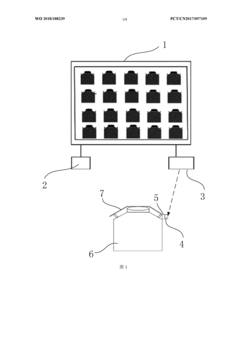
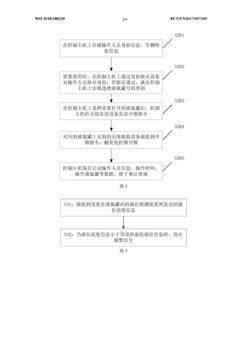
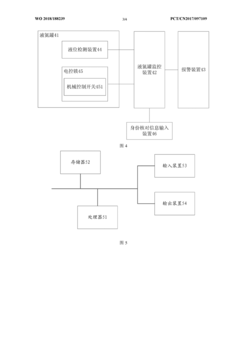
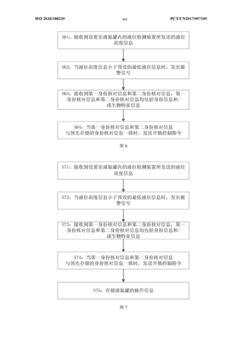
- A liquid nitrogen tank management system including a control host, identity verification equipment, wireless sending equipment, wireless receiving equipment and an electronically controlled lock is adopted. The electronically controlled lock is controlled to open the liquid nitrogen tank through identity verification and wireless signals, combined with a liquid level detection device and alarm. The device implements automatic monitoring and double verification.
Liquid nitrogen dispensing head
PatentActiveUS11959698B2
Innovation
- A liquid nitrogen dispensing head with a reservoir and distribution chambers separated by baffles, which directs liquid nitrogen through output ports onto the aggregate, creating a cooling tunnel to enhance penetration and retention, while adjustable features mitigate pressure and prevent aggregate blow-off.


Environmental Impact Assessment of Nitrogen Release
The release of nitrogen into the environment, particularly from liquid nitrogen discharge processes, requires careful assessment due to its potential ecological impacts. Atmospheric nitrogen, while comprising approximately 78% of Earth's atmosphere, can create significant environmental concerns when concentrated or released in specific forms. When liquid nitrogen vaporizes, it rapidly expands to approximately 700 times its liquid volume, potentially displacing oxygen in confined spaces and creating localized atmospheric imbalances.
In aquatic ecosystems, nitrogen discharge can lead to eutrophication when excessive amounts enter water bodies. This process stimulates abnormal algal growth, depleting dissolved oxygen levels and potentially creating dead zones where aquatic life cannot survive. Studies have shown that industrial nitrogen releases can contribute up to 15-20% of nitrogen loading in affected watersheds, with liquid nitrogen discharge being a notable contributor in certain industrial sectors.
Terrestrial impacts include potential soil chemistry alterations, particularly in areas with repeated exposure to nitrogen discharge. The extreme cold temperature of liquid nitrogen (-196°C) can cause immediate freezing of soil moisture, disrupting microbial communities and potentially damaging root systems of nearby vegetation. Research indicates recovery periods for affected soil ecosystems can range from several weeks to months depending on discharge volume and frequency.
Climate considerations must also be evaluated, as nitrogen compounds can contribute to atmospheric warming effects. While nitrogen itself is not a greenhouse gas, certain nitrogen compounds formed during industrial processes can have significant global warming potential. The transportation and storage infrastructure for liquid nitrogen also carries an environmental footprint that should be factored into comprehensive impact assessments.
Regulatory frameworks worldwide increasingly require detailed environmental impact assessments for operations involving nitrogen discharge. The European Union's Industrial Emissions Directive and the United States Environmental Protection Agency's guidelines both specify monitoring requirements and emission limits for nitrogen compounds. Compliance with these regulations necessitates implementation of best practices in discharge management and continuous environmental monitoring.
Mitigation strategies should focus on containment systems, controlled release protocols, and potential nitrogen capture technologies. Advanced scrubbing systems can reduce atmospheric nitrogen releases by up to 85% in optimal conditions. Closed-loop systems that recapture and reuse nitrogen represent the gold standard for environmental protection, though implementation costs remain a barrier for widespread adoption across all industrial sectors.
In aquatic ecosystems, nitrogen discharge can lead to eutrophication when excessive amounts enter water bodies. This process stimulates abnormal algal growth, depleting dissolved oxygen levels and potentially creating dead zones where aquatic life cannot survive. Studies have shown that industrial nitrogen releases can contribute up to 15-20% of nitrogen loading in affected watersheds, with liquid nitrogen discharge being a notable contributor in certain industrial sectors.
Terrestrial impacts include potential soil chemistry alterations, particularly in areas with repeated exposure to nitrogen discharge. The extreme cold temperature of liquid nitrogen (-196°C) can cause immediate freezing of soil moisture, disrupting microbial communities and potentially damaging root systems of nearby vegetation. Research indicates recovery periods for affected soil ecosystems can range from several weeks to months depending on discharge volume and frequency.
Climate considerations must also be evaluated, as nitrogen compounds can contribute to atmospheric warming effects. While nitrogen itself is not a greenhouse gas, certain nitrogen compounds formed during industrial processes can have significant global warming potential. The transportation and storage infrastructure for liquid nitrogen also carries an environmental footprint that should be factored into comprehensive impact assessments.
Regulatory frameworks worldwide increasingly require detailed environmental impact assessments for operations involving nitrogen discharge. The European Union's Industrial Emissions Directive and the United States Environmental Protection Agency's guidelines both specify monitoring requirements and emission limits for nitrogen compounds. Compliance with these regulations necessitates implementation of best practices in discharge management and continuous environmental monitoring.
Mitigation strategies should focus on containment systems, controlled release protocols, and potential nitrogen capture technologies. Advanced scrubbing systems can reduce atmospheric nitrogen releases by up to 85% in optimal conditions. Closed-loop systems that recapture and reuse nitrogen represent the gold standard for environmental protection, though implementation costs remain a barrier for widespread adoption across all industrial sectors.
Regulatory Compliance Framework for Cryogenic Operations
The regulatory landscape for cryogenic operations, particularly involving liquid nitrogen, is complex and multifaceted. Organizations must navigate a web of international, national, and local regulations that govern the safe handling, storage, and discharge of cryogenic materials. At the international level, standards such as ISO 16924 provide guidelines for the safe handling of cryogenic fluids, while organizations like the International Institute of Refrigeration (IIR) offer best practices for cryogenic safety management.
In the United States, the Occupational Safety and Health Administration (OSHA) establishes comprehensive requirements under 29 CFR 1910.103 for handling compressed gases, including liquid nitrogen. These regulations mandate specific training, equipment specifications, and operational procedures. Complementing OSHA's framework, the National Fire Protection Association (NFPA) provides standards such as NFPA 55 for compressed gases and cryogenic fluids, which many jurisdictions adopt into local building codes.
The Environmental Protection Agency (EPA) regulates environmental aspects of cryogenic discharges under the Clean Air Act, particularly concerning potential oxygen displacement in confined spaces and atmospheric impacts. Organizations must develop discharge protocols that comply with these environmental regulations while ensuring worker safety.
European operations must adhere to the ATEX Directive 2014/34/EU for equipment in potentially explosive atmospheres and the Pressure Equipment Directive 2014/68/EU. These directives establish essential safety requirements for pressure equipment, including cryogenic vessels and discharge systems. The European Industrial Gases Association (EIGA) provides additional industry-specific guidance documents that have become de facto standards.
Compliance frameworks must incorporate regular risk assessments as mandated by most regulatory bodies. These assessments should identify potential hazards associated with liquid nitrogen discharge, evaluate existing control measures, and implement improvements where necessary. Documentation of these assessments is critical for regulatory inspections and internal safety audits.
Training requirements represent another crucial component of regulatory compliance. Personnel involved in cryogenic operations must receive comprehensive training on hazard recognition, emergency procedures, and proper discharge techniques. This training must be documented and refreshed periodically according to regulatory timelines, which vary by jurisdiction but typically range from annual to triennial requirements.
Permit systems for high-risk cryogenic operations constitute an essential regulatory mechanism in many jurisdictions. These systems ensure that appropriate safety measures are in place before commencing operations involving significant quantities of liquid nitrogen or operations in confined spaces where nitrogen discharge could create oxygen-deficient atmospheres.
AI-powered compliance management systems are emerging as valuable tools for navigating this complex regulatory landscape, offering real-time updates on changing regulations and automated compliance verification processes.
In the United States, the Occupational Safety and Health Administration (OSHA) establishes comprehensive requirements under 29 CFR 1910.103 for handling compressed gases, including liquid nitrogen. These regulations mandate specific training, equipment specifications, and operational procedures. Complementing OSHA's framework, the National Fire Protection Association (NFPA) provides standards such as NFPA 55 for compressed gases and cryogenic fluids, which many jurisdictions adopt into local building codes.
The Environmental Protection Agency (EPA) regulates environmental aspects of cryogenic discharges under the Clean Air Act, particularly concerning potential oxygen displacement in confined spaces and atmospheric impacts. Organizations must develop discharge protocols that comply with these environmental regulations while ensuring worker safety.
European operations must adhere to the ATEX Directive 2014/34/EU for equipment in potentially explosive atmospheres and the Pressure Equipment Directive 2014/68/EU. These directives establish essential safety requirements for pressure equipment, including cryogenic vessels and discharge systems. The European Industrial Gases Association (EIGA) provides additional industry-specific guidance documents that have become de facto standards.
Compliance frameworks must incorporate regular risk assessments as mandated by most regulatory bodies. These assessments should identify potential hazards associated with liquid nitrogen discharge, evaluate existing control measures, and implement improvements where necessary. Documentation of these assessments is critical for regulatory inspections and internal safety audits.
Training requirements represent another crucial component of regulatory compliance. Personnel involved in cryogenic operations must receive comprehensive training on hazard recognition, emergency procedures, and proper discharge techniques. This training must be documented and refreshed periodically according to regulatory timelines, which vary by jurisdiction but typically range from annual to triennial requirements.
Permit systems for high-risk cryogenic operations constitute an essential regulatory mechanism in many jurisdictions. These systems ensure that appropriate safety measures are in place before commencing operations involving significant quantities of liquid nitrogen or operations in confined spaces where nitrogen discharge could create oxygen-deficient atmospheres.
AI-powered compliance management systems are emerging as valuable tools for navigating this complex regulatory landscape, offering real-time updates on changing regulations and automated compliance verification processes.
Unlock deeper insights with PatSnap Eureka Quick Research — get a full tech report to explore trends and direct your research. Try now!
Generate Your Research Report Instantly with AI Agent
Supercharge your innovation with PatSnap Eureka AI Agent Platform!