

How to Reduce Thermal Risks in Thermite Usage?
JUN 24, 20259 MIN READ
Generate Your Research Report Instantly with AI Agent
PatSnap Eureka helps you evaluate technical feasibility & market potential.
Thermite Safety Background and Objectives
Thermite, a pyrotechnic composition of metal powder fuel and metal oxide, has been widely used in various industrial applications due to its high heat generation capacity. However, the intense exothermic reaction of thermite poses significant thermal risks that require careful management and mitigation strategies. The primary objective of this technical research is to explore and develop innovative approaches to reduce thermal risks associated with thermite usage while maintaining its effectiveness in intended applications.
The evolution of thermite technology can be traced back to its discovery in 1893 by German chemist Hans Goldschmidt. Initially used for welding railway tracks, thermite's applications have since expanded to include metal purification, incendiary devices, and even space exploration. As the usage of thermite has grown, so has the awareness of its potential hazards, leading to a continuous effort to enhance safety measures and reduce thermal risks.
Current trends in thermite technology focus on improving control over the reaction process, developing safer ignition methods, and enhancing containment strategies. These advancements aim to address the primary challenges associated with thermite usage, such as uncontrolled reactions, excessive heat generation, and potential for accidental ignition. The industry is moving towards more precise and controllable thermite formulations that can deliver the required thermal output while minimizing associated risks.
The technical goals for reducing thermal risks in thermite usage encompass several key areas. Firstly, there is a need to develop thermite compositions with lower ignition sensitivity and improved stability during storage and handling. Secondly, research efforts are directed towards creating more efficient heat dissipation mechanisms to prevent overheating and potential thermal runaway scenarios. Thirdly, the development of advanced containment systems and protective equipment is crucial to minimize the impact of thermal energy release during thermite reactions.
Another important objective is to enhance real-time monitoring and control systems for thermite reactions. This includes the integration of smart sensors and predictive algorithms to detect potential thermal anomalies and initiate preventive measures before critical thresholds are reached. Additionally, there is a growing emphasis on developing environmentally friendly thermite formulations that maintain performance while reducing the ecological impact of byproducts and residues.
As we delve deeper into the technical aspects of thermite safety, it is essential to consider the regulatory landscape and industry standards that govern its use. Compliance with these regulations, while simultaneously pushing the boundaries of innovation, presents both challenges and opportunities for researchers and engineers in this field. The ultimate aim is to strike a balance between harnessing the unique properties of thermite and ensuring the highest levels of safety for operators and the environment.
The evolution of thermite technology can be traced back to its discovery in 1893 by German chemist Hans Goldschmidt. Initially used for welding railway tracks, thermite's applications have since expanded to include metal purification, incendiary devices, and even space exploration. As the usage of thermite has grown, so has the awareness of its potential hazards, leading to a continuous effort to enhance safety measures and reduce thermal risks.
Current trends in thermite technology focus on improving control over the reaction process, developing safer ignition methods, and enhancing containment strategies. These advancements aim to address the primary challenges associated with thermite usage, such as uncontrolled reactions, excessive heat generation, and potential for accidental ignition. The industry is moving towards more precise and controllable thermite formulations that can deliver the required thermal output while minimizing associated risks.
The technical goals for reducing thermal risks in thermite usage encompass several key areas. Firstly, there is a need to develop thermite compositions with lower ignition sensitivity and improved stability during storage and handling. Secondly, research efforts are directed towards creating more efficient heat dissipation mechanisms to prevent overheating and potential thermal runaway scenarios. Thirdly, the development of advanced containment systems and protective equipment is crucial to minimize the impact of thermal energy release during thermite reactions.
Another important objective is to enhance real-time monitoring and control systems for thermite reactions. This includes the integration of smart sensors and predictive algorithms to detect potential thermal anomalies and initiate preventive measures before critical thresholds are reached. Additionally, there is a growing emphasis on developing environmentally friendly thermite formulations that maintain performance while reducing the ecological impact of byproducts and residues.
As we delve deeper into the technical aspects of thermite safety, it is essential to consider the regulatory landscape and industry standards that govern its use. Compliance with these regulations, while simultaneously pushing the boundaries of innovation, presents both challenges and opportunities for researchers and engineers in this field. The ultimate aim is to strike a balance between harnessing the unique properties of thermite and ensuring the highest levels of safety for operators and the environment.
Market Analysis for Safer Thermite Applications
The market for safer thermite applications is experiencing significant growth, driven by increasing safety concerns and stringent regulations across various industries. Thermite, a pyrotechnic composition of metal powder fuel and metal oxide, has widespread applications in welding, metal purification, and incendiary devices. However, its high reactivity and potential thermal risks have led to a growing demand for safer alternatives and improved handling methods.
The global thermite market is segmented based on application areas, including metallurgy, pyrotechnics, and military uses. The metallurgy sector, particularly in rail welding and metal purification, represents a substantial portion of the market. The pyrotechnics industry, encompassing fireworks and special effects, also contributes significantly to the demand for safer thermite formulations.
Key market drivers include the expansion of infrastructure projects, particularly in developing economies, which increases the need for thermite welding in rail construction and maintenance. Additionally, the growing emphasis on workplace safety in industrial settings has spurred innovation in thermite handling and application technologies.
The market for safer thermite applications is characterized by a focus on product development aimed at reducing thermal risks. This includes the creation of more stable thermite compositions, advanced ignition systems, and improved containment methods. Companies are investing in research and development to create thermite formulations with lower ignition temperatures and more controlled reactions, addressing the primary safety concerns associated with traditional thermite use.
Geographically, North America and Europe lead in the adoption of safer thermite technologies, driven by strict safety regulations and a mature industrial base. However, the Asia-Pacific region is emerging as a significant market, propelled by rapid industrialization and infrastructure development in countries like China and India.
The market is also witnessing a trend towards the development of specialized thermite products for niche applications, such as underwater welding and space exploration. These specialized products often command premium prices due to their enhanced safety features and specific performance characteristics.
Despite the growth potential, the market faces challenges such as the high cost of safer thermite formulations and the need for specialized training in their handling and application. These factors can limit adoption, particularly in price-sensitive markets or smaller industrial operations.
Overall, the market for safer thermite applications presents significant opportunities for innovation and growth. As industries continue to prioritize safety and efficiency, the demand for advanced thermite technologies is expected to rise, driving further research and development in this field.
The global thermite market is segmented based on application areas, including metallurgy, pyrotechnics, and military uses. The metallurgy sector, particularly in rail welding and metal purification, represents a substantial portion of the market. The pyrotechnics industry, encompassing fireworks and special effects, also contributes significantly to the demand for safer thermite formulations.
Key market drivers include the expansion of infrastructure projects, particularly in developing economies, which increases the need for thermite welding in rail construction and maintenance. Additionally, the growing emphasis on workplace safety in industrial settings has spurred innovation in thermite handling and application technologies.
The market for safer thermite applications is characterized by a focus on product development aimed at reducing thermal risks. This includes the creation of more stable thermite compositions, advanced ignition systems, and improved containment methods. Companies are investing in research and development to create thermite formulations with lower ignition temperatures and more controlled reactions, addressing the primary safety concerns associated with traditional thermite use.
Geographically, North America and Europe lead in the adoption of safer thermite technologies, driven by strict safety regulations and a mature industrial base. However, the Asia-Pacific region is emerging as a significant market, propelled by rapid industrialization and infrastructure development in countries like China and India.
The market is also witnessing a trend towards the development of specialized thermite products for niche applications, such as underwater welding and space exploration. These specialized products often command premium prices due to their enhanced safety features and specific performance characteristics.
Despite the growth potential, the market faces challenges such as the high cost of safer thermite formulations and the need for specialized training in their handling and application. These factors can limit adoption, particularly in price-sensitive markets or smaller industrial operations.
Overall, the market for safer thermite applications presents significant opportunities for innovation and growth. As industries continue to prioritize safety and efficiency, the demand for advanced thermite technologies is expected to rise, driving further research and development in this field.
Current Challenges in Thermite Thermal Risk Management
The management of thermal risks in thermite usage presents several significant challenges that require careful consideration and innovative solutions. One of the primary concerns is the extreme heat generated during thermite reactions, which can reach temperatures exceeding 2500°C. This intense heat poses substantial risks to personnel, equipment, and surrounding environments, necessitating robust safety measures and containment strategies.
Controlling the reaction rate and heat dissipation remains a critical challenge. The rapid and exothermic nature of thermite reactions makes it difficult to modulate the energy release, potentially leading to uncontrolled reactions and associated hazards. Developing methods to precisely control the initiation and progression of thermite reactions is crucial for enhancing safety and optimizing performance in various applications.
Another significant challenge lies in the containment of molten products and byproducts generated during thermite reactions. The high-temperature liquid metal and slag produced can cause severe burns, ignite secondary fires, and damage surrounding materials. Designing effective containment systems that can withstand these extreme conditions while allowing for controlled and safe disposal of reaction products is a complex engineering task.
The potential for accidental ignition presents a persistent risk in thermite handling and storage. Thermite mixtures can be sensitive to friction, impact, or electrostatic discharge, making them susceptible to unintended initiation. Implementing reliable safeguards against accidental ignition, particularly during transportation and storage, remains a significant challenge in thermite risk management.
Environmental considerations also pose challenges in thermite usage. The release of metal oxides and other byproducts can have detrimental effects on air quality and ecosystems. Developing cleaner thermite formulations and implementing effective emission control measures are essential for minimizing environmental impact and ensuring regulatory compliance.
The variability in thermite compositions and applications further complicates risk management efforts. Different thermite mixtures exhibit varying reactivity, heat output, and byproduct profiles, necessitating tailored safety protocols and risk assessment strategies. Standardizing safety practices across diverse thermite applications while accounting for specific formulation characteristics presents an ongoing challenge for industry professionals and regulators.
Addressing these challenges requires a multifaceted approach, combining advancements in material science, engineering controls, and safety protocols. Ongoing research into novel thermite compositions, reaction moderators, and containment technologies is essential for developing more controllable and safer thermite systems. Additionally, improving risk assessment methodologies and enhancing training programs for personnel involved in thermite handling and usage are critical components of comprehensive thermal risk management strategies.
Controlling the reaction rate and heat dissipation remains a critical challenge. The rapid and exothermic nature of thermite reactions makes it difficult to modulate the energy release, potentially leading to uncontrolled reactions and associated hazards. Developing methods to precisely control the initiation and progression of thermite reactions is crucial for enhancing safety and optimizing performance in various applications.
Another significant challenge lies in the containment of molten products and byproducts generated during thermite reactions. The high-temperature liquid metal and slag produced can cause severe burns, ignite secondary fires, and damage surrounding materials. Designing effective containment systems that can withstand these extreme conditions while allowing for controlled and safe disposal of reaction products is a complex engineering task.
The potential for accidental ignition presents a persistent risk in thermite handling and storage. Thermite mixtures can be sensitive to friction, impact, or electrostatic discharge, making them susceptible to unintended initiation. Implementing reliable safeguards against accidental ignition, particularly during transportation and storage, remains a significant challenge in thermite risk management.
Environmental considerations also pose challenges in thermite usage. The release of metal oxides and other byproducts can have detrimental effects on air quality and ecosystems. Developing cleaner thermite formulations and implementing effective emission control measures are essential for minimizing environmental impact and ensuring regulatory compliance.
The variability in thermite compositions and applications further complicates risk management efforts. Different thermite mixtures exhibit varying reactivity, heat output, and byproduct profiles, necessitating tailored safety protocols and risk assessment strategies. Standardizing safety practices across diverse thermite applications while accounting for specific formulation characteristics presents an ongoing challenge for industry professionals and regulators.
Addressing these challenges requires a multifaceted approach, combining advancements in material science, engineering controls, and safety protocols. Ongoing research into novel thermite compositions, reaction moderators, and containment technologies is essential for developing more controllable and safer thermite systems. Additionally, improving risk assessment methodologies and enhancing training programs for personnel involved in thermite handling and usage are critical components of comprehensive thermal risk management strategies.
Existing Thermal Risk Mitigation Strategies for Thermite
01 Thermal management in thermite reactions
Thermite reactions generate extreme heat, posing significant thermal risks. Effective thermal management strategies are crucial to control and contain the heat produced. This includes the use of heat-resistant materials, insulation techniques, and controlled reaction environments to mitigate the risk of unintended ignition or damage to surrounding structures.- Thermal management in thermite reactions: Thermite reactions generate extreme heat, posing significant thermal risks. Effective thermal management strategies are crucial to control and contain the heat produced. This includes the use of heat-resistant materials, insulation techniques, and cooling systems to mitigate the risk of fire spread and structural damage.
- Safety measures for handling thermite materials: Proper handling and storage of thermite materials are essential to prevent accidental ignition and minimize thermal risks. This involves using specialized containers, implementing strict safety protocols, and providing appropriate personal protective equipment for personnel working with thermite compounds.
- Controlled ignition and reaction containment: Developing methods for controlled ignition and containment of thermite reactions is crucial for managing thermal risks. This includes designing specialized reaction vessels, implementing precise ignition mechanisms, and utilizing advanced monitoring systems to ensure the reaction remains within safe parameters.
- Heat dissipation and cooling techniques: Effective heat dissipation and cooling techniques are essential for managing the thermal risks associated with thermite reactions. This involves the use of advanced cooling systems, heat-absorbing materials, and innovative designs to rapidly reduce temperatures and prevent heat-related accidents or damage.
- Risk assessment and mitigation strategies: Comprehensive risk assessment and mitigation strategies are crucial for addressing the thermal risks of thermite reactions. This includes developing predictive models, implementing safety protocols, and creating emergency response plans to minimize potential hazards and ensure proper handling of thermite-related incidents.
02 Safety measures for handling and storage
Proper handling and storage of thermite materials are essential to prevent accidental ignition and minimize thermal risks. This involves using specialized containers, implementing strict safety protocols, and maintaining controlled environmental conditions. Proper training for personnel handling thermite materials is also crucial to ensure safe practices and reduce the likelihood of accidents.Expand Specific Solutions03 Controlled ignition and reaction processes
Developing controlled ignition and reaction processes is vital for managing thermal risks associated with thermite. This includes designing precise ignition systems, optimizing reaction rates, and implementing mechanisms to stop or slow the reaction if necessary. Such control measures help prevent runaway reactions and ensure the safe use of thermite in various applications.Expand Specific Solutions04 Protective equipment and shielding
The use of specialized protective equipment and shielding is crucial for mitigating thermal risks associated with thermite reactions. This includes heat-resistant clothing, face shields, and barriers designed to withstand high temperatures. Proper shielding can protect both personnel and surrounding structures from the intense heat and potential molten metal splatter produced during thermite reactions.Expand Specific Solutions05 Risk assessment and emergency response planning
Comprehensive risk assessment and emergency response planning are essential for managing thermal risks in thermite applications. This involves identifying potential hazards, developing contingency plans, and establishing clear protocols for responding to thermal incidents. Regular drills and training exercises ensure that personnel are prepared to handle emergencies effectively, minimizing the potential for injury or damage.Expand Specific Solutions
Key Players in Thermite Industry and Safety Solutions
The thermite usage thermal risk reduction market is in a growth phase, driven by increasing safety concerns in industries like metallurgy, defense, and aerospace. The market size is expanding, with a focus on developing advanced thermal management solutions. Technologically, the field is moderately mature but evolving rapidly. Companies like ArianeGroup SAS, Naval Research Laboratory, and Airbus Defence & Space SAS are at the forefront, leveraging their expertise in aerospace and defense to innovate. BiSN Oil Tools Ltd. and ConocoPhillips Co. are applying thermite technology in the oil and gas sector, while research institutions like Chongqing University and Southwest Research Institute are contributing to technological advancements, indicating a competitive and diverse landscape.
Naval Research Laboratory
Technical Solution: The Naval Research Laboratory has developed a novel approach to reduce thermal risks in thermite usage by incorporating nanoscale aluminum particles and metal oxide fuel components. This method involves precise control of particle size and distribution, which allows for better control of the reaction rate and temperature. Additionally, they have implemented a multi-layer structure design that includes heat-resistant materials to contain and direct the thermite reaction, minimizing unintended heat transfer to surrounding areas.
Strengths: Enhanced control over reaction kinetics, improved safety, and potential for more efficient energy release. Weaknesses: Higher production costs and potential challenges in scaling up for large-scale applications.
ArianeGroup SAS
Technical Solution: ArianeGroup SAS has developed an advanced thermite composition with reduced thermal risks for use in aerospace applications. Their approach involves the use of microencapsulated thermite particles coated with a heat-resistant polymer. This encapsulation technique allows for better control of the ignition process and helps to contain the heat generated during the reaction. Furthermore, they have implemented a smart ignition system that uses precise electronic controls to initiate the thermite reaction only when specific conditions are met, reducing the risk of accidental ignition.
Strengths: Improved safety features, precise control over ignition, and potential for use in sensitive aerospace environments. Weaknesses: Increased complexity in manufacturing and potential limitations in the types of thermite compositions that can be encapsulated.
Innovative Approaches to Thermite Heat Control
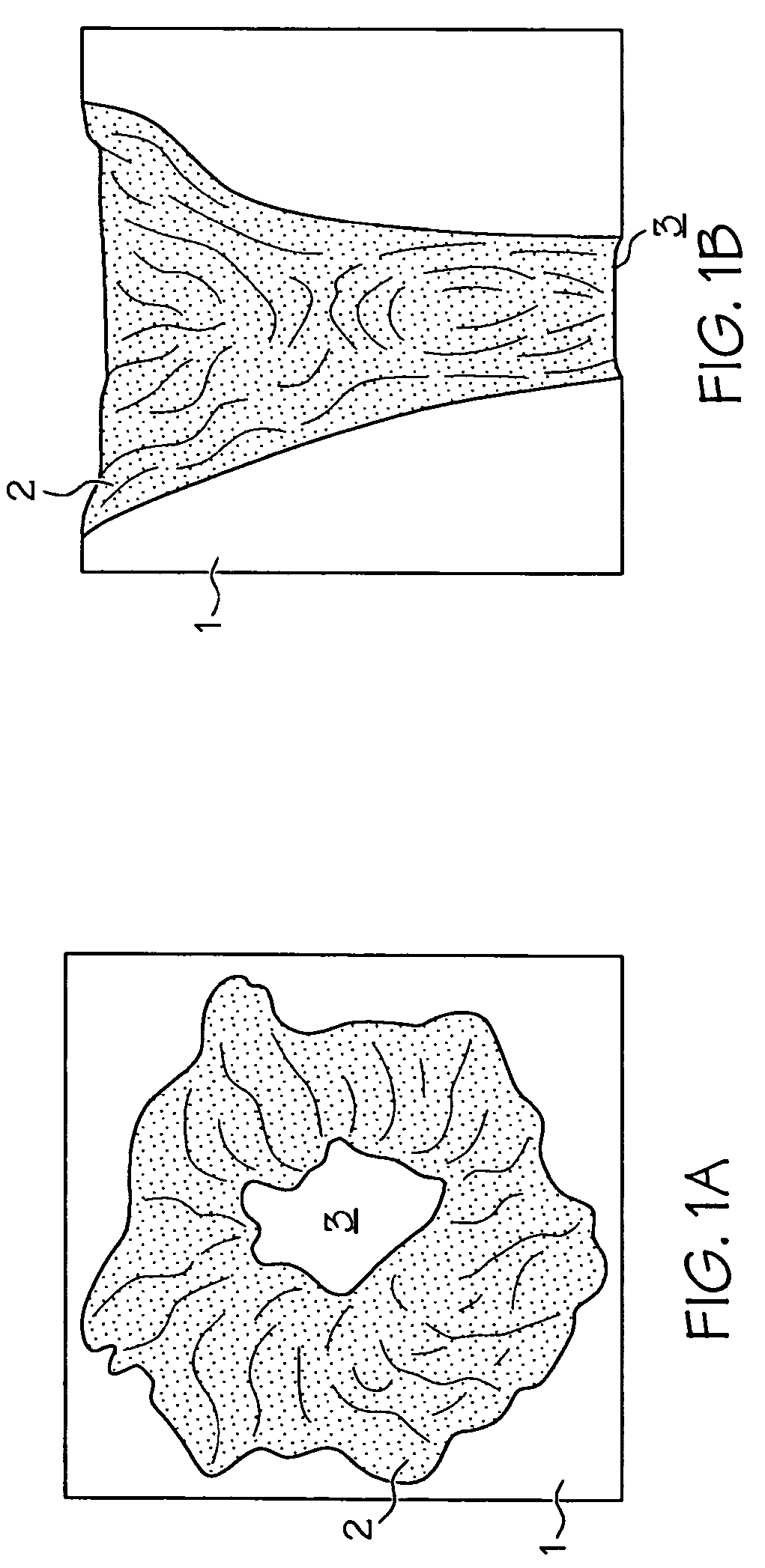
Fuzzy Interface Layer For Thermite And Primer Made From Thermite With Fuzzy Layer
PatentPendingUS20240361113A1
Innovation
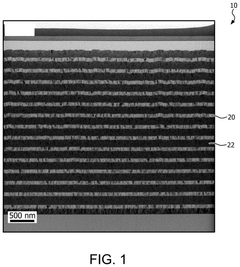
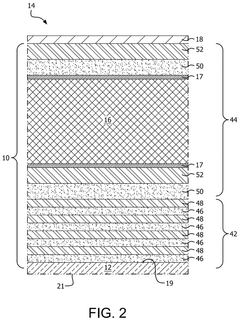
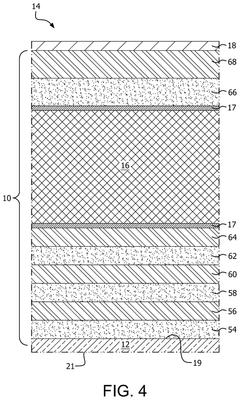
- A layered thermite composite with a fuzzy interface layer is developed, comprising alternating metal oxide and reducing metal layers deposited on a substrate, where the fuzzy interface layer contains a mixture of reducing metal, reducing metal oxide, and metal oxide, enhancing ignition rates while protecting against oxidization and facilitating automated manufacturing.

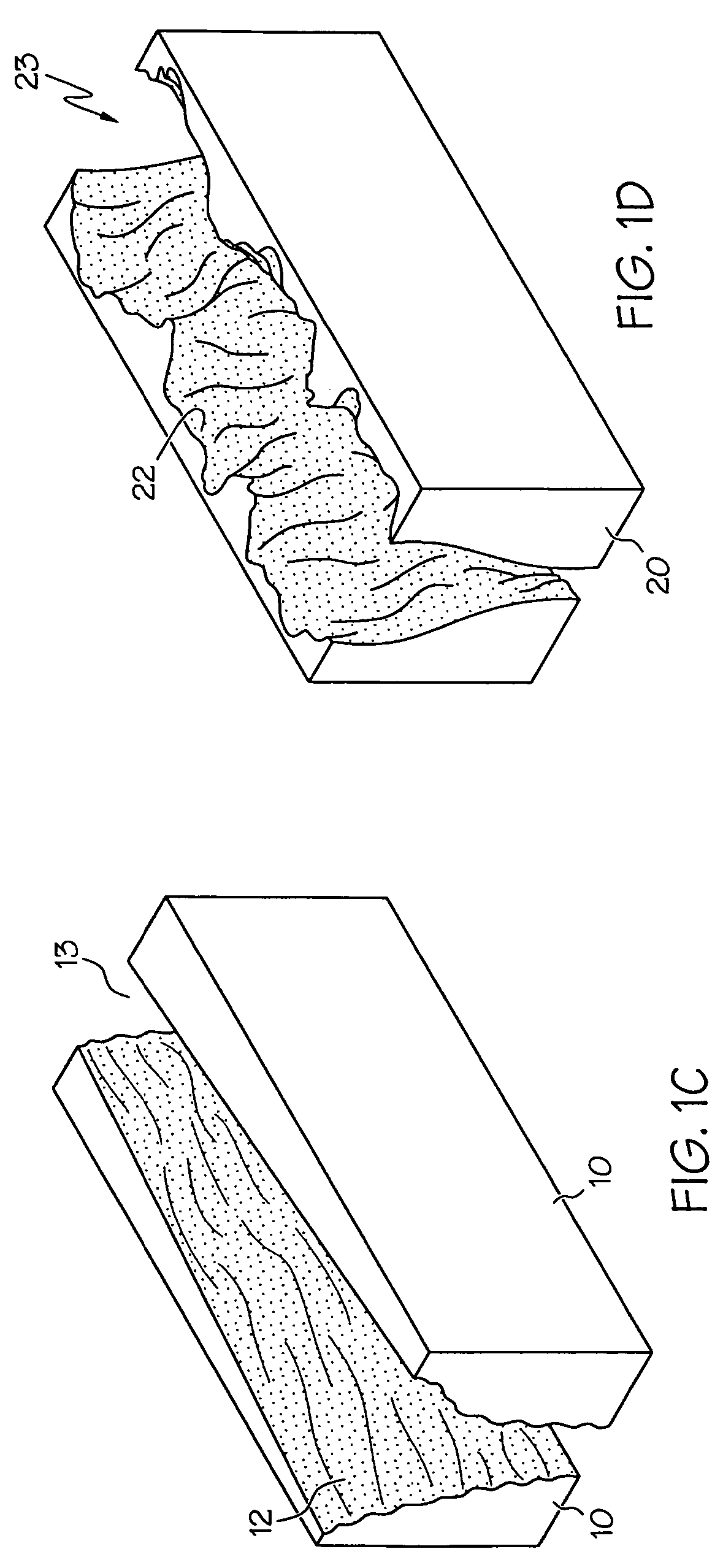
Thermite charge
PatentActiveUS7555986B2
Innovation
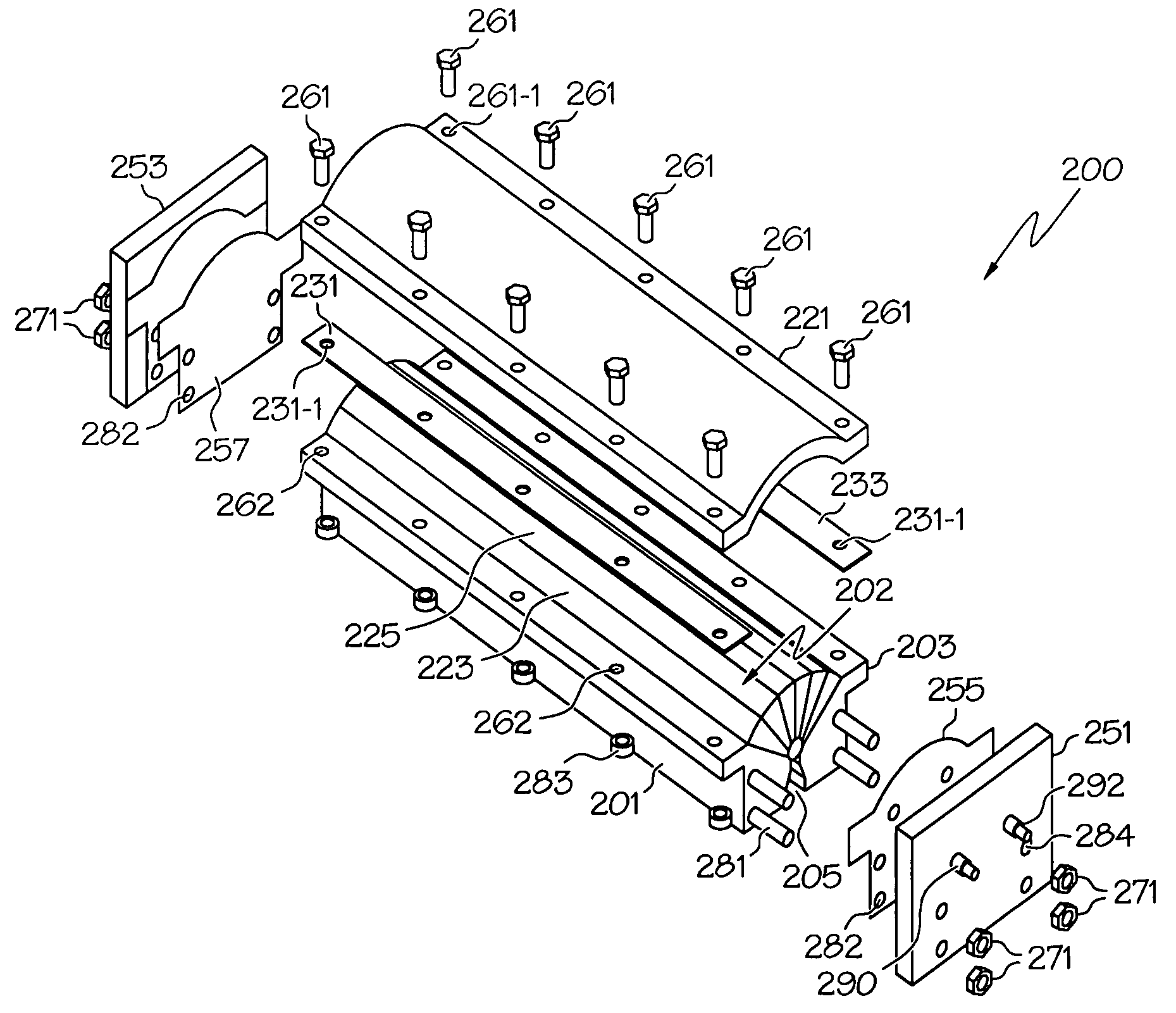
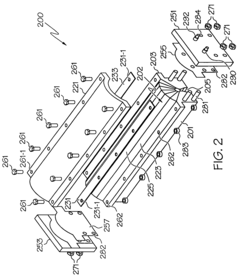
- A linear or curvilinear thermite charge apparatus with a compartmentalized design and modular structure, using potassium permanganate and potassium ferrate to enhance cutting power, and oxygen augmentation to produce a sustained high-temperature jet for efficient cutting through materials like steel, concrete, and rock without explosive hazards.
Regulatory Framework for Thermite Usage
The regulatory framework for thermite usage plays a crucial role in mitigating thermal risks associated with its application. Governments and industry bodies have established comprehensive guidelines and standards to ensure safe handling, storage, and use of thermite materials. These regulations typically encompass several key areas, including manufacturing processes, transportation protocols, storage requirements, and usage procedures.
At the federal level, agencies such as the Occupational Safety and Health Administration (OSHA) and the Bureau of Alcohol, Tobacco, Firearms and Explosives (ATF) have set forth stringent regulations governing thermite handling. OSHA's Hazard Communication Standard (HCS) mandates proper labeling, safety data sheets, and employee training for thermite-related operations. The ATF regulates the purchase, storage, and use of thermite under the provisions of the Safe Explosives Act.
State and local authorities often impose additional requirements tailored to their specific needs and environmental conditions. These may include zoning restrictions for thermite storage facilities, special permits for large-scale usage, and enhanced fire safety measures in areas prone to wildfires.
International standards, such as those developed by the International Organization for Standardization (ISO), provide a global framework for thermite safety. ISO 11014:2009, for instance, outlines the structure and content of safety data sheets for chemical products, including thermite mixtures.
Industry-specific regulations also play a vital role in thermal risk reduction. For example, the welding industry has developed detailed guidelines for thermite welding processes, addressing issues such as proper ignition techniques, containment of molten material, and post-reaction cooling procedures.
Regulatory compliance is enforced through regular inspections, audits, and certification processes. Companies dealing with thermite are required to maintain detailed records of their safety protocols, employee training programs, and incident reports. Penalties for non-compliance can be severe, ranging from hefty fines to operational shutdowns.
The regulatory landscape is continually evolving to address emerging challenges and incorporate new safety technologies. Recent trends include the integration of digital monitoring systems for real-time temperature tracking during thermite reactions and the development of advanced personal protective equipment (PPE) specifically designed for high-temperature environments.
At the federal level, agencies such as the Occupational Safety and Health Administration (OSHA) and the Bureau of Alcohol, Tobacco, Firearms and Explosives (ATF) have set forth stringent regulations governing thermite handling. OSHA's Hazard Communication Standard (HCS) mandates proper labeling, safety data sheets, and employee training for thermite-related operations. The ATF regulates the purchase, storage, and use of thermite under the provisions of the Safe Explosives Act.
State and local authorities often impose additional requirements tailored to their specific needs and environmental conditions. These may include zoning restrictions for thermite storage facilities, special permits for large-scale usage, and enhanced fire safety measures in areas prone to wildfires.
International standards, such as those developed by the International Organization for Standardization (ISO), provide a global framework for thermite safety. ISO 11014:2009, for instance, outlines the structure and content of safety data sheets for chemical products, including thermite mixtures.
Industry-specific regulations also play a vital role in thermal risk reduction. For example, the welding industry has developed detailed guidelines for thermite welding processes, addressing issues such as proper ignition techniques, containment of molten material, and post-reaction cooling procedures.
Regulatory compliance is enforced through regular inspections, audits, and certification processes. Companies dealing with thermite are required to maintain detailed records of their safety protocols, employee training programs, and incident reports. Penalties for non-compliance can be severe, ranging from hefty fines to operational shutdowns.
The regulatory landscape is continually evolving to address emerging challenges and incorporate new safety technologies. Recent trends include the integration of digital monitoring systems for real-time temperature tracking during thermite reactions and the development of advanced personal protective equipment (PPE) specifically designed for high-temperature environments.
Environmental Impact of Thermite Risk Reduction Methods
The reduction of thermal risks in thermite usage has significant environmental implications that must be carefully considered. Traditional risk reduction methods often involve the use of additional chemicals or materials, which can introduce new environmental concerns. For instance, the application of fire-retardant coatings or additives may release harmful substances into the environment during thermite reactions or disposal processes.
One of the primary environmental impacts of thermite risk reduction methods is the potential for soil and water contamination. Many risk mitigation strategies involve the use of chemical suppressants or containment materials that can leach into the surrounding ecosystem. These substances may persist in the environment long after the thermite reaction has concluded, affecting local flora and fauna. Additionally, the use of water-based cooling systems to manage thermal risks can lead to the generation of contaminated runoff, which may require specialized treatment before release into natural water bodies.
Air quality is another critical environmental concern associated with thermite risk reduction techniques. Some methods aimed at controlling the intensity of thermite reactions may result in the production of particulate matter or gaseous emissions. These airborne pollutants can contribute to local air quality degradation and potentially impact human health in surrounding areas. Furthermore, the use of certain flame retardants or reaction moderators may lead to the formation of toxic byproducts during thermite combustion, necessitating careful monitoring and control of atmospheric releases.
The lifecycle environmental impact of materials used in thermite risk reduction is also a significant consideration. The production, transportation, and disposal of specialized containment vessels, heat-resistant barriers, or chemical additives all contribute to the overall environmental footprint of thermite usage. Sustainable sourcing and end-of-life management of these materials are crucial for minimizing long-term environmental effects.
Efforts to reduce thermal risks in thermite usage may also have indirect environmental benefits. By improving the safety and control of thermite reactions, these methods can help prevent accidental fires or explosions that could have devastating environmental consequences. Moreover, more efficient and controlled thermite processes may reduce the overall quantity of materials required, thereby decreasing resource consumption and waste generation.
As research in this field progresses, there is a growing focus on developing environmentally friendly risk reduction methods. These include the exploration of bio-based flame retardants, the use of recyclable or biodegradable containment materials, and the implementation of closed-loop cooling systems to minimize water consumption and contamination. Such innovations aim to balance the critical need for thermal risk management with the imperative of environmental protection, paving the way for more sustainable thermite applications across various industries.
One of the primary environmental impacts of thermite risk reduction methods is the potential for soil and water contamination. Many risk mitigation strategies involve the use of chemical suppressants or containment materials that can leach into the surrounding ecosystem. These substances may persist in the environment long after the thermite reaction has concluded, affecting local flora and fauna. Additionally, the use of water-based cooling systems to manage thermal risks can lead to the generation of contaminated runoff, which may require specialized treatment before release into natural water bodies.
Air quality is another critical environmental concern associated with thermite risk reduction techniques. Some methods aimed at controlling the intensity of thermite reactions may result in the production of particulate matter or gaseous emissions. These airborne pollutants can contribute to local air quality degradation and potentially impact human health in surrounding areas. Furthermore, the use of certain flame retardants or reaction moderators may lead to the formation of toxic byproducts during thermite combustion, necessitating careful monitoring and control of atmospheric releases.
The lifecycle environmental impact of materials used in thermite risk reduction is also a significant consideration. The production, transportation, and disposal of specialized containment vessels, heat-resistant barriers, or chemical additives all contribute to the overall environmental footprint of thermite usage. Sustainable sourcing and end-of-life management of these materials are crucial for minimizing long-term environmental effects.
Efforts to reduce thermal risks in thermite usage may also have indirect environmental benefits. By improving the safety and control of thermite reactions, these methods can help prevent accidental fires or explosions that could have devastating environmental consequences. Moreover, more efficient and controlled thermite processes may reduce the overall quantity of materials required, thereby decreasing resource consumption and waste generation.
As research in this field progresses, there is a growing focus on developing environmentally friendly risk reduction methods. These include the exploration of bio-based flame retardants, the use of recyclable or biodegradable containment materials, and the implementation of closed-loop cooling systems to minimize water consumption and contamination. Such innovations aim to balance the critical need for thermal risk management with the imperative of environmental protection, paving the way for more sustainable thermite applications across various industries.
Unlock deeper insights with PatSnap Eureka Quick Research — get a full tech report to explore trends and direct your research. Try now!
Generate Your Research Report Instantly with AI Agent
Supercharge your innovation with PatSnap Eureka AI Agent Platform!