Innovations in Thermite for High‑Performance Systems
JUN 24, 20259 MIN READ
Generate Your Research Report Instantly with AI Agent
PatSnap Eureka helps you evaluate technical feasibility & market potential.
Thermite Tech Evolution
Thermite technology has undergone significant evolution since its discovery in the late 19th century. Initially used primarily for welding railroad tracks, thermite reactions have found applications in various high-performance systems over time. The development of thermite technology can be traced through several key stages, each marked by innovative advancements and expanding applications.
In the early 20th century, thermite was primarily utilized in metallurgy and welding processes. The exothermic reaction between aluminum and metal oxides provided a reliable method for joining large metal components. This period saw the refinement of thermite compositions and ignition techniques, laying the groundwork for future innovations.
The mid-20th century witnessed a surge in thermite research for military applications. The high-temperature reactions and rapid energy release made thermite an attractive option for incendiary devices and pyrotechnics. This era also saw the development of more stable and controllable thermite mixtures, enhancing safety and reliability in various applications.
The late 20th century brought about a shift towards more specialized thermite formulations. Researchers began exploring nano-sized particles to increase reaction rates and energy output. This period also saw the integration of thermite reactions into advanced materials, such as self-healing composites and energetic structural materials.
In the early 21st century, thermite technology experienced a renaissance in high-performance systems. Innovations in nano-energetics led to the development of super-thermites with unprecedented energy densities. These advanced formulations found applications in aerospace, defense, and cutting-edge manufacturing processes.
Recent years have seen a focus on environmentally friendly and sustainable thermite technologies. Researchers are exploring green alternatives to traditional thermite components, aiming to reduce environmental impact while maintaining high performance. Additionally, there is growing interest in harnessing thermite reactions for energy storage and conversion applications.
The future of thermite technology in high-performance systems looks promising, with ongoing research in areas such as 3D-printed thermite structures, smart initiation systems, and tailored energy release profiles. As materials science and nanotechnology continue to advance, we can expect further innovations in thermite formulations and applications, pushing the boundaries of what is possible in high-energy material systems.
In the early 20th century, thermite was primarily utilized in metallurgy and welding processes. The exothermic reaction between aluminum and metal oxides provided a reliable method for joining large metal components. This period saw the refinement of thermite compositions and ignition techniques, laying the groundwork for future innovations.
The mid-20th century witnessed a surge in thermite research for military applications. The high-temperature reactions and rapid energy release made thermite an attractive option for incendiary devices and pyrotechnics. This era also saw the development of more stable and controllable thermite mixtures, enhancing safety and reliability in various applications.
The late 20th century brought about a shift towards more specialized thermite formulations. Researchers began exploring nano-sized particles to increase reaction rates and energy output. This period also saw the integration of thermite reactions into advanced materials, such as self-healing composites and energetic structural materials.
In the early 21st century, thermite technology experienced a renaissance in high-performance systems. Innovations in nano-energetics led to the development of super-thermites with unprecedented energy densities. These advanced formulations found applications in aerospace, defense, and cutting-edge manufacturing processes.
Recent years have seen a focus on environmentally friendly and sustainable thermite technologies. Researchers are exploring green alternatives to traditional thermite components, aiming to reduce environmental impact while maintaining high performance. Additionally, there is growing interest in harnessing thermite reactions for energy storage and conversion applications.
The future of thermite technology in high-performance systems looks promising, with ongoing research in areas such as 3D-printed thermite structures, smart initiation systems, and tailored energy release profiles. As materials science and nanotechnology continue to advance, we can expect further innovations in thermite formulations and applications, pushing the boundaries of what is possible in high-energy material systems.
Market Demand Analysis
The market demand for innovations in thermite for high-performance systems has been steadily growing across various industries. This surge is primarily driven by the increasing need for advanced materials in aerospace, defense, and industrial applications. The global market for high-performance thermite systems is projected to expand significantly over the next decade, with a compound annual growth rate exceeding the average for advanced materials.
In the aerospace sector, there is a rising demand for thermite-based systems that can provide rapid and controlled heat generation for emergency escape mechanisms and satellite deployment. The space industry, in particular, is seeking lightweight yet powerful thermite solutions for satellite de-orbiting systems, contributing to the mitigation of space debris.
The defense industry continues to be a major driver of market growth for high-performance thermite systems. Military organizations worldwide are investing in advanced incendiary devices, armor-piercing munitions, and specialized demolition charges that utilize innovative thermite compositions. The demand for these systems is expected to remain strong due to ongoing global security concerns and the need for more effective and precise military technologies.
In the industrial sector, there is an increasing interest in thermite-based welding techniques for large-scale infrastructure projects. The construction of pipelines, railways, and bridges often requires on-site welding of large metal components, where traditional welding methods may be impractical. Innovative thermite welding systems that offer improved precision, efficiency, and safety are gaining traction in this market segment.
The automotive industry is also exploring the potential of advanced thermite systems for vehicle safety applications. Researchers are investigating the use of controlled thermite reactions in next-generation airbag deployment systems and emergency fire suppression mechanisms. This emerging application area represents a potentially significant market opportunity for thermite innovations.
Environmental concerns and regulatory pressures are influencing market demand as well. There is a growing need for eco-friendly thermite formulations that minimize harmful emissions and residues. Companies that can develop "green" thermite solutions with reduced environmental impact are likely to gain a competitive edge in the market.
The market for high-performance thermite systems is characterized by a strong emphasis on research and development. End-users are seeking customized solutions that meet specific performance requirements, driving demand for tailored thermite compositions and delivery systems. This trend is creating opportunities for specialized material science companies and research institutions to collaborate with industry partners in developing next-generation thermite technologies.
In the aerospace sector, there is a rising demand for thermite-based systems that can provide rapid and controlled heat generation for emergency escape mechanisms and satellite deployment. The space industry, in particular, is seeking lightweight yet powerful thermite solutions for satellite de-orbiting systems, contributing to the mitigation of space debris.
The defense industry continues to be a major driver of market growth for high-performance thermite systems. Military organizations worldwide are investing in advanced incendiary devices, armor-piercing munitions, and specialized demolition charges that utilize innovative thermite compositions. The demand for these systems is expected to remain strong due to ongoing global security concerns and the need for more effective and precise military technologies.
In the industrial sector, there is an increasing interest in thermite-based welding techniques for large-scale infrastructure projects. The construction of pipelines, railways, and bridges often requires on-site welding of large metal components, where traditional welding methods may be impractical. Innovative thermite welding systems that offer improved precision, efficiency, and safety are gaining traction in this market segment.
The automotive industry is also exploring the potential of advanced thermite systems for vehicle safety applications. Researchers are investigating the use of controlled thermite reactions in next-generation airbag deployment systems and emergency fire suppression mechanisms. This emerging application area represents a potentially significant market opportunity for thermite innovations.
Environmental concerns and regulatory pressures are influencing market demand as well. There is a growing need for eco-friendly thermite formulations that minimize harmful emissions and residues. Companies that can develop "green" thermite solutions with reduced environmental impact are likely to gain a competitive edge in the market.
The market for high-performance thermite systems is characterized by a strong emphasis on research and development. End-users are seeking customized solutions that meet specific performance requirements, driving demand for tailored thermite compositions and delivery systems. This trend is creating opportunities for specialized material science companies and research institutions to collaborate with industry partners in developing next-generation thermite technologies.
Current Challenges
The development of thermite for high-performance systems faces several significant challenges that hinder its widespread adoption and optimization. One of the primary obstacles is the control and modulation of the reaction rate. Traditional thermite reactions are known for their rapid and often explosive nature, which can be problematic in applications requiring precise energy release or sustained heat generation. Researchers are grappling with methods to fine-tune the reaction kinetics without compromising the overall energy output.
Another critical challenge lies in the stability and shelf life of thermite compositions. Many high-performance thermite mixtures are sensitive to environmental factors such as humidity, temperature fluctuations, and mechanical shock. This sensitivity not only poses safety concerns during storage and transportation but also affects the reliability and consistency of performance in various applications. Developing more stable formulations that maintain their reactivity over extended periods remains a key focus area.
The scalability of thermite systems presents yet another hurdle. While thermite reactions can be highly effective on a small scale, translating these performances to larger systems often results in efficiency losses and unexpected behaviors. This scaling issue is particularly pronounced in applications requiring uniform heat distribution or controlled propagation of the reaction front. Engineers are working to bridge the gap between laboratory-scale successes and practical, large-scale implementations.
Environmental and safety concerns also pose significant challenges to the advancement of thermite technologies. The byproducts of thermite reactions can include toxic or environmentally harmful substances, necessitating the development of cleaner, more eco-friendly formulations. Additionally, the inherent reactivity of thermite mixtures raises safety issues in manufacturing, handling, and deployment, requiring robust safety protocols and containment strategies.
The integration of thermite systems with other materials and technologies presents its own set of challenges. In high-performance applications, thermite often needs to interface with electronic components, structural materials, or other reactive substances. Ensuring compatibility and preventing unintended interactions between thermite and these elements is crucial for system reliability and longevity. This integration challenge extends to the design of multi-functional materials that incorporate thermite properties alongside other desired characteristics.
Lastly, the optimization of energy density and reaction efficiency remains an ongoing challenge. While thermite reactions are known for their high energy output, there is continual pressure to increase the energy density further while maintaining or improving reaction control. This pursuit involves exploring novel material combinations, nanostructured reactants, and advanced manufacturing techniques to push the boundaries of thermite performance.
Another critical challenge lies in the stability and shelf life of thermite compositions. Many high-performance thermite mixtures are sensitive to environmental factors such as humidity, temperature fluctuations, and mechanical shock. This sensitivity not only poses safety concerns during storage and transportation but also affects the reliability and consistency of performance in various applications. Developing more stable formulations that maintain their reactivity over extended periods remains a key focus area.
The scalability of thermite systems presents yet another hurdle. While thermite reactions can be highly effective on a small scale, translating these performances to larger systems often results in efficiency losses and unexpected behaviors. This scaling issue is particularly pronounced in applications requiring uniform heat distribution or controlled propagation of the reaction front. Engineers are working to bridge the gap between laboratory-scale successes and practical, large-scale implementations.
Environmental and safety concerns also pose significant challenges to the advancement of thermite technologies. The byproducts of thermite reactions can include toxic or environmentally harmful substances, necessitating the development of cleaner, more eco-friendly formulations. Additionally, the inherent reactivity of thermite mixtures raises safety issues in manufacturing, handling, and deployment, requiring robust safety protocols and containment strategies.
The integration of thermite systems with other materials and technologies presents its own set of challenges. In high-performance applications, thermite often needs to interface with electronic components, structural materials, or other reactive substances. Ensuring compatibility and preventing unintended interactions between thermite and these elements is crucial for system reliability and longevity. This integration challenge extends to the design of multi-functional materials that incorporate thermite properties alongside other desired characteristics.
Lastly, the optimization of energy density and reaction efficiency remains an ongoing challenge. While thermite reactions are known for their high energy output, there is continual pressure to increase the energy density further while maintaining or improving reaction control. This pursuit involves exploring novel material combinations, nanostructured reactants, and advanced manufacturing techniques to push the boundaries of thermite performance.
Existing Solutions
01 Thermite composition and ignition methods
Thermite compositions typically consist of metal oxides and aluminum powder. Various methods are used for ignition, including electrical, chemical, and mechanical means. The reaction produces intense heat and molten metal, making it useful for welding, incendiary devices, and metal purification.- Thermite composition and applications: Thermite is a pyrotechnic composition of metal powder fuel and metal oxide. It is used in various applications such as welding, incendiary devices, and metal purification. The reaction produces intense heat and molten metal, making it suitable for specialized industrial and military uses.
- Thermite-based cutting and welding tools: Thermite reactions are utilized in cutting and welding tools for various applications, including underwater operations and pipeline repair. These tools leverage the high-temperature reaction of thermite to cut or join metal components efficiently, even in challenging environments.
- Enhanced thermite formulations: Research focuses on improving thermite formulations by incorporating additives or modifying particle sizes to enhance reactivity, control burn rates, or achieve specific performance characteristics. These advancements aim to optimize thermite for various industrial and military applications.
- Thermite in oil and gas industry: Thermite reactions are employed in the oil and gas industry for various purposes, including well perforation, sealing, and abandonment operations. The high-temperature capabilities of thermite allow for effective metal melting and sealing in downhole environments.
- Safety and control mechanisms for thermite reactions: Given the intense nature of thermite reactions, safety measures and control mechanisms are crucial. This includes specialized ignition systems, containment designs, and methods to regulate the reaction rate and heat output for safe and controlled use in various applications.
02 Applications in oil and gas well operations
Thermite reactions are utilized in oil and gas well operations for various purposes, such as sealing wells, cutting pipes, and initiating downhole tools. The high temperature generated by the reaction can effectively melt and fuse metal components in harsh downhole environments.Expand Specific Solutions03 Thermite welding for railway tracks
Thermite welding is widely used for joining railway tracks. The process involves igniting a thermite mixture in a mold surrounding the rail ends, resulting in a strong, continuous weld. This method is preferred for its portability and ability to produce high-quality welds in field conditions.Expand Specific Solutions04 Enhanced thermite formulations
Research focuses on improving thermite formulations by incorporating additives or using alternative materials. These enhancements aim to increase reaction efficiency, control burn rates, or tailor the properties of the resulting products for specific applications in industries such as aerospace and defense.Expand Specific Solutions05 Safety and containment systems for thermite reactions
Due to the intense heat and potential hazards associated with thermite reactions, various safety and containment systems have been developed. These include specialized reaction vessels, cooling systems, and protective equipment to ensure controlled and safe execution of thermite processes in industrial and research settings.Expand Specific Solutions
Key Industry Players
The field of thermite innovations for high-performance systems is in a growth phase, with increasing market size driven by demand in aerospace, defense, and industrial applications. The technology maturity varies across different applications, ranging from established to emerging. Key players like Intel Corp., Northrop Grumman Systems Corp., and The Boeing Co. are investing in research and development to enhance thermite performance and efficiency. Academic institutions such as Massachusetts Institute of Technology and Zhejiang University are contributing to fundamental research, while companies like SGL Carbon SE and DENSO Corp. are focusing on practical applications. The competitive landscape is diverse, with both large corporations and specialized firms like BiSN Oil Tools Ltd. and Heatgen LLC contributing to advancements in thermite technology.
Intel Corp.
Technical Solution: Intel has developed advanced thermal management solutions for high-performance systems using innovative thermite-based materials. Their approach involves integrating thermite compounds into microprocessor packaging to enhance heat dissipation. The thermite reaction is controlled and utilized to rapidly transfer heat away from critical components, allowing for higher clock speeds and improved overall system performance. Intel's solution also incorporates precision-engineered heat spreaders and advanced thermal interface materials to maximize the efficiency of heat transfer from the chip to the cooling system.
Strengths: Excellent thermal management, enabling higher performance in compact designs. Weaknesses: Potential safety concerns due to the reactive nature of thermite materials, and the need for careful integration into existing manufacturing processes.
DAIKIN INDUSTRIES Ltd.
Technical Solution: DAIKIN has developed innovative applications of thermite technology for high-performance HVAC systems. Their approach involves using thermite reactions as a rapid heat source for emergency defrosting in industrial refrigeration and air conditioning units. DAIKIN's system incorporates specially formulated thermite compounds that can be safely integrated into HVAC equipment. When activated, these compounds generate intense, localized heat to quickly remove ice buildup on critical components. This technology allows for faster recovery from icing conditions, improving overall system efficiency and reliability. DAIKIN has also developed advanced control systems to manage the thermite activation process, ensuring safe and efficient operation in various environmental conditions.
Strengths: Rapid and effective defrosting capability, potentially improving the efficiency and reliability of large-scale HVAC systems. Weaknesses: Limited to specific applications within the HVAC industry and potential safety concerns in implementation.
Core Thermite Patents
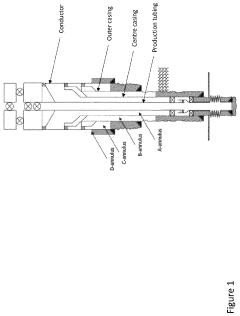
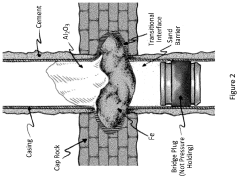
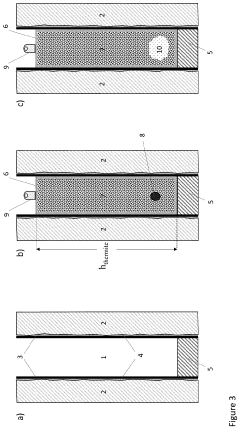
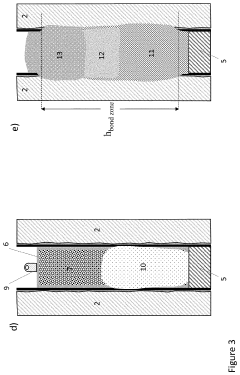
Thermite reaction charge, method for forming a threephased rock-to-rock well barrier, and a well barrier formed thereof
PatentActiveUS20230258052A1
Innovation
- A rigless method employing a bismuth oxide and fuel metal thermite reaction charge, adapted to produce sufficient heat and react slowly enough to melt downhole completion and form a three-phase rock-to-rock well barrier with bismuth, steel, and slag phases, providing a resilient bonding with the rock formation.
Heat sources and alloys for use in down-hole applications
PatentActiveUS20220018211A1
Innovation
- The use of thermite-based chemical reaction heat sources with a combination of aluminum and iron oxide powder and a combustion suppressing agent like silica, forming a fuel composition in solid blocks to achieve controlled and increased heating, enabling the deployment and retrieval of Bismuth-based plugs and the use of Germanium/Bismuth alloys with higher melting points.


Safety Regulations
Safety regulations play a crucial role in the development and implementation of innovations in thermite for high-performance systems. As thermite reactions involve highly exothermic processes and potentially hazardous materials, stringent safety measures are essential to protect workers, facilities, and the environment.
Regulatory bodies such as the Occupational Safety and Health Administration (OSHA) and the Environmental Protection Agency (EPA) in the United States, as well as their counterparts in other countries, have established comprehensive guidelines for handling and storing thermite materials. These regulations cover various aspects, including proper storage conditions, personal protective equipment (PPE) requirements, and emergency response procedures.
One of the primary safety concerns in thermite applications is the risk of unintended ignition. To address this, regulations mandate the use of specialized storage containers designed to prevent accidental activation. These containers must be fire-resistant, moisture-proof, and capable of withstanding high temperatures. Additionally, strict protocols are in place for the transportation of thermite materials, requiring proper labeling, documentation, and adherence to specific routing guidelines.
Worker safety is paramount in thermite-related operations. Regulations stipulate mandatory training programs for personnel involved in handling thermite materials. These programs cover topics such as proper handling techniques, emergency procedures, and the use of appropriate PPE. Specific PPE requirements typically include fire-resistant clothing, face shields, and respiratory protection to safeguard against potential exposure to harmful fumes and particulates.
Environmental considerations are also addressed in safety regulations for thermite applications. Proper disposal methods for thermite residues and byproducts are outlined to prevent contamination of soil and water sources. Facilities working with thermite are required to implement robust waste management systems and conduct regular environmental impact assessments.
As innovations in thermite technology continue to advance, safety regulations are evolving to keep pace. Recent updates have focused on addressing the unique challenges posed by novel thermite compositions and applications in high-performance systems. These include more stringent testing requirements for new thermite formulations, enhanced monitoring systems for production facilities, and updated guidelines for the use of thermite in specialized environments such as aerospace and defense applications.
Compliance with safety regulations is not only a legal requirement but also a critical factor in the successful commercialization of thermite innovations. Companies investing in research and development in this field must integrate safety considerations from the earliest stages of product design through to final implementation. This proactive approach to safety not only ensures regulatory compliance but also contributes to the overall reliability and market acceptance of thermite-based high-performance systems.
Regulatory bodies such as the Occupational Safety and Health Administration (OSHA) and the Environmental Protection Agency (EPA) in the United States, as well as their counterparts in other countries, have established comprehensive guidelines for handling and storing thermite materials. These regulations cover various aspects, including proper storage conditions, personal protective equipment (PPE) requirements, and emergency response procedures.
One of the primary safety concerns in thermite applications is the risk of unintended ignition. To address this, regulations mandate the use of specialized storage containers designed to prevent accidental activation. These containers must be fire-resistant, moisture-proof, and capable of withstanding high temperatures. Additionally, strict protocols are in place for the transportation of thermite materials, requiring proper labeling, documentation, and adherence to specific routing guidelines.
Worker safety is paramount in thermite-related operations. Regulations stipulate mandatory training programs for personnel involved in handling thermite materials. These programs cover topics such as proper handling techniques, emergency procedures, and the use of appropriate PPE. Specific PPE requirements typically include fire-resistant clothing, face shields, and respiratory protection to safeguard against potential exposure to harmful fumes and particulates.
Environmental considerations are also addressed in safety regulations for thermite applications. Proper disposal methods for thermite residues and byproducts are outlined to prevent contamination of soil and water sources. Facilities working with thermite are required to implement robust waste management systems and conduct regular environmental impact assessments.
As innovations in thermite technology continue to advance, safety regulations are evolving to keep pace. Recent updates have focused on addressing the unique challenges posed by novel thermite compositions and applications in high-performance systems. These include more stringent testing requirements for new thermite formulations, enhanced monitoring systems for production facilities, and updated guidelines for the use of thermite in specialized environments such as aerospace and defense applications.
Compliance with safety regulations is not only a legal requirement but also a critical factor in the successful commercialization of thermite innovations. Companies investing in research and development in this field must integrate safety considerations from the earliest stages of product design through to final implementation. This proactive approach to safety not only ensures regulatory compliance but also contributes to the overall reliability and market acceptance of thermite-based high-performance systems.
Environmental Impact
The environmental impact of thermite innovations in high-performance systems is a critical consideration that requires thorough examination. Thermite reactions, known for their high-temperature exothermic processes, have traditionally been associated with significant environmental concerns. However, recent advancements in thermite technology have led to more environmentally friendly approaches.
One of the primary environmental challenges associated with traditional thermite reactions is the production of harmful byproducts. These often include metal oxides and other particulate matter that can contribute to air pollution. Innovations in thermite composition have focused on reducing these emissions by incorporating cleaner-burning components and optimizing reaction efficiency. For instance, the use of nano-scale particles in thermite mixtures has shown promise in minimizing unwanted byproducts while maintaining or even enhancing performance.
Water contamination has been another environmental concern related to thermite use, particularly in industrial applications. Runoff from thermite reactions can potentially introduce heavy metals and other pollutants into water systems. Recent research has explored the development of water-resistant thermite formulations that minimize leaching and reduce the risk of water contamination. Additionally, containment systems and improved disposal methods have been implemented to mitigate the environmental impact of thermite residues.
The energy-intensive nature of thermite reactions has also been addressed through innovations aimed at improving energy efficiency. By optimizing reaction kinetics and heat transfer mechanisms, researchers have developed thermite systems that require less energy input while delivering comparable or superior performance. This not only reduces the overall carbon footprint associated with thermite use but also enhances its viability in various applications.
Lifecycle assessment studies have been conducted to evaluate the environmental impact of thermite innovations throughout their entire lifecycle, from raw material extraction to end-of-life disposal. These assessments have led to the development of more sustainable sourcing practices for thermite components and improved recycling methods for post-reaction materials. Some innovative approaches have even explored the potential for using recycled materials in thermite formulations, further reducing the environmental burden.
In the context of high-performance systems, thermite innovations have also focused on enhancing precision and control, which indirectly contributes to environmental benefits. More precise and controlled reactions result in less waste and fewer unintended environmental consequences. Advanced ignition systems and reaction chamber designs have played a crucial role in achieving this level of control, allowing for more efficient use of resources and minimizing environmental impact.
As regulations surrounding environmental protection become increasingly stringent, the development of eco-friendly thermite technologies has gained momentum. Research into biodegradable components and non-toxic alternatives for traditional thermite ingredients is ongoing, with promising results in laboratory settings. These advancements not only address environmental concerns but also open up new possibilities for thermite applications in sensitive environments where traditional formulations would be prohibited.
One of the primary environmental challenges associated with traditional thermite reactions is the production of harmful byproducts. These often include metal oxides and other particulate matter that can contribute to air pollution. Innovations in thermite composition have focused on reducing these emissions by incorporating cleaner-burning components and optimizing reaction efficiency. For instance, the use of nano-scale particles in thermite mixtures has shown promise in minimizing unwanted byproducts while maintaining or even enhancing performance.
Water contamination has been another environmental concern related to thermite use, particularly in industrial applications. Runoff from thermite reactions can potentially introduce heavy metals and other pollutants into water systems. Recent research has explored the development of water-resistant thermite formulations that minimize leaching and reduce the risk of water contamination. Additionally, containment systems and improved disposal methods have been implemented to mitigate the environmental impact of thermite residues.
The energy-intensive nature of thermite reactions has also been addressed through innovations aimed at improving energy efficiency. By optimizing reaction kinetics and heat transfer mechanisms, researchers have developed thermite systems that require less energy input while delivering comparable or superior performance. This not only reduces the overall carbon footprint associated with thermite use but also enhances its viability in various applications.
Lifecycle assessment studies have been conducted to evaluate the environmental impact of thermite innovations throughout their entire lifecycle, from raw material extraction to end-of-life disposal. These assessments have led to the development of more sustainable sourcing practices for thermite components and improved recycling methods for post-reaction materials. Some innovative approaches have even explored the potential for using recycled materials in thermite formulations, further reducing the environmental burden.
In the context of high-performance systems, thermite innovations have also focused on enhancing precision and control, which indirectly contributes to environmental benefits. More precise and controlled reactions result in less waste and fewer unintended environmental consequences. Advanced ignition systems and reaction chamber designs have played a crucial role in achieving this level of control, allowing for more efficient use of resources and minimizing environmental impact.
As regulations surrounding environmental protection become increasingly stringent, the development of eco-friendly thermite technologies has gained momentum. Research into biodegradable components and non-toxic alternatives for traditional thermite ingredients is ongoing, with promising results in laboratory settings. These advancements not only address environmental concerns but also open up new possibilities for thermite applications in sensitive environments where traditional formulations would be prohibited.
Unlock deeper insights with PatSnap Eureka Quick Research — get a full tech report to explore trends and direct your research. Try now!
Generate Your Research Report Instantly with AI Agent
Supercharge your innovation with PatSnap Eureka AI Agent Platform!