
How to Utilize Sonication Within Green Extraction Protocols
MAR 11, 20269 MIN READ
Generate Your Research Report Instantly with AI Agent
Patsnap Eureka helps you evaluate technical feasibility & market potential.
Sonication Green Extraction Background and Objectives
Sonication-assisted extraction has emerged as a pivotal technology in the evolution of green extraction methodologies, representing a significant departure from conventional solvent-intensive processes. This ultrasound-based technique harnesses acoustic cavitation phenomena to enhance mass transfer rates while simultaneously reducing environmental impact through decreased solvent consumption and energy requirements. The technology operates on the principle of acoustic wave propagation through liquid media, creating alternating high and low-pressure cycles that generate microscopic bubbles, which subsequently collapse and create localized high-energy zones.
The historical development of sonication in extraction processes traces back to the early applications of ultrasound in industrial cleaning and material processing. Over the past three decades, researchers have systematically explored its potential in natural product extraction, pharmaceutical compound isolation, and food processing applications. This evolution has been driven by increasing regulatory pressure for sustainable manufacturing practices and the growing demand for environmentally conscious production methods across multiple industries.
The primary objective of integrating sonication within green extraction protocols centers on achieving optimal extraction efficiency while minimizing environmental footprint. This involves developing standardized methodologies that can consistently deliver high-yield extractions using reduced quantities of eco-friendly solvents, shorter processing times, and lower energy consumption compared to traditional techniques. The technology aims to replace or significantly reduce the use of hazardous organic solvents, thereby addressing both environmental concerns and worker safety considerations.
Contemporary research objectives focus on optimizing operational parameters including frequency selection, power intensity modulation, and treatment duration to maximize extraction yields while preserving the integrity of target compounds. Particular emphasis is placed on understanding the relationship between acoustic parameters and cellular disruption mechanisms, enabling precise control over extraction selectivity and compound stability.
The strategic goal encompasses establishing sonication as a cornerstone technology for sustainable extraction processes across pharmaceutical, nutraceutical, cosmetic, and food industries. This includes developing scalable systems that maintain extraction efficiency from laboratory to industrial scale while ensuring economic viability and regulatory compliance. The ultimate objective involves creating standardized green extraction protocols that can serve as industry benchmarks for sustainable manufacturing practices.
The historical development of sonication in extraction processes traces back to the early applications of ultrasound in industrial cleaning and material processing. Over the past three decades, researchers have systematically explored its potential in natural product extraction, pharmaceutical compound isolation, and food processing applications. This evolution has been driven by increasing regulatory pressure for sustainable manufacturing practices and the growing demand for environmentally conscious production methods across multiple industries.
The primary objective of integrating sonication within green extraction protocols centers on achieving optimal extraction efficiency while minimizing environmental footprint. This involves developing standardized methodologies that can consistently deliver high-yield extractions using reduced quantities of eco-friendly solvents, shorter processing times, and lower energy consumption compared to traditional techniques. The technology aims to replace or significantly reduce the use of hazardous organic solvents, thereby addressing both environmental concerns and worker safety considerations.
Contemporary research objectives focus on optimizing operational parameters including frequency selection, power intensity modulation, and treatment duration to maximize extraction yields while preserving the integrity of target compounds. Particular emphasis is placed on understanding the relationship between acoustic parameters and cellular disruption mechanisms, enabling precise control over extraction selectivity and compound stability.
The strategic goal encompasses establishing sonication as a cornerstone technology for sustainable extraction processes across pharmaceutical, nutraceutical, cosmetic, and food industries. This includes developing scalable systems that maintain extraction efficiency from laboratory to industrial scale while ensuring economic viability and regulatory compliance. The ultimate objective involves creating standardized green extraction protocols that can serve as industry benchmarks for sustainable manufacturing practices.
Market Demand for Sustainable Extraction Technologies
The global market for sustainable extraction technologies has experienced unprecedented growth driven by increasing environmental regulations, consumer awareness, and corporate sustainability commitments. Industries ranging from pharmaceuticals and nutraceuticals to food processing and cosmetics are actively seeking environmentally friendly alternatives to conventional solvent-based extraction methods. This shift represents a fundamental transformation in how companies approach raw material processing and product development.
Regulatory frameworks worldwide are becoming increasingly stringent regarding the use of toxic solvents and chemical waste disposal. The European Union's REACH regulation, FDA guidelines for pharmaceutical manufacturing, and various national environmental protection standards are compelling manufacturers to adopt cleaner extraction technologies. These regulatory pressures create substantial market opportunities for green extraction solutions, particularly those incorporating sonication techniques that eliminate or significantly reduce hazardous chemical usage.
The pharmaceutical and nutraceutical sectors represent the largest market segments for sustainable extraction technologies. Companies in these industries face mounting pressure to demonstrate environmental responsibility while maintaining product quality and extraction efficiency. Sonication-based green extraction protocols offer compelling advantages by enabling the extraction of bioactive compounds using water, ethanol, or other environmentally benign solvents, thereby addressing both regulatory compliance and sustainability objectives.
Consumer demand for natural and sustainably produced products continues to drive market expansion across multiple industries. The clean label movement in food and beverage manufacturing, coupled with growing consumer preference for organic and naturally derived cosmetic products, creates substantial demand for extraction technologies that preserve product integrity while minimizing environmental impact. Sonication technology aligns perfectly with these market requirements by enabling gentle, efficient extraction without chemical residues.
The economic benefits of sustainable extraction technologies further amplify market demand. Companies adopting green extraction protocols often realize significant cost savings through reduced solvent consumption, simplified waste management, and lower regulatory compliance costs. Additionally, the ability to market products as sustainably produced provides competitive advantages and premium pricing opportunities in increasingly environmentally conscious markets.
Emerging markets in Asia-Pacific and Latin America are experiencing particularly rapid growth in demand for sustainable extraction technologies. As these regions develop more sophisticated manufacturing capabilities and face increasing environmental scrutiny, the adoption of green extraction protocols becomes essential for accessing global markets and meeting international quality standards.
Regulatory frameworks worldwide are becoming increasingly stringent regarding the use of toxic solvents and chemical waste disposal. The European Union's REACH regulation, FDA guidelines for pharmaceutical manufacturing, and various national environmental protection standards are compelling manufacturers to adopt cleaner extraction technologies. These regulatory pressures create substantial market opportunities for green extraction solutions, particularly those incorporating sonication techniques that eliminate or significantly reduce hazardous chemical usage.
The pharmaceutical and nutraceutical sectors represent the largest market segments for sustainable extraction technologies. Companies in these industries face mounting pressure to demonstrate environmental responsibility while maintaining product quality and extraction efficiency. Sonication-based green extraction protocols offer compelling advantages by enabling the extraction of bioactive compounds using water, ethanol, or other environmentally benign solvents, thereby addressing both regulatory compliance and sustainability objectives.
Consumer demand for natural and sustainably produced products continues to drive market expansion across multiple industries. The clean label movement in food and beverage manufacturing, coupled with growing consumer preference for organic and naturally derived cosmetic products, creates substantial demand for extraction technologies that preserve product integrity while minimizing environmental impact. Sonication technology aligns perfectly with these market requirements by enabling gentle, efficient extraction without chemical residues.
The economic benefits of sustainable extraction technologies further amplify market demand. Companies adopting green extraction protocols often realize significant cost savings through reduced solvent consumption, simplified waste management, and lower regulatory compliance costs. Additionally, the ability to market products as sustainably produced provides competitive advantages and premium pricing opportunities in increasingly environmentally conscious markets.
Emerging markets in Asia-Pacific and Latin America are experiencing particularly rapid growth in demand for sustainable extraction technologies. As these regions develop more sophisticated manufacturing capabilities and face increasing environmental scrutiny, the adoption of green extraction protocols becomes essential for accessing global markets and meeting international quality standards.
Current State of Sonication in Green Chemistry Applications
Sonication technology has emerged as a pivotal enabler in green chemistry applications, fundamentally transforming traditional extraction methodologies across multiple industrial sectors. The current landscape demonstrates widespread adoption of ultrasonic-assisted extraction (UAE) techniques, which leverage acoustic cavitation phenomena to enhance mass transfer processes while significantly reducing solvent consumption and processing time compared to conventional methods.
The pharmaceutical and nutraceutical industries represent the most mature application domains for sonication-based green extraction. Current implementations focus primarily on extracting bioactive compounds from plant matrices using environmentally benign solvents such as water, ethanol, and supercritical carbon dioxide. These applications consistently demonstrate extraction efficiency improvements of 30-60% while reducing solvent usage by up to 50% compared to traditional maceration or Soxhlet extraction methods.
Food processing applications have gained substantial momentum, particularly in the extraction of antioxidants, essential oils, and flavor compounds. Industrial-scale sonication systems operating at frequencies between 20-40 kHz are now routinely employed for processing citrus peels, herb extracts, and vegetable oils. The technology enables selective extraction of target compounds while preserving thermolabile components that would otherwise degrade under conventional thermal processing conditions.
Recent technological advances have focused on optimizing cavitation bubble dynamics through precise frequency modulation and power control systems. Multi-frequency sonication platforms, operating simultaneously at different ultrasonic frequencies, have demonstrated enhanced extraction selectivity and reduced processing times. These systems incorporate real-time monitoring capabilities that adjust operational parameters based on acoustic emission feedback and temperature control.
The integration of sonication with other green technologies represents a significant current trend. Hybrid approaches combining ultrasound with microwave-assisted extraction, supercritical fluid extraction, and enzyme-assisted processes are showing promising results in laboratory and pilot-scale applications. These synergistic combinations often achieve superior extraction yields while further minimizing environmental impact.
Current challenges include scaling limitations for continuous industrial processes and standardization of operational parameters across different matrix types. Energy efficiency optimization remains a key focus area, with recent developments in piezoelectric transducer design and acoustic horn geometry contributing to improved power transmission and reduced energy consumption per unit of extracted material.
The pharmaceutical and nutraceutical industries represent the most mature application domains for sonication-based green extraction. Current implementations focus primarily on extracting bioactive compounds from plant matrices using environmentally benign solvents such as water, ethanol, and supercritical carbon dioxide. These applications consistently demonstrate extraction efficiency improvements of 30-60% while reducing solvent usage by up to 50% compared to traditional maceration or Soxhlet extraction methods.
Food processing applications have gained substantial momentum, particularly in the extraction of antioxidants, essential oils, and flavor compounds. Industrial-scale sonication systems operating at frequencies between 20-40 kHz are now routinely employed for processing citrus peels, herb extracts, and vegetable oils. The technology enables selective extraction of target compounds while preserving thermolabile components that would otherwise degrade under conventional thermal processing conditions.
Recent technological advances have focused on optimizing cavitation bubble dynamics through precise frequency modulation and power control systems. Multi-frequency sonication platforms, operating simultaneously at different ultrasonic frequencies, have demonstrated enhanced extraction selectivity and reduced processing times. These systems incorporate real-time monitoring capabilities that adjust operational parameters based on acoustic emission feedback and temperature control.
The integration of sonication with other green technologies represents a significant current trend. Hybrid approaches combining ultrasound with microwave-assisted extraction, supercritical fluid extraction, and enzyme-assisted processes are showing promising results in laboratory and pilot-scale applications. These synergistic combinations often achieve superior extraction yields while further minimizing environmental impact.
Current challenges include scaling limitations for continuous industrial processes and standardization of operational parameters across different matrix types. Energy efficiency optimization remains a key focus area, with recent developments in piezoelectric transducer design and acoustic horn geometry contributing to improved power transmission and reduced energy consumption per unit of extracted material.
Existing Sonication-Based Green Extraction Solutions
01 Sonication for particle size reduction and dispersion
Sonication techniques are employed to reduce particle size and improve dispersion of materials in various formulations. Ultrasonic energy breaks down agglomerates and creates uniform distributions of particles in liquid media. This process enhances the stability and homogeneity of suspensions, emulsions, and colloidal systems. The method is particularly effective for creating nano-sized particles and improving the bioavailability of active ingredients.- Sonication for particle size reduction and dispersion: Sonication techniques are employed to reduce particle size and improve dispersion of materials in various formulations. Ultrasonic energy breaks down agglomerates and creates uniform distributions of particles in liquid media. This process enhances the stability and homogeneity of suspensions, emulsions, and colloidal systems. The method is particularly effective for creating nano-sized particles and improving the bioavailability of active ingredients.
- Sonication in extraction and processing of biological materials: Ultrasonic treatment is utilized for extracting compounds from biological sources and processing cellular materials. The cavitation effect generated by sonication disrupts cell walls and membranes, facilitating the release of intracellular components. This technique improves extraction efficiency and reduces processing time compared to conventional methods. Applications include extraction of bioactive compounds, proteins, and other valuable substances from plant and animal tissues.
- Sonication for emulsification and homogenization: Sonication serves as an effective method for creating stable emulsions and achieving homogenization in multi-phase systems. The intense mechanical forces generated by ultrasonic waves break down droplets to microscopic sizes, creating fine and stable emulsions. This process eliminates the need for high-shear mechanical mixers in many applications. The technique is widely used in pharmaceutical, cosmetic, and food industries for producing uniform products.
- Sonication in chemical synthesis and reaction enhancement: Ultrasonic energy is applied to accelerate chemical reactions and improve synthesis outcomes. Sonication increases reaction rates by enhancing mass transfer, creating localized high temperatures and pressures, and generating reactive species. The technique enables reactions to proceed under milder conditions and often improves product yields and selectivity. This approach is valuable in organic synthesis, polymer chemistry, and materials science applications.
- Sonication for cleaning and surface modification: Sonication technology is employed for cleaning surfaces and modifying material properties through ultrasonic treatment. The cavitation bubbles generated during sonication provide mechanical cleaning action that removes contaminants from complex geometries and delicate surfaces. Additionally, ultrasonic treatment can alter surface characteristics such as roughness, wettability, and adhesion properties. This method is used in semiconductor manufacturing, medical device processing, and precision component cleaning.
02 Sonication in extraction and processing of biological materials
Ultrasonic treatment is utilized for extracting compounds from biological sources and processing cellular materials. The cavitation effect generated by sonication disrupts cell walls and membranes, facilitating the release of intracellular components. This technique improves extraction efficiency and reduces processing time compared to conventional methods. Applications include extraction of bioactive compounds, proteins, and other valuable substances from plant and animal tissues.Expand Specific Solutions03 Sonication for emulsification and homogenization
Sonication serves as an effective method for creating stable emulsions and achieving homogenization in multi-phase systems. The intense mechanical energy from ultrasonic waves breaks down droplets to microscopic sizes, creating fine and stable emulsions. This process eliminates the need for high-shear mechanical mixers in many applications. The technique is widely used in pharmaceutical, cosmetic, and food industries for producing uniform products.Expand Specific Solutions04 Sonication in chemical synthesis and reaction enhancement
Ultrasonic energy is applied to accelerate chemical reactions and improve synthesis outcomes. Sonication creates localized high-temperature and high-pressure conditions through cavitation, which can activate reactants and increase reaction rates. This method enhances mass transfer and mixing at the molecular level, leading to improved yields and selectivity. The technique is particularly useful for heterogeneous reactions and polymerization processes.Expand Specific Solutions05 Sonication for cleaning and surface modification
Sonication technology is employed for cleaning surfaces and modifying material properties through ultrasonic treatment. The cavitation bubbles generated during sonication provide mechanical cleaning action that removes contaminants from complex geometries and porous materials. This process can also alter surface characteristics such as roughness, wettability, and reactivity. Applications include cleaning of medical devices, semiconductor components, and preparation of substrates for coating or bonding.Expand Specific Solutions
Key Players in Green Extraction and Sonication Industry
The green extraction technology utilizing sonication is experiencing rapid growth as industries seek sustainable alternatives to conventional extraction methods. The market is expanding significantly, driven by increasing environmental regulations and consumer demand for eco-friendly processes across pharmaceuticals, food, and cosmetics sectors. Technology maturity varies considerably among key players. Academic institutions like Zhejiang University, University of Florida, and BASF SE are advancing fundamental research in ultrasonic-assisted extraction mechanisms. Industrial leaders including SABIC Global Technologies BV and Bio-Rad Laboratories are developing commercial-scale sonication equipment and standardized protocols. Testing companies such as Centre Testing International Group are establishing quality control frameworks for green extraction validation. Emerging biotechnology firms like Loopworm Pvt Ltd. and specialized chemical companies are integrating sonication into novel sustainable extraction workflows, indicating the technology's transition from laboratory research to industrial implementation across diverse applications.
Zhejiang University
Technical Solution: Zhejiang University has pioneered innovative sonication protocols integrating ultrasonic cavitation with green solvents for sustainable extraction processes. Their research focuses on optimizing acoustic parameters including frequency (25-45 kHz), power density (0.1-0.8 W/mL), and treatment duration to enhance mass transfer while preserving thermolabile compounds. The university has developed novel pulsed ultrasonic extraction methods combined with deep eutectic solvents (DES) and ionic liquids as green alternatives to traditional organic solvents. Their protocols have achieved remarkable results in extracting bioactive compounds from various plant materials, showing 60-80% higher extraction efficiency compared to conventional maceration methods while reducing solvent consumption by 50%.
Strengths: Strong academic research foundation, innovative green solvent applications, comprehensive optimization studies. Weaknesses: Limited industrial-scale implementation, primarily focused on laboratory-scale applications.
Bio-Rad Laboratories, Inc.
Technical Solution: Bio-Rad has developed specialized sonication equipment and protocols for green extraction applications in biotechnology and pharmaceutical industries. Their systems feature precise frequency control (20-80 kHz), programmable pulse sequences, and integrated temperature monitoring to optimize extraction while preserving sensitive biomolecules. The company's protocols emphasize the use of aqueous-based solvents and biodegradable extraction media, reducing environmental impact while maintaining high extraction efficiency. Their ultrasonic processors are designed with energy-efficient operation, achieving up to 95% energy savings compared to traditional heating methods. Bio-Rad's protocols have been successfully applied for extracting proteins, nucleic acids, and metabolites from various biological samples using environmentally friendly approaches.
Strengths: Advanced instrumentation technology, precise process control, strong biotechnology applications. Weaknesses: Higher equipment costs, specialized applications may limit broader market adoption.
Core Innovations in Ultrasonic Green Processing
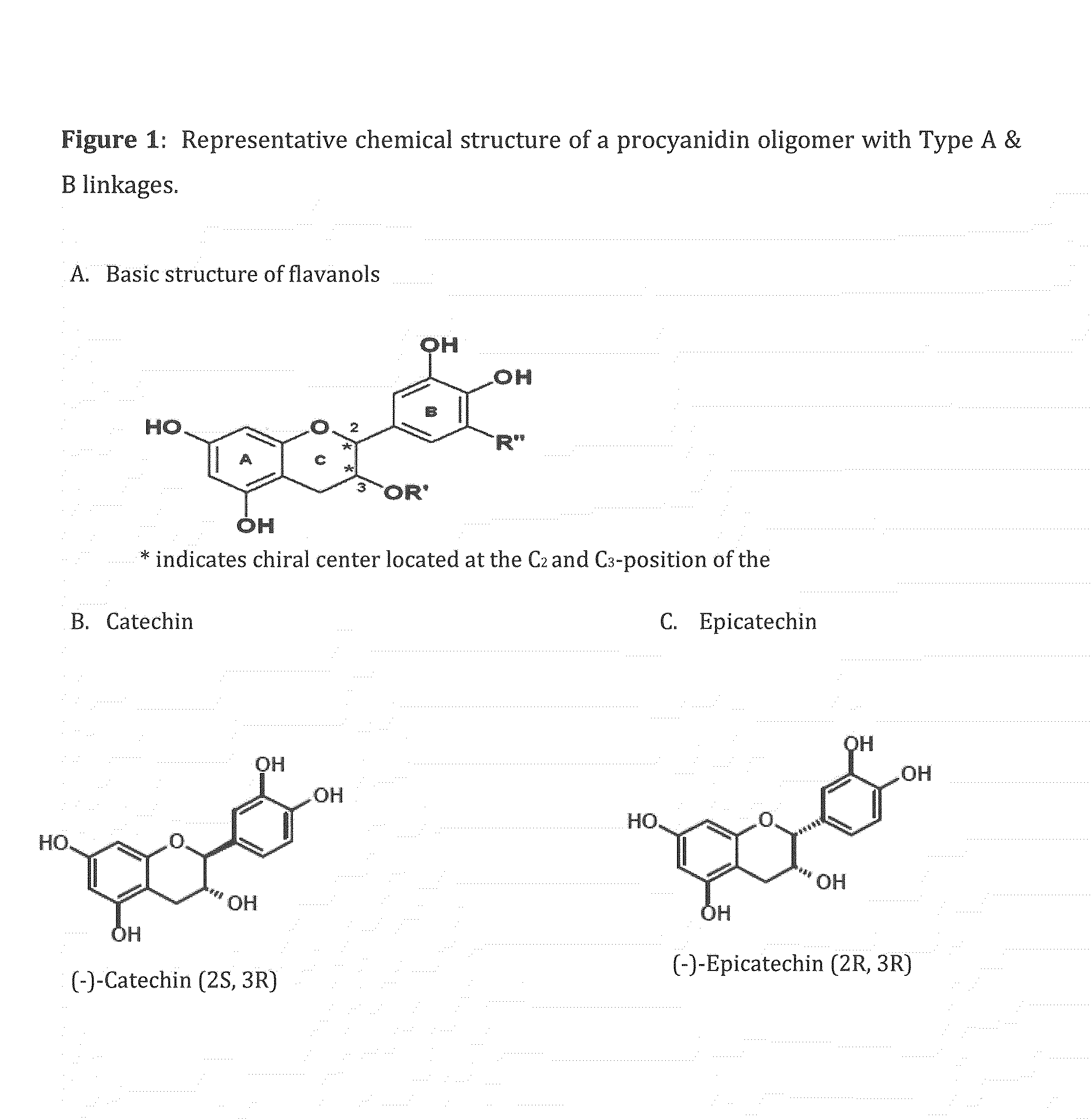
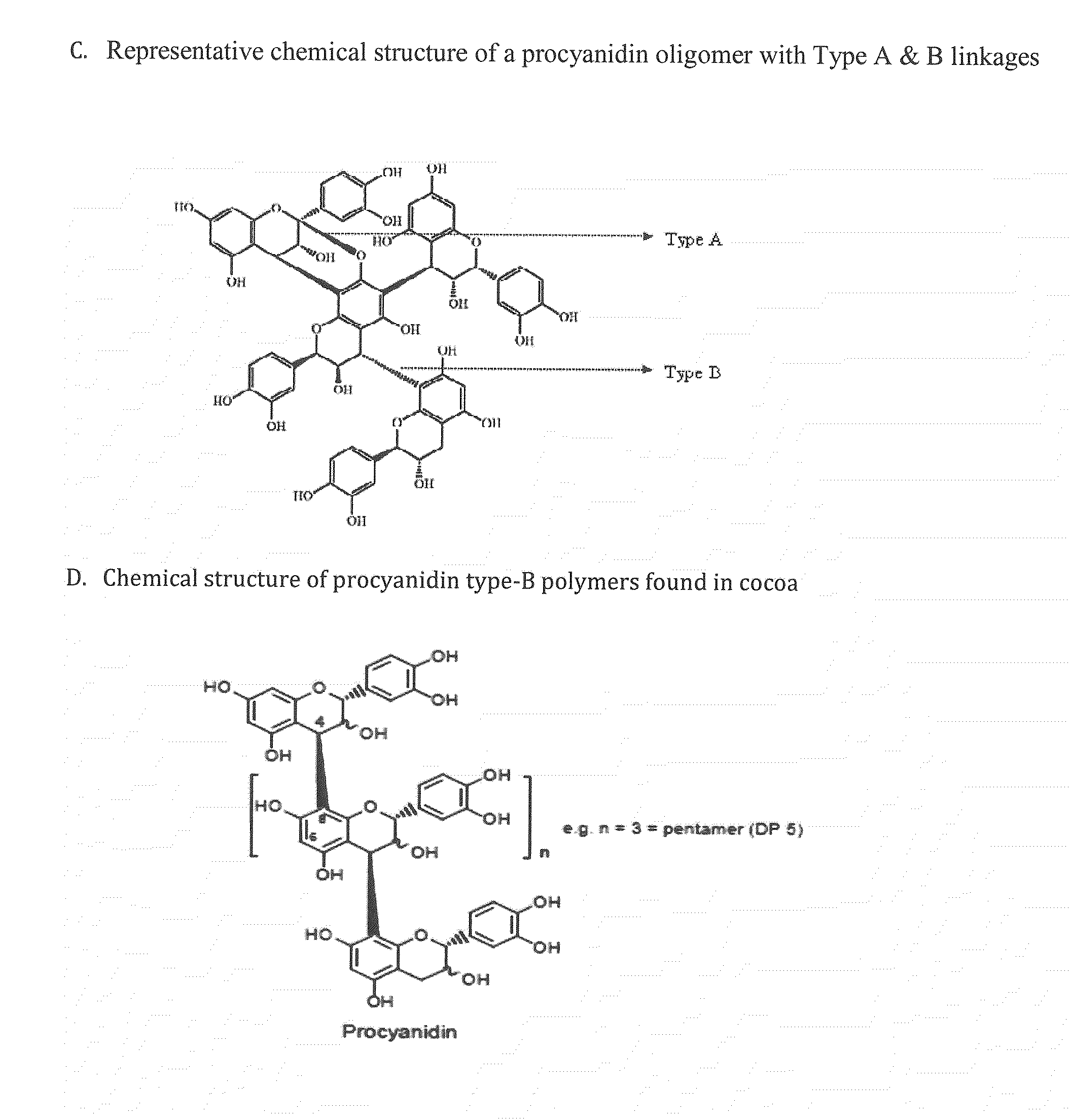
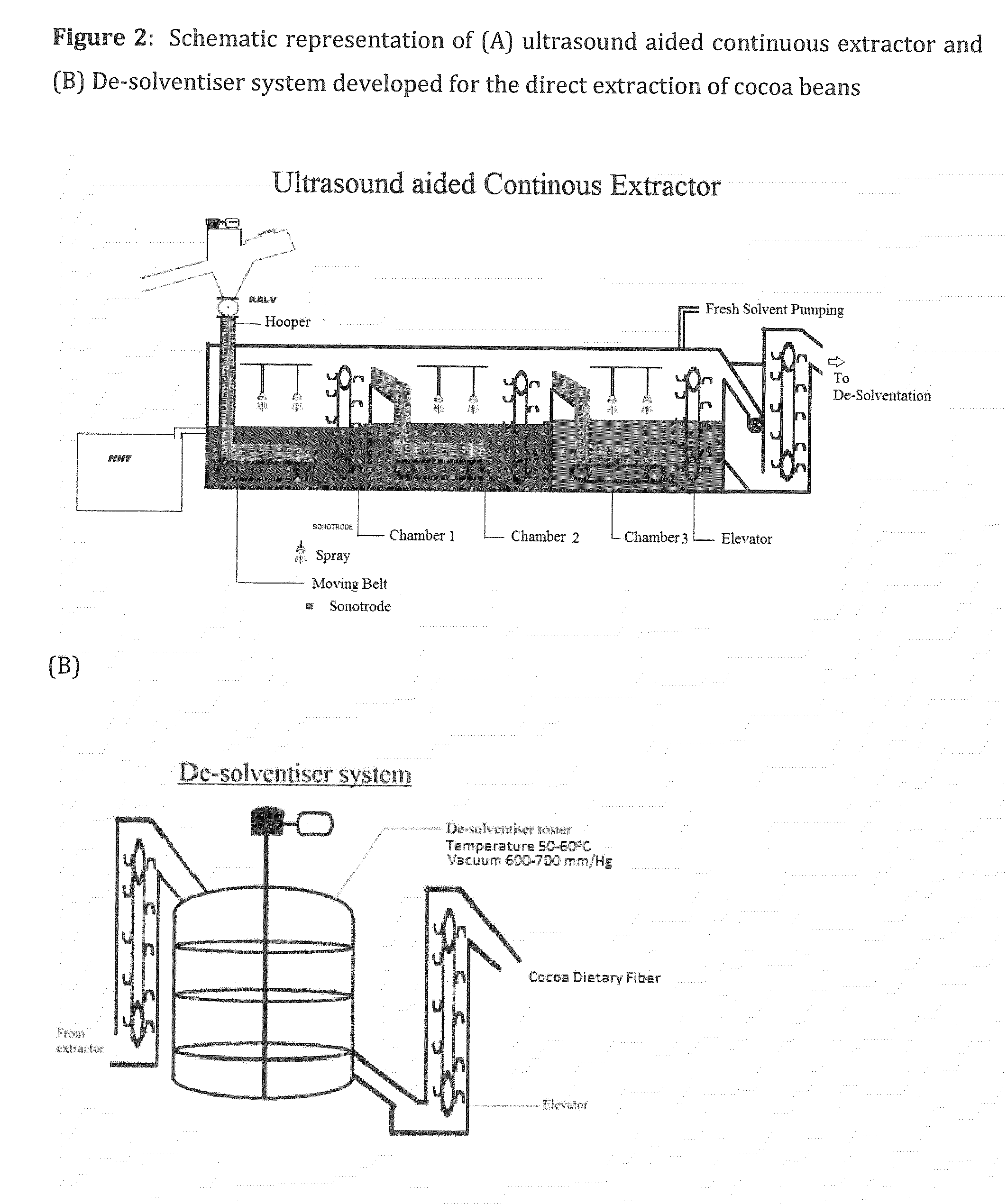
Ultrasound-assisted high throughput continuous extraction for complete fragmentation of cocoa beans into valuable fractions and their formulations thereof
PatentInactiveUS20150196610A1
Innovation
- A novel ultrasound-assisted process using enzymes for the extraction and fractionation of cocoa beans into value-added products, employing PLC-controlled ultrasonication for continuous and batch operations, which allows for the direct extraction of polyphenols, dietary fiber, and proteins without prior defatting, minimizing waste and using only water-based solvents.

Optimized select analyte extraction device and method
PatentWO2020086431A1
Innovation
- An analyte extraction apparatus comprising an extraction vessel and a sonication vessel with ultrasonic transducers delivering acoustic energy through a bath fluid, maintaining a temperature between 0°C and 20°C to minimize solubility of unwanted compounds and prevent thermal reactions, combined with a mixer for uniform stirring and a top panel for sealing, to enhance extraction efficiency and control particle size.


Environmental Regulations for Green Extraction Processes
The regulatory landscape governing green extraction processes utilizing sonication has evolved significantly in response to growing environmental consciousness and sustainability imperatives. International frameworks such as the European Union's REACH regulation and the United States Environmental Protection Agency guidelines establish foundational principles for environmentally responsible extraction methodologies. These regulations emphasize the reduction of hazardous solvent usage, energy efficiency optimization, and waste minimization throughout extraction processes.
Solvent selection represents a critical regulatory focus area, with authorities promoting the adoption of Generally Recognized as Safe (GRAS) solvents and bio-based alternatives over traditional organic solvents. The FDA's guidance on extraction processes for food and pharmaceutical applications specifically encourages the use of water, ethanol, and supercritical carbon dioxide as preferred extraction media. European regulations under the Novel Food Regulation further restrict the use of certain chemical solvents in food-related extractions, creating market pressure for sonication-enhanced green protocols.
Energy consumption standards have become increasingly stringent, with regulations requiring detailed energy audits and efficiency reporting for industrial extraction operations. The ISO 14001 environmental management standard provides a framework for organizations to demonstrate continuous improvement in energy utilization and environmental performance. Sonication technology aligns well with these requirements due to its ability to reduce processing times and temperatures compared to conventional extraction methods.
Waste management regulations mandate comprehensive tracking and treatment of extraction byproducts and spent materials. The Basel Convention on hazardous waste movement influences how extraction facilities handle and dispose of process residues. Green extraction protocols incorporating sonication must demonstrate reduced waste generation and improved recyclability of process materials to maintain regulatory compliance.
Emerging regulations focus on lifecycle assessment requirements, demanding comprehensive environmental impact evaluations from raw material sourcing through final product delivery. These holistic approaches favor sonication-based green extraction due to its potential for reduced environmental footprint and improved resource efficiency throughout the entire process chain.
Solvent selection represents a critical regulatory focus area, with authorities promoting the adoption of Generally Recognized as Safe (GRAS) solvents and bio-based alternatives over traditional organic solvents. The FDA's guidance on extraction processes for food and pharmaceutical applications specifically encourages the use of water, ethanol, and supercritical carbon dioxide as preferred extraction media. European regulations under the Novel Food Regulation further restrict the use of certain chemical solvents in food-related extractions, creating market pressure for sonication-enhanced green protocols.
Energy consumption standards have become increasingly stringent, with regulations requiring detailed energy audits and efficiency reporting for industrial extraction operations. The ISO 14001 environmental management standard provides a framework for organizations to demonstrate continuous improvement in energy utilization and environmental performance. Sonication technology aligns well with these requirements due to its ability to reduce processing times and temperatures compared to conventional extraction methods.
Waste management regulations mandate comprehensive tracking and treatment of extraction byproducts and spent materials. The Basel Convention on hazardous waste movement influences how extraction facilities handle and dispose of process residues. Green extraction protocols incorporating sonication must demonstrate reduced waste generation and improved recyclability of process materials to maintain regulatory compliance.
Emerging regulations focus on lifecycle assessment requirements, demanding comprehensive environmental impact evaluations from raw material sourcing through final product delivery. These holistic approaches favor sonication-based green extraction due to its potential for reduced environmental footprint and improved resource efficiency throughout the entire process chain.
Energy Efficiency Optimization in Sonication Systems
Energy efficiency optimization in sonication systems represents a critical advancement pathway for sustainable green extraction protocols. Traditional ultrasonic systems often operate at fixed power levels regardless of extraction requirements, leading to significant energy waste and reduced cost-effectiveness. Modern optimization approaches focus on dynamic power modulation, intelligent frequency tuning, and real-time monitoring to minimize energy consumption while maintaining or enhancing extraction yields.
Advanced sonication systems now incorporate variable amplitude control mechanisms that automatically adjust ultrasonic intensity based on sample characteristics and extraction progress. These systems utilize feedback loops that monitor cavitation activity through acoustic emission analysis, enabling precise power delivery only when needed. Such adaptive control reduces energy consumption by 30-45% compared to conventional fixed-power operations while often improving extraction efficiency through optimized cavitation bubble formation.
Frequency optimization strategies have emerged as another key efficiency enhancement approach. Multi-frequency sonication systems can switch between different ultrasonic frequencies during extraction cycles, targeting specific molecular structures more effectively. This selective approach reduces the overall energy required for complete extraction by focusing acoustic energy where it provides maximum benefit rather than applying broad-spectrum power continuously.
Heat management integration plays a crucial role in energy efficiency optimization. Modern systems incorporate intelligent thermal control that utilizes waste heat generated during sonication for maintaining optimal extraction temperatures. This dual-purpose approach eliminates the need for separate heating systems, reducing total energy consumption by 20-35% while maintaining precise temperature control essential for thermally sensitive compounds.
Pulse modulation techniques have proven highly effective in optimizing energy utilization. By delivering ultrasonic energy in controlled pulses rather than continuous waves, systems can achieve equivalent or superior extraction results with significantly reduced power consumption. The pulse intervals allow for cavitation bubble reformation and prevent excessive heating, maximizing the mechanical effects of sonication while minimizing energy waste.
Real-time impedance monitoring enables dynamic system optimization by continuously assessing the acoustic coupling between transducers and extraction media. This technology allows systems to automatically adjust operating parameters to maintain optimal energy transfer efficiency throughout the extraction process, preventing energy loss due to poor acoustic coupling or changing sample properties.
Advanced sonication systems now incorporate variable amplitude control mechanisms that automatically adjust ultrasonic intensity based on sample characteristics and extraction progress. These systems utilize feedback loops that monitor cavitation activity through acoustic emission analysis, enabling precise power delivery only when needed. Such adaptive control reduces energy consumption by 30-45% compared to conventional fixed-power operations while often improving extraction efficiency through optimized cavitation bubble formation.
Frequency optimization strategies have emerged as another key efficiency enhancement approach. Multi-frequency sonication systems can switch between different ultrasonic frequencies during extraction cycles, targeting specific molecular structures more effectively. This selective approach reduces the overall energy required for complete extraction by focusing acoustic energy where it provides maximum benefit rather than applying broad-spectrum power continuously.
Heat management integration plays a crucial role in energy efficiency optimization. Modern systems incorporate intelligent thermal control that utilizes waste heat generated during sonication for maintaining optimal extraction temperatures. This dual-purpose approach eliminates the need for separate heating systems, reducing total energy consumption by 20-35% while maintaining precise temperature control essential for thermally sensitive compounds.
Pulse modulation techniques have proven highly effective in optimizing energy utilization. By delivering ultrasonic energy in controlled pulses rather than continuous waves, systems can achieve equivalent or superior extraction results with significantly reduced power consumption. The pulse intervals allow for cavitation bubble reformation and prevent excessive heating, maximizing the mechanical effects of sonication while minimizing energy waste.
Real-time impedance monitoring enables dynamic system optimization by continuously assessing the acoustic coupling between transducers and extraction media. This technology allows systems to automatically adjust operating parameters to maintain optimal energy transfer efficiency throughout the extraction process, preventing energy loss due to poor acoustic coupling or changing sample properties.
Unlock deeper insights with Patsnap Eureka Quick Research — get a full tech report to explore trends and direct your research. Try now!
Generate Your Research Report Instantly with AI Agent
Supercharge your innovation with Patsnap Eureka AI Agent Platform!