
Sonication vs Low-Shear Mixing: Application for Paints
MAR 11, 20269 MIN READ
Generate Your Research Report Instantly with AI Agent
Patsnap Eureka helps you evaluate technical feasibility & market potential.
Sonication vs Low-Shear Paint Mixing Background and Objectives
The paint manufacturing industry has undergone significant technological evolution since the early 20th century, transitioning from simple mechanical stirring methods to sophisticated mixing technologies. Traditional mixing approaches, primarily relying on mechanical agitation through propeller-based systems, dominated the industry for decades. However, the increasing demand for high-performance coatings with superior dispersion quality and consistency has driven the exploration of advanced mixing methodologies.
Sonication technology emerged in the paint industry during the 1960s as an alternative approach to achieve superior particle dispersion. This ultrasonic mixing method utilizes high-frequency sound waves to create cavitation bubbles that collapse violently, generating intense localized energy for particle breakdown and dispersion. The technology gained traction particularly in specialty coatings and high-end paint formulations where conventional mixing methods proved insufficient.
Low-shear mixing technologies developed as a response to the limitations of high-intensity mixing methods. These systems, characterized by gentle yet effective mixing action, became prominent in the 1980s and 1990s as paint formulations became more complex and sensitive to mechanical stress. The evolution toward low-shear approaches reflected the industry's growing understanding of how excessive mechanical energy could damage certain paint components and affect final product quality.
The primary objective of comparing sonication versus low-shear mixing lies in optimizing paint formulation processes to achieve superior product quality while maintaining cost-effectiveness. Modern paint manufacturers seek mixing technologies that can deliver consistent particle size distribution, enhanced color development, improved stability, and reduced processing time. The evaluation aims to determine which approach better serves specific paint types, from architectural coatings to industrial protective systems.
Contemporary market demands emphasize sustainability, efficiency, and performance consistency, driving the need for comprehensive analysis of these mixing methodologies. The comparison seeks to establish clear guidelines for technology selection based on paint chemistry, production volume, quality requirements, and economic considerations. Understanding the distinct advantages and limitations of each approach enables manufacturers to make informed decisions that align with their strategic objectives and market positioning.
Sonication technology emerged in the paint industry during the 1960s as an alternative approach to achieve superior particle dispersion. This ultrasonic mixing method utilizes high-frequency sound waves to create cavitation bubbles that collapse violently, generating intense localized energy for particle breakdown and dispersion. The technology gained traction particularly in specialty coatings and high-end paint formulations where conventional mixing methods proved insufficient.
Low-shear mixing technologies developed as a response to the limitations of high-intensity mixing methods. These systems, characterized by gentle yet effective mixing action, became prominent in the 1980s and 1990s as paint formulations became more complex and sensitive to mechanical stress. The evolution toward low-shear approaches reflected the industry's growing understanding of how excessive mechanical energy could damage certain paint components and affect final product quality.
The primary objective of comparing sonication versus low-shear mixing lies in optimizing paint formulation processes to achieve superior product quality while maintaining cost-effectiveness. Modern paint manufacturers seek mixing technologies that can deliver consistent particle size distribution, enhanced color development, improved stability, and reduced processing time. The evaluation aims to determine which approach better serves specific paint types, from architectural coatings to industrial protective systems.
Contemporary market demands emphasize sustainability, efficiency, and performance consistency, driving the need for comprehensive analysis of these mixing methodologies. The comparison seeks to establish clear guidelines for technology selection based on paint chemistry, production volume, quality requirements, and economic considerations. Understanding the distinct advantages and limitations of each approach enables manufacturers to make informed decisions that align with their strategic objectives and market positioning.
Market Demand Analysis for Advanced Paint Mixing Technologies
The global paint and coatings industry is experiencing unprecedented demand for advanced mixing technologies, driven by evolving performance requirements and sustainability mandates. Traditional mixing methods are increasingly inadequate for meeting the stringent quality standards demanded by automotive, aerospace, and architectural coating applications. This technological gap has created substantial market opportunities for innovative mixing solutions, particularly sonication and low-shear mixing technologies.
Market drivers for advanced paint mixing technologies stem from multiple industry pressures. Regulatory compliance requirements for volatile organic compound reduction have necessitated the development of water-based and high-solids formulations that present unique mixing challenges. These formulations often contain sensitive additives and nanoparticles that require precise dispersion techniques to achieve optimal performance characteristics. Additionally, the growing emphasis on coating durability and functionality has increased demand for uniform particle distribution and enhanced pigment dispersion quality.
The automotive sector represents a particularly lucrative market segment, where coating quality directly impacts both aesthetic appeal and corrosion protection. Manufacturers are increasingly seeking mixing technologies that can handle complex multi-component systems while maintaining consistent batch-to-batch quality. Similarly, the architectural coatings market demands efficient processing of high-viscosity formulations with superior color consistency and hiding power.
Industrial paint applications, including marine and protective coatings, require mixing technologies capable of processing specialized additives such as corrosion inhibitors, UV stabilizers, and flame retardants. These applications often involve challenging rheological properties that conventional mixing equipment struggles to address effectively. The market demand extends beyond mere dispersion quality to include energy efficiency, processing time reduction, and equipment maintenance considerations.
Emerging market segments, particularly in developing economies, are driving volume growth while simultaneously demanding cost-effective solutions. This dual pressure has created opportunities for scalable mixing technologies that can deliver consistent quality across different production scales. The trend toward customized and specialty coatings further amplifies the need for flexible mixing systems capable of handling diverse formulation requirements without extensive equipment modifications.
The market landscape also reflects growing interest in sustainable manufacturing processes. Paint manufacturers are actively seeking mixing technologies that minimize energy consumption, reduce waste generation, and enable the processing of bio-based raw materials. This sustainability focus has become a key differentiator in technology selection decisions, particularly among multinational corporations with environmental commitments.
Market drivers for advanced paint mixing technologies stem from multiple industry pressures. Regulatory compliance requirements for volatile organic compound reduction have necessitated the development of water-based and high-solids formulations that present unique mixing challenges. These formulations often contain sensitive additives and nanoparticles that require precise dispersion techniques to achieve optimal performance characteristics. Additionally, the growing emphasis on coating durability and functionality has increased demand for uniform particle distribution and enhanced pigment dispersion quality.
The automotive sector represents a particularly lucrative market segment, where coating quality directly impacts both aesthetic appeal and corrosion protection. Manufacturers are increasingly seeking mixing technologies that can handle complex multi-component systems while maintaining consistent batch-to-batch quality. Similarly, the architectural coatings market demands efficient processing of high-viscosity formulations with superior color consistency and hiding power.
Industrial paint applications, including marine and protective coatings, require mixing technologies capable of processing specialized additives such as corrosion inhibitors, UV stabilizers, and flame retardants. These applications often involve challenging rheological properties that conventional mixing equipment struggles to address effectively. The market demand extends beyond mere dispersion quality to include energy efficiency, processing time reduction, and equipment maintenance considerations.
Emerging market segments, particularly in developing economies, are driving volume growth while simultaneously demanding cost-effective solutions. This dual pressure has created opportunities for scalable mixing technologies that can deliver consistent quality across different production scales. The trend toward customized and specialty coatings further amplifies the need for flexible mixing systems capable of handling diverse formulation requirements without extensive equipment modifications.
The market landscape also reflects growing interest in sustainable manufacturing processes. Paint manufacturers are actively seeking mixing technologies that minimize energy consumption, reduce waste generation, and enable the processing of bio-based raw materials. This sustainability focus has become a key differentiator in technology selection decisions, particularly among multinational corporations with environmental commitments.
Current State and Challenges in Paint Dispersion Methods
Paint dispersion technology currently relies on two primary methodologies: traditional low-shear mixing and advanced sonication techniques. Low-shear mixing, utilizing conventional stirrers, paddle mixers, and planetary mixers, remains the dominant approach in industrial paint manufacturing due to its cost-effectiveness and scalability. This method operates at rotational speeds typically ranging from 100-1000 RPM, generating moderate shear forces that gradually break down pigment agglomerates through mechanical action.
Sonication technology represents a more sophisticated approach, employing ultrasonic waves at frequencies between 20-100 kHz to create cavitation bubbles that collapse and generate intense localized forces. This method has gained traction in specialty paint formulations and laboratory-scale applications, particularly for high-performance coatings requiring superior dispersion quality.
The current state reveals significant performance disparities between these approaches. Low-shear mixing typically achieves particle size distributions in the 1-10 micron range, while sonication can consistently produce sub-micron dispersions below 500 nanometers. However, sonication faces scalability constraints, with most commercial systems limited to batch sizes under 100 liters, compared to low-shear systems capable of handling thousands of liters.
Energy efficiency presents a complex challenge landscape. Low-shear mixing consumes 0.1-0.5 kWh per kilogram of paint, while sonication requires 2-5 kWh per kilogram, creating substantial operational cost implications for large-scale production. Additionally, sonication generates significant heat, necessitating cooling systems that further increase energy consumption and equipment complexity.
Quality consistency remains problematic across both technologies. Low-shear mixing suffers from incomplete dispersion, leading to color variations and reduced coating performance. Sonication, while achieving superior dispersion quality, faces challenges with process reproducibility due to probe wear, cavitation intensity variations, and temperature fluctuations affecting viscosity during processing.
Equipment maintenance and durability issues significantly impact operational efficiency. Sonication probes require frequent replacement due to cavitation erosion, with typical lifespans of 200-500 operating hours. Low-shear mixing equipment demonstrates superior longevity but struggles with cleaning efficiency between color changes, leading to cross-contamination risks and extended downtime.
The integration of advanced pigments and nanoparticles in modern paint formulations has exposed limitations in both technologies. Carbon nanotubes, titanium dioxide nanoparticles, and specialty effect pigments require dispersion energies that challenge conventional low-shear systems while potentially causing degradation under intense sonication conditions.
Current research efforts focus on hybrid approaches combining both technologies, variable-frequency sonication systems, and process optimization through real-time monitoring. However, comprehensive solutions addressing scalability, energy efficiency, and quality consistency simultaneously remain elusive, representing critical gaps requiring innovative technological breakthroughs.
Sonication technology represents a more sophisticated approach, employing ultrasonic waves at frequencies between 20-100 kHz to create cavitation bubbles that collapse and generate intense localized forces. This method has gained traction in specialty paint formulations and laboratory-scale applications, particularly for high-performance coatings requiring superior dispersion quality.
The current state reveals significant performance disparities between these approaches. Low-shear mixing typically achieves particle size distributions in the 1-10 micron range, while sonication can consistently produce sub-micron dispersions below 500 nanometers. However, sonication faces scalability constraints, with most commercial systems limited to batch sizes under 100 liters, compared to low-shear systems capable of handling thousands of liters.
Energy efficiency presents a complex challenge landscape. Low-shear mixing consumes 0.1-0.5 kWh per kilogram of paint, while sonication requires 2-5 kWh per kilogram, creating substantial operational cost implications for large-scale production. Additionally, sonication generates significant heat, necessitating cooling systems that further increase energy consumption and equipment complexity.
Quality consistency remains problematic across both technologies. Low-shear mixing suffers from incomplete dispersion, leading to color variations and reduced coating performance. Sonication, while achieving superior dispersion quality, faces challenges with process reproducibility due to probe wear, cavitation intensity variations, and temperature fluctuations affecting viscosity during processing.
Equipment maintenance and durability issues significantly impact operational efficiency. Sonication probes require frequent replacement due to cavitation erosion, with typical lifespans of 200-500 operating hours. Low-shear mixing equipment demonstrates superior longevity but struggles with cleaning efficiency between color changes, leading to cross-contamination risks and extended downtime.
The integration of advanced pigments and nanoparticles in modern paint formulations has exposed limitations in both technologies. Carbon nanotubes, titanium dioxide nanoparticles, and specialty effect pigments require dispersion energies that challenge conventional low-shear systems while potentially causing degradation under intense sonication conditions.
Current research efforts focus on hybrid approaches combining both technologies, variable-frequency sonication systems, and process optimization through real-time monitoring. However, comprehensive solutions addressing scalability, energy efficiency, and quality consistency simultaneously remain elusive, representing critical gaps requiring innovative technological breakthroughs.
Current Sonication and Low-Shear Mixing Solutions
01 Sonication for emulsification and dispersion
Sonication techniques are employed to create stable emulsions and dispersions by using ultrasonic energy to break down particles and droplets into smaller sizes. This method is particularly effective for producing uniform mixtures where traditional mixing methods may be insufficient. The ultrasonic waves generate cavitation bubbles that collapse and create intense localized forces, facilitating the dispersion of immiscible phases and improving product homogeneity.- Sonication for particle size reduction and dispersion: Sonication techniques are employed to reduce particle size and improve dispersion of materials in various formulations. Ultrasonic energy breaks down agglomerates and creates uniform distributions of particles in liquid media. This method is particularly effective for creating stable suspensions and emulsions with controlled particle size distributions. The process can be optimized by adjusting frequency, amplitude, and duration of sonication to achieve desired particle characteristics.
- Low-shear mixing for sensitive materials: Low-shear mixing techniques are utilized to process shear-sensitive materials without causing degradation or structural damage. This gentle mixing approach maintains the integrity of delicate components while achieving homogeneous blending. The method is particularly suitable for biological materials, polymers, and formulations containing fragile structures. Equipment designed for low-shear mixing typically operates at controlled speeds and uses specialized impeller designs to minimize mechanical stress.
- Combined sonication and mixing systems: Integrated systems combining sonication with mechanical mixing provide enhanced processing capabilities for complex formulations. These hybrid approaches leverage the benefits of both ultrasonic energy and controlled agitation to achieve superior homogenization and dispersion. The combination allows for efficient processing of materials that require both particle size reduction and thorough blending. Such systems can be configured with sequential or simultaneous operation modes depending on the application requirements.
- Equipment design for sonication and mixing processes: Specialized equipment designs incorporate features for optimizing sonication and mixing operations. These designs include configurations for ultrasonic transducers, mixing chambers, and flow patterns that enhance processing efficiency. Equipment may feature adjustable parameters, temperature control systems, and monitoring capabilities to ensure consistent results. Various vessel geometries and probe configurations are employed to accommodate different batch sizes and material properties.
- Process optimization and control methods: Advanced process control strategies are implemented to optimize sonication and mixing operations for specific applications. These methods involve monitoring key parameters such as temperature, viscosity, and energy input to maintain optimal processing conditions. Automated control systems can adjust operating parameters in real-time based on feedback from sensors. Process optimization includes determining appropriate sequence, duration, and intensity of sonication and mixing steps to achieve desired product characteristics while minimizing energy consumption and processing time.
02 Low-shear mixing for sensitive materials
Low-shear mixing processes are designed to handle shear-sensitive materials that may degrade or lose functionality under high-shear conditions. This gentle mixing approach maintains the integrity of delicate components such as proteins, polymers, or encapsulated ingredients while still achieving adequate blending. The method typically involves slower rotation speeds and specialized impeller designs that minimize mechanical stress on the materials being processed.Expand Specific Solutions03 Combined sonication and mixing systems
Integrated systems that combine sonication with low-shear mixing provide enhanced processing capabilities for complex formulations. These hybrid approaches leverage the benefits of both techniques, using ultrasonic energy for particle size reduction and dispersion while employing gentle mixing to maintain product stability. Such systems are particularly useful in pharmaceutical and cosmetic applications where both fine particle distribution and preservation of active ingredients are critical.Expand Specific Solutions04 Sonication equipment and apparatus design
Specialized equipment designs for sonication processes include various configurations of ultrasonic transducers, horns, and reactors optimized for different applications. These designs address factors such as power delivery, frequency selection, temperature control, and scalability from laboratory to industrial production. The apparatus may incorporate features for continuous or batch processing, with considerations for material compatibility and cleaning requirements.Expand Specific Solutions05 Process optimization and control methods
Methods for optimizing sonication and low-shear mixing processes involve controlling parameters such as mixing time, temperature, power input, and sequence of ingredient addition. Process control strategies ensure reproducibility and quality of the final product by monitoring critical variables and adjusting conditions in real-time. These approaches may include feedback systems, automated controls, and quality assessment techniques to achieve desired product characteristics consistently.Expand Specific Solutions
Key Players in Paint Manufacturing and Mixing Equipment
The paint industry's sonication versus low-shear mixing technology landscape represents a mature market experiencing incremental innovation rather than disruptive transformation. The sector demonstrates substantial market scale with established global players like BASF SE, Henkel AG, and Kansai Paint dominating through comprehensive coating portfolios. Technology maturity varies significantly across applications, with companies like BYK-Chemie GmbH and The Lubrizol Corp. advancing specialized additive technologies for enhanced mixing efficiency. While traditional chemical giants such as BASF Coatings GmbH and 3M Innovative Properties Co. leverage extensive R&D capabilities for process optimization, emerging players like Sokan New Materials Group focus on innovative functional coating solutions. The competitive dynamics suggest a consolidating industry where technological differentiation in mixing methodologies provides competitive advantages, particularly in automotive and industrial coating applications where precision and consistency are paramount.
3M Innovative Properties Co.
Technical Solution: 3M has pioneered innovative mixing technologies specifically designed for paint applications, focusing on the optimization of both sonication and low-shear mixing processes. Their sonication systems utilize precisely controlled ultrasonic frequencies to achieve uniform dispersion of pigments, additives, and nanoparticles in various paint matrices. The company's low-shear mixing technology emphasizes maintaining particle structure integrity while achieving excellent color development and consistency. 3M's approach integrates advanced process monitoring and control systems to optimize mixing parameters based on specific paint formulation requirements and desired performance characteristics.
Strengths: Strong innovation capabilities, diverse technology portfolio, excellent quality control systems. Weaknesses: Premium pricing, specialized equipment requirements.
BYK-Chemie GmbH
Technical Solution: BYK-Chemie specializes in additives and mixing technologies that optimize both sonication and low-shear mixing processes in paint manufacturing. Their technology focuses on developing specialized dispersing agents and rheology modifiers that enhance the effectiveness of different mixing methods. For sonication applications, BYK provides additives that improve cavitation efficiency and reduce processing time while preventing particle damage. Their low-shear mixing solutions incorporate advanced wetting agents and stabilizers that facilitate gentle yet thorough dispersion of pigments and fillers. The company's approach emphasizes formulation-specific optimization to achieve optimal color strength, gloss, and stability in paint systems.
Strengths: Specialized additive expertise, strong technical support, proven performance solutions. Weaknesses: Limited to additive solutions, dependency on equipment manufacturers.
Core Technologies in Ultrasonic and Mechanical Paint Mixing
Combination low-shear mixer and high-shear homogenizer
PatentInactiveUS7052172B2
Innovation
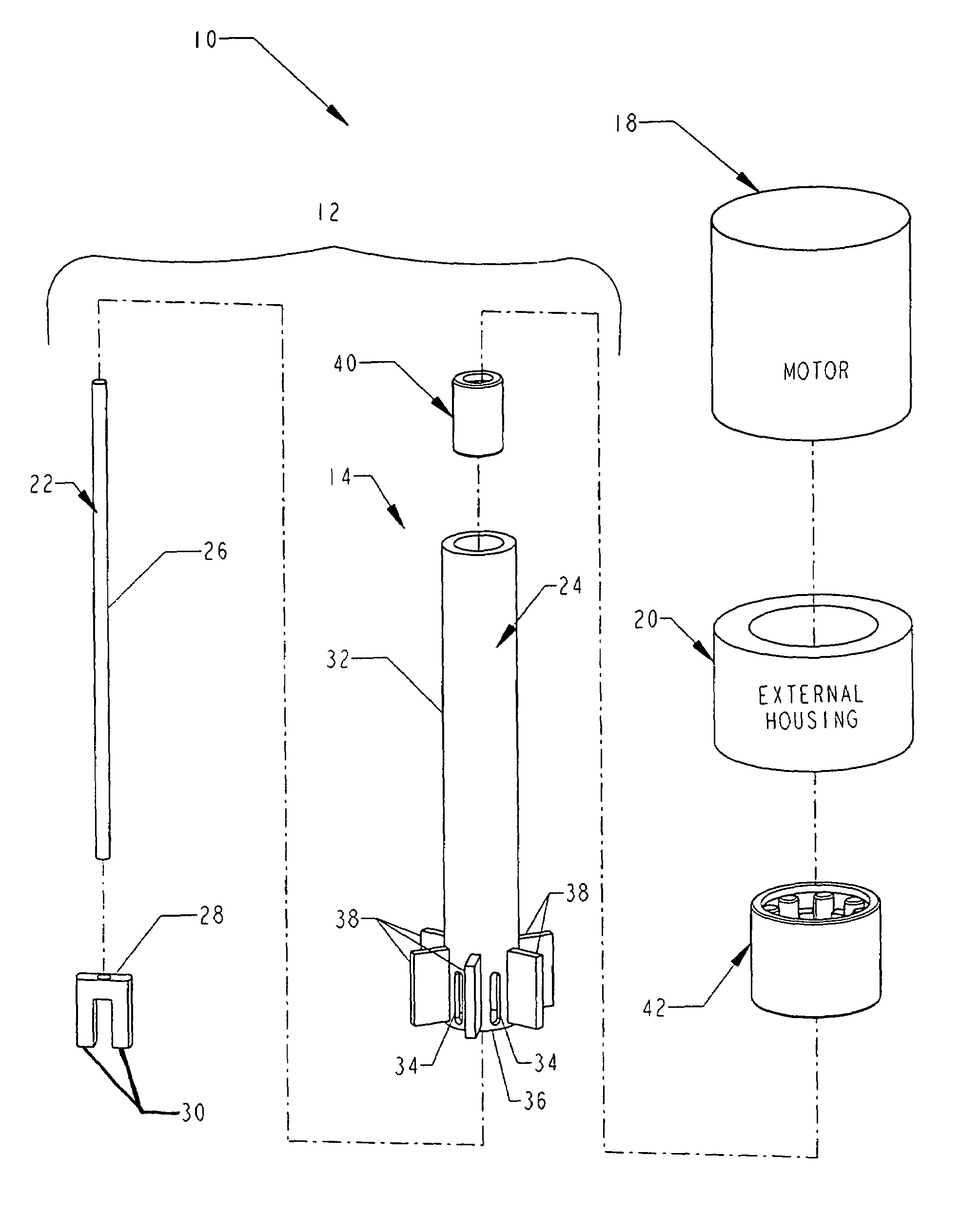
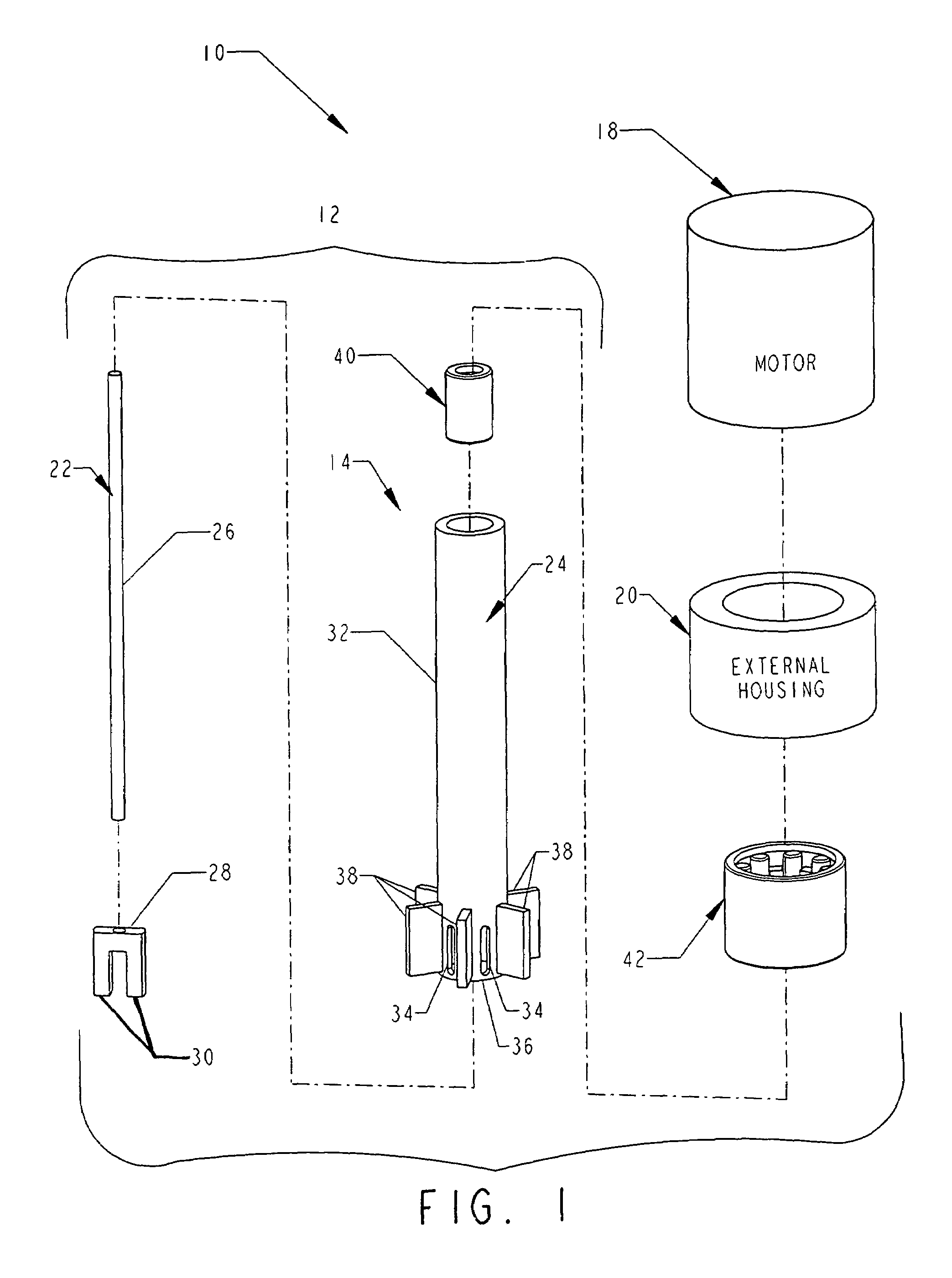
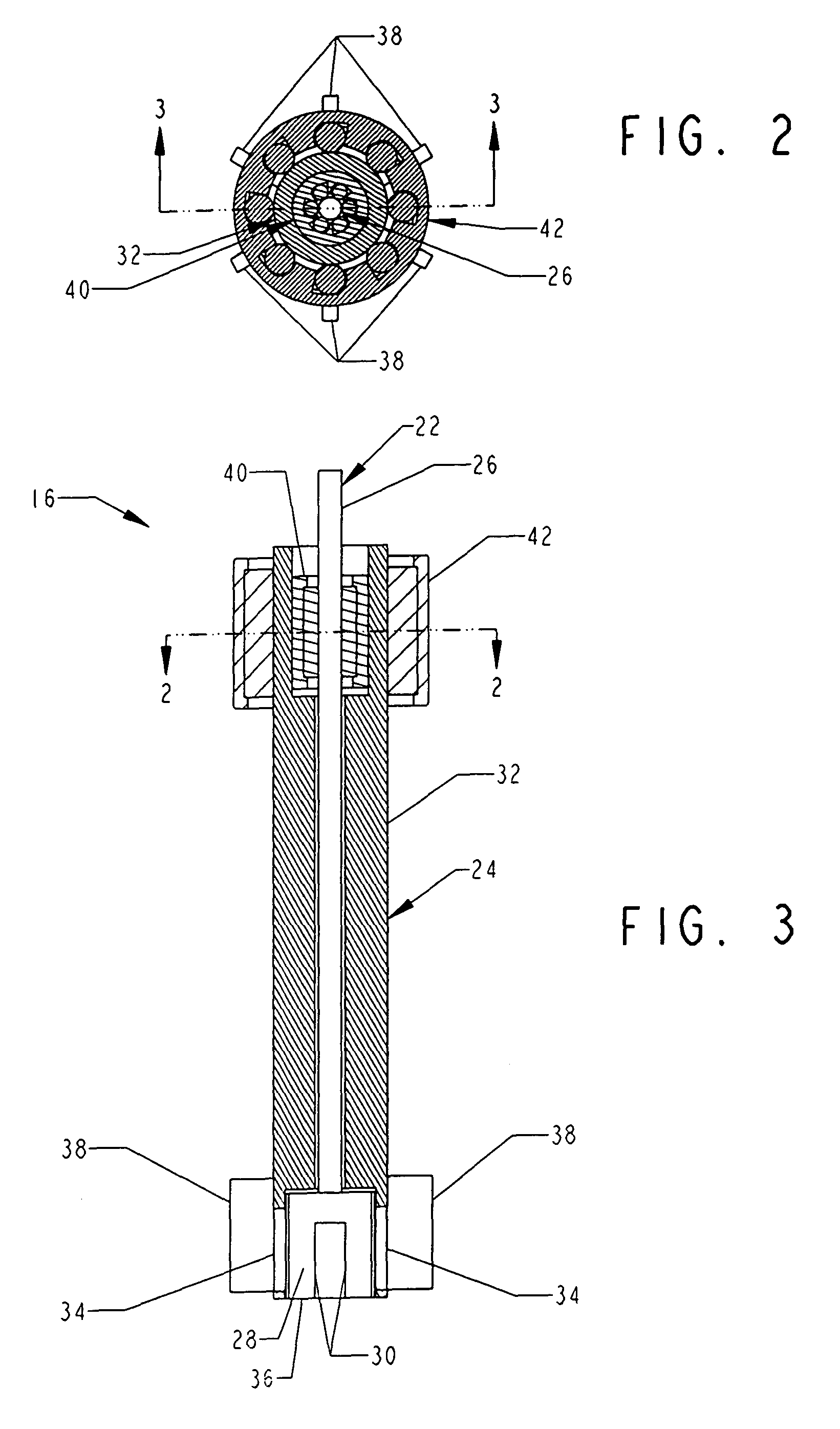
- A dual-mode device with a rotor and hollow member that can operate in high-shear homogenizing and low-shear mixing modes using a selective interlock assembly and reversible motor, allowing for micron-level particle size reduction without changing hardware.

Method for manufacturing emulsion paint
PatentActiveEP2663603A2
Innovation
- A method that involves treating degraded paint by adjusting its pH, specific gravity, solids content, and viscosity to restore its properties, using pH-adjusting materials, particulate solid matter, and preservatives, allowing for the recycling of degraded paint into a usable and consistent product.
Environmental Regulations for Paint Manufacturing Processes
The paint manufacturing industry operates under increasingly stringent environmental regulations that significantly impact the choice between sonication and low-shear mixing technologies. These regulations primarily focus on volatile organic compound (VOC) emissions, air quality standards, and waste minimization requirements that directly influence mixing process selection and operational parameters.
VOC emission standards represent the most critical regulatory consideration for paint manufacturers. The Environmental Protection Agency's National Emission Standards for Hazardous Air Pollutants (NESHAP) and similar international regulations establish strict limits on organic solvent emissions during manufacturing processes. Sonication technology often demonstrates superior performance in meeting these standards due to its ability to achieve effective dispersion at lower temperatures, thereby reducing solvent evaporation rates compared to conventional high-energy mixing methods.
Air quality regulations under the Clean Air Act and equivalent international frameworks mandate comprehensive emission monitoring and control systems. Low-shear mixing processes typically require longer processing times, potentially increasing cumulative emissions, while sonication's rapid processing capabilities can minimize exposure duration and reduce overall environmental impact. Manufacturers must implement continuous emission monitoring systems and maintain detailed records of mixing operations to demonstrate compliance.
Waste minimization regulations increasingly emphasize process efficiency and material utilization optimization. Sonication technology's precise energy delivery often results in reduced material waste and improved batch consistency, aligning with regulatory expectations for sustainable manufacturing practices. The technology's ability to achieve uniform dispersion with minimal thermal degradation supports compliance with waste reduction mandates.
Recent regulatory developments include enhanced requirements for process validation and environmental impact documentation. Manufacturers must demonstrate that their chosen mixing technology meets not only current standards but also anticipated future regulations. This regulatory trajectory favors advanced technologies like sonication that offer measurable environmental benefits and operational transparency.
Compliance costs associated with different mixing technologies vary significantly based on regulatory requirements. While sonication systems may require higher initial capital investment, their superior environmental performance often translates to reduced long-term compliance costs, including lower emission control system requirements and reduced regulatory reporting burdens.
VOC emission standards represent the most critical regulatory consideration for paint manufacturers. The Environmental Protection Agency's National Emission Standards for Hazardous Air Pollutants (NESHAP) and similar international regulations establish strict limits on organic solvent emissions during manufacturing processes. Sonication technology often demonstrates superior performance in meeting these standards due to its ability to achieve effective dispersion at lower temperatures, thereby reducing solvent evaporation rates compared to conventional high-energy mixing methods.
Air quality regulations under the Clean Air Act and equivalent international frameworks mandate comprehensive emission monitoring and control systems. Low-shear mixing processes typically require longer processing times, potentially increasing cumulative emissions, while sonication's rapid processing capabilities can minimize exposure duration and reduce overall environmental impact. Manufacturers must implement continuous emission monitoring systems and maintain detailed records of mixing operations to demonstrate compliance.
Waste minimization regulations increasingly emphasize process efficiency and material utilization optimization. Sonication technology's precise energy delivery often results in reduced material waste and improved batch consistency, aligning with regulatory expectations for sustainable manufacturing practices. The technology's ability to achieve uniform dispersion with minimal thermal degradation supports compliance with waste reduction mandates.
Recent regulatory developments include enhanced requirements for process validation and environmental impact documentation. Manufacturers must demonstrate that their chosen mixing technology meets not only current standards but also anticipated future regulations. This regulatory trajectory favors advanced technologies like sonication that offer measurable environmental benefits and operational transparency.
Compliance costs associated with different mixing technologies vary significantly based on regulatory requirements. While sonication systems may require higher initial capital investment, their superior environmental performance often translates to reduced long-term compliance costs, including lower emission control system requirements and reduced regulatory reporting burdens.
Quality Control Standards for Paint Homogeneity and Performance
Quality control standards for paint homogeneity and performance represent critical benchmarks that directly influence the selection between sonication and low-shear mixing technologies. These standards establish measurable criteria for particle size distribution, color consistency, viscosity uniformity, and long-term stability that manufacturers must achieve regardless of their chosen mixing methodology.
Particle size distribution standards typically require 95% of particles to fall within specified ranges, often between 0.1 to 50 micrometers depending on paint type. Sonication processes generally achieve tighter distribution curves with D90 values consistently below 10 micrometers, while low-shear mixing may produce broader distributions requiring multiple passes to meet specifications. Color uniformity standards mandate Delta E values below 0.5 for premium coatings, necessitating complete dispersion of pigment agglomerates.
Viscosity consistency requirements establish acceptable ranges typically within ±2% of target values across production batches. Low-shear mixing often demonstrates superior viscosity control due to gentler processing conditions that preserve polymer chain integrity, while sonication may require careful parameter optimization to prevent excessive molecular breakdown that could affect rheological properties.
Performance standards encompass adhesion strength, durability, and application characteristics that must remain consistent regardless of mixing method employed. ASTM D3359 cross-cut adhesion tests require minimum ratings of 4B for architectural coatings, while weathering resistance standards demand retention of 90% gloss and color stability after accelerated aging protocols.
Quality control protocols must account for the distinct characteristics each mixing technology imparts to final products. Sonication-processed paints often exhibit enhanced optical properties due to superior particle dispersion but may require modified testing procedures to evaluate potential ultrasonic-induced chemical changes. Low-shear mixed formulations typically demonstrate more predictable aging behavior, simplifying long-term performance validation.
Regulatory compliance standards, including VOC limits and heavy metal restrictions, apply equally to both mixing approaches but may influence technology selection based on processing efficiency and waste generation. Documentation requirements mandate traceability of mixing parameters, batch records, and quality test results to ensure consistent adherence to established performance criteria throughout production cycles.
Particle size distribution standards typically require 95% of particles to fall within specified ranges, often between 0.1 to 50 micrometers depending on paint type. Sonication processes generally achieve tighter distribution curves with D90 values consistently below 10 micrometers, while low-shear mixing may produce broader distributions requiring multiple passes to meet specifications. Color uniformity standards mandate Delta E values below 0.5 for premium coatings, necessitating complete dispersion of pigment agglomerates.
Viscosity consistency requirements establish acceptable ranges typically within ±2% of target values across production batches. Low-shear mixing often demonstrates superior viscosity control due to gentler processing conditions that preserve polymer chain integrity, while sonication may require careful parameter optimization to prevent excessive molecular breakdown that could affect rheological properties.
Performance standards encompass adhesion strength, durability, and application characteristics that must remain consistent regardless of mixing method employed. ASTM D3359 cross-cut adhesion tests require minimum ratings of 4B for architectural coatings, while weathering resistance standards demand retention of 90% gloss and color stability after accelerated aging protocols.
Quality control protocols must account for the distinct characteristics each mixing technology imparts to final products. Sonication-processed paints often exhibit enhanced optical properties due to superior particle dispersion but may require modified testing procedures to evaluate potential ultrasonic-induced chemical changes. Low-shear mixed formulations typically demonstrate more predictable aging behavior, simplifying long-term performance validation.
Regulatory compliance standards, including VOC limits and heavy metal restrictions, apply equally to both mixing approaches but may influence technology selection based on processing efficiency and waste generation. Documentation requirements mandate traceability of mixing parameters, batch records, and quality test results to ensure consistent adherence to established performance criteria throughout production cycles.
Unlock deeper insights with Patsnap Eureka Quick Research — get a full tech report to explore trends and direct your research. Try now!
Generate Your Research Report Instantly with AI Agent
Supercharge your innovation with Patsnap Eureka AI Agent Platform!