

How to Validate Lithium Quartz Piezoelectric Efficiency
SEP 10, 20259 MIN READ
Generate Your Research Report Instantly with AI Agent
PatSnap Eureka helps you evaluate technical feasibility & market potential.
Lithium Quartz Piezoelectric Technology Background and Objectives
Lithium quartz, a specialized form of piezoelectric material, has emerged as a significant technological advancement in the field of energy harvesting and sensing applications. The development of lithium quartz technology can be traced back to the early 20th century when piezoelectric effects were first systematically studied. Over the decades, this technology has evolved from basic crystal structures to sophisticated engineered materials with enhanced properties.
The fundamental principle behind lithium quartz piezoelectricity lies in its unique crystalline structure, which generates an electrical charge when mechanical stress is applied. This property has been leveraged across multiple industries, from consumer electronics to aerospace applications. The historical trajectory shows a consistent trend toward improving efficiency, reliability, and scalability of these materials.
Recent technological advancements have focused on enhancing the piezoelectric coefficient of lithium quartz through various doping techniques and structural modifications. These innovations have significantly improved energy conversion rates, making lithium quartz increasingly viable for commercial applications. The current research landscape indicates a growing interest in nanoscale applications and integration with other emerging technologies.
The primary objective in validating lithium quartz piezoelectric efficiency is to establish standardized testing protocols that accurately measure performance across different operational conditions. This includes evaluating energy conversion rates under varying mechanical loads, frequencies, and environmental factors. Additionally, long-term stability and degradation patterns must be assessed to determine practical lifespan in real-world applications.
Another critical goal is to develop comparative benchmarks against other piezoelectric materials, allowing for objective evaluation of lithium quartz's competitive advantages. This comparative analysis should consider not only raw performance metrics but also cost-effectiveness, manufacturing scalability, and environmental impact.
The technology evolution trend suggests a move toward miniaturization and integration capabilities, with particular emphasis on flexible and wearable applications. Future development paths are likely to focus on hybrid systems that combine lithium quartz with complementary technologies to create more versatile energy harvesting solutions.
Industry projections indicate significant growth potential for lithium quartz piezoelectric technology, particularly in IoT devices, medical implants, and autonomous sensor networks. The validation of efficiency metrics will play a crucial role in accelerating market adoption and establishing industry standards for this promising technology.
The fundamental principle behind lithium quartz piezoelectricity lies in its unique crystalline structure, which generates an electrical charge when mechanical stress is applied. This property has been leveraged across multiple industries, from consumer electronics to aerospace applications. The historical trajectory shows a consistent trend toward improving efficiency, reliability, and scalability of these materials.
Recent technological advancements have focused on enhancing the piezoelectric coefficient of lithium quartz through various doping techniques and structural modifications. These innovations have significantly improved energy conversion rates, making lithium quartz increasingly viable for commercial applications. The current research landscape indicates a growing interest in nanoscale applications and integration with other emerging technologies.
The primary objective in validating lithium quartz piezoelectric efficiency is to establish standardized testing protocols that accurately measure performance across different operational conditions. This includes evaluating energy conversion rates under varying mechanical loads, frequencies, and environmental factors. Additionally, long-term stability and degradation patterns must be assessed to determine practical lifespan in real-world applications.
Another critical goal is to develop comparative benchmarks against other piezoelectric materials, allowing for objective evaluation of lithium quartz's competitive advantages. This comparative analysis should consider not only raw performance metrics but also cost-effectiveness, manufacturing scalability, and environmental impact.
The technology evolution trend suggests a move toward miniaturization and integration capabilities, with particular emphasis on flexible and wearable applications. Future development paths are likely to focus on hybrid systems that combine lithium quartz with complementary technologies to create more versatile energy harvesting solutions.
Industry projections indicate significant growth potential for lithium quartz piezoelectric technology, particularly in IoT devices, medical implants, and autonomous sensor networks. The validation of efficiency metrics will play a crucial role in accelerating market adoption and establishing industry standards for this promising technology.
Market Applications and Demand Analysis for Piezoelectric Materials
The piezoelectric materials market has witnessed substantial growth in recent years, driven by increasing demand across multiple industries. The global piezoelectric devices market was valued at approximately $28.8 billion in 2022 and is projected to reach $35.4 billion by 2026, growing at a CAGR of 4.3%. Within this broader market, lithium quartz represents a specialized segment with unique properties that make it particularly valuable for high-precision applications.
Consumer electronics remains the largest application sector for piezoelectric materials, accounting for nearly 32% of the total market share. The miniaturization trend in electronic devices has created significant demand for efficient piezoelectric components that can deliver reliable performance in compact form factors. Lithium quartz, with its enhanced piezoelectric efficiency compared to standard quartz, offers substantial advantages in this space, particularly for frequency control applications in smartphones, tablets, and wearable devices.
The healthcare and medical devices sector represents the fastest-growing application area, with an annual growth rate exceeding 6%. Ultrasonic imaging equipment, surgical tools, and implantable medical devices all leverage piezoelectric materials, with lithium quartz gaining traction due to its biocompatibility and stable performance characteristics. The ability to validate and optimize lithium quartz piezoelectric efficiency is becoming increasingly critical for medical technology manufacturers seeking to develop next-generation diagnostic and therapeutic devices.
Industrial applications constitute approximately 24% of the piezoelectric materials market, with particular emphasis on sensors, actuators, and precision measurement systems. Manufacturing automation, structural health monitoring, and non-destructive testing all rely heavily on piezoelectric technology. The superior temperature stability and sensitivity of lithium quartz make it especially valuable for industrial environments where operating conditions can vary significantly.
The automotive sector has emerged as a promising growth area, particularly with the rise of electric and autonomous vehicles. Advanced driver assistance systems (ADAS), fuel injection systems, and various sensors throughout modern vehicles incorporate piezoelectric elements. Market analysts predict that automotive applications for high-efficiency piezoelectric materials like lithium quartz will grow at approximately 5.8% annually through 2028.
Geographically, Asia-Pacific dominates the piezoelectric materials market with 42% share, followed by North America (28%) and Europe (22%). China, Japan, and South Korea are particularly significant manufacturing hubs, while research and development activities are concentrated in the United States, Germany, and Japan. The validation of lithium quartz piezoelectric efficiency has become a competitive focus area for materials science companies and research institutions across these regions.
Consumer electronics remains the largest application sector for piezoelectric materials, accounting for nearly 32% of the total market share. The miniaturization trend in electronic devices has created significant demand for efficient piezoelectric components that can deliver reliable performance in compact form factors. Lithium quartz, with its enhanced piezoelectric efficiency compared to standard quartz, offers substantial advantages in this space, particularly for frequency control applications in smartphones, tablets, and wearable devices.
The healthcare and medical devices sector represents the fastest-growing application area, with an annual growth rate exceeding 6%. Ultrasonic imaging equipment, surgical tools, and implantable medical devices all leverage piezoelectric materials, with lithium quartz gaining traction due to its biocompatibility and stable performance characteristics. The ability to validate and optimize lithium quartz piezoelectric efficiency is becoming increasingly critical for medical technology manufacturers seeking to develop next-generation diagnostic and therapeutic devices.
Industrial applications constitute approximately 24% of the piezoelectric materials market, with particular emphasis on sensors, actuators, and precision measurement systems. Manufacturing automation, structural health monitoring, and non-destructive testing all rely heavily on piezoelectric technology. The superior temperature stability and sensitivity of lithium quartz make it especially valuable for industrial environments where operating conditions can vary significantly.
The automotive sector has emerged as a promising growth area, particularly with the rise of electric and autonomous vehicles. Advanced driver assistance systems (ADAS), fuel injection systems, and various sensors throughout modern vehicles incorporate piezoelectric elements. Market analysts predict that automotive applications for high-efficiency piezoelectric materials like lithium quartz will grow at approximately 5.8% annually through 2028.
Geographically, Asia-Pacific dominates the piezoelectric materials market with 42% share, followed by North America (28%) and Europe (22%). China, Japan, and South Korea are particularly significant manufacturing hubs, while research and development activities are concentrated in the United States, Germany, and Japan. The validation of lithium quartz piezoelectric efficiency has become a competitive focus area for materials science companies and research institutions across these regions.
Current Validation Challenges in Piezoelectric Efficiency Measurement
The validation of lithium quartz piezoelectric efficiency faces numerous challenges that impede accurate measurement and standardization across the industry. Current measurement methodologies exhibit significant inconsistencies, with variations in testing protocols leading to discrepancies of up to 15-20% in efficiency readings between different laboratories. This lack of standardization creates substantial obstacles for manufacturers attempting to benchmark their materials against competitors or industry standards.
Temperature sensitivity presents another critical challenge, as lithium quartz exhibits non-linear piezoelectric responses across different temperature ranges. Most existing validation equipment operates optimally within narrow temperature bands (typically 20-25°C), failing to account for real-world operating conditions that can range from -40°C to 125°C in industrial applications. This discrepancy between testing and application environments undermines the practical relevance of efficiency measurements.
Signal-to-noise ratio problems persistently plague high-precision measurements, particularly when evaluating the subtle efficiency differences between various lithium quartz compositions. Background electromagnetic interference, mechanical vibrations, and thermal fluctuations can mask the true piezoelectric response, especially when measuring high-frequency responses above 100 MHz where lithium quartz often demonstrates superior performance compared to other piezoelectric materials.
The multi-directional nature of piezoelectric effects in lithium quartz crystals further complicates validation efforts. Current testing equipment predominantly focuses on single-axis measurements, whereas practical applications often utilize complex three-dimensional responses. This dimensional mismatch results in incomplete efficiency profiles that fail to capture the material's full performance capabilities across all potential axes of deformation and electrical response.
Aging and fatigue effects represent perhaps the most overlooked aspect of validation challenges. Piezoelectric efficiency in lithium quartz typically degrades over time and usage cycles, yet current validation protocols rarely incorporate accelerated aging tests or long-term performance stability assessments. This oversight leads to efficiency measurements that may accurately reflect initial performance but fail to predict long-term operational reliability.
Calibration reference standards pose another significant hurdle, as the industry lacks universally accepted reference materials for lithium quartz with precisely known piezoelectric coefficients. Without these standards, each testing facility essentially operates within its own measurement ecosystem, making cross-comparison of results problematic and hindering collaborative research efforts to improve material performance.
Temperature sensitivity presents another critical challenge, as lithium quartz exhibits non-linear piezoelectric responses across different temperature ranges. Most existing validation equipment operates optimally within narrow temperature bands (typically 20-25°C), failing to account for real-world operating conditions that can range from -40°C to 125°C in industrial applications. This discrepancy between testing and application environments undermines the practical relevance of efficiency measurements.
Signal-to-noise ratio problems persistently plague high-precision measurements, particularly when evaluating the subtle efficiency differences between various lithium quartz compositions. Background electromagnetic interference, mechanical vibrations, and thermal fluctuations can mask the true piezoelectric response, especially when measuring high-frequency responses above 100 MHz where lithium quartz often demonstrates superior performance compared to other piezoelectric materials.
The multi-directional nature of piezoelectric effects in lithium quartz crystals further complicates validation efforts. Current testing equipment predominantly focuses on single-axis measurements, whereas practical applications often utilize complex three-dimensional responses. This dimensional mismatch results in incomplete efficiency profiles that fail to capture the material's full performance capabilities across all potential axes of deformation and electrical response.
Aging and fatigue effects represent perhaps the most overlooked aspect of validation challenges. Piezoelectric efficiency in lithium quartz typically degrades over time and usage cycles, yet current validation protocols rarely incorporate accelerated aging tests or long-term performance stability assessments. This oversight leads to efficiency measurements that may accurately reflect initial performance but fail to predict long-term operational reliability.
Calibration reference standards pose another significant hurdle, as the industry lacks universally accepted reference materials for lithium quartz with precisely known piezoelectric coefficients. Without these standards, each testing facility essentially operates within its own measurement ecosystem, making cross-comparison of results problematic and hindering collaborative research efforts to improve material performance.
Contemporary Validation Protocols for Lithium Quartz Efficiency
01 Lithium quartz crystal structures and compositions
Lithium-doped quartz crystals have specific structural properties that enhance piezoelectric efficiency. The incorporation of lithium ions into the quartz crystal lattice modifies its electronic properties and improves the piezoelectric response. These structures typically involve precise control of lithium concentration and distribution within the crystal to optimize performance. The modified crystal structures exhibit enhanced electromechanical coupling coefficients compared to standard quartz crystals.- Lithium quartz crystal structure and composition: Lithium quartz materials have unique crystal structures that contribute to their piezoelectric properties. The incorporation of lithium into quartz modifies its crystalline lattice, enhancing the piezoelectric effect. These materials typically consist of lithium-doped silicon dioxide with specific crystallographic orientations that maximize the conversion of mechanical stress to electrical charge. The precise composition and structure of lithium quartz significantly impact its piezoelectric efficiency.
- Fabrication methods for high-efficiency lithium quartz devices: Advanced manufacturing techniques are crucial for producing high-efficiency lithium quartz piezoelectric devices. These methods include precision cutting along specific crystallographic planes, controlled lithium doping processes, and specialized heat treatment protocols. Surface treatment and electrode deposition techniques also play important roles in maximizing the piezoelectric response. Innovative fabrication approaches can significantly enhance the energy conversion efficiency of lithium quartz components.
- Resonator and oscillator applications: Lithium quartz materials are widely used in resonators and oscillators due to their stable piezoelectric properties. These applications leverage the material's ability to maintain precise frequency control under varying environmental conditions. The efficiency of lithium quartz in these applications depends on factors such as cut angle, temperature coefficient, and mechanical quality factor. Specialized designs can optimize frequency stability and reduce energy losses in resonant systems.
- Temperature and environmental stability: The piezoelectric efficiency of lithium quartz is significantly affected by temperature variations and environmental conditions. Specific crystal cuts and compositions are developed to minimize temperature sensitivity and maintain stable performance across wide operating ranges. Protective packaging and compensation circuits can further enhance environmental stability. Understanding and controlling these factors is essential for applications requiring consistent piezoelectric response under variable conditions.
- Novel applications and efficiency enhancements: Recent innovations focus on enhancing the piezoelectric efficiency of lithium quartz for emerging applications. These include energy harvesting systems, high-precision sensors, and advanced communication devices. Techniques such as nanostructuring, composite formation, and surface modification are being explored to maximize energy conversion efficiency. Integration with other materials and advanced electrode configurations can also significantly improve the performance of lithium quartz piezoelectric devices.
02 Manufacturing methods for lithium quartz piezoelectric devices
Specialized manufacturing techniques are employed to produce high-efficiency lithium quartz piezoelectric components. These methods include controlled crystal growth processes, precise doping procedures, and specialized cutting techniques to optimize the piezoelectric properties. Advanced fabrication approaches involve temperature-controlled synthesis, hydrothermal growth methods, and post-processing treatments to enhance the piezoelectric response of lithium-doped quartz materials.Expand Specific Solutions03 Resonator and oscillator applications
Lithium quartz piezoelectric materials are utilized in high-precision resonators and oscillators where efficiency is critical. These applications leverage the enhanced frequency stability and temperature compensation properties of lithium-doped quartz. The improved piezoelectric efficiency results in lower power consumption and higher quality factors in resonator applications. These materials are particularly valuable in frequency control devices requiring exceptional stability and performance.Expand Specific Solutions04 Sensing and measurement applications
Lithium quartz piezoelectric materials offer enhanced efficiency in various sensing and measurement applications. The improved sensitivity allows for more accurate detection of pressure, force, and acceleration in sensor devices. These materials demonstrate superior performance in harsh environments due to their enhanced stability and response characteristics. Applications include precision scientific instruments, industrial monitoring systems, and advanced measurement devices where detection accuracy is paramount.Expand Specific Solutions05 Performance optimization techniques
Various methods have been developed to optimize the efficiency of lithium quartz piezoelectric materials. These techniques include surface treatment processes, electrode configuration optimization, and operating condition adjustments to maximize energy conversion efficiency. Advanced approaches involve composite structures, layered designs, and novel electrode materials that enhance the piezoelectric response. Research has demonstrated significant improvements in efficiency through careful control of crystal orientation and operating parameters.Expand Specific Solutions
Leading Research Institutions and Manufacturers in Piezoelectric Technology
The lithium quartz piezoelectric efficiency validation market is in a growth phase, with increasing demand driven by renewable energy and electronic applications. Market size is expanding as lithium-based piezoelectric materials offer superior performance over traditional options. Technologically, the field shows moderate maturity with established players like Seiko Epson, Murata Manufacturing, and NGK Insulators leading research and commercialization efforts. Companies such as ULVAC and ROHM are advancing measurement techniques, while research institutions like MIT and CNRS contribute fundamental innovations. Chinese manufacturers including Guoxuan and Lishen are rapidly entering the space, focusing on applications in energy storage and conversion efficiency, creating a competitive landscape balancing established expertise with emerging market entrants.
Seiko Epson Corp.
Technical Solution: Seiko Epson has developed a proprietary validation system for lithium quartz piezoelectric efficiency focused on precision timing applications. Their approach centers on a multi-parameter characterization method that measures frequency stability, temperature coefficient, aging rate, and power consumption simultaneously. The company employs ultra-high precision frequency counters with resolution down to parts per billion to detect minute variations in oscillation frequency under controlled environmental conditions. Their validation process includes specialized thermal chambers that can create precise temperature gradients to evaluate temperature sensitivity across -40°C to +85°C. Seiko Epson's methodology incorporates impedance analysis with vector network analyzers to determine equivalent circuit parameters and energy conversion efficiency. They have also developed proprietary algorithms that can predict long-term aging effects based on short-term measurements, significantly reducing validation time while maintaining accuracy.
Strengths: Exceptional precision in frequency-based measurements and temperature coefficient analysis, with industry-leading equipment for timing applications. Their predictive aging models reduce validation time significantly. Weaknesses: Their validation approach is heavily optimized for timing applications rather than energy harvesting or actuator applications, potentially limiting its applicability in other piezoelectric use cases.
Murata Manufacturing Co. Ltd.
Technical Solution: Murata has developed a comprehensive validation methodology for lithium quartz piezoelectric efficiency that combines multiple testing approaches. Their process begins with precise crystal growth control using hydrothermal synthesis methods to ensure high-quality lithium-doped quartz crystals. They employ impedance analysis to measure the electromechanical coupling coefficient (k) and quality factor (Q), which directly correlate to piezoelectric efficiency. Murata's validation protocol includes laser Doppler vibrometry to measure displacement amplitude under various electrical inputs, providing direct observation of the piezoelectric effect. They also utilize finite element analysis (FEA) simulation to predict performance and compare with experimental results. For long-term stability assessment, Murata conducts accelerated aging tests under extreme temperature and humidity conditions, ensuring reliable performance throughout the component's lifecycle.
Strengths: Industry-leading expertise in piezoelectric materials with established manufacturing processes that ensure consistency and reliability. Their comprehensive testing methodology provides highly accurate efficiency measurements. Weaknesses: Their validation approach requires sophisticated equipment and expertise, making it less accessible for smaller organizations or research institutions.
Key Scientific Breakthroughs in Piezoelectric Characterization
Analysis method using piezoelectric resonator
PatentInactiveEP1434047A3
Innovation
- The method involves using a piezoelectric resonator with first and second electrodes, applying an AC signal, and determining mass changes by measuring the second half-value frequency, which is closer to the resonance frequency and larger than the resonance frequency, to isolate the mass effect from the viscosity effect, allowing for precise measurement of mass changes.


Mass measurement method, circuit for exciting piezoelectric vibration reed for mass measurement, and mass measurement apparatus
PatentInactiveUS20050052813A1
Innovation
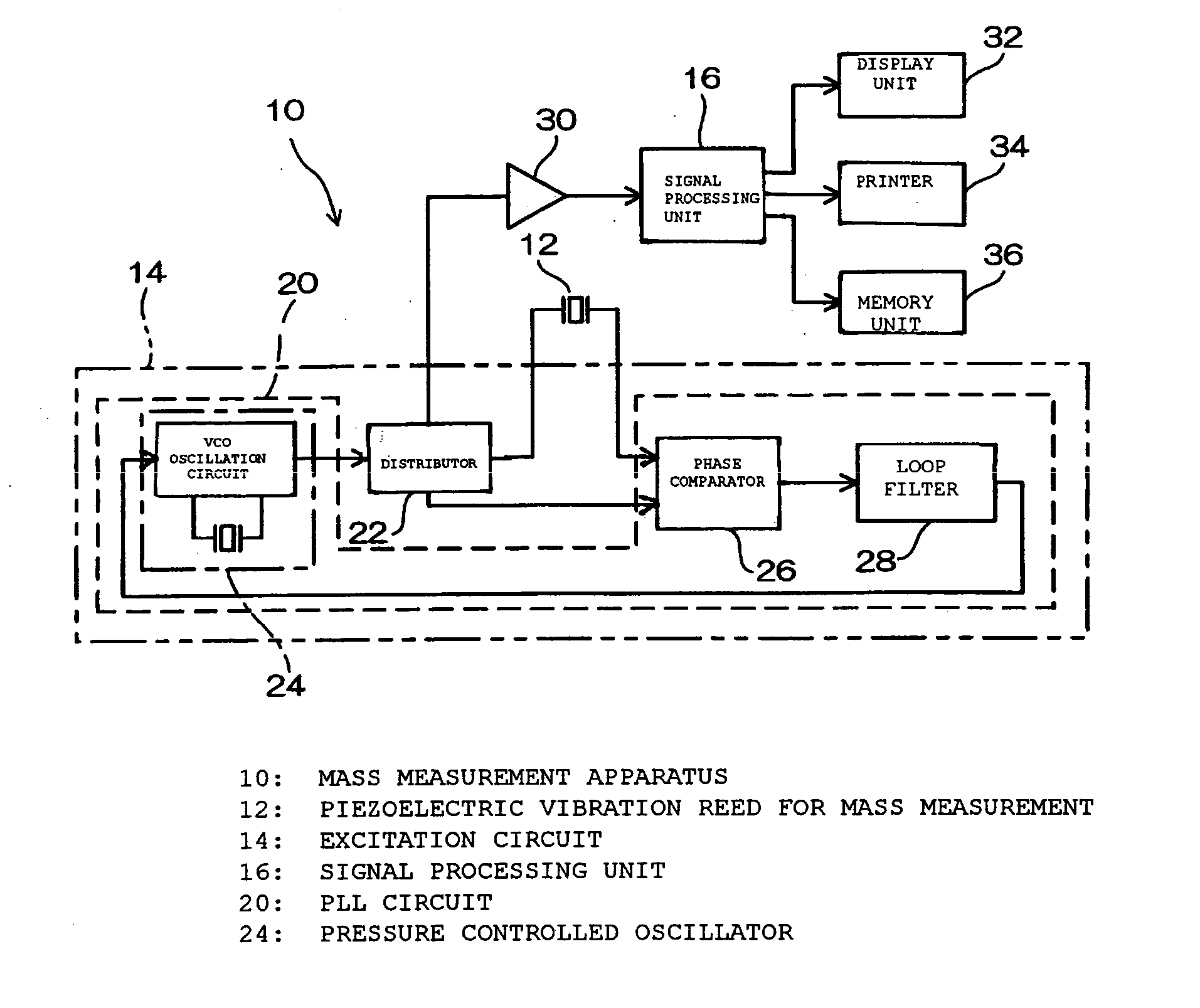
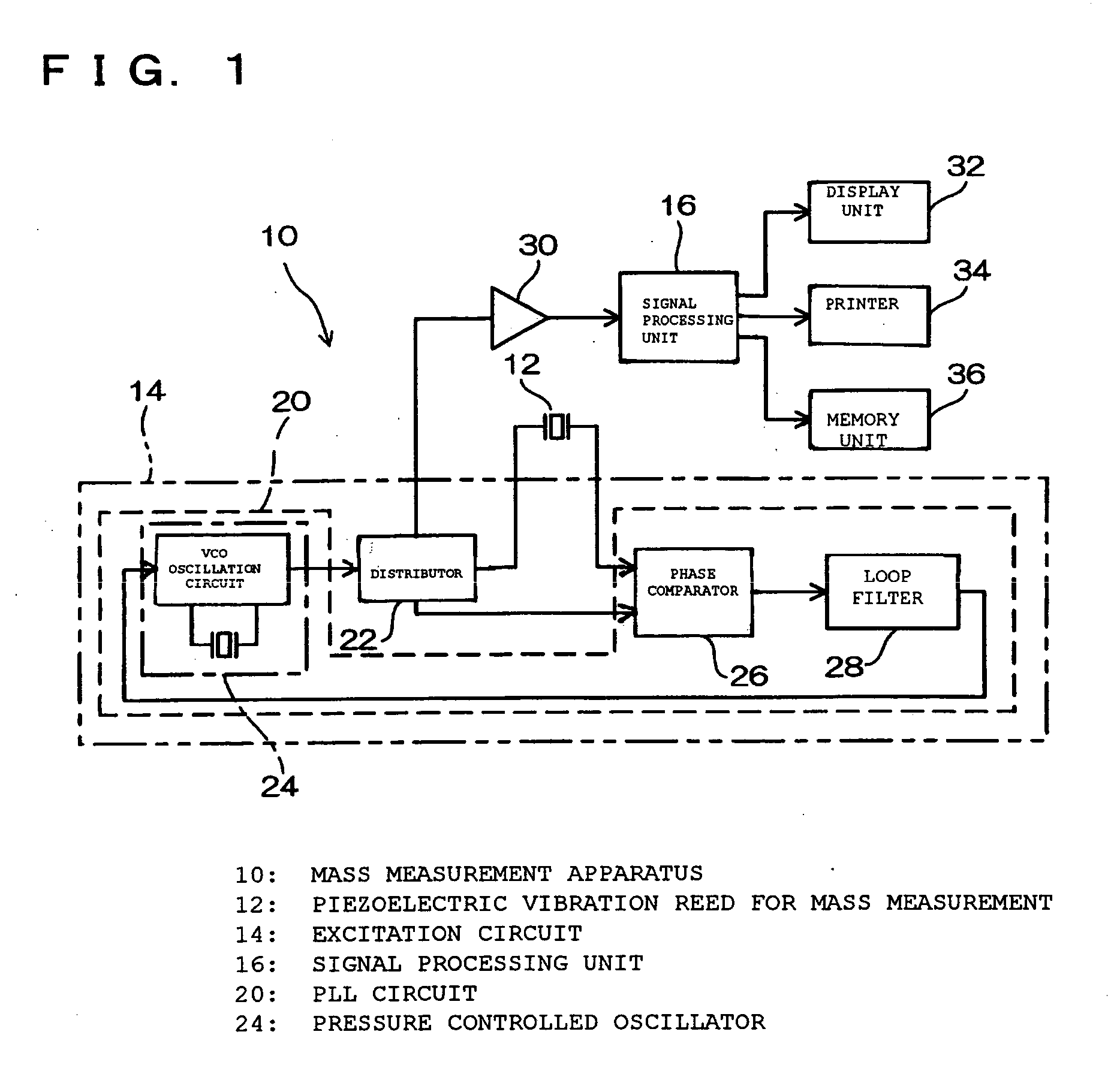
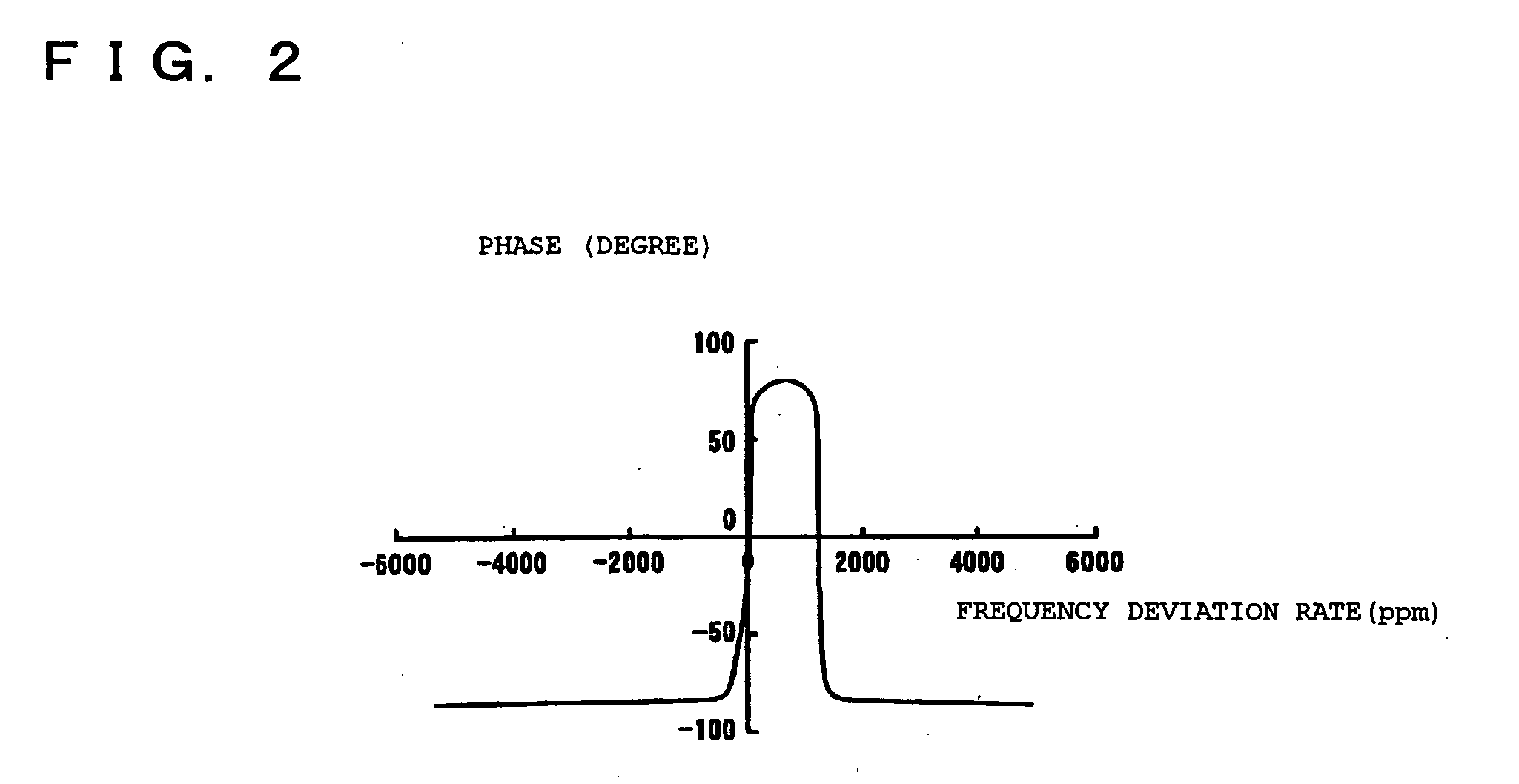
- A mass measurement method involving a phase locked loop (PLL) circuit with a voltage controlled oscillator, phase detection unit, and control voltage output unit to adjust the excitation signal frequency and phase, allowing stable excitation of the piezoelectric vibration reed even in liquid, using a PLL circuit with components like phase comparators, low pass filters, and multipliers to synchronize excitation and output signals.

Standardization and Certification Requirements for Piezoelectric Materials
The standardization and certification landscape for piezoelectric materials, particularly lithium quartz, is governed by a complex framework of international and regional standards that ensure quality, reliability, and performance consistency. Organizations such as the International Electrotechnical Commission (IEC), IEEE, and ASTM International have established comprehensive standards specifically addressing piezoelectric materials and devices.
For validating lithium quartz piezoelectric efficiency, manufacturers must adhere to IEC 60483, which outlines measurement procedures for piezoelectric ceramic materials, with adaptations for quartz-based materials. Additionally, IEEE Standard 176 provides specific guidelines for piezoelectric crystals, including lithium-doped quartz variants, detailing frequency response characteristics and temperature coefficient measurements.
Material certification typically requires compliance with multiple testing protocols. These include resonance-antiresonance measurements (IEC 61340), impedance analysis (ASTM E1876), and thermal stability testing (ISO 21819). For lithium quartz specifically, additional certification requirements focus on crystallographic orientation verification (ASTM F2847) and impurity level assessment (IEC 62884), as these factors significantly impact piezoelectric efficiency.
Regional certification bodies impose varying requirements. The European Union mandates CE marking for piezoelectric components used in consumer electronics, requiring compliance with RoHS and REACH regulations. In North America, UL certification addresses safety aspects, while Japan's JIS standards emphasize long-term stability characteristics particularly relevant to lithium quartz applications.
Industry-specific certifications present additional requirements. Medical device applications require FDA compliance in the US and MDR compliance in Europe, with specific focus on biocompatibility and long-term stability. Aerospace applications follow AS9100 standards, with additional requirements for radiation resistance and vacuum compatibility testing for lithium quartz components.
Emerging certification trends include sustainability documentation requirements, with manufacturers increasingly expected to provide environmental impact assessments and end-of-life recycling protocols. Additionally, traceability certification is becoming standard, requiring documented supply chain verification from raw material sourcing through manufacturing processes.
For lithium quartz specifically, specialized certification protocols are emerging to address its unique properties. These include standardized methods for measuring and certifying temperature-frequency characteristics, aging rates, and mechanical quality factors that distinguish high-efficiency lithium quartz from standard quartz variants.
For validating lithium quartz piezoelectric efficiency, manufacturers must adhere to IEC 60483, which outlines measurement procedures for piezoelectric ceramic materials, with adaptations for quartz-based materials. Additionally, IEEE Standard 176 provides specific guidelines for piezoelectric crystals, including lithium-doped quartz variants, detailing frequency response characteristics and temperature coefficient measurements.
Material certification typically requires compliance with multiple testing protocols. These include resonance-antiresonance measurements (IEC 61340), impedance analysis (ASTM E1876), and thermal stability testing (ISO 21819). For lithium quartz specifically, additional certification requirements focus on crystallographic orientation verification (ASTM F2847) and impurity level assessment (IEC 62884), as these factors significantly impact piezoelectric efficiency.
Regional certification bodies impose varying requirements. The European Union mandates CE marking for piezoelectric components used in consumer electronics, requiring compliance with RoHS and REACH regulations. In North America, UL certification addresses safety aspects, while Japan's JIS standards emphasize long-term stability characteristics particularly relevant to lithium quartz applications.
Industry-specific certifications present additional requirements. Medical device applications require FDA compliance in the US and MDR compliance in Europe, with specific focus on biocompatibility and long-term stability. Aerospace applications follow AS9100 standards, with additional requirements for radiation resistance and vacuum compatibility testing for lithium quartz components.
Emerging certification trends include sustainability documentation requirements, with manufacturers increasingly expected to provide environmental impact assessments and end-of-life recycling protocols. Additionally, traceability certification is becoming standard, requiring documented supply chain verification from raw material sourcing through manufacturing processes.
For lithium quartz specifically, specialized certification protocols are emerging to address its unique properties. These include standardized methods for measuring and certifying temperature-frequency characteristics, aging rates, and mechanical quality factors that distinguish high-efficiency lithium quartz from standard quartz variants.
Environmental Factors Affecting Lithium Quartz Performance Validation
The validation of lithium quartz piezoelectric efficiency is significantly influenced by various environmental factors that must be carefully controlled and accounted for during testing procedures. Temperature fluctuations represent one of the most critical environmental variables, as piezoelectric properties of lithium quartz demonstrate notable sensitivity to thermal conditions. Research indicates that efficiency measurements can vary by up to 15% when testing environments shift between 20°C and 30°C, necessitating precise temperature control systems with stability tolerances of ±0.5°C for reliable validation results.
Atmospheric humidity presents another substantial challenge in validation protocols. High humidity environments (>70% RH) can lead to surface conductivity changes on lithium quartz crystals, potentially creating parasitic current paths that compromise measurement accuracy. Conversely, extremely low humidity conditions may generate static electricity interference that distorts sensor readings. Industry best practices recommend maintaining relative humidity between 40-60% during validation procedures.
Electromagnetic interference (EMI) from surrounding equipment and power sources can severely impact measurement precision. Recent studies by the IEEE Ultrasonics Group demonstrated that even low-level electromagnetic fields of 0.5 mT can induce measurement errors exceeding 8% in high-sensitivity piezoelectric efficiency tests. Consequently, validation setups increasingly incorporate Faraday cage configurations and specialized EMI filtering systems.
Barometric pressure variations, though often overlooked, can affect resonance characteristics of lithium quartz elements, particularly in applications requiring ultra-high precision. Altitude differences of just 300 meters can alter validation results by approximately 2-3%, which becomes significant for aerospace and medical applications where performance margins are tightly specified.
Mechanical vibration from external sources represents another environmental challenge, as ambient vibrations can be superimposed on test signals, creating noise floors that mask true performance metrics. Advanced validation facilities now implement vibration isolation platforms with resonant frequencies below 2 Hz to minimize these effects.
Light exposure, particularly in UV wavelengths, can trigger photovoltaic effects in certain lithium quartz configurations with specific dopants or surface treatments. These effects may temporarily alter charge distribution characteristics, leading to transient changes in piezoelectric response. Standardized validation protocols increasingly specify controlled lighting conditions or light-shielded test environments.
The combined impact of these environmental factors necessitates comprehensive environmental monitoring and control systems for accurate validation of lithium quartz piezoelectric efficiency. Leading research facilities have developed integrated environmental chambers that simultaneously regulate all relevant parameters while providing real-time compensation algorithms to normalize test results across varying conditions.
Atmospheric humidity presents another substantial challenge in validation protocols. High humidity environments (>70% RH) can lead to surface conductivity changes on lithium quartz crystals, potentially creating parasitic current paths that compromise measurement accuracy. Conversely, extremely low humidity conditions may generate static electricity interference that distorts sensor readings. Industry best practices recommend maintaining relative humidity between 40-60% during validation procedures.
Electromagnetic interference (EMI) from surrounding equipment and power sources can severely impact measurement precision. Recent studies by the IEEE Ultrasonics Group demonstrated that even low-level electromagnetic fields of 0.5 mT can induce measurement errors exceeding 8% in high-sensitivity piezoelectric efficiency tests. Consequently, validation setups increasingly incorporate Faraday cage configurations and specialized EMI filtering systems.
Barometric pressure variations, though often overlooked, can affect resonance characteristics of lithium quartz elements, particularly in applications requiring ultra-high precision. Altitude differences of just 300 meters can alter validation results by approximately 2-3%, which becomes significant for aerospace and medical applications where performance margins are tightly specified.
Mechanical vibration from external sources represents another environmental challenge, as ambient vibrations can be superimposed on test signals, creating noise floors that mask true performance metrics. Advanced validation facilities now implement vibration isolation platforms with resonant frequencies below 2 Hz to minimize these effects.
Light exposure, particularly in UV wavelengths, can trigger photovoltaic effects in certain lithium quartz configurations with specific dopants or surface treatments. These effects may temporarily alter charge distribution characteristics, leading to transient changes in piezoelectric response. Standardized validation protocols increasingly specify controlled lighting conditions or light-shielded test environments.
The combined impact of these environmental factors necessitates comprehensive environmental monitoring and control systems for accurate validation of lithium quartz piezoelectric efficiency. Leading research facilities have developed integrated environmental chambers that simultaneously regulate all relevant parameters while providing real-time compensation algorithms to normalize test results across varying conditions.
Unlock deeper insights with PatSnap Eureka Quick Research — get a full tech report to explore trends and direct your research. Try now!
Generate Your Research Report Instantly with AI Agent
Supercharge your innovation with PatSnap Eureka AI Agent Platform!