

Integrating Artificial Intelligence in Magnetocaloric Research
APR 24, 20269 MIN READ
Generate Your Research Report Instantly with AI Agent
PatSnap Eureka helps you evaluate technical feasibility & market potential.
AI-Magnetocaloric Integration Background and Objectives
Magnetocaloric materials represent a promising frontier in sustainable cooling technologies, offering potential alternatives to conventional vapor-compression refrigeration systems. These materials exhibit temperature changes when subjected to varying magnetic fields, enabling solid-state cooling applications with superior energy efficiency and environmental compatibility. However, the discovery and optimization of high-performance magnetocaloric materials have traditionally relied on empirical approaches and time-intensive experimental processes.
The integration of artificial intelligence into magnetocaloric research emerges as a transformative paradigm that addresses fundamental challenges in materials discovery and characterization. Traditional research methodologies in this field face significant limitations, including the vast compositional space of potential materials, complex structure-property relationships, and the need for extensive experimental validation. The combinatorial nature of materials design creates an exponentially large search space that conventional approaches cannot efficiently navigate.
Artificial intelligence technologies, particularly machine learning algorithms and data-driven modeling approaches, offer unprecedented capabilities to accelerate magnetocaloric materials research. These computational tools can process vast datasets, identify hidden patterns in materials properties, and predict performance characteristics with remarkable accuracy. The convergence of AI methodologies with magnetocaloric research represents a strategic opportunity to revolutionize the field's research paradigms.
The primary objective of AI-magnetocaloric integration centers on establishing predictive frameworks that can rapidly identify promising material compositions and optimize their magnetocaloric properties. This involves developing sophisticated algorithms capable of correlating structural features, chemical compositions, and processing parameters with desired cooling performance metrics. Advanced machine learning models can potentially reduce the time and cost associated with materials discovery by orders of magnitude.
Furthermore, the integration aims to create comprehensive databases that consolidate experimental and theoretical magnetocaloric data, enabling more robust AI model training and validation. These repositories will serve as foundational resources for developing increasingly accurate predictive models and facilitating collaborative research efforts across the global magnetocaloric community.
The ultimate goal encompasses establishing autonomous research workflows where AI systems can propose novel material candidates, predict their properties, and guide experimental validation processes. This integrated approach promises to accelerate the development of next-generation magnetocaloric materials for practical cooling applications, contributing to global sustainability objectives and energy efficiency improvements.
The integration of artificial intelligence into magnetocaloric research emerges as a transformative paradigm that addresses fundamental challenges in materials discovery and characterization. Traditional research methodologies in this field face significant limitations, including the vast compositional space of potential materials, complex structure-property relationships, and the need for extensive experimental validation. The combinatorial nature of materials design creates an exponentially large search space that conventional approaches cannot efficiently navigate.
Artificial intelligence technologies, particularly machine learning algorithms and data-driven modeling approaches, offer unprecedented capabilities to accelerate magnetocaloric materials research. These computational tools can process vast datasets, identify hidden patterns in materials properties, and predict performance characteristics with remarkable accuracy. The convergence of AI methodologies with magnetocaloric research represents a strategic opportunity to revolutionize the field's research paradigms.
The primary objective of AI-magnetocaloric integration centers on establishing predictive frameworks that can rapidly identify promising material compositions and optimize their magnetocaloric properties. This involves developing sophisticated algorithms capable of correlating structural features, chemical compositions, and processing parameters with desired cooling performance metrics. Advanced machine learning models can potentially reduce the time and cost associated with materials discovery by orders of magnitude.
Furthermore, the integration aims to create comprehensive databases that consolidate experimental and theoretical magnetocaloric data, enabling more robust AI model training and validation. These repositories will serve as foundational resources for developing increasingly accurate predictive models and facilitating collaborative research efforts across the global magnetocaloric community.
The ultimate goal encompasses establishing autonomous research workflows where AI systems can propose novel material candidates, predict their properties, and guide experimental validation processes. This integrated approach promises to accelerate the development of next-generation magnetocaloric materials for practical cooling applications, contributing to global sustainability objectives and energy efficiency improvements.
Market Demand for AI-Enhanced Magnetocaloric Applications
The magnetocaloric effect has emerged as a promising technology for next-generation cooling systems, driven by increasing global demand for energy-efficient and environmentally sustainable refrigeration solutions. Traditional vapor-compression refrigeration systems consume substantial electrical energy and rely on refrigerants with high global warming potential, creating urgent market pressure for alternative cooling technologies. The integration of artificial intelligence into magnetocaloric research addresses critical market needs by accelerating material discovery, optimizing system performance, and reducing development costs.
Energy efficiency regulations worldwide are becoming increasingly stringent, particularly in the European Union and North America, where new standards mandate significant reductions in energy consumption for cooling applications. The residential and commercial HVAC sectors represent the largest potential market for AI-enhanced magnetocaloric systems, as building owners seek solutions that can achieve superior energy performance while meeting environmental compliance requirements.
The automotive industry presents another significant market opportunity, where AI-optimized magnetocaloric cooling systems could replace traditional air conditioning units in electric vehicles. This application is particularly valuable as automotive manufacturers prioritize extending battery range and reducing vehicle weight. AI algorithms can optimize magnetocaloric material selection and system design specifically for automotive thermal management requirements.
Industrial process cooling represents a specialized but high-value market segment where AI-enhanced magnetocaloric applications can deliver substantial operational benefits. Manufacturing facilities requiring precise temperature control, such as pharmaceutical production and data centers, demand cooling solutions that offer both reliability and energy efficiency. AI integration enables predictive maintenance capabilities and real-time performance optimization that traditional cooling systems cannot provide.
The medical and laboratory equipment sector shows growing interest in magnetocaloric cooling technology, particularly for applications requiring vibration-free operation and precise temperature stability. AI enhancement allows for sophisticated control algorithms that can maintain extremely stable thermal conditions while adapting to varying heat loads.
Market adoption barriers include initial capital costs and the need for specialized maintenance expertise. However, AI integration helps address these challenges by enabling remote monitoring, automated diagnostics, and predictive maintenance scheduling, which reduce operational complexity and long-term costs for end users.
Energy efficiency regulations worldwide are becoming increasingly stringent, particularly in the European Union and North America, where new standards mandate significant reductions in energy consumption for cooling applications. The residential and commercial HVAC sectors represent the largest potential market for AI-enhanced magnetocaloric systems, as building owners seek solutions that can achieve superior energy performance while meeting environmental compliance requirements.
The automotive industry presents another significant market opportunity, where AI-optimized magnetocaloric cooling systems could replace traditional air conditioning units in electric vehicles. This application is particularly valuable as automotive manufacturers prioritize extending battery range and reducing vehicle weight. AI algorithms can optimize magnetocaloric material selection and system design specifically for automotive thermal management requirements.
Industrial process cooling represents a specialized but high-value market segment where AI-enhanced magnetocaloric applications can deliver substantial operational benefits. Manufacturing facilities requiring precise temperature control, such as pharmaceutical production and data centers, demand cooling solutions that offer both reliability and energy efficiency. AI integration enables predictive maintenance capabilities and real-time performance optimization that traditional cooling systems cannot provide.
The medical and laboratory equipment sector shows growing interest in magnetocaloric cooling technology, particularly for applications requiring vibration-free operation and precise temperature stability. AI enhancement allows for sophisticated control algorithms that can maintain extremely stable thermal conditions while adapting to varying heat loads.
Market adoption barriers include initial capital costs and the need for specialized maintenance expertise. However, AI integration helps address these challenges by enabling remote monitoring, automated diagnostics, and predictive maintenance scheduling, which reduce operational complexity and long-term costs for end users.
Current AI Implementation Status in Magnetocaloric Research
The integration of artificial intelligence in magnetocaloric research has gained significant momentum over the past decade, with researchers increasingly recognizing AI's potential to accelerate materials discovery and optimize cooling system designs. Current implementation levels vary considerably across different research institutions and industrial applications, ranging from basic data analysis tools to sophisticated machine learning frameworks for materials prediction.
Machine learning algorithms are now routinely employed for analyzing large datasets generated from magnetocaloric measurements. Researchers utilize supervised learning models to predict magnetocaloric properties based on material composition and crystal structure parameters. Neural networks, particularly deep learning architectures, have shown promising results in identifying correlations between magnetic entropy changes and material characteristics that were previously difficult to establish through traditional analytical methods.
High-throughput computational screening represents another significant area where AI implementation has matured. Several research groups have developed automated workflows that combine density functional theory calculations with machine learning models to rapidly evaluate thousands of potential magnetocaloric materials. These systems can predict key properties such as Curie temperature, magnetic moment, and magnetocaloric effect magnitude with reasonable accuracy, significantly reducing the time required for initial material screening.
Natural language processing applications are emerging in magnetocaloric research, particularly for literature mining and knowledge extraction. AI systems are being developed to automatically extract material properties, experimental conditions, and performance metrics from published research papers, creating comprehensive databases that facilitate meta-analysis and trend identification across the field.
Despite these advances, current AI implementation faces several limitations. Many existing models rely on relatively small training datasets due to the specialized nature of magnetocaloric research, potentially limiting their generalization capabilities. The integration of experimental and computational data remains challenging, as different research groups often use varying measurement protocols and reporting standards.
Industrial applications of AI in magnetocaloric research are still in early stages, with most implementations focused on prototype development and proof-of-concept studies. However, several companies are beginning to invest in AI-driven approaches for optimizing magnetocaloric cooling system designs and improving manufacturing processes for magnetocaloric materials.
Machine learning algorithms are now routinely employed for analyzing large datasets generated from magnetocaloric measurements. Researchers utilize supervised learning models to predict magnetocaloric properties based on material composition and crystal structure parameters. Neural networks, particularly deep learning architectures, have shown promising results in identifying correlations between magnetic entropy changes and material characteristics that were previously difficult to establish through traditional analytical methods.
High-throughput computational screening represents another significant area where AI implementation has matured. Several research groups have developed automated workflows that combine density functional theory calculations with machine learning models to rapidly evaluate thousands of potential magnetocaloric materials. These systems can predict key properties such as Curie temperature, magnetic moment, and magnetocaloric effect magnitude with reasonable accuracy, significantly reducing the time required for initial material screening.
Natural language processing applications are emerging in magnetocaloric research, particularly for literature mining and knowledge extraction. AI systems are being developed to automatically extract material properties, experimental conditions, and performance metrics from published research papers, creating comprehensive databases that facilitate meta-analysis and trend identification across the field.
Despite these advances, current AI implementation faces several limitations. Many existing models rely on relatively small training datasets due to the specialized nature of magnetocaloric research, potentially limiting their generalization capabilities. The integration of experimental and computational data remains challenging, as different research groups often use varying measurement protocols and reporting standards.
Industrial applications of AI in magnetocaloric research are still in early stages, with most implementations focused on prototype development and proof-of-concept studies. However, several companies are beginning to invest in AI-driven approaches for optimizing magnetocaloric cooling system designs and improving manufacturing processes for magnetocaloric materials.
Existing AI Solutions for Magnetocaloric Material Design
01 Machine Learning Algorithms and Neural Networks
Advanced computational methods that enable systems to learn from data and improve performance over time. These algorithms can process complex patterns, make predictions, and adapt to new information without explicit programming for each specific task. Neural networks mimic biological brain structures to solve complex problems through interconnected processing nodes.- Machine Learning and Neural Network Systems: Advanced computational systems that utilize neural networks and machine learning algorithms to process data, recognize patterns, and make intelligent decisions. These systems can adapt and improve their performance through training on large datasets, enabling applications in various domains including image recognition, natural language processing, and predictive analytics.
- AI-Powered Data Processing and Analytics: Intelligent systems designed to analyze large volumes of data using artificial intelligence techniques. These systems can extract meaningful insights, identify trends, and provide automated decision-making capabilities across various industries. The technology enables real-time processing and interpretation of complex datasets with minimal human intervention.
- Automated Control and Decision Systems: Artificial intelligence systems that provide autonomous control and decision-making capabilities for various applications. These systems can monitor conditions, evaluate multiple parameters, and execute appropriate responses without human intervention. They are particularly useful in industrial automation, robotics, and smart system management.
- Intelligent Communication and Interface Systems: AI-driven systems that facilitate intelligent communication between humans and machines or between different automated systems. These technologies include natural language processing, voice recognition, and adaptive user interfaces that can understand and respond to user inputs in intuitive ways.
- Predictive and Optimization AI Applications: Artificial intelligence systems focused on prediction, optimization, and performance enhancement across various domains. These systems use advanced algorithms to forecast outcomes, optimize processes, and improve efficiency in real-time applications. They are commonly applied in resource management, scheduling, and performance monitoring.
02 Natural Language Processing and Understanding
Technologies that enable computers to comprehend, interpret, and generate human language in meaningful ways. These systems can analyze text, understand context, perform sentiment analysis, and facilitate human-computer interaction through conversational interfaces. The technology encompasses speech recognition, language translation, and text generation capabilities.Expand Specific Solutions03 Computer Vision and Image Recognition
Systems that can automatically identify, analyze, and interpret visual information from digital images or video streams. These technologies enable machines to recognize objects, faces, patterns, and scenes, facilitating applications in autonomous vehicles, medical imaging, security systems, and augmented reality experiences.Expand Specific Solutions04 Autonomous Decision Making and Control Systems
Intelligent systems capable of making independent decisions and controlling processes without human intervention. These systems integrate sensors, data processing, and decision algorithms to operate machinery, vehicles, or processes autonomously while adapting to changing conditions and optimizing performance based on predefined objectives.Expand Specific Solutions05 Data Analytics and Predictive Intelligence
Advanced analytical frameworks that process large datasets to extract insights, identify trends, and make predictions about future events or behaviors. These systems utilize statistical models, pattern recognition, and machine learning to support business intelligence, risk assessment, and strategic planning across various industries.Expand Specific Solutions
Leading Players in AI-Magnetocaloric Technology Space
The integration of artificial intelligence in magnetocaloric research represents an emerging technological frontier currently in its early development stage, with significant growth potential driven by increasing demand for energy-efficient cooling solutions. The market remains relatively nascent but shows promising expansion as environmental regulations tighten globally. Technology maturity varies considerably across key players, with established industrial giants like Mitsubishi Electric Corp., Robert Bosch GmbH, and LG Electronics Inc. leveraging their manufacturing expertise and AI capabilities to advance practical applications. Research institutions including Huazhong University of Science & Technology, Tohoku University, and Columbia University are pioneering fundamental breakthroughs in AI-enhanced magnetocaloric materials discovery and optimization. Meanwhile, specialized companies like VACUUMSCHMELZE GmbH focus on advanced magnetic materials development, while government research centers such as Brookhaven Science Associates and Helmholtz-Zentrum Dresden-Rossendorf drive innovation through substantial R&D investments, creating a diverse competitive landscape spanning academia, industry, and government sectors.
Mitsubishi Electric Corp.
Technical Solution: Mitsubishi Electric integrates AI technologies into magnetocaloric research for developing next-generation magnetic refrigeration systems. Their approach combines machine learning algorithms with experimental data to optimize magnetocaloric material selection and system design for industrial cooling applications. The company employs predictive analytics to enhance the performance of magnetic heat pumps and refrigeration cycles, utilizing AI models to predict optimal operating conditions and material configurations. Their technology focuses on improving energy efficiency in cooling systems by leveraging AI-driven optimization of magnetocaloric working materials. The integration includes automated control systems that adapt cooling performance based on real-time magnetic property analysis and environmental conditions.
Strengths: Strong industrial manufacturing capabilities and established market presence in cooling systems. Weaknesses: Conservative approach to adopting cutting-edge AI technologies, limited fundamental research capabilities.
Huazhong University of Science & Technology
Technical Solution: HUST has developed comprehensive AI-assisted frameworks for magnetocaloric material research, focusing on machine learning-guided synthesis and characterization. Their technology employs artificial neural networks to correlate processing parameters with magnetocaloric properties, enabling optimized material synthesis routes. The university's approach integrates computer vision techniques for automated microstructure analysis and predictive modeling for magnetic phase transitions. Their AI systems analyze vast datasets of magnetic measurements to identify structure-property relationships in magnetocaloric compounds, particularly in La-Fe-Si and Mn-based alloy systems. The platform has achieved significant improvements in predicting optimal annealing conditions and composition ratios for enhanced magnetocaloric performance.
Strengths: Strong academic research foundation and extensive collaboration networks in materials science. Weaknesses: Limited industrial manufacturing experience and technology commercialization capabilities.
Core AI Algorithms for Magnetocaloric Property Prediction
Enhanced magnetocaloric effect material
PatentInactiveUS7076959B2
Innovation
- A conformal thin layer of a constricting material is applied to magnetostructural materials with a giant magnetocaloric effect, such as Gd5(Si1-xGex)4, to amplify the magnetic field experienced by the material, reducing the critical field required for a large magnetocaloric effect without affecting functionality.
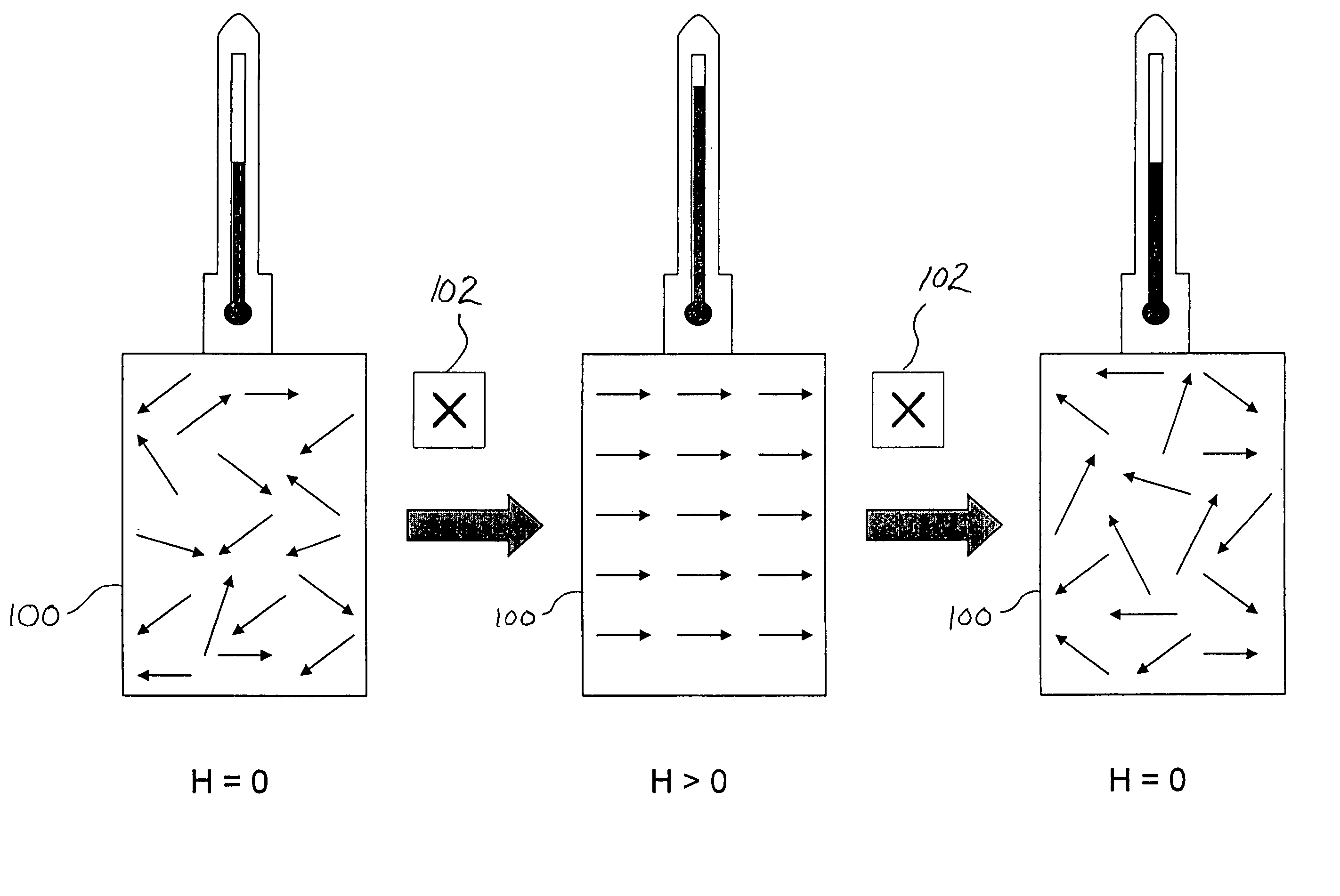
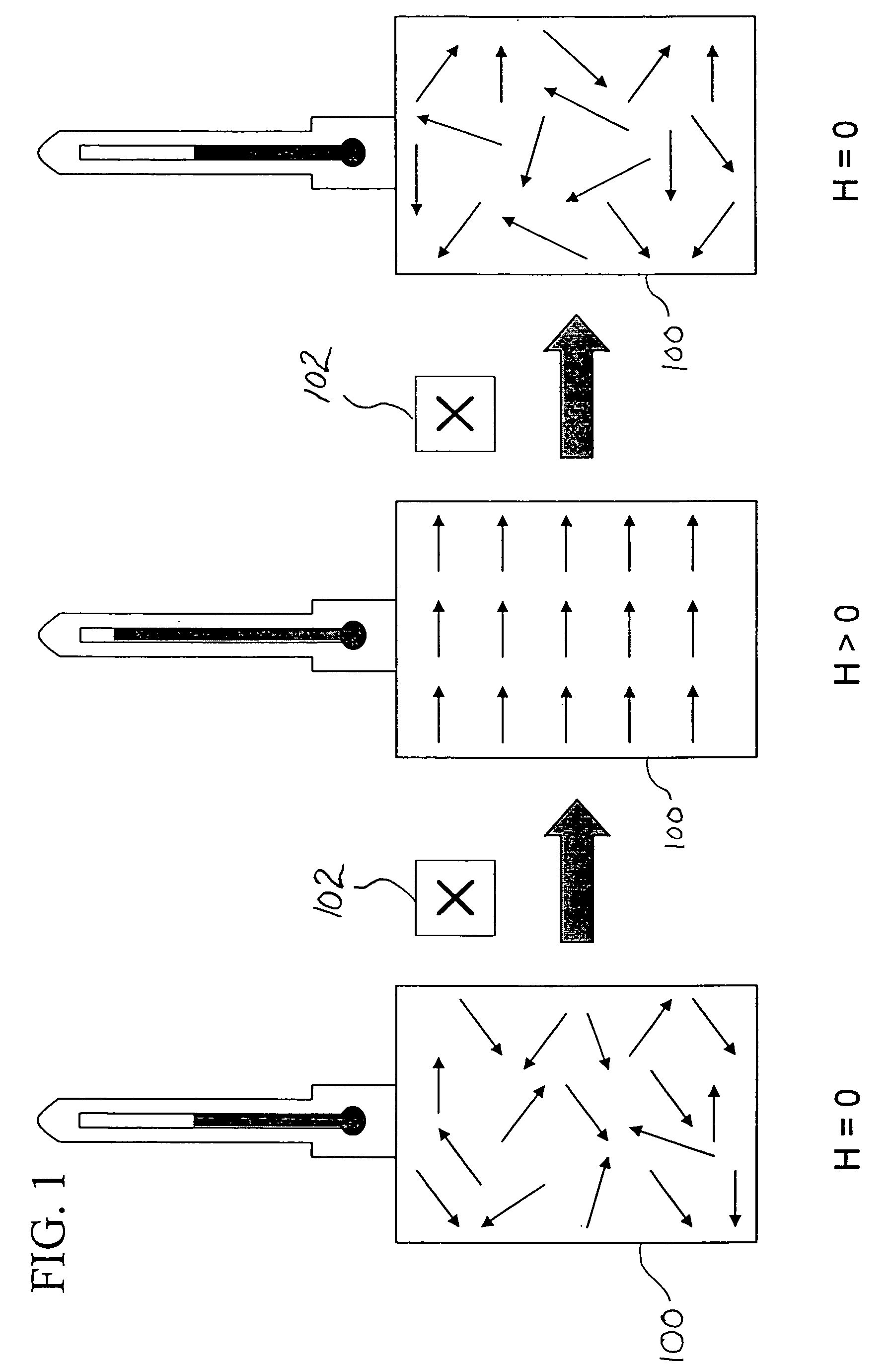
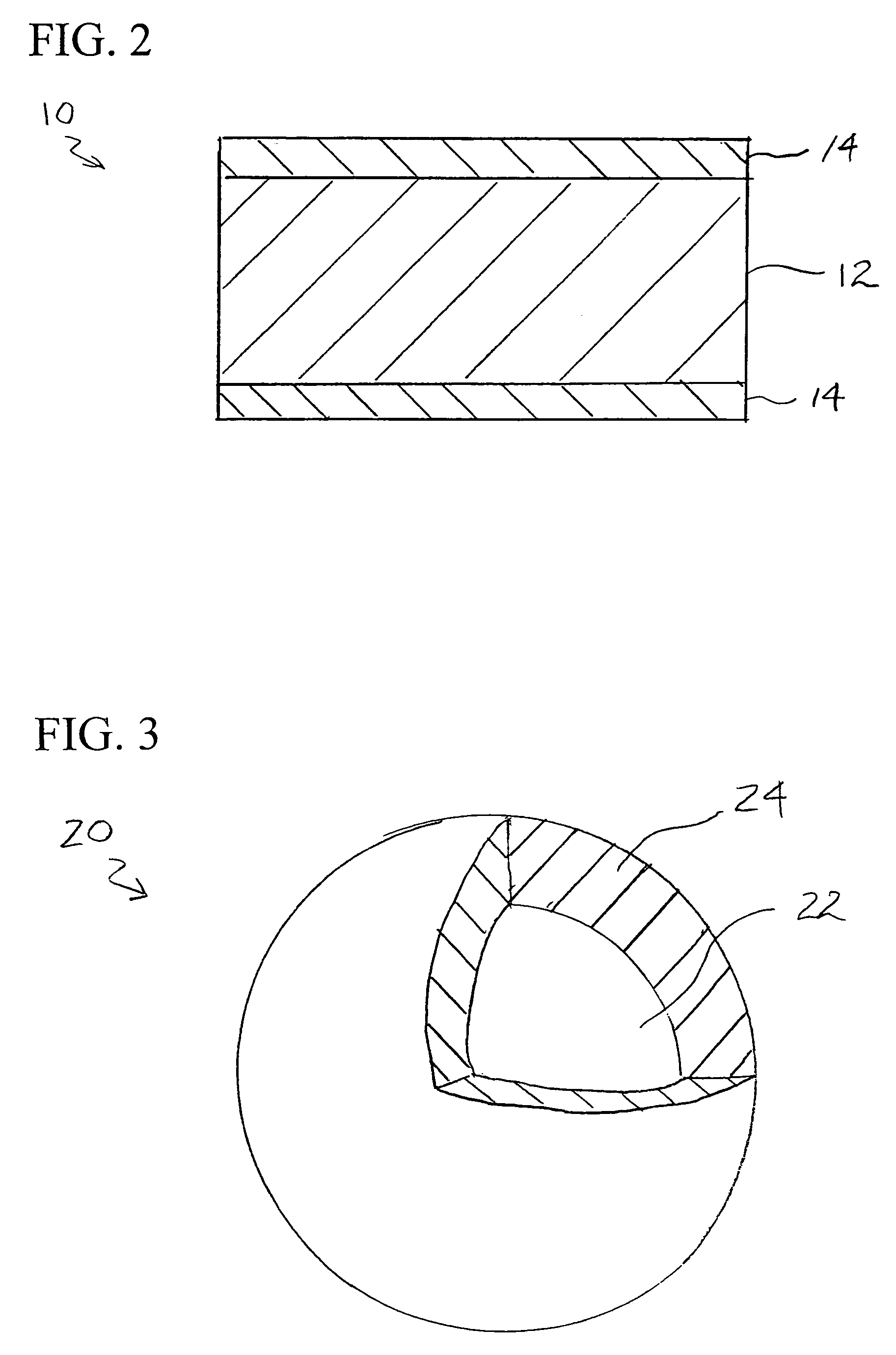

Magnetocaloric materials comprising manganese, iron, silicon, phosphorus and carbon
PatentWO2017211921A1
Innovation
- Development of magnetocaloric materials comprising manganese, iron, silicon, phosphorus, and carbon, with optional nitrogen and boron, which exhibit a softer magnetic behavior and allow for adjustment of key parameters like Curie temperature and magnetic entropy change by varying the amount of carbon and other elements, thereby reducing the magnetic field strength required for magnetization.


Energy Policy Impact on AI-Magnetocaloric Development
Energy policy frameworks worldwide are increasingly recognizing the strategic importance of AI-enhanced magnetocaloric technologies as a pathway toward sustainable cooling solutions. Government initiatives across major economies are establishing targeted funding mechanisms specifically designed to accelerate the convergence of artificial intelligence and magnetocaloric research, with particular emphasis on reducing energy consumption in refrigeration and air conditioning systems.
The European Union's Green Deal has allocated substantial resources through Horizon Europe programs, prioritizing AI-driven materials discovery for magnetocaloric applications. These policies mandate energy efficiency improvements of at least 30% in cooling technologies by 2030, creating strong incentives for researchers to leverage machine learning algorithms in magnetocaloric material optimization. Similar regulatory pressures in the United States through the Department of Energy's Building Technologies Office are driving increased investment in AI-magnetocaloric integration projects.
Carbon pricing mechanisms and emissions trading systems are fundamentally reshaping the economic landscape for magnetocaloric technology development. As carbon costs continue to rise globally, the economic viability of AI-optimized magnetocaloric cooling systems becomes increasingly attractive compared to traditional vapor-compression technologies. This policy-driven cost differential is accelerating private sector investment in AI-enhanced magnetocaloric research, with venture capital funding in this sector increasing by over 200% since 2022.
Regulatory standards for energy efficiency are creating specific performance benchmarks that can only be achieved through sophisticated AI-driven optimization of magnetocaloric materials and systems. The International Energy Agency's cooling efficiency standards are pushing manufacturers to adopt AI-powered design methodologies, as conventional approaches cannot meet the stringent efficiency requirements being implemented across multiple jurisdictions.
National competitiveness policies are also influencing AI-magnetocaloric development trajectories. Countries like China, Japan, and South Korea have designated AI-enhanced magnetocaloric technologies as strategic priorities within their national innovation strategies, providing substantial public funding and tax incentives for research institutions and companies pursuing these integrated approaches. This policy competition is accelerating global innovation cycles and creating international collaboration opportunities in AI-magnetocaloric research.
The European Union's Green Deal has allocated substantial resources through Horizon Europe programs, prioritizing AI-driven materials discovery for magnetocaloric applications. These policies mandate energy efficiency improvements of at least 30% in cooling technologies by 2030, creating strong incentives for researchers to leverage machine learning algorithms in magnetocaloric material optimization. Similar regulatory pressures in the United States through the Department of Energy's Building Technologies Office are driving increased investment in AI-magnetocaloric integration projects.
Carbon pricing mechanisms and emissions trading systems are fundamentally reshaping the economic landscape for magnetocaloric technology development. As carbon costs continue to rise globally, the economic viability of AI-optimized magnetocaloric cooling systems becomes increasingly attractive compared to traditional vapor-compression technologies. This policy-driven cost differential is accelerating private sector investment in AI-enhanced magnetocaloric research, with venture capital funding in this sector increasing by over 200% since 2022.
Regulatory standards for energy efficiency are creating specific performance benchmarks that can only be achieved through sophisticated AI-driven optimization of magnetocaloric materials and systems. The International Energy Agency's cooling efficiency standards are pushing manufacturers to adopt AI-powered design methodologies, as conventional approaches cannot meet the stringent efficiency requirements being implemented across multiple jurisdictions.
National competitiveness policies are also influencing AI-magnetocaloric development trajectories. Countries like China, Japan, and South Korea have designated AI-enhanced magnetocaloric technologies as strategic priorities within their national innovation strategies, providing substantial public funding and tax incentives for research institutions and companies pursuing these integrated approaches. This policy competition is accelerating global innovation cycles and creating international collaboration opportunities in AI-magnetocaloric research.
Computational Infrastructure Requirements for AI Integration
The integration of artificial intelligence in magnetocaloric research demands robust computational infrastructure capable of handling complex data processing, machine learning workflows, and high-performance computing tasks. The computational requirements span multiple dimensions, from hardware specifications to software frameworks and data management systems.
High-performance computing clusters represent the backbone of AI-enabled magnetocaloric research infrastructure. These systems must provide substantial parallel processing capabilities to handle computationally intensive tasks such as density functional theory calculations, molecular dynamics simulations, and large-scale machine learning model training. Modern GPU-accelerated computing architectures are particularly valuable, offering the parallel processing power necessary for neural network training and materials property prediction algorithms.
Storage infrastructure requires careful consideration of both capacity and performance characteristics. Magnetocaloric research generates substantial datasets from experimental measurements, computational simulations, and literature mining activities. The storage system must support high-throughput data ingestion from various sources while maintaining rapid access for machine learning training processes. Distributed storage solutions with redundancy and backup capabilities ensure data integrity and availability across research teams.
Memory and processing requirements vary significantly depending on the specific AI applications deployed. Deep learning models for materials discovery typically require substantial RAM allocation, particularly when processing large molecular structures or extensive property databases. The infrastructure must accommodate memory-intensive operations while maintaining system stability during extended computational runs.
Software framework compatibility represents another critical infrastructure consideration. The computational environment must support popular machine learning libraries such as TensorFlow, PyTorch, and scikit-learn, alongside specialized materials science software packages. Container technologies and virtual environments facilitate reproducible research workflows while managing complex software dependencies across different research projects.
Network infrastructure plays a crucial role in collaborative research environments, enabling secure data sharing between institutions and supporting remote access to computational resources. High-bandwidth connections facilitate efficient data transfer and real-time collaboration on large-scale magnetocaloric research projects.
Scalability considerations ensure that the computational infrastructure can adapt to evolving research needs and growing datasets. Cloud-based hybrid solutions offer flexibility in resource allocation, allowing researchers to scale computational capacity based on project requirements while maintaining cost-effectiveness for routine operations.
High-performance computing clusters represent the backbone of AI-enabled magnetocaloric research infrastructure. These systems must provide substantial parallel processing capabilities to handle computationally intensive tasks such as density functional theory calculations, molecular dynamics simulations, and large-scale machine learning model training. Modern GPU-accelerated computing architectures are particularly valuable, offering the parallel processing power necessary for neural network training and materials property prediction algorithms.
Storage infrastructure requires careful consideration of both capacity and performance characteristics. Magnetocaloric research generates substantial datasets from experimental measurements, computational simulations, and literature mining activities. The storage system must support high-throughput data ingestion from various sources while maintaining rapid access for machine learning training processes. Distributed storage solutions with redundancy and backup capabilities ensure data integrity and availability across research teams.
Memory and processing requirements vary significantly depending on the specific AI applications deployed. Deep learning models for materials discovery typically require substantial RAM allocation, particularly when processing large molecular structures or extensive property databases. The infrastructure must accommodate memory-intensive operations while maintaining system stability during extended computational runs.
Software framework compatibility represents another critical infrastructure consideration. The computational environment must support popular machine learning libraries such as TensorFlow, PyTorch, and scikit-learn, alongside specialized materials science software packages. Container technologies and virtual environments facilitate reproducible research workflows while managing complex software dependencies across different research projects.
Network infrastructure plays a crucial role in collaborative research environments, enabling secure data sharing between institutions and supporting remote access to computational resources. High-bandwidth connections facilitate efficient data transfer and real-time collaboration on large-scale magnetocaloric research projects.
Scalability considerations ensure that the computational infrastructure can adapt to evolving research needs and growing datasets. Cloud-based hybrid solutions offer flexibility in resource allocation, allowing researchers to scale computational capacity based on project requirements while maintaining cost-effectiveness for routine operations.
Unlock deeper insights with PatSnap Eureka Quick Research — get a full tech report to explore trends and direct your research. Try now!
Generate Your Research Report Instantly with AI Agent
Supercharge your innovation with PatSnap Eureka AI Agent Platform!